

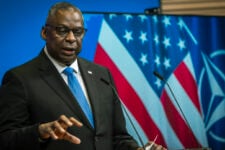





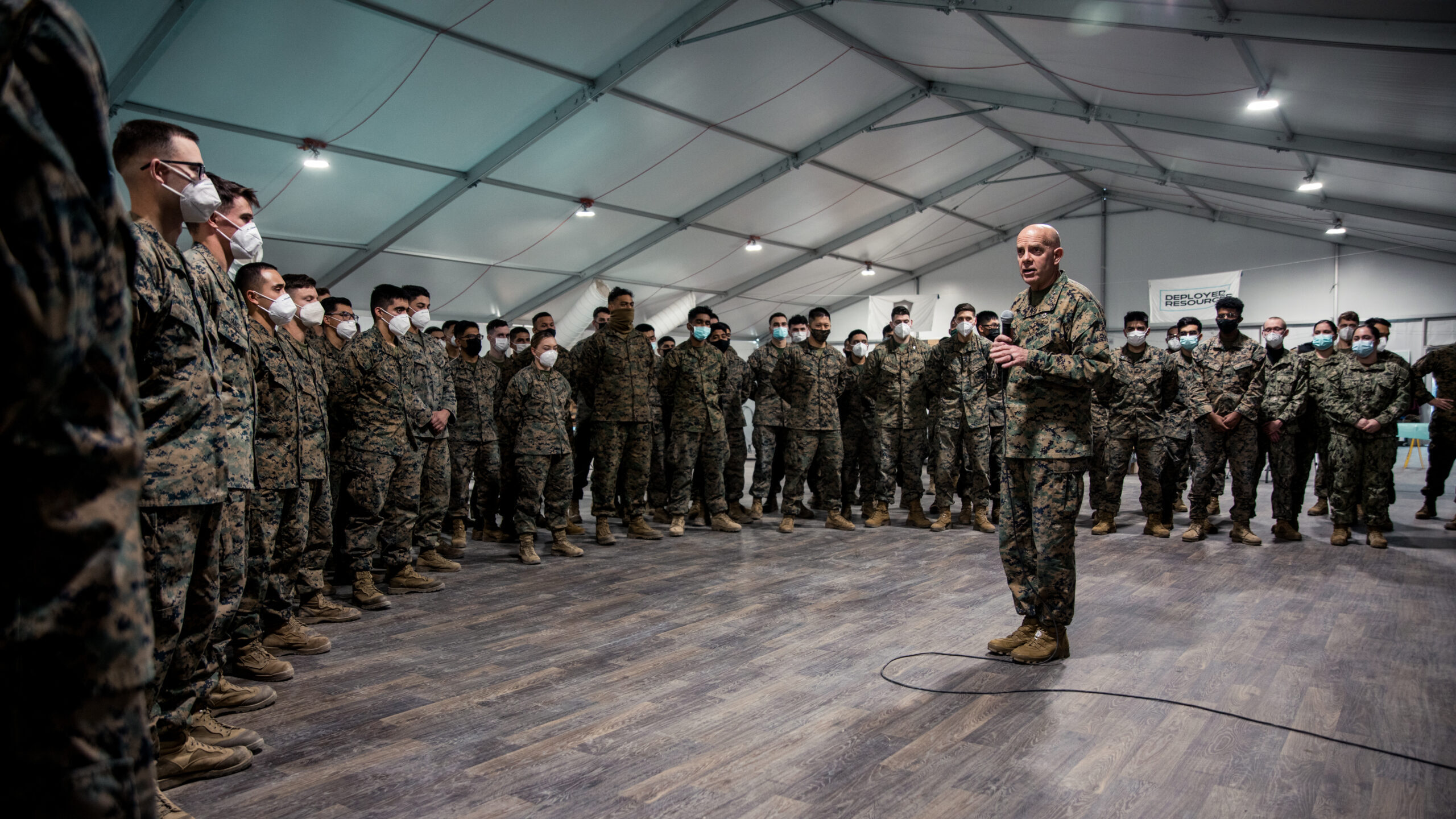
The Marine Corps’ top officer spent part of his week at the Modern Day Marine exposition giving some of his last talks as the commandant.
By Justin KatzInsights on digital transformation following successes on B-21 and Sentinel
Customers and employees are experiencing the ‘Butterfly Effect’ of digital transformation from key national security programs.
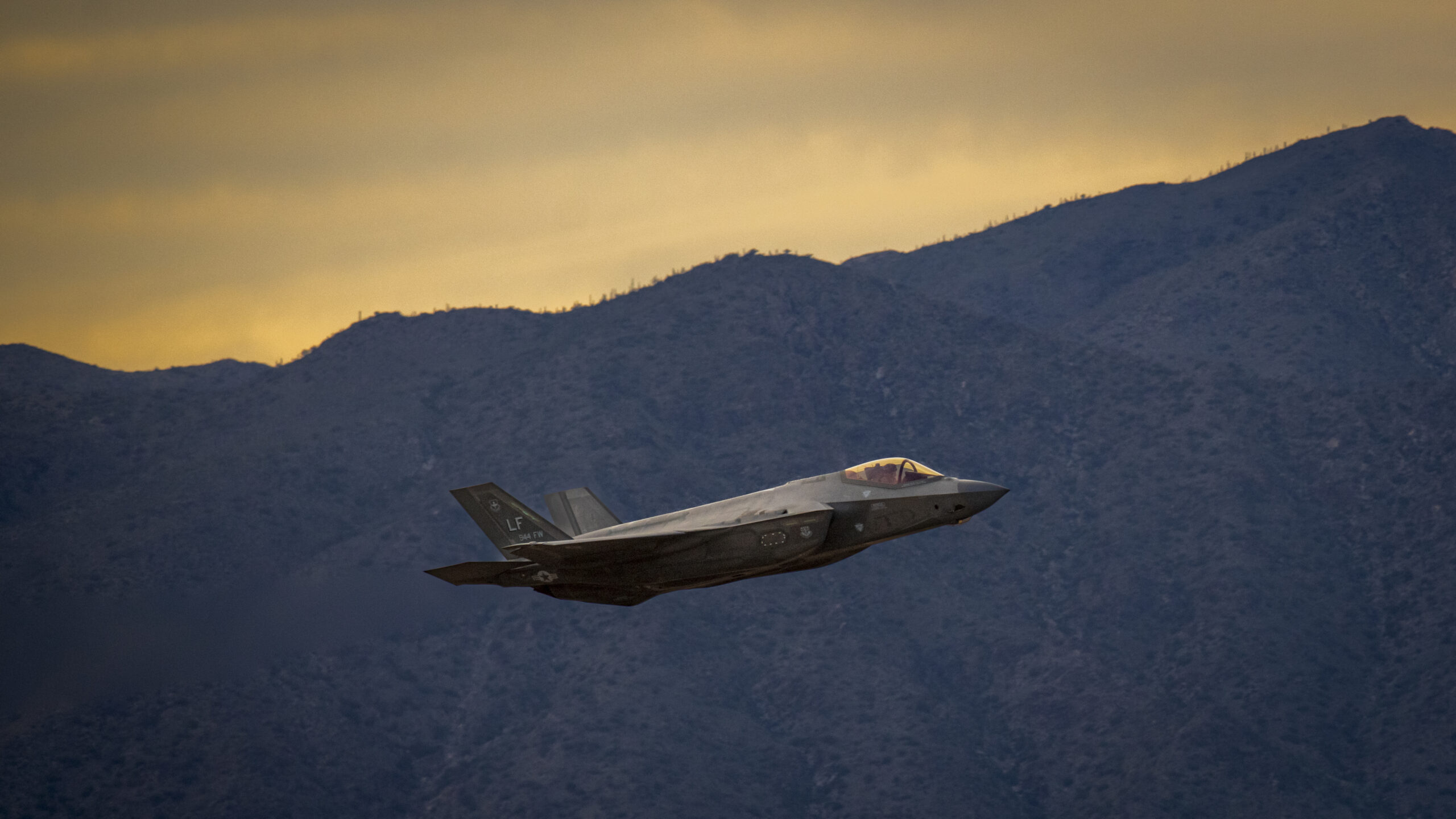
Beyond actual aviation news, I will continue to mention Taylor Swift in these lists until my editors force me to stop. [Editor’s Note: Fine.]
By Valerie Insinna
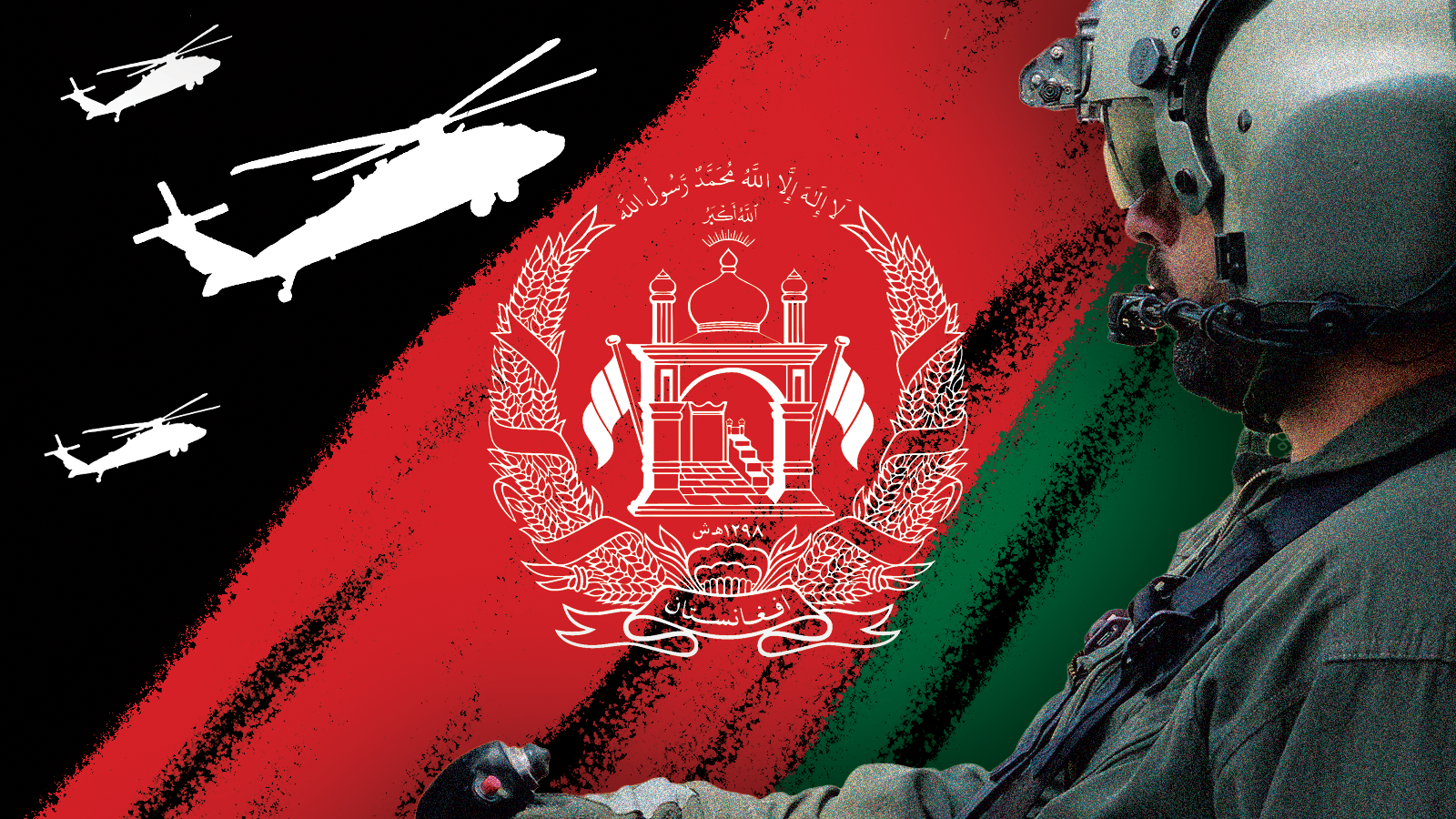
On the anniversary of the last US evacuation of Afghanistan, Col. Salim Faqiri discusses his harrowing escape from the Taliban and his new, difficult life in the US.
By Valerie Insinna
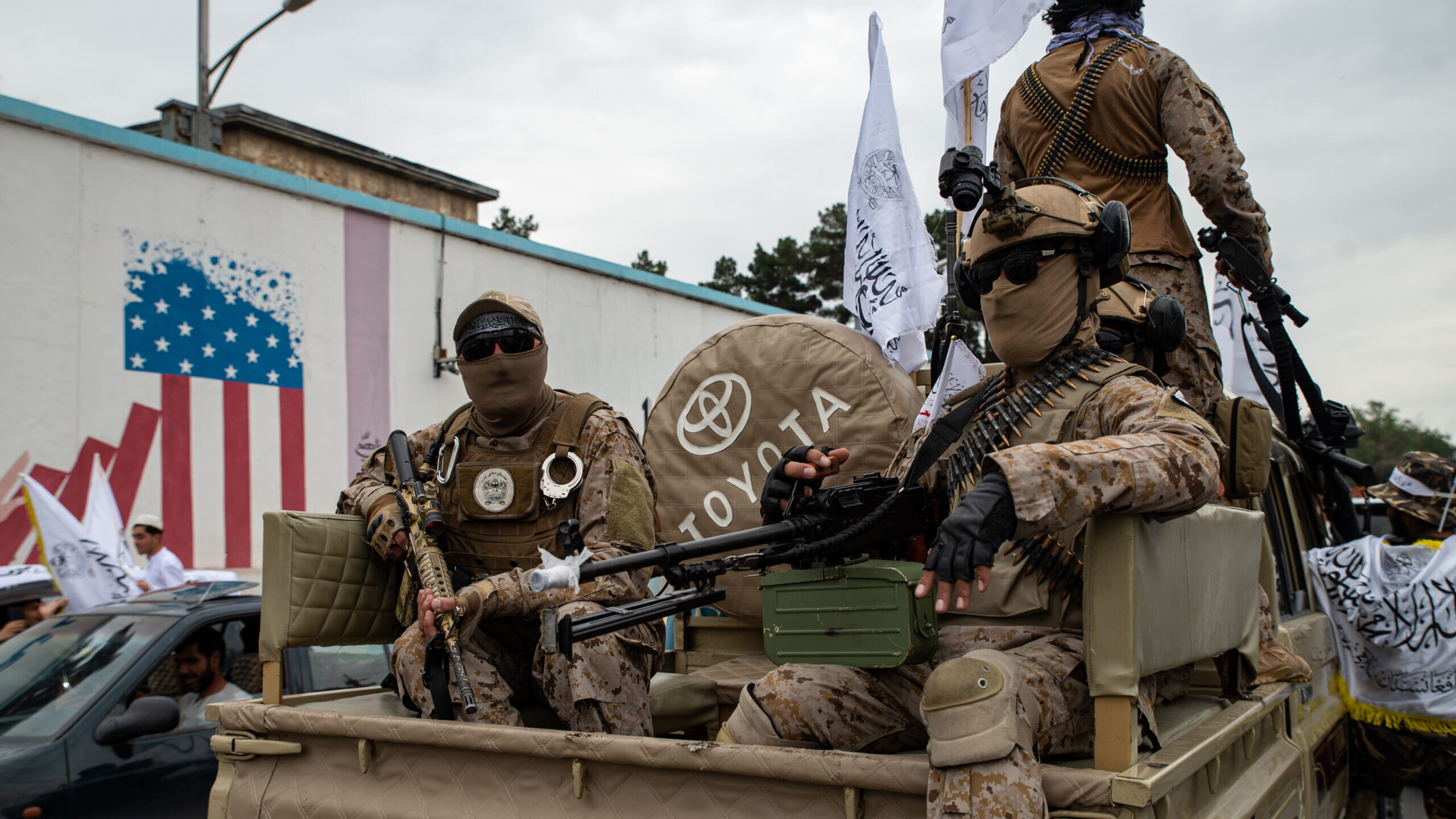
Ground vehicles accounted for the lion’s share of the equipment left behind.
By Justin Katz
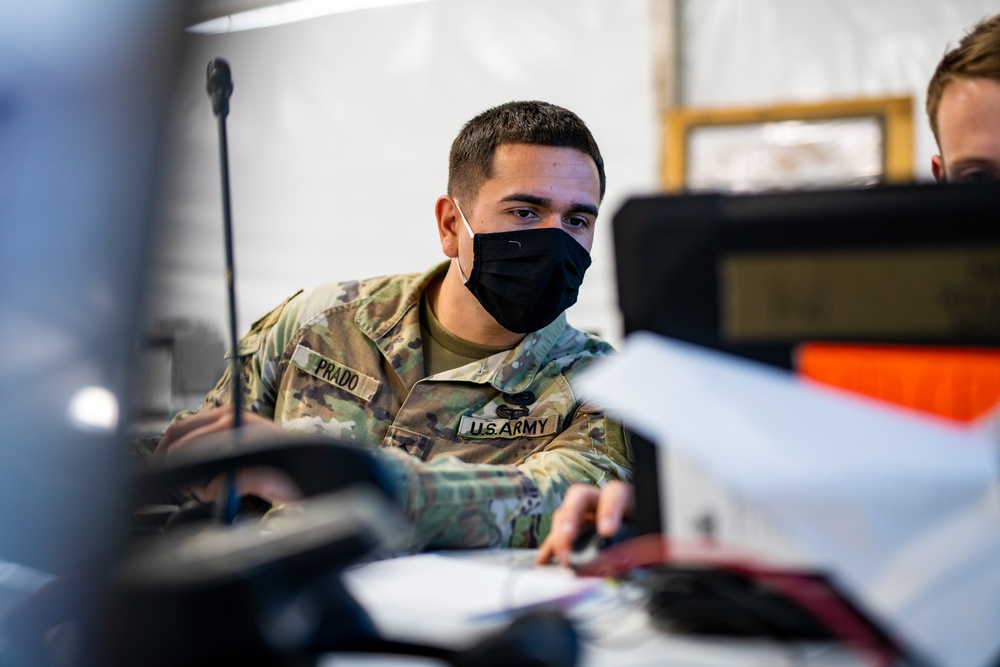
The Afghanistan withdrawal and the consolidation of all in-country military networks to one base at Hamid Karzai International Airport illustrated unique challenges with direct applicability to Joint All Domain Command and Control and future Project Convergences.
By Barry Rosenberg

“I don’t see a direct threat to the homeland today, but I think it’s something that we have to be aware of,” Gen. Richard Clarke said.
By Andrew Eversden
Why cloud modernization is critical to multi-domain operations
JADC2 is a forcing function, driving digital transformation of network infrastructure.
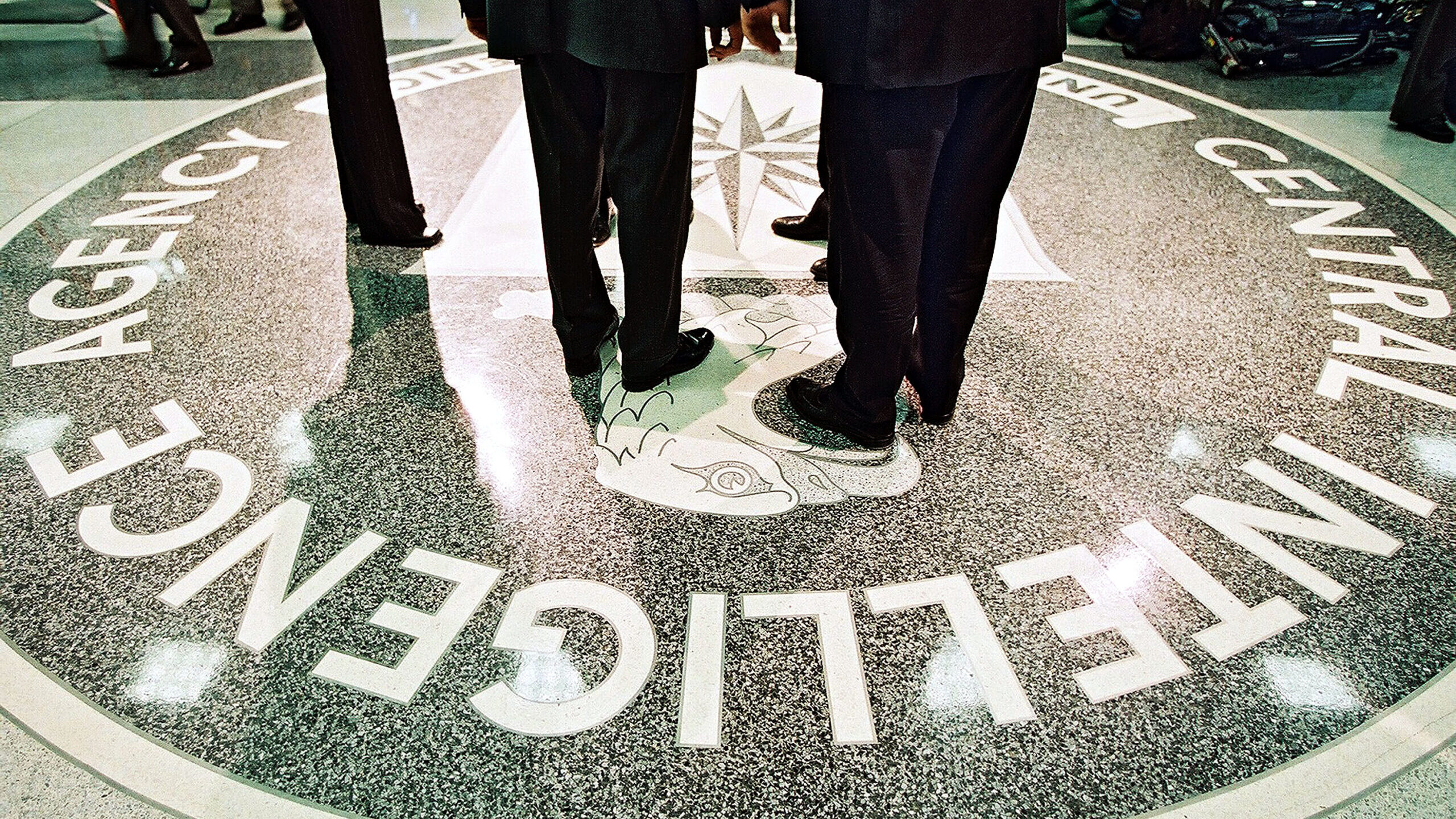
The bill also requires the IC to share information with the Defense Department’s Unexplained Aerial Phenomena Task Force.
By Brad D. Williams
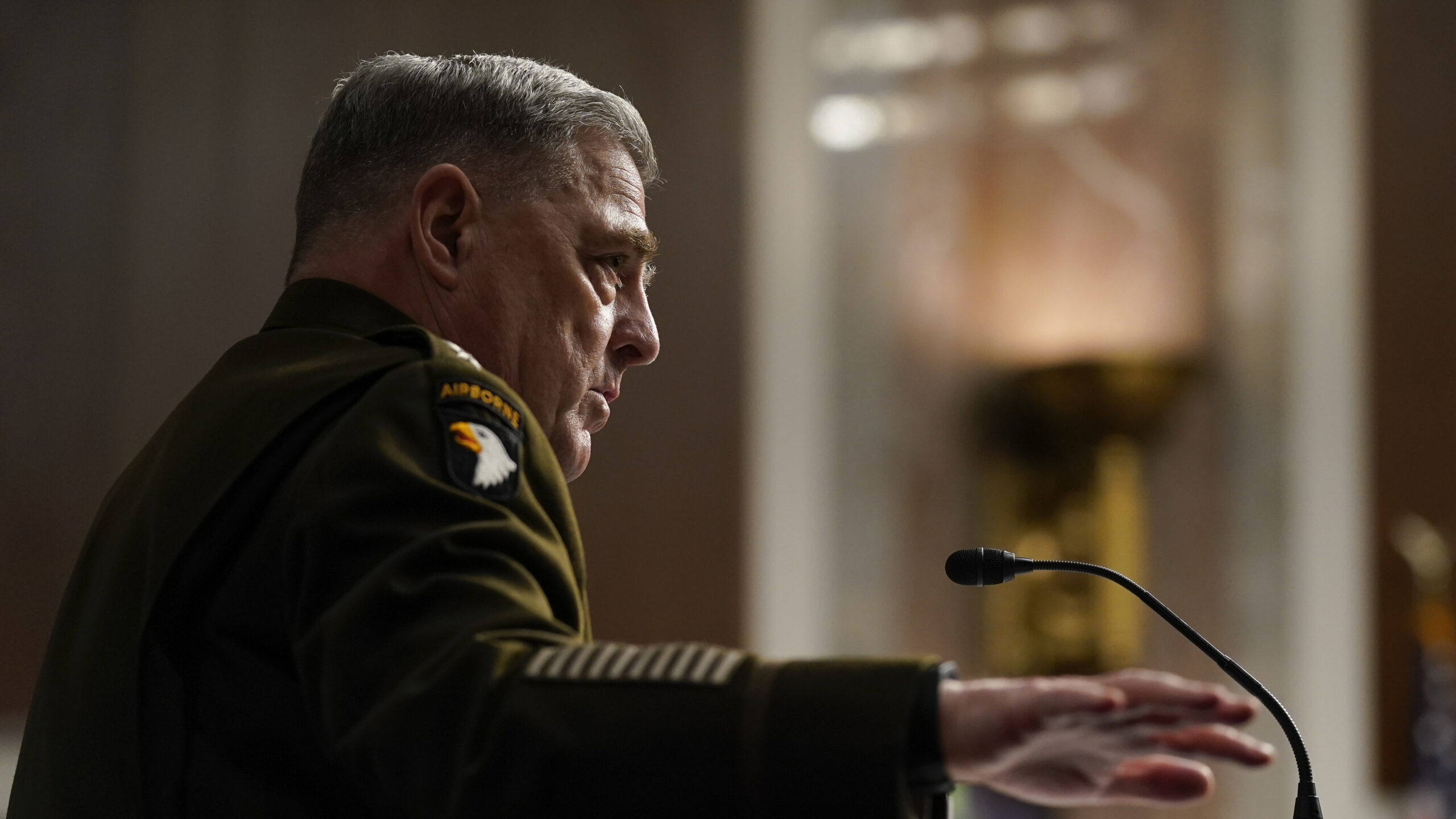
The anguish of dealing with the aftermath of the end of the Afghan war came through clearly in some of Defense Secretary Austin’s testimony. “Did we have the right strategy? Did we have too many strategies? Did we put too much faith in our ability to build effective Afghan institutions, an army, an air force, the police force, and government ministries? We built a state, Mr. Chairman, but we could not forge a nation.”
By Colin Clark
The NDAA easily passed and now heads to the Senate.
By Aaron Mehta

One senior official said he wants his agency to have the urgency about China the way the US had urgency about counterterrorism after 9/11.
By Brad D. Williams
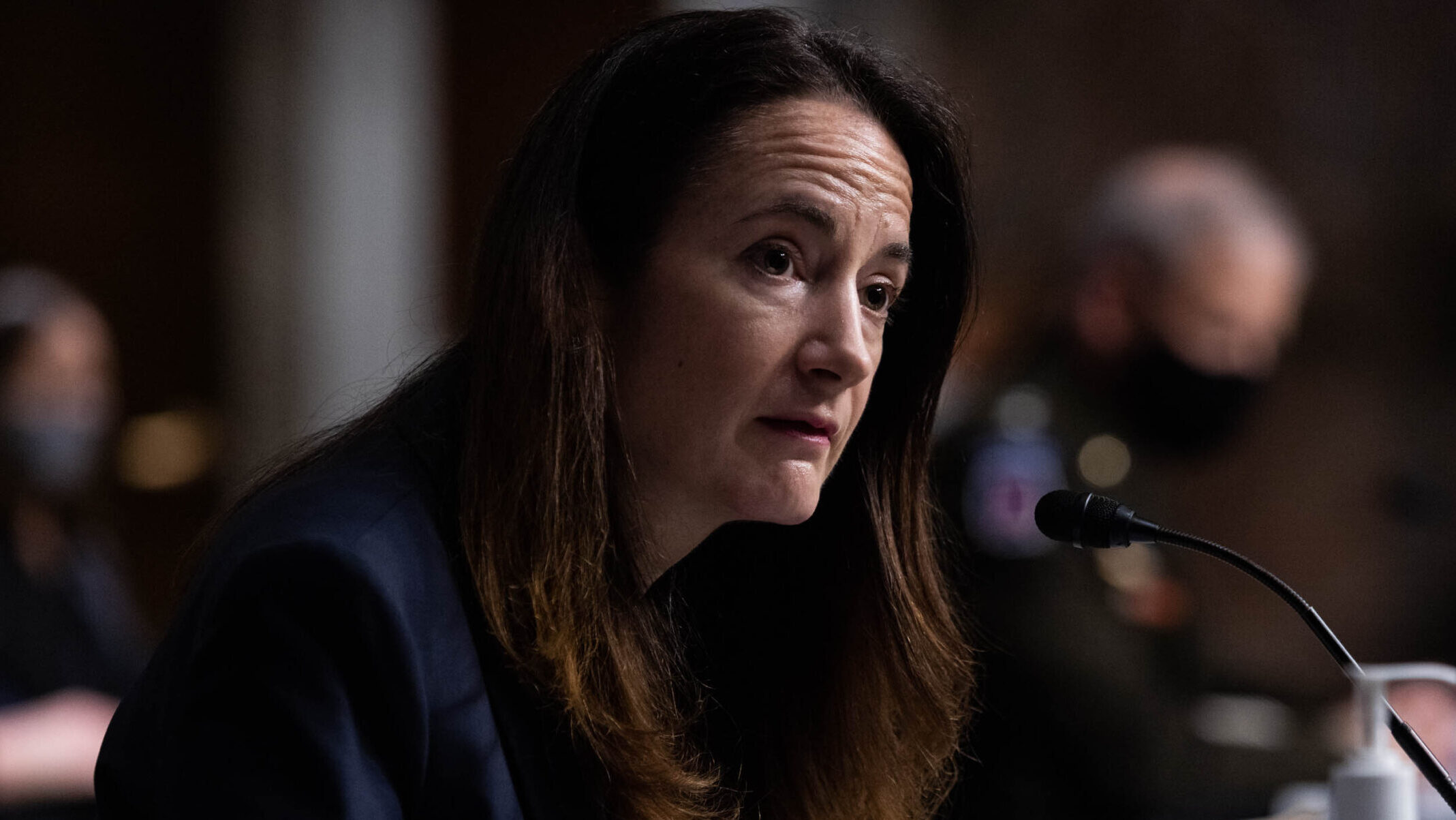
“There’s no question that as you pull out… our intelligence collection is diminished,” Haines said. “In Afghanistan, we will want to monitor any reconstitution of terrorist groups.”
By Brad D. Williams
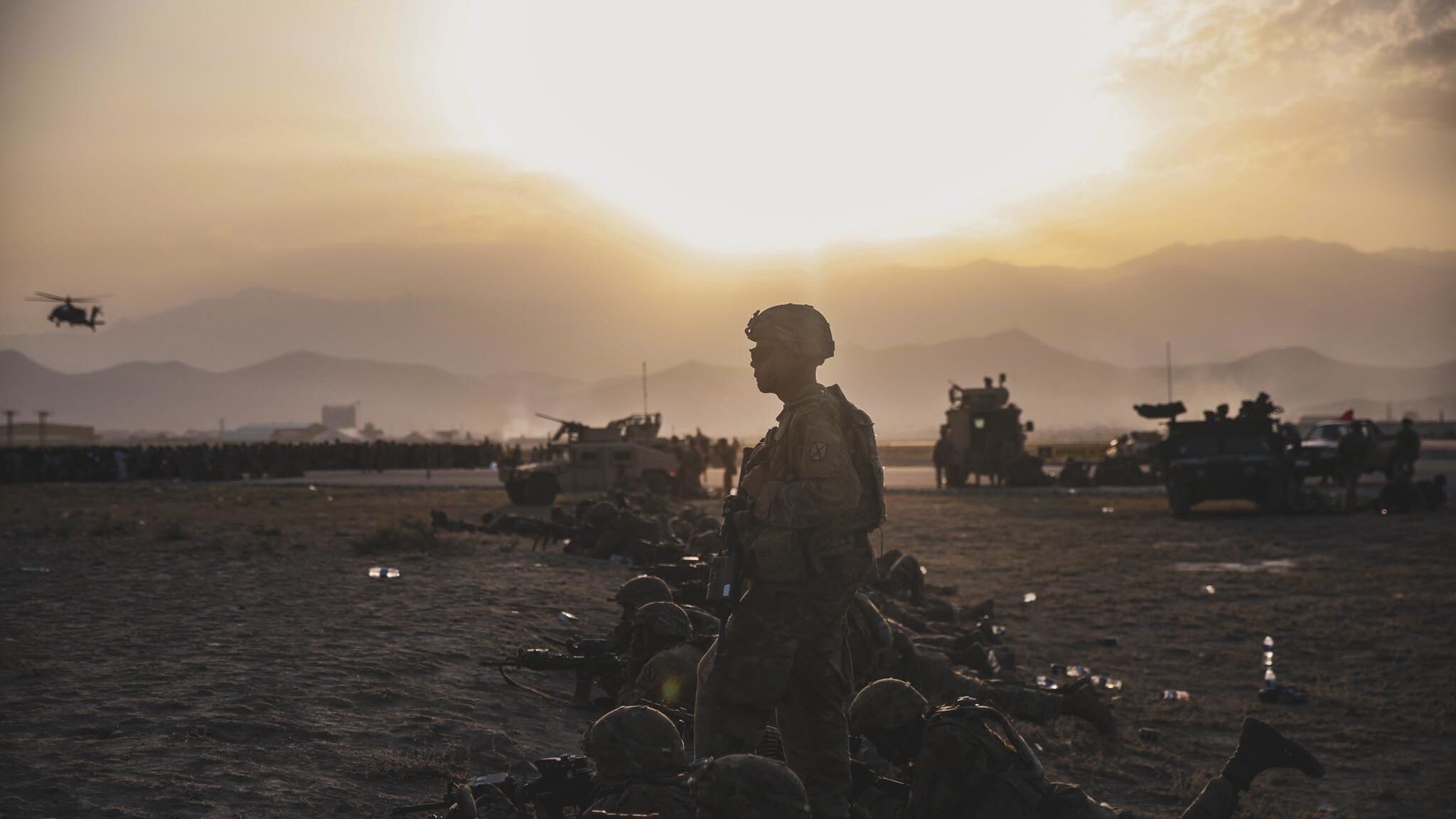
The message was clear, from the mouths of military officials, the State Department and President Joe Biden himself: Aug. 30 marked the official end of the US war in Afghanistan. But, as Mark Cancian writes below, just because the US has decided it is done with Afghanistan does not mean Afghanistan is done with…
By Mark Cancian
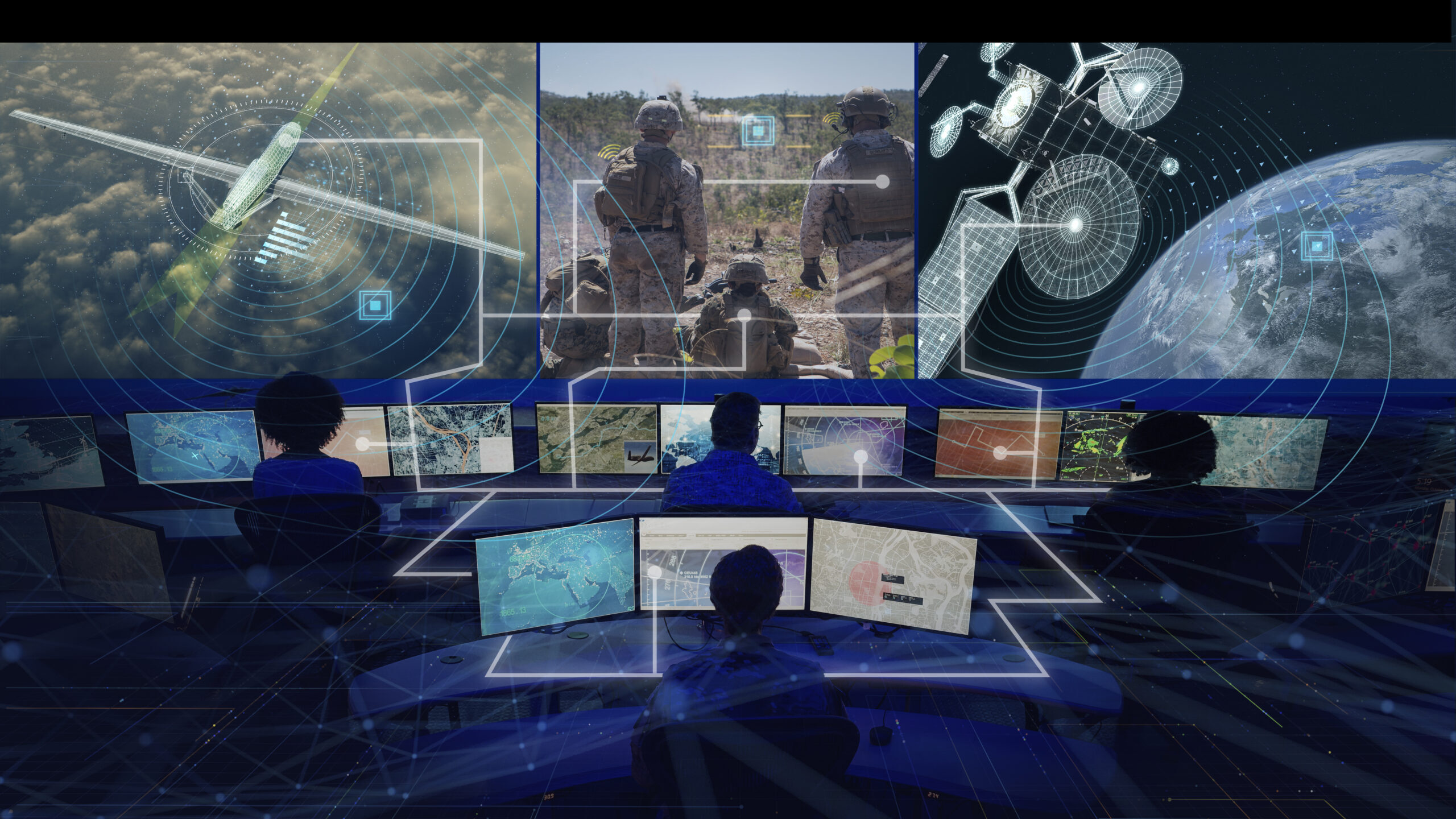
“Joint always seems fun until we get into decisions about who governs this,” joked Army CIO Raj Iyer.
By Brad D. Williams



The terrorist attack that killed nearly 3,000 Americans and set the US on a course for war in Afghanistan also prompted a formal commission to deeply examine how the US government allowed the attack to happen. Twenty years later, retired Brig. Gen. James Scott O’Meara argues in this op-ed that a similar commission is crucial…
By J. Scott O'Meara