










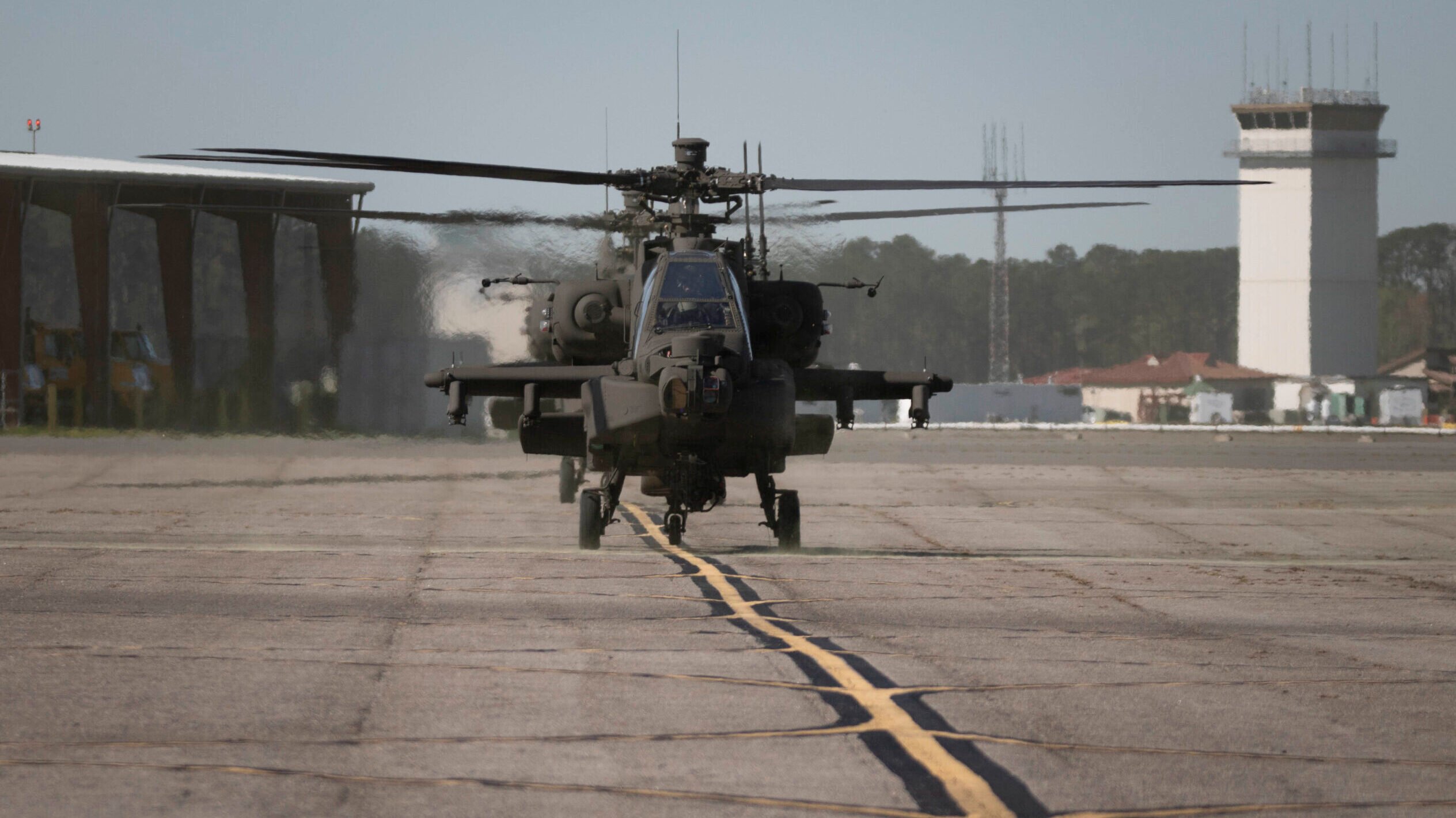
“We’ve seen some improvement … and so readiness is there: We have enough retrofit generators right now [and] it’s not impacting readiness,” said John Chicoli, the director of Boeing’s global services for vertical lift and special operations.
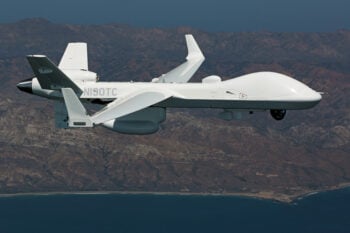
By Ashley RoqueGA-ASI’s MQ-9B: The right UAV for persistence, power, and performance
When assessing the state of the art of unmanned aerial systems, it’s critical to be very clear about what various aircraft can and can’t do – and could never do.

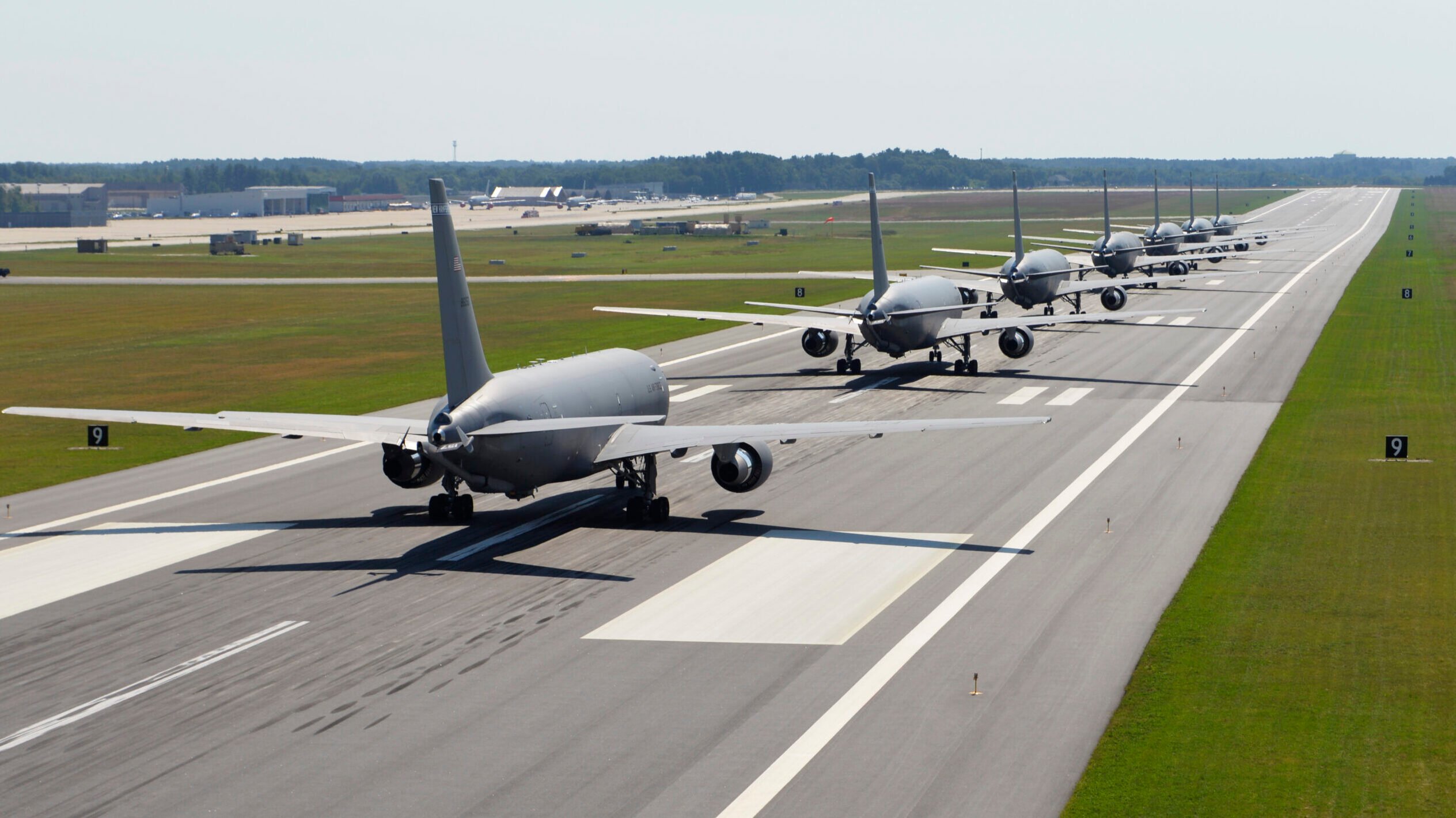
Despite the charges, Boeing’s plan to get its defense unit back to high single-digit margins by the 2026 timeframe “remains intact,” Chief Financial Officer Brian West said.
By Valerie Insinna
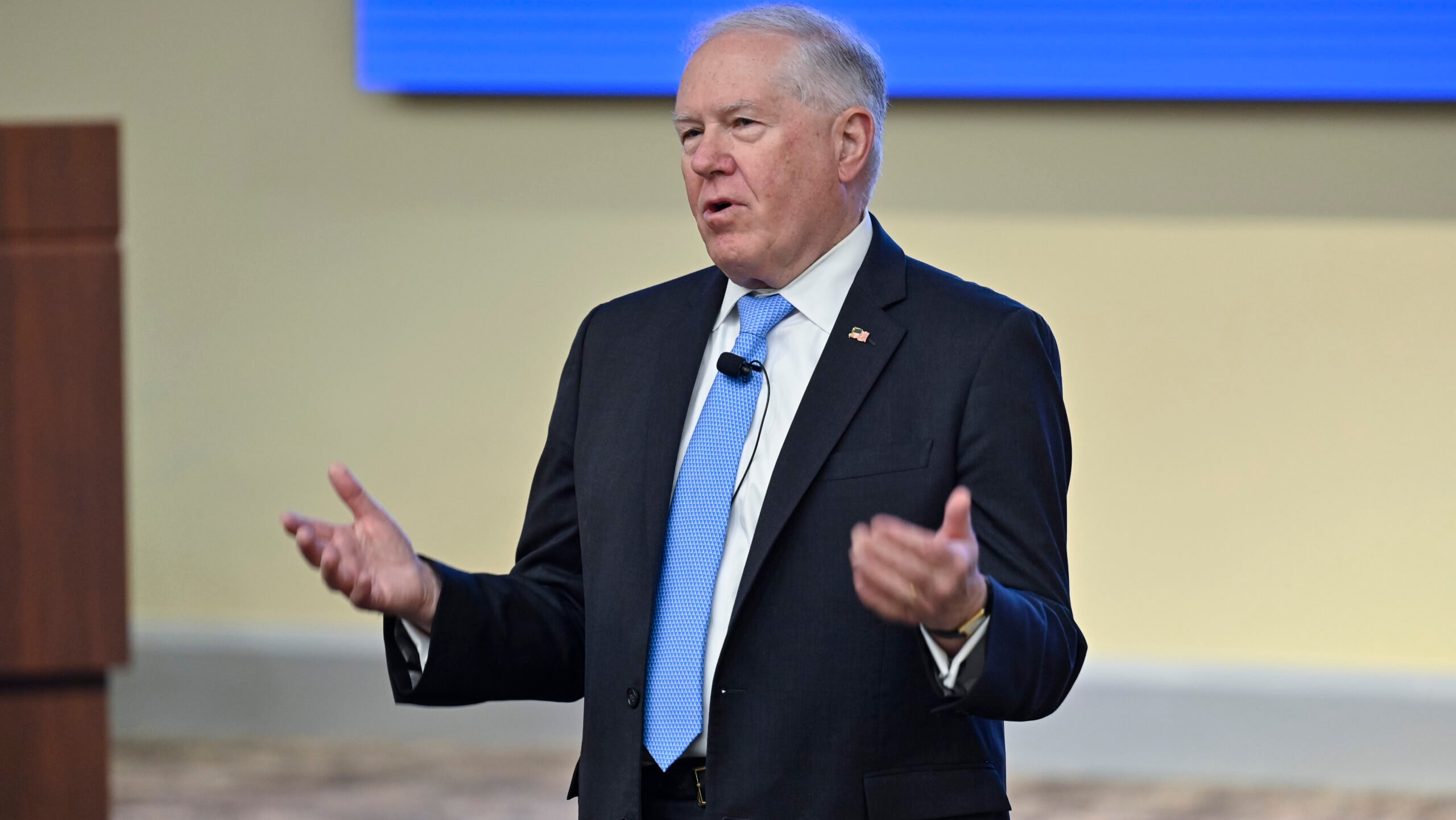
Production of an E-7A Wedgetail aircraft has also slipped by a year, according to Air Force Secretary Frank Kendall.
By Michael Marrow
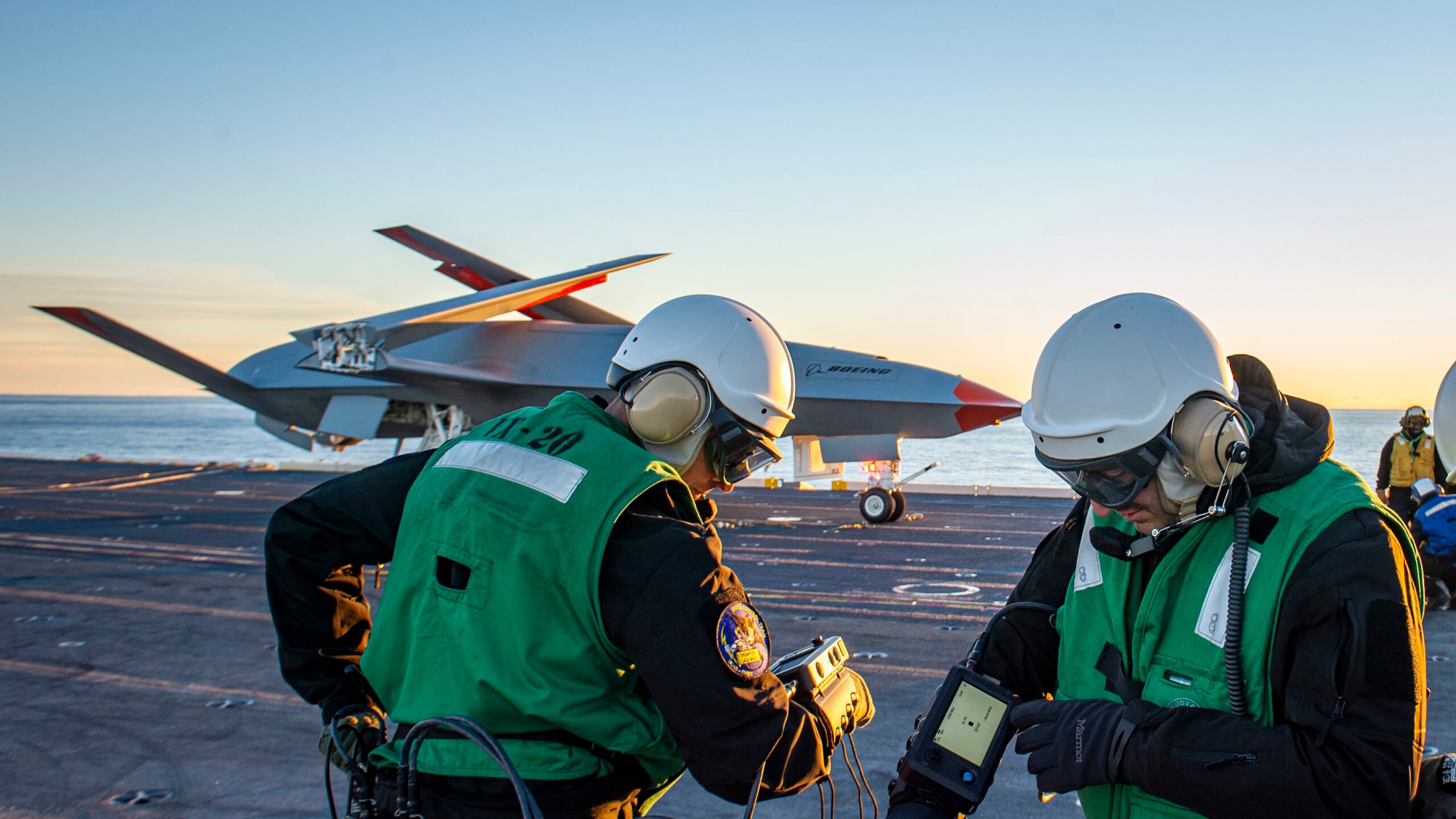
The aerospace giant showed off an armed MQ-25 model outfitted with two Lockheed Martin-made Long Range Anti-Surface Missiles during the Sea Air Space conference earlier this week.
By Valerie Insinna
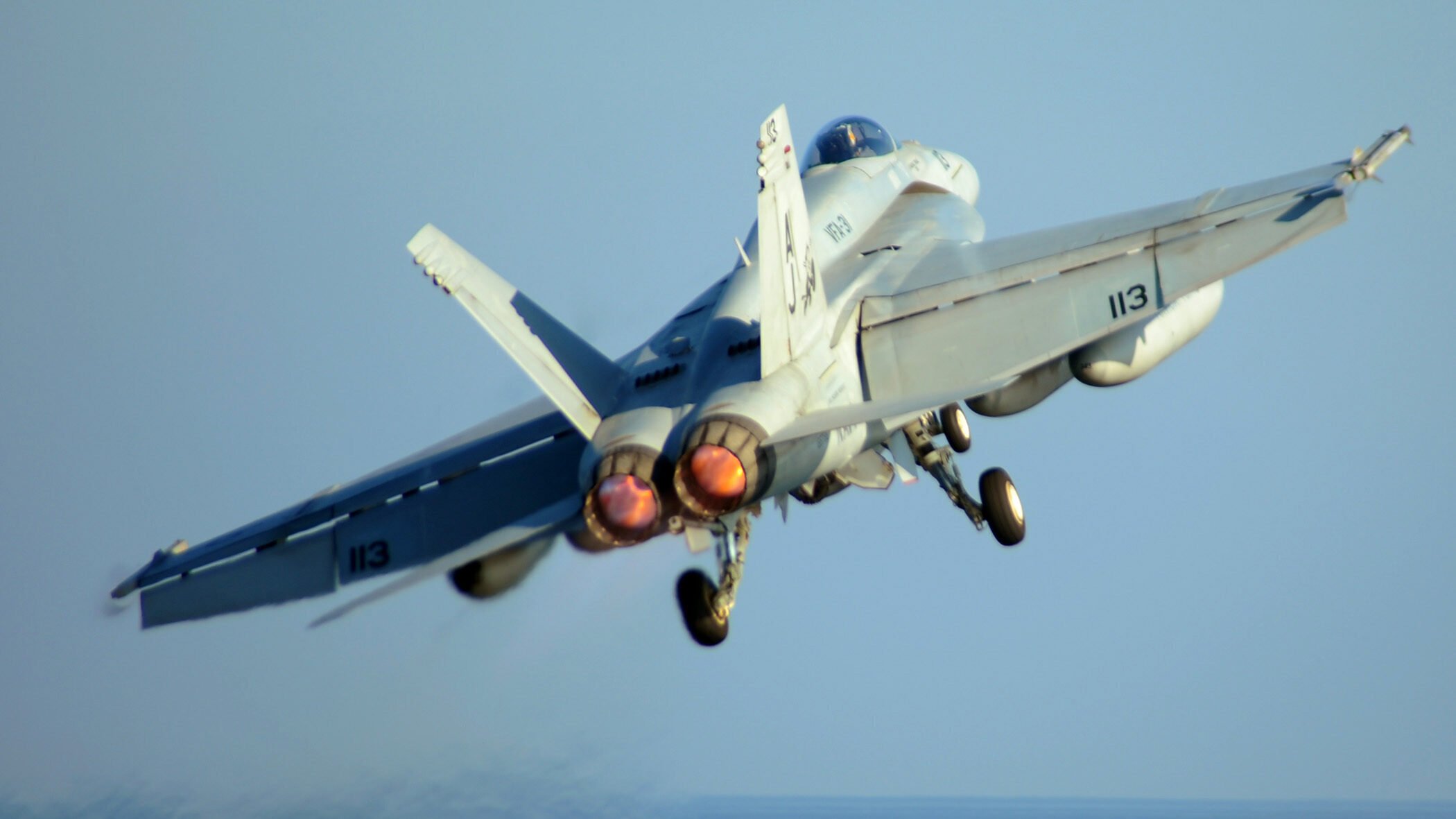
The desire for technical data rights “is one of those areas where industry and government have been at odds for a long time. And certainly Boeing on F-18 and the Navy as well,” Boeing fighters VP Mark Sears told Breaking Defense. “So being able to put that on a path to final resolution … is a really positive step.”
By Michael Marrow

The site “will support the engineering and production of missile weapon systems for the U.S. military, such as components for the Ground-Launched Small Diameter Bomb (GLSDB) system,” the company said.
By Lee Ferran
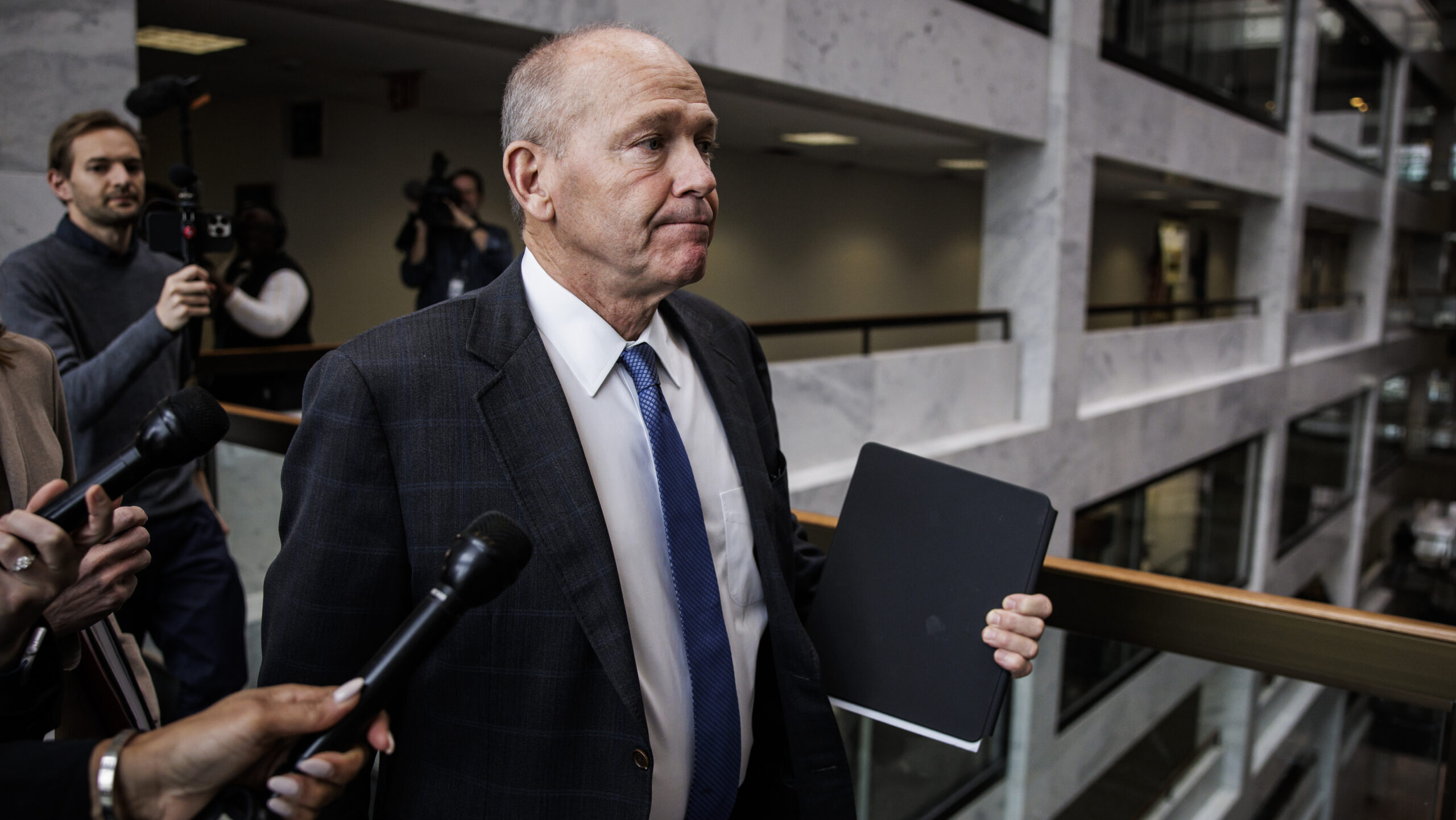
Dave Calhoun had been under fire for some time, in large part due to public failures on the commercial side of the company.
By Valerie Insinna
B-21, hypersonics and more: How digital development is driving industry innovation
Technological advancements are key to keeping pace with customer demands and evolving threat landscapes.


Boeing acquired Germantown, Md.-based Digital Receiver Technology Inc. in 2008, when the aerospace giant was seeking to expand its presence in the intelligence sector.
By Valerie Insinna
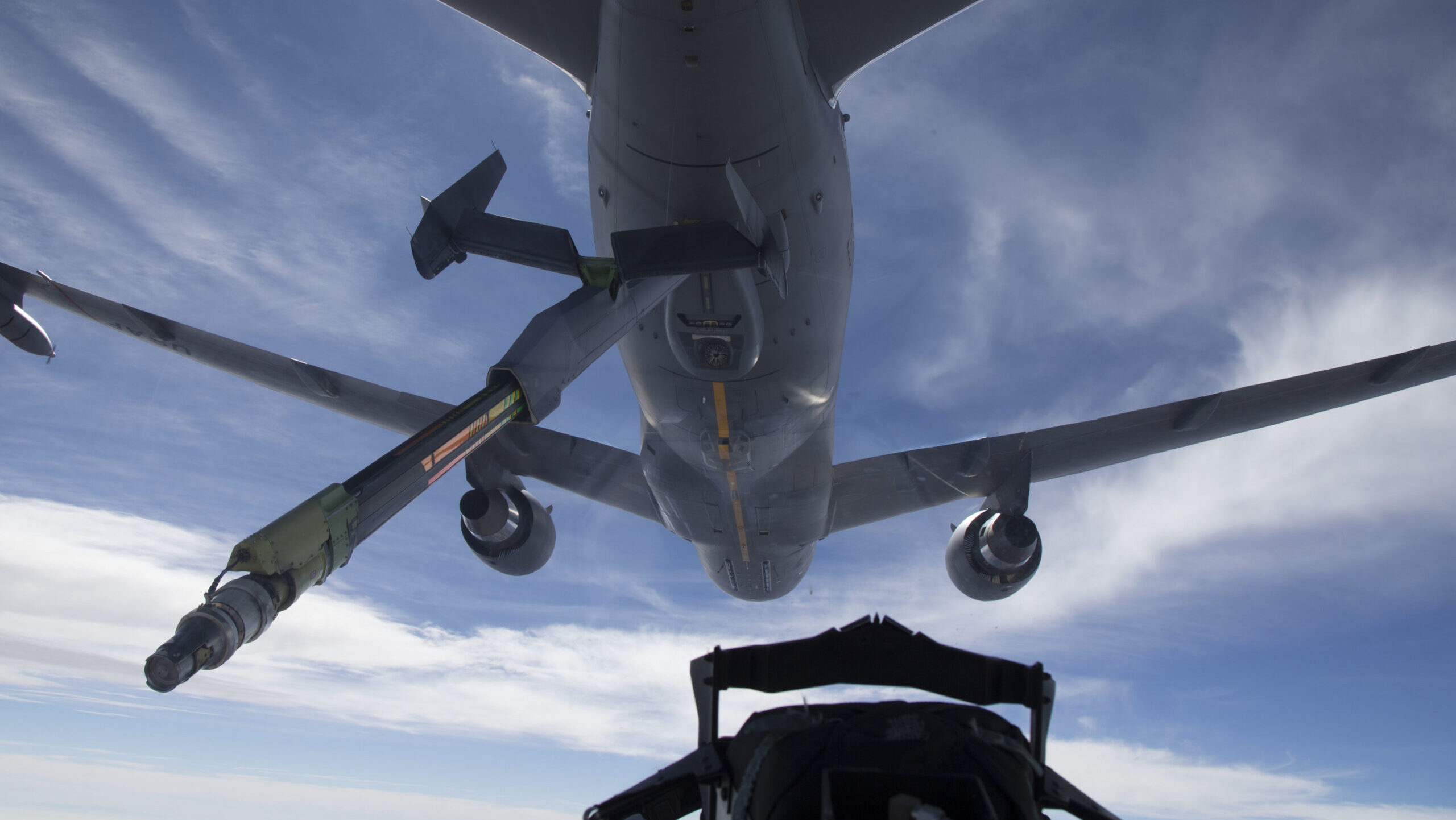
Responses will help shape analysis for the tanker program, known as the Next Generation Air refueling System.
By Michael Marrow
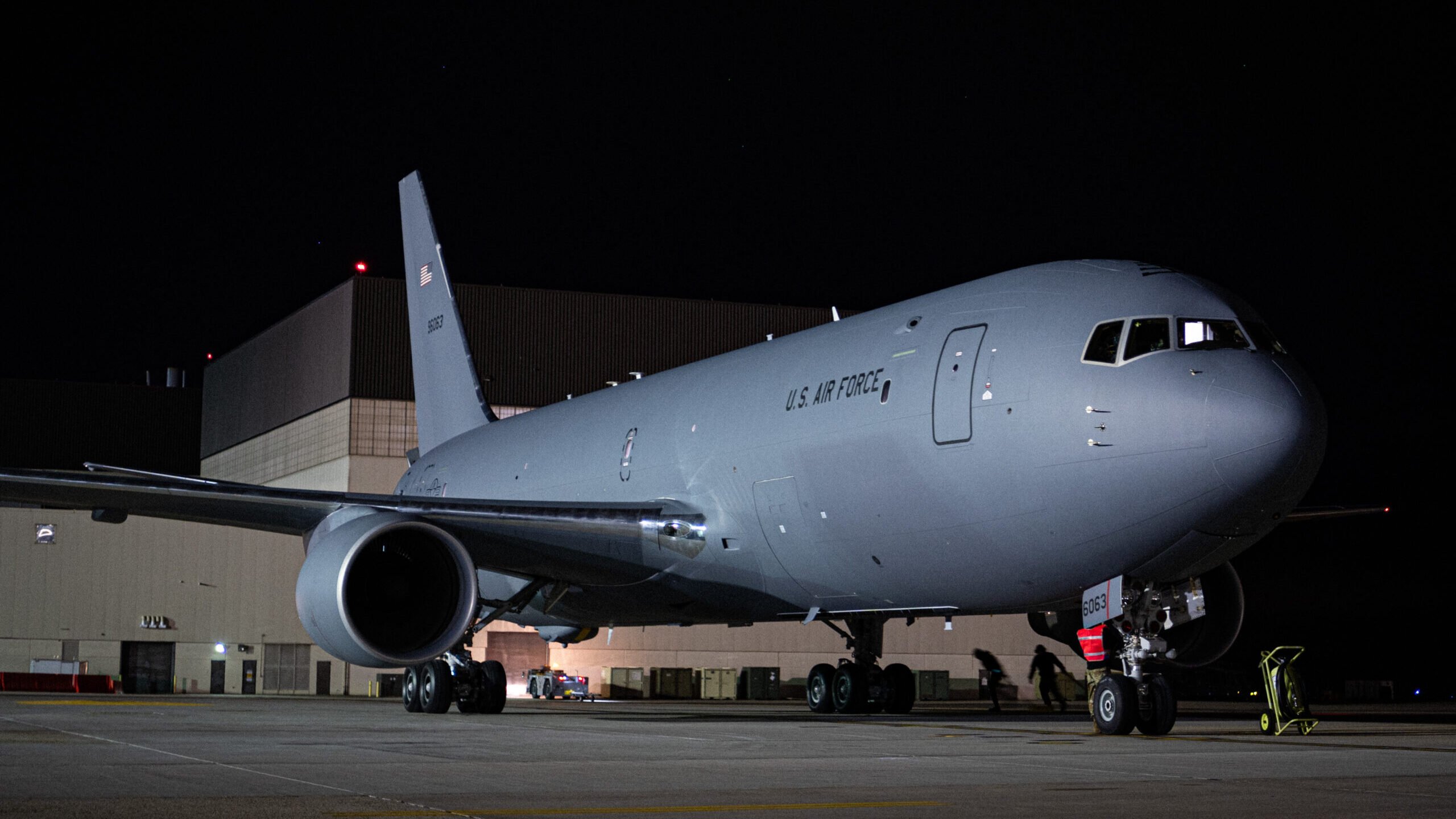
Air Force acquisition chief Andrew Hunter noted potential troubles ahead for the KC-46A and said T-7A production could start “a little later” than previously anticipated, but he remained confident about the way forward for the two aircraft.
By Michael Marrow
“It’s just about the overall budget of the Air Force and what we’re able to afford and what we’re not able to afford,” explained Air Force acquisition chief Andrew Hunter of the decision to cut the birds.
By Michael Marrow
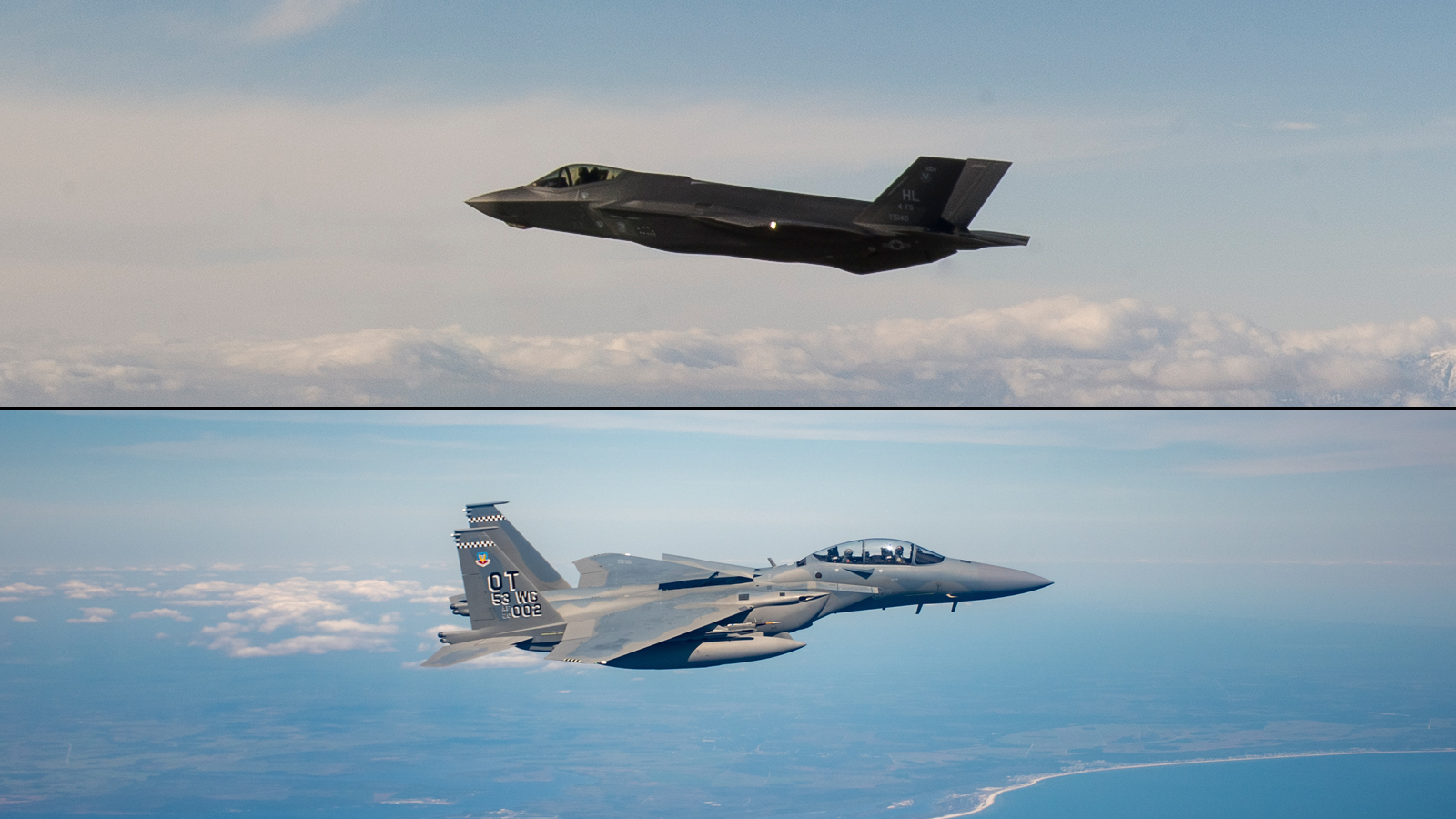
Across the Air Force, Navy and Marine Corps, the Pentagon will purchase 21 fewer fighter jets than originally expected for the 2025 fiscal year, dropping a planned buy of 107 to 86.
By Michael Marrow

“We’re very, very fixated on being competitive with the pacing challenge [of China],” said Air Force Secretary Frank Kendall. “I think the budget that we’ve submitted moves us forward — not quite as fast as we would like to, but it moves us forward in the right direction while maintaining current capabilities that are essential to the nation.”
By Michael Marrow
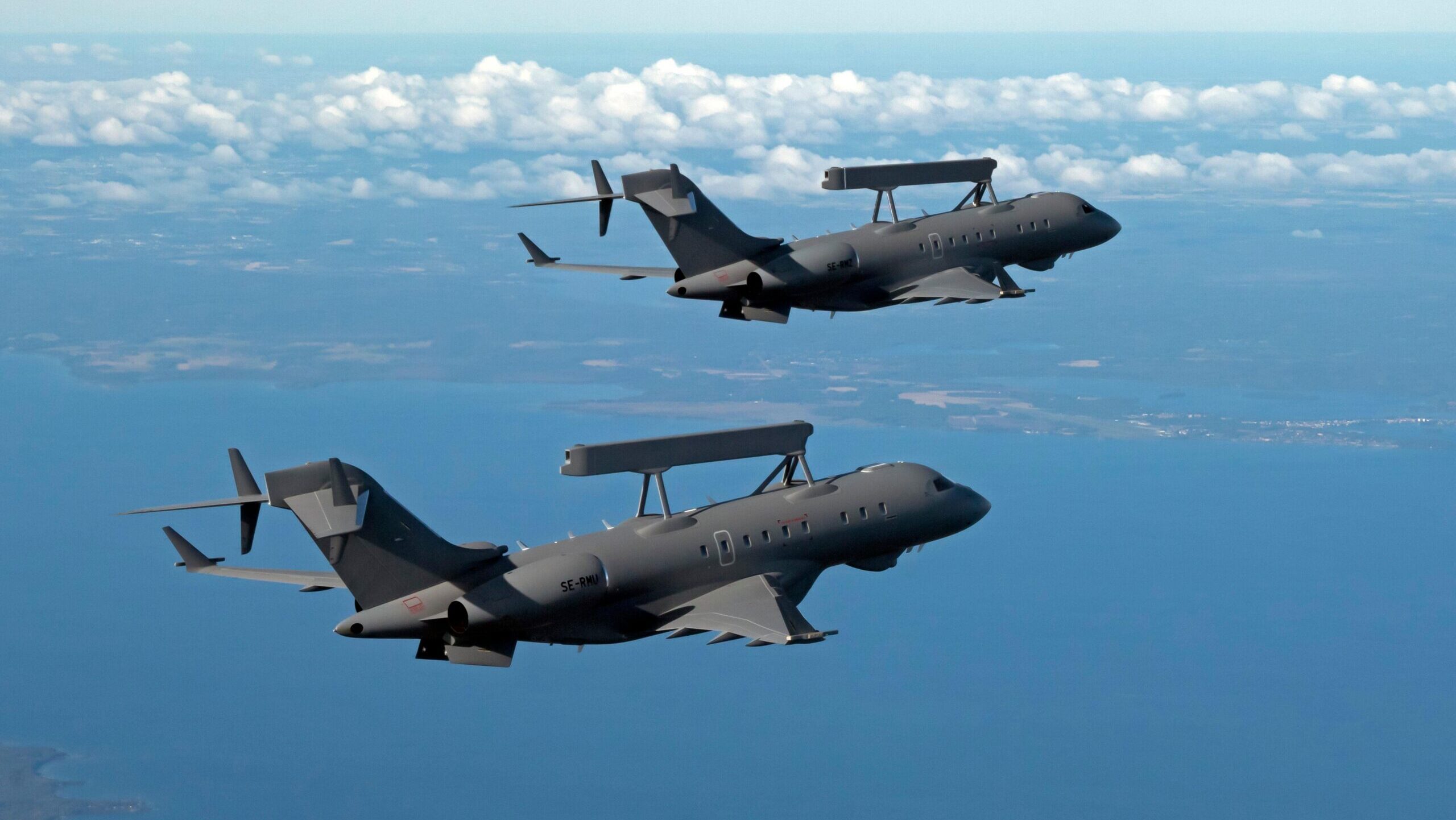
“We were asked to put in our offer and then they [the NATO Support and Procurement Agency] didn’t really go into discussion with us, because they had already decided they had to go and buy Wedgetail,” Micael Johansson, CEO at Saab told Breaking Defense.
By Tim Martin