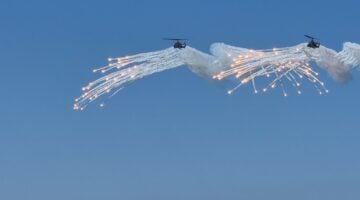
Syria joins Turkey’s Efes 2026, one of nine nations participating for first time
Bulgaria, The Netherlands, Sweden, Japan, Egypt, Poland, Vietnam, Portugal and Syria were first-time participants.
Bulgaria, The Netherlands, Sweden, Japan, Egypt, Poland, Vietnam, Portugal and Syria were first-time participants.
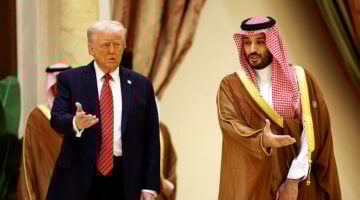
At the IISS Manama Dialogue, senior US officials pushed for more countries to join the historic agreement, but at least Lebanese and Syrian officials suggested it won't be that easy.

Artificial intelligence is reshaping adversarial cyber operations at machine speed, requiring defenders to increase operational tempo while imposing pain and cost.
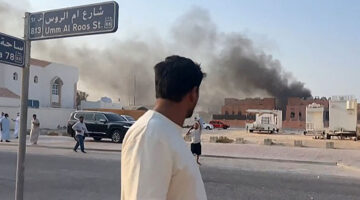
Lt. Gen. Derek France said that the US was caught off guard by an Israeli strike on Qatar in part because sensing capabilities were focused on other targets like Iran, adding the Israeli attack “wasn’t something that we expected.”

Yossi Kuperwasser, a retired Israeli brigadier general and current head of the Jerusalem Institute for Strategy and Security, charts what he says is a path forward in the region.
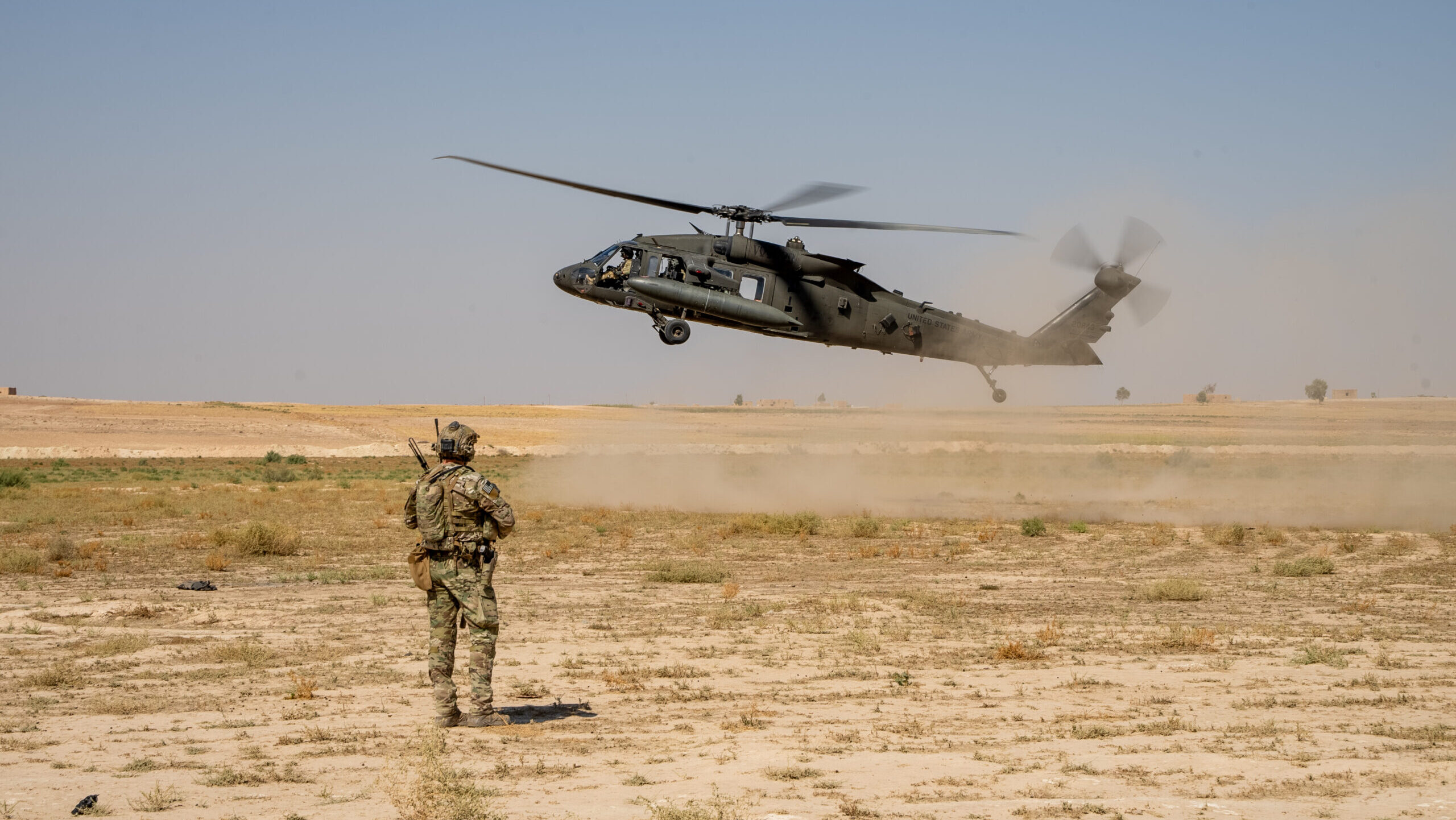
Cameron McMillan and Bradley Bowman of the Foundation for Defense of Democracies argue in this op ed that getting out of Syria too quickly could leave the US vulnerable.
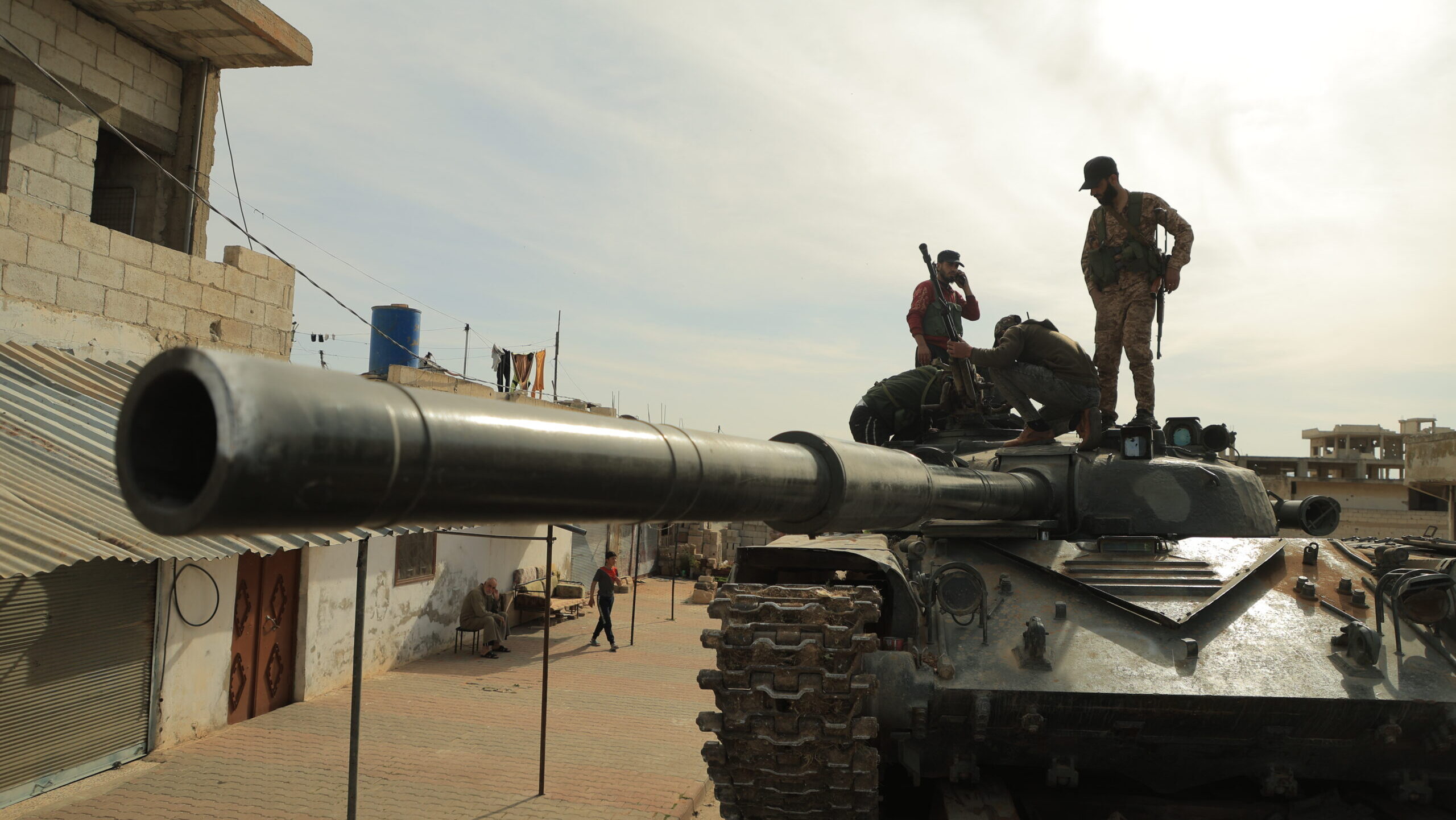
"The alternative is more instability and cross-border risk in a frontier where Lebanese and Syrian maps diverge in key ways,” analyst Aram Nerguizian told Breaking Defense.

As missions stretch farther and comms grow less reliable, predictive software could become the edge that keeps missions afloat.
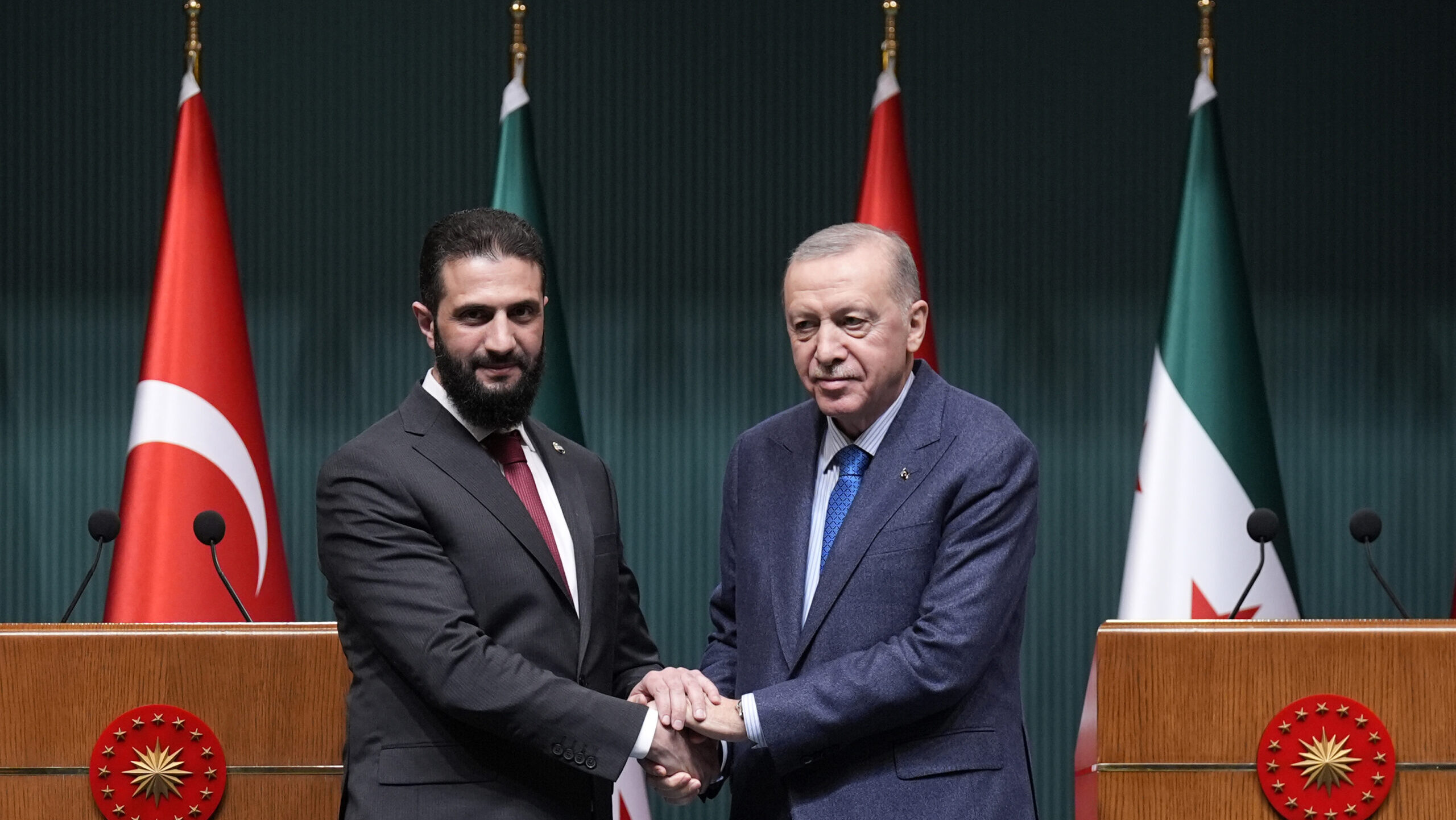
"It is highly probable that the new Syrian administration will look to import Turkish defense equipment and technology, potentially even aspiring to adopt the Turkish model for building an indigenous defense industry," one expert told Breaking Defense.
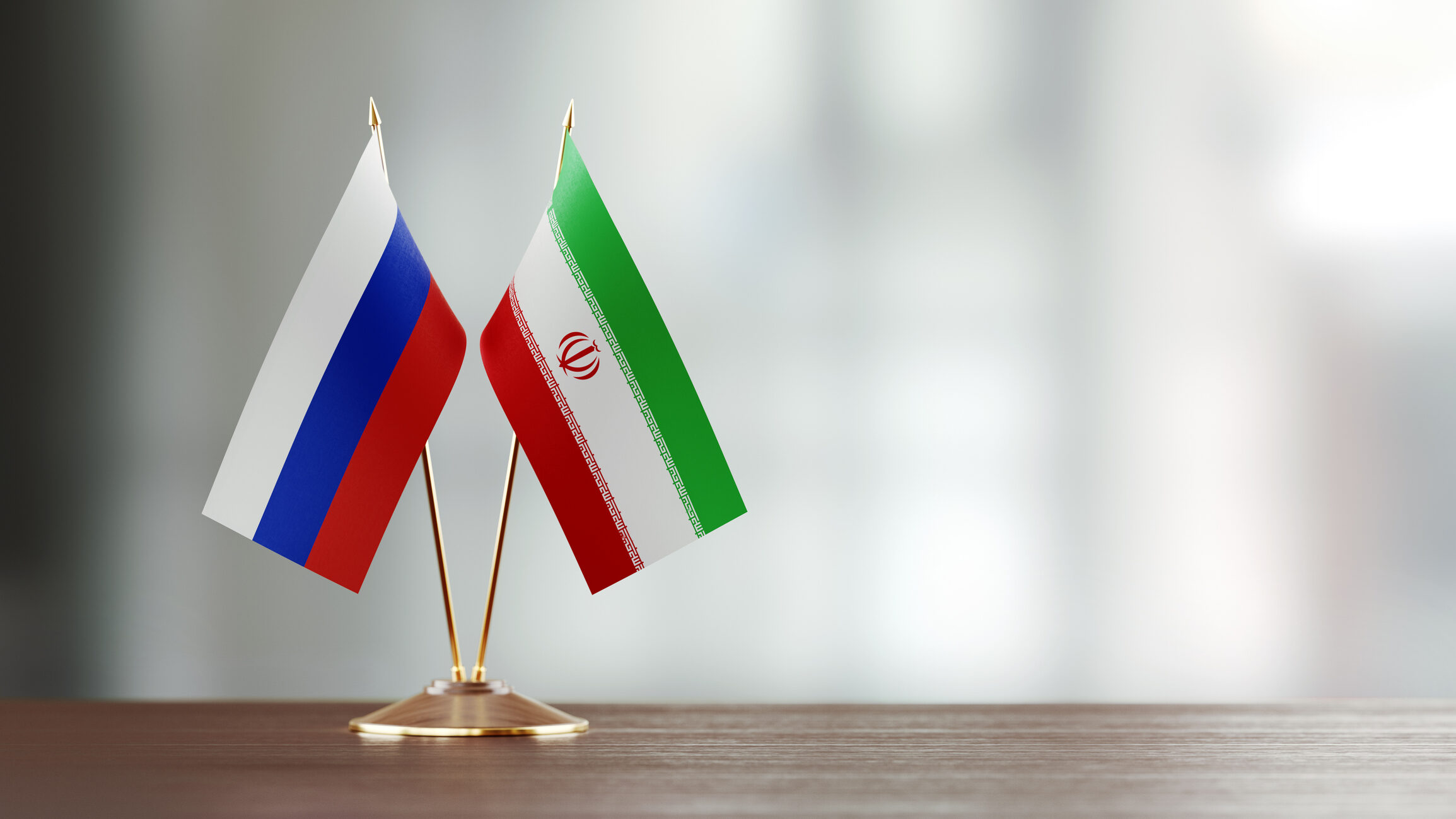
In this op-ed, Delaney Soliday and Shivane Anand of the Middle East Security Program at CNAS lay out what an Iran-Russia defense agreement could mean for Iran's proxies.
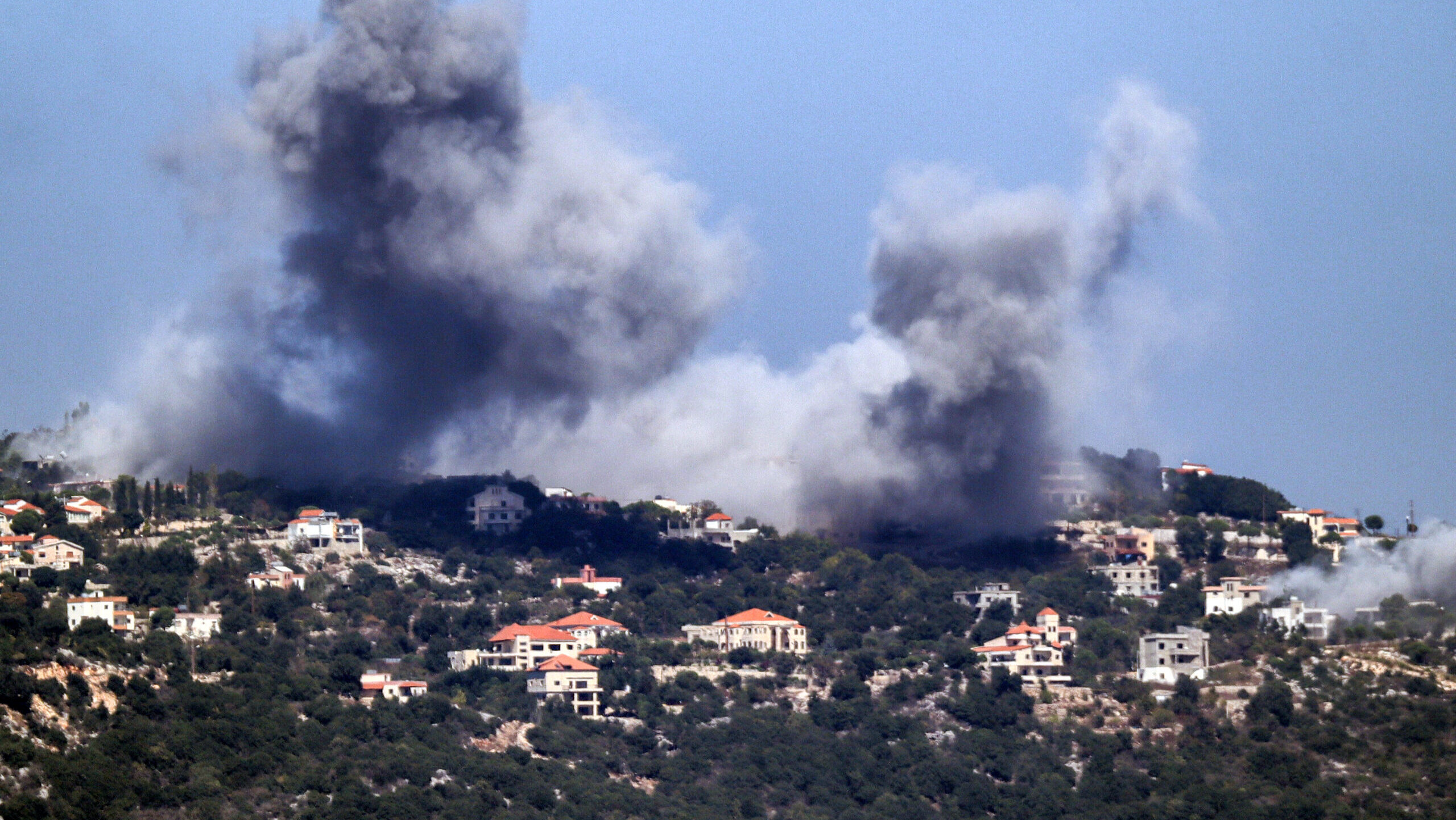
This year was dominated by the fallout of Israel's war with Hamas in Gaza, which expanded into Lebanon, but elsewhere the defense industry kept chugging along.
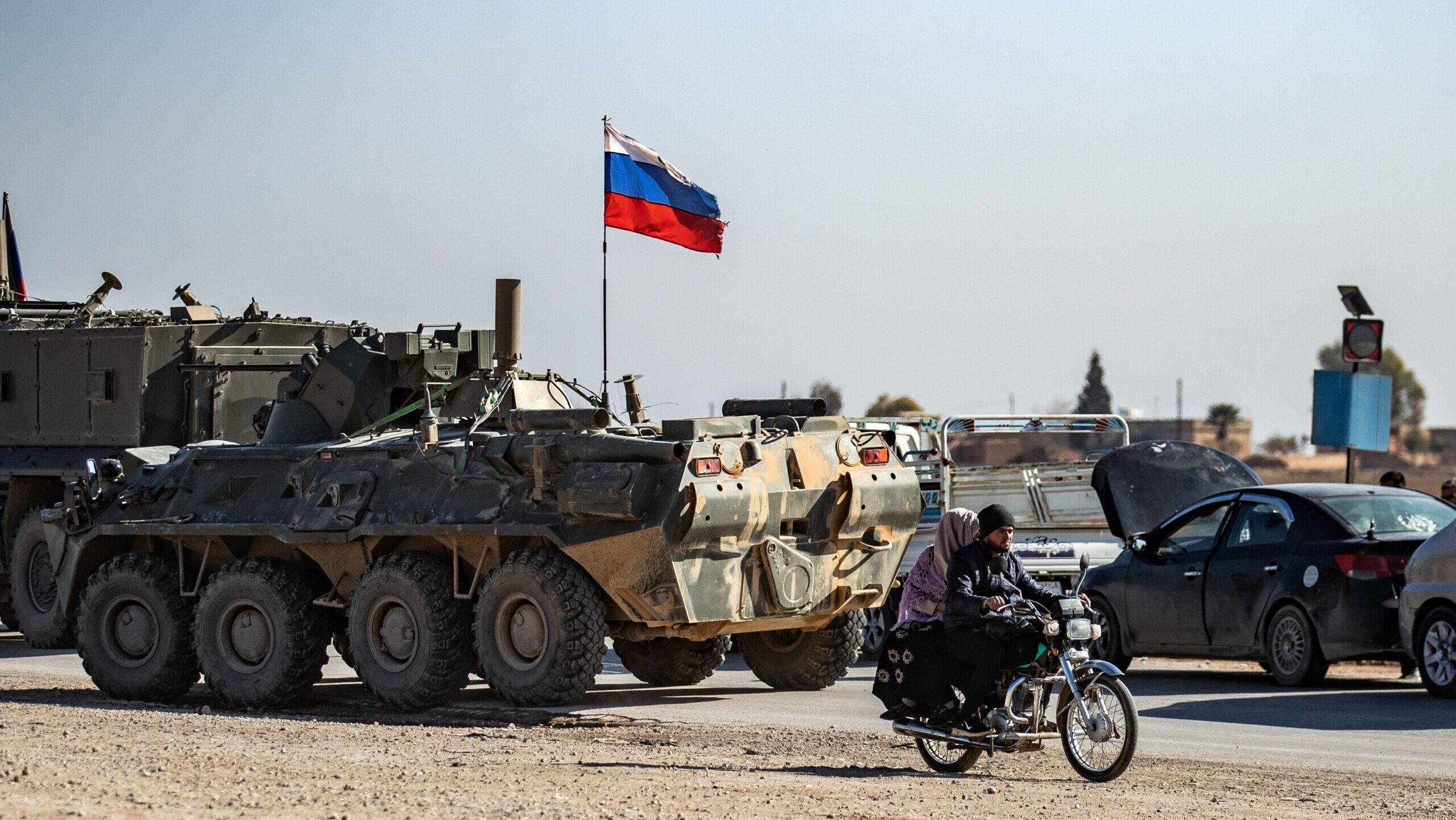
Russia’s failure to intervene as Bashar al-Assad’s regime fell may signal less about the Kremlin’s weakness than its cold strategic calculus.

Absolute positioning is critical in contested and denied environments.
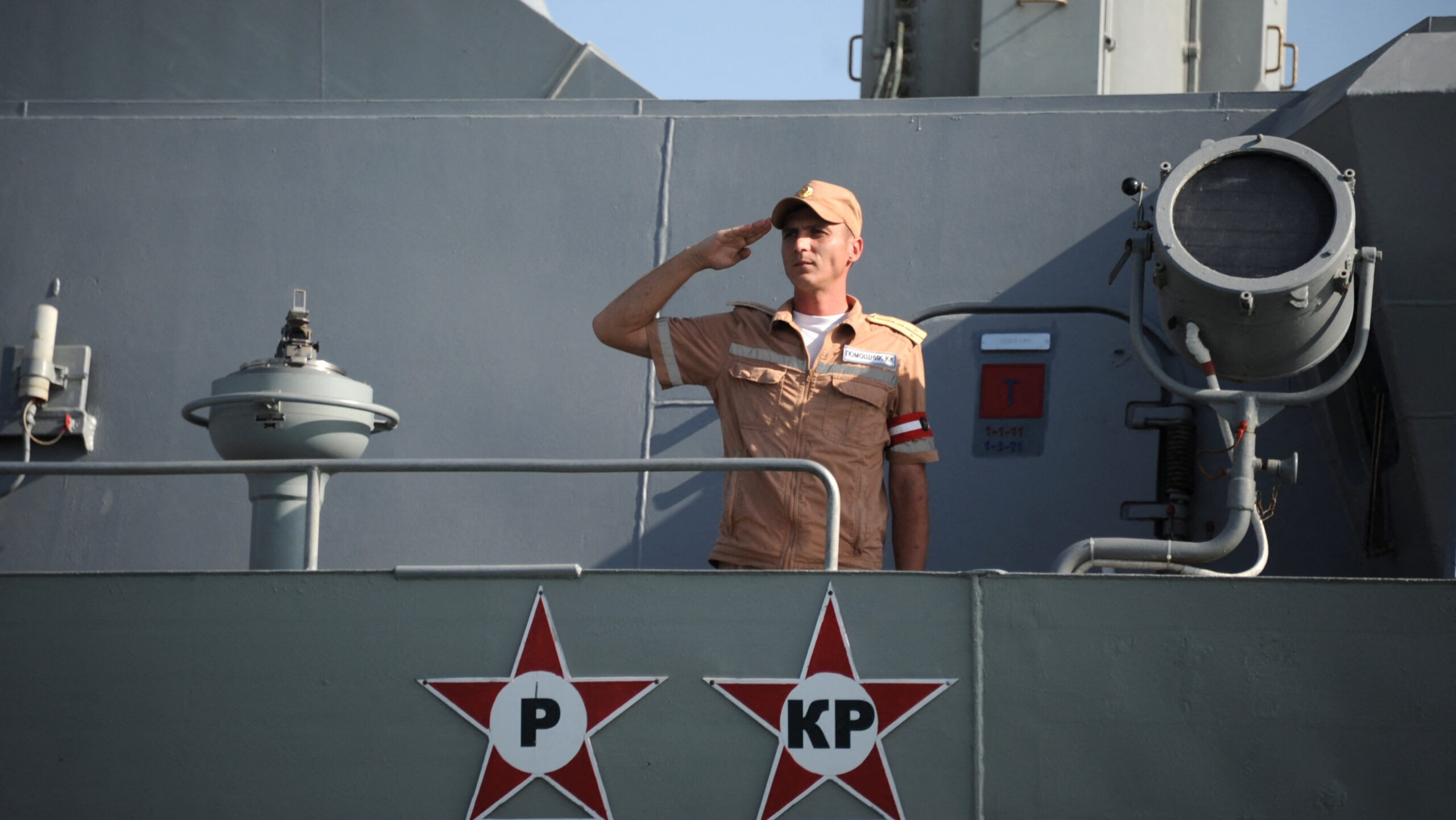
Experts told Breaking Defense their eyes were on key flashpoints that could affect the balance of power in the region for years to come, from the fate of Russian military bases in Syria to the potential collapse of an Iranian weapons pipeline to the Lebanese group Hezbollah.
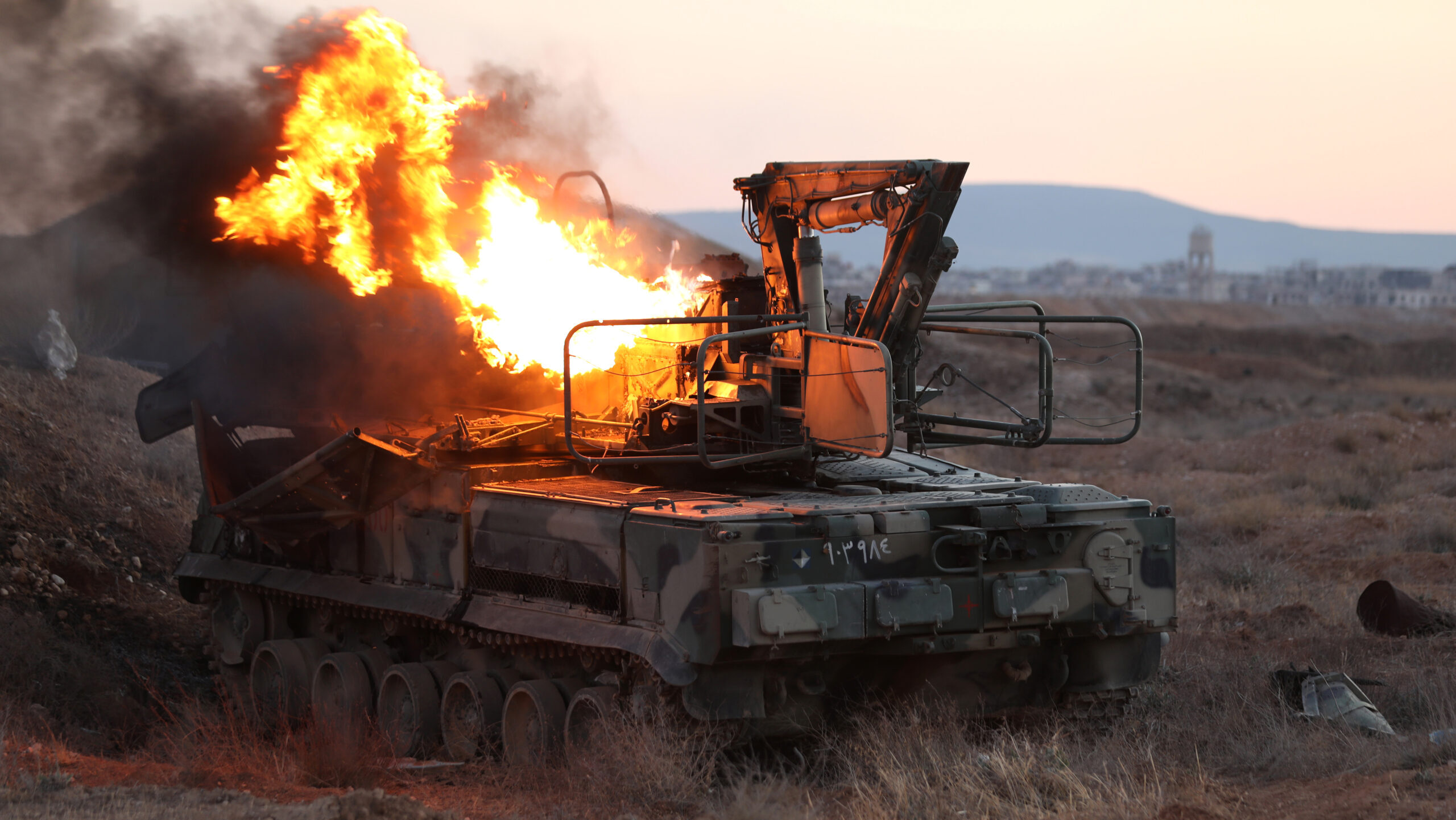
An Israeli statement says the strikes destroyed “Scud missiles, cruise missiles, surface-to-sea, surface-to-air and surface-to-surface missiles, UAVs, fighter jets, attack helicopters, radars, tanks, hangars, and more.”
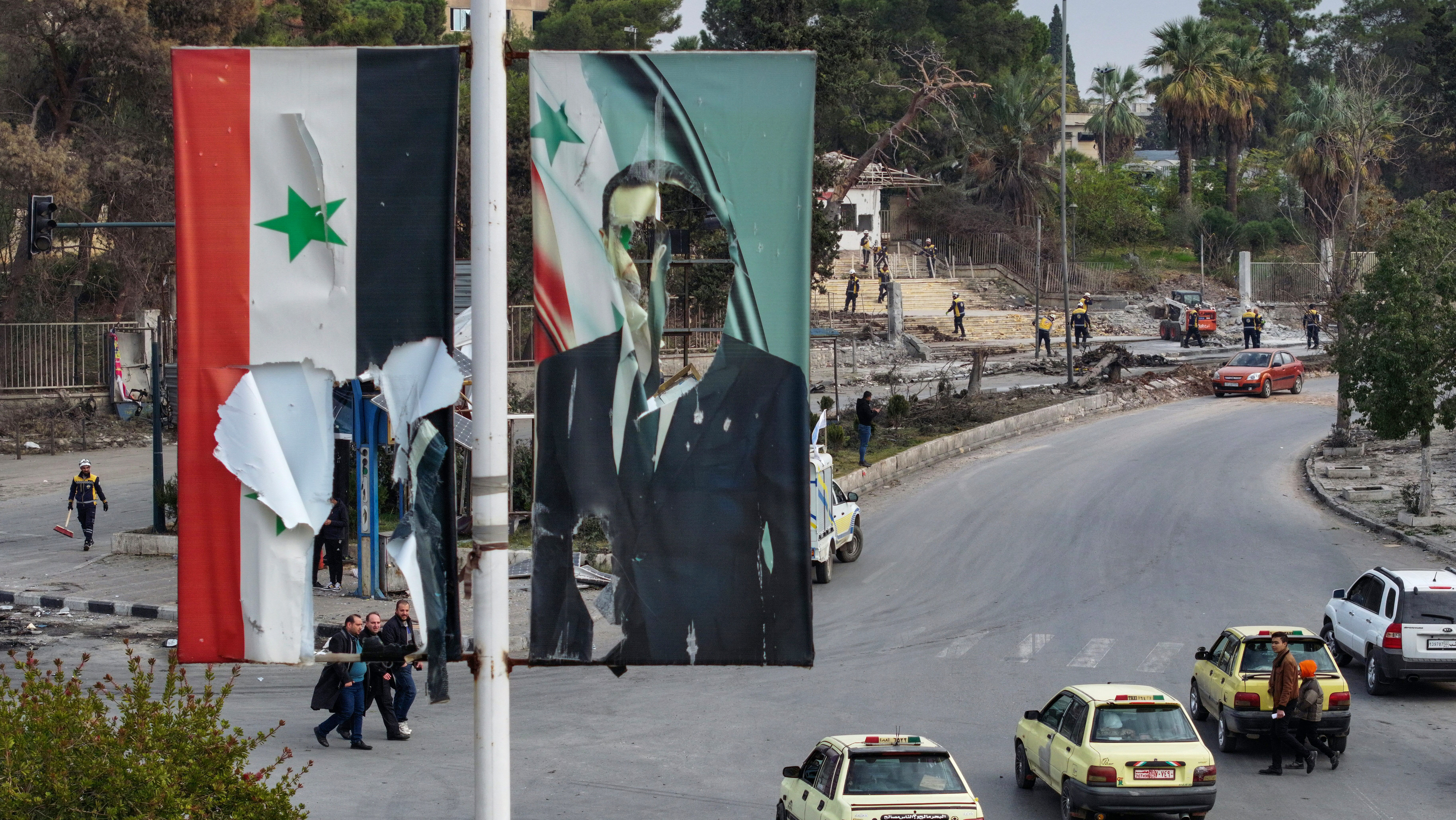
"It's really 'wait and see,'" Anwar Gargash, diplomatic advisor to the president of the United Arab Emirates, said at the Manama Dialogue in Bahrain.
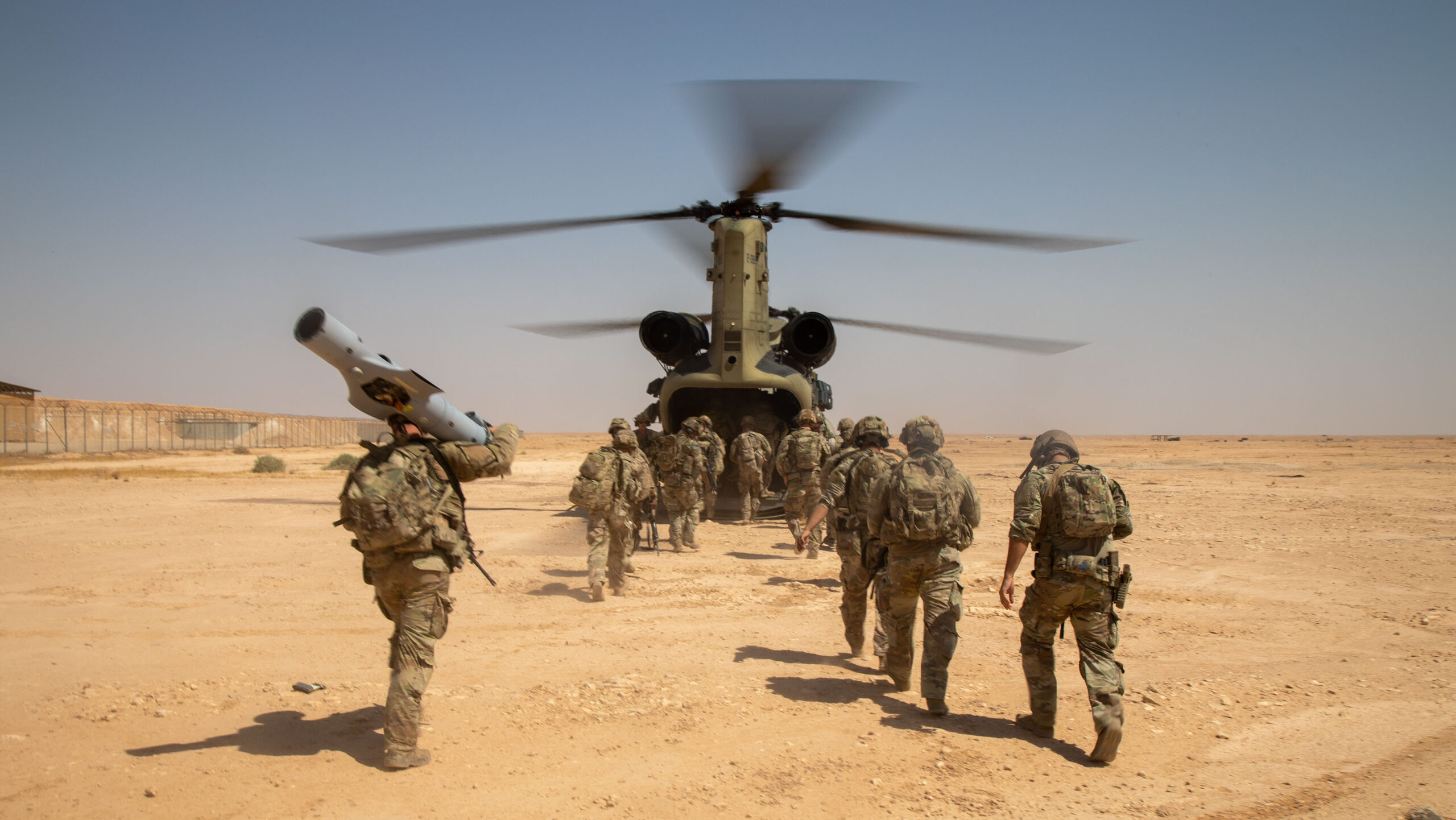
"The United States and Iraq have decided on a two phase transition plan for operations in Iraq," a senior administration official told reporters today.