










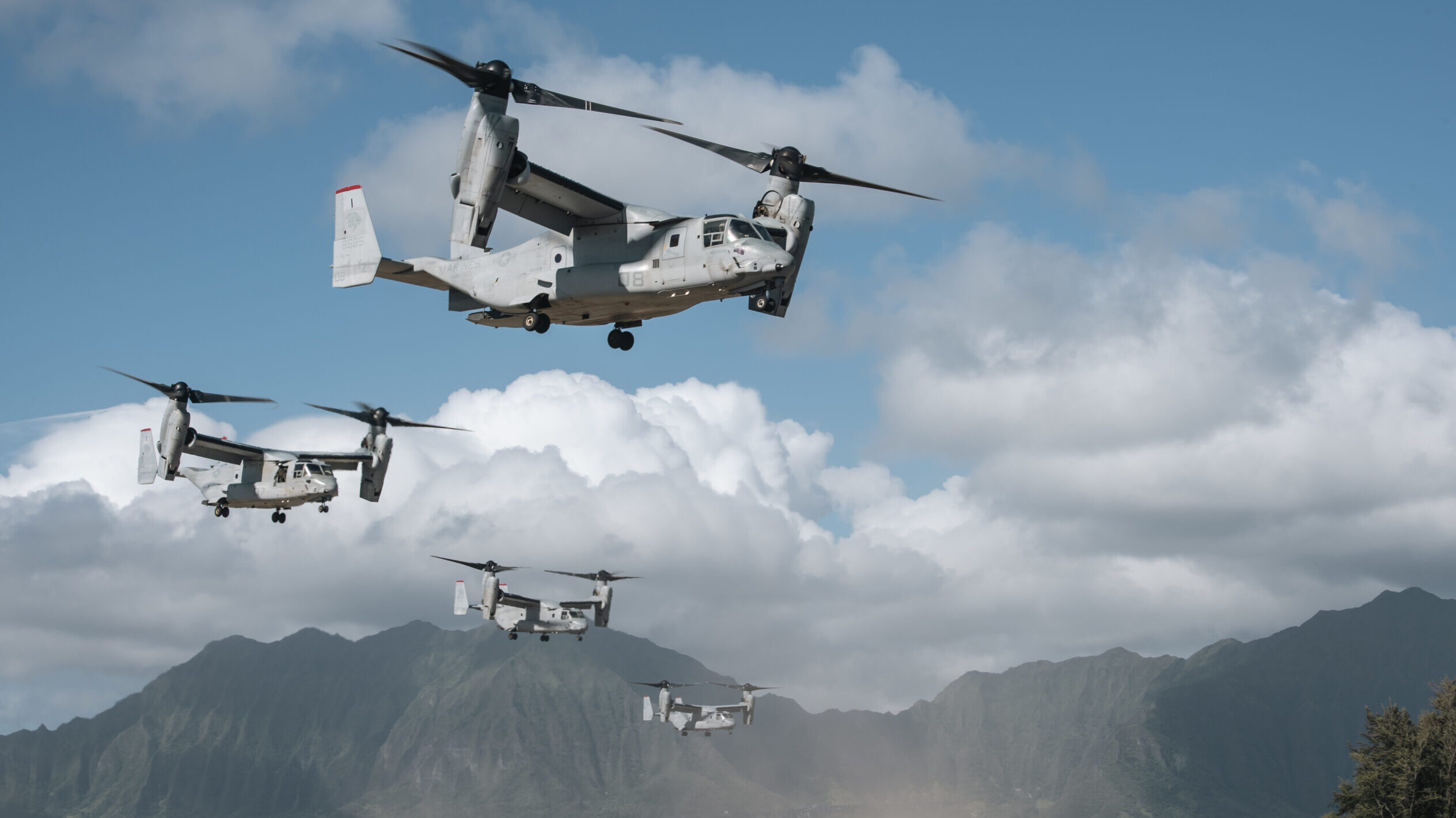

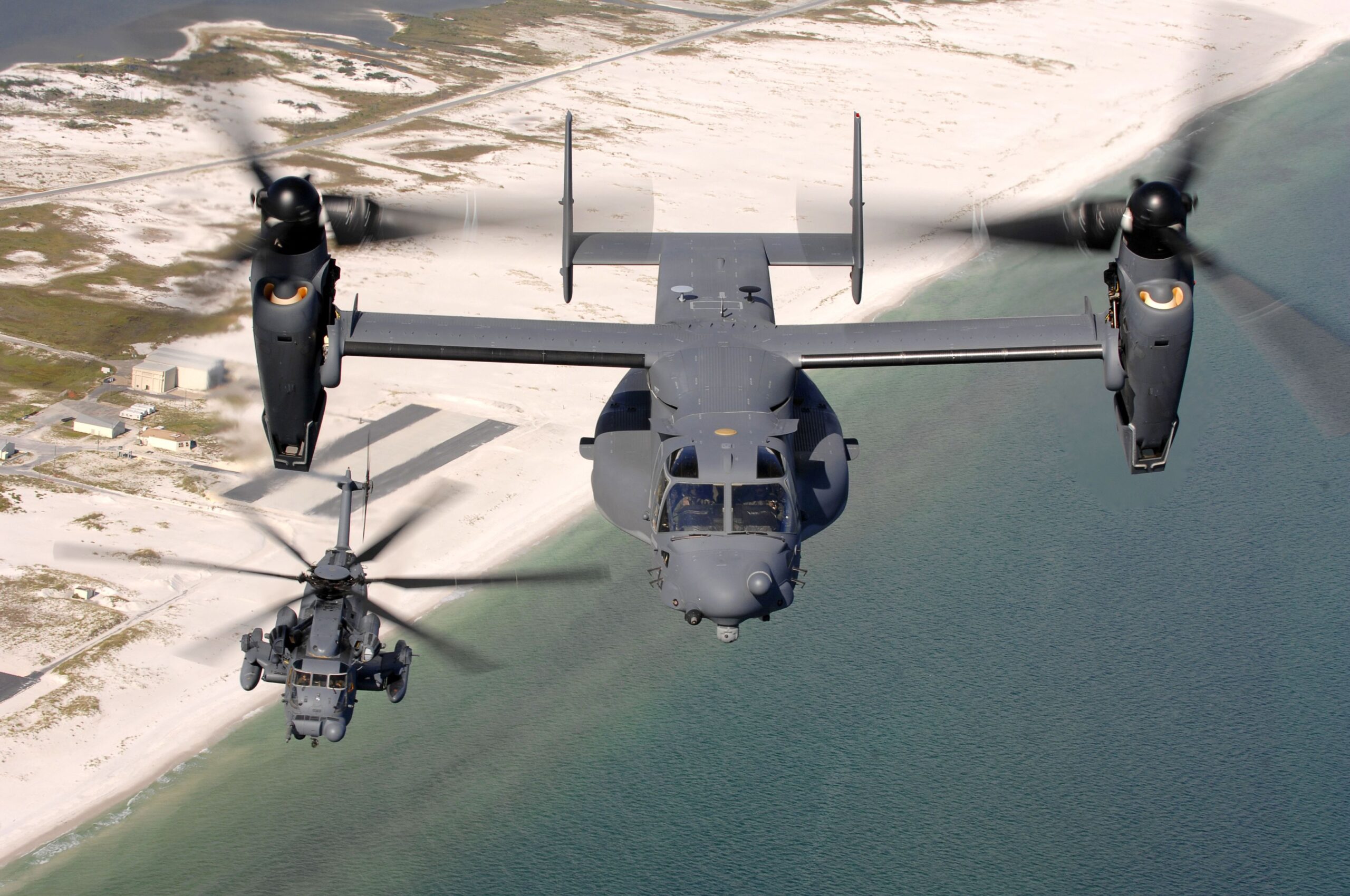
Pentagon officials say they have “high confidence” that they can return the V-22 Ospreys to flight safely, but are tight lipped on what they learned about the cause of a crash in Japan that killed eight airmen.
By Justin Katz and Michael MarrowFuture inevitability of quantum computers is a security problem today
‘Store Now, Decrypt Later’ attacks must be thwarted now with Zero Trust cybersecurity.
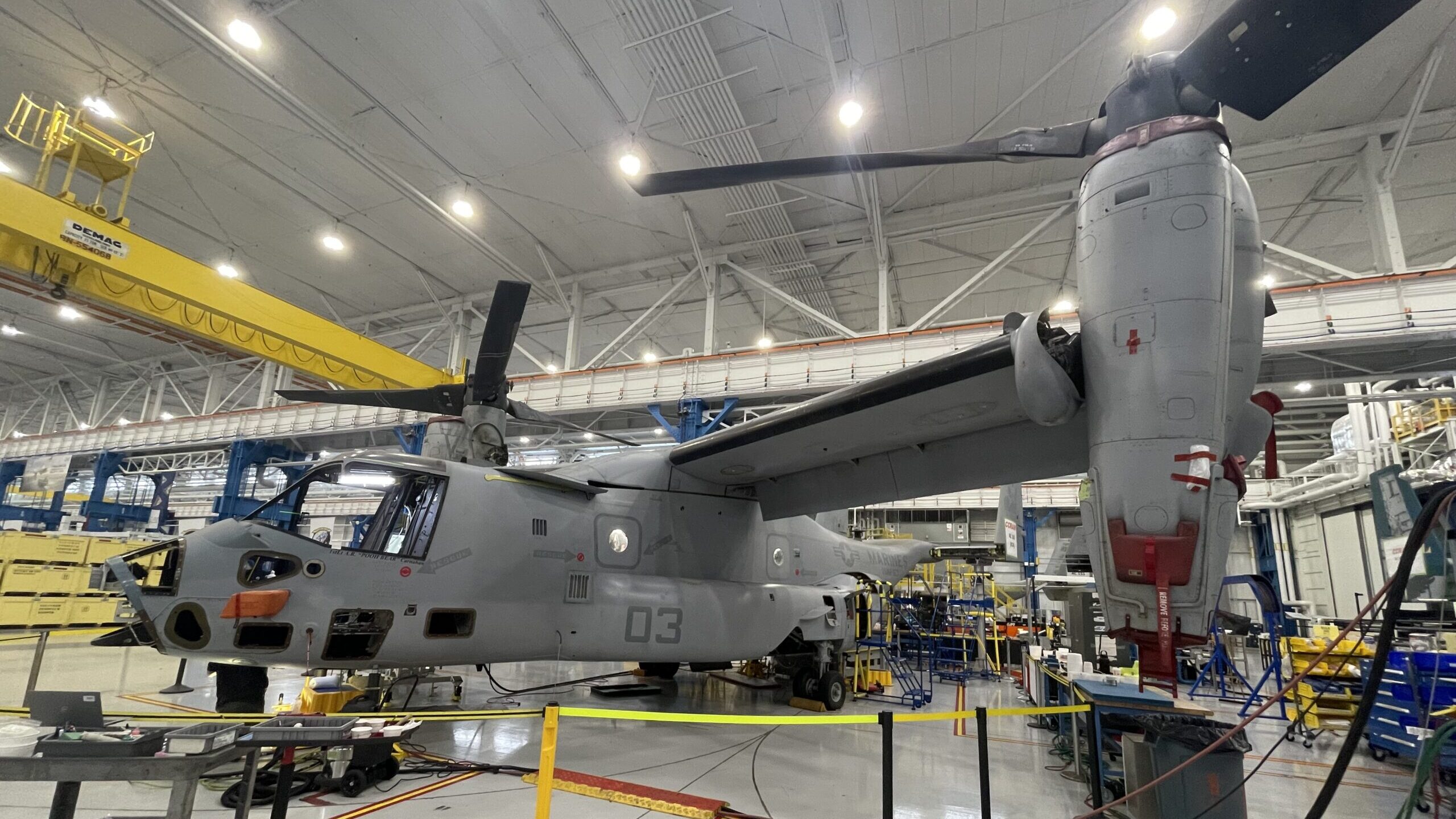
“The investigation revealed no error on the part of the pilots and aircrew, and confirmed no maintenance errors led to the mishap,” the V-22 Joint Program Office said.
By Justin Katz
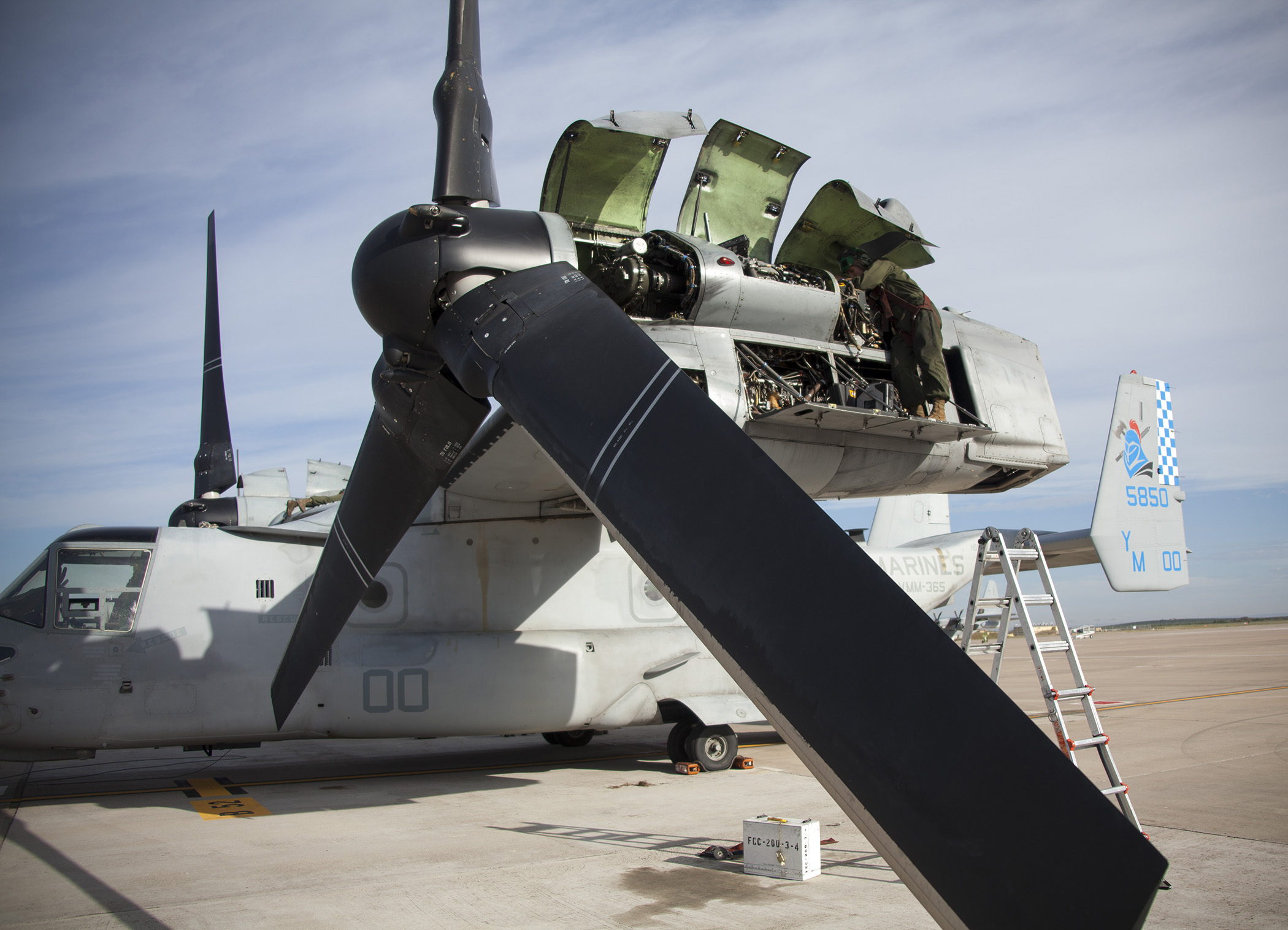
UPDATED with timeline WASHINGTON: If you’re a pilot or mechanic working on the Marine Corps’ prized V-22 Osprey, you probably spend a lot of time reinventing the wheel. That’s because the 129 MV-22Bs in service come in more than 70 different configurations, identical to the untrained eye but all subtly different — for example, in the…
By Sydney J. Freedberg Jr.

It’s one small part for an aircraft engine, one giant leap for 3D printing. The Navy has announced a Marine MV-22 made the sea services’ first successful flight with a “flight critical” component built by additive manufacturing. Specifically, in the test at Patuxent River Naval Air Station, the Osprey’s engine nacelle contained a 3D printed titanium link, small…
By Sydney J. Freedberg Jr.
The decline in V-22 Osprey orders from the U.S. military in coming years means the tiltrotor transport’s manufacturers are likely to spend a lot of time wooing foreign military officers at the Navy League’s Sea-Air-Space Exposition May 16-18 at National Harbor, Md. – especially Britain’s new First Sea Lord, Adm. Sir Philip Jones. Representatives from Bell Helicopter…
By Richard Whittle
When three CV-22s were riddled with 119 rounds of AK-47 and .50 caliber fire as they tried to land at Bor, South Sudan, 18 months ago to evacuate U.S. citizens from a civil war, four Navy SEALs in the lead Osprey were wounded. Now a Florida company is providing the program office at Naval Air Systems Command…
By Richard Whittle
A major overhaul is coming in software for missile warning
Space Systems Command’s FORGE program is the first, major missile-warning software modernization effort in 20 years.
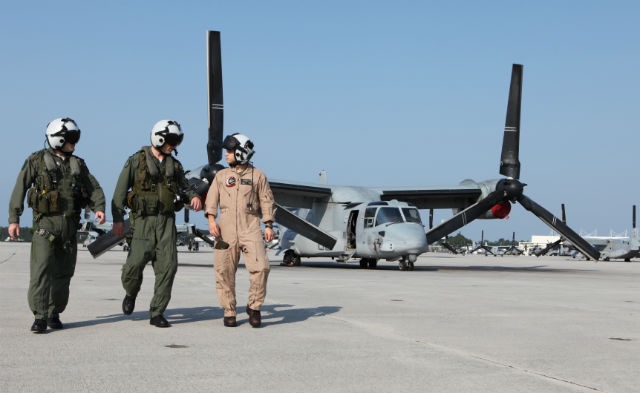
Reports that Israel’s plan to buy a dozen V-22 Osprey tiltrotor troop transports is dead are — as Mark Twain said after reading his own incorrect obituary — greatly exaggerated. A U.S. Letter of Agreement offering a bargain price and early delivery of the first six of 12 Ospreys requested by Israel formally expired on Wednesday amid…
By Richard Whittle WASHINGTON: Air Force Tech. Sgt. David Shea sensed no danger as he stood with his .50 caliber machine gun ready at the open ramp of “Rooster 73,” one of three CV-22 Ospreys coming in to land on a small, rutted airstrip in Bor, South Sudan. A crowd of up to 10,000 people milled about a United…
By Richard Whittle
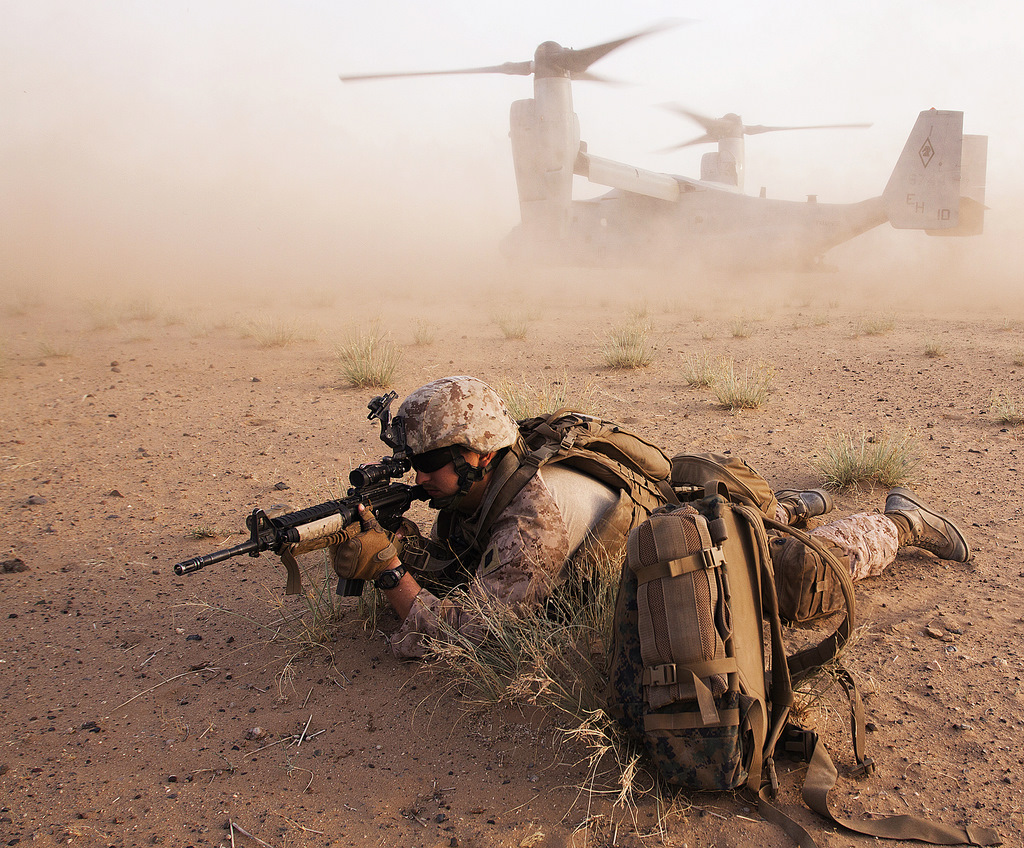
THE PENTAGON: The Marines say the V-22 tilt rotor aircraft has deployed and flown “with properly trained and equipped combat ready Marines and mission capable aircraft” over the last six years. That statement stands in stark contrast to the findings of a classified Pentagon Inspector General’s report released late Friday afternoon. In an unclassified summary, the…
By Colin Clark
The story of what two Marine aviators did to be the first V-22 Osprey pilots awarded Distinguished Flying Crosses is simple, elegant, and and tactically telling. The double-DFC incident underscores how the Marines are using the unique tilt-rotor aircraft — which can take off and land like a helicopter, then fly long distances at high…
By Robbin Laird
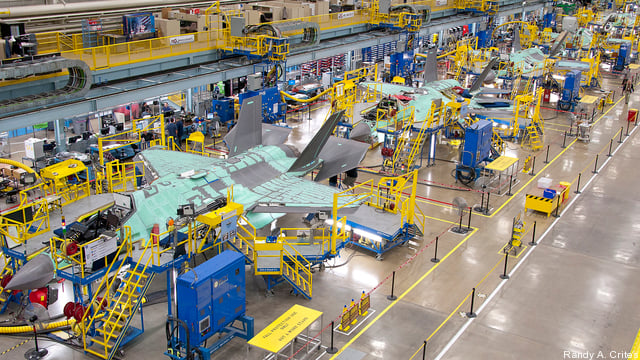
WASHINGTON: The Pentagon and F-35 maker Lockheed Martin have agreed on the terms of a deal for the Defense Department to buy two lots of F-35s for $7 billion. The big question now is the average price per plane for each tranche (LRIP 6 and 7). While we’ve confirmed with two sources that the deal…
By Colin Clark
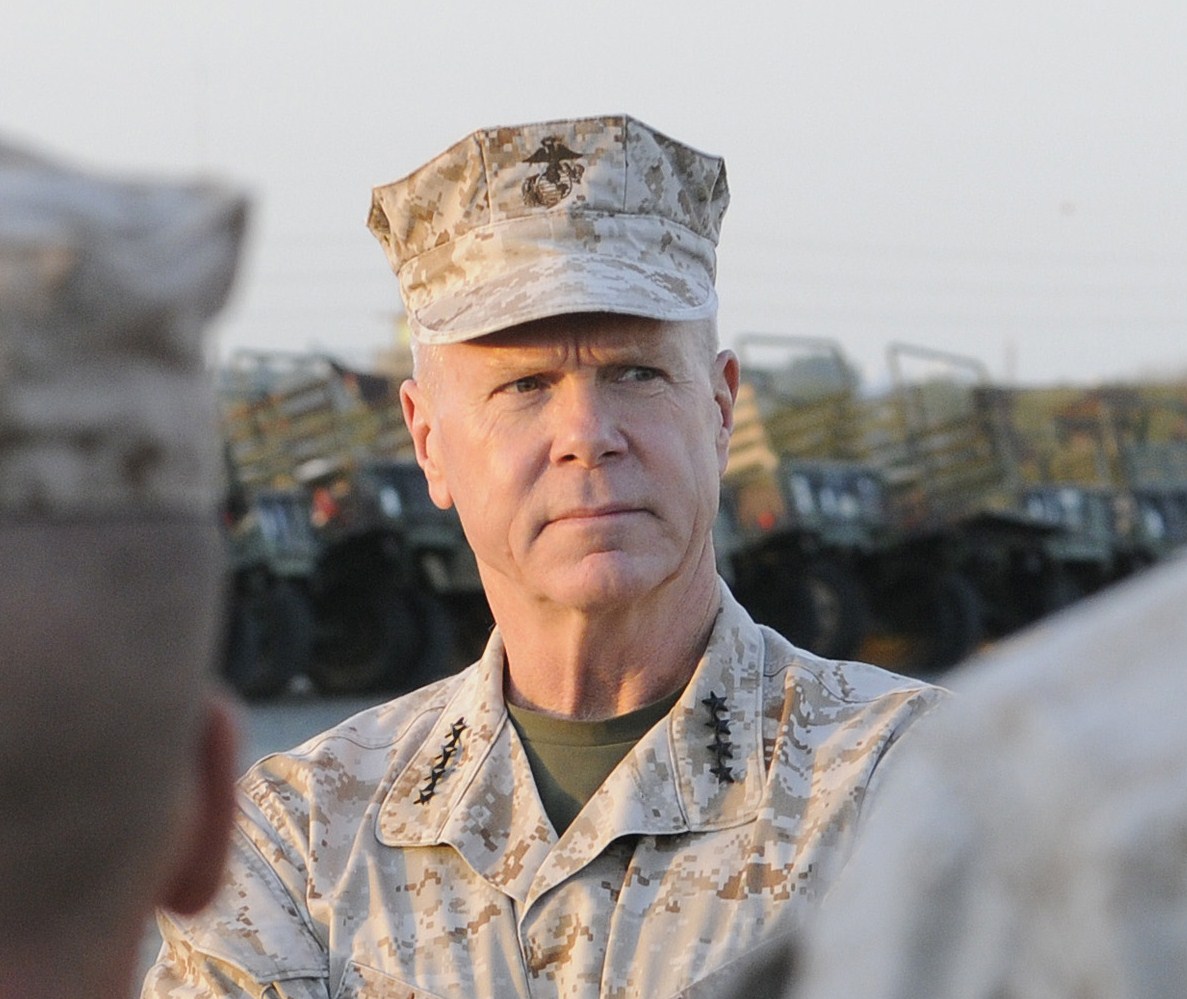
WASHINGTON: Fewer F-35B Joint Strike Fighters, MV-22 Ospreys, AH-1 Cobras, and UH-1 Hueys. No Marine Personnel Carrier. Maybe no Joint Light Tactical Vehicle to replace the Humvee. 8,000 fewer Marines on active duty. The Marine Commandant has put all that on the table as part of his proposal to the Defense Secretary’s Strategic Choices and…
By Sydney J. Freedberg Jr.Time was, only a masochist could enjoy managing the V-22 Osprey program office. The Marines put the tiltrotor troop transport into service in 2007 after a quarter of a century of development that included design problems, a four-year battle pitting the Corps and their pro-Osprey allies in Congress and industry against a sitting defense secretary,…
By Richard Whittle




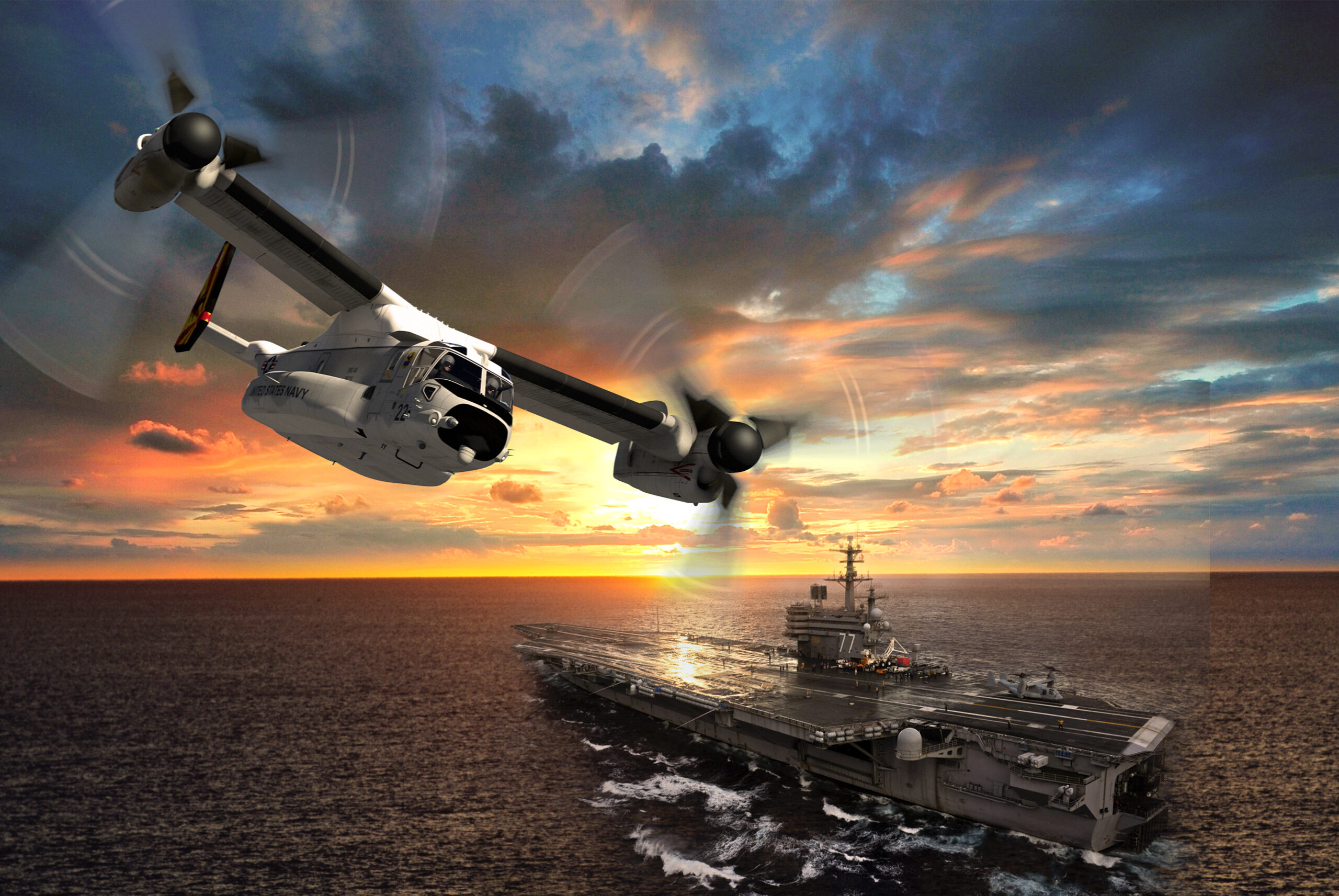
To deal with the logistics challengers of the modern carrier, the Navy should increase its buy of Ospreys, argues analyst Robbin Laird.
By Robbin Laird