
















Retaining the draft, a hallmark of American war since the Civil War, is of questionable practical value. A recent commission report recommended requiring women to register for Selective Service, the foundation of the draft. But from a practical and ethical standpoint many find the notion of drafting women to serve in front-line combat units abhorrent.…
By James Jay CarafanoA new approach to speed, scale and efficiency for the industrial base
Radars, EW, EO/IR, space imagery, and microelectronics are brought under one roof for a streamlined approach to common people and factories.


The Defense Working Capital Fund — which allows DoD to make investments in things like depot maintenance, transportation, and supply management in the near term and recoup the costs through future year pricing deals — gets $1.5 billion.
By Theresa Hitchens
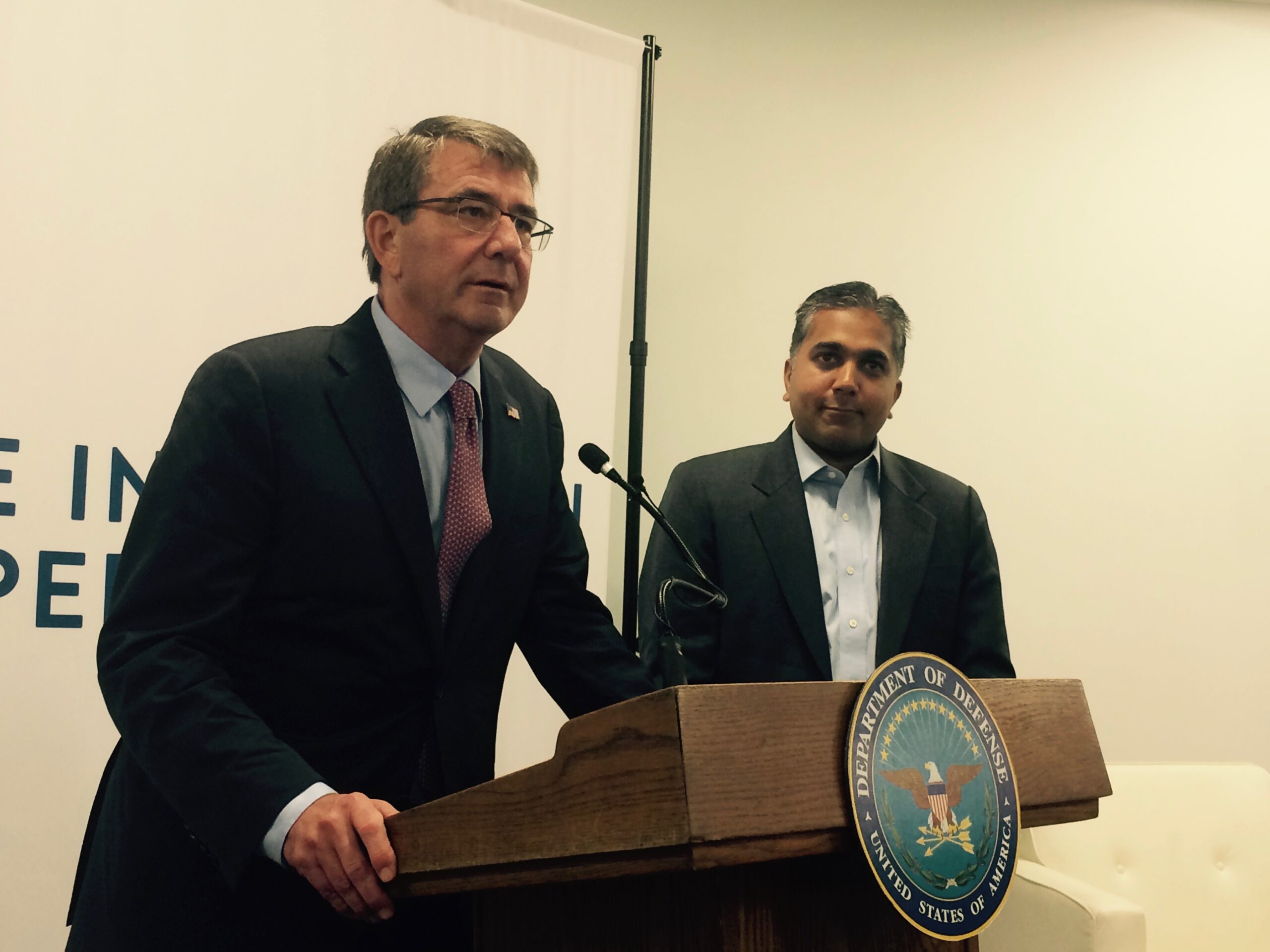
WASHINGTON: “My hope and sense is that innovation is not a partisan issue,” said Raj Shah, who runs the Pentagon’s outreach to the tech industry, the Defense Innovation Unit (Experimental), DIUx. “I would encourage the next administration to continue to enable, not just us, (but) several innovation efforts that the department has done.” Shah, a…
By Colin Clark

UPDATED: Adds Carter & Kirchhoff remarks AUSTIN: Today, Defense Secretary Ashton Carter will announce the latest location for his Defense Innovation Unit (Experimental) — but DIUX Austin will be organized differently from the home office in Silicon Valley or its offshoot in Boston. Instead of its own offices, DIU(X) Austin will “occupy space within the well-known…
By Sydney J. Freedberg Jr.

WASHINGTON: Air Force Secretary Deborah Lee James warned Congress today that its effort to stop the retirement of the A-10 Warthog and other aircraft could hurt the service’s modernization plans. In a speech before the National Aeronautic Association, James noted the service wants “to transfer and divest some older aircraft in order to free up…
By Colin Clark
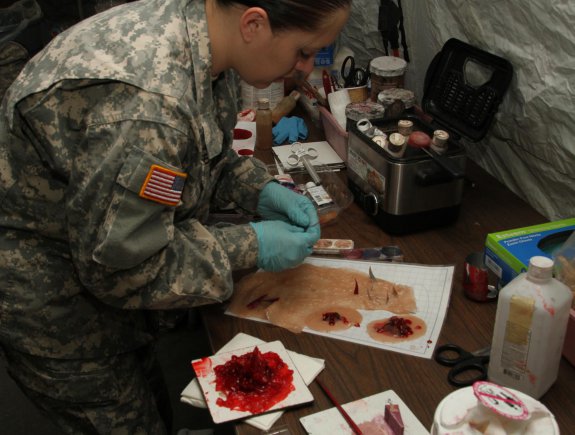
AUSA: Even as the first wave of 4,000 Army regulars deploys to West Africa, the service’s mobilization command is preparing for a possible call-up of Reserve and National Guard troops to replace them in six months, Lt. Gen. Michael Tucker told me today. “There are no orders yet,” the First Army commander cautioned, just precautionary…
By Sydney J. Freedberg Jr.

WASHINGTON: Last year, the US Air Force fell face-first onto a buzzsaw when it proposed dramatic cuts to the Air National Guard, whose supporters raised a storm of protest in the Congress. Now there are signs that the next big budget battle will be between the regular active-duty Army and the Army National Guard. Or,…
By Sydney J. Freedberg Jr.
BAE Systems’ LR-PGK: The Superior Anti-Jam Solution
Going the distance to defeat emerging jam threats.
WASHINGTON: As the military plans to cut thousands of troops and the military experiments with opening combat training to women, the American Civil Liberties Union has joined four female servicemembers — two in the reserves (one Army, one Marine Corps), one in the Air National Guard, and one on active duty in the Marines —…
By Colin Clark
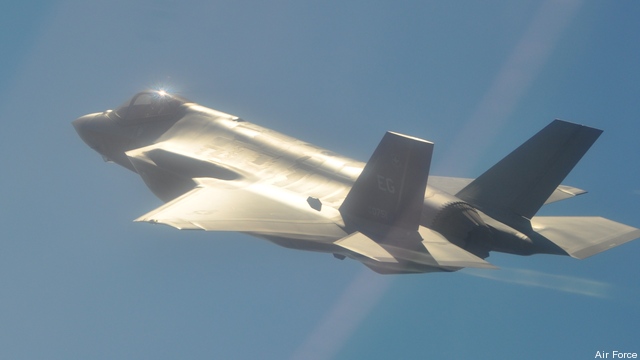
While the active-duty Air Force and the National Guard are at odds over budget cuts in Washington, the relationship seems smoother at Florida’s Eglin Air Force Base, where an Air National Guard officer assigned the an active-duty 33rd Fighter Wing became the first Guard pilot to fly the F-35 Joint Strike Fighter, the controversial product…
By Sydney J. Freedberg Jr.WASHINGTON: The military Reserves and National Guard have spent a decade operating with unprecedented intensity alongside the regular active-duty force in Afghanistan and Iraq. Now, as budget cuts loom, their leaders are fighting hard to keep the funding needed to keep their edge in both training and equipment. Going back to the sleepy days of…
By Sydney J. Freedberg Jr.WASHINGTON: The chairman of the Reserve Forces Policy Board sees this as “the golden age of the reserve component” as the active land forces and three components of the Air Force draw down personnel and the Defense Department’s new strategic guidance calls for maintaining a reserve component that is ready and available when needed. Arnold…
By John GradyWith the regular Army shedding personnel to fit in ever-tighter budgets, the U.S. Army Reserve is positioning itself as a low-cost way to keep skilled, experienced veterans associated with the military. The plan, in a nutshell: If you can’t keep ’em in the regular Army, keep ’em in the Reserves. Today, only 9 percent of…
By Sydney J. Freedberg Jr.