





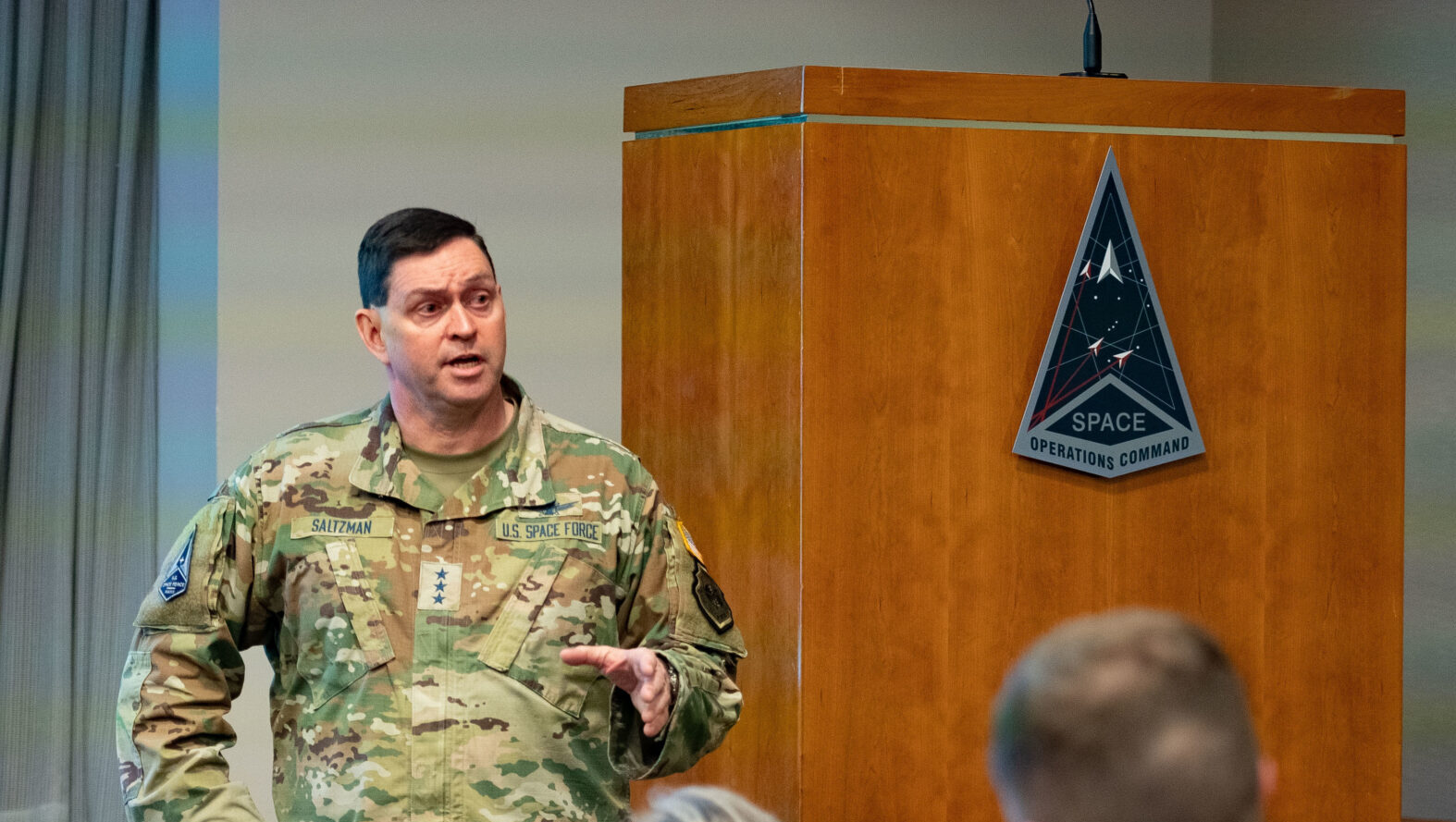
The new, tripartite Space Force Generation readiness model will create “a more experienced, capable, and threat-focused crew force,” according to an internal memo obtained by Breaking Defense.
By Theresa HitchensB-21, hypersonics and more: How digital development is driving industry innovation
Technological advancements are key to keeping pace with customer demands and evolving threat landscapes.

This eBook collection from the Project Convergence Capstone 4 event covers network changes with ‘C2 Next’, counter-unmanned reform, autonomous ships and more.
By Breaking Defense
presented by

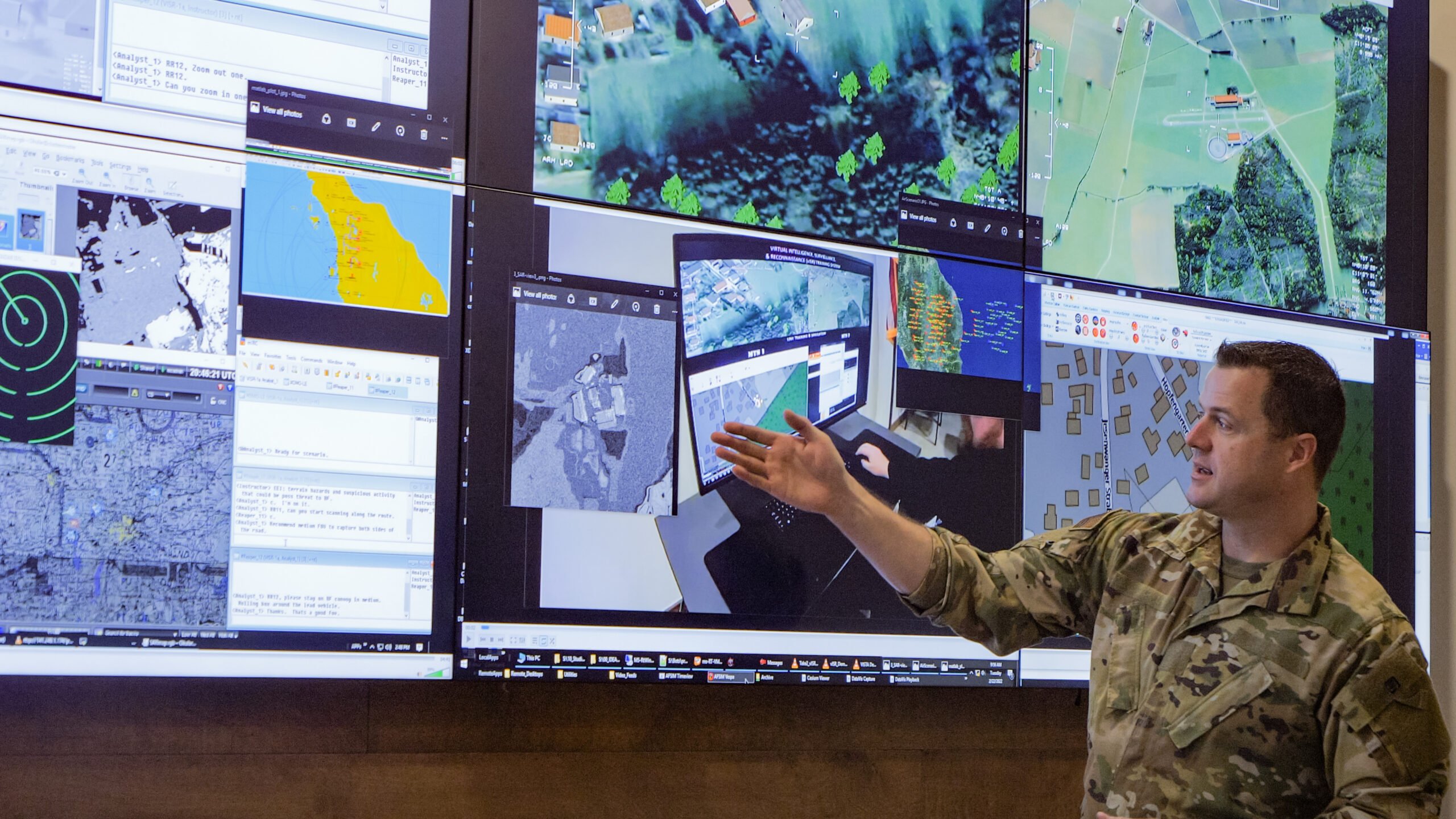
In the past, intelligence training focused on counterterrorism and was done through on-the-job training. But the modern threat requires training in contested environments not possible through live operations.
By Breaking Defense
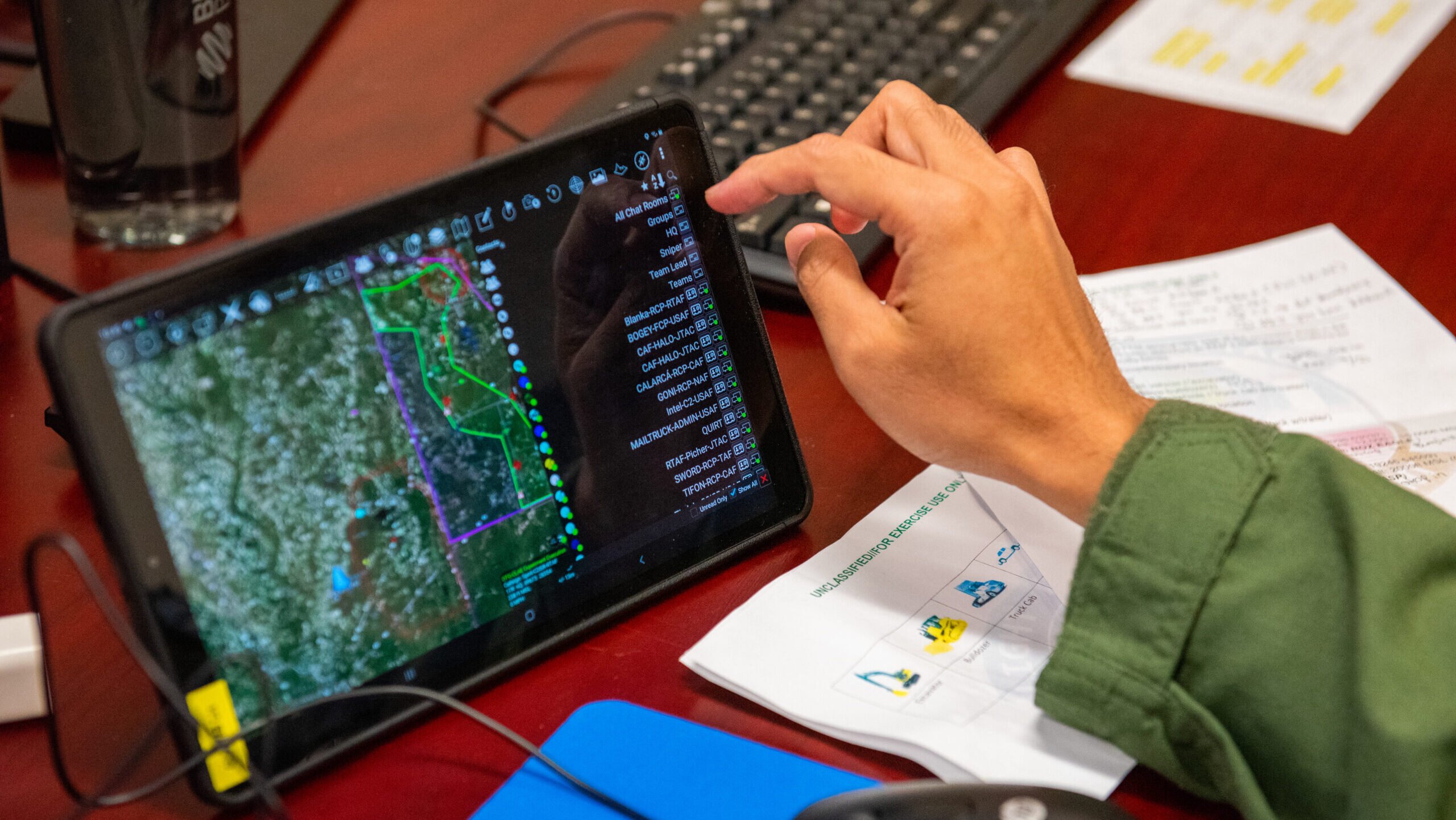
The Pentagon is “working to update the processes, procedures, authorities, to make it easier to share, to incentivize, to reduce those barriers so that we can actually learn from each other,” Rear Adm. Peter Vasely said.
By Jaspreet Gill
presented by
Training for intelligence, surveillance, and reconnaissance is costly, complex, and forces analysts to go TDY for a Red Flag or Virtual Flag. CAE’s VISTA ends all that.
By Breaking Defense
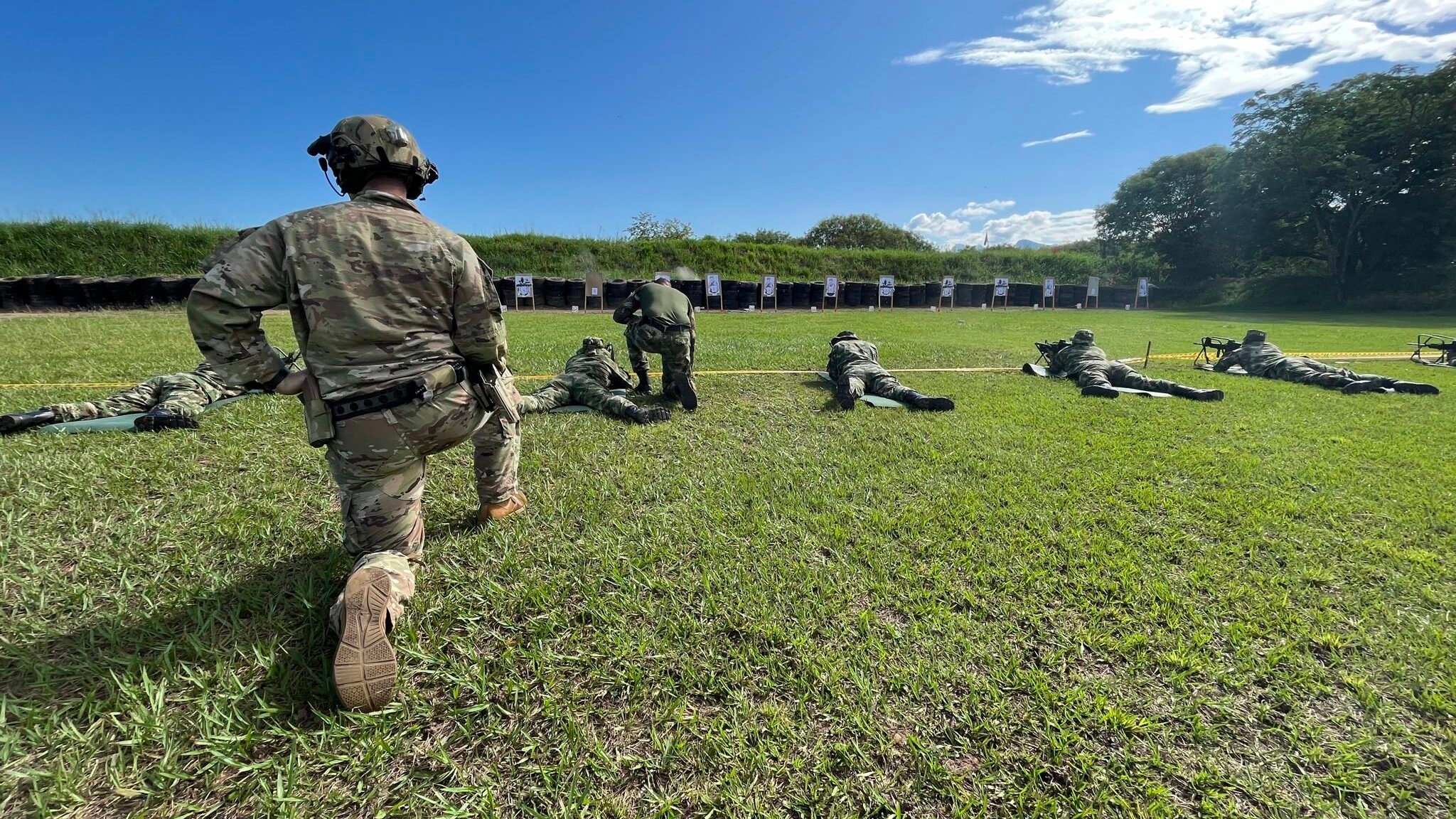
“The system functioned for approximately three months before becoming inoperative because of factors such as insufficient battery life, damage to ground wiring by local fauna, and sensor failures in extreme temperatures,” the GAO wrote about one $7.6 million project with a partner nation for a ground sensor system.
By Ashley Roque
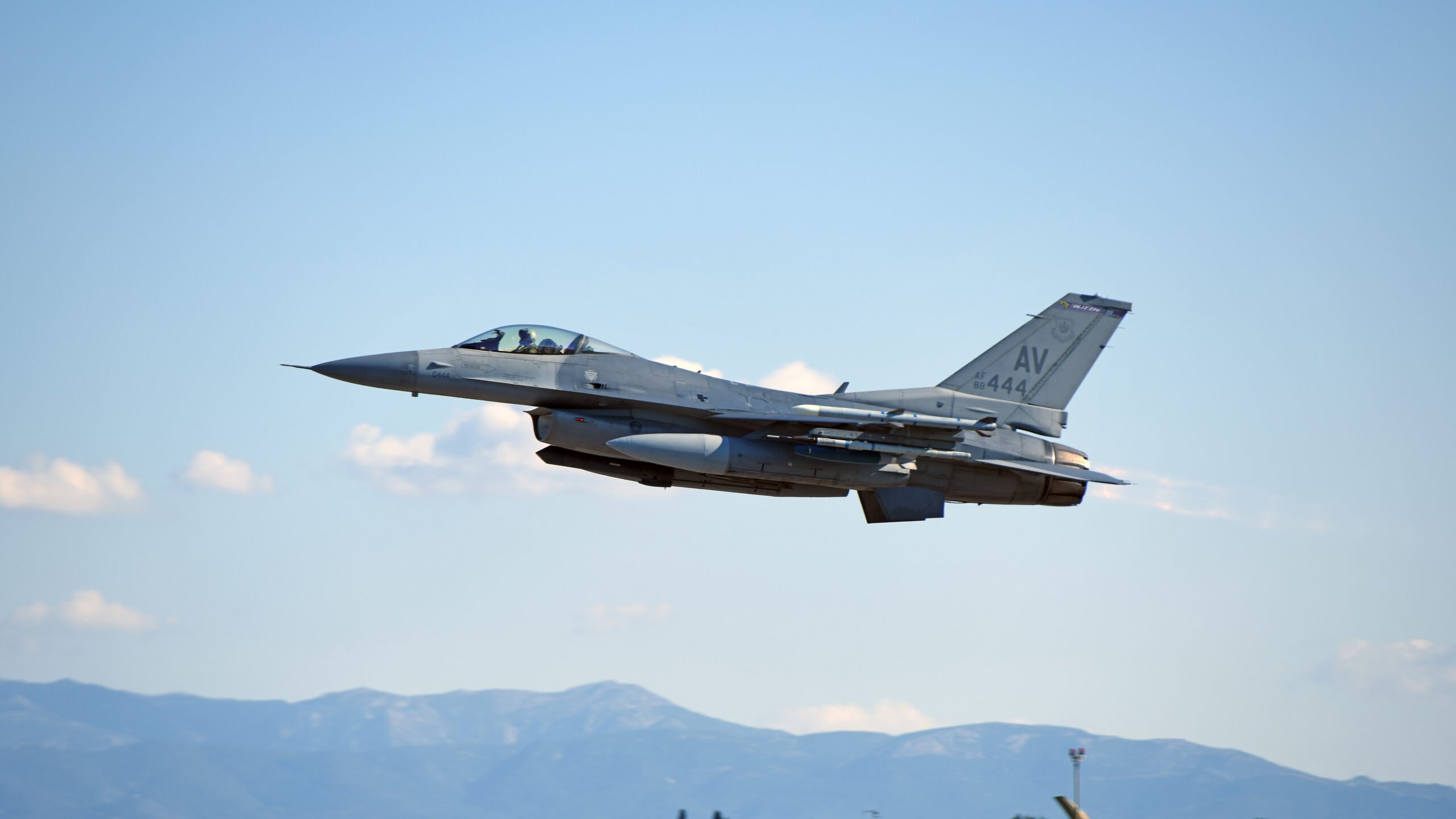
Flight training is to begin in October, following language training for what’s expected to be “several” Ukrainian pilots and more maintainers.
By Ashley Roque and Michael Marrow
A major overhaul is coming in software for missile warning
Space Systems Command’s FORGE program is the first, major missile-warning software modernization effort in 20 years.
presented by


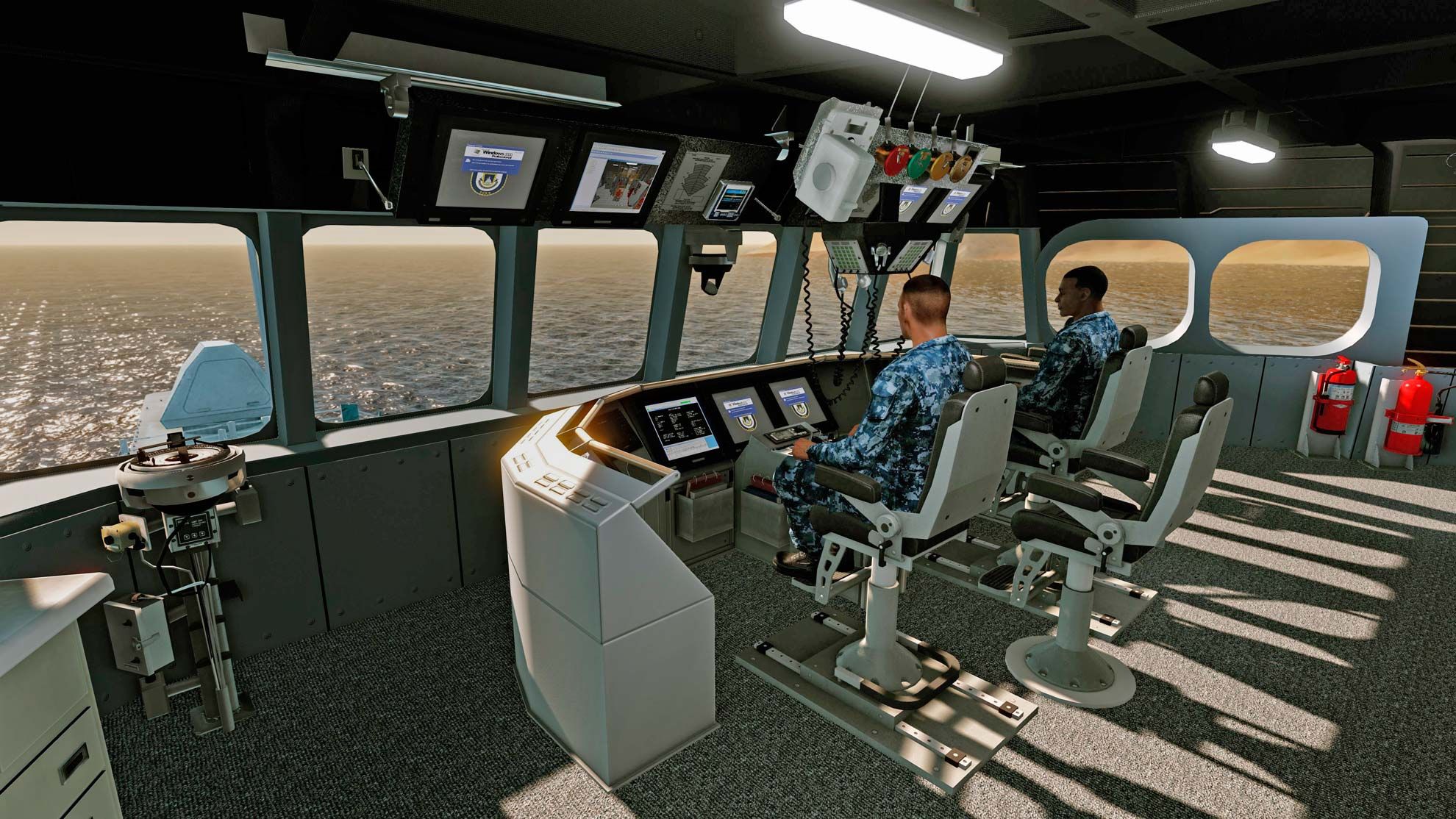
Technical virtuosity is demanded for CONOPS like all-domain operations, and so is LVC simulation so the Navy, Air Force, and Army can train and fight as one.
By Breaking Defense
“We’re trying to create a new paradigm for governing with training, for making sure that all of these efforts that might seem disparate are synchronized, unified, and all marching at the same pace in the same direction with the same vector,” Caroline Baxter said.
By Jaspreet Gill
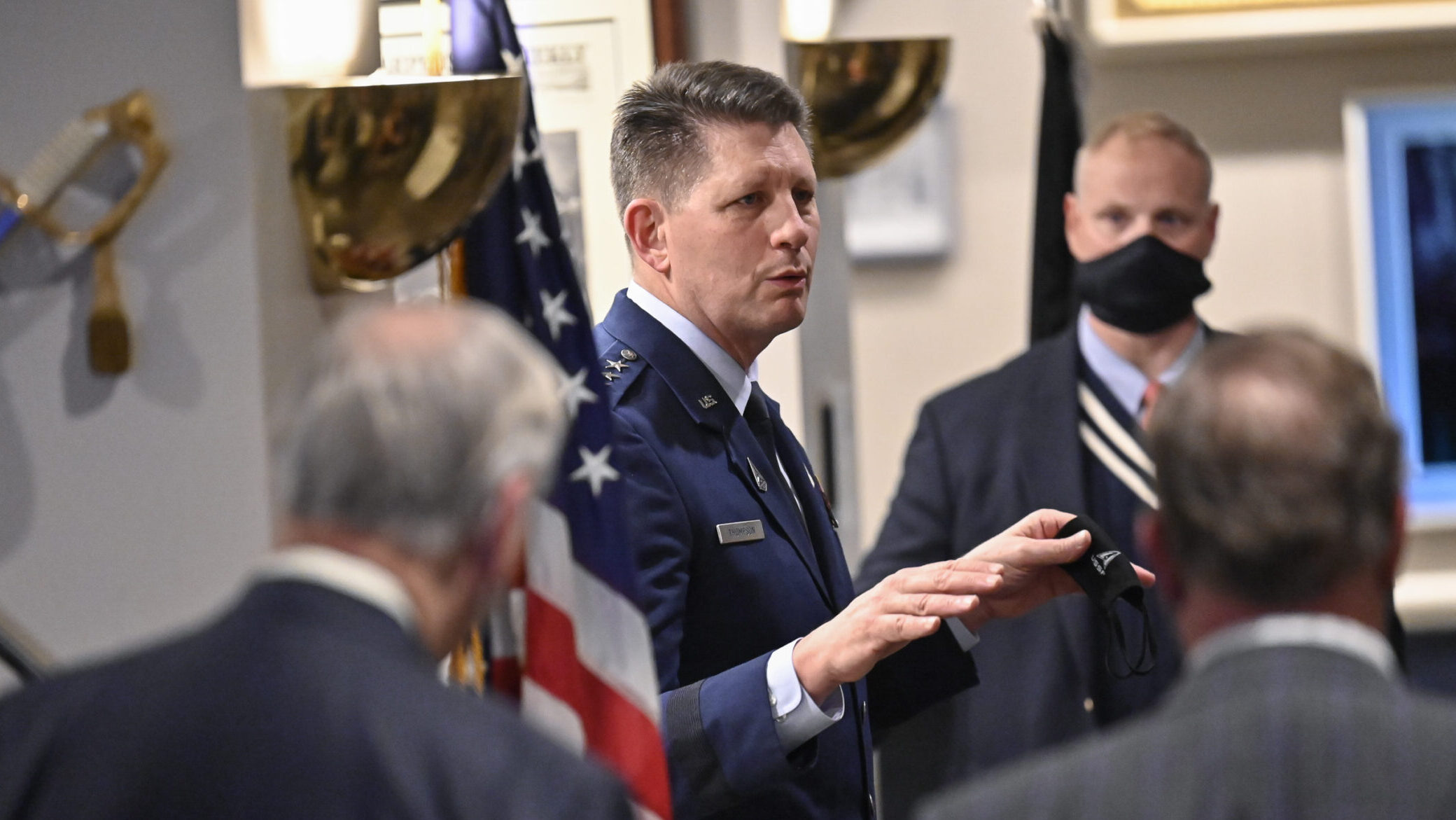
“We absolutely believe we will save money,” said Vice Chief of Space Operations Gen. DT Thompson. Other military departments are looking into a similar approach, another Space Force officer said.
By Theresa Hitchens
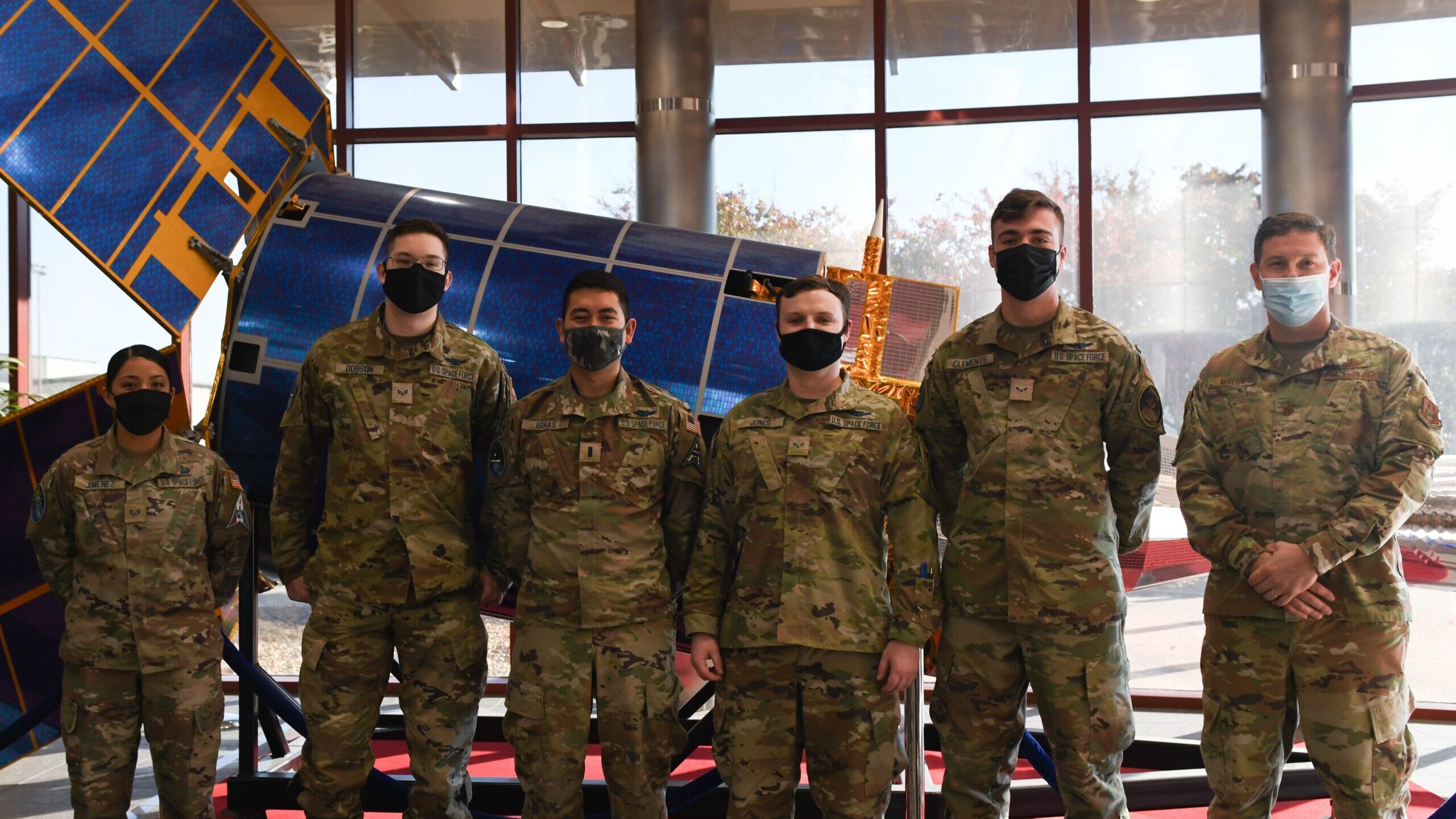
Space Force can’t simply “carve out a piece of real estate” on orbit for live testing and training, explains STARCOM head Maj. Gen. Shawn Bratton.
By Theresa Hitchens

“You think about, like, a picture’s worth 1,000 words, the video clip’s worth a million words – well, how much is it worth to be able to literally experience it based on anywhere you are?”
By Andrew Eversden
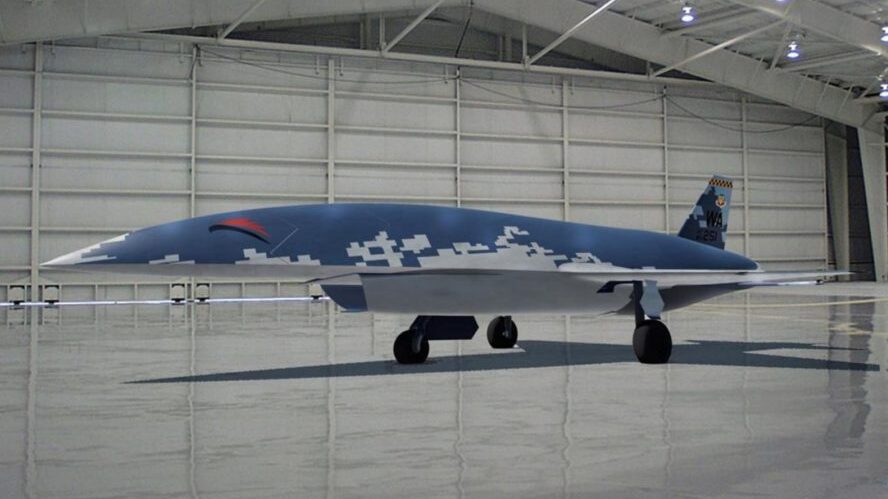
Using low-cost drones may finally give the Air Force a way to simulate a mass of advanced, fifth-generation fighters in training exercises.
By Valerie Insinna
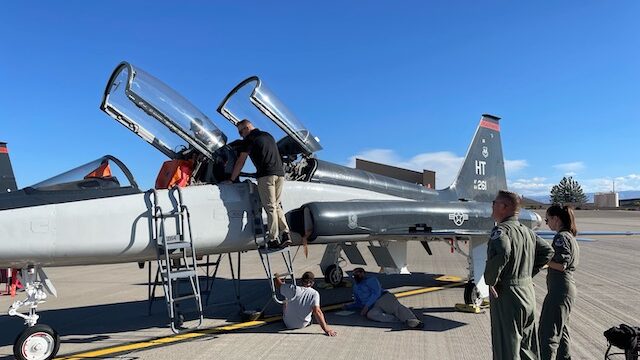
A recent test saw a real pilot with a virtual F-22 as a wingman going up against a virtual Chinese J-20. “It’s crazy,” the company’s chief executive says.
By Valerie Insinna