Land Warfare

‘Not one big bang’: Army looking to enhance competition with ‘teams of vendors’ for Next Gen C2 

"We want to get vendors on contract. We want to try something out. We want to do it under the auspices of a formal program that, you know, we can show the Congress that we've got a different approach,” Gabe Camarillo, under secretary of the Army, said.

GIDE 3/ADE 5: Flyaway Kit
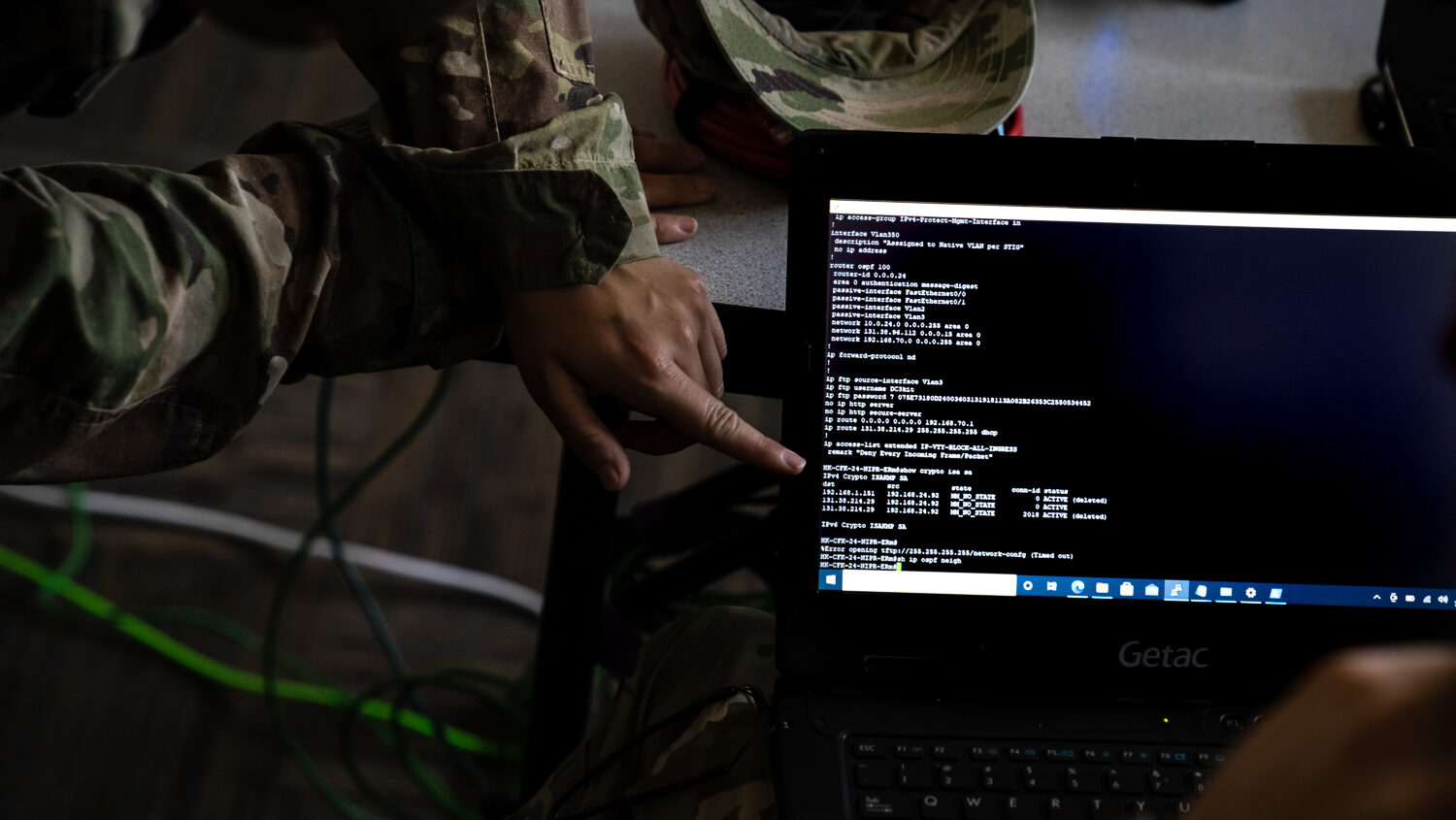
Members of the 56th Air and Space Communications Squadron at Joint Base Pearl Harbor-Hickam operate cyber systems using a Enhanced communications flyaway kit during the Global Information Dominance Experiment 3 and Architect Demonstration Evaluation 5 at Alpena Combat Readiness Training Center, Alpena, Michigan, July, 12, 2021. (U.S. Air Force photo by Tech. Sgt. Amy Picard)

AUSA 2024 — The Army aims to make a break with habit in its acquisition for the high-profile Next Generation Command and Control (NGC2) project, looking for industry teams to tackle the problem rather than a single player, according to a senior official.

“My sense of what I’d like to see is, you know, competition within the program,” Army undersecretary Gabe Camarillo said here at AUSA 2024 on Tuesday. “So not just one or two or three vendors that are going to kind of give you this big bang and take three or four years to do it. That’s probably the traditional way we would have done software 10 years ago. I think my view of it is we want to open up the competition. Have different teams competing, both together, on teams and against each other, in many cases.”

So far three vendors — Anduril, Palantir and Google — have been selected to work on a portion of NGC2, also known as C2 Next, specifically to develop dashboards that will display location and positional information with the goal of bolstering soldier’s situational awareness. 

The companies showcased that capability at the Network Modernization Experiment (NetModX) 2024 event back in August and will do so again in March of next year at Project Convergence, an Army spokesperson told Breaking Defense in an email recently. 

Additionally, earlier this month, the Program Executive Office of Command, Control, Communications-Network (PEO C3N) put out a Request for Information seeking input on “experimentation, pilots and, prototyping” in establishing NGC2. Camarillo said he’s trying to move that process along quickly while working closely with the PEO C3N. 

“The goal is to get a program of record started as quickly as we can. In fiscal year [2025] we want to get a competition going. I think currently, [Mark Kitz, the program executive officer of C3N] is scheduled for a third quarter of FY25 to do it. I’m pushing him to see if we can go faster, as I always do,” Camarillo said. “But the goal is to get, you know, teams of vendors on contract and iterating because again this is not one big bang. We want to get vendors on contract. We want to try something out. We want to do it under the auspices of a formal program that, you know, we can show the Congress that we’ve got a different approach.” 

Other plans to stand up NGC2 include prototyping activity by next year and a minimum viable product for new C2 capabilities by early fiscal year 2026.

Camarillo emphasized that during all of this, the requirement and acquisition process with NGC2 will vary from traditional processes not just by using a multi-vendor approach, but also because of the timeline. He said that there’s no end to NGC2 because there will continuously be new requirements as the technology develops. Also adding that because of this, the requirement process may yield “revalidation.” 

“This is probably going to be a different kind of requirement, whether it automatically gets kind of revalidated over a set period of time, or whether there’s continuous revalidation, which I think is even more appropriate, involving the requirements user and the acquisition community working together. It’s going to force us to team together in ways that maybe we haven’t on a program like this ever before,” Camarillo said. 

PHOTOS: AUSA 2024

PHOTOS: AUSA 2024

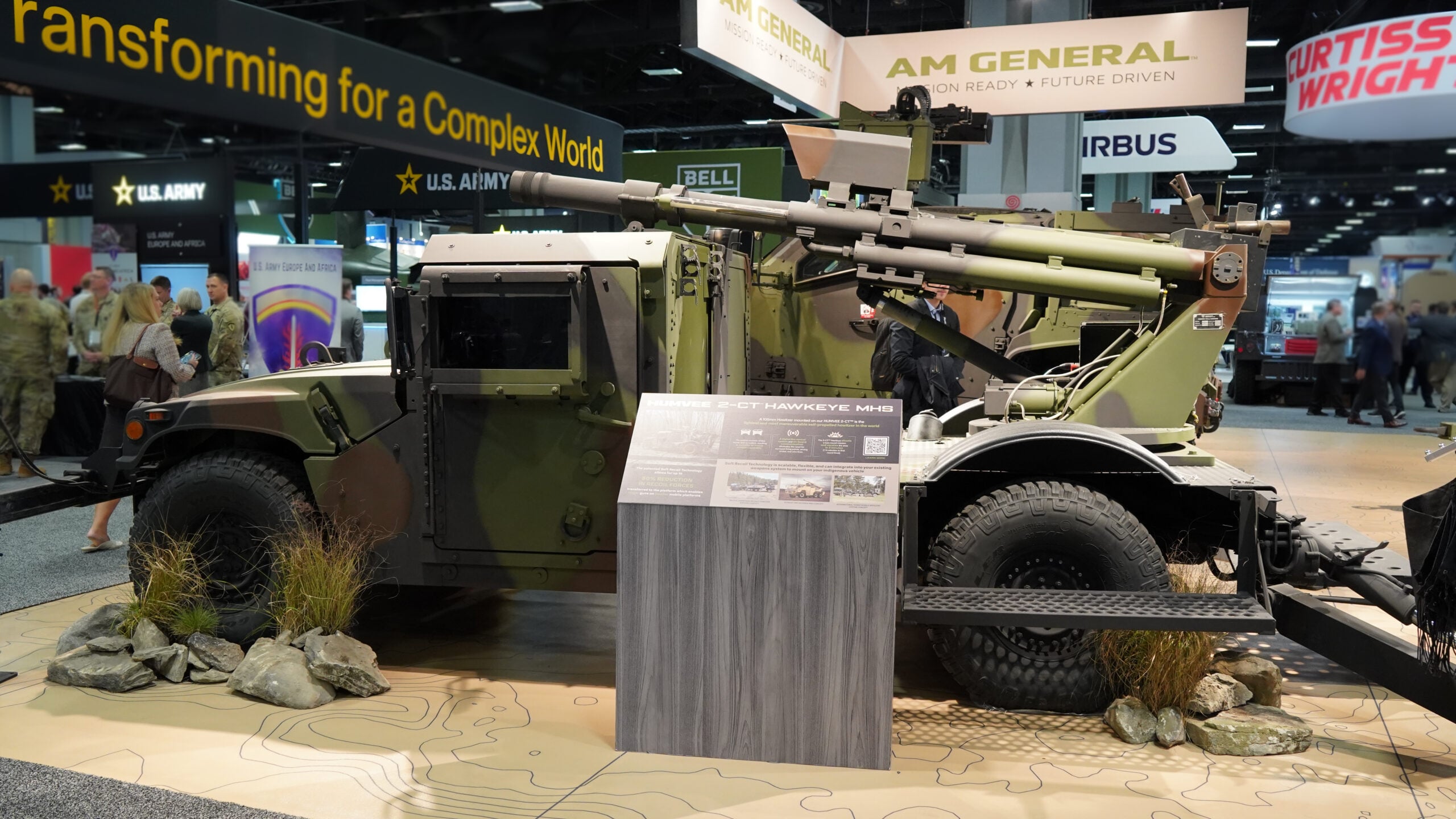
At AUSA 2024, land vehicle giant AM General rolled its HUMVEE 2-CT Hawkeye MHS, featuring a howitzer launcher on a hummer. (Brendon Smith / Breaking Defense)
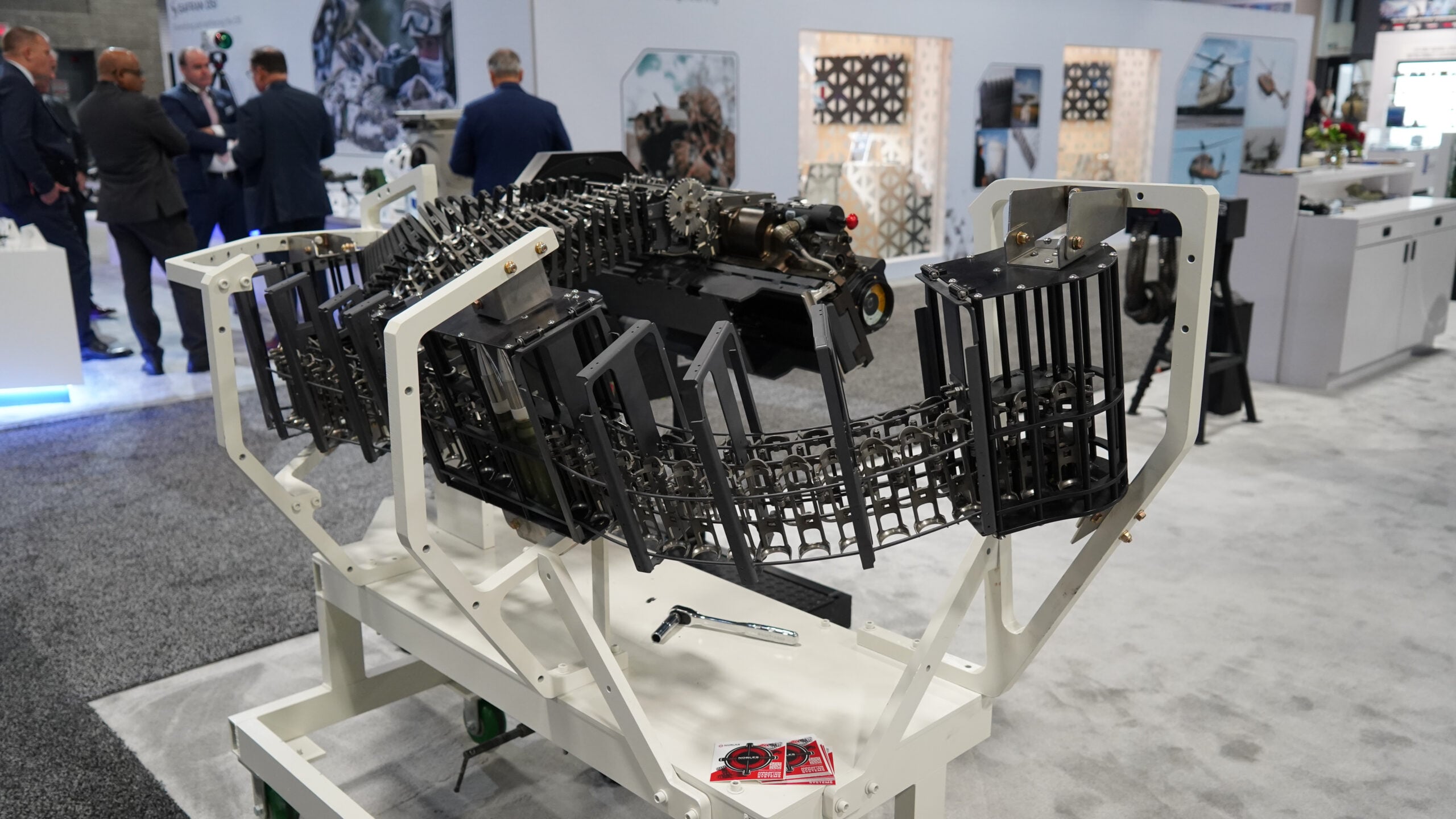
Ammo handling specialists Nobles Worldwide brought its closed loop, linkless ammunition handling system to AUSA 2024. (Brendon Smith / Breaking Defense)
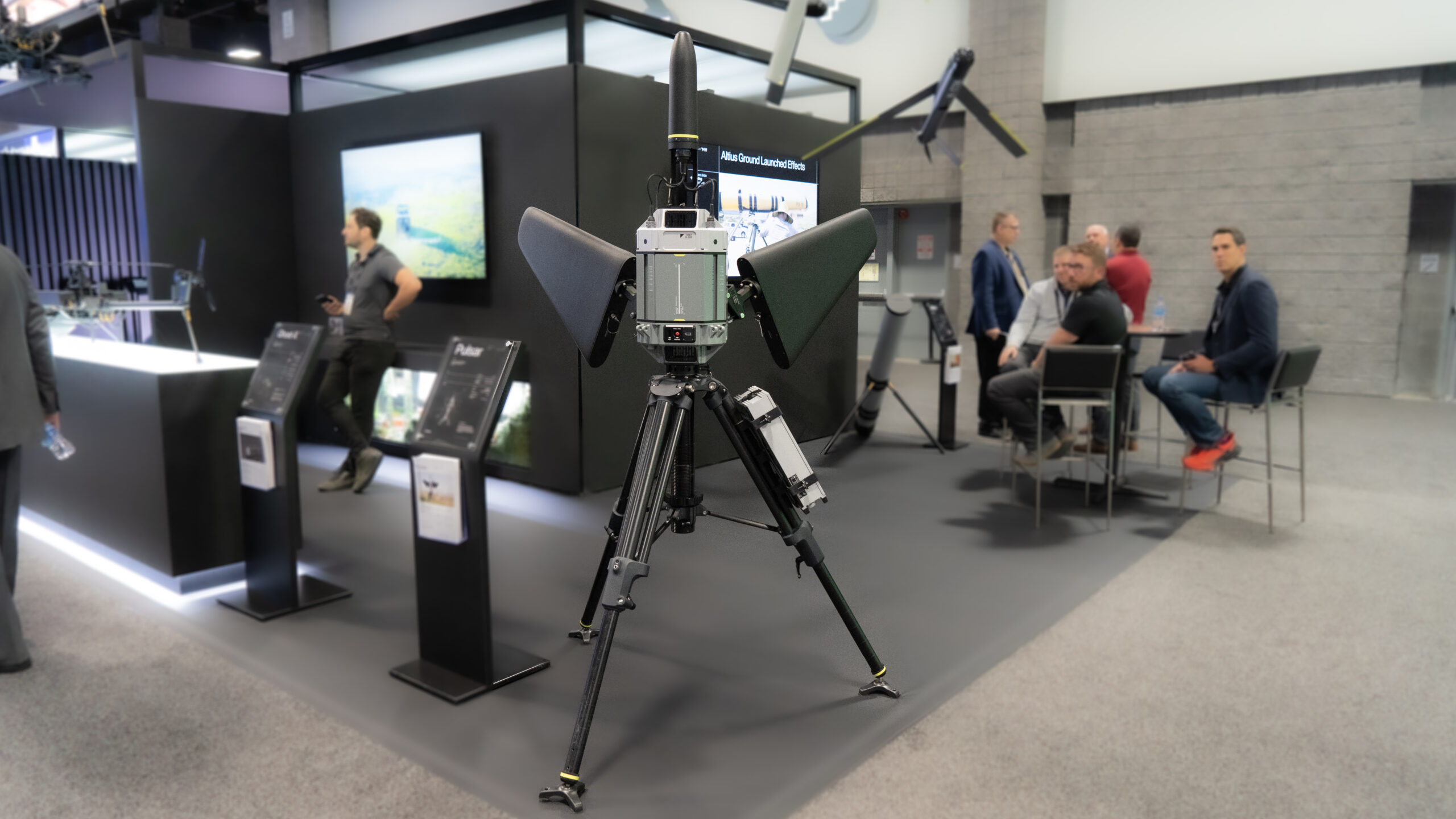
IEC Infrared Systems's Lycan counter-UAS system gazes out at attendees at AUSA 2024. (Brendon Smith / Breaking Defense)
Australian firm EOS was at AUSA 2024, here displaying its Slinger kinetic counter-drone system. (Brendon Smith / Breaking Defense)
Defense start-up Anduril makes a wide range of products and at AUSA 2024, including his platform from its "family of autonomous systems and Electromagnetic Warfare (EW) systems powered by Lattice and AI at the edge." (Brendon Smith / Breaking Defense)
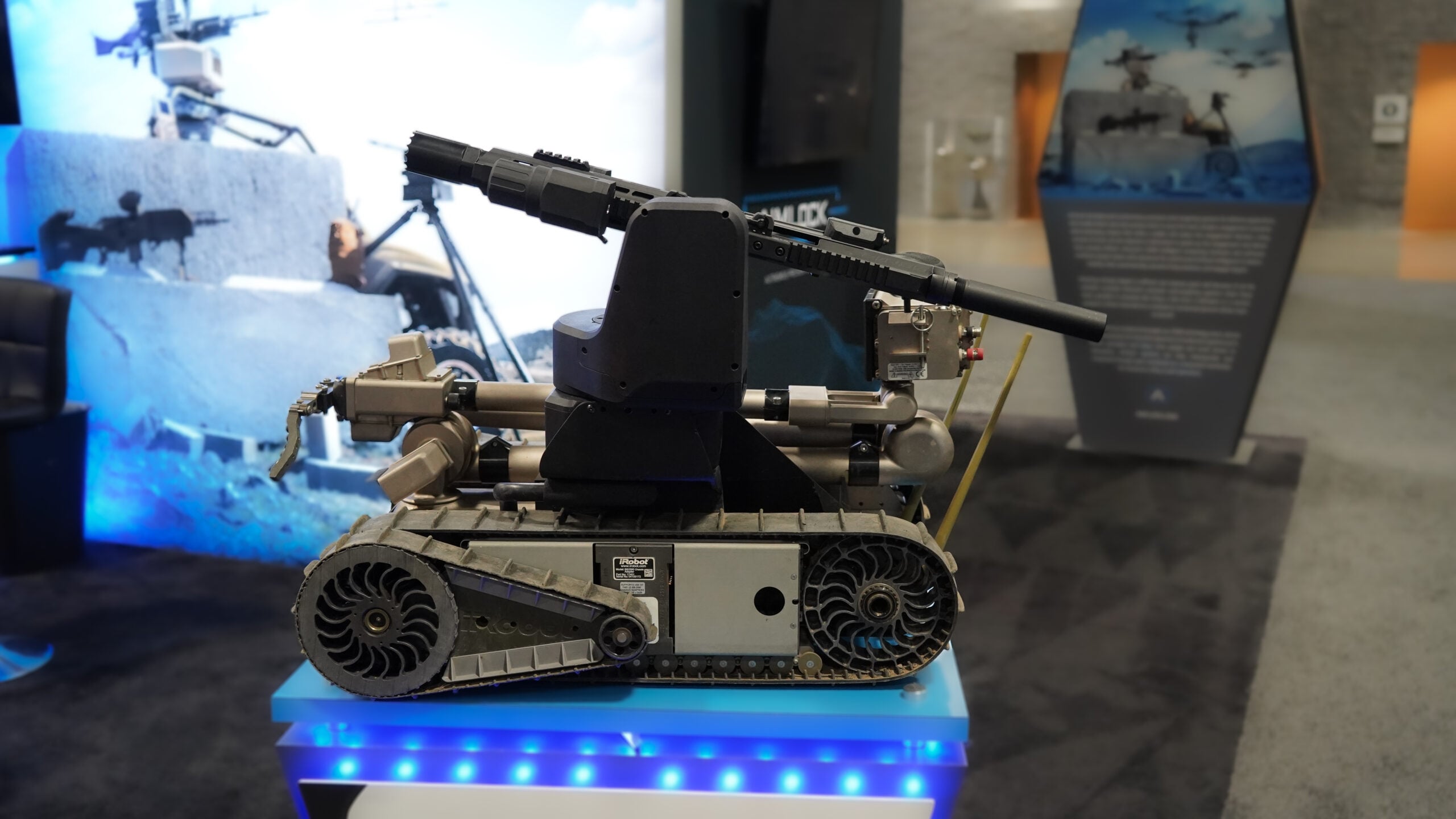
Aimlock, which develops "semi-autonomous precision auto-targeting systems" attached a 12-guage shotgun on a ground robotic vehicle at AUSA 2024. (Brendon Smith / Breaking Defense)
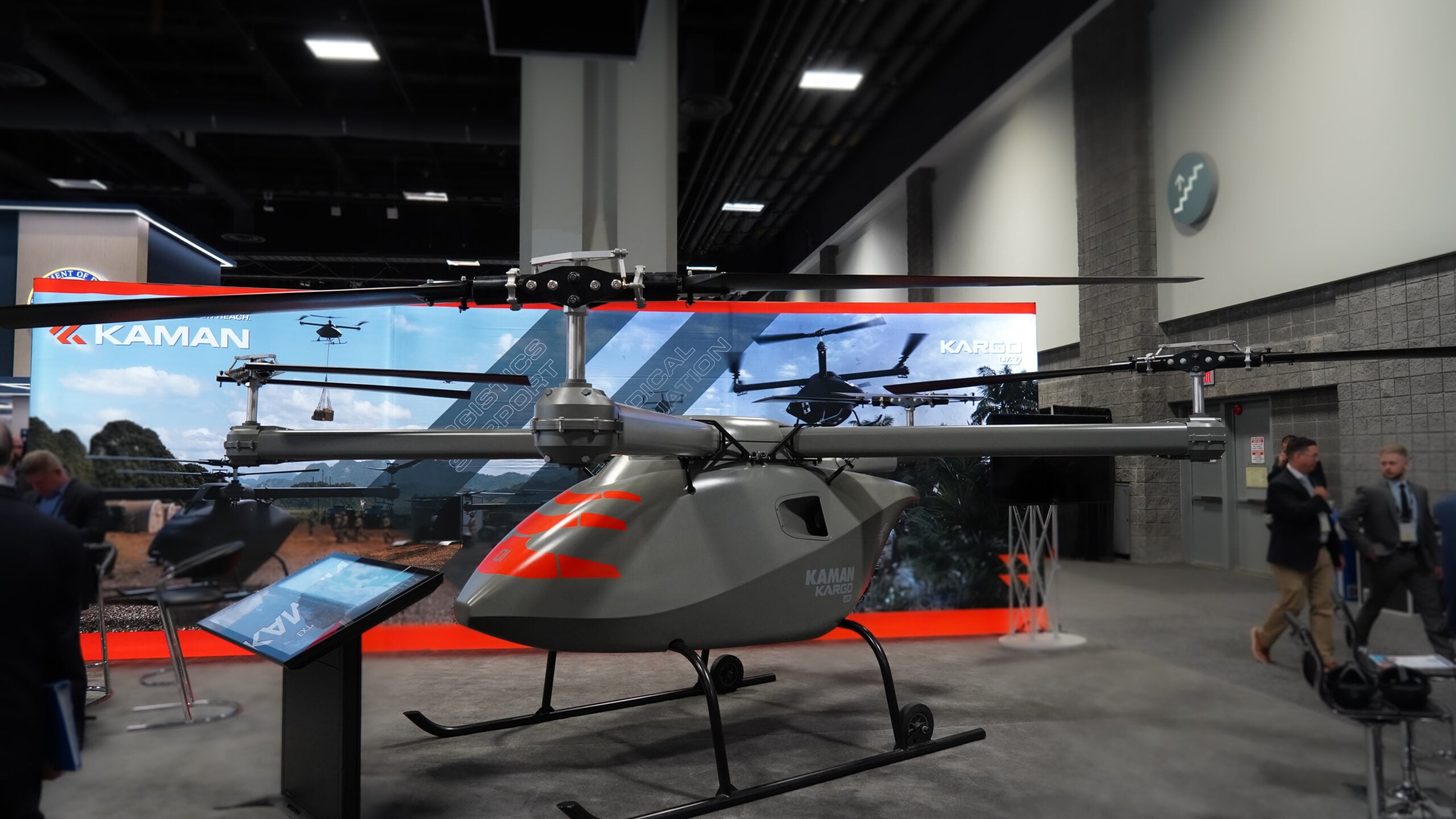
Connecticut-based Kaman Corporation offers unmanned cargo copters, as seen on the show floor at AUSA 2024. (Brendon Smith / Breaking Defense)
Defense giant Northrop Grumman shows off its Next Generation Handheld Targeting System (NGHTS), which the company says is designed to work in GPS-denied environments. (Brendon Smith / Breaking Defense)
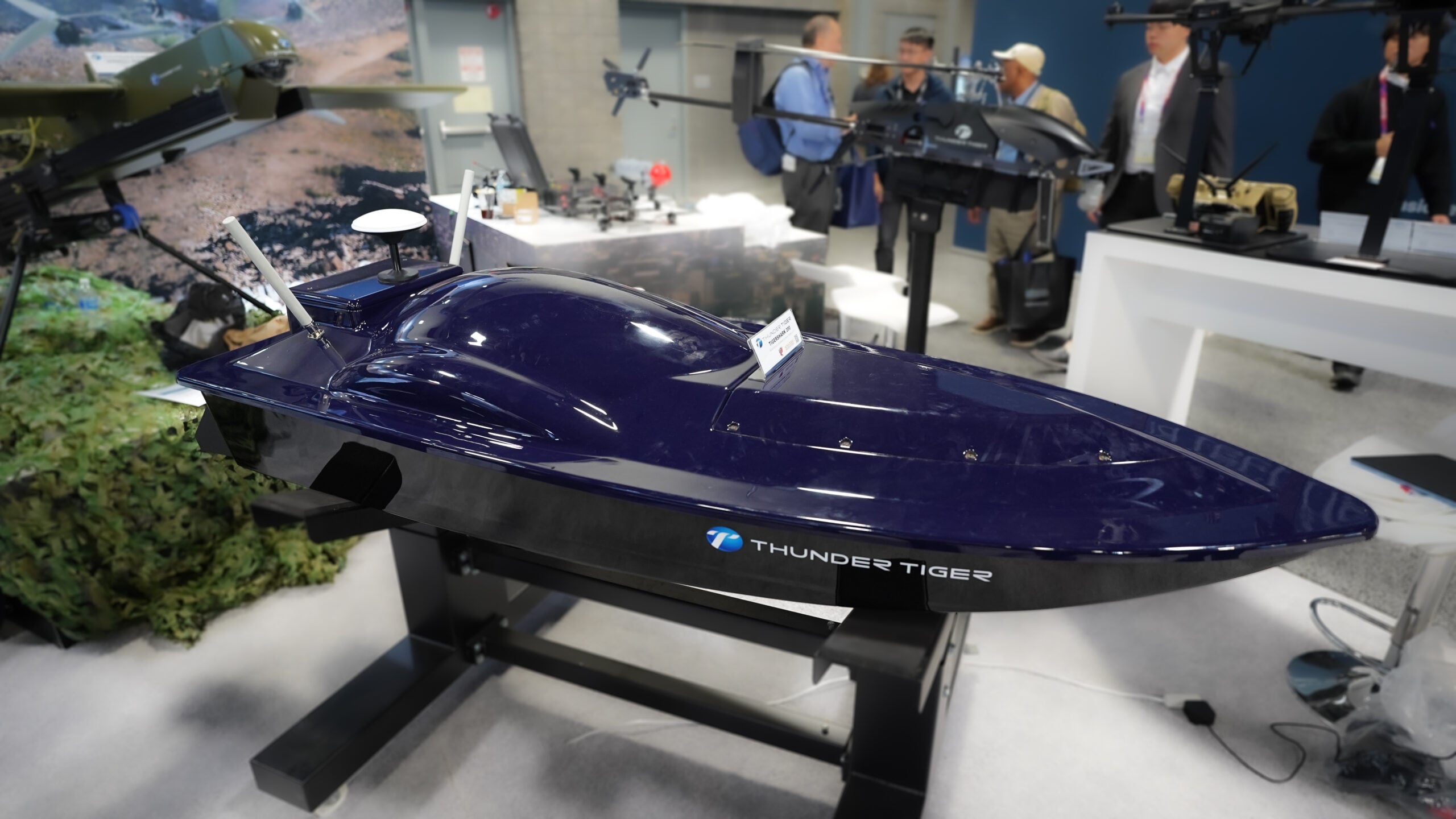
Taiwanese Thunder Tiger displayed an unmanned surface vessel, Seashark, at AUSA 2024. (Brendon Smith / Breaking Defense)
Northrop Grumman shows off its Bushmaster chain gun at AUSA 2024. The company launched a new Bushmaster M230LF (Link Fed) dual-feed chain gun, designed to neutralize UAS and ground threats, with the manufacturer targeting export customers for future orders. (Brendon Smith/Breaking Defense)
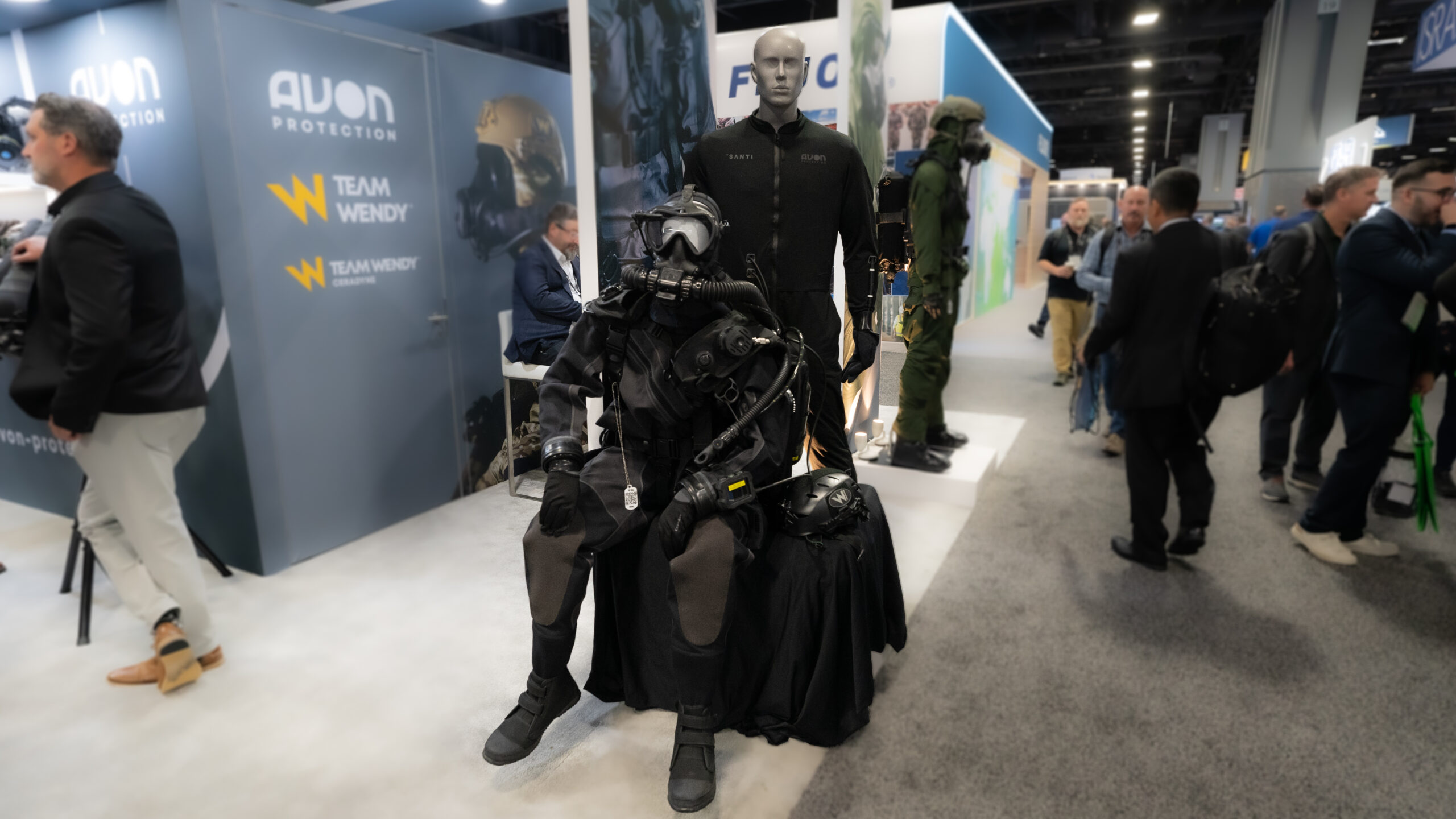
It's less ominous than it looks: Avon Protection's Core Intelligent undersuit and MCM100 Multi-Role Military Diving Rebreather are marketed on the show floor to help military divers keep warm under the water. (Brendon Smith/Breaking Defense)
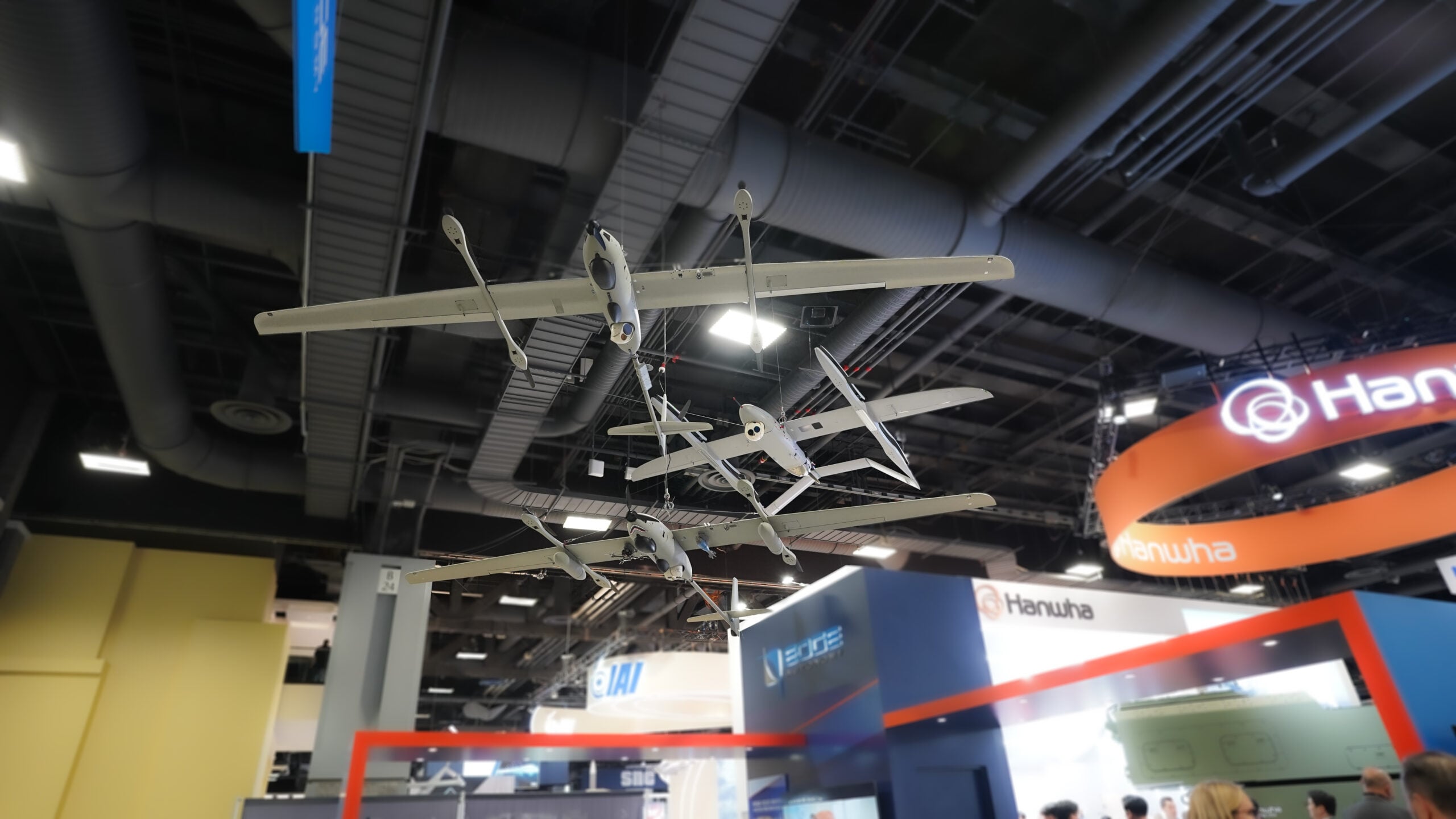
Edge Autonomy shows off its E140Z camera, part of its Octopus surveillance suite. (Brendon Smith/Breaking Defense)
Flyer Defense shows off its Flyer 72 vehicle at AUSA 2024. Selected by SOCOM, the company says it is capable of internal transport in the CH-47 and C-130 aircraft. (Brendon Smith/Breaking Defense)
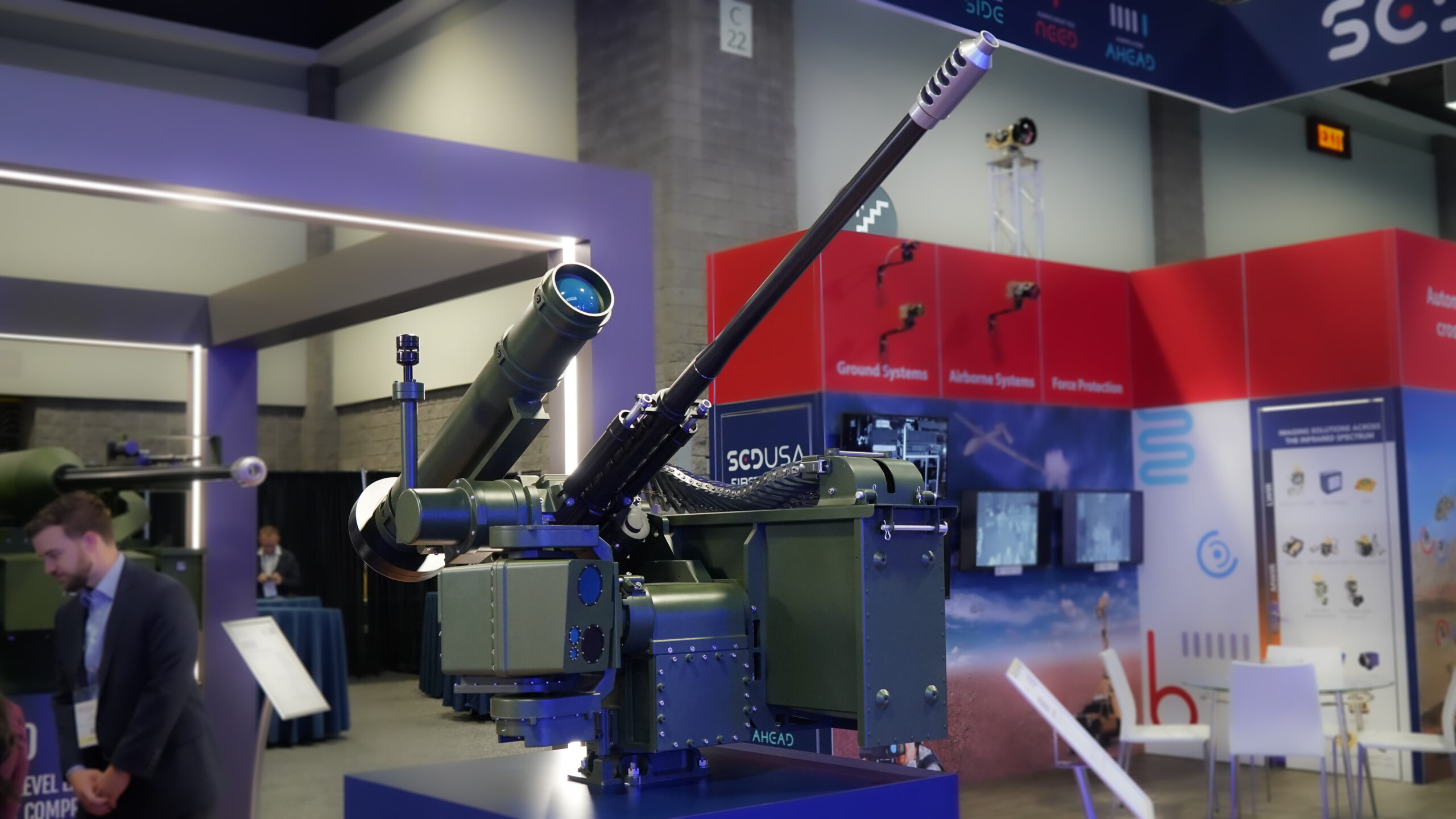
The Kongsberg Protector RS6 is a Remote Weapon System for low-recoil 30mm cannons. The company says it will be able to equip other weapons in the future. (Brendon Smith/Breaking Defense)
Bell helicopters showed off a number of items on the show floor. (Brendon Smith/Breaking Defense)
One of BAE's two AMPV varients on the show floor at AUSA 2024, this one sports the company's Modular Turreted Mortar System. (Brendon Smith / Breaking Defense)
Oshkosh Defense displays its Remotely Operated Ground Unit for Expeditionary Fires (ROUGE-Fires) on the floor at AUSA 2024. (Brendon Smith / Breaking Defense)
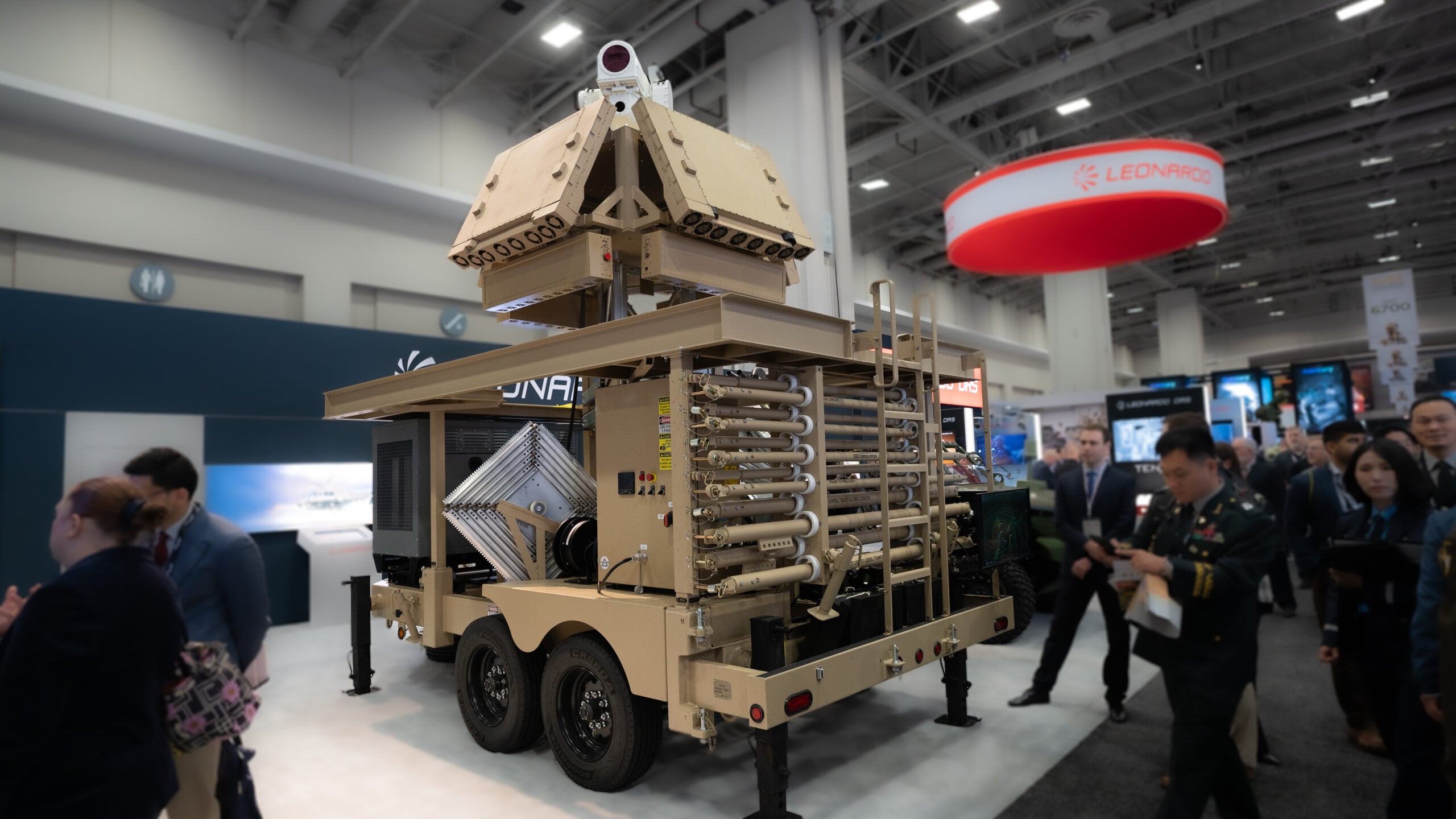
A Leondardo extended mast surveillance system ready to roll into position at AUSA 2024. (Breaking Defense)
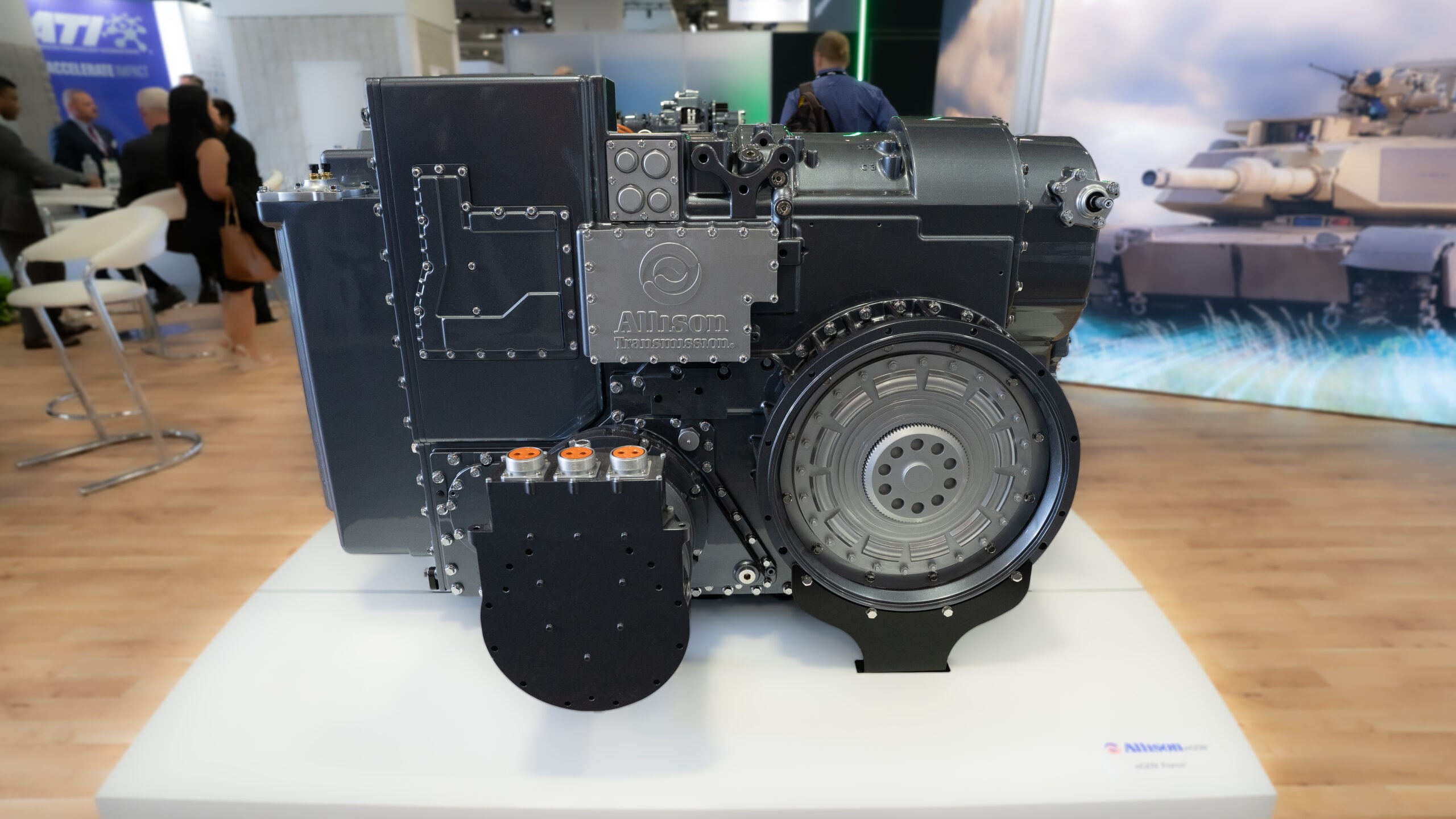
Allison Transmission eGen Power motor on display at AUSA 2024. (Brendon Smith / Breaking Defense)
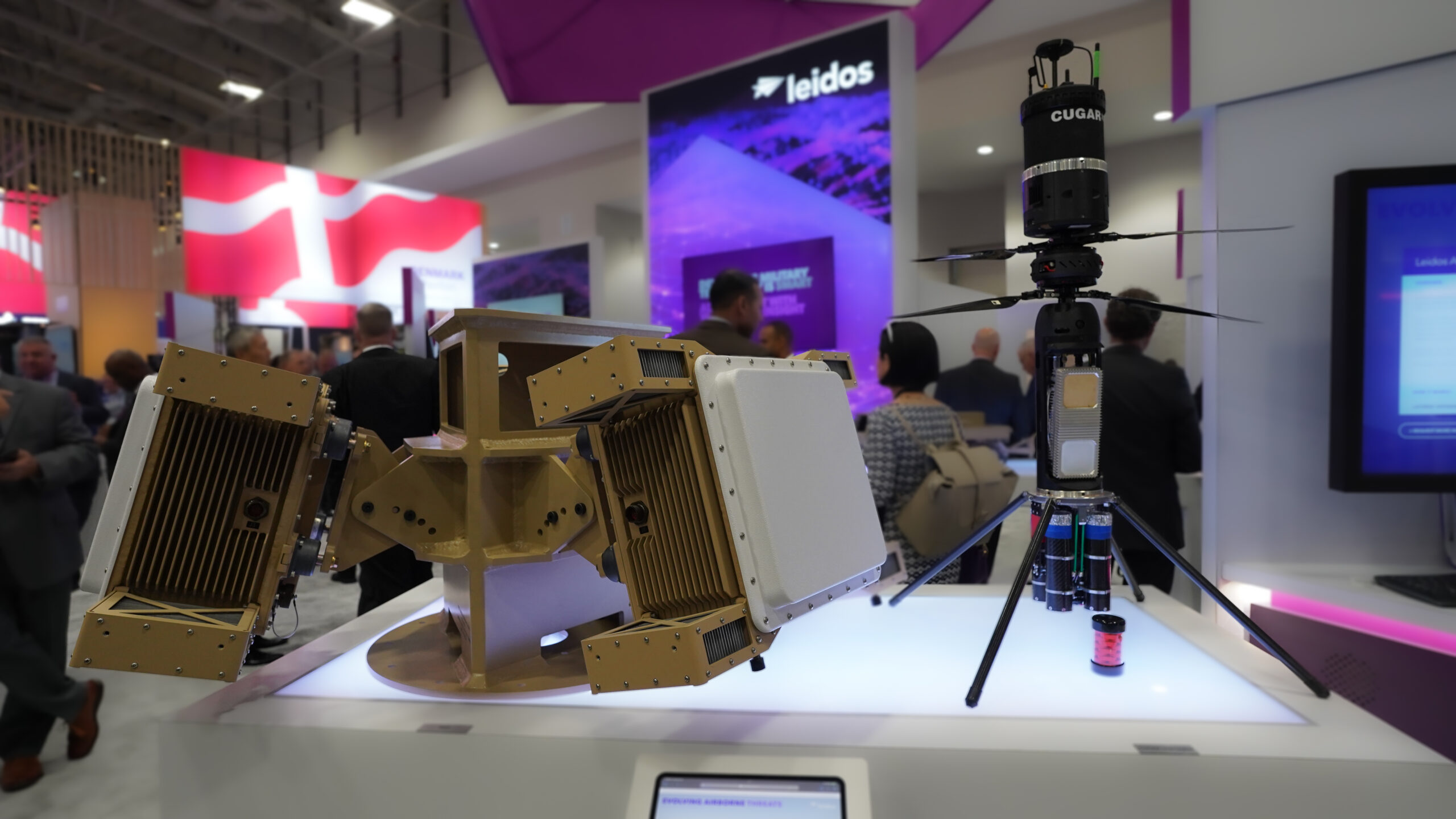
Leidos's Airshield counter-UAS system sits at the company's booth at AUSA 2024. (Brendon Smith / Breaking Defense)
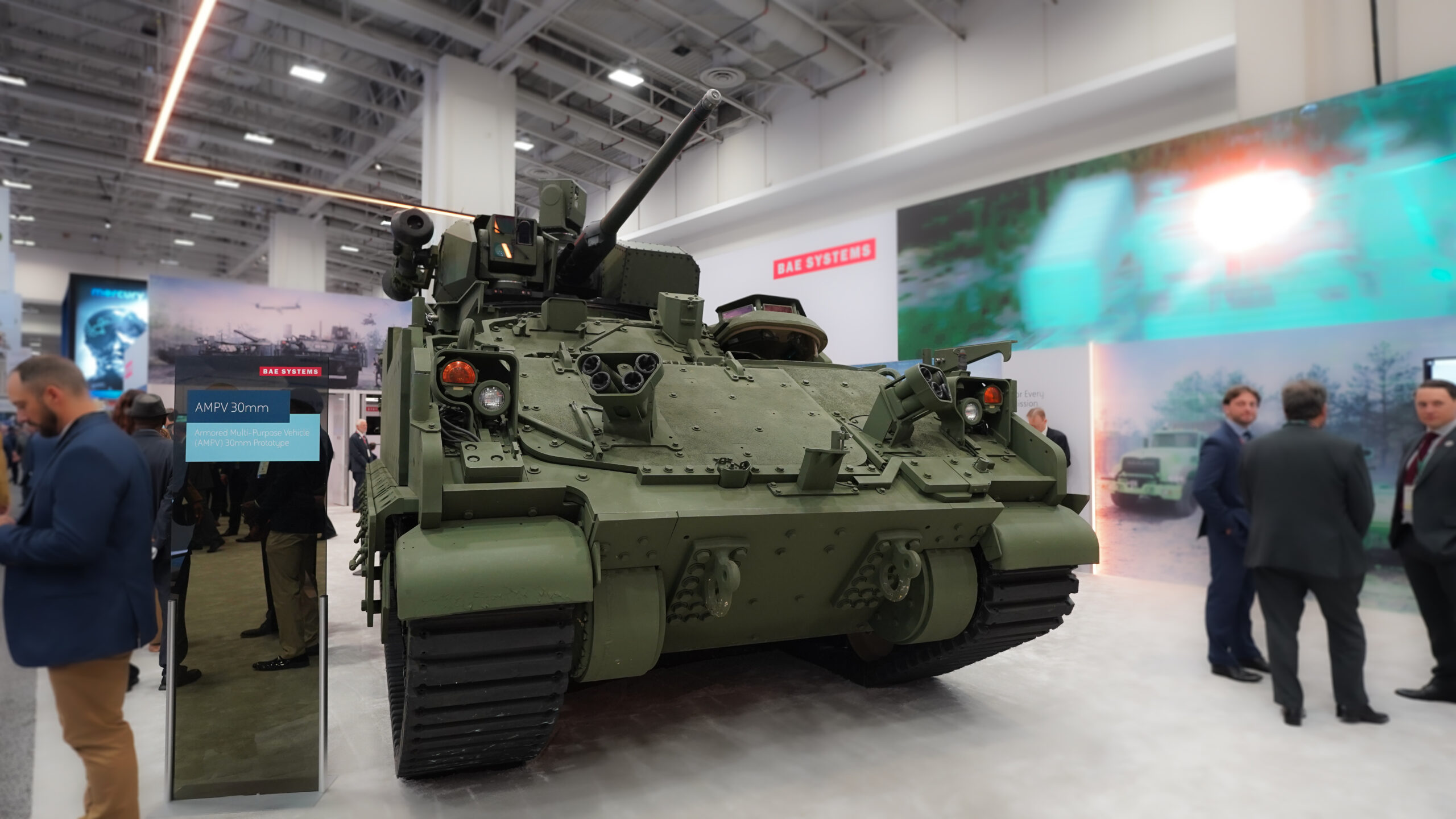
BAE's Armored Multi-Purpose Vehicle (AMPV) with a 30mm gun on display at AUSA 2024. (Brendon Smith / Breaking Defense)
A heavily armed next-gen tactical vehicle on display from GM Defense at AUSA 2024. (Brendon Smith / Breaking Defense)
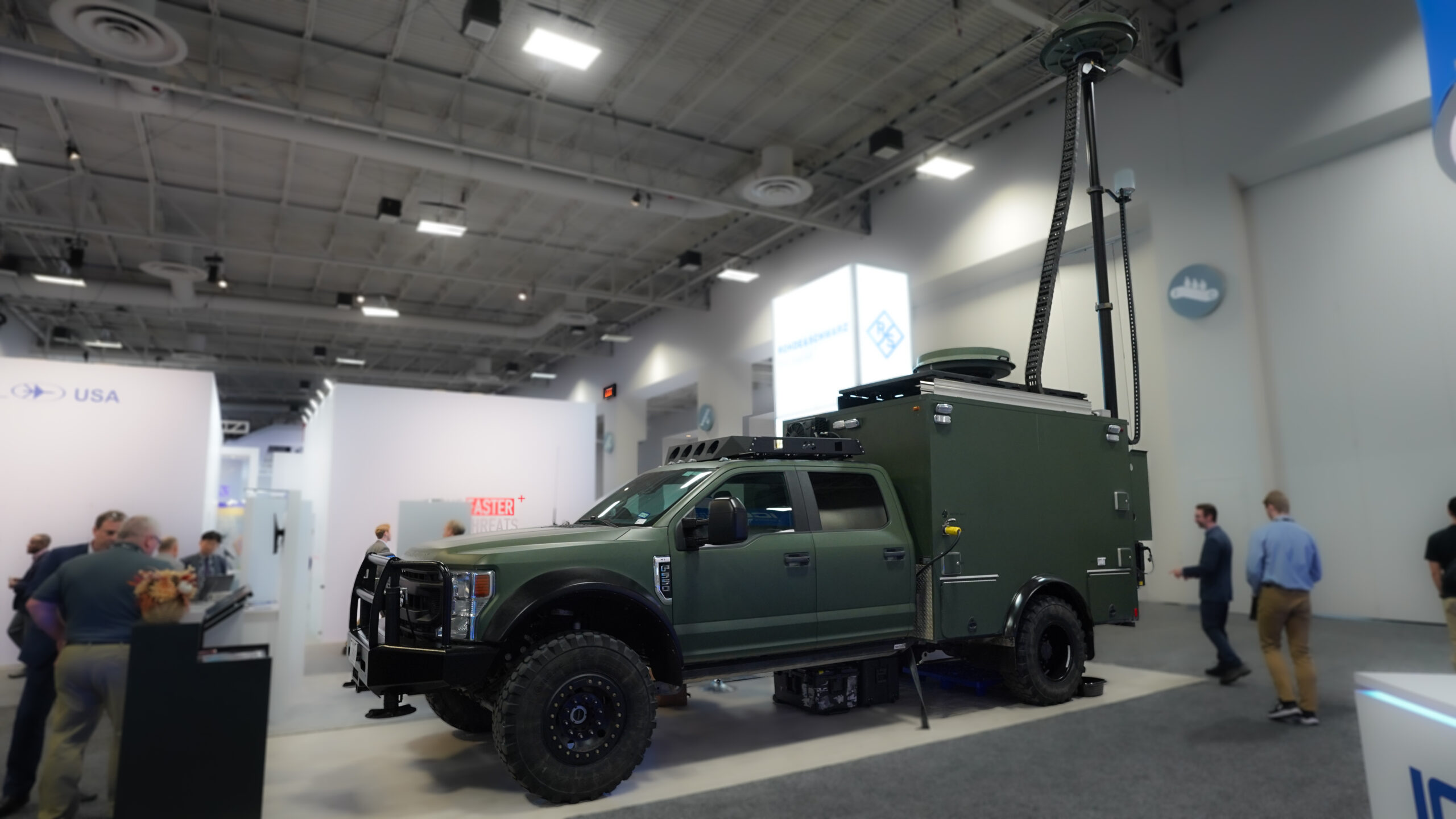
At AUSA 2024, Rohde & Schwarz displays a mobile signals system known as SigBadger. (Brendon Smith / Breaking Defense)