
The Pentagon fails another audit. Can it turn things around by 2028?
The Defense Department has struggled for years to get its books in order. Now, officials say a new approach could change that.
The Defense Department has struggled for years to get its books in order. Now, officials say a new approach could change that.

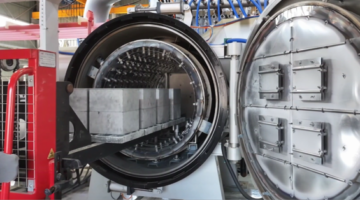
January’s expanded magnet-sourcing restrictions will require defense contractors to trace each finished magnet back to its raw materials and document how and where it was produced.


Ensuring SI models and their underlying data are kept secure is critical to building digital tools that can be deployed readily in warfighting environments.

The completed drones will compete at the Army’s third Drone Dominance Gauntlet event in March where the systems will face “complex” obstacle courses, heavy electronic jamming and “live target arrays.”

“What we are doing is looking at the trends, and year over year, our trends of fully mission capable are going down. We have to change something," Army Undersecretary Michael Obadal said.

The White House has also nominated Lt. Gen. Marcus Evans to fill LaNeve’s current role as the service’s vice chief.

The Army's Global Tactical Edge Acquisition Directorate is now awarding up to six Other Transaction Authorities as opposed to just one following its Accelerated Capability Events.


Think of sensing and detection as a network as opposed to individual unmanned surface vessels.

From electronic warfare threats to coalition data sharing, discover how US and allied forces are strengthening the digital battlespace across the Indo-Pacific.

Congress will need to approve the change, but there are internal, bureaucratic steps Hegseth is directing that should increase the SOF community's power inside the department.

“It's literally fly it as close as you can between those two fence posts because you might have to hit a high value target that way. And, if you crash 10 of them until you can get [number] 11 through, do it,” Army Material Command’s Jon Strzelec told Breaking Defense.
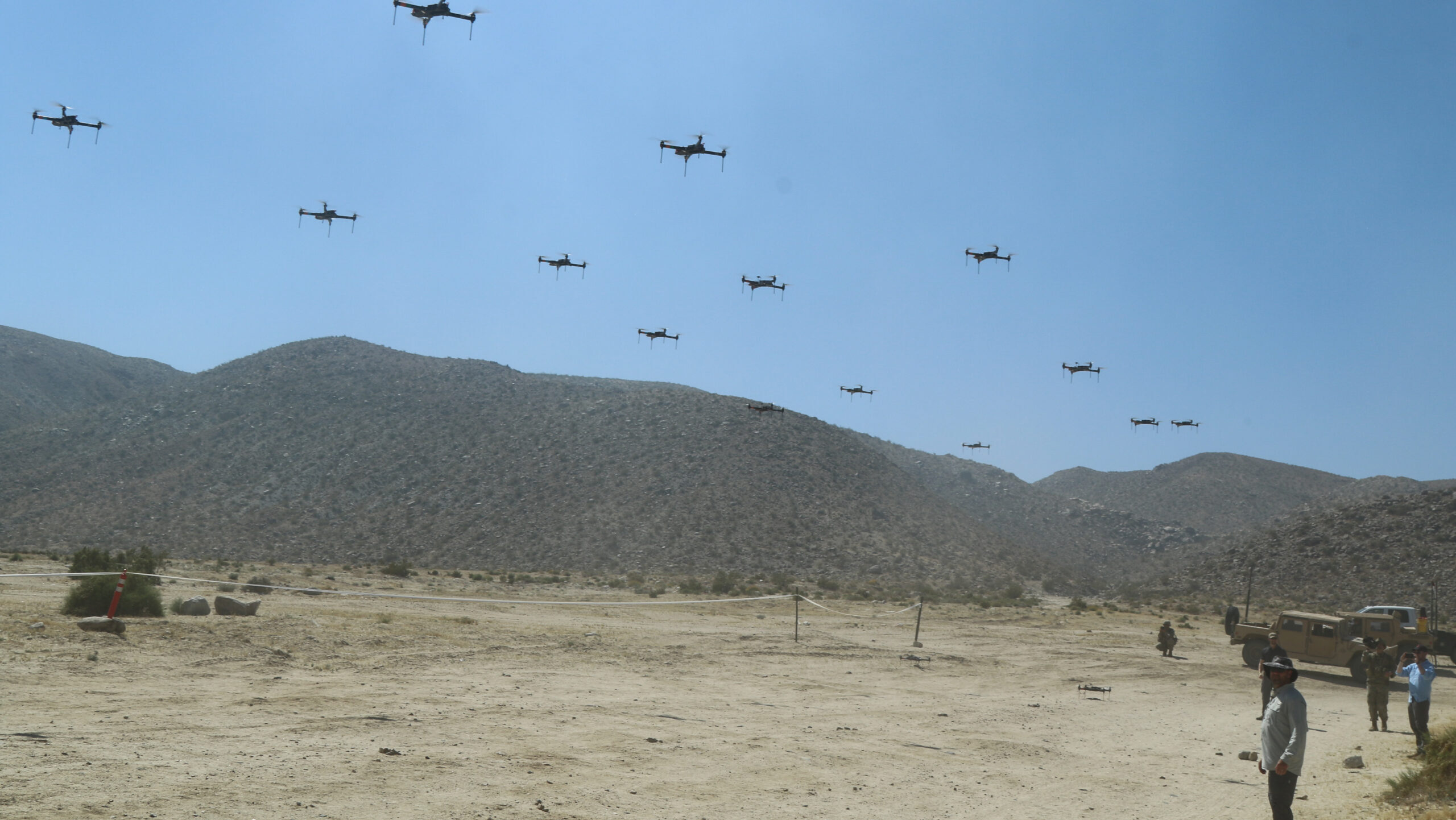
The US military should focus on building drones that evolve so quickly an adversary's defenses become obsolete before they can be deployed, two Air Force officers argue.


As social media and AI amplify dis- and misinformation campaigns, effectively countering them requires a coordinated response.

Breaking Defense kicks off a new video roundtable series about the future of missiles and missile defense.

Breaking down stovepipes, managing data and enabling better decision making are key components of the Army’s NGC2 plan.

The introduction of two new classes of landing craft would introduce capabilities that the Australian Army has not operated in recent times, an expert told Breaking Defense.

The move "comes amid broader efforts to stabilize the region and potentially establish a new regional security architecture based on greater regional ownership and responsibility," according to defense analyst Ali Bakir.