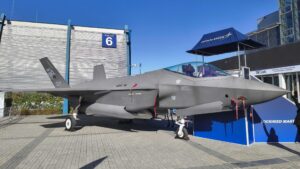
US finalizes $4 billion military financing loan for Poland
Though Warsaw did not disclose how the new money will be spent, it could be put toward an acquisition of 32 additional F-35s, in support of an air superiority program requirement.

Tim Martin is co-editor of Breaking Defense Europe, helping to lead regional coverage of the NATO nations and European industry. He joined Breaking Defense in 2022 after a three year spell at Shephard Media as Air Editor. Based in Belfast, Tim holds two Defence Media Awards to his name, and has bylines with a number of B2B and print media publications, including the Irish Times newspaper.
Though Warsaw did not disclose how the new money will be spent, it could be put toward an acquisition of 32 additional F-35s, in support of an air superiority program requirement.

The new drone order "shows that Poland is moving from a country that purchased defense equipment worldwide to [now being] a producer as well,” said Poland’s Minister of National Defence Władysław Kosiniak-Kamysz.


Dwindling stockpiles and lessons learned from Ukraine and Iran are driving urgent needs for revamping manufacturing.
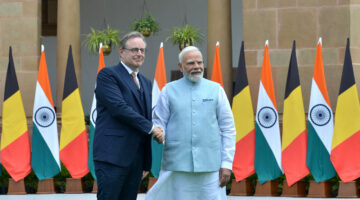
Belgian defense officials said the cooperation will strengthen European security of rocket supply.
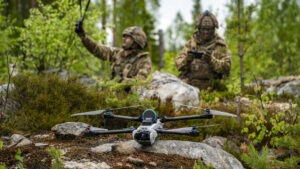
“We trust one another, and together we are stronger,” said Finnish President Alexander Stubb on X, by way of welcoming the expanded, bilateral cooperation.

Poland’s minister of national defense said today that “at least” seven aircraft will be purchased, with his country receiving four by 2030.
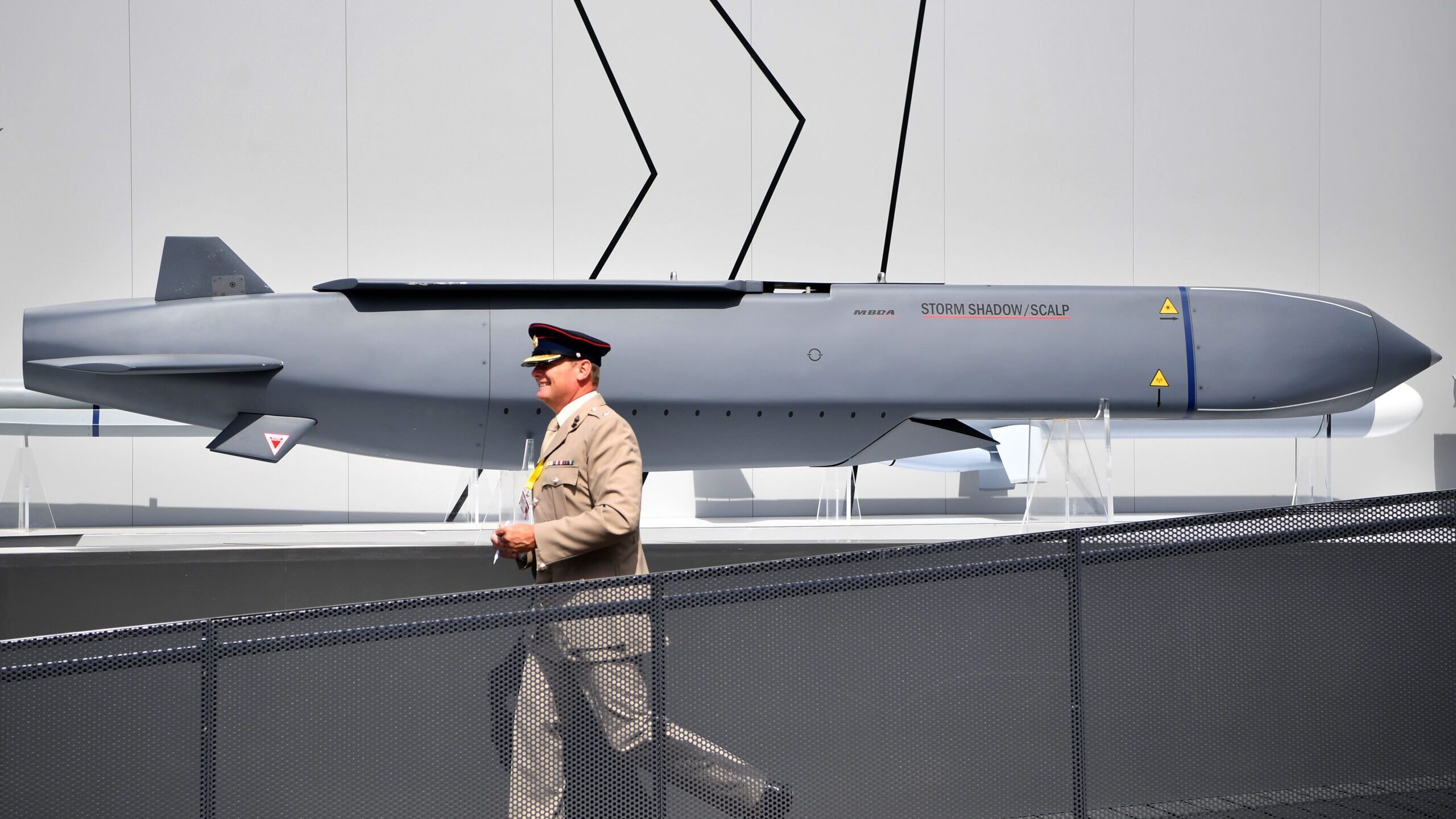
The provision to Kyiv comes alongside increased tensions between Moscow and London over the UK's support for Ukraine.

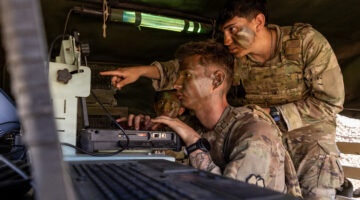
Lightning Surge exercises are turning soldier feedback on NGC2 into operational software changes in days, not years.
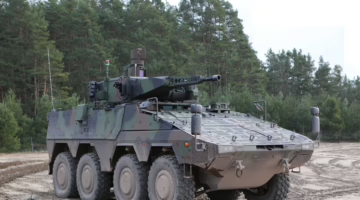
Manufacturer KNDS said it has developed the Boxer RCT30 as the "backbone" of Germany's new "Medium Forces."

Overall investment in the high profile program is expected to push beyond $18 billion, with first satellite launches slated for 2029.
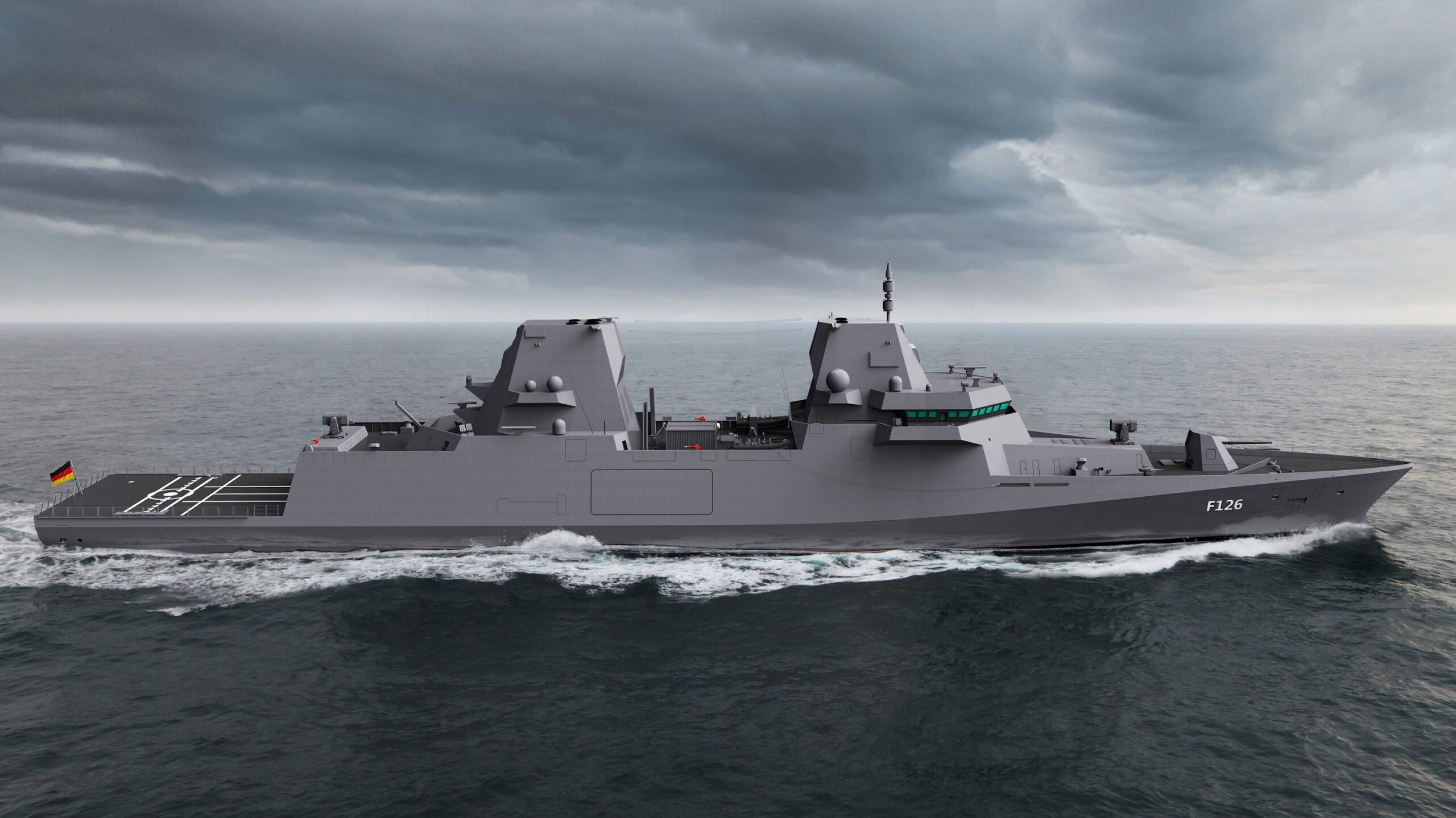
The loss was a blow to Rheinmetall's new naval ambitions, but the rest of the European giant saw a large rise in revenue.

Clive Higgins told Breaking Defense the firm would likely pitch its experience in sensors and EW, but also saw an opening for drones developed with a Turkish partner.


A decorated combat aviator and biotech CEO advocates preparing for novel viral threats before the next crisis.

The acquisition is slated to see up to 24 aircraft delivered to the British Army by 2029.
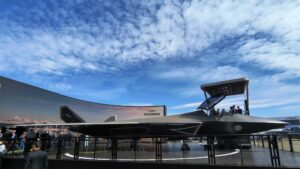
From potential new entrants to a “bridge” aircraft in the works, here’s what you need to know about GCAP.
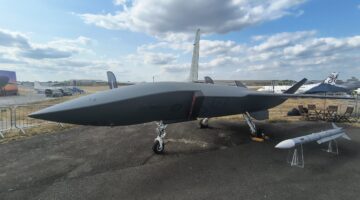
The US airframer also announced that Hensoldt has been added to its German MQ-28 supplier base, in support of a bid to land Berlin’s CCA requirement.

The Brontanax drone, roughly the size of a BAE Hawk trainer jet, was unveiled by newly installed Defence Secretary Wes Streeting.