
Pentagon inks SM-3 framework deals with RTX, Boeing on critical components
The seven-year framework deals cover key SM-3 components including avionics and ejector assemblies.
The seven-year framework deals cover key SM-3 components including avionics and ejector assemblies.

Top news from the final day of the 2026 Space and Missile Defense Symposium.


GA-ASI will build Gambit aircraft in Europe, partnered with European-based companies, with airframes available for international procurement starting in 2027.
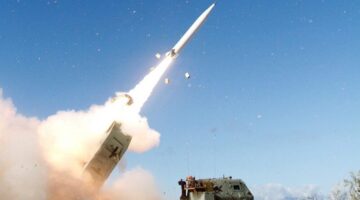
Brig. Gen. Robert Mikesh, charged with offensive fires, detailed a quadruple challenge — energetics and propulsion, targeting and seekers, the industrial base and “munitions breadth and depth.”

Elbridge Colby said at the start of his multi-nation tour that his message would be "realistic and perhaps bracing, but also reassuring."

DIA, NGA and the FBI are building the infrastructure and guardrails needed for increasingly autonomous artificial intelligence.
A recap of leading news from the second day of the 2026 Space and Missile Defense Symposium.


Beyond foreign sales, Rafael’s model enables tech transfer, local engineering, and is a template for NATO partners.

“Leading up to [2028], we're going to do a lot of experimentation and test with this unit to make sure that we're ready to fight with it when it's delivered,” said Lt. Gen. John Rafferty.

The request by the Pentagon's No. 2 official that CEOs for defense firms bring their board members in for discussions is unprecedented, but in line with Feinberg's industrial maneuvering.

A recap of leading news from the first day of the 2026 Space and Missile Defense Symposium.

“Without continued funding, Golden Dome will stop with everything we've already built and delivered,” Space Force Gen. Michael Guetlein told reporters today.


As part of the DoW’s acquisition transformation, streamlined processes must be extended to all companies in the defense industrial base.

The Internet, social media, cyber and artificial intelligence extend the effects of war far beyond the battlefield, the admiral warned.

A look at what we expect to see at this year's Space and Missile Defense Symposium.
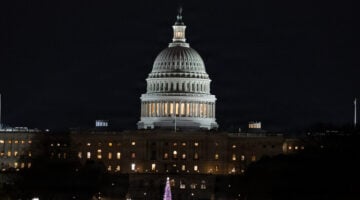
The House and Senate have each passed separate versions of a continuing resolution, and must agree on a single bill before the new fiscal year starts on Oct. 1

Until today, the Pentagon had gone a year and a half without a confirmed comptroller.