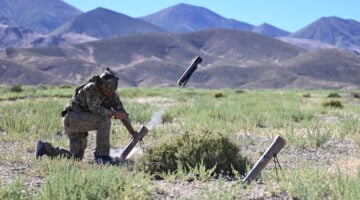
NIOA, AeroVironment team to offer and support loitering munitions Down Under
The partnership will target introduction and support of loitering munitions in Australia and New Zealand

Mike Yeo is the Indo-Pacific Bureau Chief for Breaking Defense. Based in Singapore and Melbourne, Australia, Mike covers the region from India to Australia, Southeast Asia, Japan, and the Korean Peninsula. He has more than a decade of experience covering the regional defense beat for various defense media outlets, including for Defense News and most recently the Straits Times. His area of interests include air power and regional geopolitics.
The partnership will target introduction and support of loitering munitions in Australia and New Zealand

Experts have called on GWEO efforts to diversify sources and ensure workforce readiness

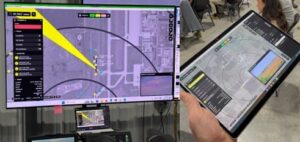
Architecture that linked sensors, C2, RF effects, and lasers into a distributed c-UAS kill chain.
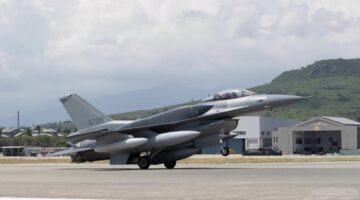
The two jets landed at an airbase in eastern Taiwan on Friday.
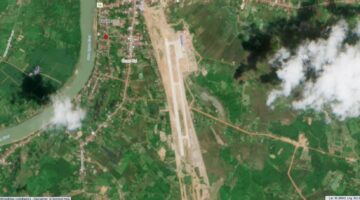
Satellite imagery shows the new facility is built in part on a purported old US airstrip used during the Vietnam War.
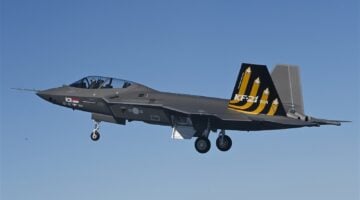
Introduction of KF-21 into South Korea's military marks a significant milestone for country's defense industry.
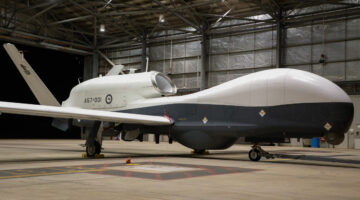
Attaining IOC for the RAAF's MQ-4Cs has “significantly strengthened its ability to deliver persistent intelligence, surveillance and reconnaissance effects across Australia’s primary area of military interest,” according to the announcement.

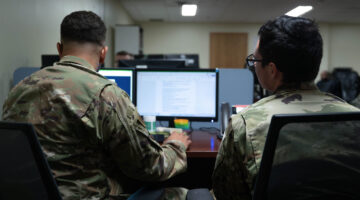
AI tools are critical components of modern warfare, but must be protected to ensure they are reliable.
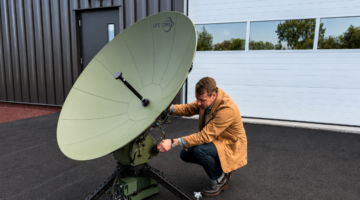
Australia's LAND 4140 program aims to modernize the Australian military's land-based C4I architecture across all domains.
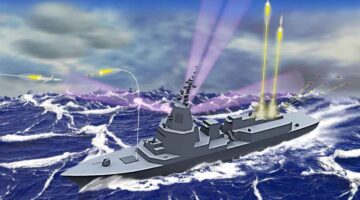
Japan and South Korea are stepping up their naval game in the face of China's phenomenal expansion.
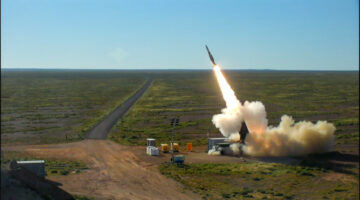
Lockheed Martin says the enhancements under Australia’s Project AIR6500 Tranche 2B will establish a “scalable path” for future improvements and integration of future technological advances.
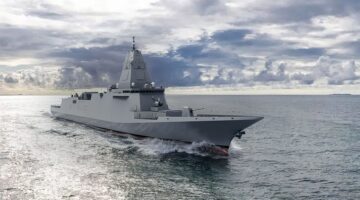
It will supply 12 LM2500+G4 engines for six KDDX-class ships.

There is no single answer to the drone threat, pushing the Pentagon toward a broader mix of defenses.
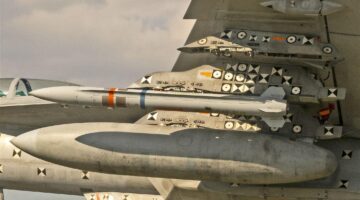
Other weapons sought include submarine-launched missiles and missile modules for underwater drones.
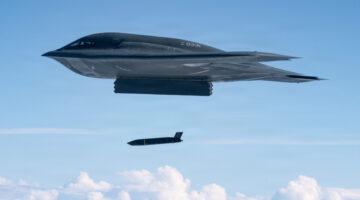
A B-2 bomber used a precision-guided, stealth air-launched anti-ship cruise missile against a decommissioned vessel, and the US Navy also rolled out unmanned boats to survey and strike targets at a pair of summer exercises.
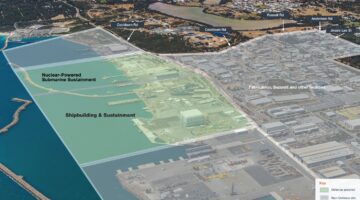
It has also conducted a keel laying ceremony for the first Hunter-class frigate.

The new budget proposal will have to be approved by the opposition-controlled legislature.