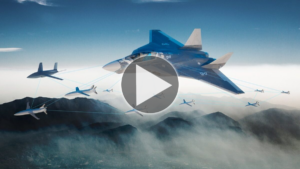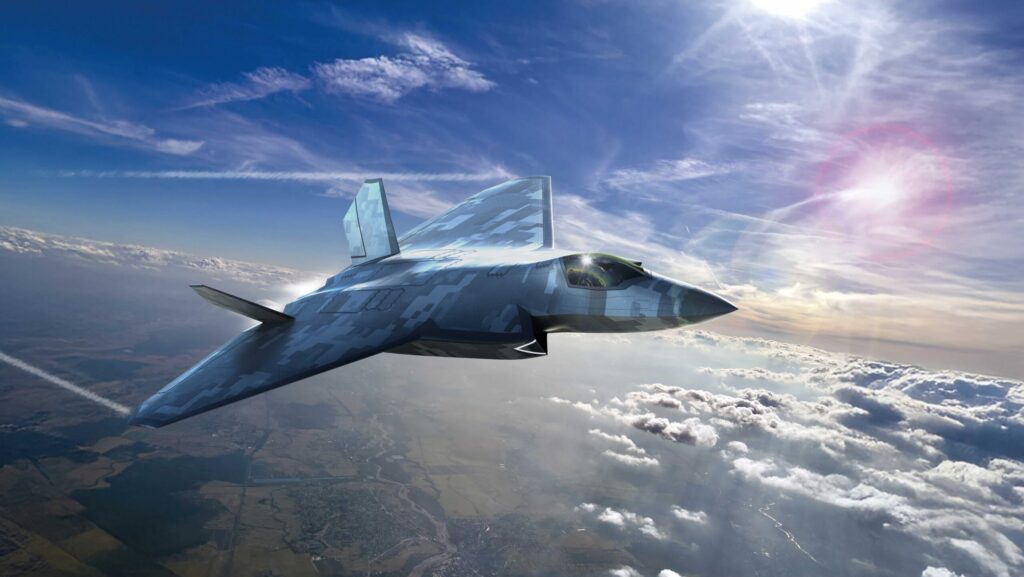
MELBOURNE — During a meeting with his Japanese counterpart in Tokyo, Canada’s defense minister has said that Ottawa is “interested in learning more about” the Global Combat Air Programme (GCAP) next-generation fighter.
David McGuinty told media that he had discussed the programme during the meeting meeting with Japanese defense minister Shinjiro Koizumi, calling it a “promising initiative” in further comments to Reuters.
“We are interested in learning more about it. I’ll take it back to my team and see what it looks like,” he told the news outlet.
The comments mark the first occasion a senior Canadian official has spoken publicly about the country’s interest in GCAP, a multinational effort between Italy, Japan and the United Kingdom that envisions a sixth-generation fighter jet as well as collaborative combat drones and high-tech data sharing. The remarks also come as Canada is considering a split buy of existing airframes for its next fighter amid tensions with the US.
The two officials had previously met in Tokyo in March, where Japanese outlet The Asahi Shimbun quoted unnamed Japanese officials saying that the topic of Canada joining the programme as an observer had come up during discussions. Joining GCAP as an observer would allow the country access to programme information from the founding members and serve as a pathway to potentially deeper involvement including joining as a development partner.
McGuinty had earlier said that Canada was looking to split its fighter acquisition between the Lockheed Martin F-35 and Sweden’s Saab Gripen. But Canada’s interest in the GCAP opens the door for the country to consider its future options as the tri-national effort becomes Europe’s sole next generation fighter program following the collapse of the rival European sixth-gen fighter project called the Future Combat Air System, a French-German-Spanish initiative.
Canada has in recent months looked to diversify the sources of its arms procurements, with Germany’s TKMS and South Korea’s Hanwha in the running to supply it diesel-electric submarines.
Breaking Defense Video