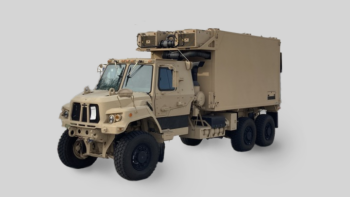
BAE unveils Shadow EW, compact solutions for small aerial platforms
The company says the family of small solutions can be produced in high quantities at low cost.
As the Army begins fielding NGC2 to I Corps, software tools will be critical to enable interoperability and getting new capabilities to units faster.
"It's about driving big outcomes and giving the secretary and the president options, more options. We want to move away from things that look like persistent engagement," according to Brig. Gen. William Wilburn, deputy principal cyber advisor for the DoD.
The Secure Space Network will deploy close to 50 SCIFs around the nation to improve access to classified information for smaller businesses to do work with the military.
"Before we go spend quadruple the cost" on bespoke tech, "there some things that we can do" to make a commercial option work, said Brig. Gen. Shane Taylor.
The effort awards $127 million to Palantir and $65 million to Anduril.
The company also recently nabbed a $318 million "situational awareness" contract with the Pentagon.
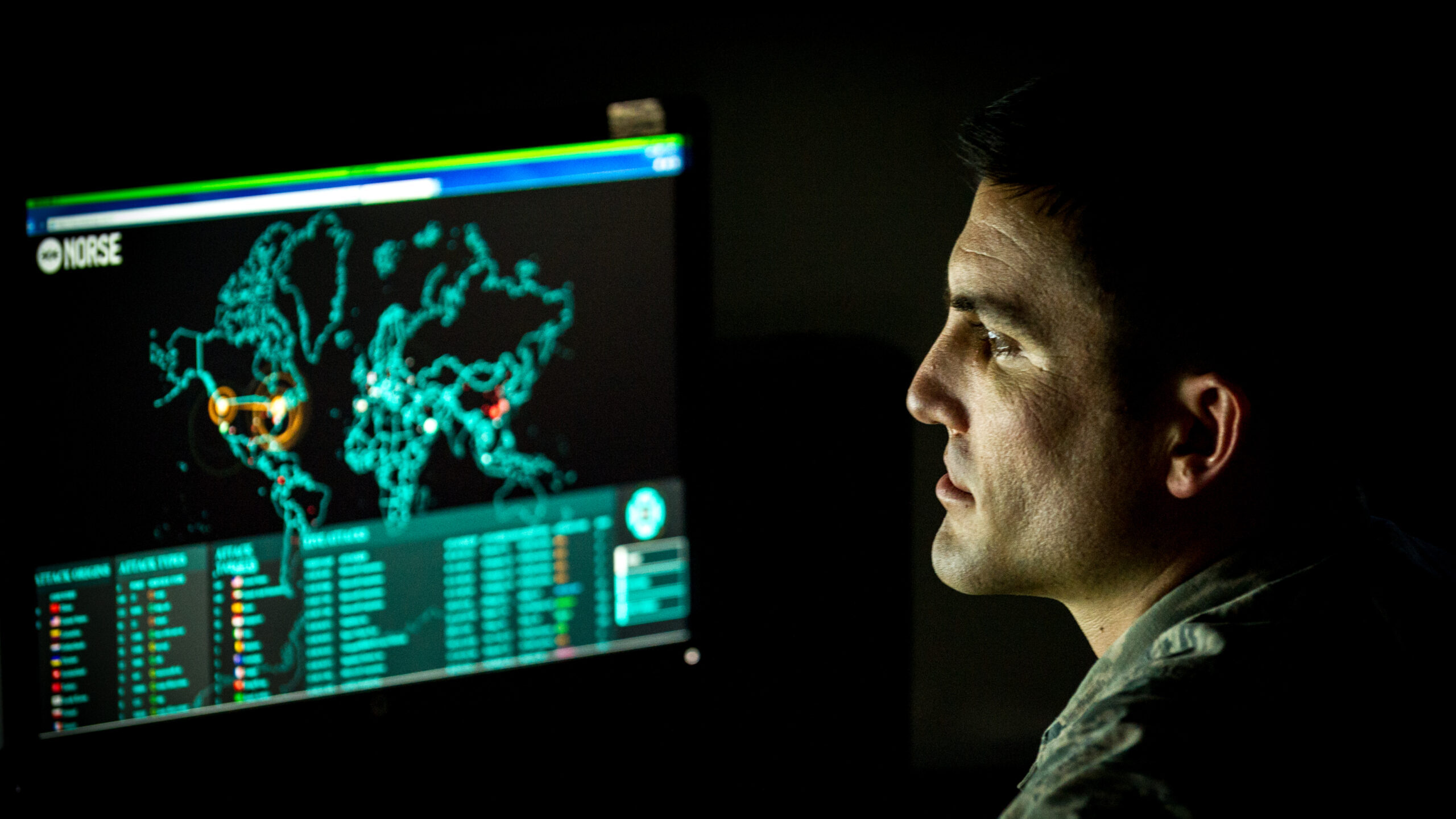
"When people say, ‘Hey, we're at an inflection point,’ we are absolutely at an inflection point,” 16th Air Force commander Lt. Gen. Thomas Hensley said of AI threats to the network.
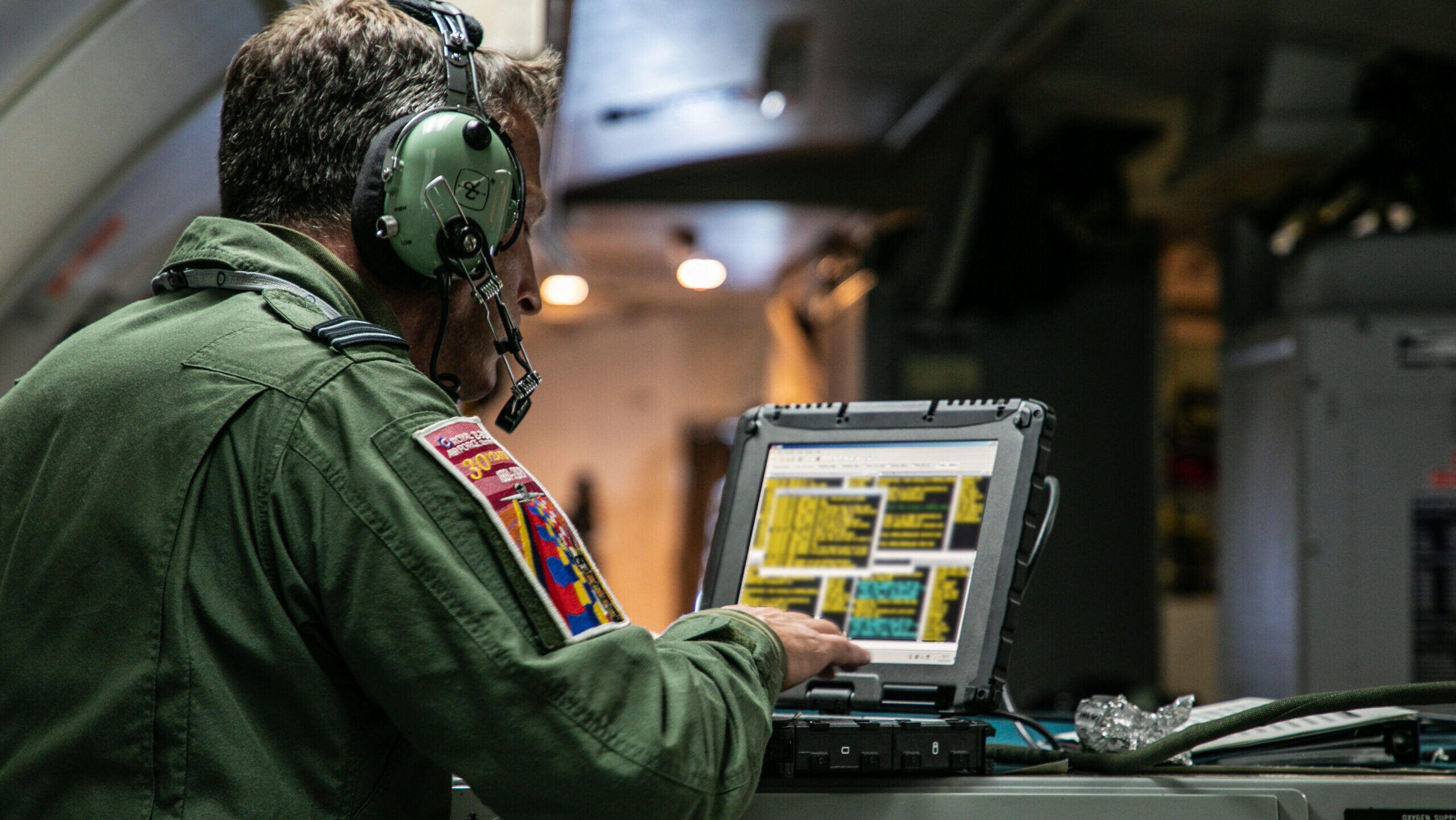
“We have to be more agile and mobile and we need a case that is carriable by one person and can be run by one or two people," Brig. Gen. Jeffrey Phillips told Breaking Defense.
The Army originally envisioned a larger, bespoke capability, but Mark Saxon, deputy project manager for Electromagnetic Warfare & Collection, told Breaking Defense the battlefield has changed.
“Over the past five months, the teams have really been able to hone their skills based on the work they're doing inside of a live environment and I think we're getting better and better every day because of that," the ARCYBER commander said.
Dedicated funding is key, according to the Army's principal cyber advisor, because the service's cyber command cannot fund AI work strictly from their operational budget.
Army wants to field commercial EW systems to forces fast.
Task Force Lexington houses all of Army Cyber Command's AI efforts, including an AI "red team."