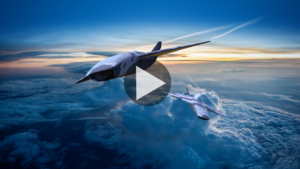
WASHINGTON — Defense firm Anduril and aviation manufacturer Archer today unveiled a new Group 5 drone dubbed Thunder, designed to be a “loyal wingman” flying beside helicopters like the Apache and future Cheyenne fleet, senior Anduril officials said.
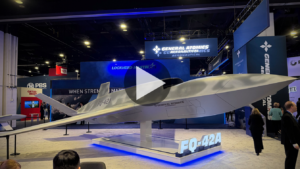
Anduril President Chris Brose said that Thunder has been in development for about three years and is a fully autonomous, armed reconnaissance tiltrotor aircraft developed from lessons learned from the company’s fixed wing YFQ-44A, or Fury aircraft, that is currently being produced for the Air Force’s Collaborative Combat Aircraft effort.
“What we’ve also been focused on over the past few years as part of this effort is really thinking through how those similar principles and related technologies have an opportunity to really transform maneuver warfare,” Brose told reporters ahead of today’s unveiling which was timed to coincide with the Farnborough Airshow. By maneuver warfare, he said he’s referring to the “tactical air-ground littoral fight.”
“Many of the things that you know we’ve designed and engineered into Thunder are really based on the lessons that the United States and our European allies are learning in Ukraine,” he continued.
Thunder is the military variant of the new Anduril-Archer VTOL (vertical take-off and landing) rotorcraft, which also grew out of Archer’s experience developing “electric air taxis,” according to a release from the two companies. The VTOL will also have a commercial version, and the firms said Archer plans to announce partners in that space in coming days.
Shane Arnott, senior vice president of programs and engineering at Anduril, explained the Thunder will have the “range and speed of the Cheyenne” and the payload capacity will be “Apache equivalent.” Thunder will be able to fly at higher altitudes than an Apache, he said, but said it’s primarily designed to fly in a group of three to six other Thunders alongside aircraft like an Apache or Cheyenne to “provide that loyal wingman nature.”
Arnott said he envisions the new platform being outfitted with missiles and rockets on the sides of the aircraft and then counter-drone capabilities packed in the nose.
“The main payload can be configured in a bunch of different ways. It can carry up to 10 Hellfires, 16 air-launched effects, 76 rockets,” he said. “In the nose, as configured there, is counter UAS [unmanned aerial systems], so systems that would basically come out of the nose and provide protection both to the Thunders, but also who they’re flying with.”
Further, Arnott said the drone can be disassembled and stored in a 40-foot ISO container so it can be transported by land, sea, air and rail. It’s also a hybrid-electric platform, he later added.
Arnott said nailing down the physical attributes of the drone were relatively simple compared to designing an autonomous system that can fly so close to manned helicopters. Paired with Archer’s experience, the company “leveraged investments and technology” coming out of the self-driving car industry to help develop Thunder’s autonomy, he said.
“How do we get a robot to fly fast, low? Make sure that they don’t intersect with terrain while fighting these systems and dealing with threats that come at you very quickly? So we’ve spent the last couple of years working with technologies that are coming out of the self-driving car industry,” he said.
Anduril executives declined to reveal much about the software behind Thunder’s autonomy and command and control capabilities. But Arnott said the drone is powered by “all the advanced software and kind of AI-enabled work that Lattice makes possible,” referring to the company’s software platform designed to collect and combine information from separate sensors and systems to create a comprehensive picture.
Both executives declined to comment on the price point of Thunder, but said like Fury, it is attritable — though Brose acknowledged that attributability is “obviously in the eye of the beholder.”
In terms of next steps for Thunder, Arnott said the company is aiming to fly the system for the first time sometime next year, adding that the software on the system has “been flying for the last two years on surrogate aircraft.” He said the goal is to enter into production in the 2029 to 2030 timeframe, depending on demand from the US military, namely the Army, and partner militaries.
Today’s announcement comes several months after Army aviation officials told reporters in October that they were in search of a CCA-like platform for the service. At the time, the officials had hoped to have a wingman in the next “couple of years.”
“Many of you who’ve played along in the Army aviation modernization enterprise are very familiar with the many failed starts, the many false starts and failures that that enterprise has had in terms of really thinking about how to modernize attack aviation,” Brose told reporters last week. “In terms of how you then get a greater quantity of sensors and weapons into the fight to support those manned systems, to support the ground force, to be able to conduct those long-range missions from a maneuver warfare standpoint, and really make maneuver central to warfare again, we really see this system in Thunder being absolutely central to that.”
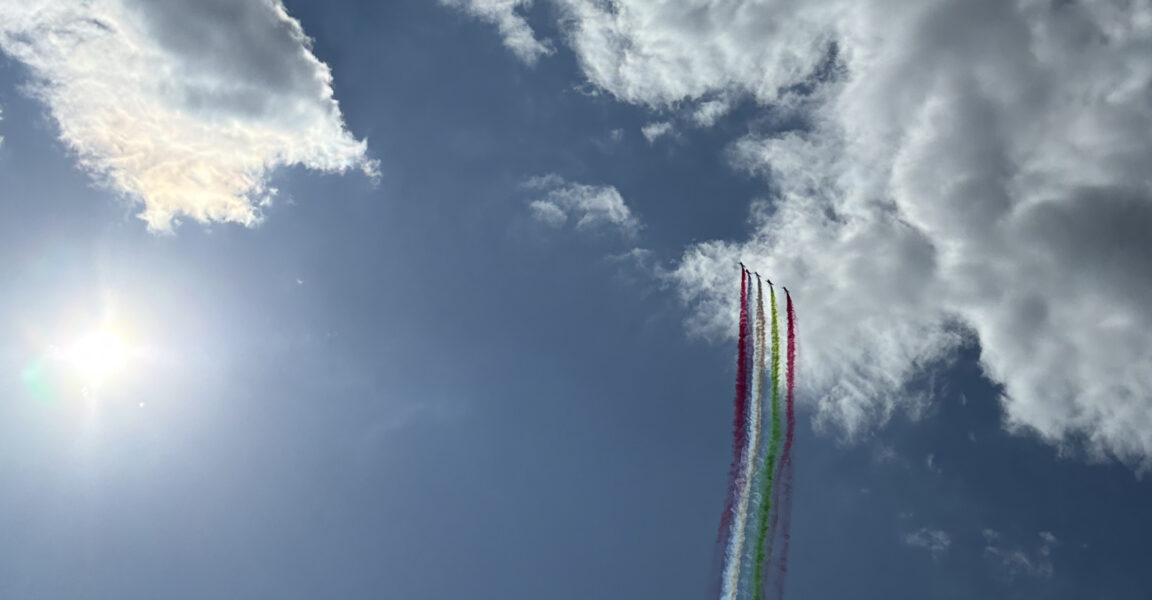
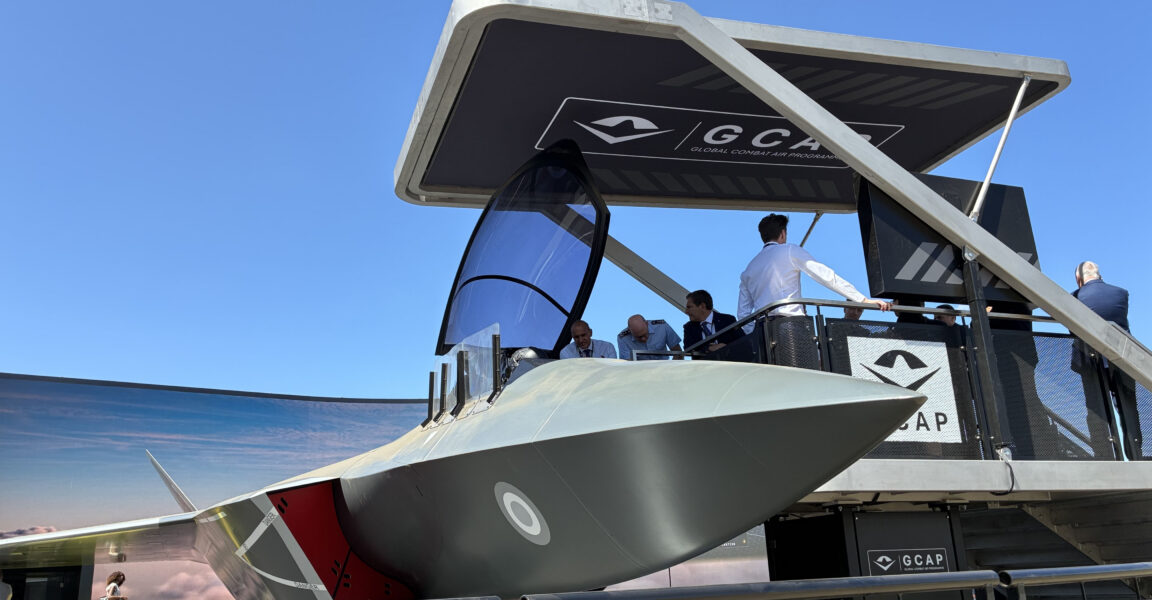
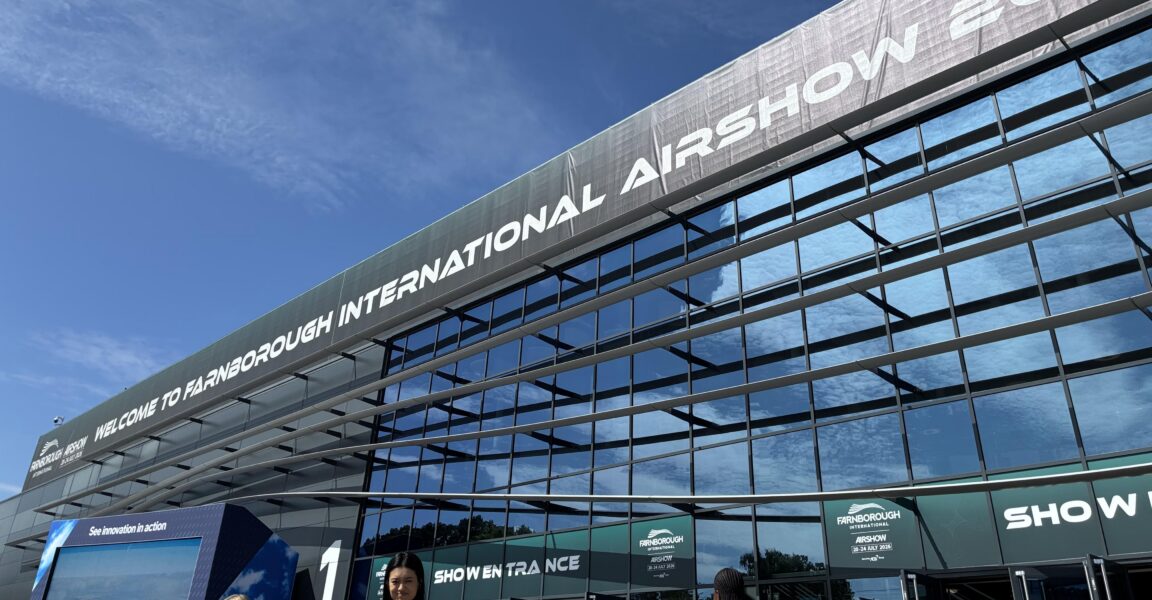
PHOTOS: Farnborough 2026
 Gallery





Breaking Defense Video