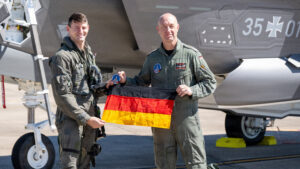
Europe’s airpower future is taking shape, but not as originally planned
Germany's next move, the fate of GCAP, and the rise of CCAs reshape Europe's combat aircraft strategy.
Germany's next move, the fate of GCAP, and the rise of CCAs reshape Europe's combat aircraft strategy.

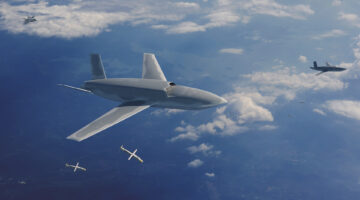
Gambit represents a scalable solution designed to counter today’s threats and address tomorrow’s challenges.
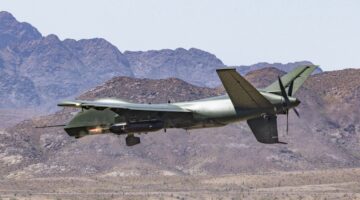
Both aircraft are designed to evolve as threats and mission requirements change.
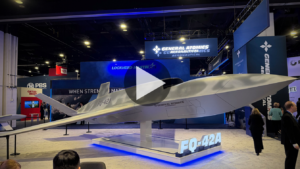
In this fireside chat, Dave Alexander of General Atomics Aeronautical Systems talks through his company's strategy for the European market.
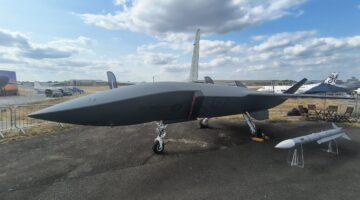
Germany has set a target of 2029 to field a CCA, which would make it the first European country to reach such a milestone, but that timeline now looks to be in doubt.
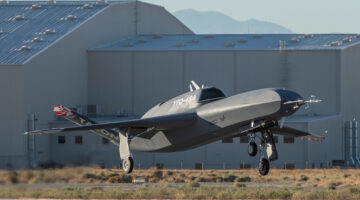
The YFQ-48A performed fully autonomous “taxi, takeoff, in-flight maneuvers and landing” over the Mojave Desert in California, according to Northrop Grumman.
Breaking Defense's roundtable looks into a crystal ball to discuss the more distant future for the continent's air forces.


Expanding manufacturing capacity is critical to producing missiles, radars, and launch systems.

With one sixth-gen fighter program in Europe dead, could the future for European airpower be drones?

“It’s going to take 15 or 20 years to get those types of people,” said Air Force Lt. Gen. Clark Quinn.
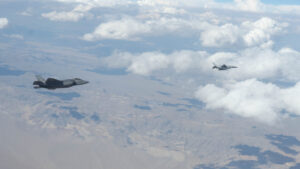
“We will not have a cold start to start production in [20]27. We will have assets rolling through. That said, even a company like ours can only do so much without procurement dollars,” said Erin Simpson, Anduril's vice president for strategy execution.
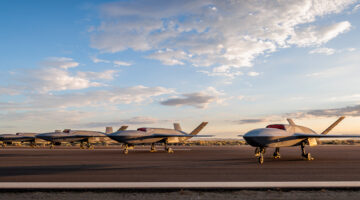
GA-ASI is serious about retaining its position as the leading provider of UAS to the United States and its allies.


How a product-driven approach can accelerate technology delivery and get proven capabilities to warfighters faster.

Troy Meink didn't elaborate on what "weapons" the US deployed, but revealed new info on other space and unmanned Air Force programs.
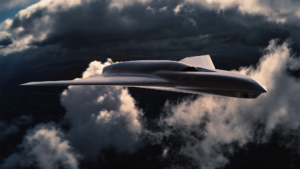
Lockheed now plans to build five Vectis prototypes, with the first on track to fly in 2027.

Pitched for the Massed Modular Aircraft program run by the Air Force and Defense Innovation Unit, General Atomics says its new drone design can exceed requirements set by the Pentagon to succeed the MQ-9A Reaper.

FCAS? GCAP? Upgraded Eurofighter Typhoons? The Breaking Defense roundtable walks you through the options on the table.