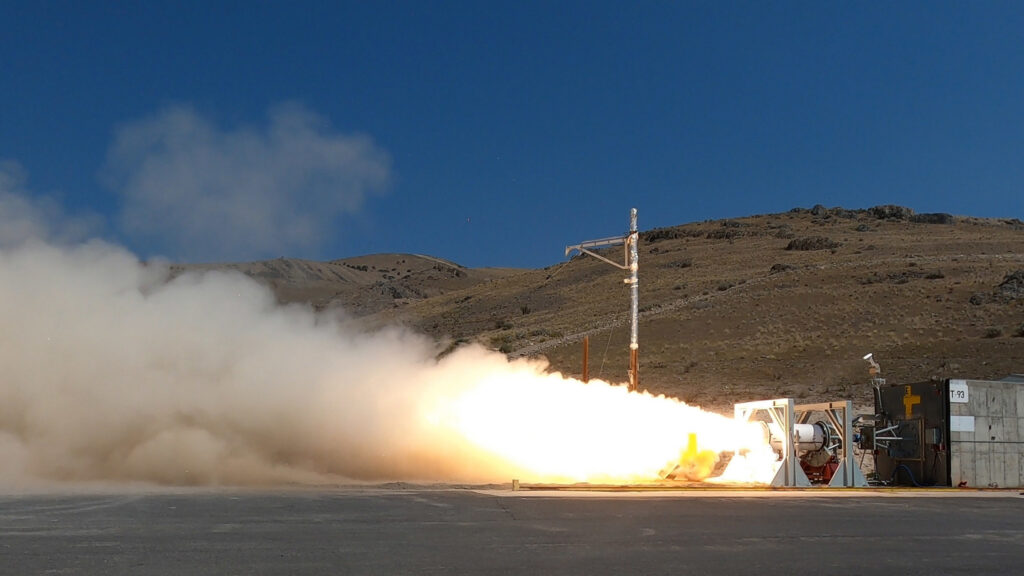
WASHINGTON — The Pentagon doesn’t have a unified strategy for investing in a key hypersonic missile capability for the Navy and the Army — and failing to figure one out could result in additional program delays and inefficient use of funds, a new watchdog report warns.
The Navy and the Army are both developing their own versions of what the Navy calls its Conventional Prompt Strike (CPS) capability, with the services collectively aiming to invest more than $50 billion into the hypersonic effort.
The Navy is updating its Zumwalt-class destroyers with a vertical launch system to accommodate the CPS missiles, and plans to include the system onto some Virginia-class submarines. Meanwhile, the Army is also pursuing its own Long-Range Hypersonic Weapon, also called Dark Eagle, that launches from the ground, and is responsible for producing the missile glide body for both Army and Navy hypersonic endeavors. Each missile in the envisioned 224-missile stockpile is estimated to cost tens of millions of dollars, says the new report, published today by the Government Accountability Office.
“While Navy and Army officials told GAO that they coordinate with each other, the services largely manage investment decisions for these programs separately, which contributes to inefficiencies and delays,” the GAO report says.
The Navy already has encountered several delays so far, GAO said, and the service is facing a roughly two-year delay on modernizing its three Zumwalt-class destroyers to accommodate CPS missiles. Likewise, it determined that the initial ship, the USS Zumwalt, was 94 percent complete with updates as of January 2026 — yet still is falling behind schedule due to “unplanned work.”
Flight testing for CPS on the Zumwalt-class destroyers was originally scheduled for 2025, but that is now postponed until 2027 stemming from “funding and testing challenges,” the watchdog said. Furthermore, the CPS program is running up against quality and production issues, undermining the ability to reach production goals of 12 missile rounds annually, the report said.
Specifically, the report found that prime contractor Lockheed Martin is facing production challenges to build the CPS missiles “at anticipated rates and costs,” and only has the capacity to build a maximum of six to seven rounds annually.


Support for Patriot air-and-missile defense is a case study for the industrial base
Manufacturing scale, global sustainment, and next-gen tech are becoming inseparable.
In response, Lockheed told Breaking Defense that it is working to bolster production and manufacturing processes.
“We’re confident in the quality of our capabilities and are working across the industrial base to strengthen supply chain resilience,” the firm said in a statement. “Specific questions regarding the Long-Range Hypersonic Weapon system should be directed to the Office of the Secretary of War.”
Meanwhile, the GAO report found that the Navy is “largely making investment decisions on a program-by-program basis, rather than doing so from a portfolio-wide perspective.” GAO pointed to challenges related to identifying issues with production throughput across both services, while noting that the Navy is the one that oversees the missile body production line.
“The Navy cannot make decisions in isolation since the Army is buying its own missiles and manages key aspects of production,” the GAO report said. “Despite these complexities, the Navy and the Army do not have a comprehensive strategy to guide CPS portfolio investments in a way that facilitates effective and efficient allocation of funding to achieve the capability envisioned in the services’ respective plans. Without such a strategy, the Navy and the Army create the potential for both additional delay and inefficient use of taxpayer funds.”
As a result, the GAO recommended that the secretary of defense ensure that the under secretary of defense for acquisition work with both secretaries for the Navy and Army to develop a “comprehensive strategy that outlines how all programs involved with delivering CPS portfolio capability should coordinate and regularly review investment decisions.”
The Department of Defense agreed with this recommendation without further comment, per the report. The Navy did not have additional comment to share when reached by Breaking Defense.
UPDATED 12:05pm ET after Lockheed Martin provided comment to Breaking Defense.
Breaking Defense Video