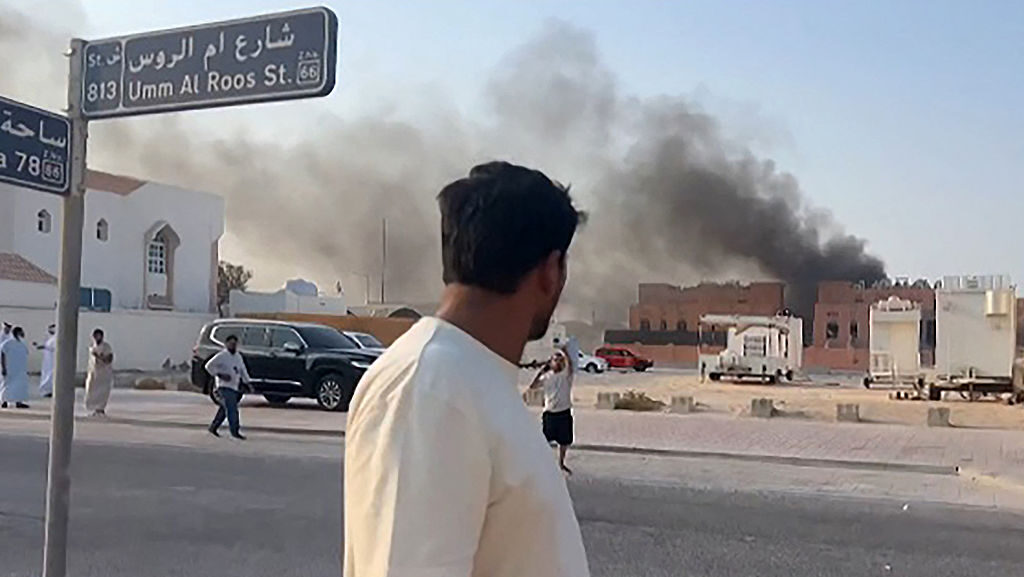
AFA 2025 — Air Force officials in the Middle East had “no indications” ahead of time of Israel’s strike against Hamas targets in Qatar, but Washington’s strong military-to-military relationship with Doha moderated some “tension” in the strike’s aftermath, according to a senior Air Force official.
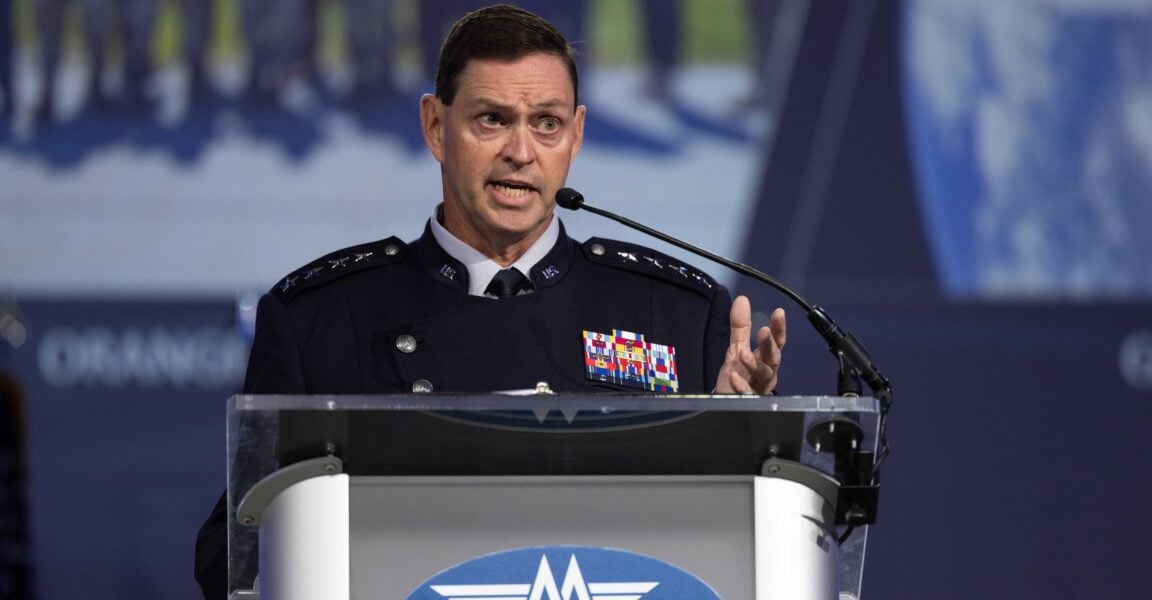
Air Force Central (AFCENT) Commander Lt. Gen. Derek France told reporters that the US didn’t have early technical warnings of the Israeli strike on Sept. 9 because “our surveillance and all our attention was not put on something [like that] that would happen. It wasn’t something that we expected.”
While the US hosts thousands of troops at Al Udeid Air Base and has a range of sophisticated sensing capabilities in the region, “those things are typically focused on Iran and other things where we expect an attack to come from,” he said at the Air and Space Forces Association conference here in National Harbor, Md. (In the aftermath of the strike, President Donald Trump said Israel informed the US of the attack too late to stop it.)
The strike, he added, underscored the “importance of indications and warnings and having the right systems” from space-based to non-traditional sources that can “understand those attacks as they’re happening,” along with the need to communicate and coordinate with Qatari and other US partners in the Gulf.
France also acknowledged “some tension” between US and Qatari officials in the wake of the strike by America’s closest ally in the Middle East, but said he was “not concerned” it would affect the US military’s ability to access and operate from Qatar.
“Largely speaking, and I’ve seen this throughout my military career, that when you have strong [military-to-military] relationships all the way down through the ranks, that really is an insurance piece against when political tensions go sideways,” Frank said.
Immediately after the attack, Frank said US officials connected with their Qatari counterparts to “talk through” the strike in a way where they could “understand each other, even if there’s tensions there.”
Fewer Russians In Syria
Elsewhere in his talk, France discussed another geopolitical hotspot in the region: Syria. Following the collapse of the Assad regime, France said Russia still has an interest in retaining a foothold in the country, though Moscow’s presence has waned considerably.
“Previously, the Russian presence was robust, and it was one of our concerns, both on the ground, in the air, how they influenced the regime,” he said.
But following the surprising and rapid fall of former President Bashar al-Assad in December and rise of new governance in Syria, Moscow has “really ratcheted down to just their naval base and their air base there, and we don’t see a large amount of activity out of the Russians,” he added.
Russia directly intervened in the Syrian civil war in 2015 to prop up the Assad regime, leading to frequent encounters with US forces who were in the region to carry out strikes against the terror group ISIS. In 2023 US officials alleged, for example, that a Russian fighter jet damaged a US MQ-9 Reaper drone after firing flares at it, which a previous AFCENT commander called “reckless, unprovoked, and unprofessional behavior.”
France said today that those encounters with the Russians have substantially subsided, which are lower than the height of activity in years like 2018 and 2019, before some Russian forces had to be pulled to bolster Moscow’s invasion of Ukraine.
“It’s a really, really limited footprint right now,” he said.
Despite Assad’s ouster, Russia still has a tenuous connection to its Hmeimim air base in northwest Syria and the Tartus naval base, both on the Mediterranean coast. Frank said today that Russia is “still very interested in keeping some sort of foothold in a warm water port for their own geopolitical, geostrategic interests in doing that, but we don’t see a lot of activity. I think they have an uphill battle certainly with the new regime in doing that.”
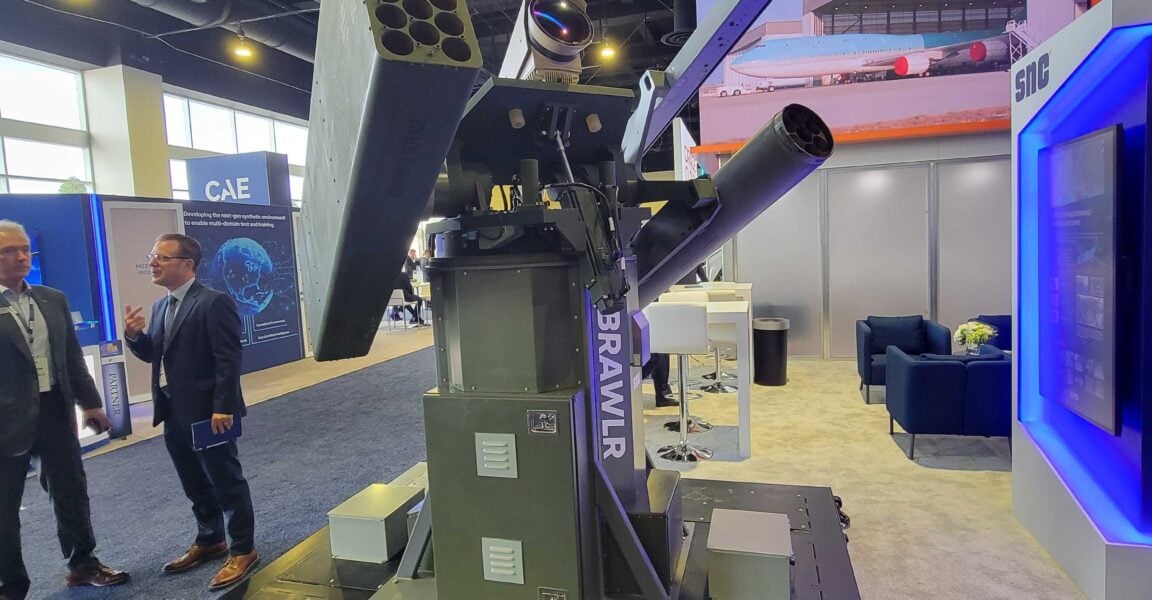
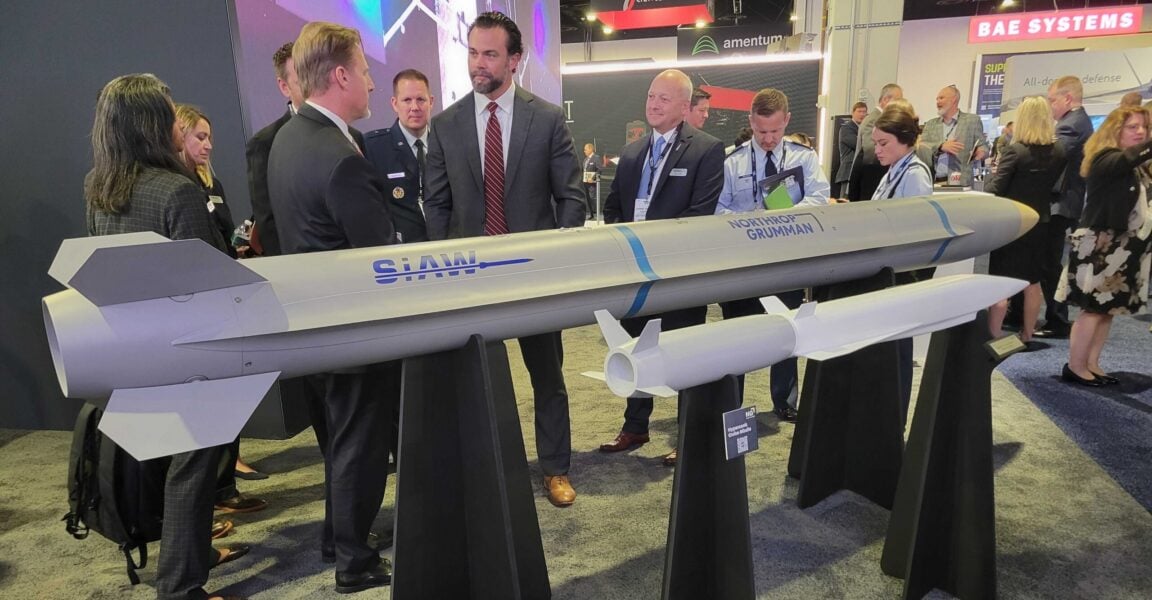
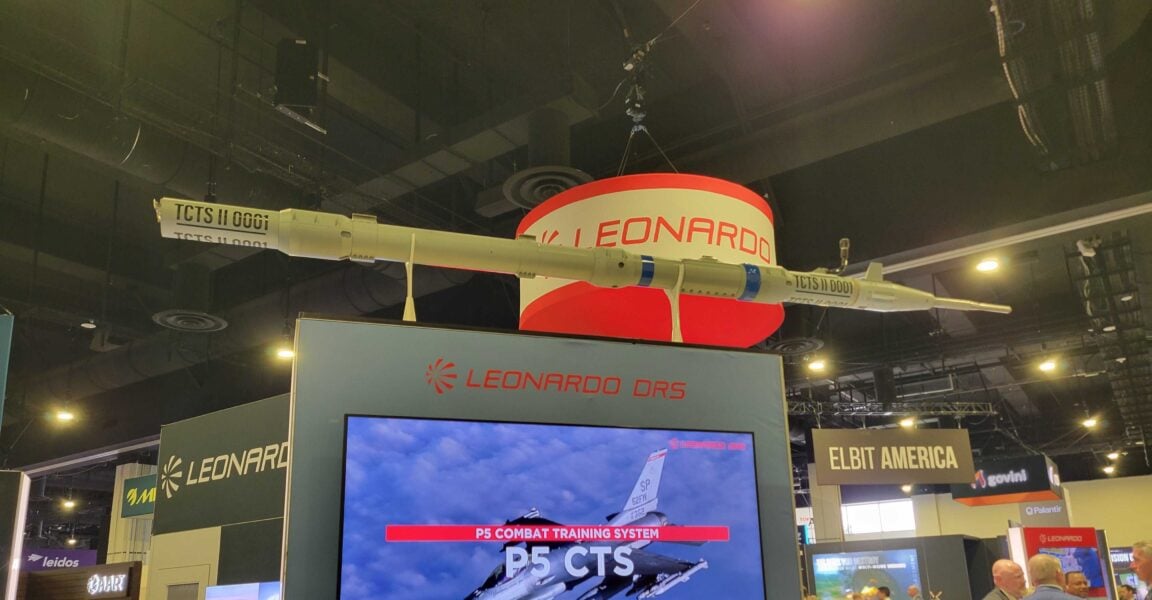
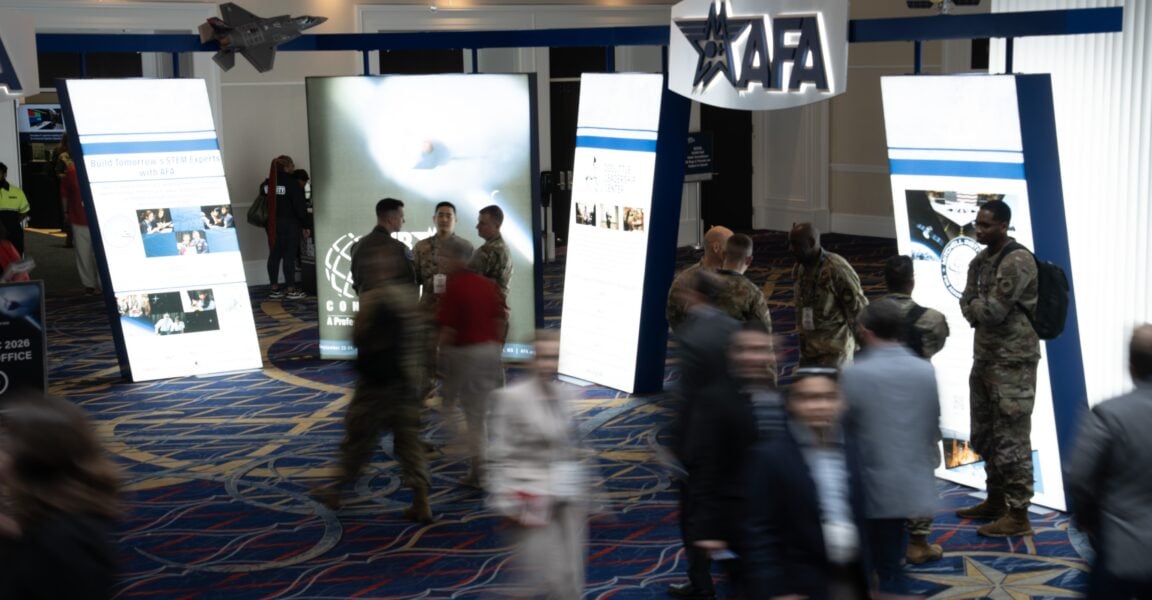
PHOTOS: AFA 2025

 Gallery













Breaking Defense Video