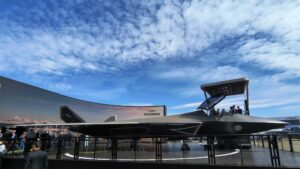
GCAP timeline could shrink ‘by a couple of years,’ Leonardo CEO says
Lorenzo Mariani said the sixth-gen fighter could enter service two years ahead of its 2035 target date, but only if some requirements for the "initial version" were altered.
Lorenzo Mariani said the sixth-gen fighter could enter service two years ahead of its 2035 target date, but only if some requirements for the "initial version" were altered.

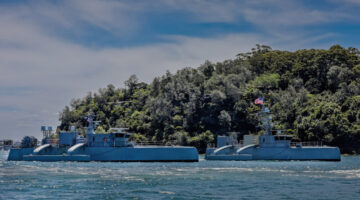
Predictive artificial intelligence and autonomy will reshape how forces are sustained across the Pacific.

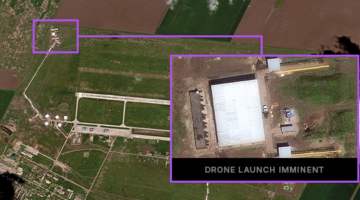
As NATO and European governments accelerate investment in space-based intelligence, decision advantage will depend on how quickly sovereign and commercial capabilities can be fused into a trusted operational picture.
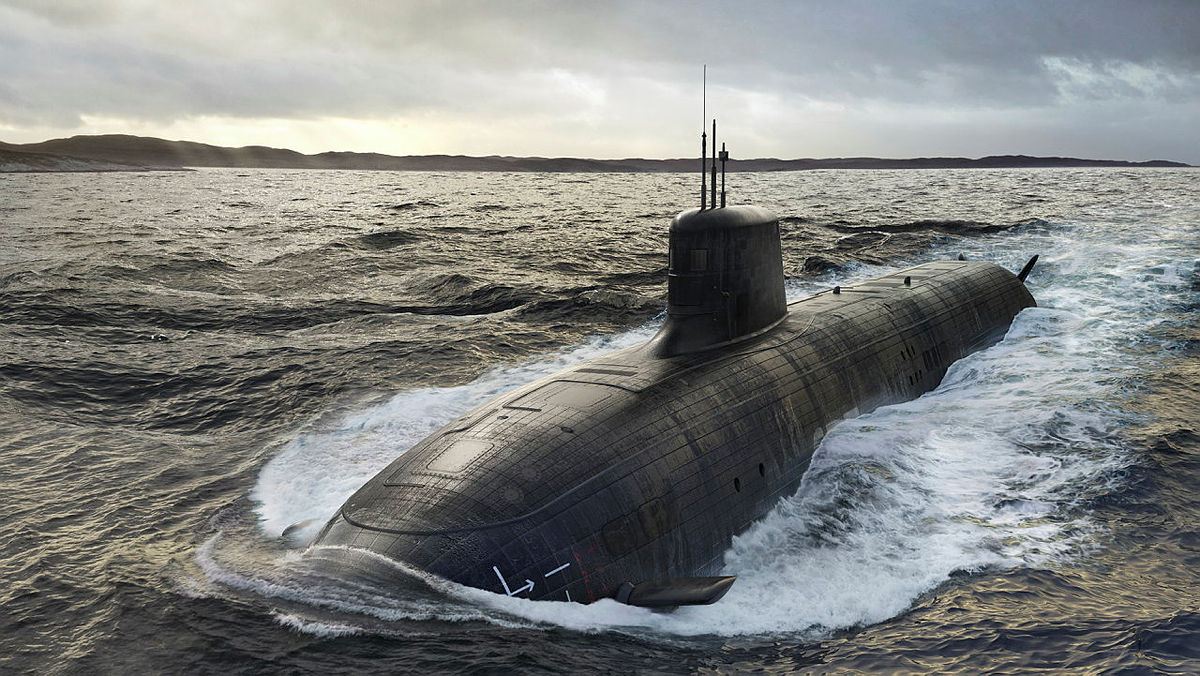
The contingency dry dock "is a critical pre-condition of Australia receiving its first Virginia class submarine" under AUKUS, the Australian government said.
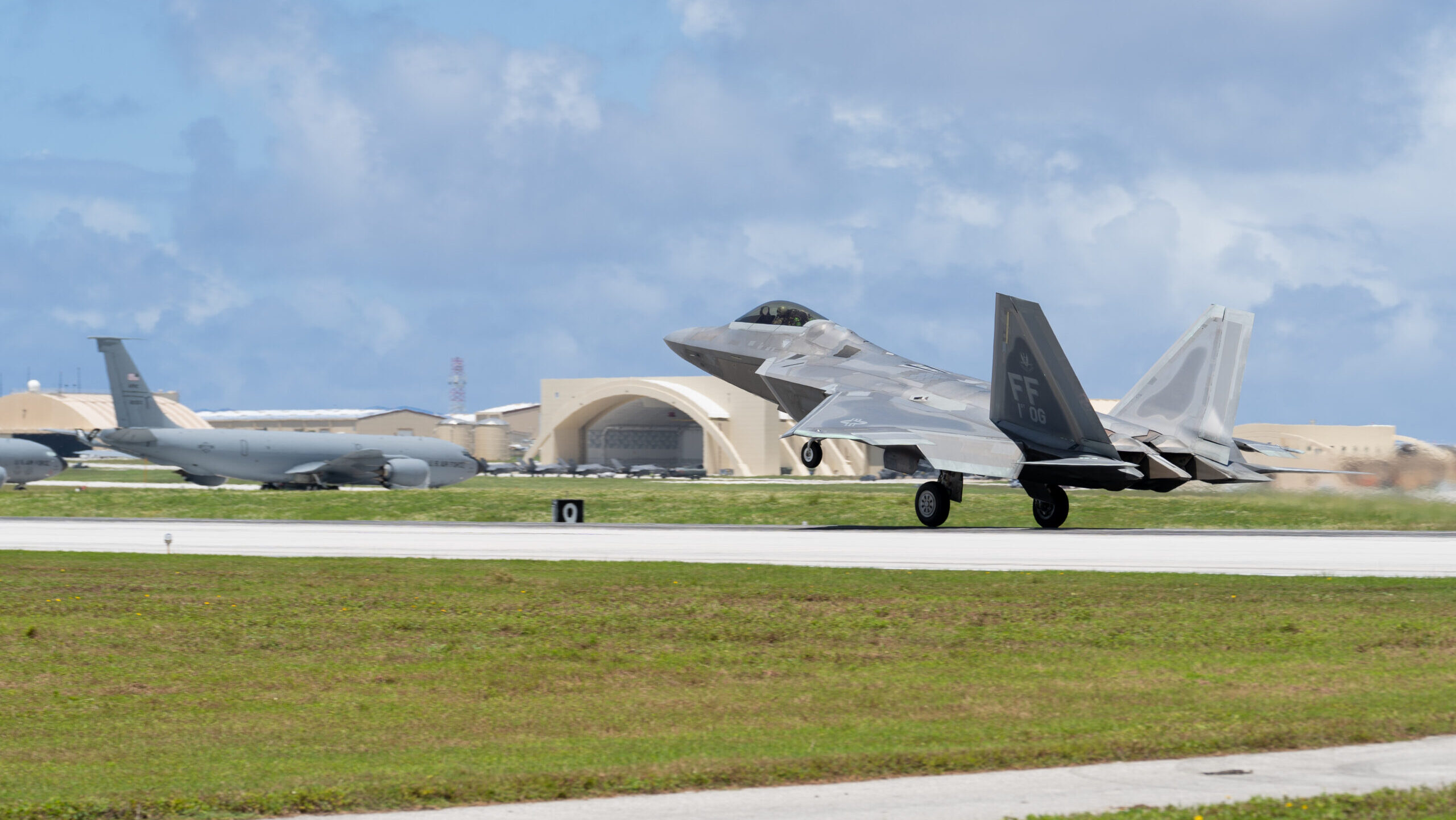
“I think we've done a pretty good job of identifying, amongst commanders, where we're going to take risk or how we manage the risks as we prioritize… [efforts] in the CENTCOM region right now and what are those things that you know we are able to absorb as commanders elsewhere in the Air Force enterprise,” said PACAF Commander Gen. Kevin Schneider.

In the face of growing air and missile threats in the Pacific, robust radar coverage and command networks will be critical to US and Japanese defense objectives, Tom Karako writes.
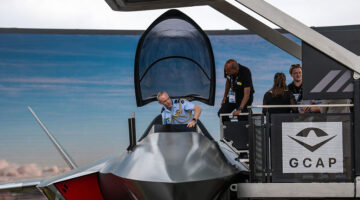
Official announcements were circumspect about any active role for Ottawa in the sixth-gen fighter program, but that could change.

Watch experts discuss foreign influence risks, evolving DoD policy, and strategies for balancing security with scientific collaboration.

Japanese defense chief Shinjiro Koizumi said Canada's new involvement in GCAP was "monumental."
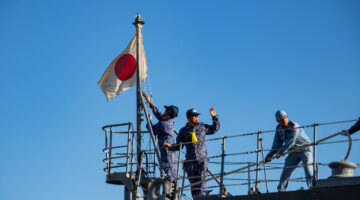
Few details were provided, but the potential move comes amid tightening security ties between Tokyo and Hanoi.
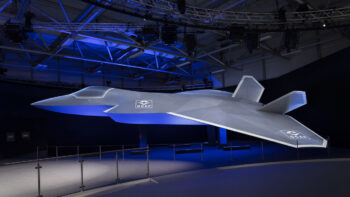
While Ottawa previously confirmed its first order for 16 Lockheed Martin F-35s, it has spent the last year reviewing its future fighter jet fleet options.
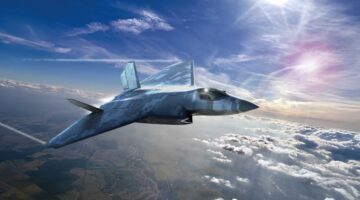
After the collapse of rival European fighter program FCAS, the new infusion means GCAP's future "has never been more assured," a program official said.

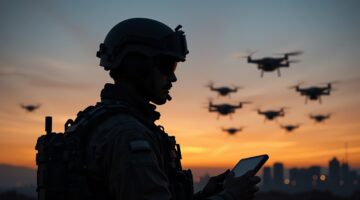
While humans must stay in the loop for kinetic decisions, empowering drones to operate autonomously is a force multiplier.

Australian Defence Minister Richard Marles said the reforms seek to build “a more agile, disciplined and strategically focused Defence organisation."
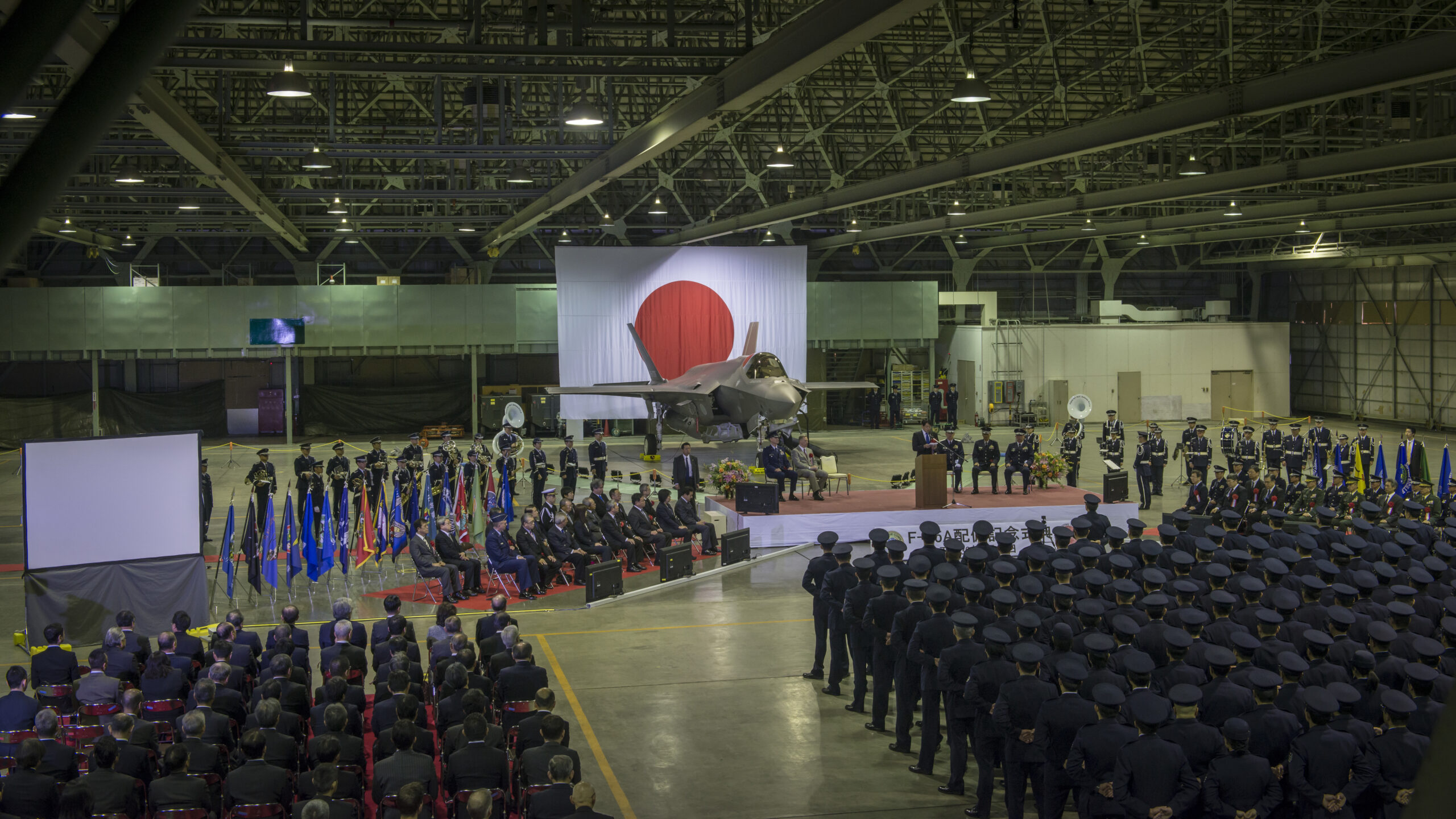
The name change will take effect in 2027.
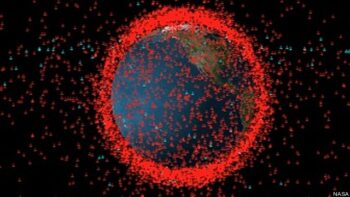
Three Chinese rocket bodies have exploded over the last four years, creating dangerous debris that "will linger for decades to centuries, potentially colliding with other space objects," LeoLabs study author Darren McKnight told Breaking Defense.
David McGuinty called the Global Combat Air Programme a "promising initiative."