WASHINGTON — As European nations grapple with mounting incursions of Russian drones in the skies above, US Army forces there are ramping up plans to test new air defense tech and move ahead with the Eastern Flank Deterrence Line concept, according to an official.
“We want to increase our ability to counter mass drone attacks. So how do we do that across an extensive line, really the Eastern Flank Deterrence Line?” 10th Army Air and Missile Defense Command Chief Warrant Officer Brett Bernier told Breaking Defense Thursday.
“[But] countering mass one-way attack drones is only one part of an air defense challenge, we still have ballistic missiles and cruise missiles,” he later added.
The evolving Eastern Flank Deterrence Line (EFDL) concept is a NATO strategy for enhancing deterrence by creating a unified, data-driven defense infrastructure. Bernier, who is focusing on new tech and ways of knitting that together, said that while there are Patriot, Sergeant Stout, and Avenger battalions available to defend the skies, much more is needed on both the sensor and shooter fronts. And they need to be “attritable, maneuverable and automated.”
Today, the architecture is in “various stages” depending on the weapons system, he explained. Link 16, for example, is available to share data with NATO countries but proves “cumbersome” for maneuver forces that are outfitted with smaller weapon systems and across large swaths of land.
“How do we have these smaller sensors, more attritable, produced at scale when we’re talking in the 1000s?” Bernier said. “If you’re looking at passive sensors or acoustic sensors … how do we integrate that at speed to be usable within the NATO-supported EFDL construct?”
When it comes to “effectors,” or weapons to be used to down incoming aerial threats, Bernier said the service needs cheaper options that may also be unmanned. One such item is a common launcher.
“If I had a launcher that I can place various munitions for long range, surface-to-surface fires, air defense fires, that provides me more flexibility as a warfighter,” Bernier said. “From a cost-effective standpoint, for the Army buying a piece of equipment, I now have a singular platform that provides me flexibility for the munition I put on.”
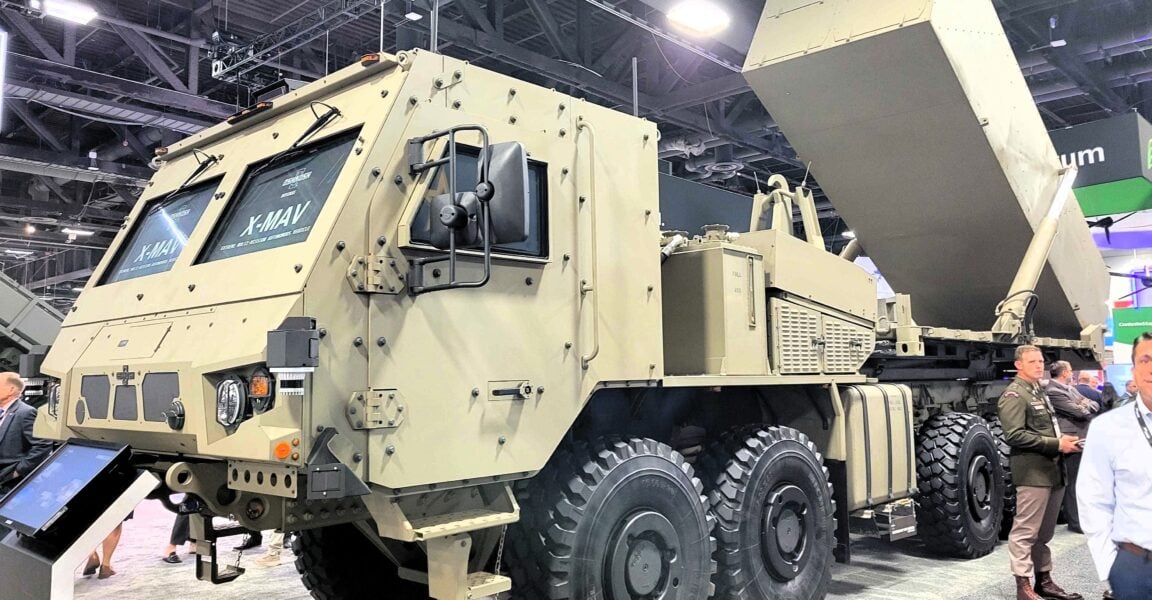
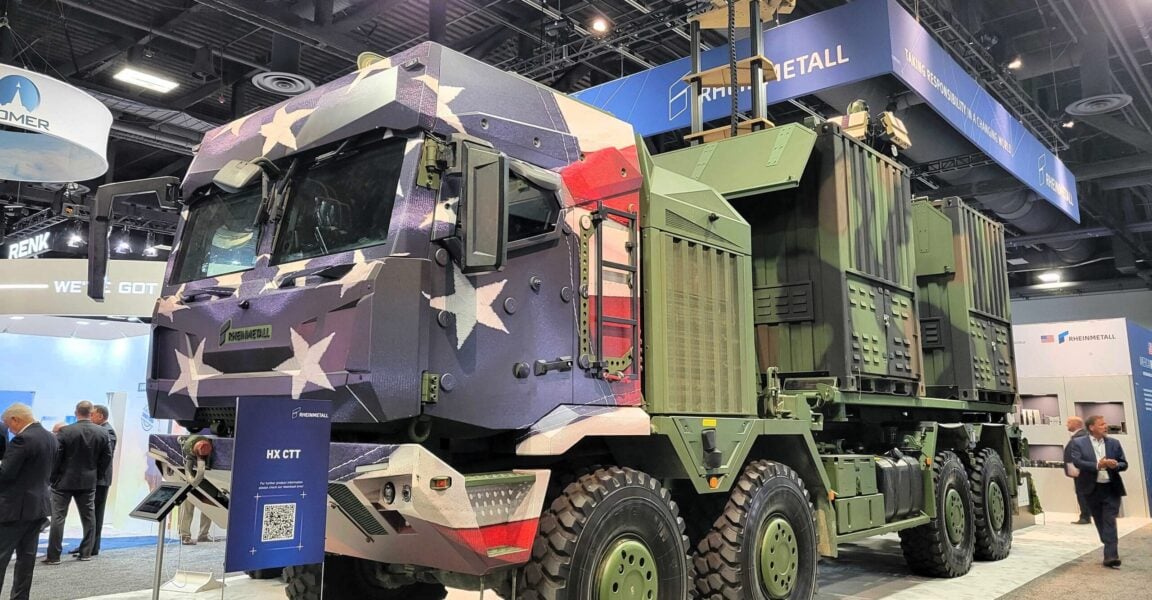
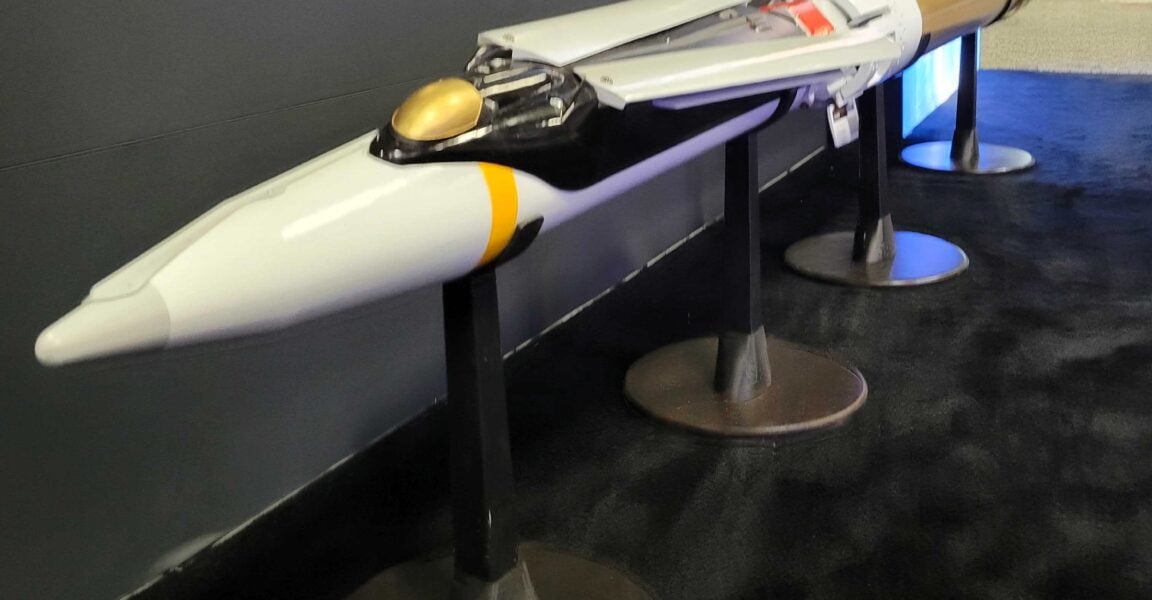
While such a launcher doesn’t currently exist in the Army’s inventory, the service is eyeing development of a Common Autonomous Multi-Domain Launcher (CAML) in two sizes — a medium and heavy. CAML-M could potentially launch a Multiple Launch Rocket System (MLRS) Family of Munitions, or the new Indirect Fire Protection Capability (IFPC) launcher with AIM-9X interceptors. For the larger CAML-H, a vehicle could foreseeably launch Tomahawk Land Attack Missiles or the Patriot Advanced Capabilities Three (PAC-3) Missile Segment Enhancement interceptors.
While fielding such launchers is still years away, Bernier is eyeing a plan to try out developmental tech later this fall that may fit into the service’s EFDL concept as part of the Project Flytrap series.
Soldiers with V Corps in Europe have used Project Flytrap this year to test out an array of new counter-unmanned aerial systems. But for the next iteration, dubbed Flytrap 4.5, the service is expanding that lens to try out all tech that might fit inside the EFDL umbrella to include both sensors and shooters, Bernier explained.
More than 200 vendors, he added, applied to participate and that list has been whittled down to about 15 capabilities that are in various phases of development. Those selected will now head to Germany, to participate in Flytrap 4.5 from Nov. 10-21.
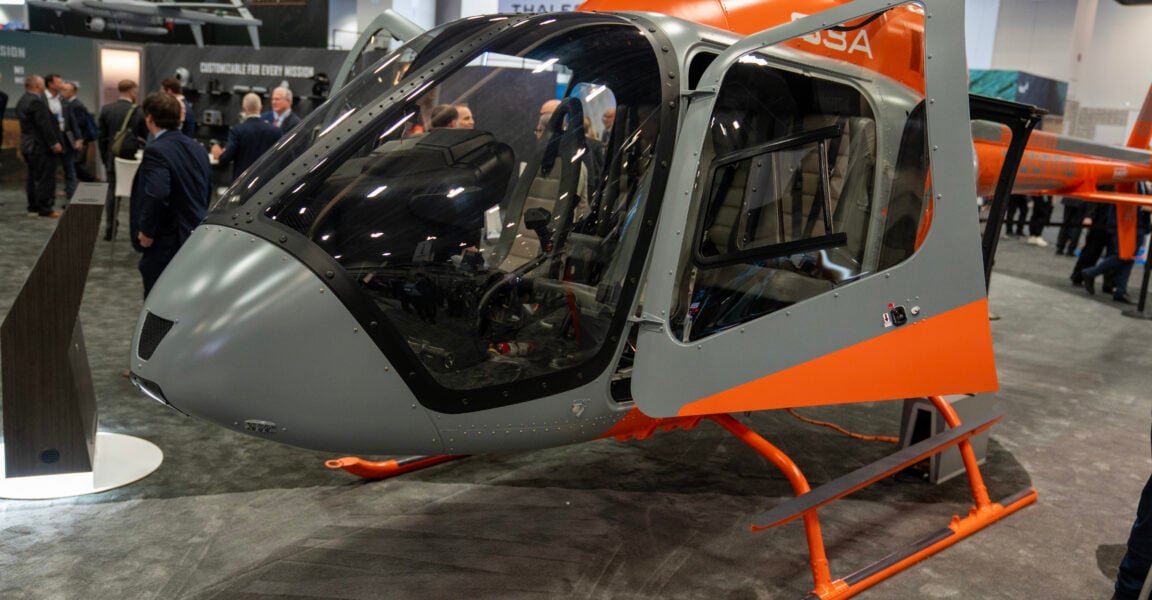
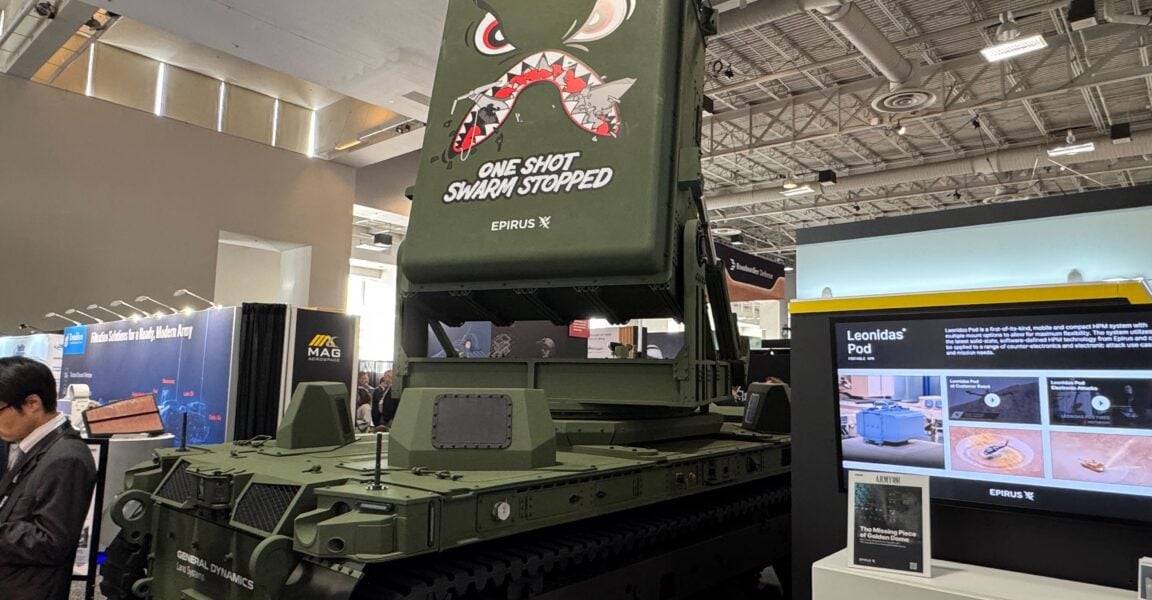
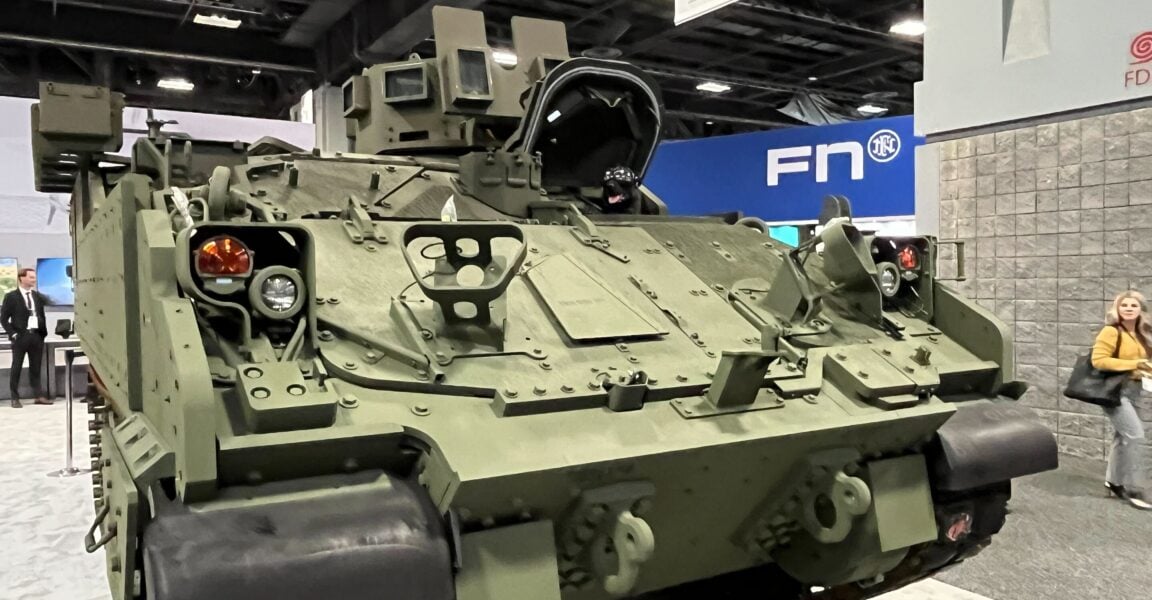
PHOTOS: AUSA 2025

 Gallery