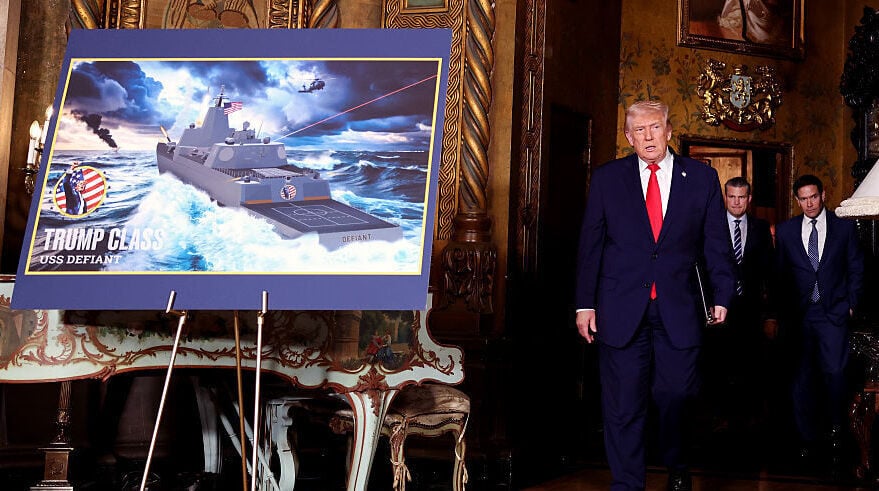
NATIONAL HARBOR, Md. — The US Navy expects to spend roughly $46 billion over the next five years to design and develop the Trump-class battleship, with construction planned to begin in fiscal 2028, service officials announced today.
The Navy is requesting approximately $1 billion in advance procurement in FY27 for the Trump-class battleship that President Donald Trump announced in December. Additionally, the Navy is seeking $837 million in research and development funds in FY27 for the new ship, which Trump said at its announcement will feature hypersonic weapons, electronic rail guns and high-powered, laser-based weaponry.
As the service eyes a speedy production timeline, Secretary of the Navy John Phelan confirmed that the Navy is already in talks with vendors about the design.
“We have been talking to two different vendors as we speak right now, and then it’ll be a function of how we get through that design process with them, and then their capacity in their yards, what we think they can do,” Phelan told reporters today on the sidelines of the Sea Air Space exposition. “Because we’re looking to really get moving on this and lay the keel in ’28.”
The Navy is planning to request roughly $17 billion in procurement funding for the first ship in FY28, and approximately $13 billion in 2030 for the second one, according to budget documents. When asked about the cost of each battleship, Phelan said that those numbers are initial estimates, and they will shift as the Navy figures out details such as whether the battleship will be nuclear-powered or not.
“We’ll see where we really settle down as we get through that and start to rationalize some of the costs,” Phelan said. “So let’s see where we land on that first ship, and then what the economies of scale get us to as we move through it.”
Design challenges with the next-generation destroyer led to Navy leaders saying the battleship is a necessary pivot. The battleship has a larger hull size that can be outfitted with more capability that wasn’t possible on the destroyers.
“This will be able to do many things that our DDGs cannot,” Rear Adm. Ben Reynolds, deputy secretary of the Navy for budget, told reporters on Friday. “Just like the frigate fills a hole that our DDG doesn’t.”
Shipbuilding, Procurement, Munitions See Big Money
The Navy is seeking to ramp up funding for shipbuilding, and is requesting $65.8 billion for shipbuilding alone for FY27 — up from the $27.2 billion allocated to shipbuilding in the FY26 enacted budget. Approximately $60.2 billion of that stems from the base budget and another $5.6 billion from reconciliation funding, according to budget documents.
“The recent and current operations really, really highlight and put an exclamation point behind this need in this effort that we’re doing,” Reynolds said Friday. “It is a large investment, large investment by Department of Navy … but with that, we want to create strong, multi-year contracts and incentivize industry … and we want to try to diversify for other vendors.”
In total, the service wants to procure 34 ships in FY27. Specifically, the Navy is seeking to procure one Columbia-class submarine, two Virginia-class submarines, one Arleigh Burke-class destroyer, one America-class amphibious assault ship, a San Antonio-class amphibious transport dock, six medium landing ships, and one frigate in FY27, among others.
The Navy is also seeking to procure a “Special Mission Ship” in FY27, per the request of a combatant command, according to Reynolds. Additional details were not immediately available.
The service is further requesting $34.4 billion in aircraft procurement in FY27. Nearly $27 billion of those funds come from the base budget, and $7.4 billion are from reconciliation funding. The budget request also seeks $140 million for the Navy’s next-generation fighter jet, known as F/A-XX.
When asked about F/A-XX funding, Reynolds said that the approximately $1.7 billion in total funds for F/A-XX in FY26 has not been spent yet.
The Navy’s budget request also includes a significant increase for munitions. For example, the Navy’s request seeks 785 Tomahawk Land Attack Missiles for procurement in FY27 — up from 55 last year — for roughly $3 billion.
Additionally, the Navy is asking for Patriot Advanced Capability-3 (PAC-3) Missile Segment Enhancement interceptors for the first time in the FY27 budget request, and is seeking to procure more than 400. Lockheed Martin announced today the Navy awarded the company a contract for the development, integration and testing of the PAC-3 into the Aegis Combat System that is outfitted on destroyers and cruisers.
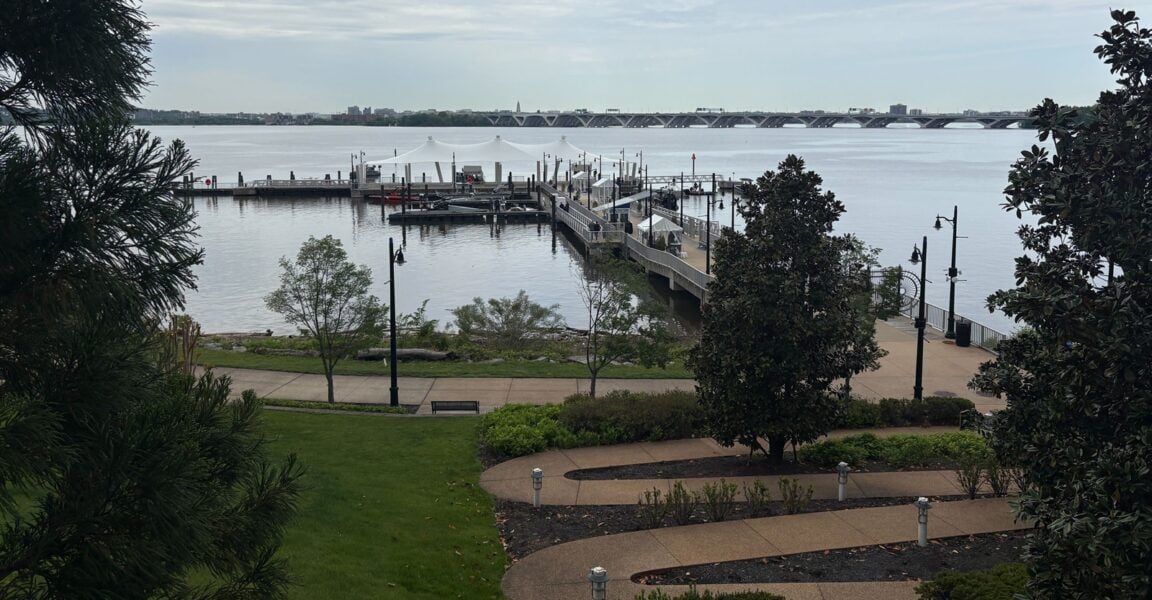
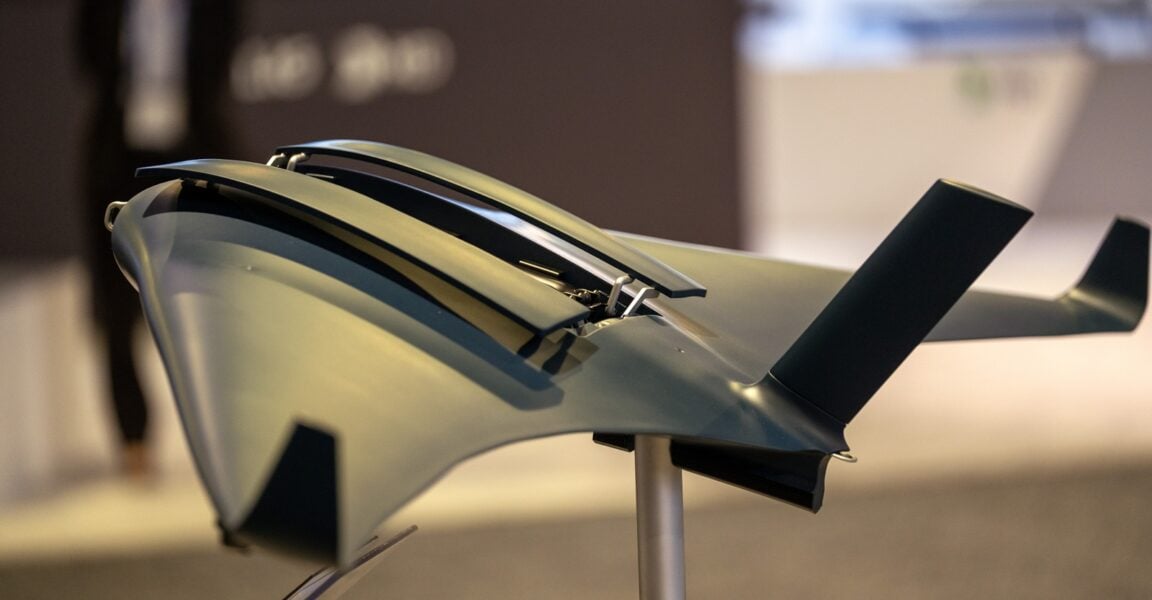
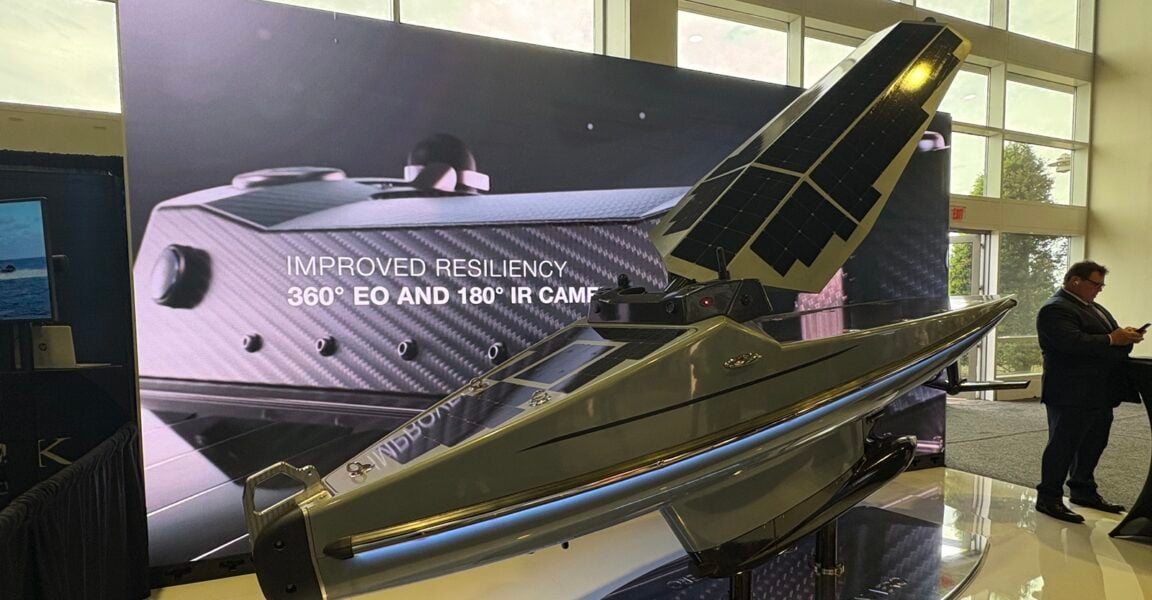
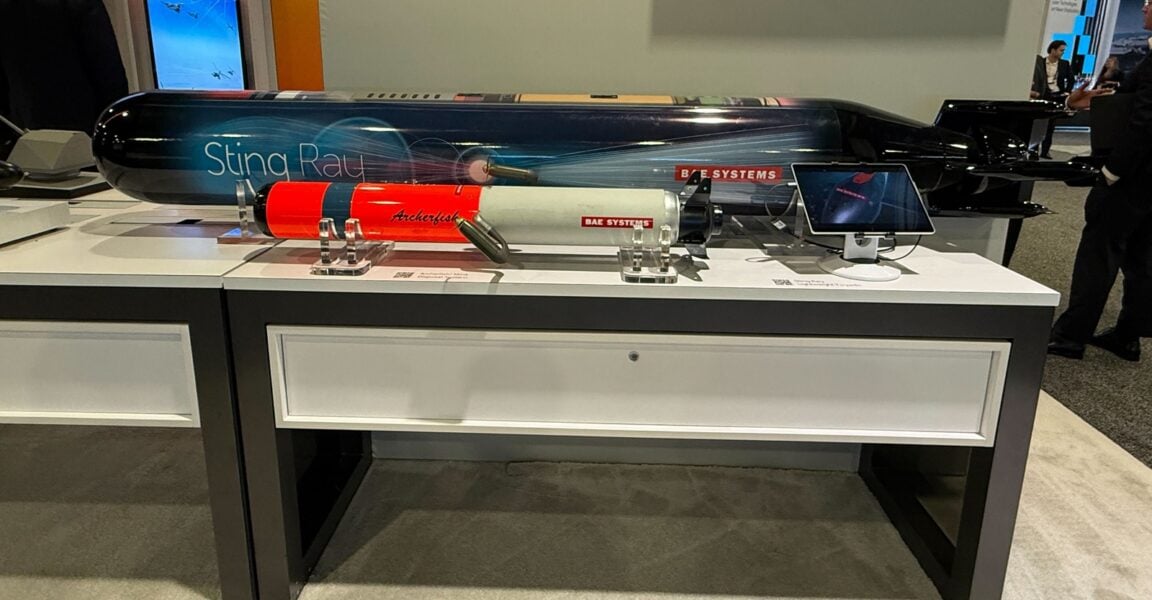
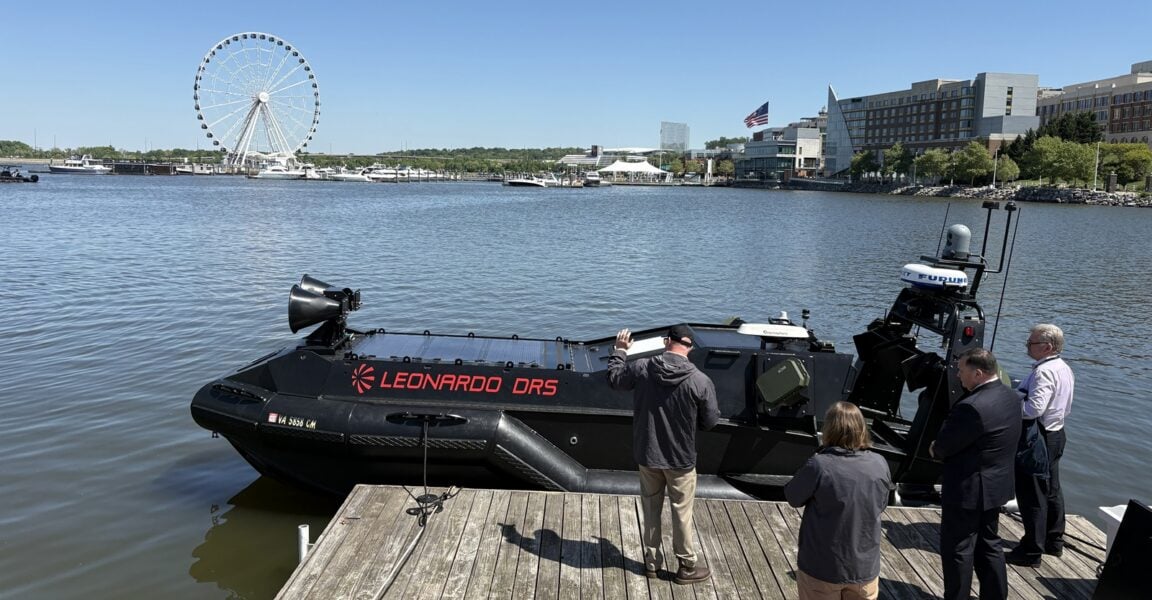
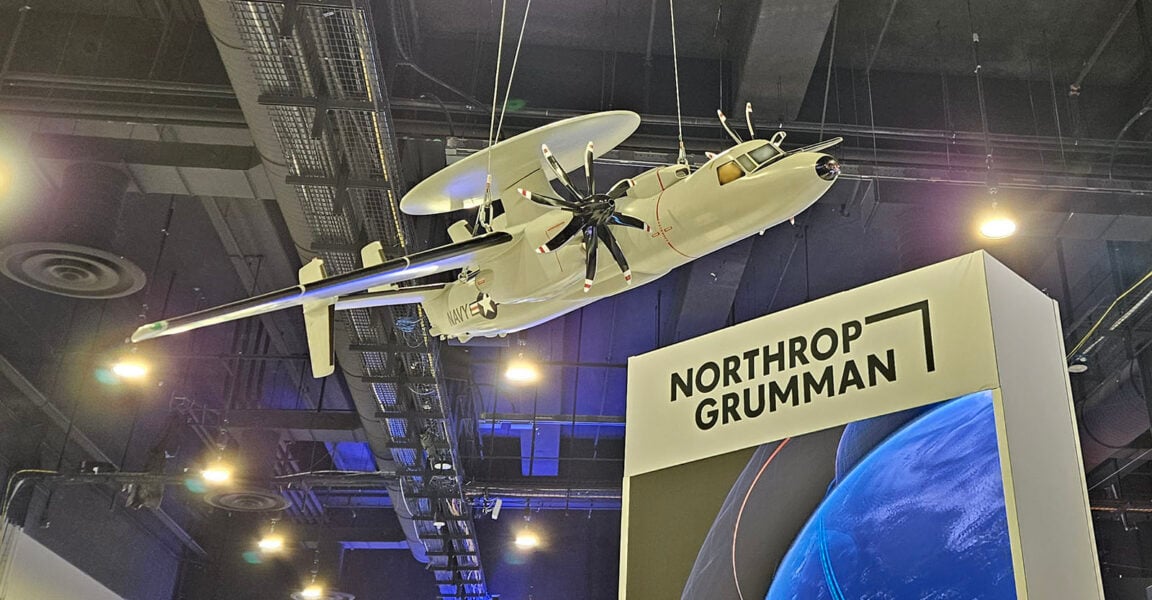
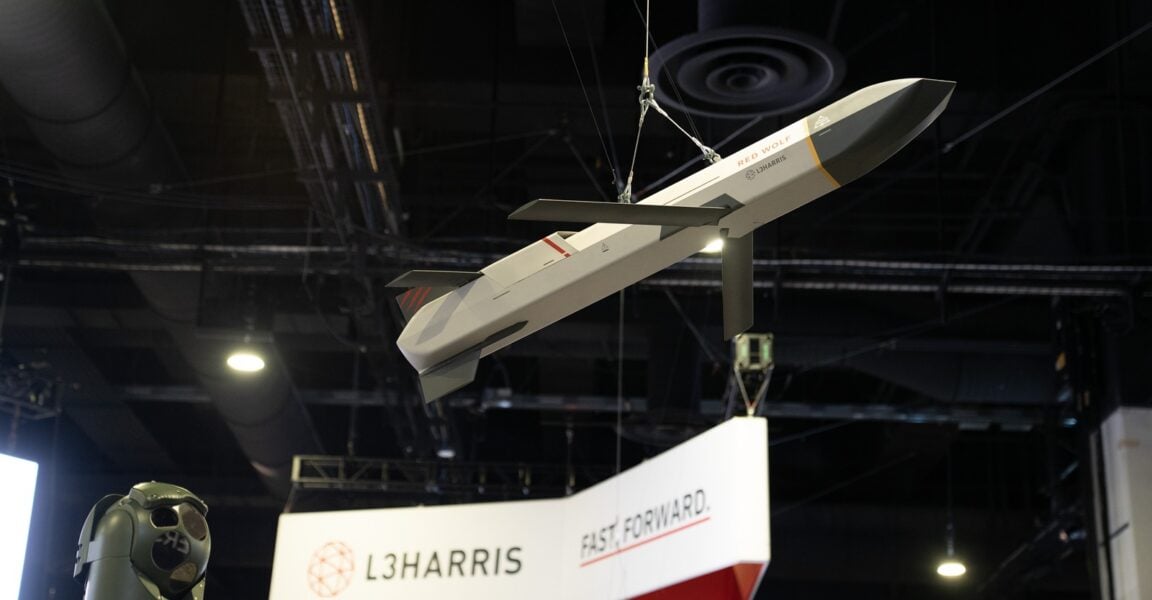
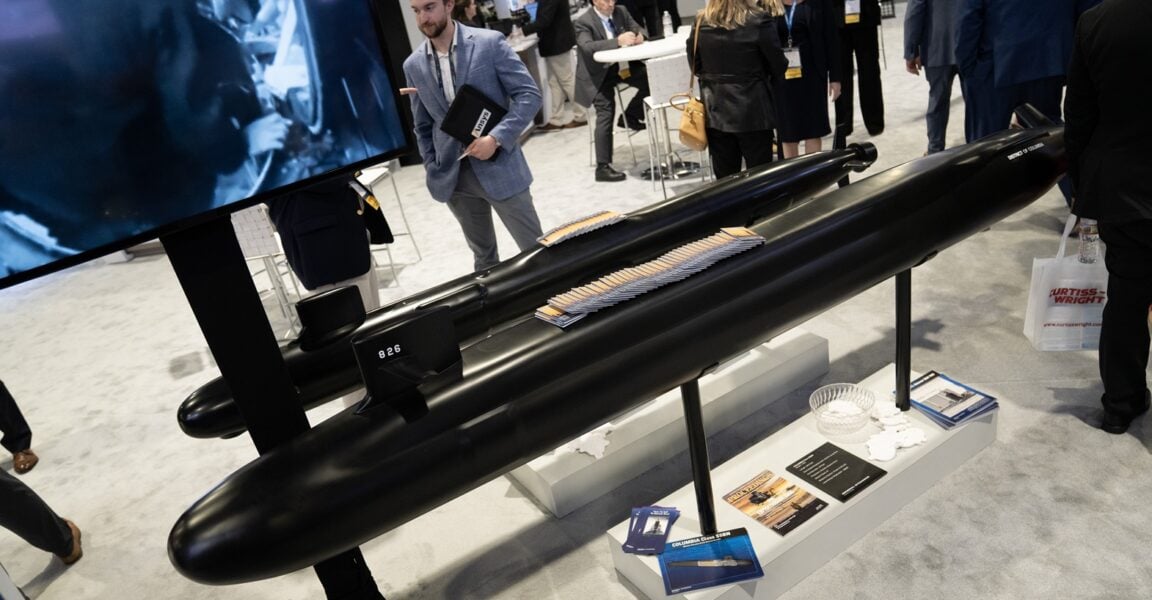
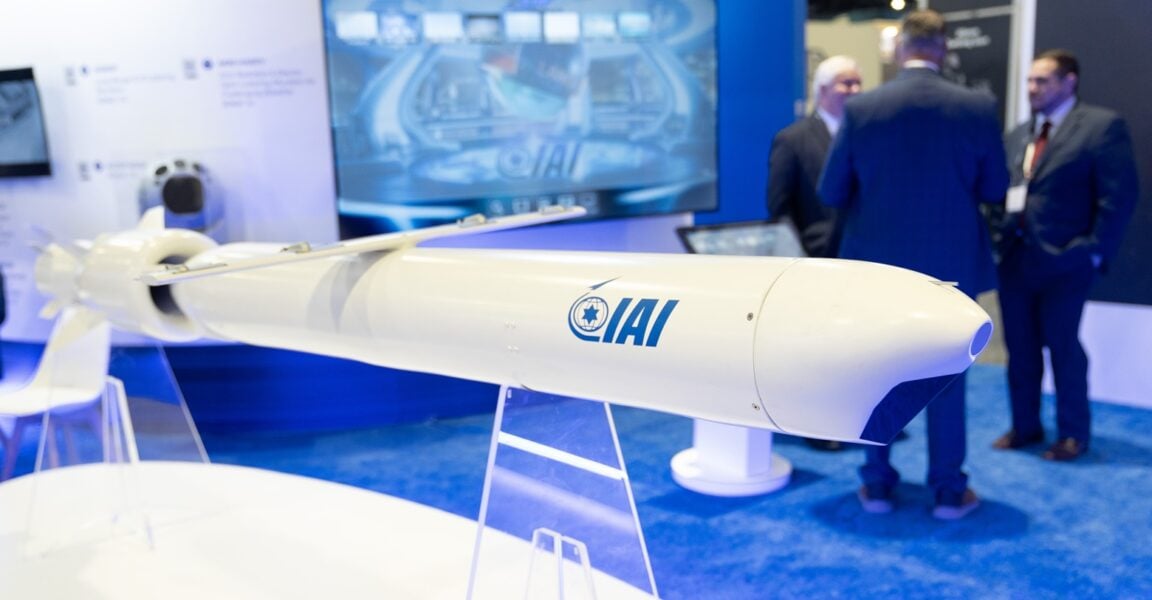
PHOTOS: Sea Air Space 2026

 Gallery



Breaking Defense Video