Air Warfare

IAI, Aerotor planning APUS family of quadcopter drones

Moshe Levy, manager of the Military Aircraft Group at IAI, told Breaking Defense that to increase distance and capacity, the quadcopter design will use fuel instead of batteries.

IAI APUS drone
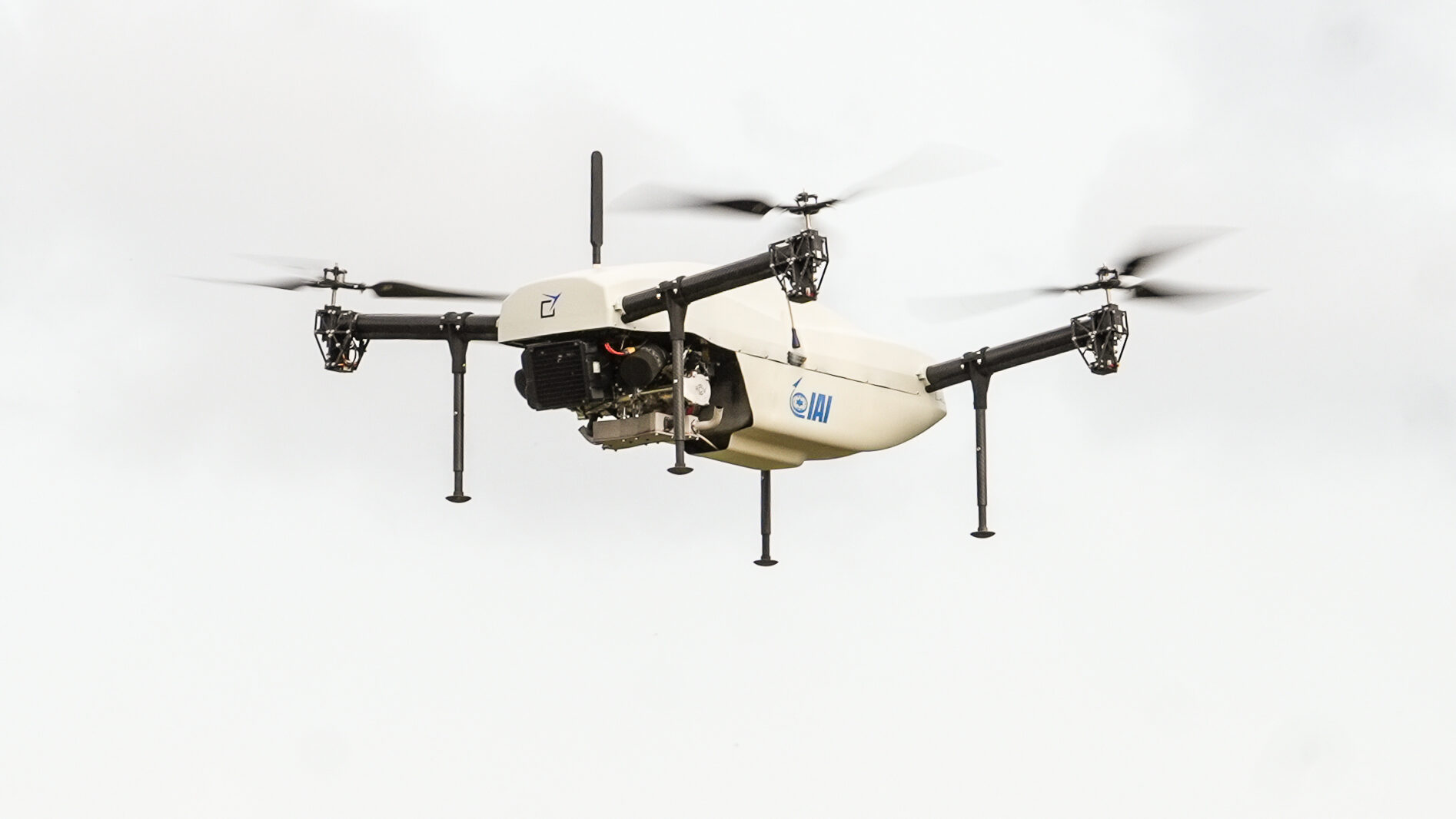
IAI’s APUS-25 drone takes flight. The Israeli firm hopes that this will be the start of a new family of drones. (IAI)

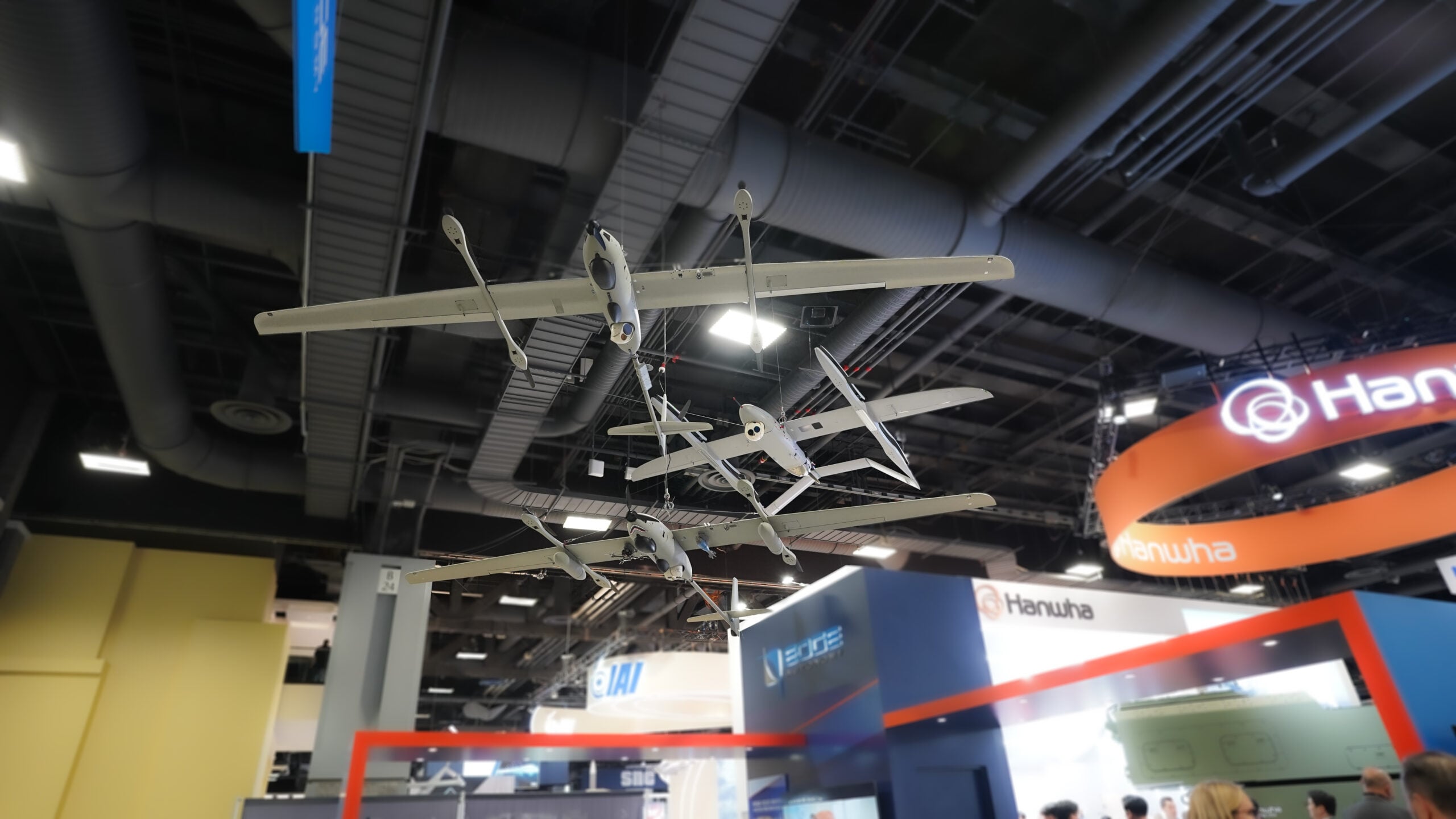
JERUSALEM — Israel Aerospace Industries has a new quadcopter vertical-take-off-and-landing family of drones that it says has a longer flight time and payload-to-weight ratio than other similar designs.

The new platform, dubbed the “APUS” family, was developed in partnership with Aerotor, a company which IAI has acquired a stake in. The first version of the system, the APUS 25, will make its American debyt at next week’s AUSA conference, but the plan is for IAI to roll out a large family of variants, with different weights and payloads, over the coming years.

“Our perspective is that in small tactical UAVs [being used today] will trend more toward VTOL,” Moshe Levy, manager of the Military Aircraft Group at IAI, told Breaking Defense in an interview. The biggest advantage of such a VTOL design, he said, is that the systems can take off and land on pretty much any surface, including ships, without use of runway or parachute.

What separates APUS from the kind of quadcopter systems widely available in the commercial market, Levy said, is payload and distance.

A company brochure claims the APUS-25, which is just under five and a half feet long, is a 25 kilogram platform that can carry around 10 kilograms in payload and fly for up to eight hours; depending on payload, Levy said, the system could go further than 100 km. The drones can also fly up to 11,000 feet in height, according to the brochure, which means any noise they emit would be reduced to near zero after 1,000 feet.

At the core of the design is a decision on power.

IAI has been building remotely piloted vehicles for decades and was one of the world’s first companies to pioneer these platforms. Larger UAVs use engines, such as the Rotax that was used on the Predator, basically an aircraft engine. By contrast, when quadcopters became more common at the tactical level, most of these drones were electric, which requires batteries — and the longer you want to go, the larger the battery needs to be, meaning less space for payload.

“What we did is take a different approach to go to use a heavy fuel engine,” Levy said. This can accommodate fuel such as JP-5, Jet A1 or gasoline, according to company literature. Levy added that since militaries are familiar with combustion engine, the systems should be simple to maintain and be able to slide easily into existing supply lines.

“These drones are very capable. The advantage is they can carry substantial weight. It can be E/O or Radar,” Levy said, predicting that this size drone will become a large portion of the market share.

Speaking alongside Levy was Raz Geva, the co-founder and CEO of Aerotor, who noted that when the smaller company was founded in 2017 they “tried to map the drone market and look at what is the next demand.

What they found is that the market “asks about endurance and heavy payload and range, and also the variant capacity for logistics. To solve these barriers, we understood if you [use an] electrical drone, it can’t match this task.”

Through a series of demonstrations, “We showed that we can take around 8kg payload for two hours, but the main advantage is 3.5 kg payload for six hours endurance and four kg for five hours, etc. And this didn’t exist before in a small drone.”

Levy and Raz point to several types of missions these drones, and the larger ones they expect to develop, can accomplish. This can include carrying supplies that soldiers may need, or landing on ships for naval missions.

PHOTOS: AUSA 2024

PHOTOS: AUSA 2024

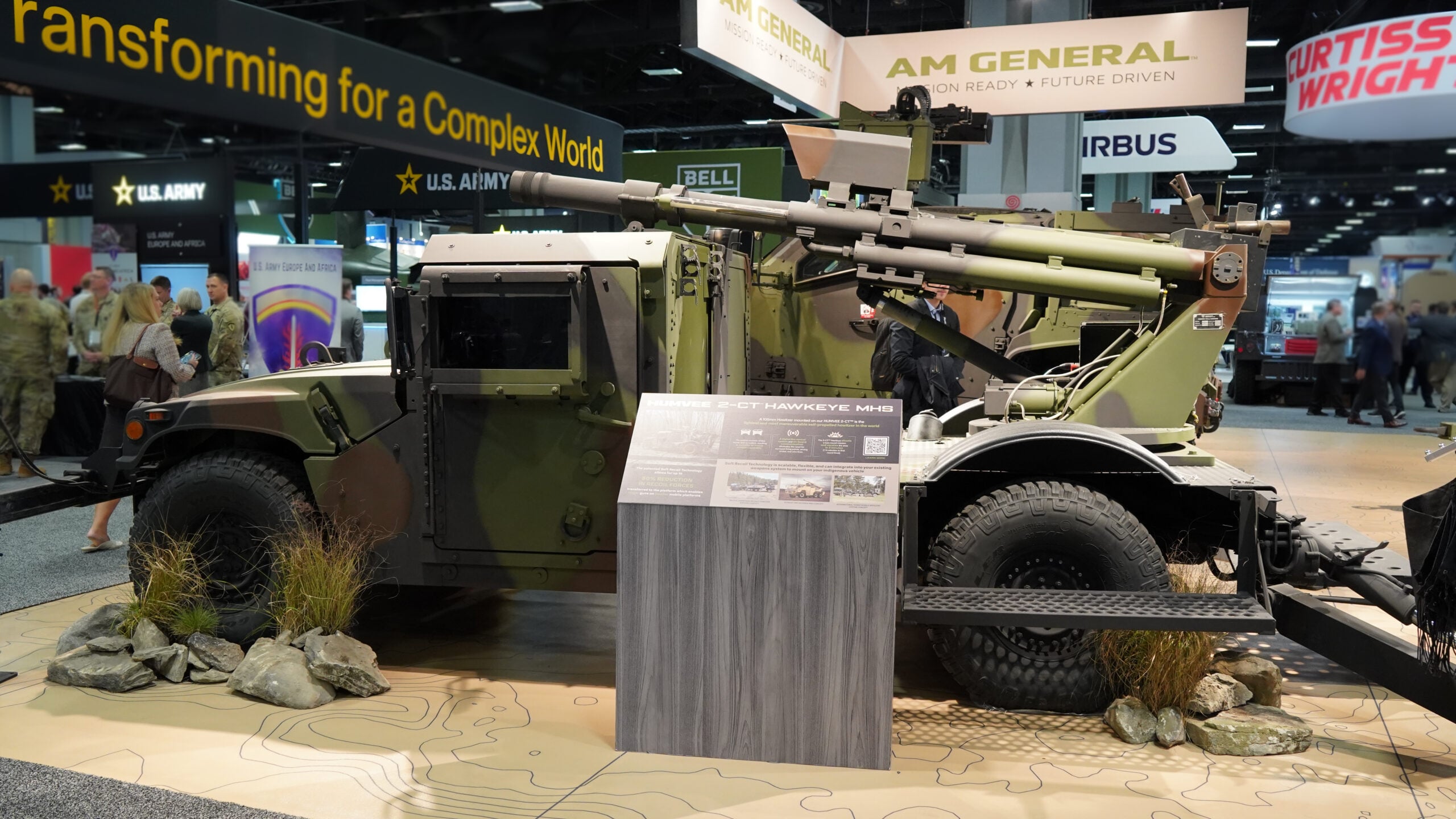
At AUSA 2024, land vehicle giant AM General rolled its HUMVEE 2-CT Hawkeye MHS, featuring a howitzer launcher on a hummer. (Brendon Smith / Breaking Defense)
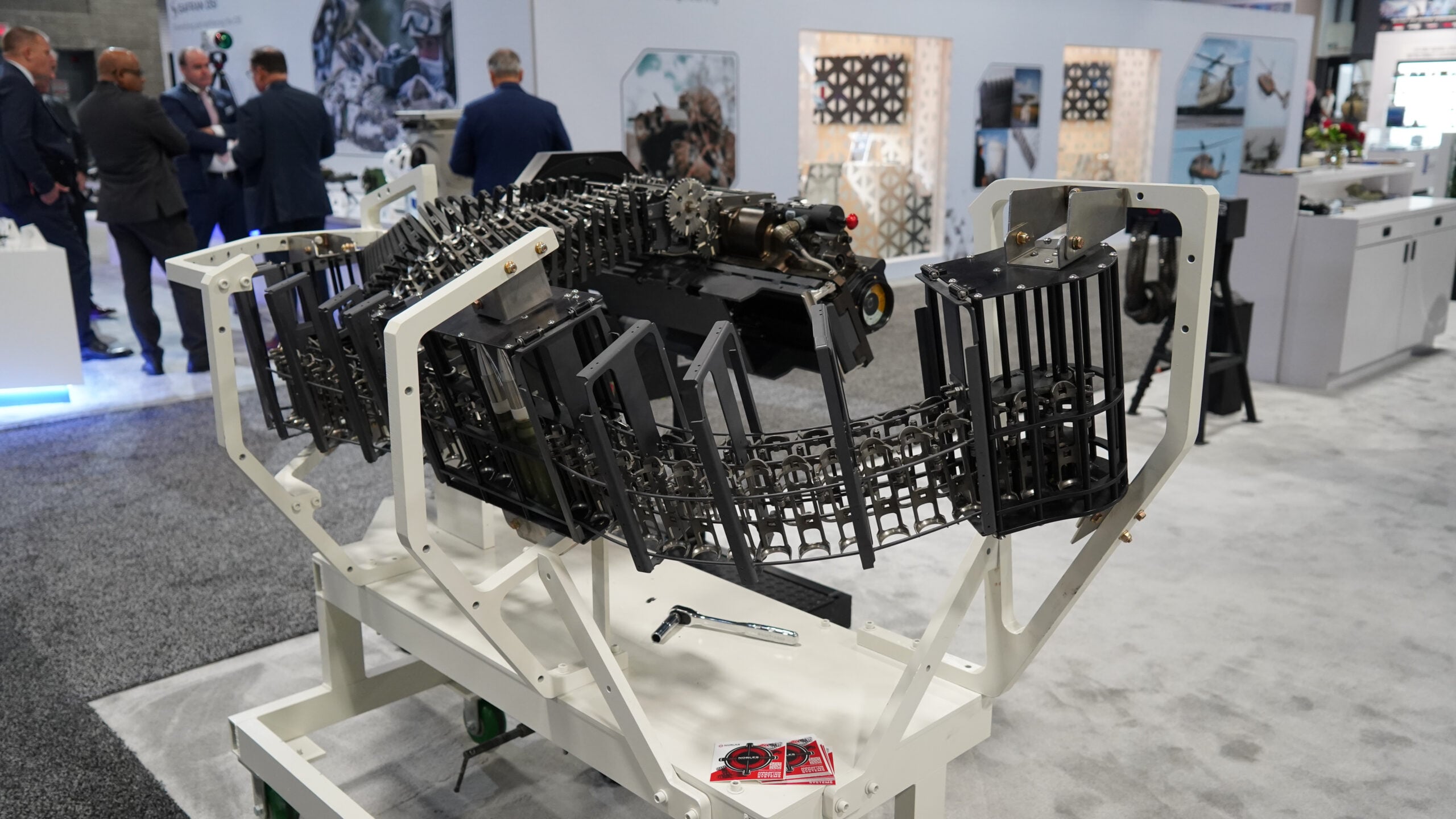
Ammo handling specialists Nobles Worldwide brought its closed loop, linkless ammunition handling system to AUSA 2024. (Brendon Smith / Breaking Defense)
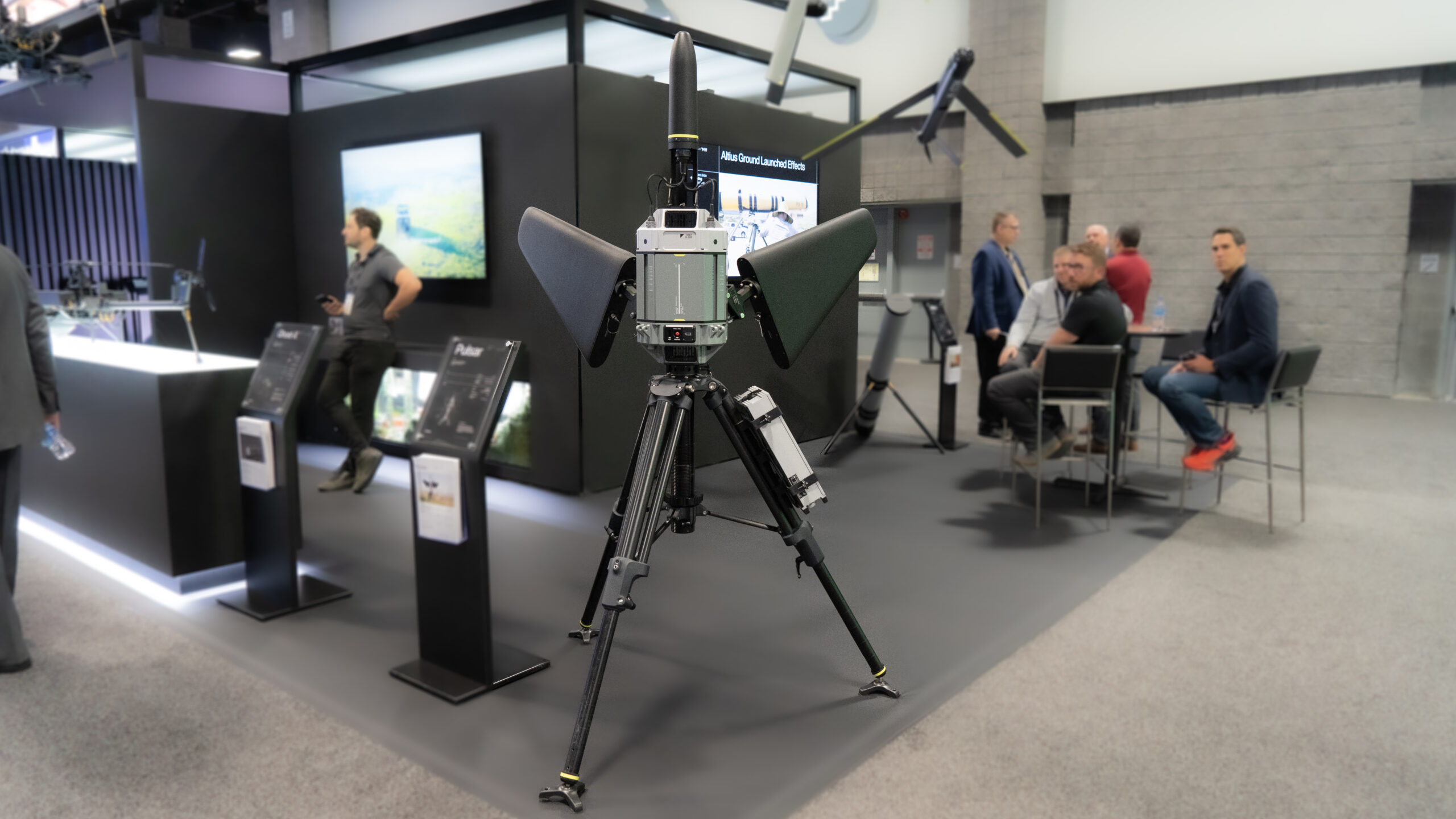
IEC Infrared Systems's Lycan counter-UAS system gazes out at attendees at AUSA 2024. (Brendon Smith / Breaking Defense)
Australian firm EOS was at AUSA 2024, here displaying its Slinger kinetic counter-drone system. (Brendon Smith / Breaking Defense)
Defense start-up Anduril makes a wide range of products and at AUSA 2024, including his platform from its "family of autonomous systems and Electromagnetic Warfare (EW) systems powered by Lattice and AI at the edge." (Brendon Smith / Breaking Defense)
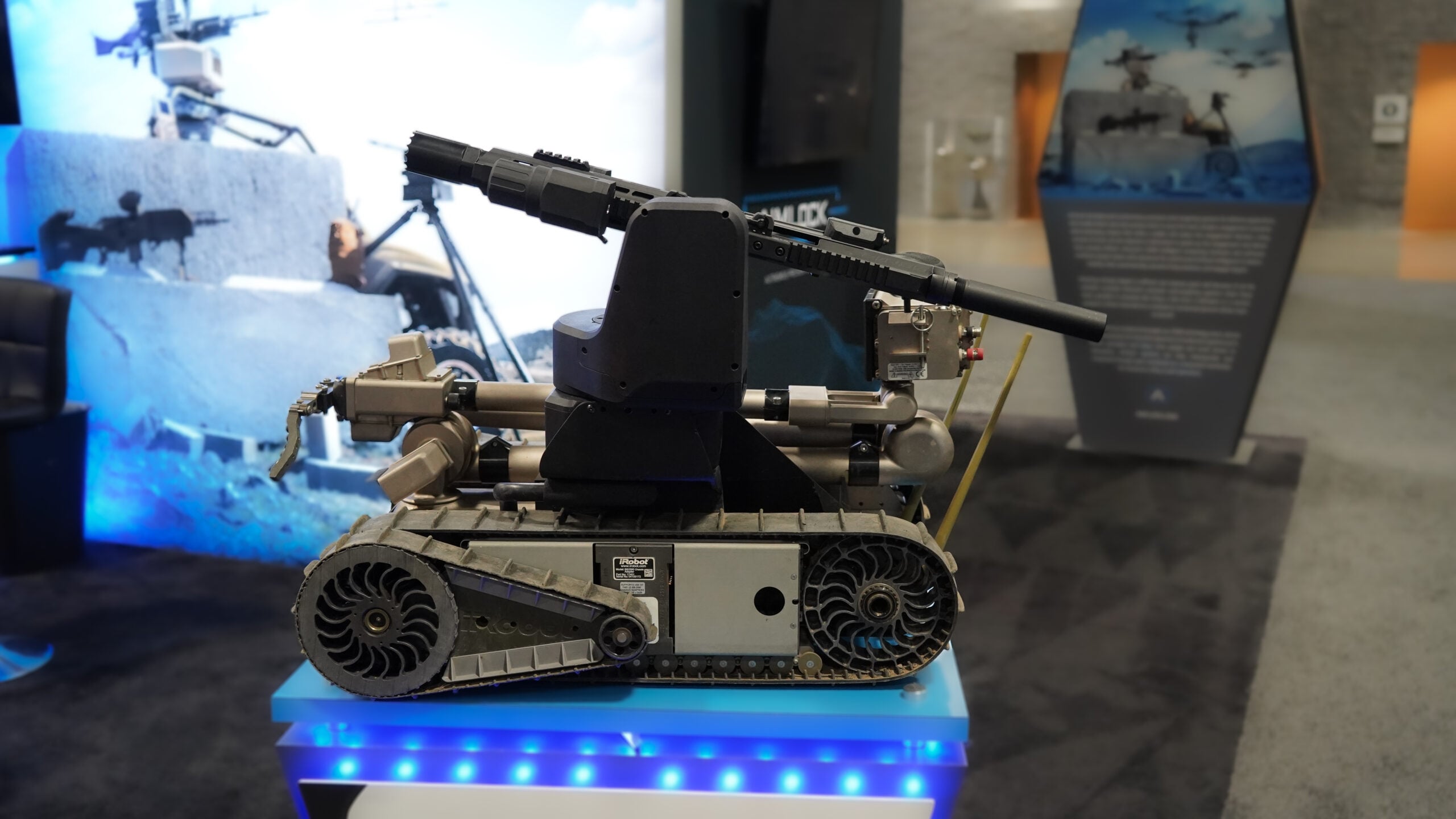
Aimlock, which develops "semi-autonomous precision auto-targeting systems" attached a 12-guage shotgun on a ground robotic vehicle at AUSA 2024. (Brendon Smith / Breaking Defense)
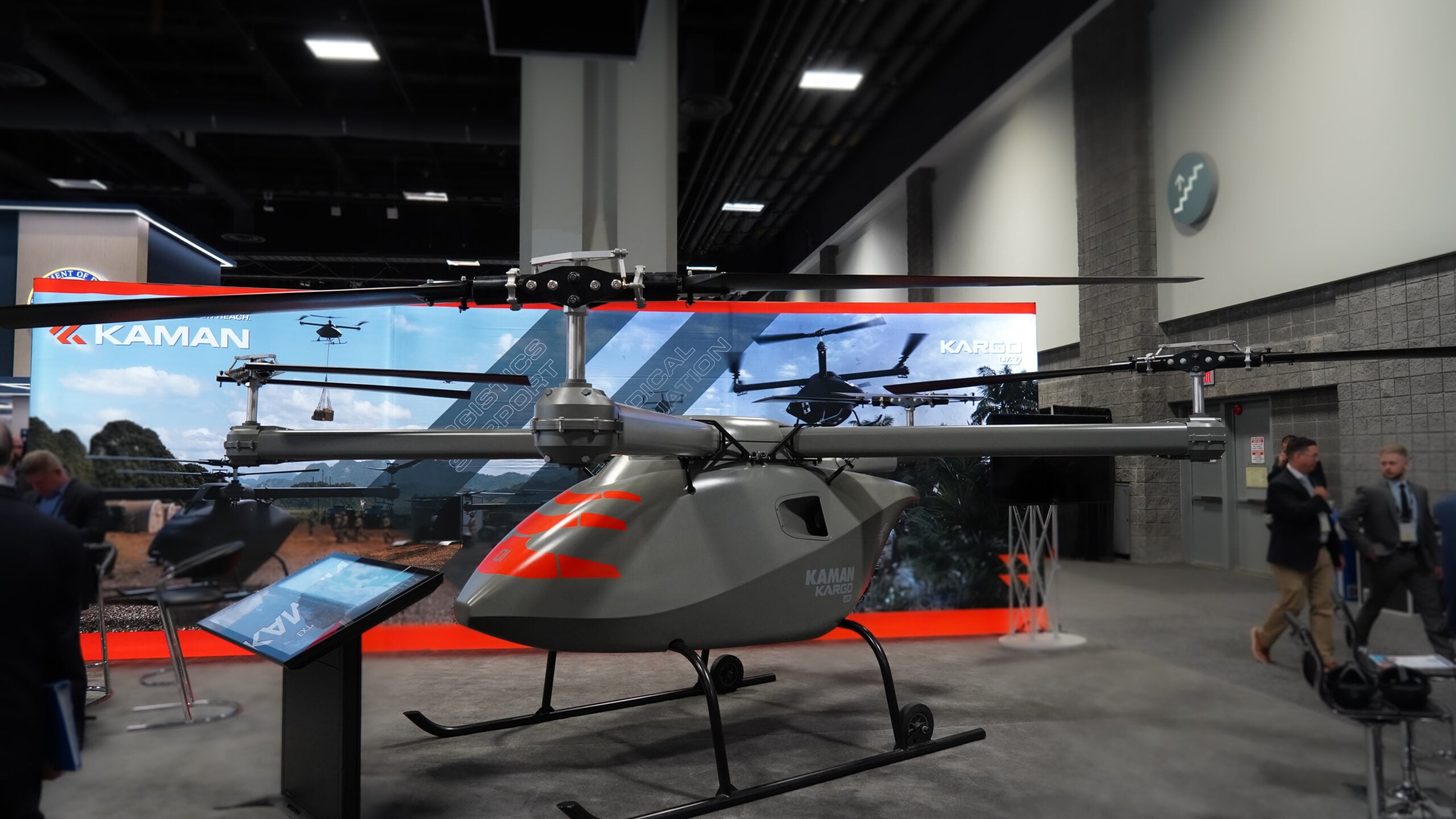
Connecticut-based Kaman Corporation offers unmanned cargo copters, as seen on the show floor at AUSA 2024. (Brendon Smith / Breaking Defense)
Defense giant Northrop Grumman shows off its Next Generation Handheld Targeting System (NGHTS), which the company says is designed to work in GPS-denied environments. (Brendon Smith / Breaking Defense)
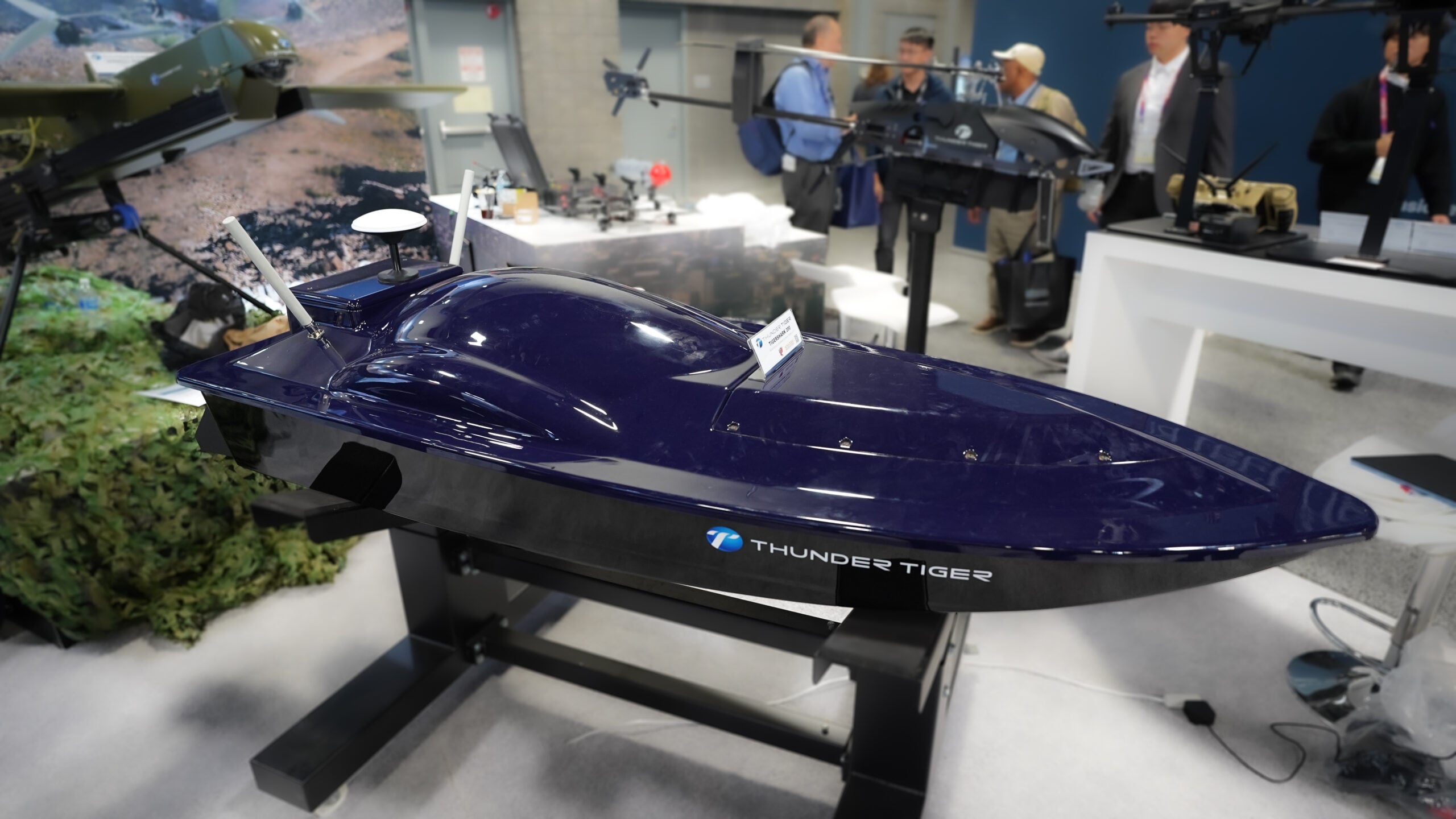
Taiwanese Thunder Tiger displayed an unmanned surface vessel, Seashark, at AUSA 2024. (Brendon Smith / Breaking Defense)
Northrop Grumman shows off its Bushmaster chain gun at AUSA 2024. The company launched a new Bushmaster M230LF (Link Fed) dual-feed chain gun, designed to neutralize UAS and ground threats, with the manufacturer targeting export customers for future orders. (Brendon Smith/Breaking Defense)
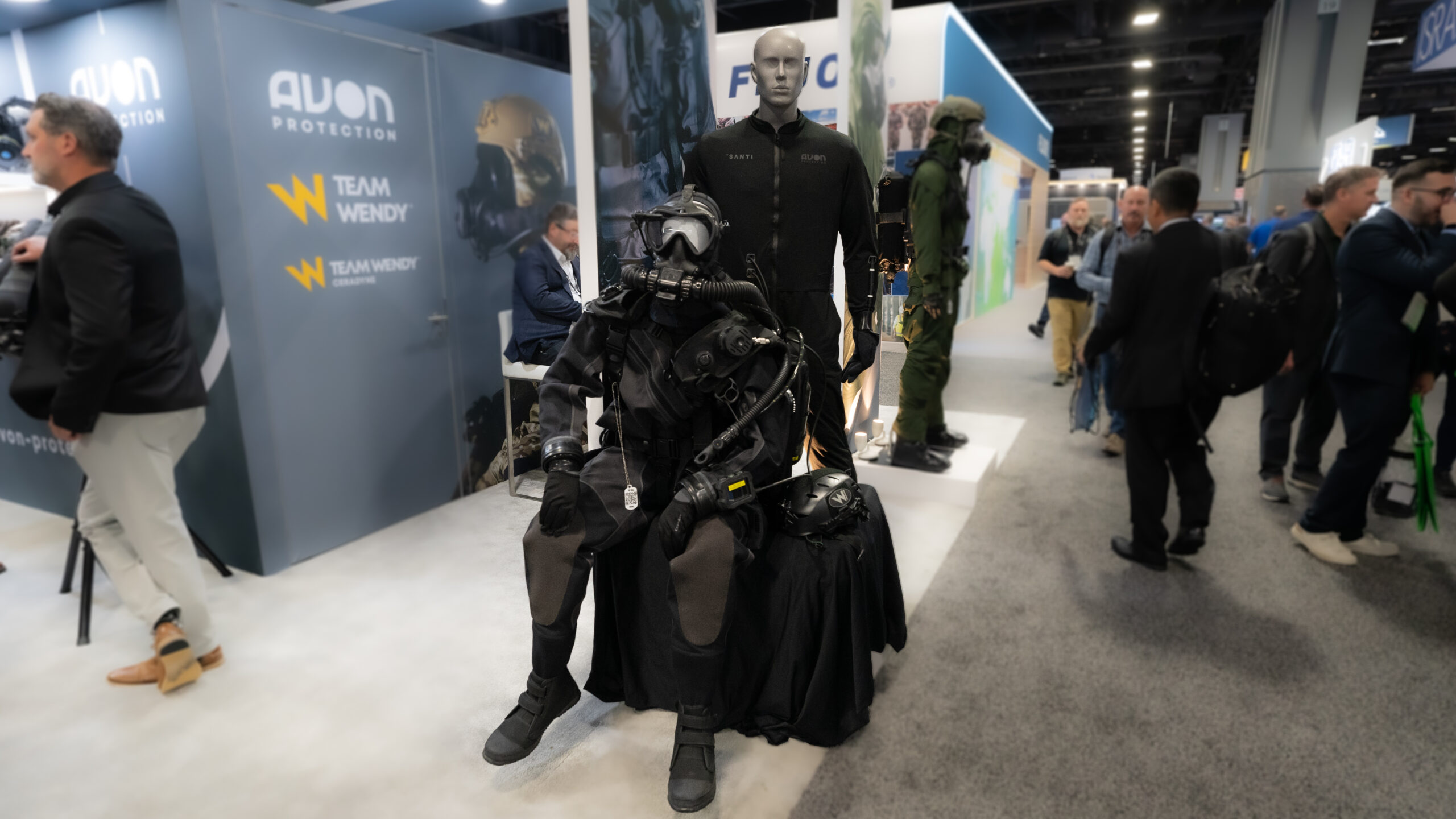
It's less ominous than it looks: Avon Protection's Core Intelligent undersuit and MCM100 Multi-Role Military Diving Rebreather are marketed on the show floor to help military divers keep warm under the water. (Brendon Smith/Breaking Defense)
Edge Autonomy shows off its E140Z camera, part of its Octopus surveillance suite. (Brendon Smith/Breaking Defense)
Flyer Defense shows off its Flyer 72 vehicle at AUSA 2024. Selected by SOCOM, the company says it is capable of internal transport in the CH-47 and C-130 aircraft. (Brendon Smith/Breaking Defense)
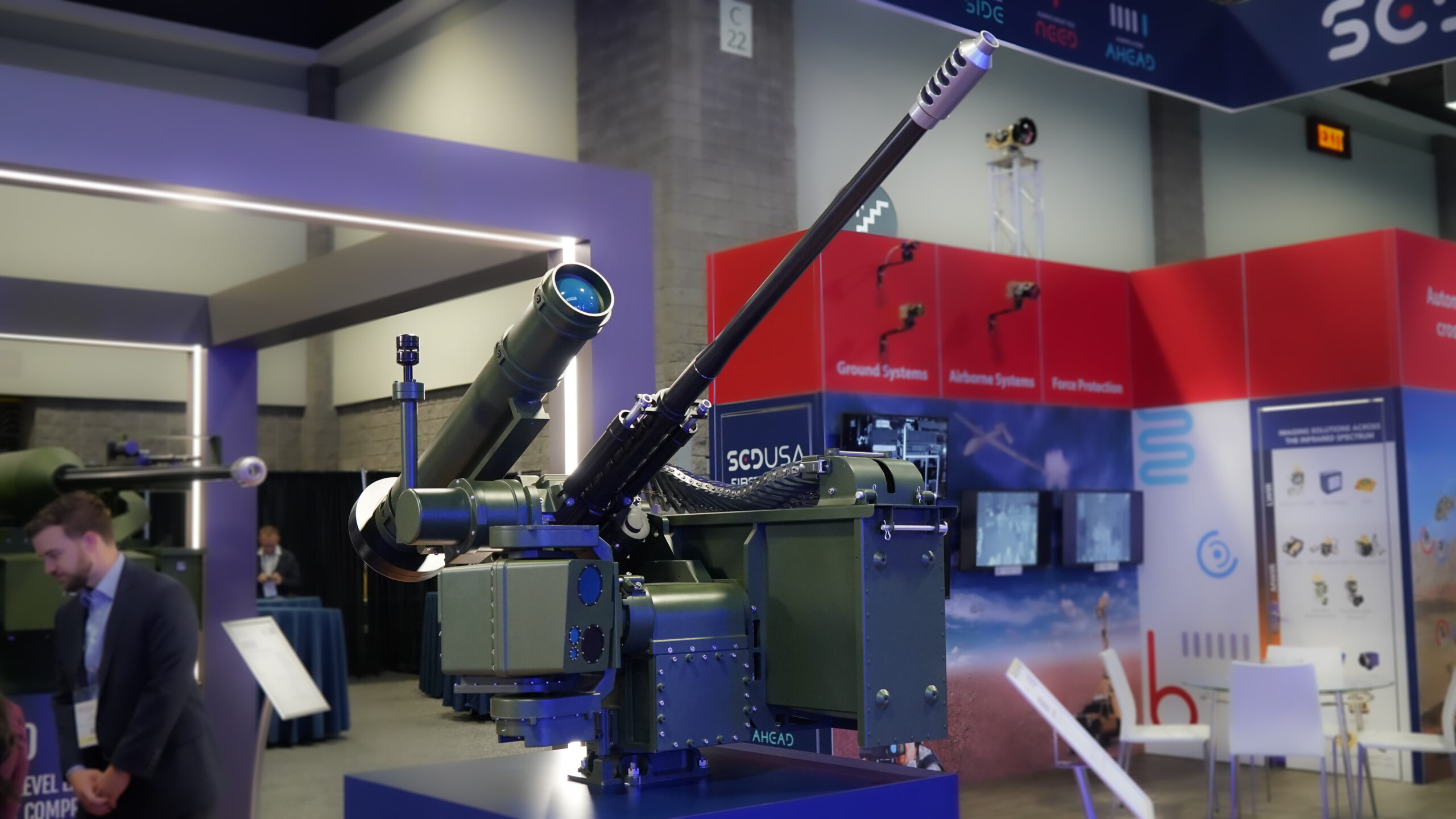
The Kongsberg Protector RS6 is a Remote Weapon System for low-recoil 30mm cannons. The company says it will be able to equip other weapons in the future. (Brendon Smith/Breaking Defense)
Bell helicopters showed off a number of items on the show floor. (Brendon Smith/Breaking Defense)
One of BAE's two AMPV varients on the show floor at AUSA 2024, this one sports the company's Modular Turreted Mortar System. (Brendon Smith / Breaking Defense)
Oshkosh Defense displays its Remotely Operated Ground Unit for Expeditionary Fires (ROUGE-Fires) on the floor at AUSA 2024. (Brendon Smith / Breaking Defense)
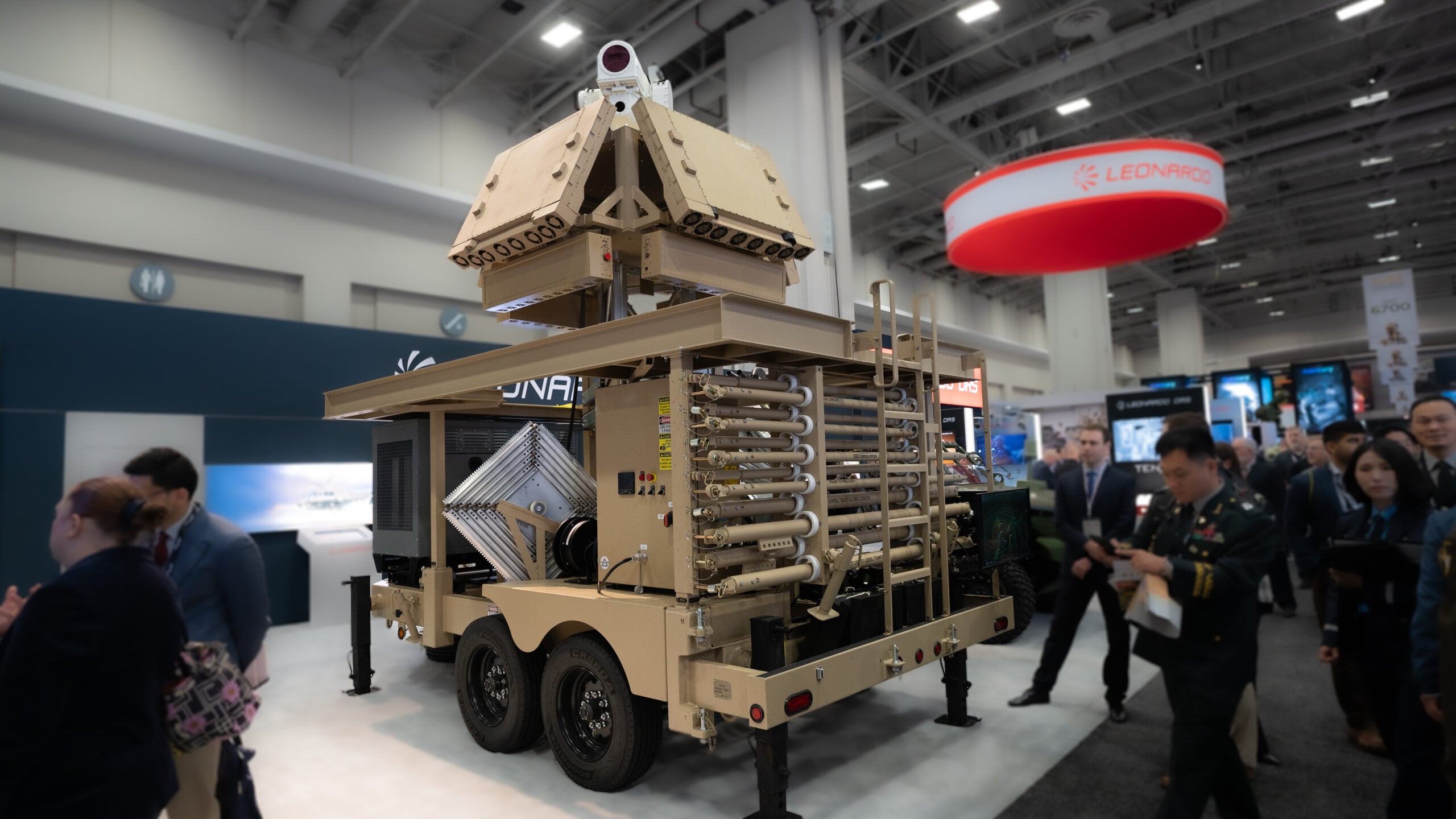
A Leondardo extended mast surveillance system ready to roll into position at AUSA 2024. (Breaking Defense)
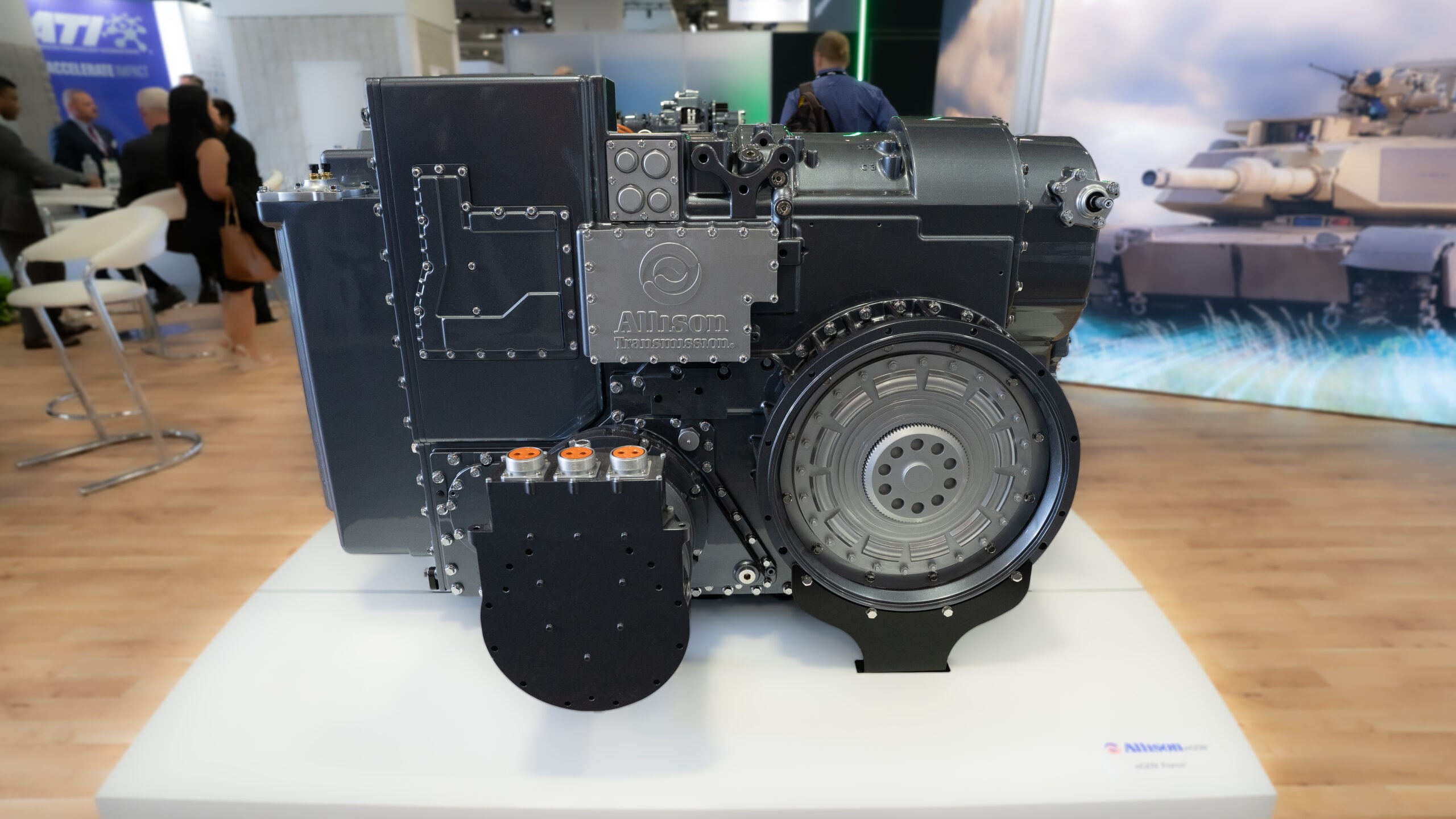
Allison Transmission eGen Power motor on display at AUSA 2024. (Brendon Smith / Breaking Defense)
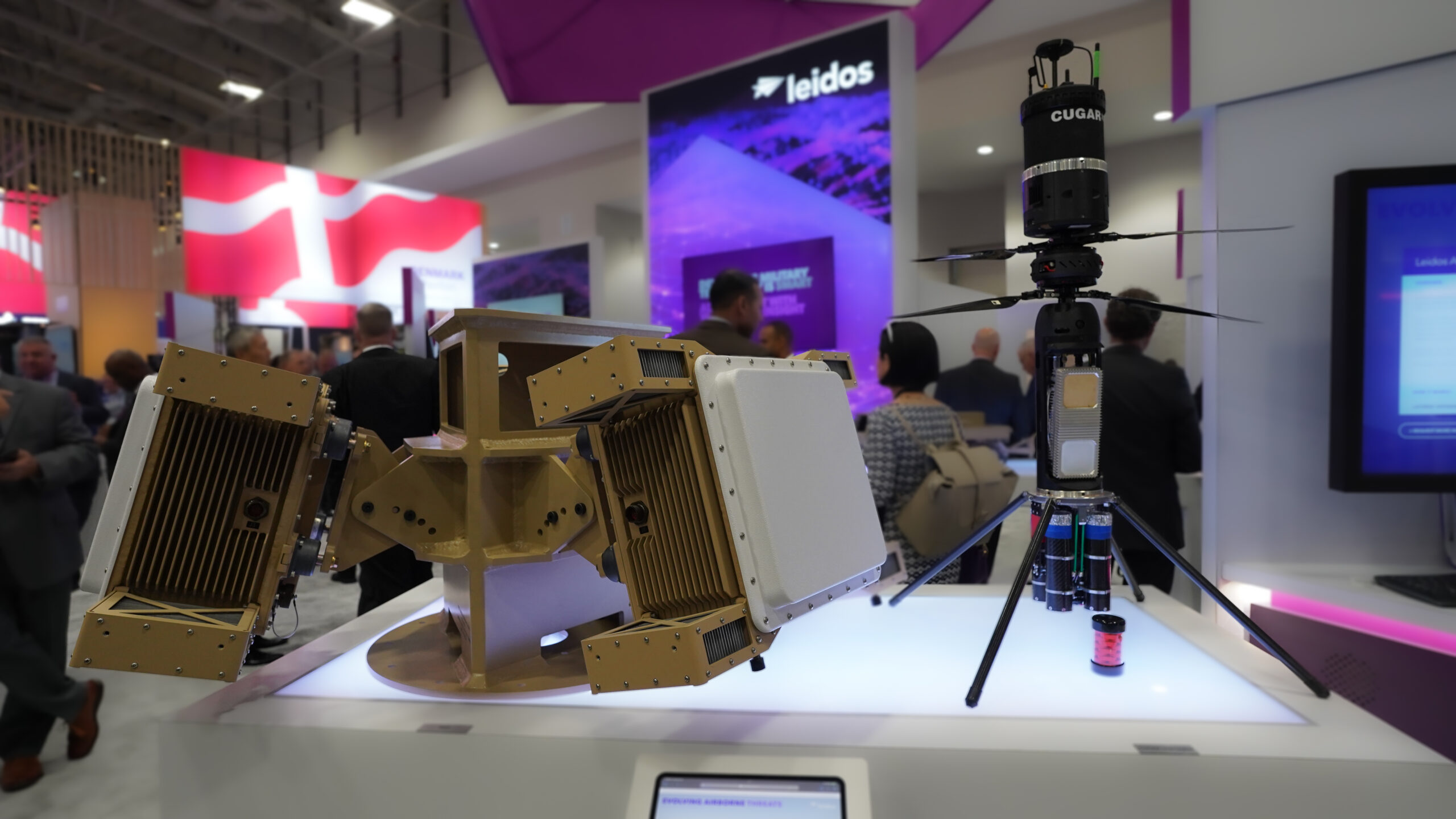
Leidos's Airshield counter-UAS system sits at the company's booth at AUSA 2024. (Brendon Smith / Breaking Defense)
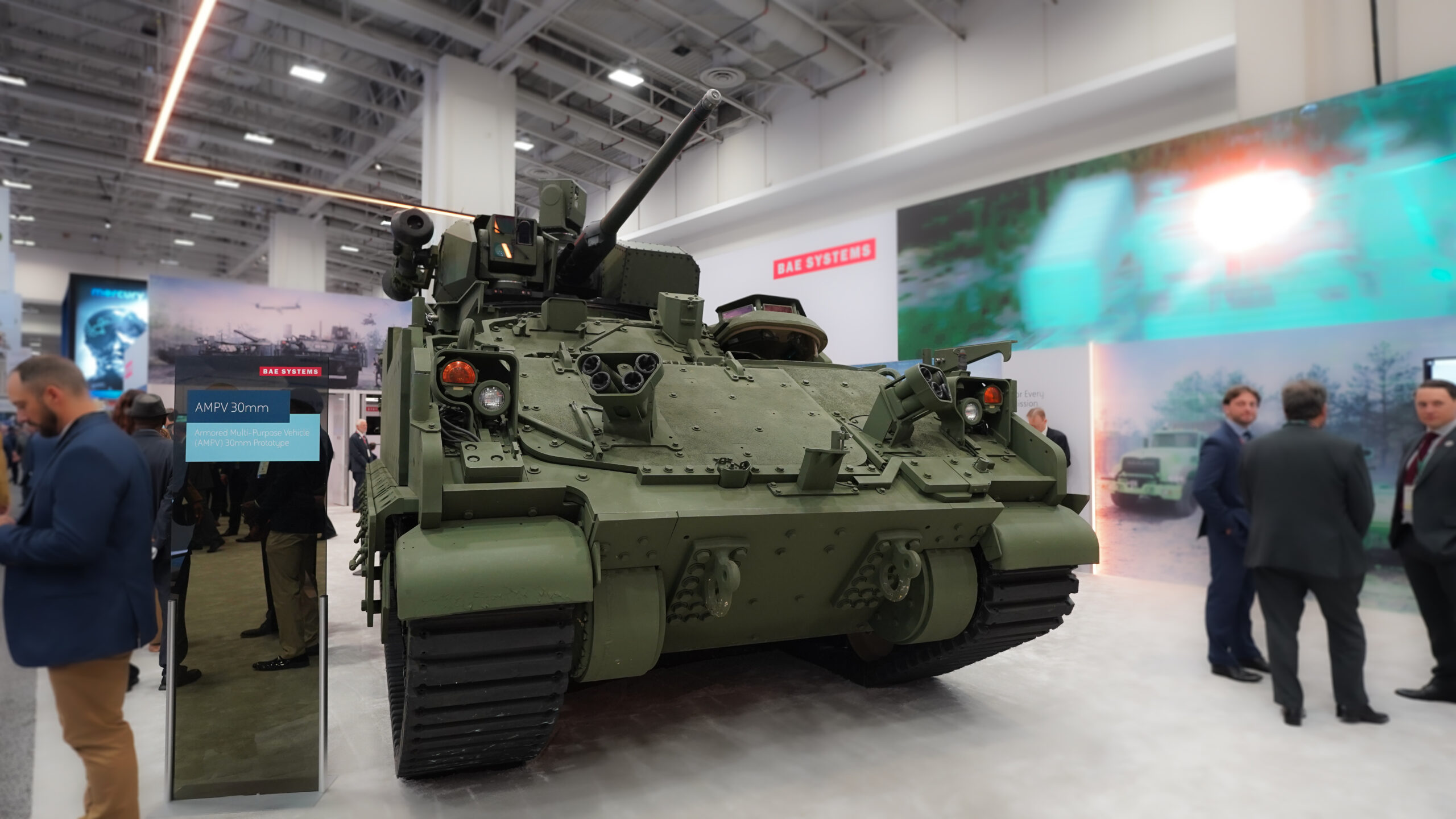
BAE's Armored Multi-Purpose Vehicle (AMPV) with a 30mm gun on display at AUSA 2024. (Brendon Smith / Breaking Defense)
A heavily armed next-gen tactical vehicle on display from GM Defense at AUSA 2024. (Brendon Smith / Breaking Defense)
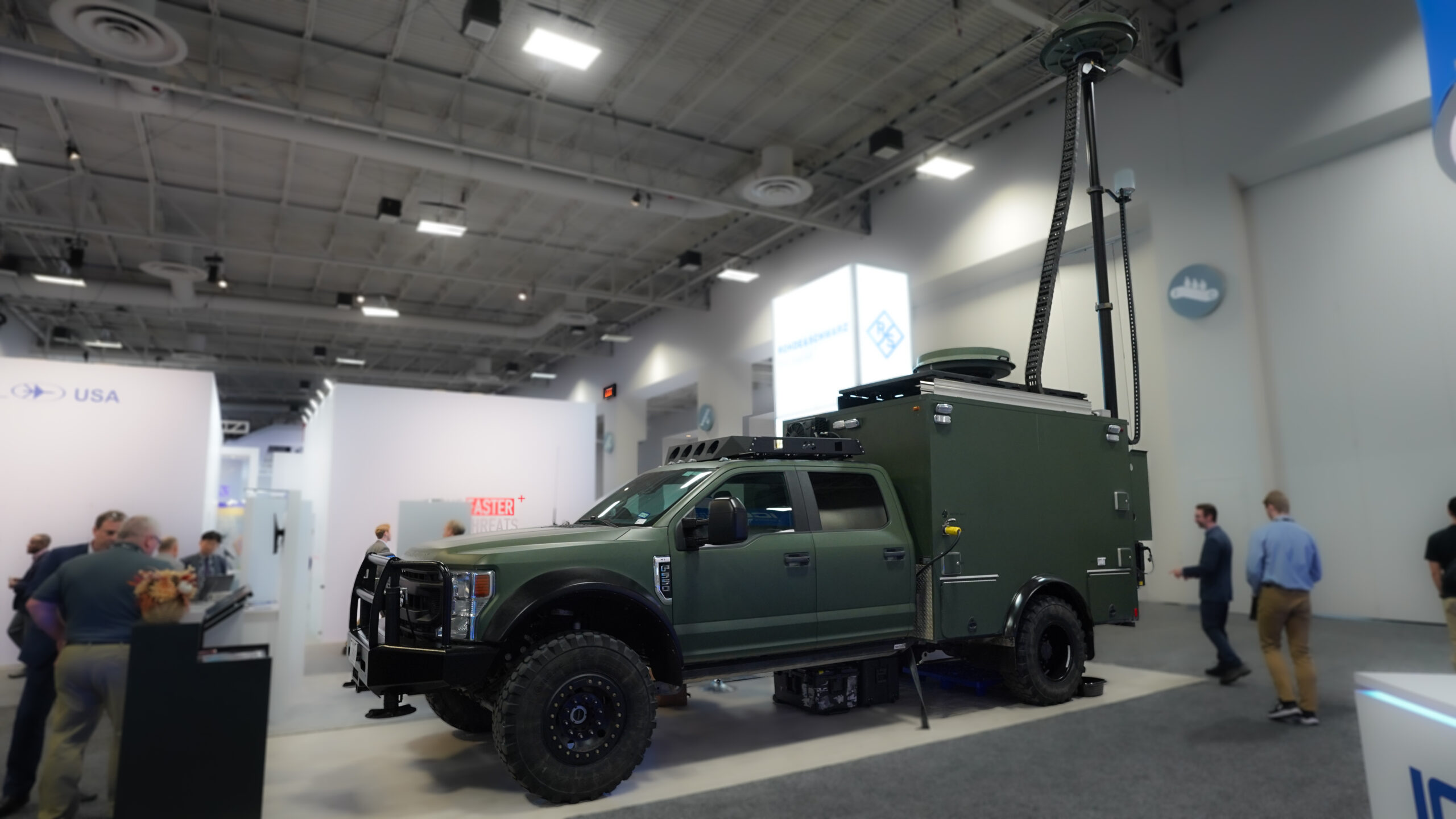
At AUSA 2024, Rohde & Schwarz displays a mobile signals system known as SigBadger. (Brendon Smith / Breaking Defense)