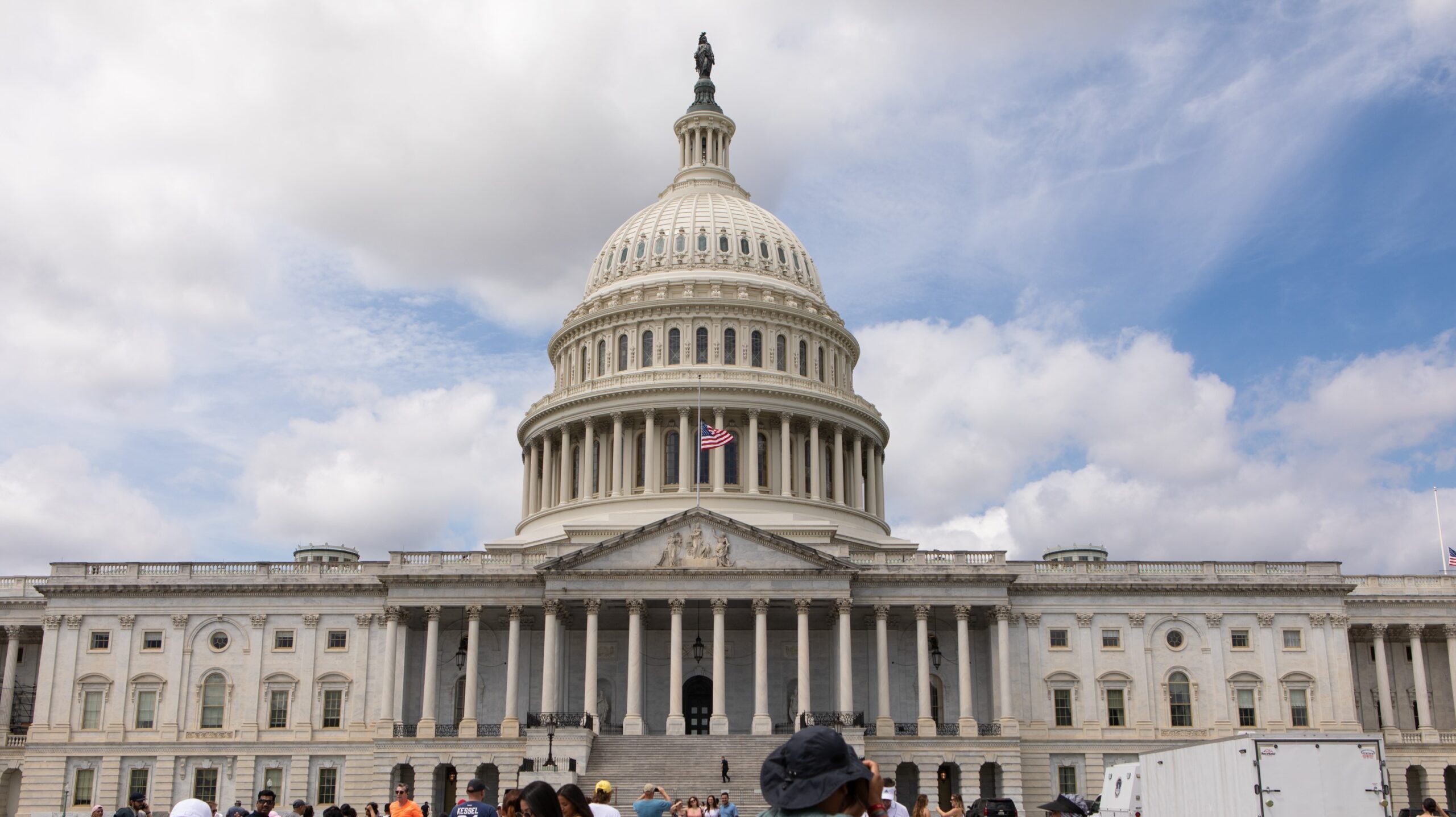
Key House committee passes divisive $886 billion national security spending bill
One Republican-backed amendment funds a special inspector general for Ukraine spending, while a Democrat-backed add-on targets "excessive contractor payments."
One Republican-backed amendment funds a special inspector general for Ukraine spending, while a Democrat-backed add-on targets "excessive contractor payments."

With a GOP-controlled House and a Democrat-controlled Senate, nothing in the bill is final until the last minute conference negotiations are completed, but here are the key issues to watch.

When the House Appropriations Committee marks up the FY24 defense spending bill this week, social issues and a roadblock for multi-year munition deals appear to be on the table.

While the Navy secretary insists he will meet the requirements under the law, Sen. Dan Sullivan says he's prepping legislation to force the Navy's hand.

In an interview with Breaking Defense, chairman of the House Armed Services Tactical Air and Land Forces subcommittee Rep. Rob Wittman explains the committee’s thinking behind keeping AETP going, as well as the reason for slashing funds from NGAD.

The DoD topline is a 3.6% increase over last year and roughly $285 million more than the White House sought.

Despite confidence from the Air Force secretary that Congress would greenlight the F-22 divestments, lawmakers are once again inclined to keep the fighters around.
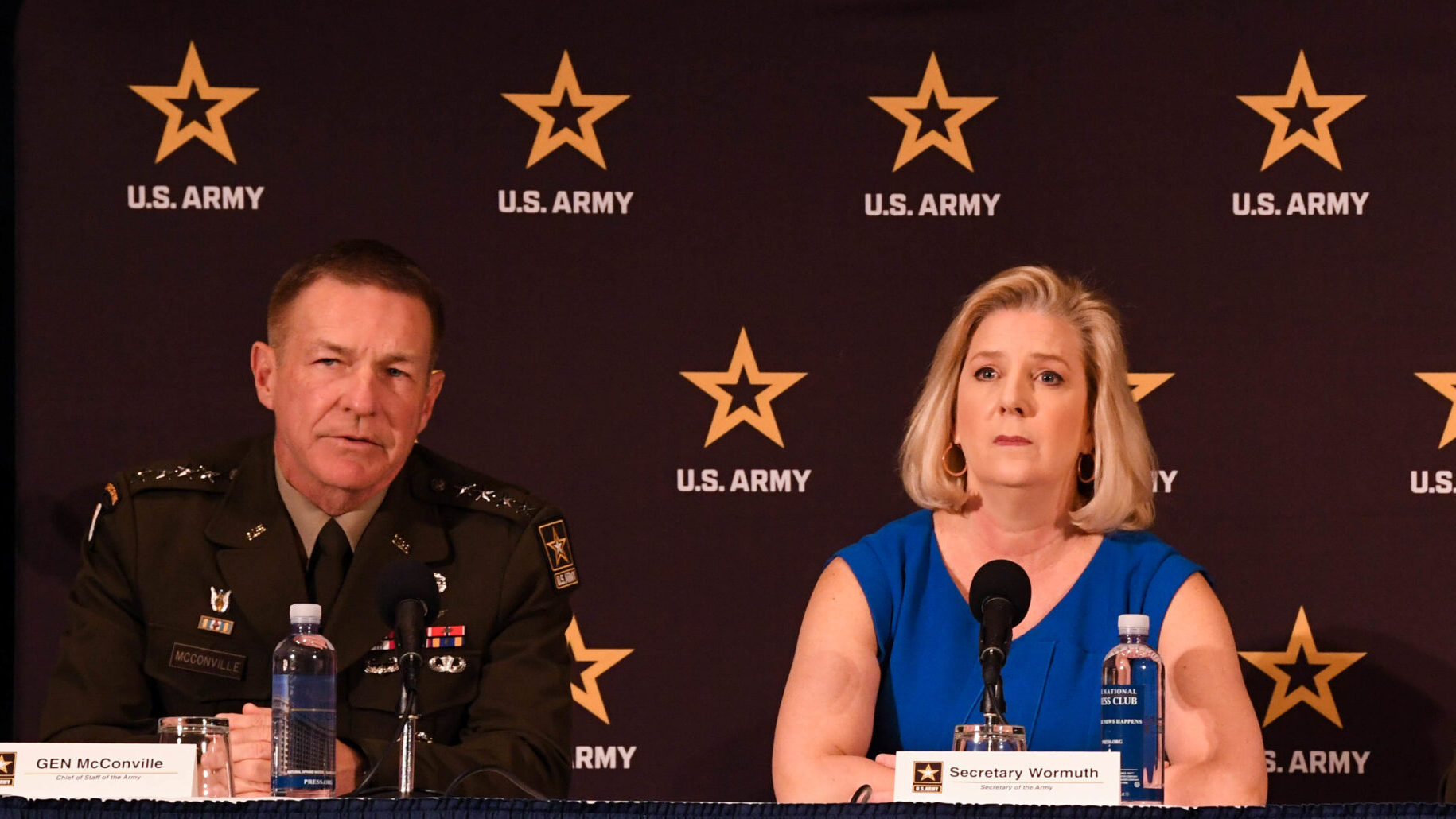
A savvy DC veteran, Sec. Christine Wormuth didn’t outright call for Congress to go above the budget caps, but, she said, “given that we want to make sure that we are not only able to support Ukraine but that we also replenish our own stocks … a supplemental, I think, would be very helpful.”

The letter says the Navy's current shipbuilding plan violates statutes and demands an "updated" plan by next week.

In addition to Heidi Shyu's expanded role, lawmakers have tasked the undersecretary of research and engineering to develop a strategy on how the Pentagon can leverage intellectual property to "enhance" its ability to procure emerging technologies and outpace adversaries.

“We did the AETP line to keep that technology going as we head into sixth-generation aircraft that the Air Force and Navy are hoping to field in the 2030s,” a senior congressional aide said of the decision to seek continued funding for AETP.

Lawmakers' add has been expected based on the bipartisan chorus of support for a bigger amphib fleet, but it remains a big win for the Marine Corps.

The draft National Space Authorization Act would also push Space Force on integrating commercial data and on over-classification of space programs.

The subcommittee's mark would enable the Air Force to continue retirements of the A-10, would impose some limits on development of next-gen fighters and drones and would further ask the Army for reports on major programs.