
How the US Army is building its networks and cyber capabilities
In our latest eBook you'll find the updates from the US Army on two pilot programs and DISA focusing on a key priority.
In our latest eBook you'll find the updates from the US Army on two pilot programs and DISA focusing on a key priority.
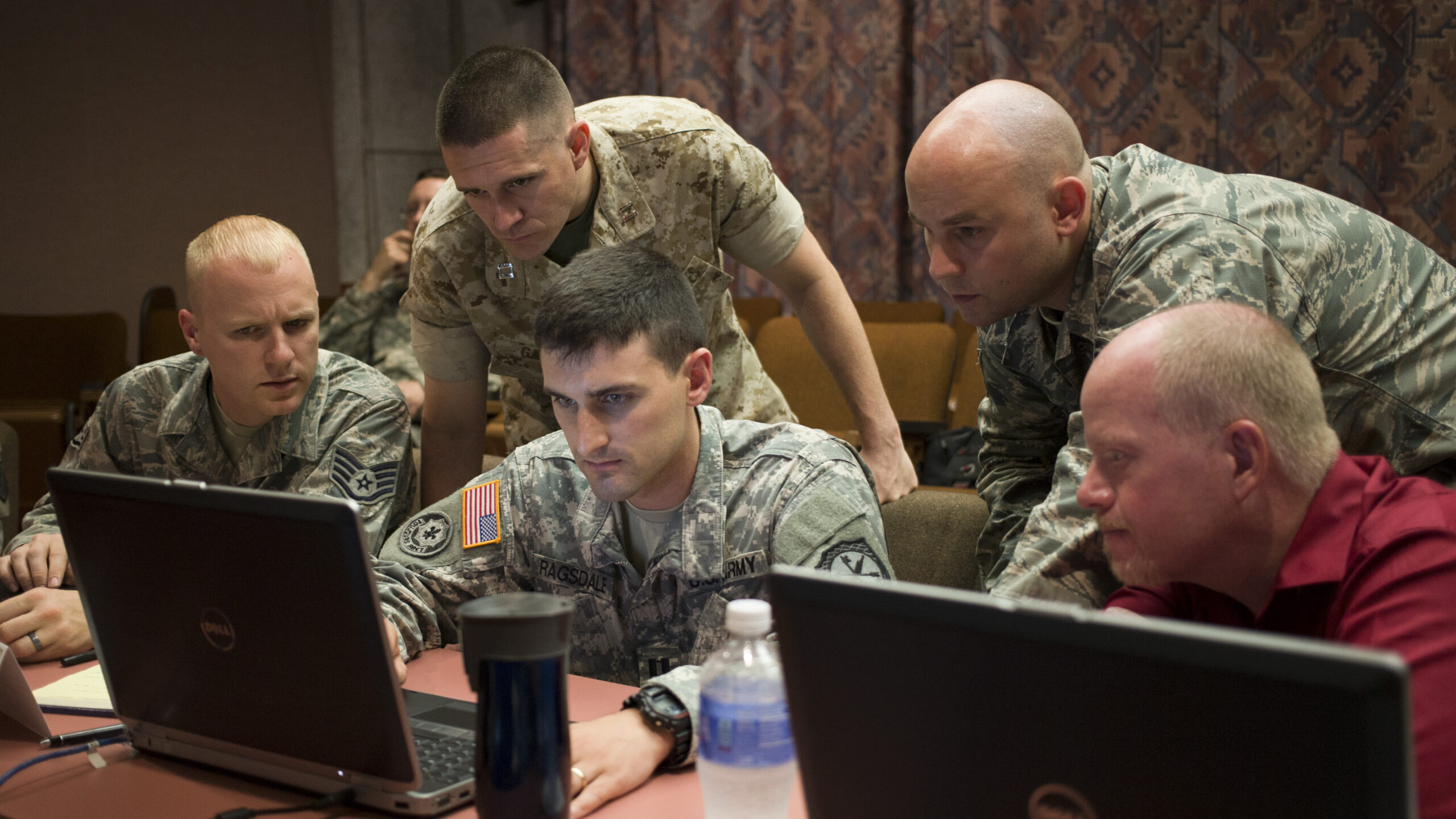
"You'd be amazed at things that have to come to my level to get approved or to get through where I think that should have been done three or four levels lower," said Mark Gorak, principal director for resources and analysis for the DoD Chief Information Officer.
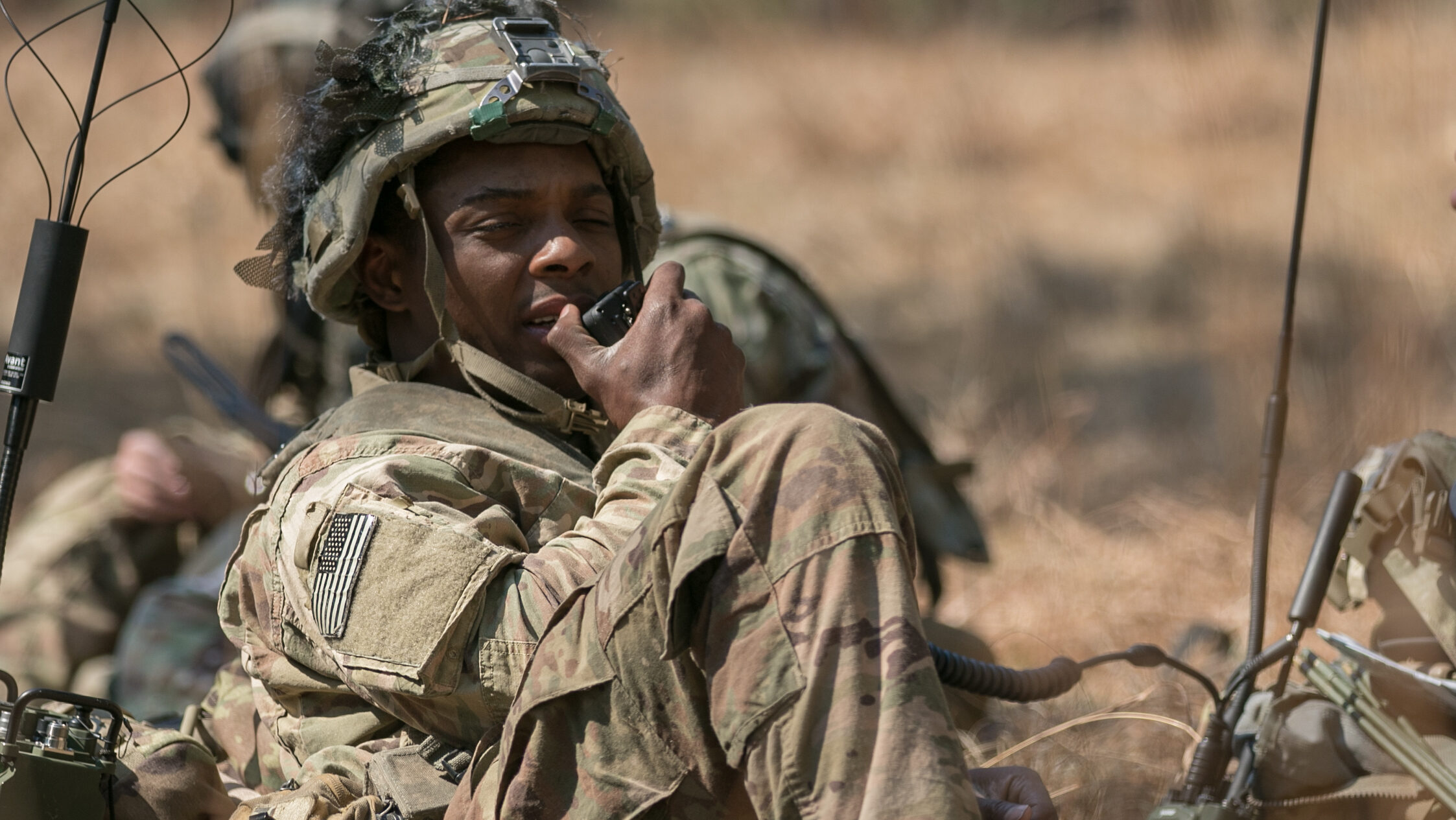
The service announced the pilot in May after lessons learned from Russia’s invasion of Ukraine told the Army that the status of electronic warfare is rapidly changing.
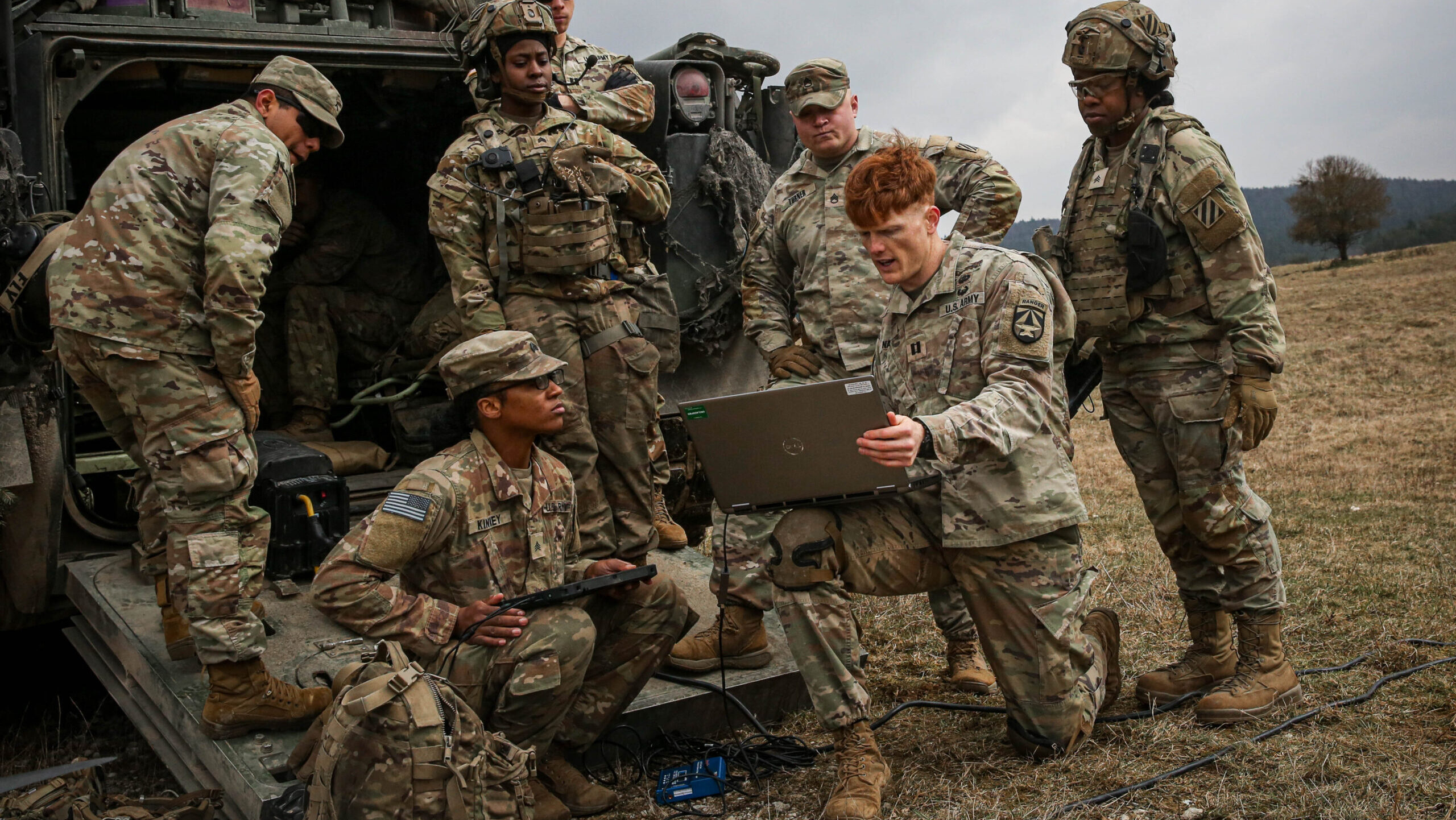
“Many of the right things were said publicly,” Warren Katz, chairman of the Alliance for Commercial Technology in Government, told Breaking Defense. “However, those sentiments do not seem to have translated into the RFI and directive documents.”
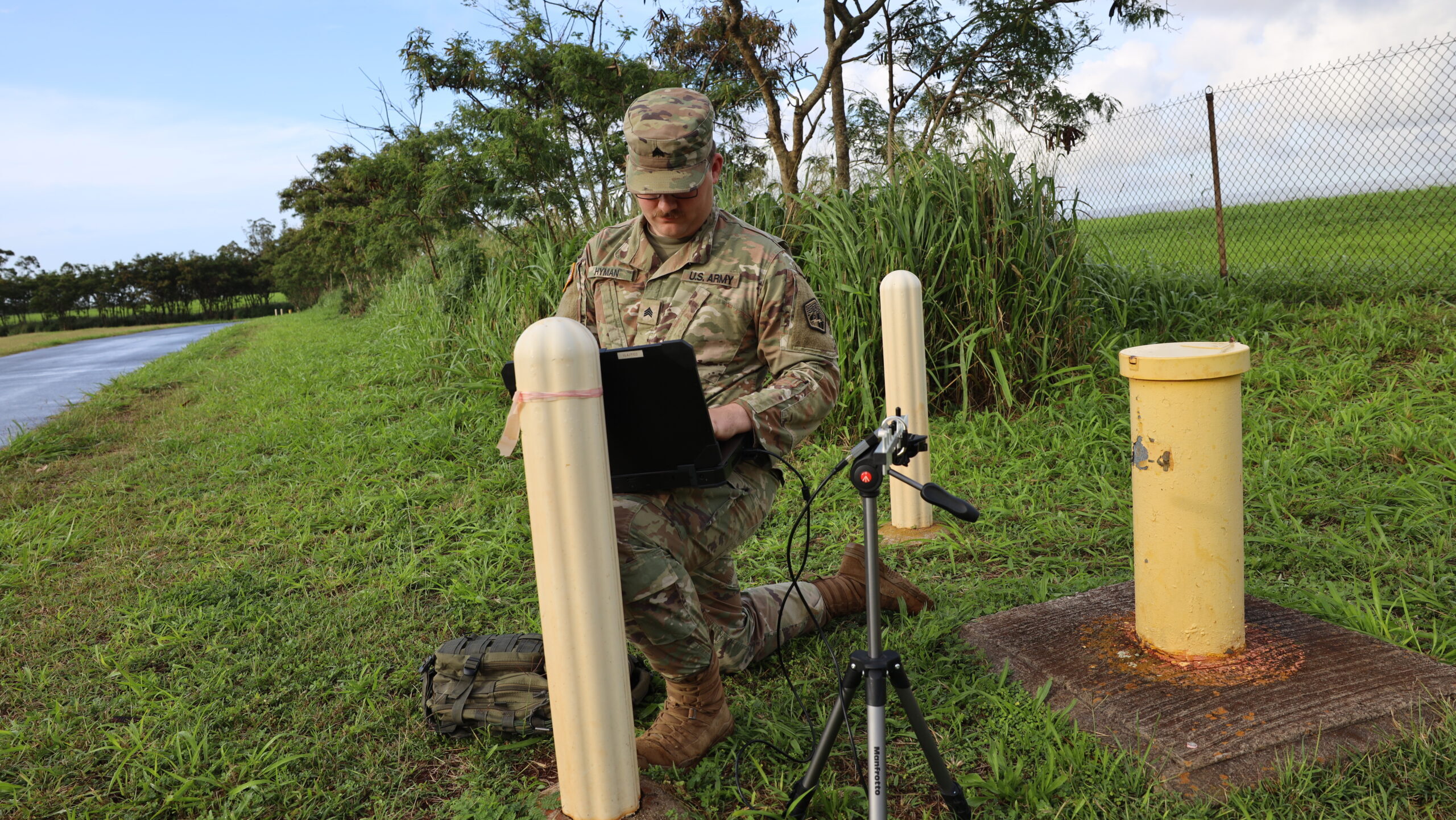
The urgency to stand up the TIADS comes from an increase in peer adversaries like China as they attempt to disrupt the US' critical infrastructure and other vulnerable realms, Commander of the Army Cyber Command Gen. Maria Barrett said.

“In cooperation with the local authorities, the affected areas have undergone tests for the presence of hazardous material, and those authorities have stated that it is safe to proceed with this conference,” AFCEA President Susan Lawrence told the audience here.

The service previously announced another initiative, dubbed #DefendAI, all of which are shaping its year-long dive into the cutting-edge tech.

“I think we're still struggling with what are the upfront investments the Army needs to make, and then what's the return on investment for you in industry,” Mark Kitz, PEO C3T said.

DISA chief Lt. Gen. Robert Skinner said the agency hopes to bring "nearly 100,000" users to DODNET within months of a planned fall push.

Gen. John Morrison told AFCEA Technet he recommends a division-level signals battalion.