




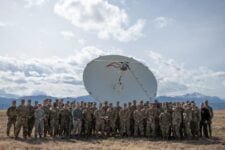









One space expert, with no skin in the NSSL game, opined that for the most part Blue Origin’s protest is “simply whining,” and characterized SpaceX’s lawsuit as “sour grapes.”
By Theresa HitchensFuture inevitability of quantum computers is a security problem today
‘Store Now, Decrypt Later’ attacks must be thwarted now with Zero Trust cybersecurity.


CLARIFIED: Adds SMC Comment On Launch Providers WASHINGTON: Last night the Air Force released the final Request For Proposals for five launch contracts for NRO and Air Force Space Command. The most intriguing payload is a code-word program, shared by the NRO and Air Force Space Command, known as SILENTBARKER, which has been described as…
By Colin Clark

CORRECTED: Raytheon Builds VIIRS WASHINGTON: The Trump Administration’s new Space Council should tackle the thorny interagency problem of how much the Air Force will do to provide weather data to the US government, says the chairman of the House subcommittee that deals with space policy. More than…
By Colin Clark

You may want to read the headline a few times just to make sure you’re not missing the point. Paul Allen, co-founder of Microsoft and another one of those billionaires who’ve gotten very excited about the space launch business, wants to fly a really huge plane — built of composites, powered by six 747 engines,…
By Colin Clark

WASHINGTON: A top candidate for the Pentagon’s No. 2 position is Mike Wynne, the former Air Force Secretary who has been an advisor to Donald Trump for some time. We only have one source on this and can’t identify the source in any way, so put this one in the good rumor basket. Wynne was…
By Colin Clark

Although the world is awfully excited about Elon Musk’s announcement this week that he’ll be selling tickets to Mars, there are other pressing issues facing SpaceX, such as the cause of the Sept. 1 explosion that destroyed a Falcon 9 rocket and much of its launch pad. The day that SpaceX’s Falcon 9 exploded on the…
By Colin Clark
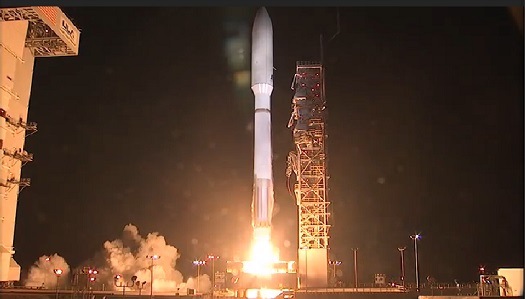
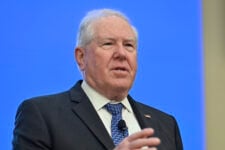
WASHINGTON: It’s not officially official, but the head of Pentagon acquisition, Frank Kendall, says the Treasury Department has not found any reason for sanctions to be applied against the United Launch Alliance. “The preliminary indications from Treasury (Department) are that they do not apply,” Kendall told reporters after a lunch address to the Washington Space…
By Colin Clark
ROC-X – The solution to organic precision strike capabilities
At AUSA Global Force 2024, IAI will present integrated, AI-driven combat systems – both manned and unmanned – that are opening new opportunities on the battlefield.

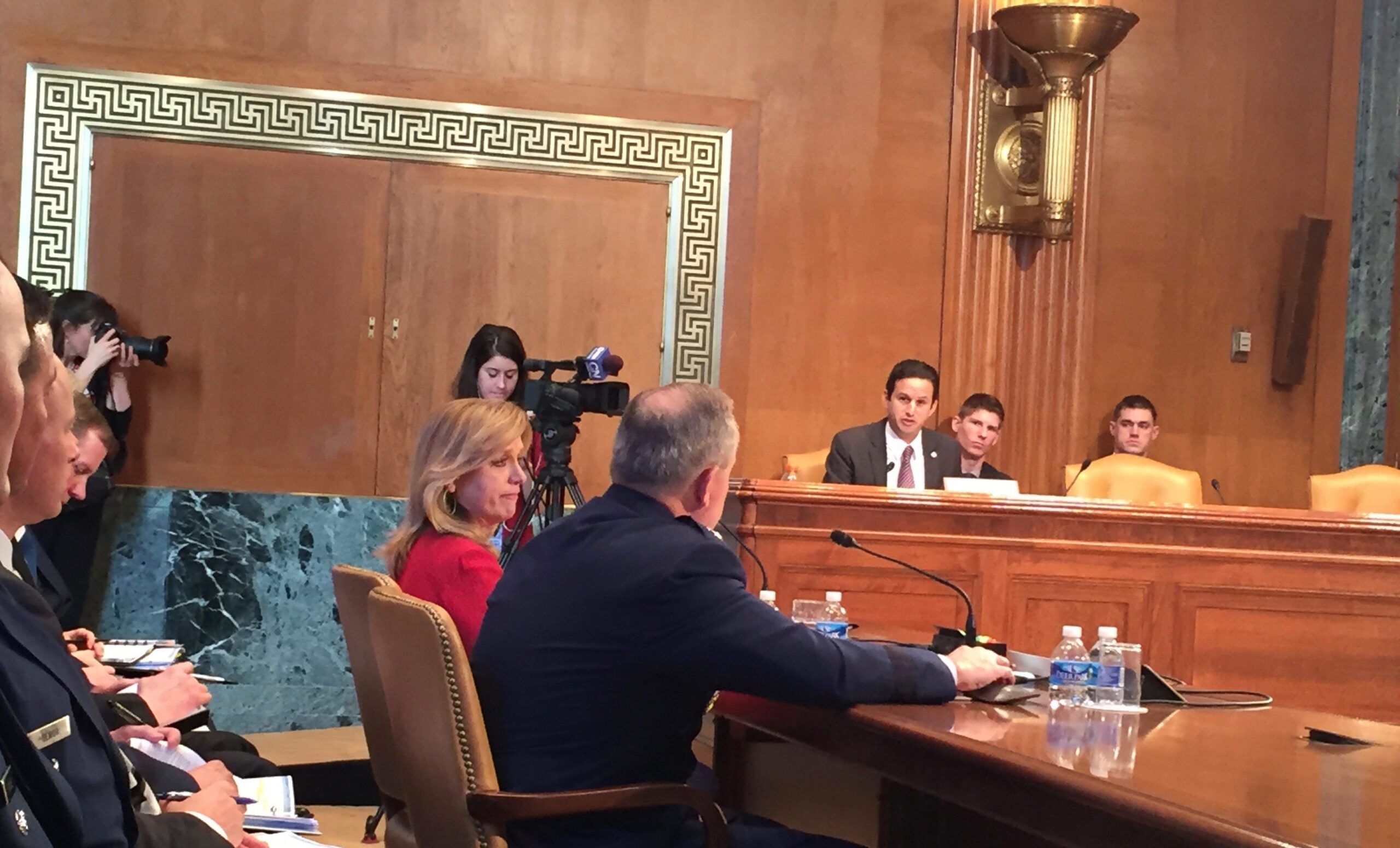
CAPITOL HILL: The war ground on today between San. John McCain, chairman of the Senate Armed Services Committee, and his colleague Sen. Richard Shelby on the Senate Appropriations defense subcommittee. Shelby, knowing he had a policy friend in Air Force Secretary Deborah Lee James, asked her about the Russian-made RD-180 rocket engine essential to US satellite launches…
By Colin Clark

WASHINGTON: John McCain, chairman of the Senate Armed Services Committee, believes fervently in the importance of the authorizing committees, those bodies charged with making congressional policy and placing restrictions on weapons program spending. Today, McCain lost a battle against the appropriators, that small group of powerful legislative leaders who decide how much money the executive branch…
By Colin Clark

AFA CONFERENCE: One of the rules that goes with a Continuing Resolution is that no new weapon programs can be started — unless Congress comes up with money and provides a waiver. And it looks as if Congress is likely to adopt a CR at the end of the month unless we all get very lucky.…
By Colin Clark

WASHINGTON: The Pentagon’s push to open the EELV to greater competition may be counterproductive to the best management of the program. The Government Accountability Office says this approach “could limit program oversight and scheduling flexibility” for the Evolved Expendable Launch Vehicle. Why? It’s simple really: “The Air Force plans to develop an acquisition strategy for…
By Colin Clark

WASHINGTON: While few doubted it would happen, the news that Elon Musk’s scrappy, pushy and — yes — disruptive launch company SpaceX won certification from Space and Missile Systems Center carries enormous import for the international launch industry, for the Pentagon, the Air Force and the Intelligence Community. It’s not that Musk’s SpaceX is going…
By Colin Clark
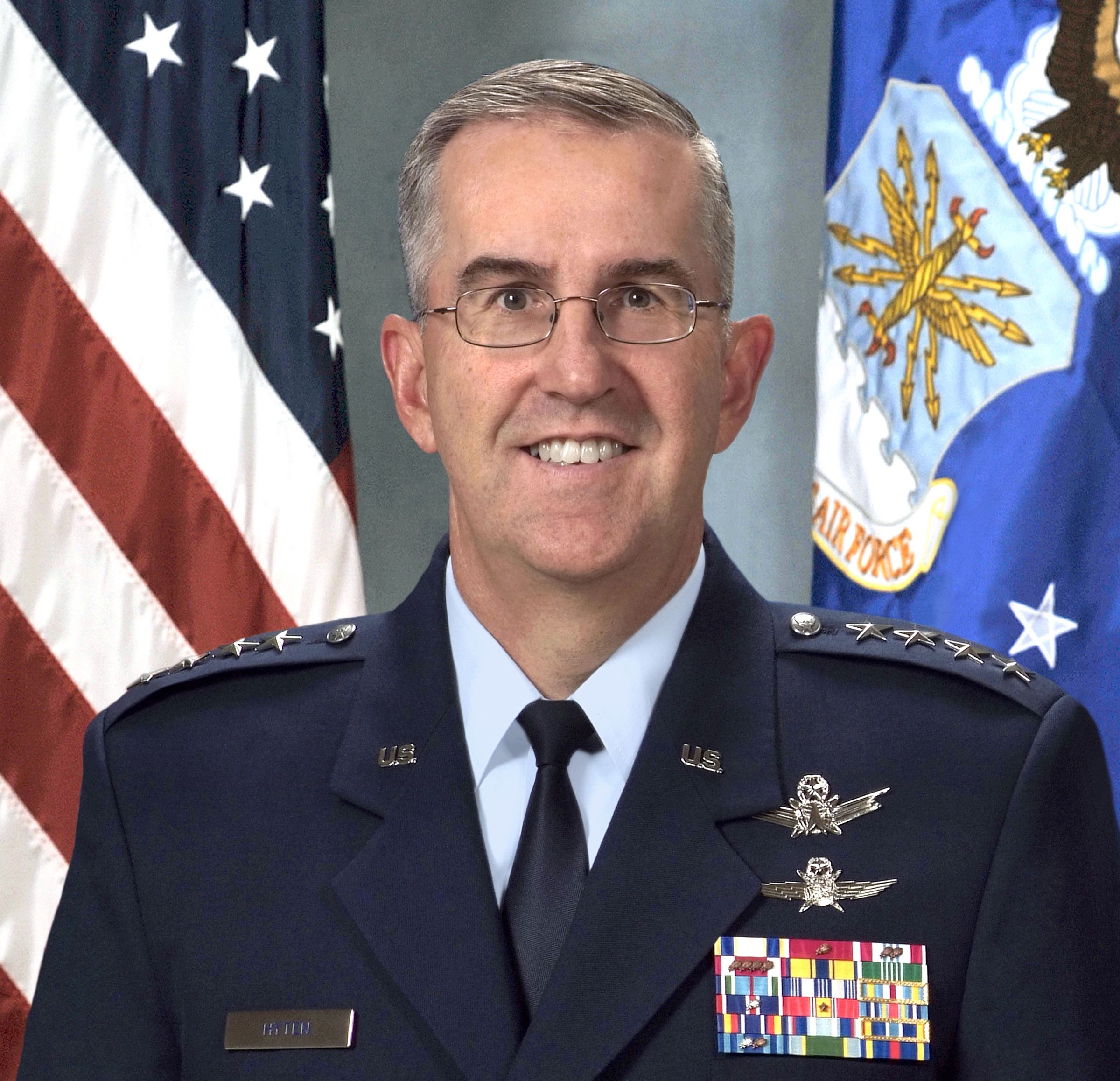
WASHINGTON: The US Army has the most disruptive space technology right now. So says the head of Air Force Space Command, Gen. John Hyten. Hyten was asked about the technology in the space domain at breakfast this morning by my colleague Mark Thompson of Time magazine. Now in the good old days, the head of Space…
By Colin Clark
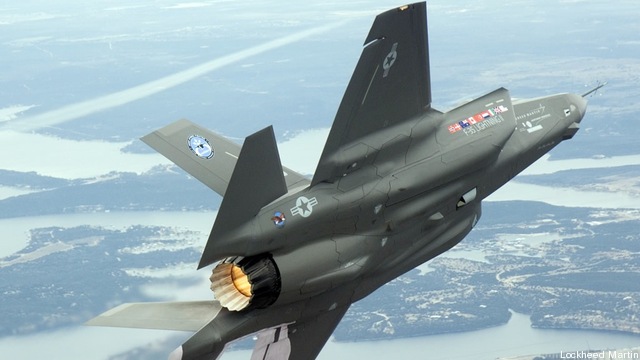
PENTAGON: For the third year in a row, Air Force weapon programs have busted their schedules, taking longer to field, this time adding another 112 months to the 29 major weapons programs that the service monitors. It’s a pattern. In 2012, schedule performance “continues to remain problematic and shows no signs of improvement.” In 2013,…
By Colin Clark