















Sensors could provide a solution, but before that the Navy must defend its unmanned ambitions before skeptical lawmakers.
By Justin KatzFuture inevitability of quantum computers is a security problem today
‘Store Now, Decrypt Later’ attacks must be thwarted now with Zero Trust cybersecurity.


The contract award to 381 Constructors is part of the Navy’s $21 billion effort to restore the four public shipyards.
By Justin Katz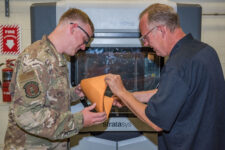
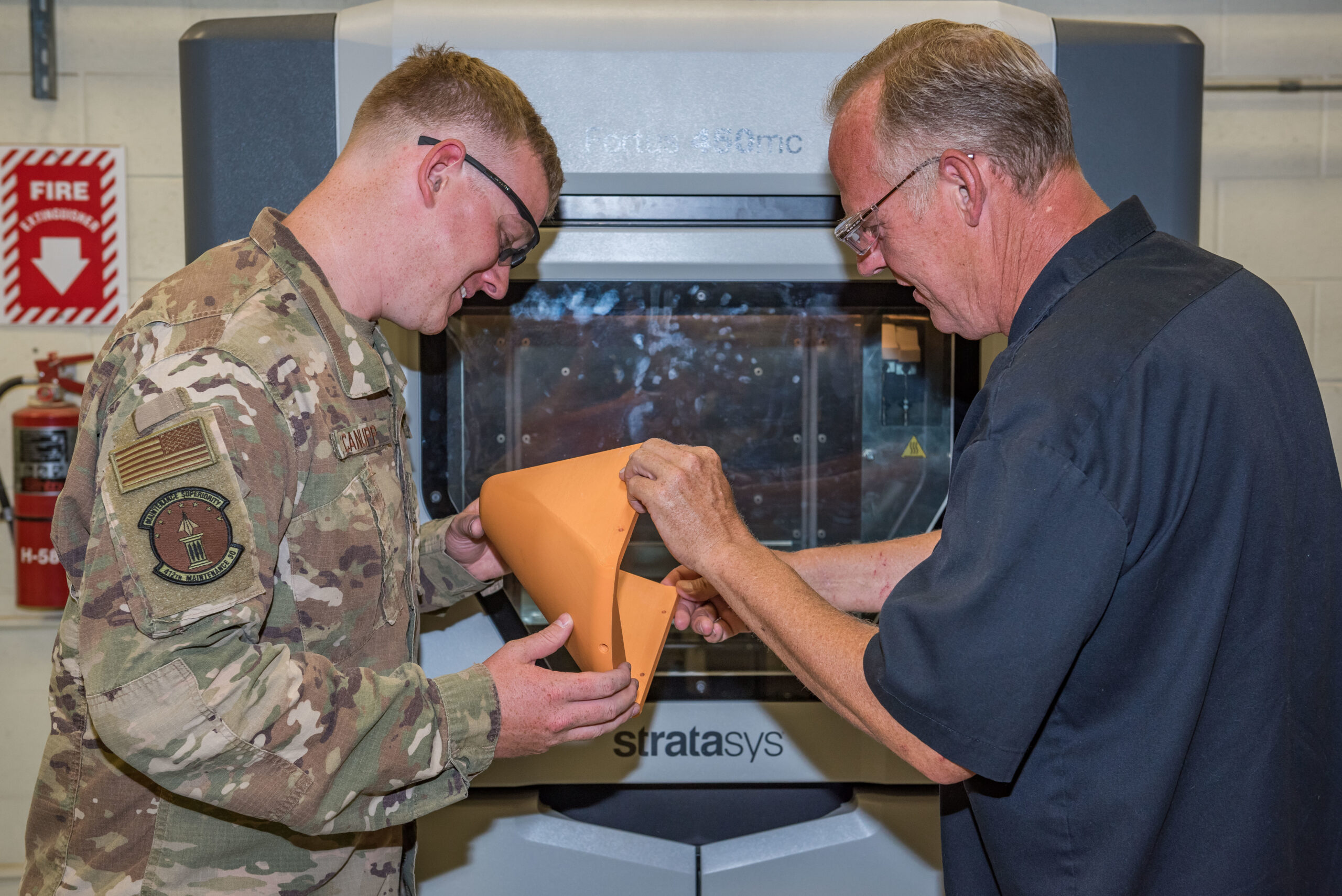
Gen. Arnold Bunch, head of Air Materiel Command, said that 64 teams are competing in the Advanced Manufacturing Olympics for a total of $1 million in prize winnings.
By Theresa Hitchens
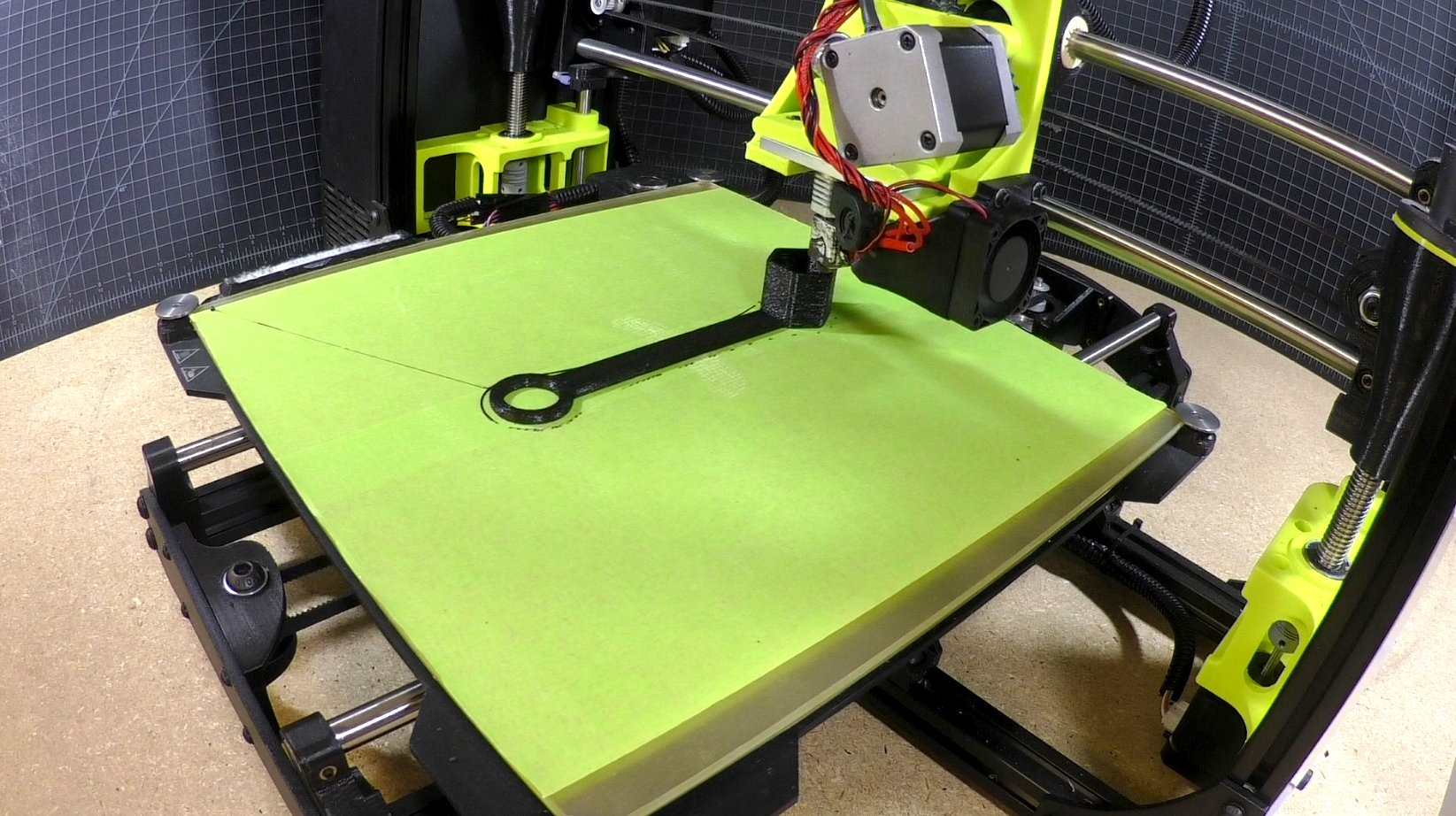
A new policy orders organizations across the Army to embrace advanced manufacturing to “fundamentally change” both modernization and readiness.
By Sydney J. Freedberg Jr.
Air Force LCMC is working to ensure that far-flung depots eventually can print their own parts — with a recent first being Travis AFB’s using their brand, spanking new laser printer to print those toilet seat covers built of a new-fangled polymer from it’s own brand new printer.
By Theresa Hitchens
Acquisition chief Ellen Lord wants a radically new way of buying software, but appropriators have to approve.
By Sydney J. Freedberg Jr.
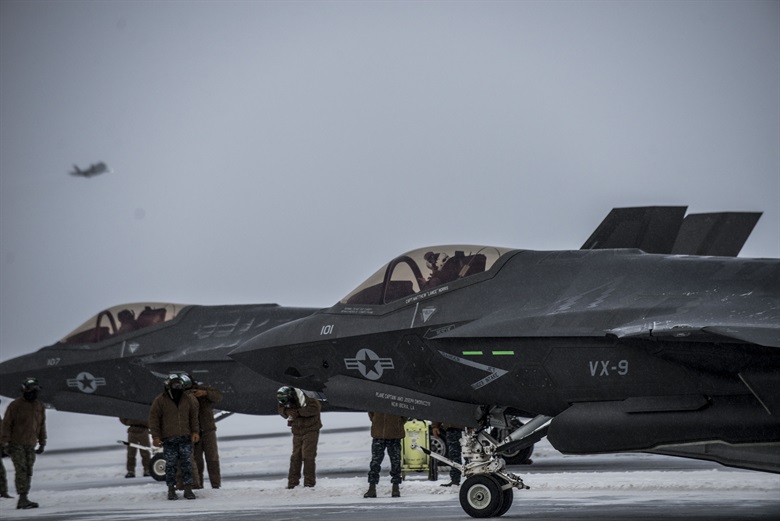
“F-35 aircraft performance is falling short of warfighter requirements—that is, aircraft cannot perform as many missions or fly as often as required. This lower-than-desired aircraft performance is due largely to F-35 spare parts shortages and difficulty in managing and moving parts around the world”
By Colin Clark
A major overhaul is coming in software for missile warning
Space Systems Command’s FORGE program is the first, major missile-warning software modernization effort in 20 years.
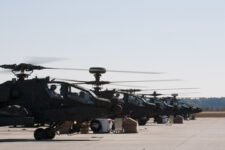

Quality control problems at Boeing are just part of wider supply shortfalls that could hamstring Army helicopters in a major war.
By Sydney J. Freedberg Jr.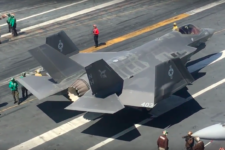
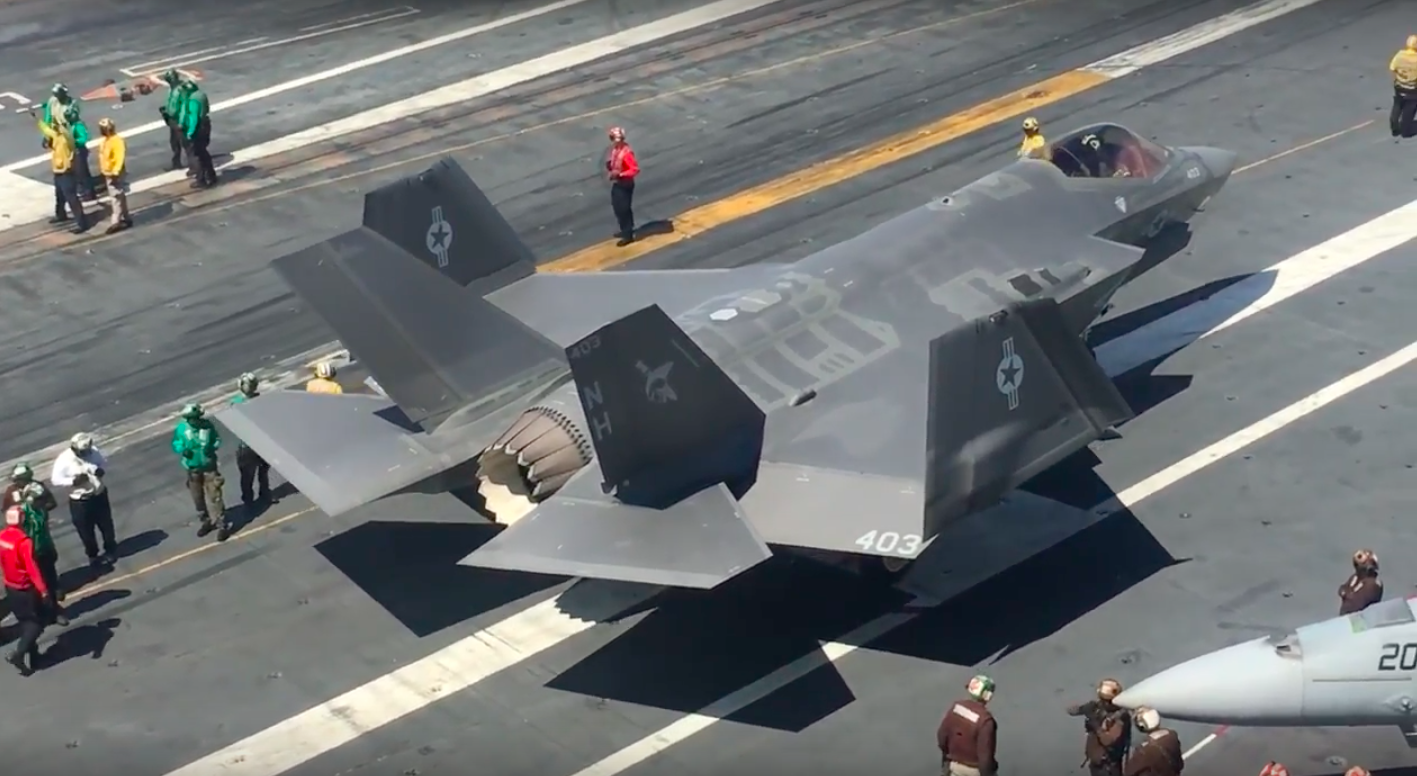
While the Air Force bet the farm on F-35, the Navy put its airpower eggs in multiple baskets, from legacy fighters to new drones.
By Sydney J. Freedberg Jr.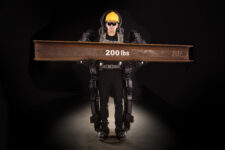
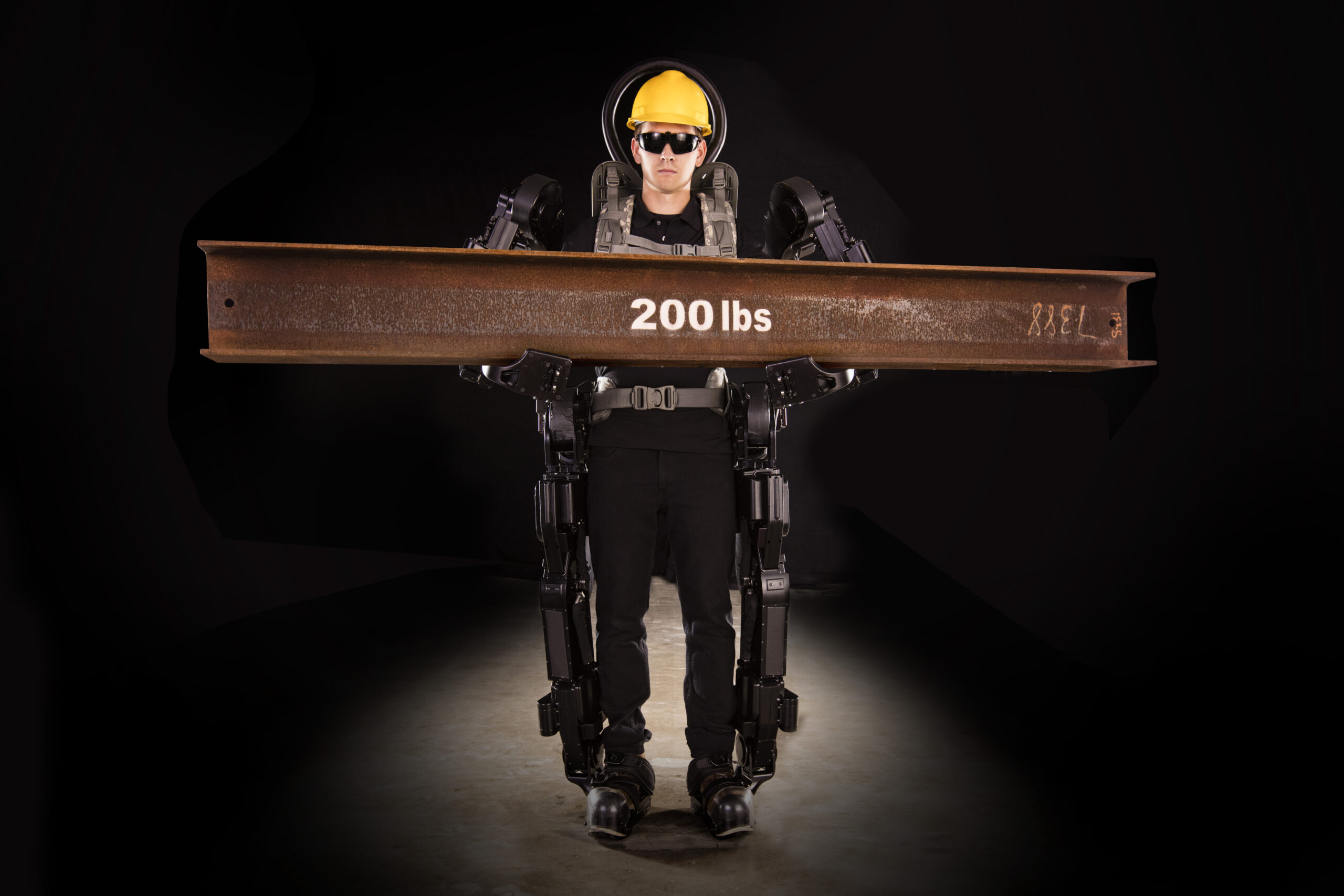
Sorry, you won’t be punching aliens in the face. But loading 200-pound missiles onto a helicopter by yourself? That’s plenty useful.
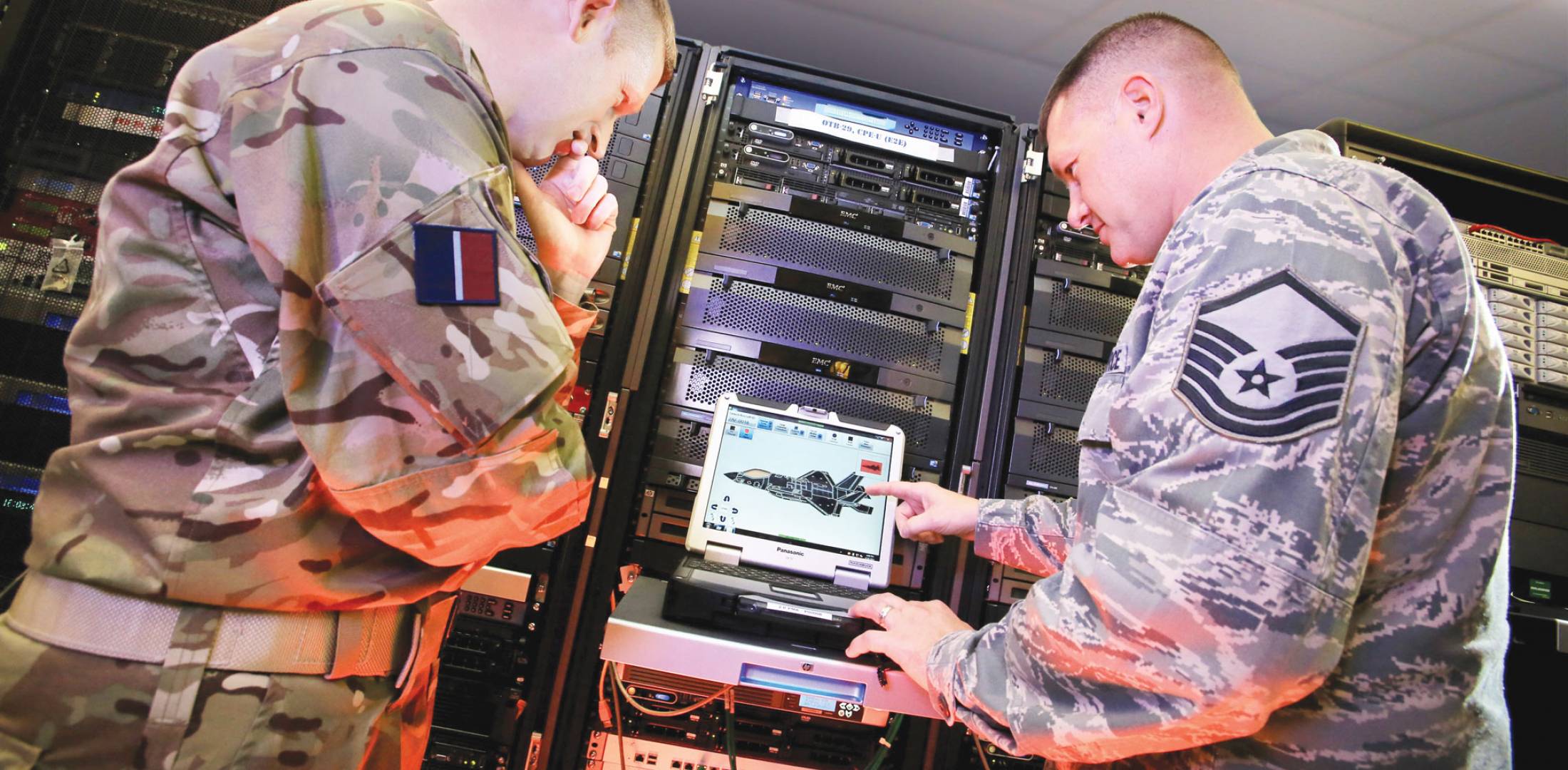
By Sydney J. Freedberg Jr. How bad is the F-35’s computerized maintenance system, ALIS? So bad the plane may be better off without it.
By Colin Clark
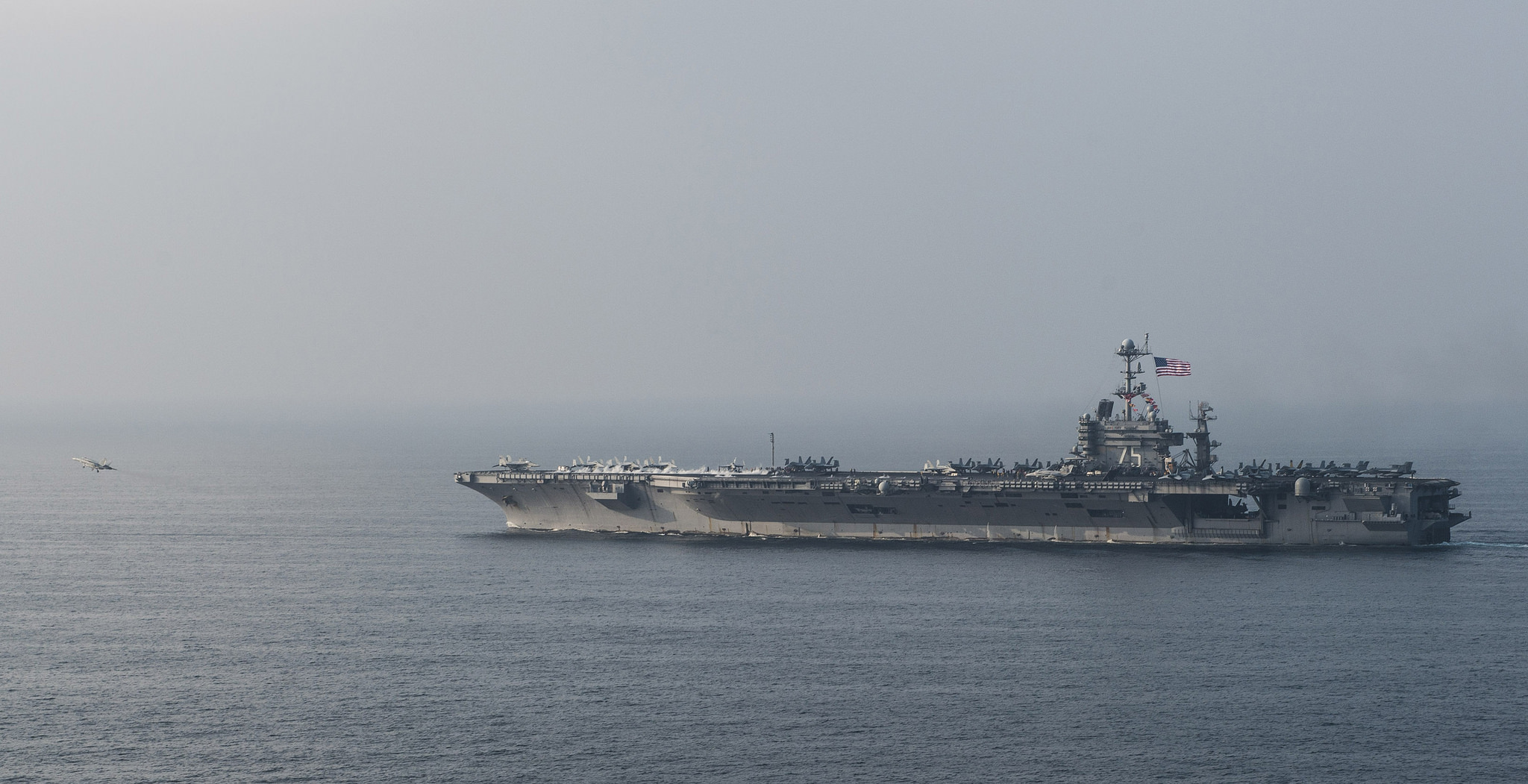
Two top congressmen joined Virginia’s Sen. Kaine in rejecting the Pentagon’s proposal to retire the USS Truman two decades early.
By Paul McLearyDon’t think about the Terminator or Iron Man: Think about Sigourney Weaver’s power loader lifting crates in Aliens.
By Sydney J. Freedberg Jr. ABOARD THE USS ABRAHAM LINCOLN: The Navy dragged its feet for years after committing to buy the F-35C for carrier operations. They worried it would be too expensive to maintain. They worried the tailhook problems would persist. They worried it was too heavy. Let’s face it: the Navy leadership was just worried. After all, they…
By Colin Clark