WASHINGTON — The cost of developing hypersonic weapons combined with the relatively small industrial base means it isn’t viable for the Navy to go it alone on developing the much-sought-after capabilities, a senior officer argued Tuesday.
Vice Adm. Johnny Wolfe, director of the service’s strategic systems program office, told attendees here at the Naval Submarine League one of the lessons learned from the Navy’s Conventional Prompt Strike program, a hypersonic weapon being developed jointly with the Army, is that such high-end weapons are too costly for one service to take the full brunt of the price.
“We are really leaning in on how we think about getting this weapon system ready,” Wolfe said. “And we’re doing it with the Army as well because the other thing we’ve learned is on these high-end systems, it is no longer affordable for a single service to do that.”
As one of the most senior Navy officers directly overseeing CPS, Wolfe has one of the most in-depth views of the hypersonic weapons industrial base. While speaking to reporters on the sidelines of the symposium, he also argued the size of the industrial base means the services would likely trip each other up attempting to purchase components from the same vendors.
“We’re kind of, in hypersonics, building this industrial base up from the ground,” he said. “And if we all had individual programs, we’d probably be going to the same folks. We’d be… pushing on each other to get to the right capacity.”
CPS is expected to be deployed off the Navy’s Zumwalt-class destroyers as well as the Virginia-class submarines later this decade.
Although Wolfe was solely discussing the Navy and Army’s joint program, the Air Force is also moving forward with its Hypersonic Attack Cruise Missile, which is being developed in concert with the Australian military through the SCIFiRE agreement. The service’s other hypersonic weapon, nicknamed ARRW, had a successful launch in May.
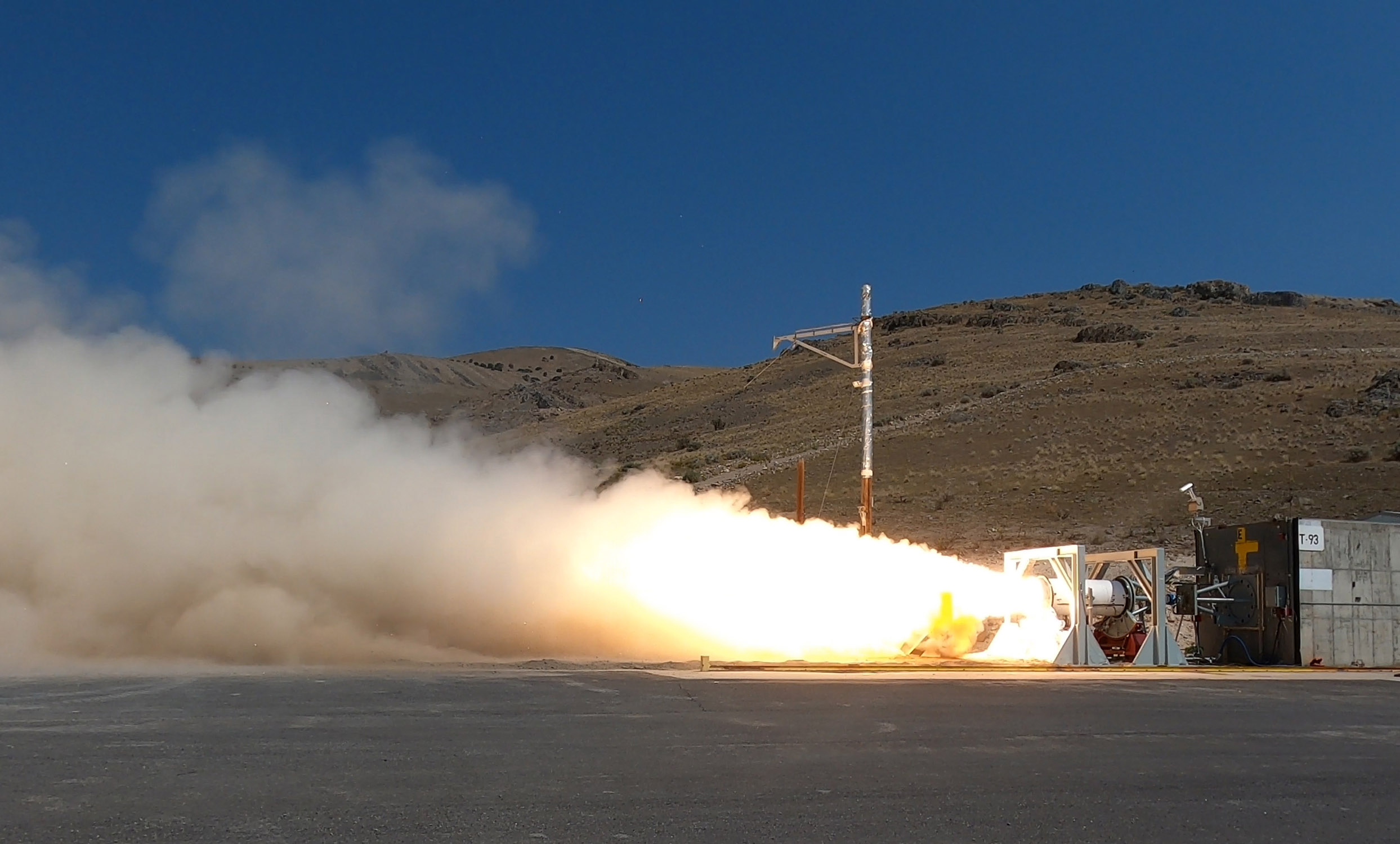
During his remarks on Tuesday Wolfe also discussed a June event dubbed Joint Flight Campaign-1 which focused on testing the new rocket motor booster stack integrated onto the hypersonic missile’s already proven glide body. Although the rocket motor booster stack functioned as intended, the weapon failed to reach the target due to an integration issue.
Wolfe contended that although the weapon didn’t reach the target, the service was able to identify the issue within two months and develop a necessary corrective action.
“We pushed the envelope. We said look, we’re going to try and go all the way. And we learned a lot, we got more data on that first flight than we would historically have done with probably the second or third point. We’re off and running,” Wolfe continued.
Breaking Defense Video