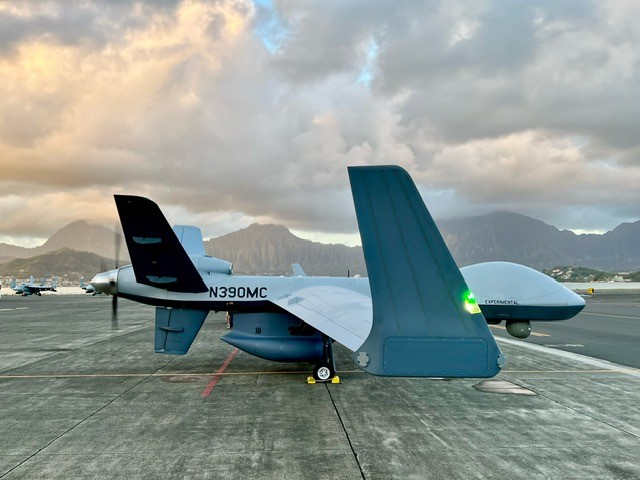
A nation can’t casually throw together a navy over the weekend or scrounge one together during a crisis. And a professional force can’t guesstimate about what’s going on in a critical waterway or where potentially hostile forces are operating.
National power depends on a navy that knows – knows those and other answers so it can decide and then, if necessary, act. That’s why intelligence, surveillance, and reconnaissance is among the first disciplines for these professional forces and why so much attention in naval circles today is devoted to Medium-Altitude, Long-Endurance (MALE) unmanned aircraft.
These systems weren’t initially built to serve at sea, but the traits that made them successful over land – unmatched endurance, rich intelligence collection, high flexibility – have unlocked a potent new maritime capability. Leading the way is the MQ-9B SeaGuardian® built by San Diego-based General Atomics Aeronautical Systems, Inc., which is transforming naval and maritime operations around the world.
SeaGuardian is the latest member of a family that descends from the iconic MQ-9A Reaper and MQ-1 Predator, so it takes advantage of decades of proven systems and operations. GA-ASI’s fleet has recorded more than 8 million flight hours, many of them in combat. It’s the most mature stable of such aircraft and supporting systems in the world.
At the same time, SeaGuardian is new and highly capable. With the ability to fly for more than 22 hours, in some configurations, and with longer wings and greater payload capacity than its forebears, the MQ-9B was designed to deliver years of service for some of the highest-demand government users around the world.
The aircraft can fly clean to maximize its mission endurance. Or it can accommodate a number of payloads, such as a maritime search radar, for wide area surface domain awareness, as well as custom communications and other sensing equipment.
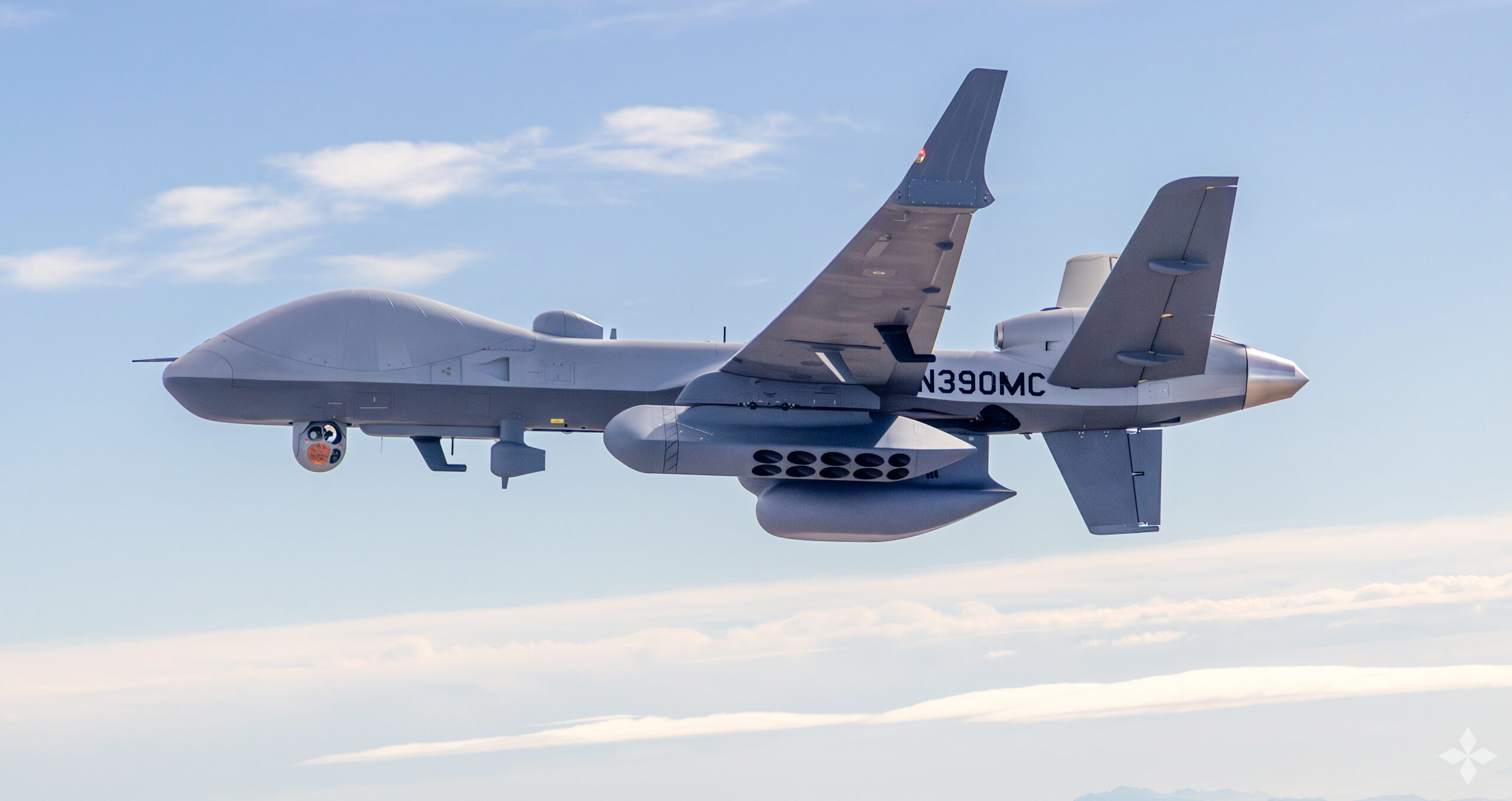
MQ-9B is also the only system of its kind that can hunt for submarines. The aircraft can release sonobuoys – sensors that drop into the ocean and search for submerged contacts via sonar – and monitor them far longer than any human-piloted aircraft.
SeaGuardian is also equipped with an integrated Detect and Avoid System, which enables the aircraft to fly alongside normal aviation traffic. Radar, pilot sensors, ADS-B, and other onboard systems enable air traffic authorities to treat MQ-9B no differently from any other aircraft – gone are the days of special restrictive airspace corridors or the need for escort aircraft. Operators simply can file and fly.
All this isn’t a notional or trial capability. MQ-9B’s sub-hunting credentials have been validated in major exercises with the United States Navy and international allies in the Pacific. Working with human-crewed aircraft, surface warships, and other units, SeaGuardian has shown how well it can integrate with a major naval task group to handle many critical missions.
MQ-9B has also logged tens of thousands of hours’ worth of highly varied operations elsewhere around the world. Not all of it can be revealed, but some examples that have been confirmed publicly by the operators give a sense about how much advanced maritime services already are relying on these new aircraft.
This spring, for example, Indian Navy special operations forces rescued 17 mariners and captured 35 pirates aboard a cargo vessel that had been hijacked weeks before off the coast of Somalia. The Indian Navy’s MQ-9B SeaGuardians, flown under a contractor-owned, contractor-operated agreement with GA-ASI, had kept tabs on the vessel and then played a critical part in monitoring the operation in which the special operations troops parachuted into action.
The mid-March rescue was only the latest example of how the MQ-9B has played a key role in enabling the Indian Navy’s growing position as the quick-reacting crisis response force for much of the Indian Ocean.
SeaGuardian’s unparalleled flight endurance means that it can stay with targets of interest for as long as necessary, which is vital considering the long distances involved in preserving 24/7 awareness over open ocean or important distant waterways. When called into action, MQ-9B’s high-quality onboard sensors ensure Indian Navy commanders can watch what’s transpiring on a vessel of interest – including when their own forces go into action – live, in full-motion video.
MQ-9B’s ability to stay with a target vessel or remain over important waters and observe what comes and goes helps it stand apart from other types of overhead technical surveillance. If operators have multiple aircraft working in shifts to relieve each other, they can watch areas of interest or stay with a target vessel for as long as they want. The live visual, signals, and other intelligence gathered by the aircraft also is much richer than that available from other downward-looking technical platforms at higher altitudes.
The increase in users of the MQ-9B has resulted in an increase in the diversity of missions it can accommodate, including applications for which the aircraft was not originally conceived. This spring, for example, the Japan Coast Guard issued a notice to mariners about the eruption of an undersea volcano.
The agency cautioned vessels against getting too close to the smoking seamount and showed video of the hazard captured by a patrolling MQ-9B. The advisory encapsulated everything that SeaGuardian makes possible and underscored that for as much as unmanned aircraft already have accomplished, their roles at sea are just getting started.
PHOTOS: Sea Air Space 2024

 Gallery