Land Warfare

Industry looking for what’s next after Army’s cancelation of next-gen Patriot interceptor

Lockheed Martin and Raytheon had been closing watching the Army's Lower-Tier Future Interceptor program, but the cancelation of that effort comes as little surprise, company officials said.

pac-3
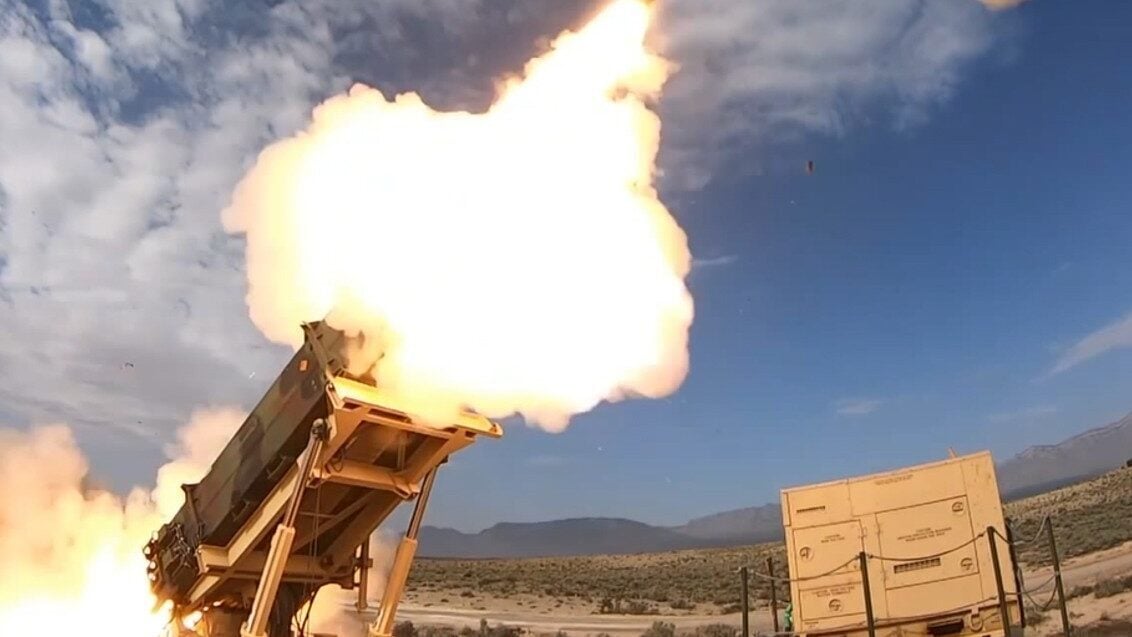
A Patriot Advanced Capability-3 (PAC-3) Cost Reduction Initiative (CRI) missile is launched during a successful Integrated Battle Command System (IBCS) flight test at White Sands Missile Range in 2021. (Darrell Ames/Army)

AUSA 2024 — The US Army this week announced it was cancelling plans to develop a next-generation interceptor for the Patriot air defense system, but executives from key air defense competitors largely shrugged off the news to Breaking Defense.

Maj. Gen. Frank Lozano, the Army’s program executive officer for missiles and space, on Monday announced the service’s intent to walk away from the effort, called the Lower-Tier Future Interceptor (LTFI). Instead of buying a new interceptor, which Lozano called “very expensive,” the Army will upgrade the PAC-3 Missile Segment Enhancement  currently made by Lockheed Martin, he told Defense News.

Lockheed had been preparing to compete for LTFI, and as of Tuesday afternoon, the Army had not yet informed the company of its specific path forward for future PAC-3 upgrades, said Tim Cahill, executive vice president of the company’s missiles and fire control business.

However, the decision didn’t catch Lockheed “flat footed,” as it typically invests in future capability enhancements on PAC-3 and has technology “waiting in the wings,” he added.

“There’s budget challenges, and so future programs are always going to face some level of uncertainty relative to whether they’re going to go forward or exactly how they’re going to go forward,” Cahill told Breaking Defense.

While the Army has not laid out which technology upgrades it could seek to transfer from LTFI to future PAC-3 production, Cahill said the company typically pursues improvements to solid rocket motors, seeker technology and lightweight materials — all of which can extend the range of the missile or improve its ability to detect targets.

Raytheon, the prime contractor for the overall Patriot system, had also been developing concepts for LTFI, but will lose little sleep over its cancellation, said Tom Laliberty, Raytheon’s president of Land & Air Defense Systems.

“To be honest it doesn’t really surprise me, only because funding has been — over the last several years — what I would call sort of conservative,” he said.

Laliberty said Raytheon and other vendors likely had plans to test upgrades to existing weapon systems that could provide a cheaper way to do the mission LTFI was designed for. For example, in a recent demonstration in partnership with Northrop Grumman, the companies integrated Raytheon’s Standard Missile 6 and Lower Tier Air and Missile Defense Sensor with Northrop’s Integrated Battle Command System.

“We basically showed how effective SM-6 could be for a large portion of that threat set, that mission that potentially LTFI was also going to be addressing. So I don’t know if that played into the decision, but my point is that there’s other things out there,” he said.

The Army’s senior leadership and program office made the decision to cancel LTFI after conducting a business case analysis of the effort, Lozano said in his interview with Defense News. He said the service would “continue to advance” PAC-3 “so that it can remain relevant against the evolving threats,” but did not provide further information on the Army’s path forward.

PHOTOS: AUSA 2024

PHOTOS: AUSA 2024

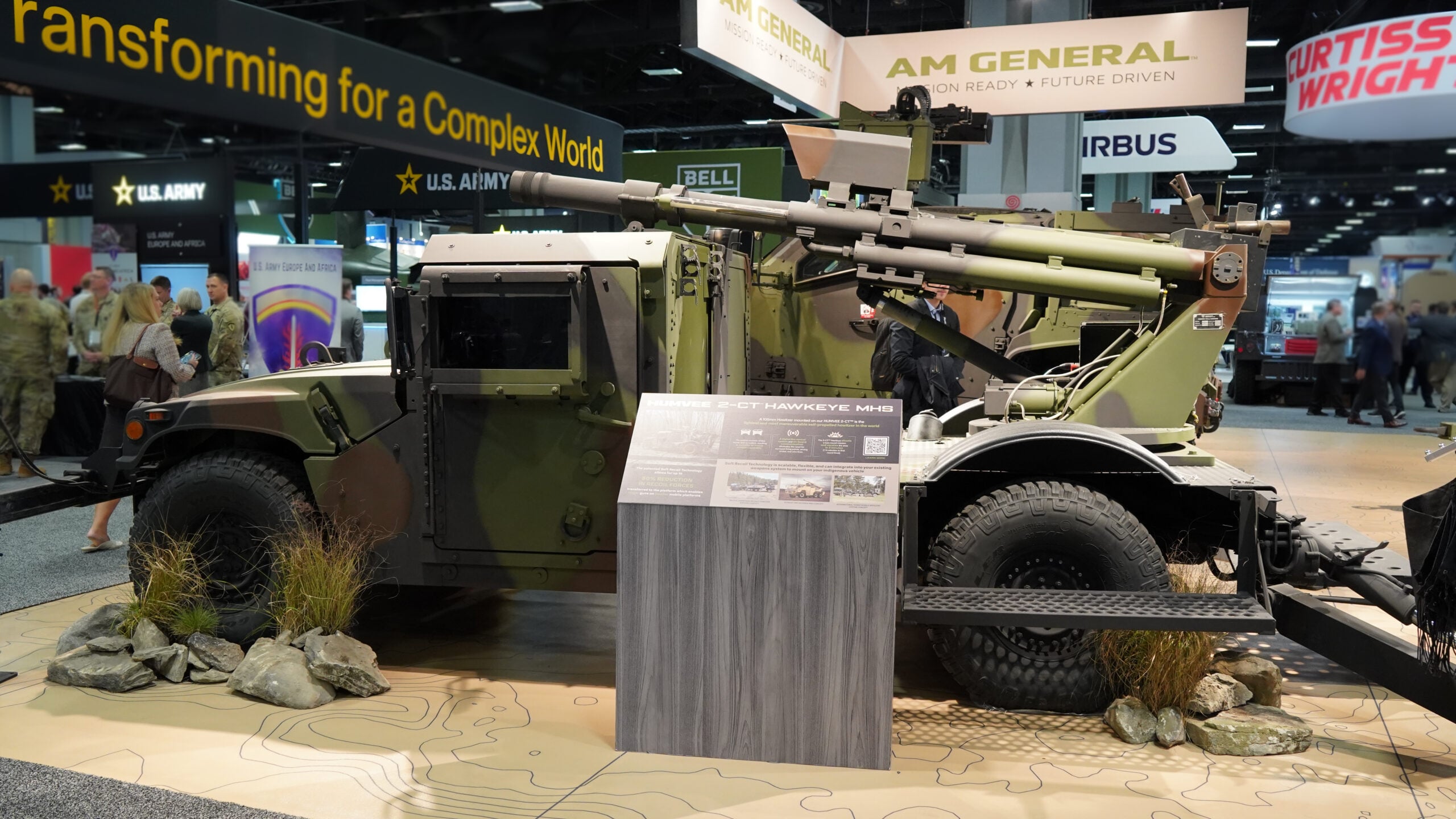
At AUSA 2024, land vehicle giant AM General rolled its HUMVEE 2-CT Hawkeye MHS, featuring a howitzer launcher on a hummer. (Brendon Smith / Breaking Defense)
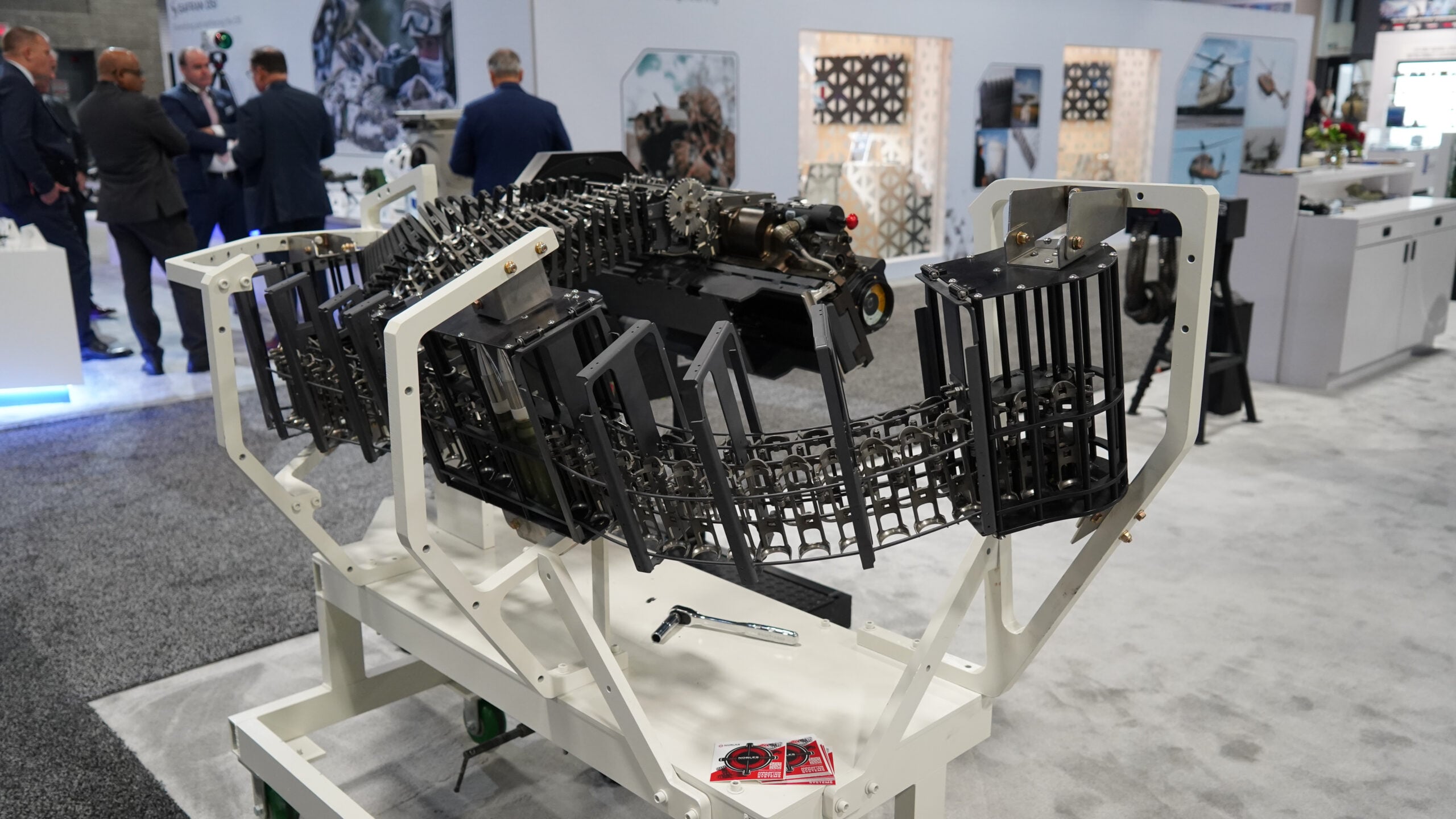
Ammo handling specialists Nobles Worldwide brought its closed loop, linkless ammunition handling system to AUSA 2024. (Brendon Smith / Breaking Defense)
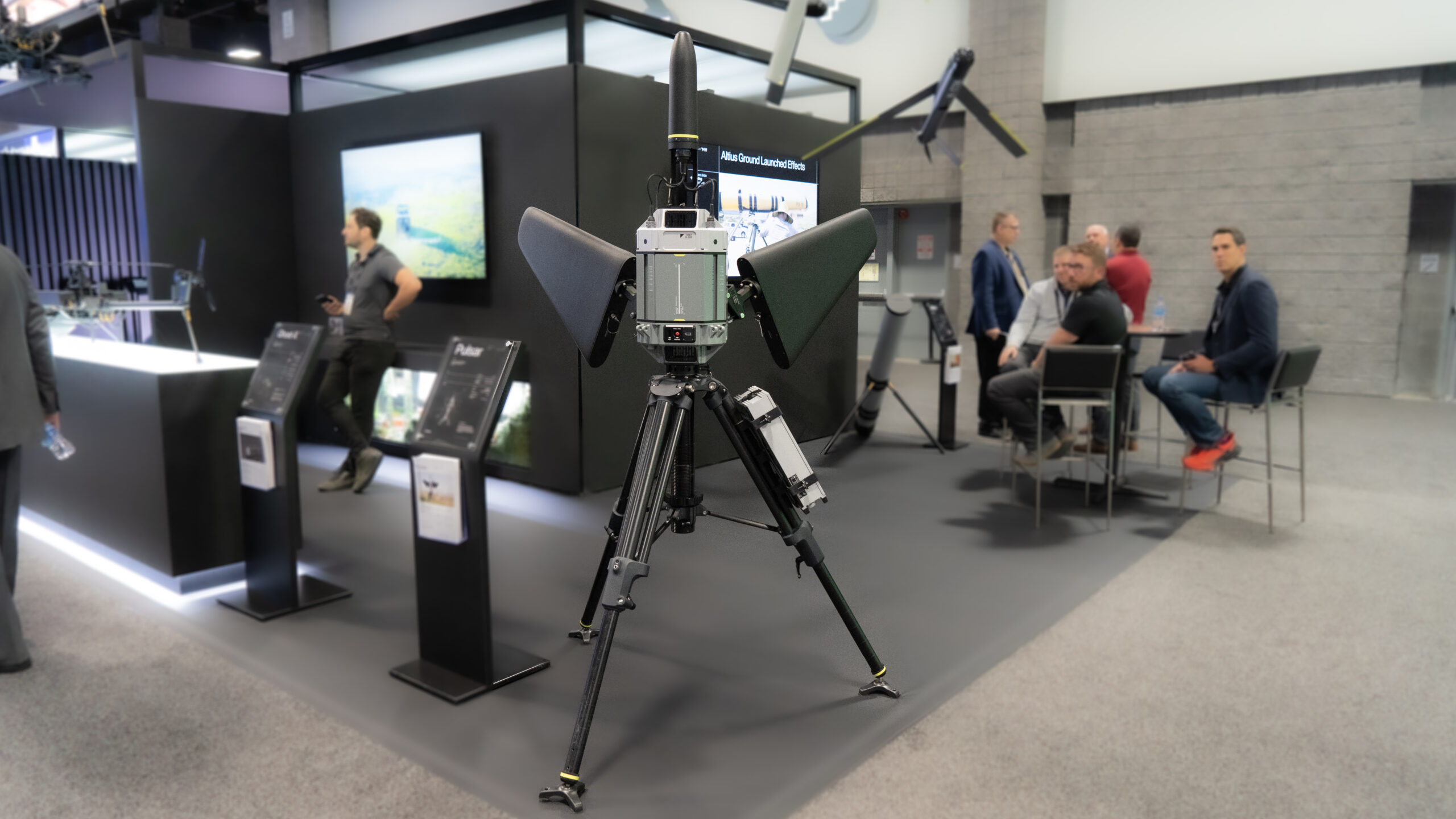
IEC Infrared Systems's Lycan counter-UAS system gazes out at attendees at AUSA 2024. (Brendon Smith / Breaking Defense)
Australian firm EOS was at AUSA 2024, here displaying its Slinger kinetic counter-drone system. (Brendon Smith / Breaking Defense)
Defense start-up Anduril makes a wide range of products and at AUSA 2024, including his platform from its "family of autonomous systems and Electromagnetic Warfare (EW) systems powered by Lattice and AI at the edge." (Brendon Smith / Breaking Defense)
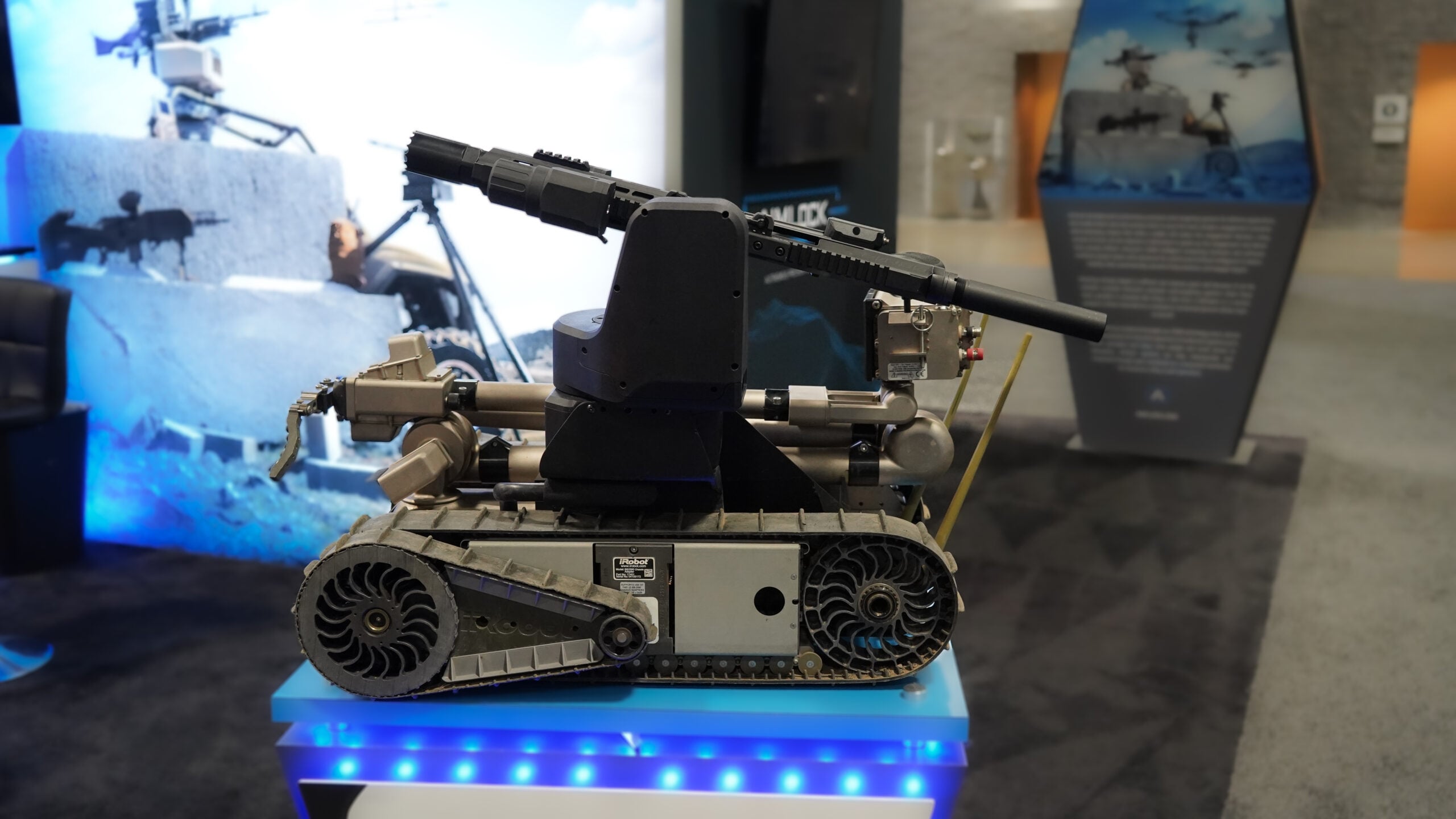
Aimlock, which develops "semi-autonomous precision auto-targeting systems" attached a 12-guage shotgun on a ground robotic vehicle at AUSA 2024. (Brendon Smith / Breaking Defense)
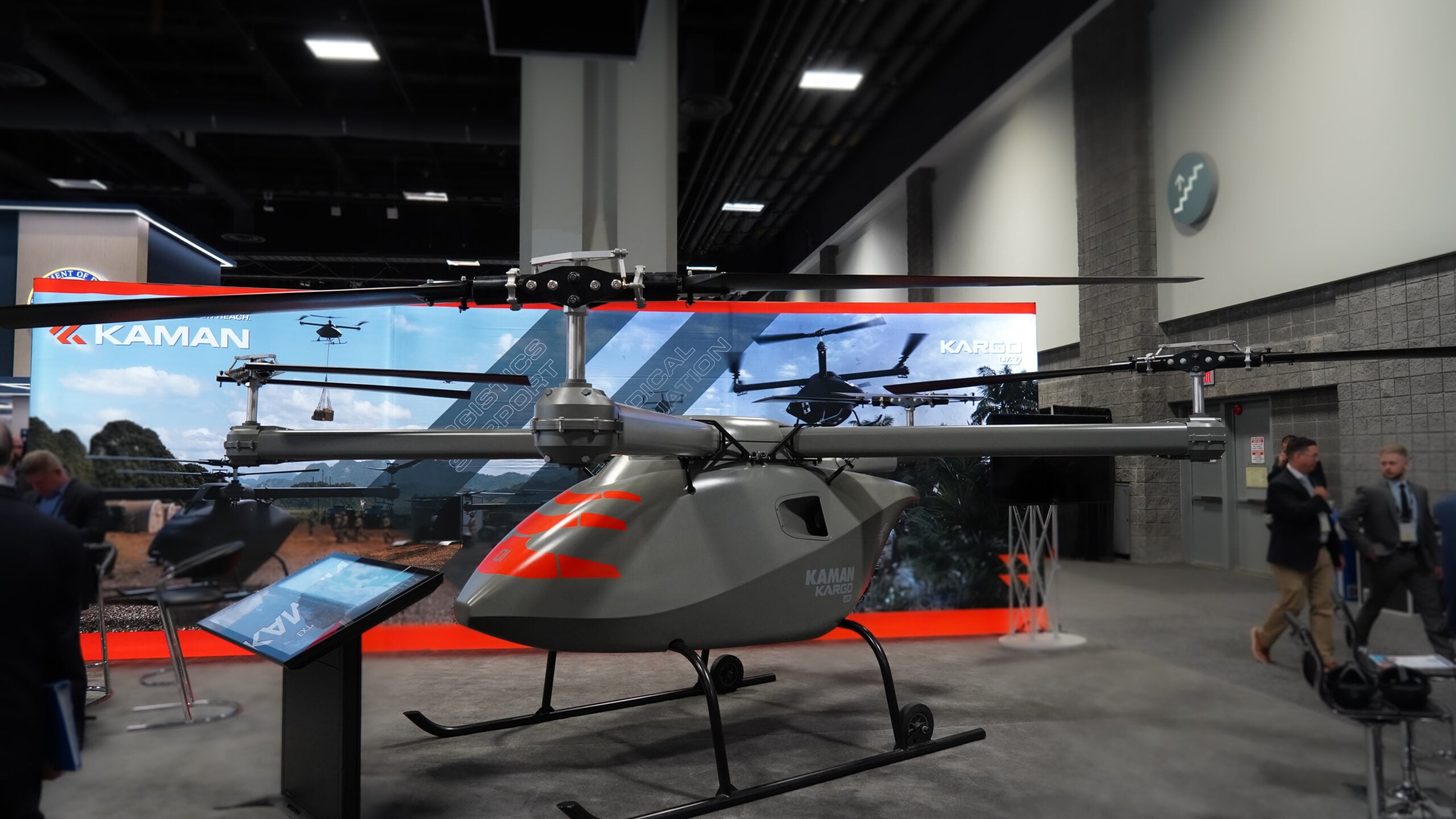
Connecticut-based Kaman Corporation offers unmanned cargo copters, as seen on the show floor at AUSA 2024. (Brendon Smith / Breaking Defense)
Defense giant Northrop Grumman shows off its Next Generation Handheld Targeting System (NGHTS), which the company says is designed to work in GPS-denied environments. (Brendon Smith / Breaking Defense)
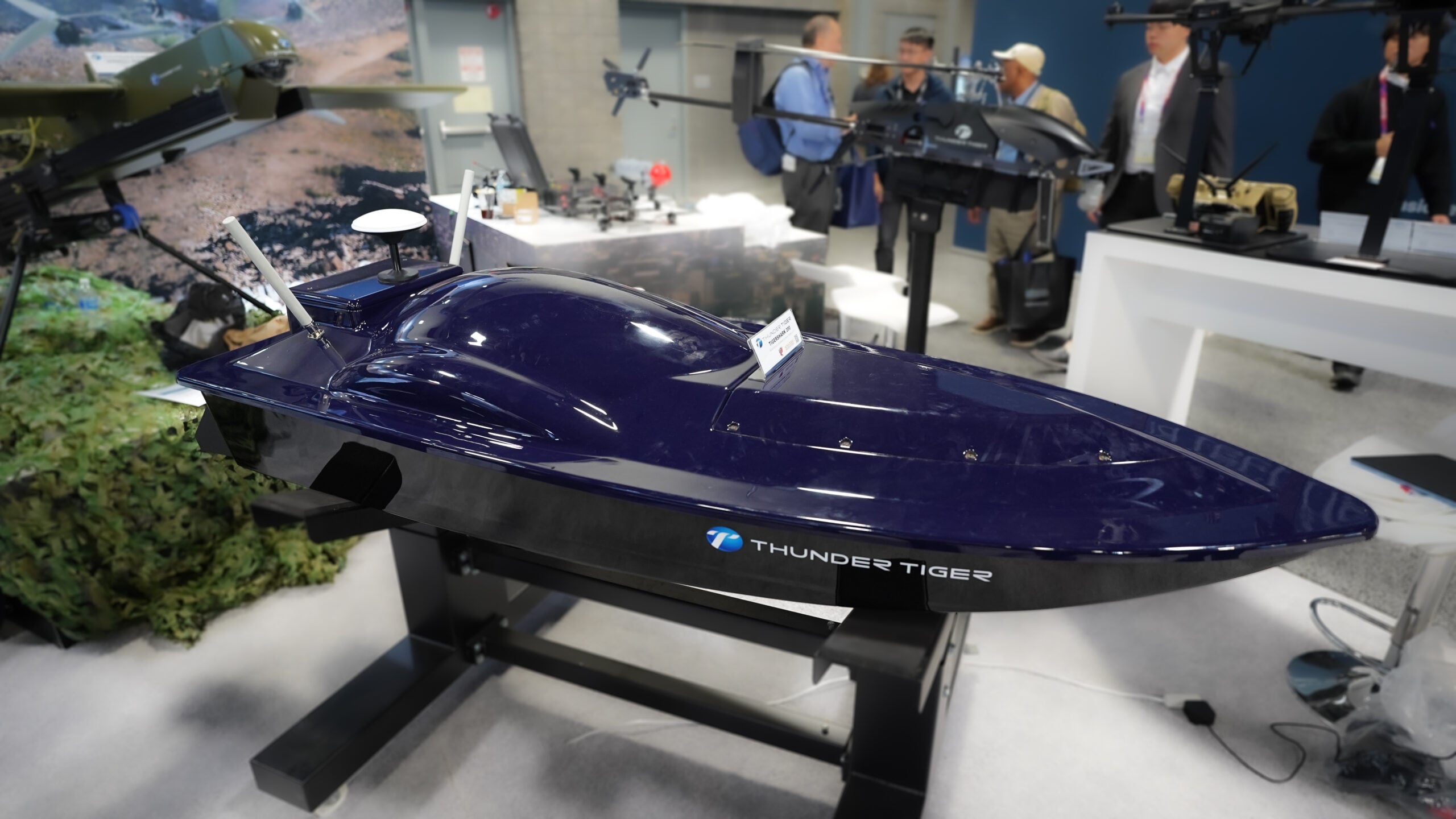
Taiwanese Thunder Tiger displayed an unmanned surface vessel, Seashark, at AUSA 2024. (Brendon Smith / Breaking Defense)
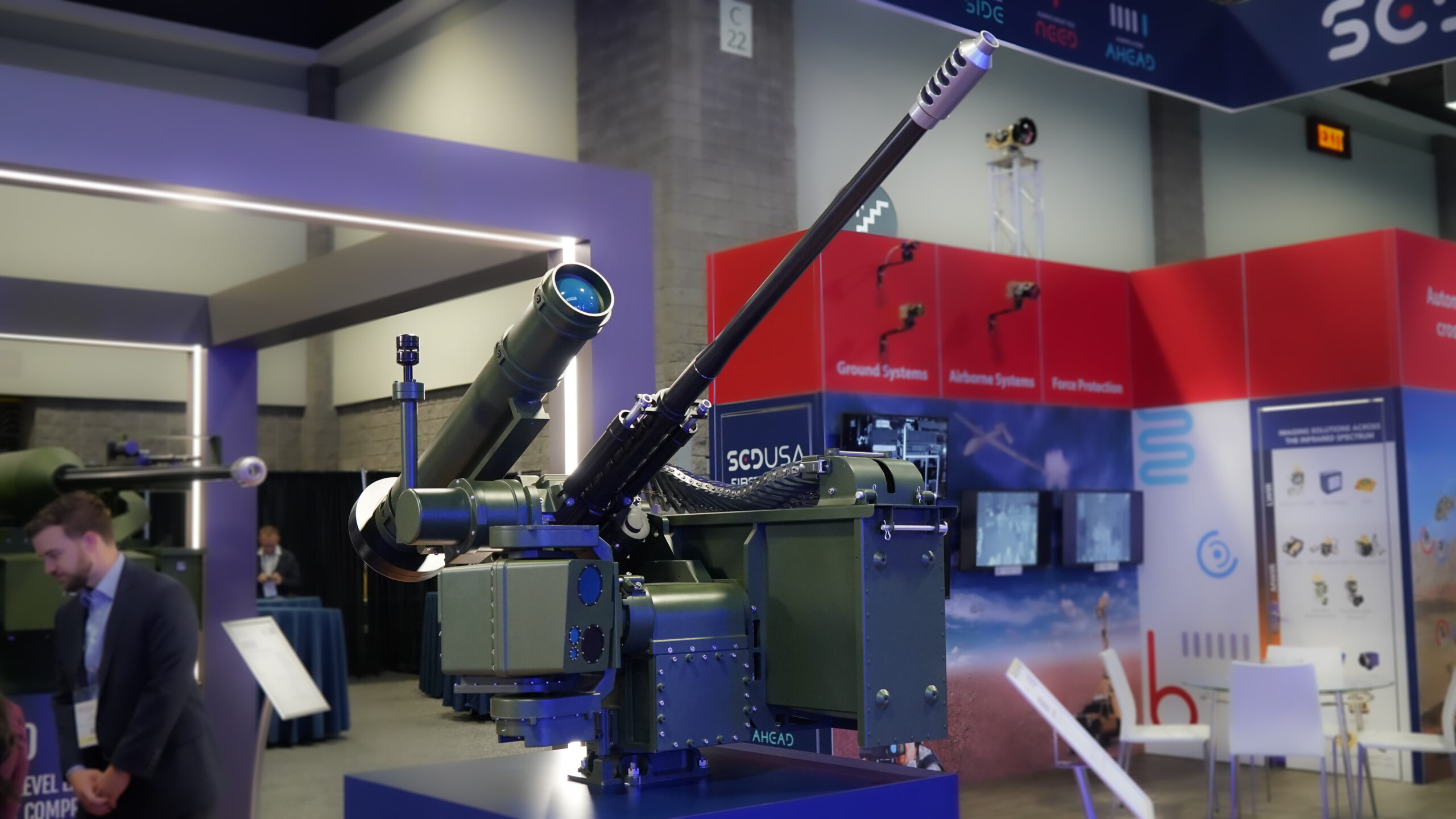
Northrop Grumman shows off its Bushmaster chain gun at AUSA 2024. The company launched a new Bushmaster M230LF (Link Fed) dual-feed chain gun, designed to neutralize UAS and ground threats, with the manufacturer targeting export customers for future orders. (Brendon Smith/Breaking Defense)
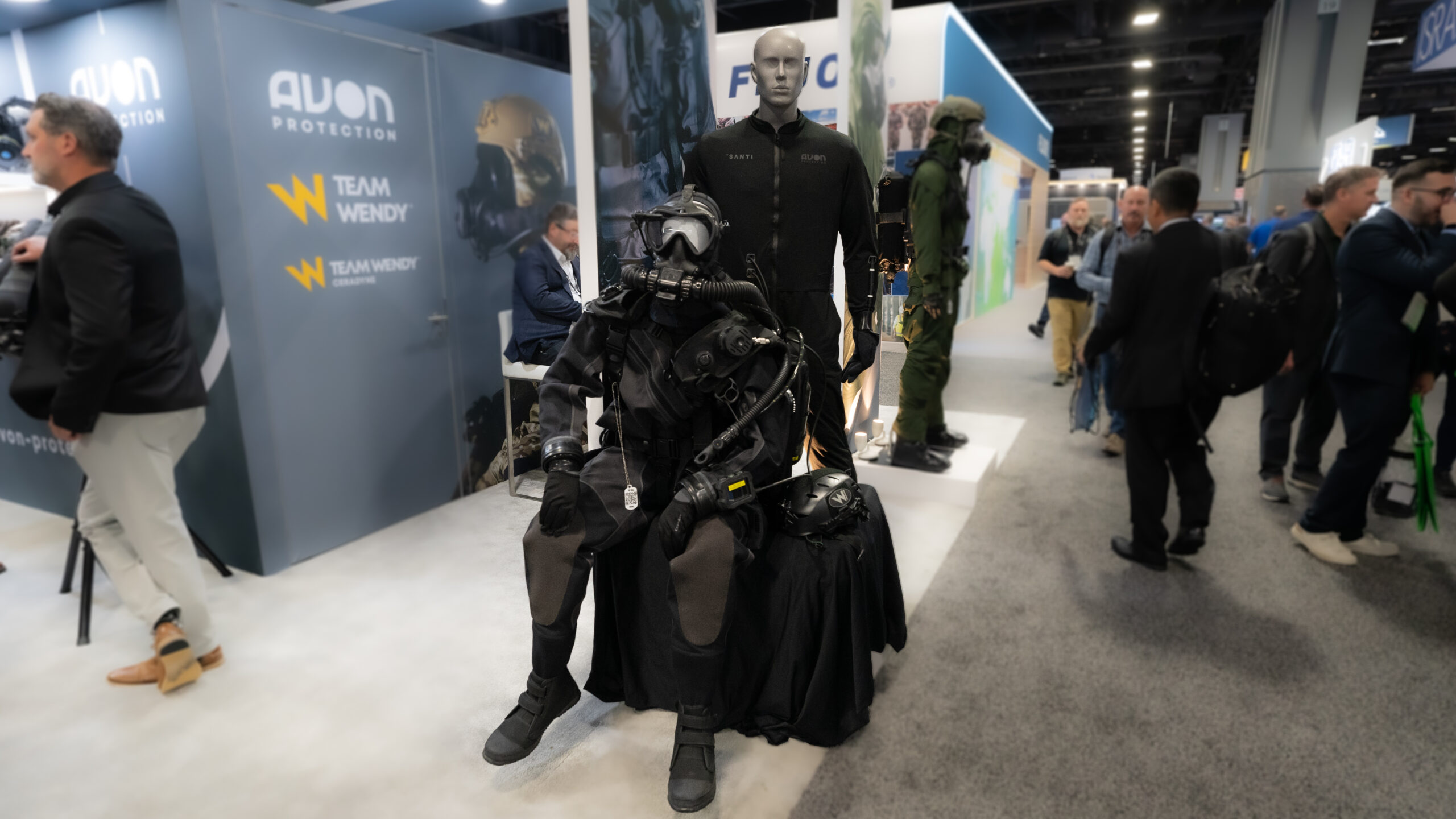
It's less ominous than it looks: Avon Protection's Core Intelligent undersuit and MCM100 Multi-Role Military Diving Rebreather are marketed on the show floor to help military divers keep warm under the water. (Brendon Smith/Breaking Defense)
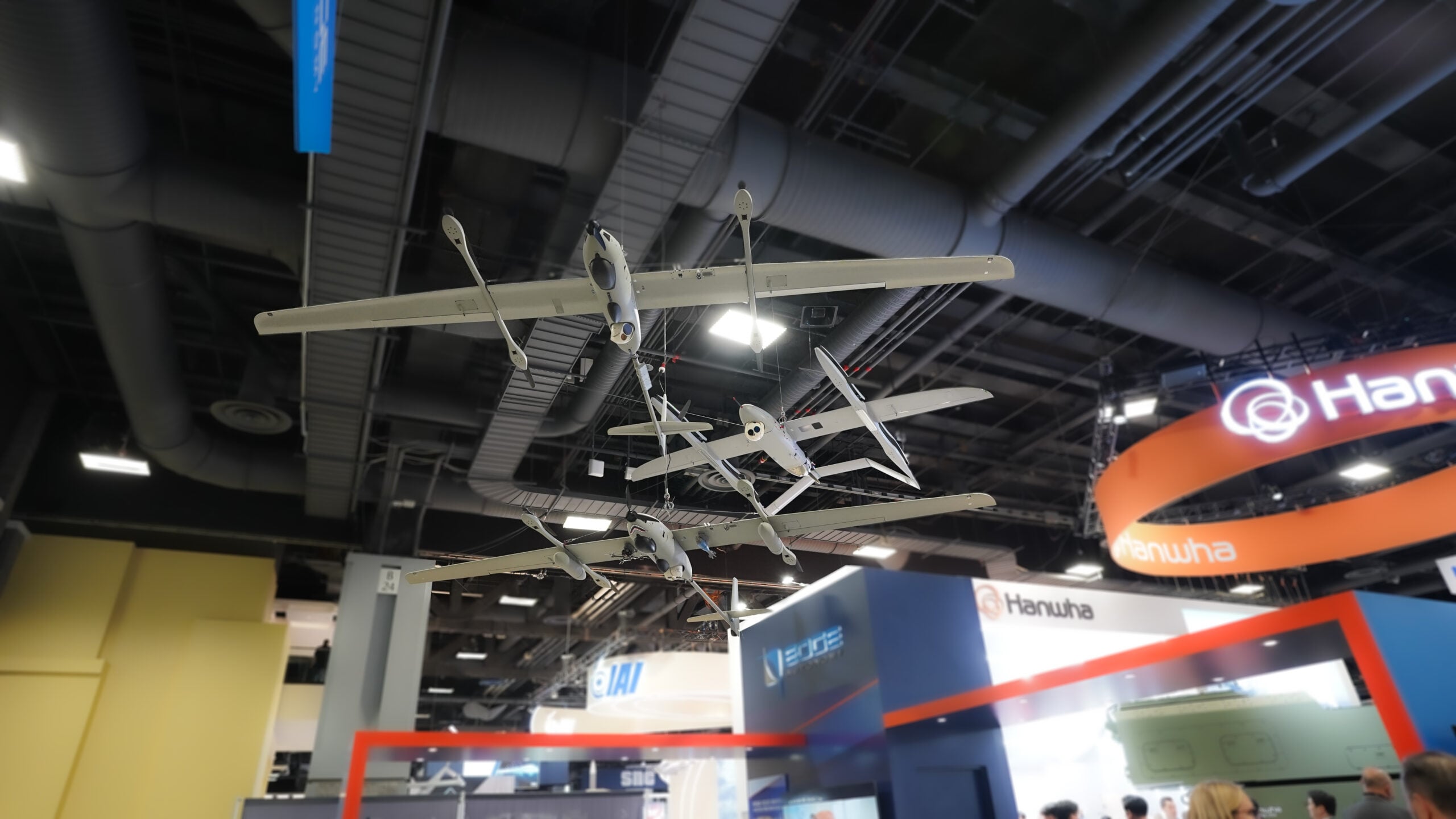
Edge Autonomy shows off its E140Z camera, part of its Octopus surveillance suite. (Brendon Smith/Breaking Defense)
Flyer Defense shows off its Flyer 72 vehicle at AUSA 2024. Selected by SOCOM, the company says it is capable of internal transport in the CH-47 and C-130 aircraft. (Brendon Smith/Breaking Defense)
The Kongsberg Protector RS6 is a Remote Weapon System for low-recoil 30mm cannons. The company says it will be able to equip other weapons in the future. (Brendon Smith/Breaking Defense)
Bell helicopters showed off a number of items on the show floor. (Brendon Smith/Breaking Defense)
One of BAE's two AMPV varients on the show floor at AUSA 2024, this one sports the company's Modular Turreted Mortar System. (Brendon Smith / Breaking Defense)
Oshkosh Defense displays its Remotely Operated Ground Unit for Expeditionary Fires (ROUGE-Fires) on the floor at AUSA 2024. (Brendon Smith / Breaking Defense)
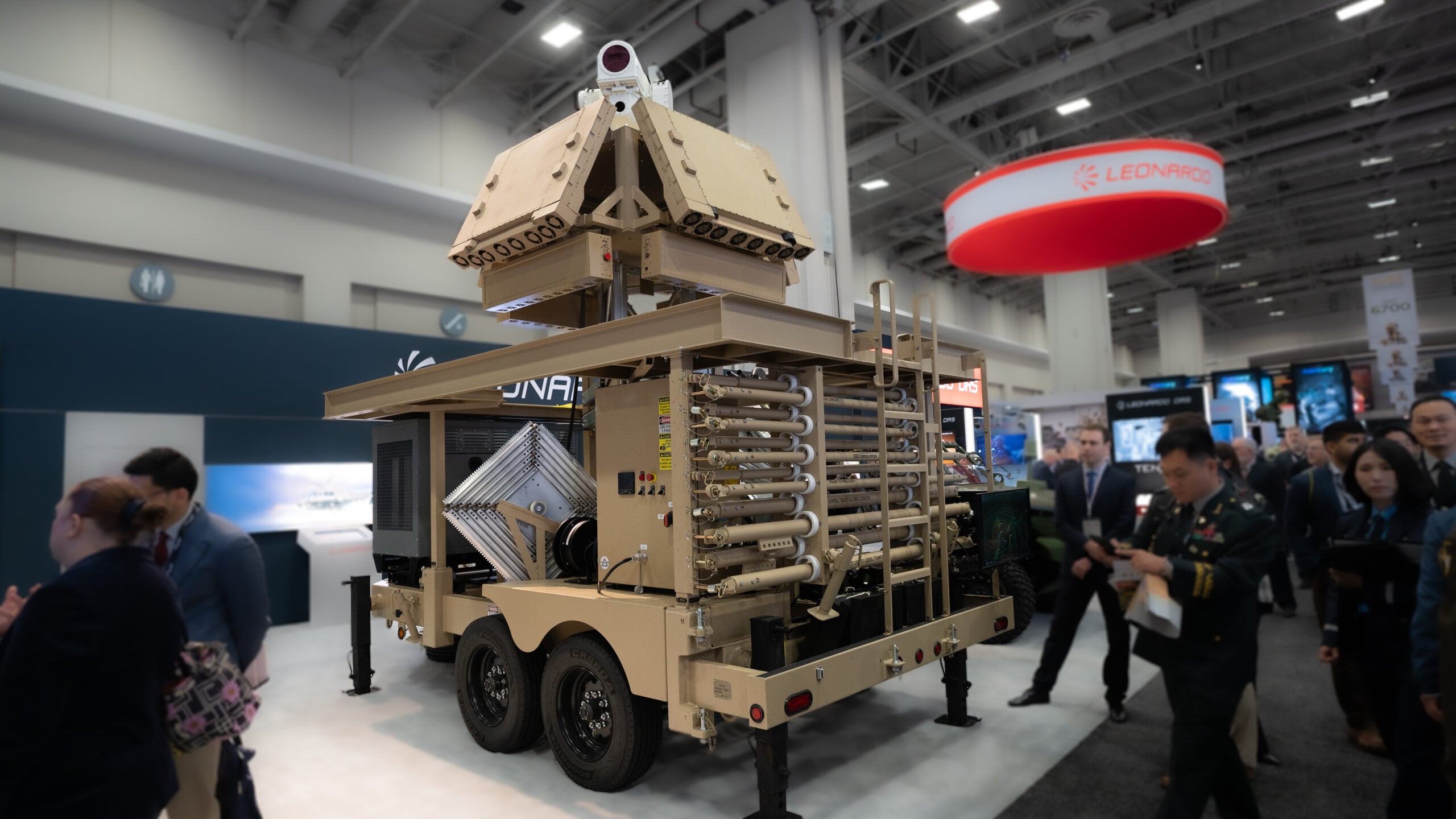
A Leondardo extended mast surveillance system ready to roll into position at AUSA 2024. (Breaking Defense)
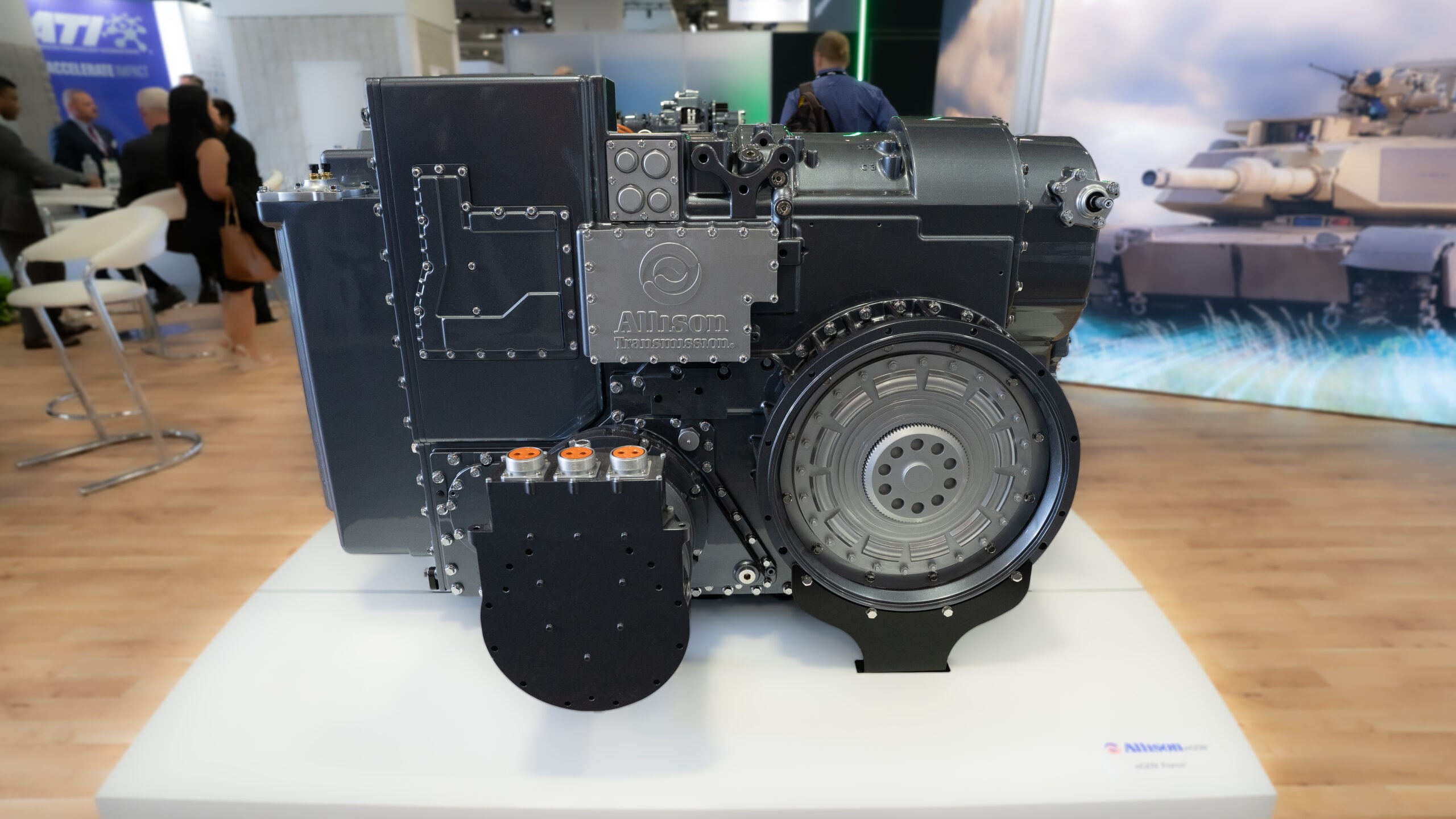
Allison Transmission eGen Power motor on display at AUSA 2024. (Brendon Smith / Breaking Defense)
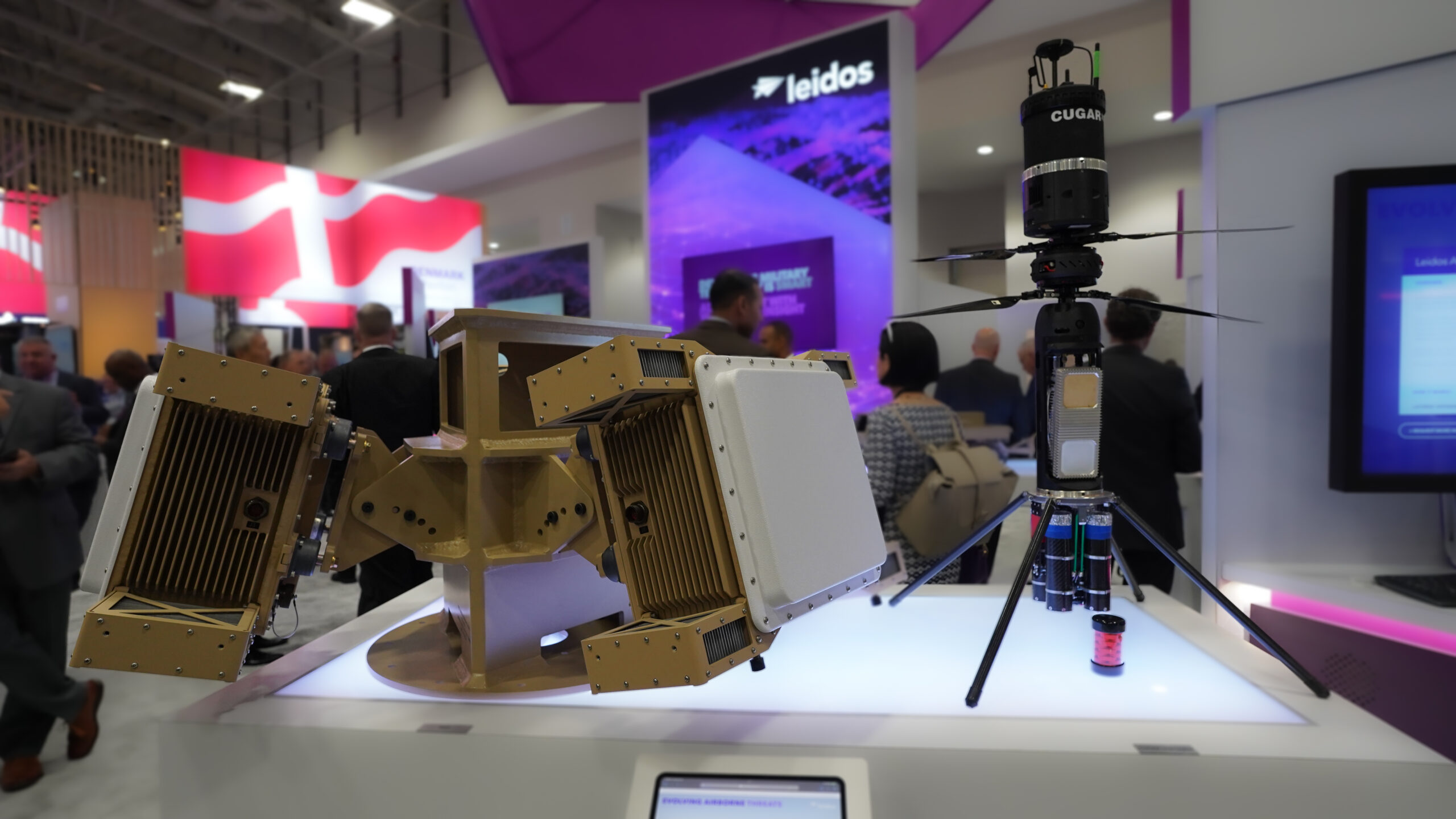
Leidos's Airshield counter-UAS system sits at the company's booth at AUSA 2024. (Brendon Smith / Breaking Defense)
BAE's Armored Multi-Purpose Vehicle (AMPV) with a 30mm gun on display at AUSA 2024. (Brendon Smith / Breaking Defense)
A heavily armed next-gen tactical vehicle on display from GM Defense at AUSA 2024. (Brendon Smith / Breaking Defense)
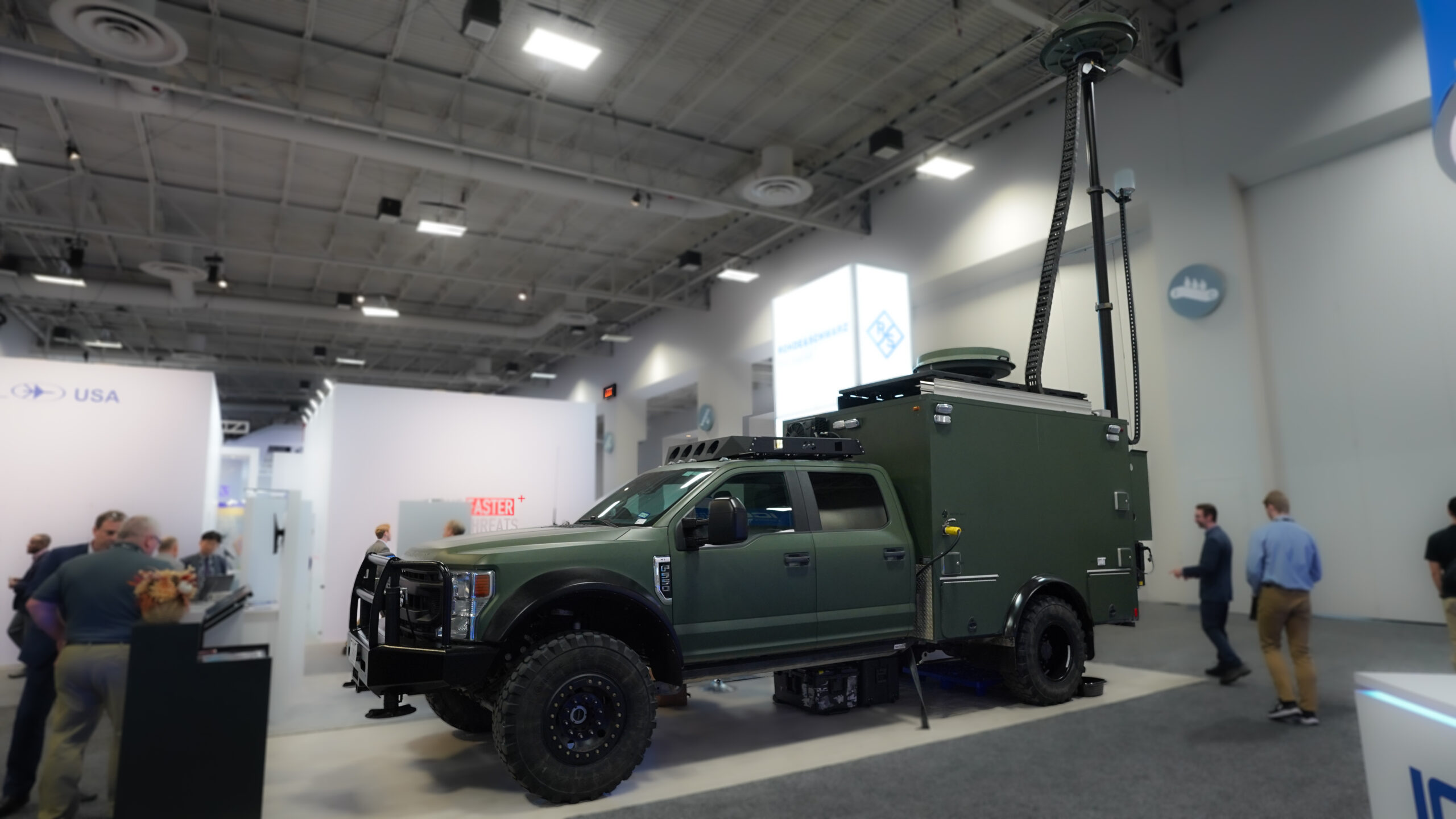
At AUSA 2024, Rohde & Schwarz displays a mobile signals system known as SigBadger. (Brendon Smith / Breaking Defense)