Land Warfare

‘Sense of urgency’: Army’s NETCOM says it will transform IT and cyber ops by the end of next year

The move will “not only deliver that network, but everything that's going through that network, and then making sure everything that goes through that network is protected,” Gen. Jacqueline McPhail, commanding general of NETCOM, said.

Best Combat Camera Competition 2023 Technical Lanes
U.S. Army, Sgt. RJ Koreis, assigned to 3rd Psychological Operations Battalion, edits on laptop in “Technical Lanes” event, during the 2023 Spc. Hilda I. Clayton Best Combat Camera Competition at Fort A.P. Hill, Virginia, May 24, 2023. (U.S. Army photo by Spc. Noah Martin)

WASHINGTON — As part of the Army’s C2 Fix initiative, the Army Network Enterprise Technology Command, or NETCOM, is planning to transform from solely a network provider to an information technology and cybersecurity provider by the end of next year. 

Gen. Jacqueline McPhail, commanding general of NETCOM said the move will allow her office to become more of an operational force spending less time on fixing IT and cyber issues and more time focused on progressing and protecting the DoD’s Information Network, or DODIN

This change will “not only deliver that network, but everything that’s going through that network, and then making sure everything that goes through that network is protected,” McPhail said during a panel at the Association of the US Army’s annual conference on Monday. 

She said the transformation will happen at the “global level,” but the process will be theater-aligned. 

“It’s enabling that global collaboration. So allowing theaters to collaborate amongst themselves, as well as vertically within the Army, we also are making sure we have that seamless movement across the globe. So as you go from the enterprise or from your base post camp station, and you deploy to another environment, whether it’s CENTCOM AOR [area of responsibility], INDOPACOM AOR, it’s seamless movement,” McPhail said during a media roundtable Monday. 

One of the biggest changes this “pivot,” as McPhail calls it, will bring is that soldiers will no longer have to reimage their computers when they move from theater to theater. (Reimaging is an often lengthy process that completely clears a computer’s hard drive and reinstalls the operating system.) 

“The days of having to image your computers every time you go to a different theater, those days are coming to an end,” McPhail said during the roundtable. 

This initiative to cut down the reimaging process is something the service invested heavily in back between 2016 and 2017, then called Warfighter Information Network-Tactical, or, WIN-T, however, the program eventually fell flat. Gen. John Morrison, deputy chief of staff of the G6, assured reporters at Monday’s roundtable that won’t happen this time around, mainly because there’s a stronger “sense of urgency” within the Army to make such changes and the operational environment is much different. 

“It is literally trying to get after things with a sense of urgency,” Morrison said. “Where we were at in 2017 is not the operational environment if we are seeing today. We know that the capabilities that we had were not ready to fight tonight, and why, we got very focused on C2 Fix, and it was an all-of-Army-effort to make sure that we were going to put capabilities into the hands of our operational formations to make them more survivable, made them more maneuverable, gave them the operational capabilities they needed,” he later added. 

Another capability the transformation will yield is the increased use of software-as-a-service and identity, credential and access management (ICAM), with strict zero trust protocols.

“When we start talking about zero trust, that’s your step one. Everything that we plug in gets scanned and yes, it is compliant and is authorized to connect to the network. And then that also includes making sure that our endpoints are secure,” McPhail said at the roundtable. 

But while NETCOM aims to widen its portfolio, it’s not getting out of the IT fix-it mission at its core. A big push for the command is the Army Enterprise Service Management Platform (ASMP), which McPhail compared to a help desk to assist soldiers with any network or IT issues they have out in the field. 

“That is a help desk, but it’s not just a help desk, right? It’s probably the most robust help desk support that I have seen in my 30 years in the Army,” she said. “It really means being able to pick up with your system and not have an image, right? And that is a huge thing. Any of us that have gone through all these different deployments in our career, having to reimage over and over and over.”

McPhail said NETCOM hopes to provide each new capability by the end of 2025.

PHOTOS: AUSA 2024

PHOTOS: AUSA 2024

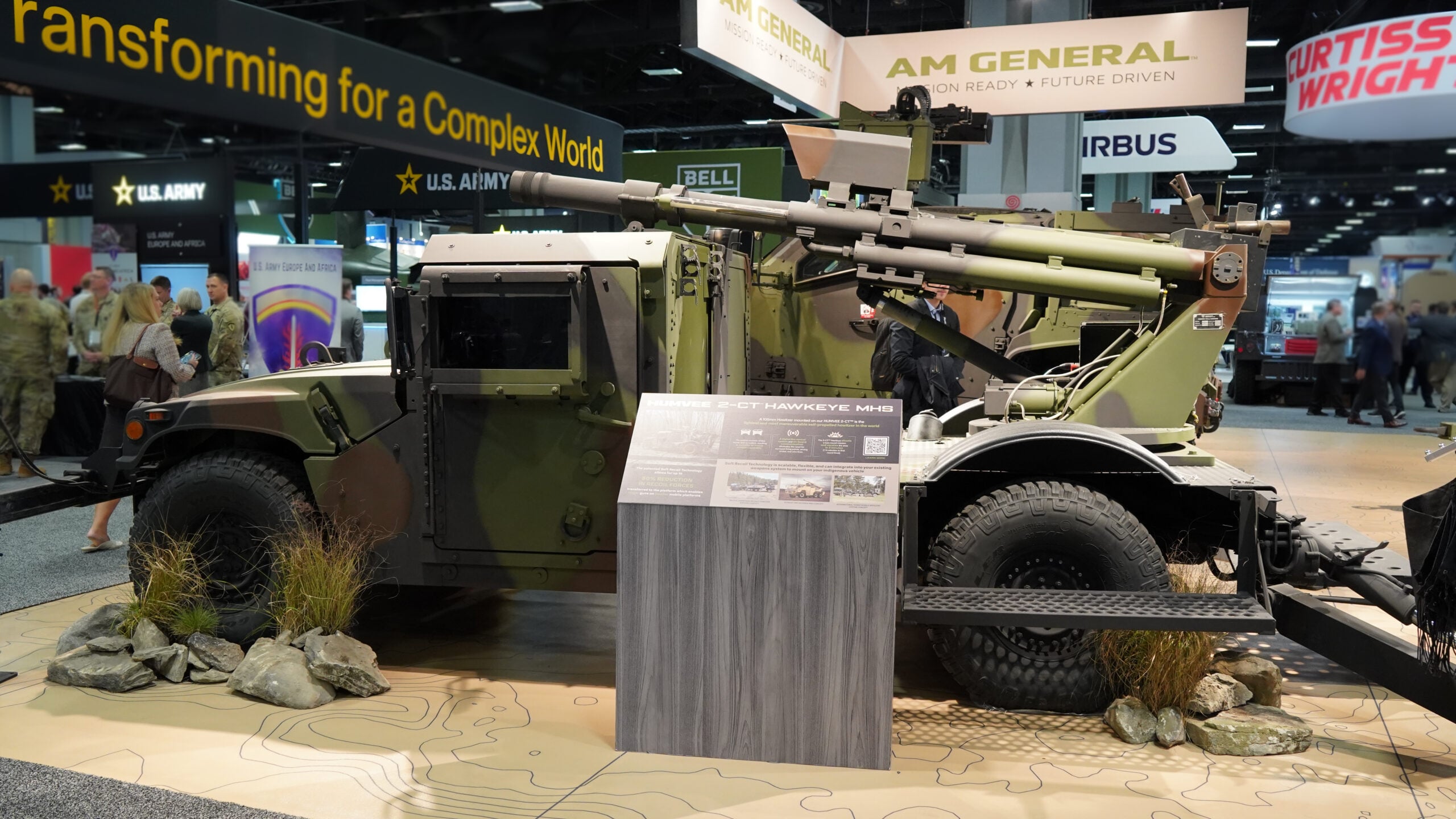
At AUSA 2024, land vehicle giant AM General rolled its HUMVEE 2-CT Hawkeye MHS, featuring a howitzer launcher on a hummer. (Brendon Smith / Breaking Defense)
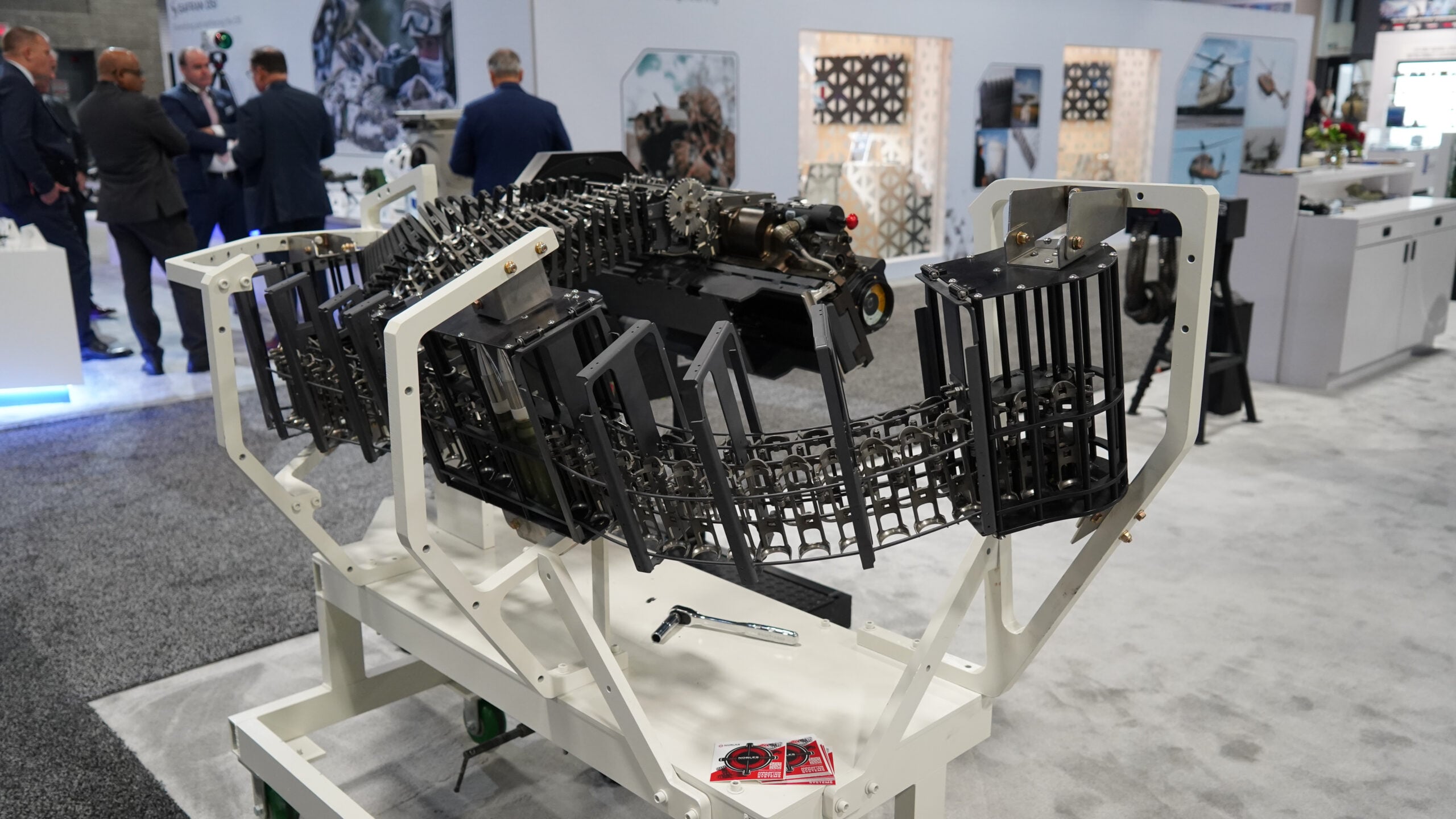
Ammo handling specialists Nobles Worldwide brought its closed loop, linkless ammunition handling system to AUSA 2024. (Brendon Smith / Breaking Defense)
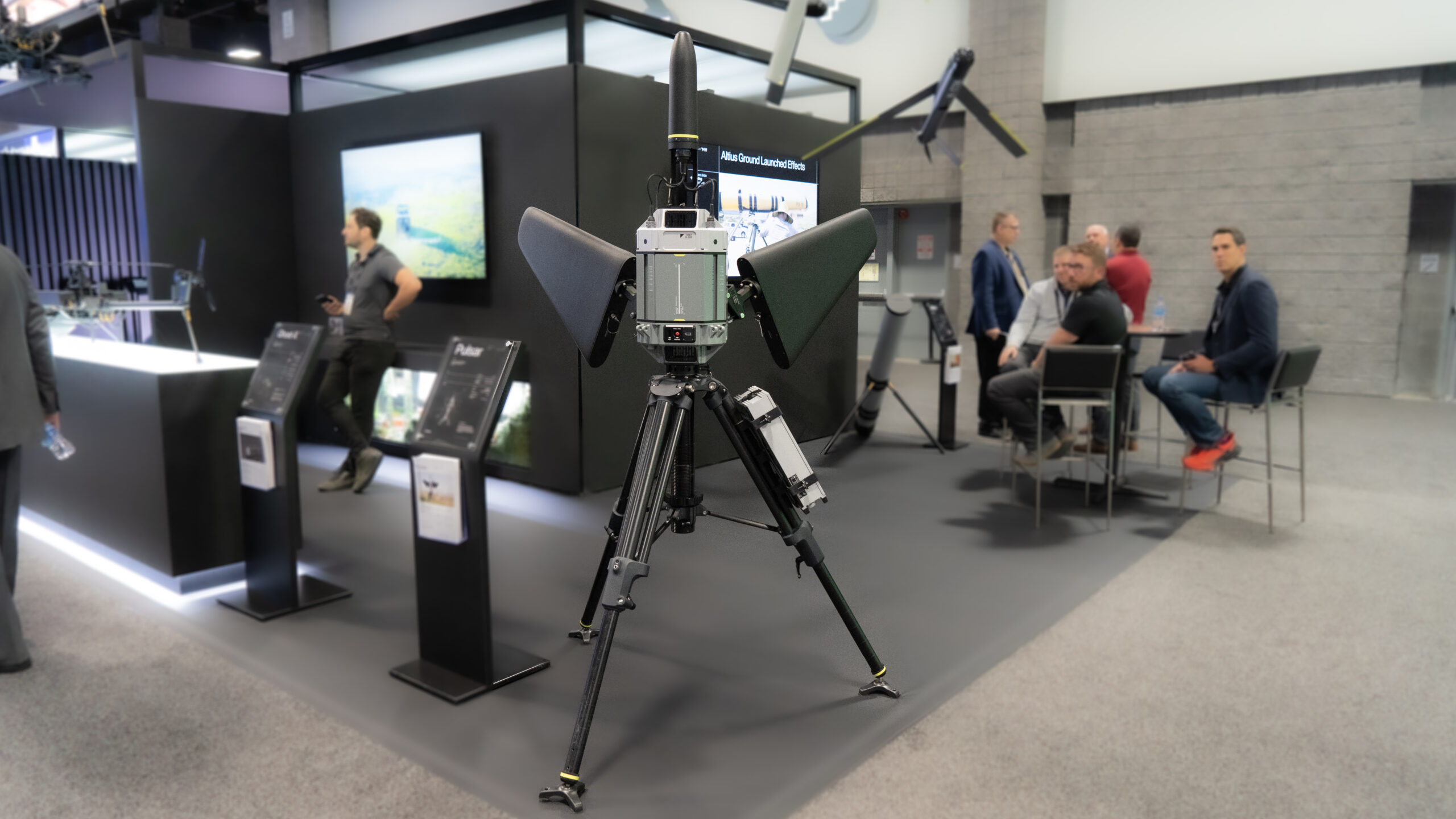
IEC Infrared Systems's Lycan counter-UAS system gazes out at attendees at AUSA 2024. (Brendon Smith / Breaking Defense)
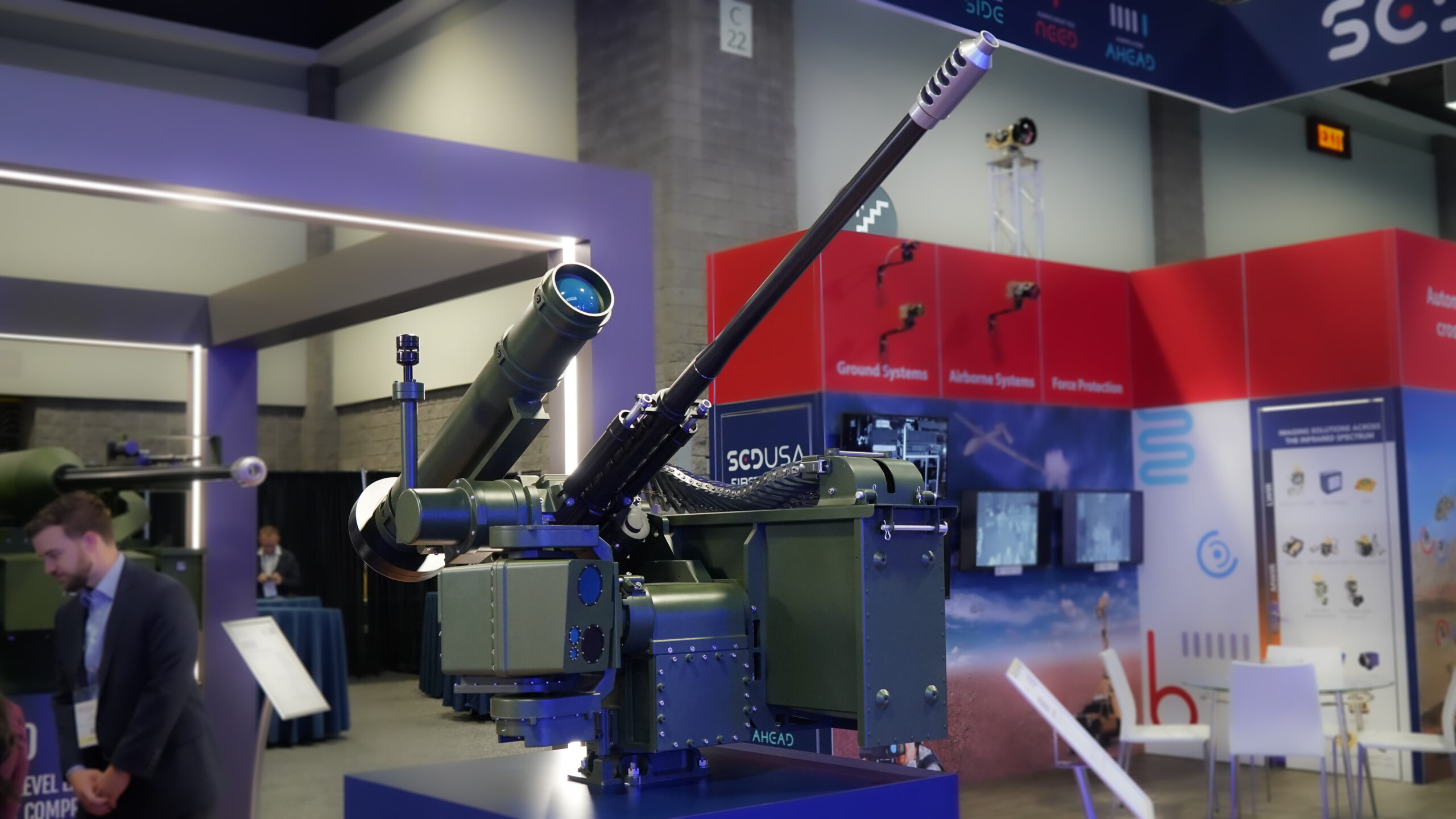
Australian firm EOS was at AUSA 2024, here displaying its Slinger kinetic counter-drone system. (Brendon Smith / Breaking Defense)
Defense start-up Anduril makes a wide range of products and at AUSA 2024, including his platform from its "family of autonomous systems and Electromagnetic Warfare (EW) systems powered by Lattice and AI at the edge." (Brendon Smith / Breaking Defense)
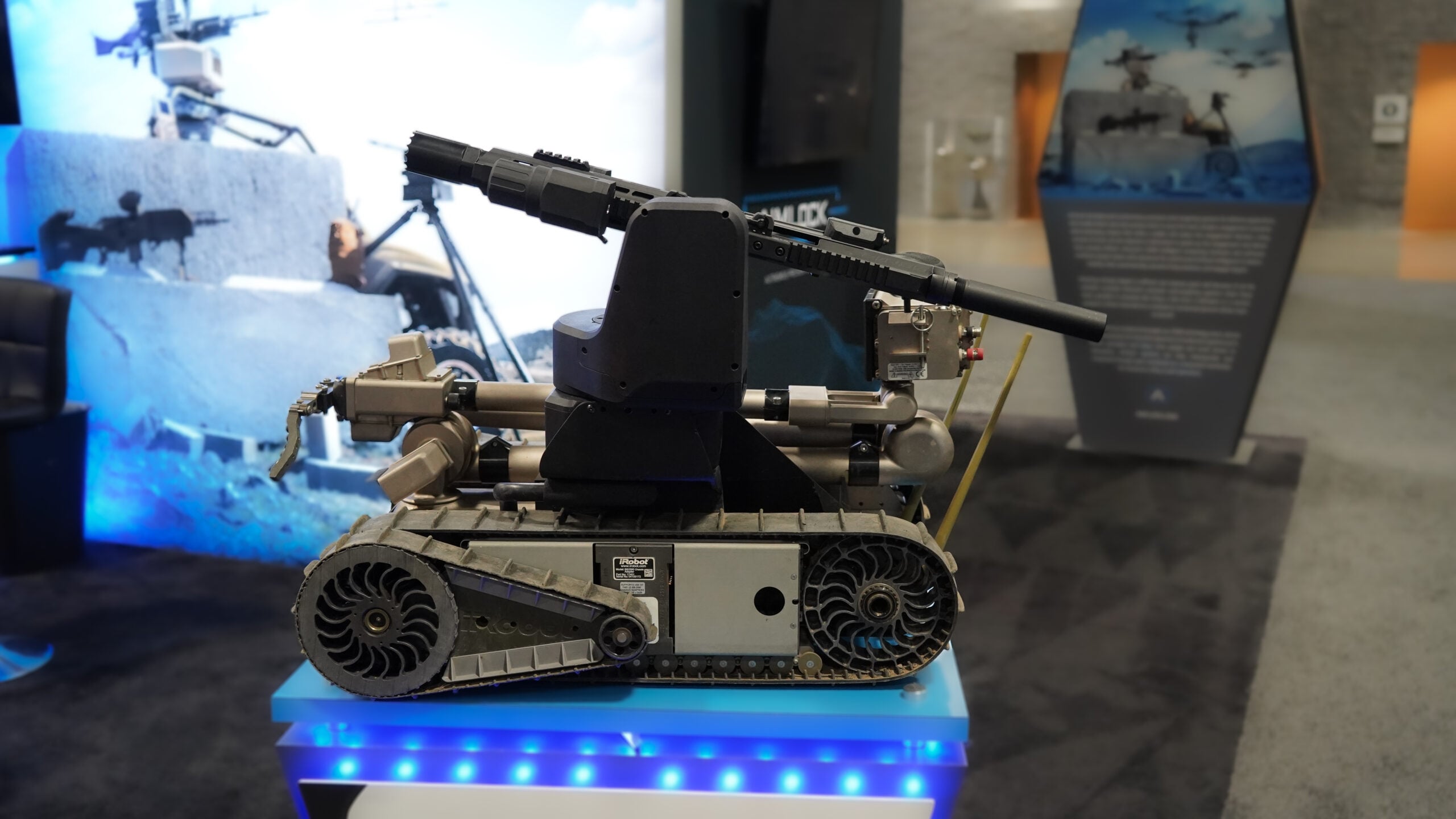
Aimlock, which develops "semi-autonomous precision auto-targeting systems" attached a 12-guage shotgun on a ground robotic vehicle at AUSA 2024. (Brendon Smith / Breaking Defense)
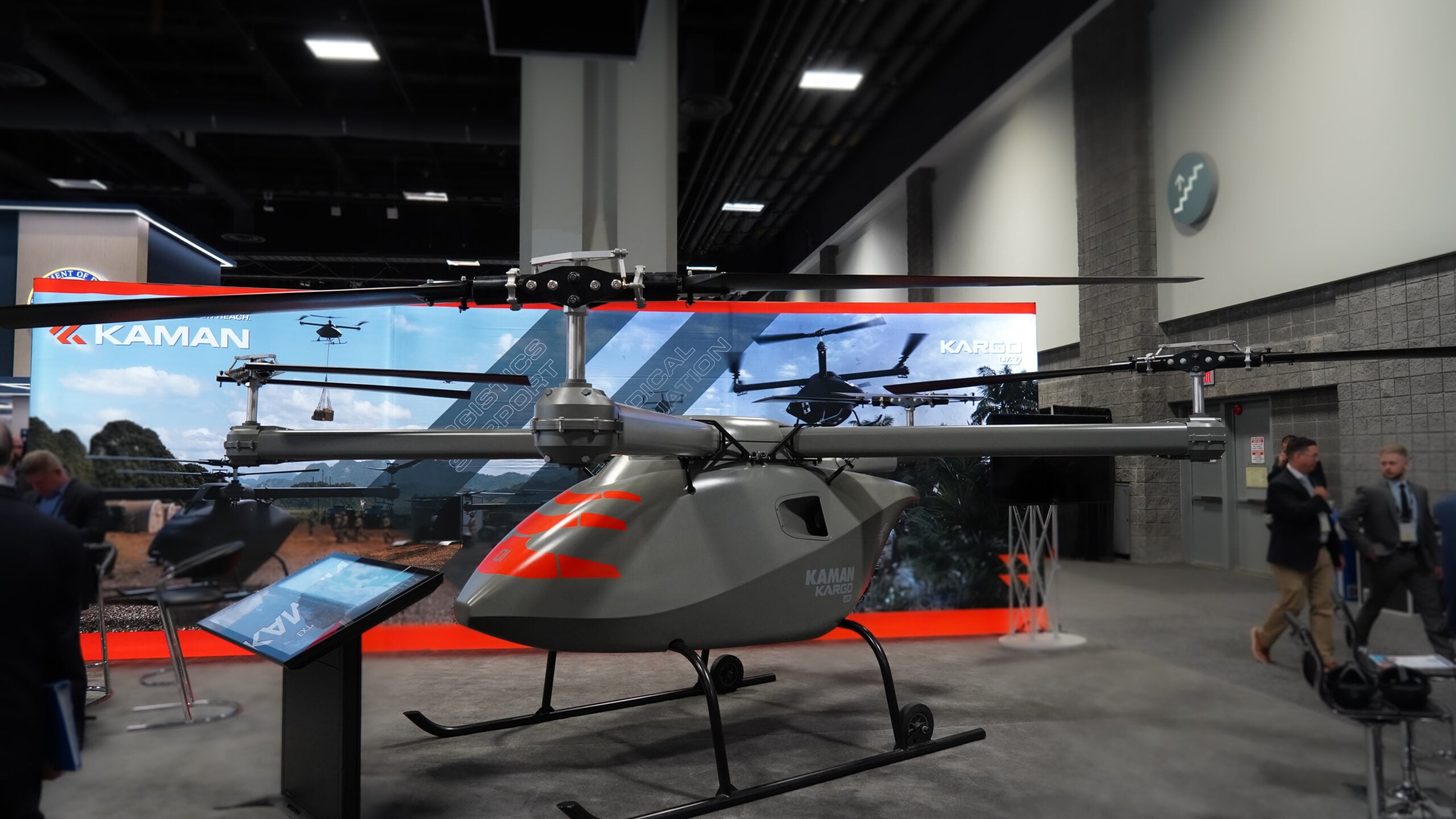
Connecticut-based Kaman Corporation offers unmanned cargo copters, as seen on the show floor at AUSA 2024. (Brendon Smith / Breaking Defense)
Defense giant Northrop Grumman shows off its Next Generation Handheld Targeting System (NGHTS), which the company says is designed to work in GPS-denied environments. (Brendon Smith / Breaking Defense)
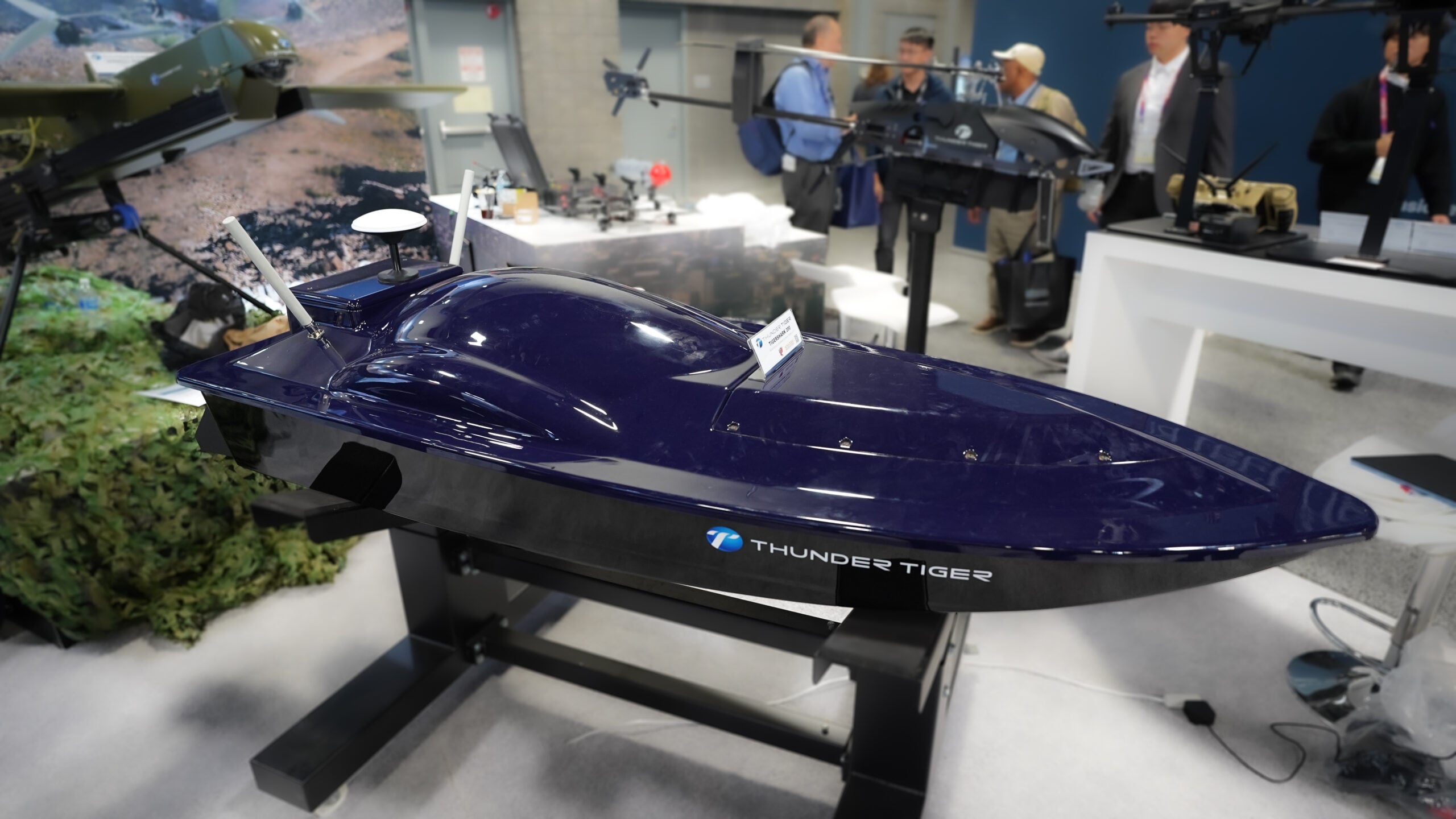
Taiwanese Thunder Tiger displayed an unmanned surface vessel, Seashark, at AUSA 2024. (Brendon Smith / Breaking Defense)
Northrop Grumman shows off its Bushmaster chain gun at AUSA 2024. The company launched a new Bushmaster M230LF (Link Fed) dual-feed chain gun, designed to neutralize UAS and ground threats, with the manufacturer targeting export customers for future orders. (Brendon Smith/Breaking Defense)
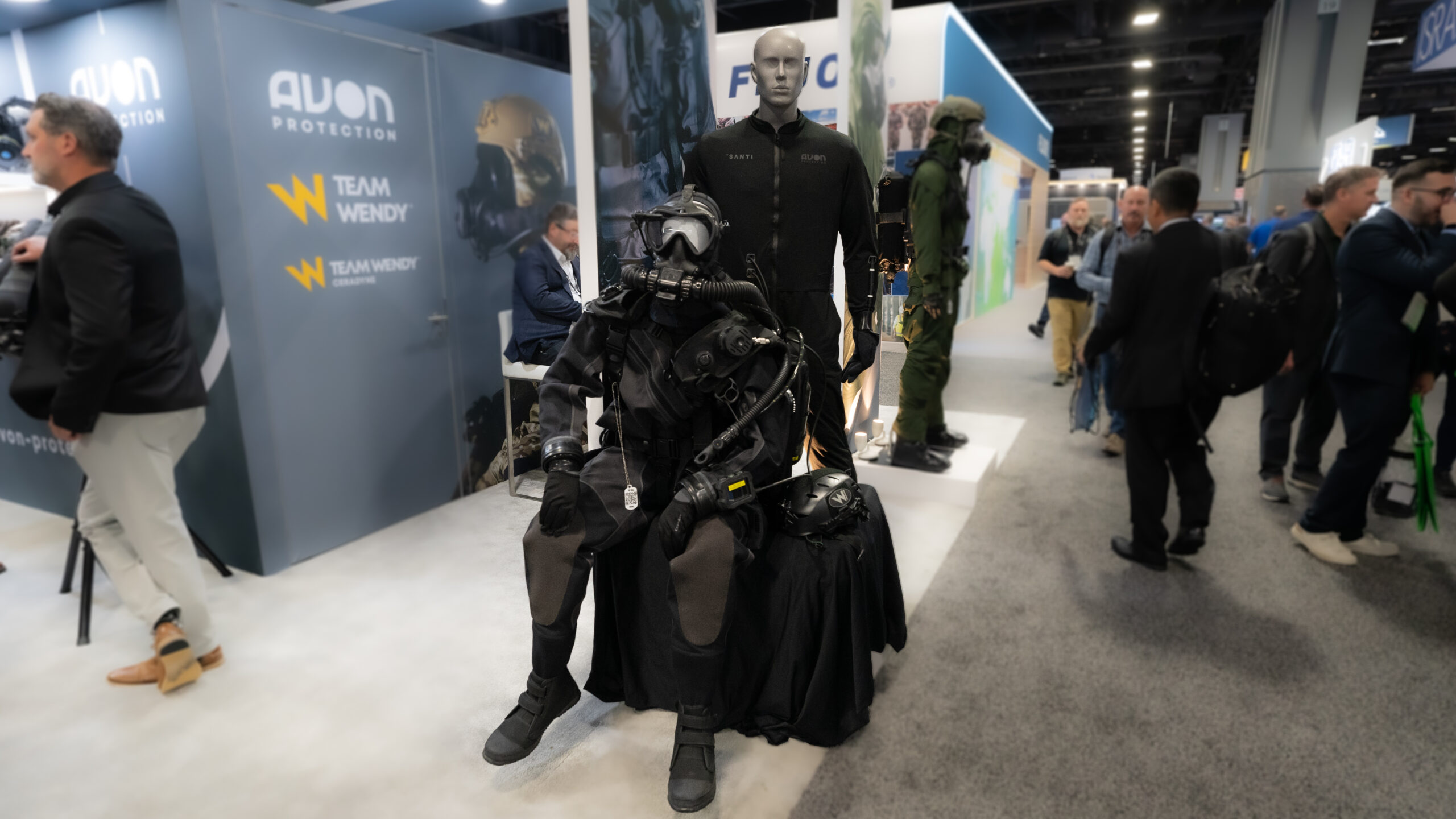
It's less ominous than it looks: Avon Protection's Core Intelligent undersuit and MCM100 Multi-Role Military Diving Rebreather are marketed on the show floor to help military divers keep warm under the water. (Brendon Smith/Breaking Defense)
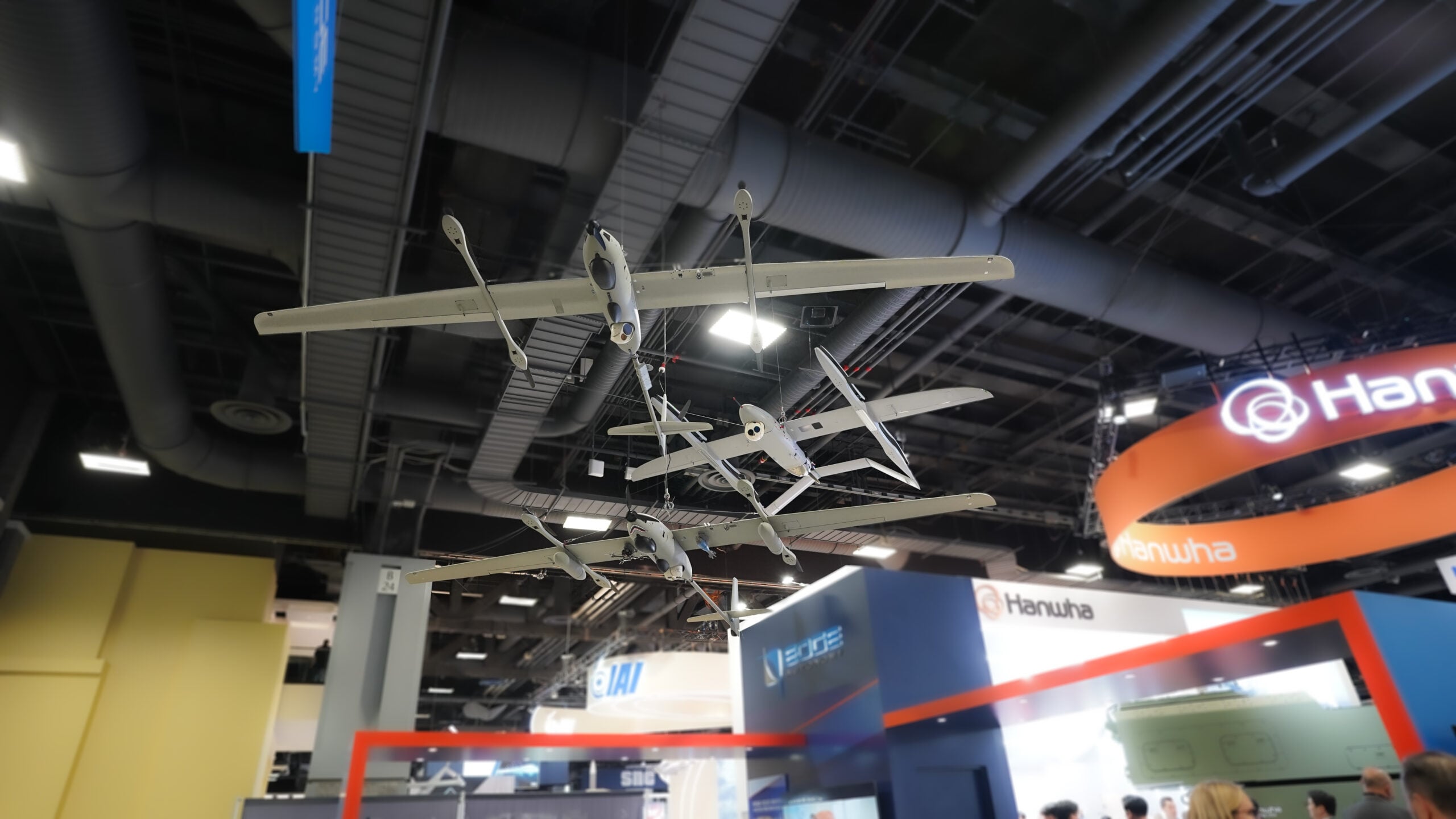
Edge Autonomy shows off its E140Z camera, part of its Octopus surveillance suite. (Brendon Smith/Breaking Defense)
Flyer Defense shows off its Flyer 72 vehicle at AUSA 2024. Selected by SOCOM, the company says it is capable of internal transport in the CH-47 and C-130 aircraft. (Brendon Smith/Breaking Defense)
The Kongsberg Protector RS6 is a Remote Weapon System for low-recoil 30mm cannons. The company says it will be able to equip other weapons in the future. (Brendon Smith/Breaking Defense)
Bell helicopters showed off a number of items on the show floor. (Brendon Smith/Breaking Defense)
One of BAE's two AMPV varients on the show floor at AUSA 2024, this one sports the company's Modular Turreted Mortar System. (Brendon Smith / Breaking Defense)
Oshkosh Defense displays its Remotely Operated Ground Unit for Expeditionary Fires (ROUGE-Fires) on the floor at AUSA 2024. (Brendon Smith / Breaking Defense)
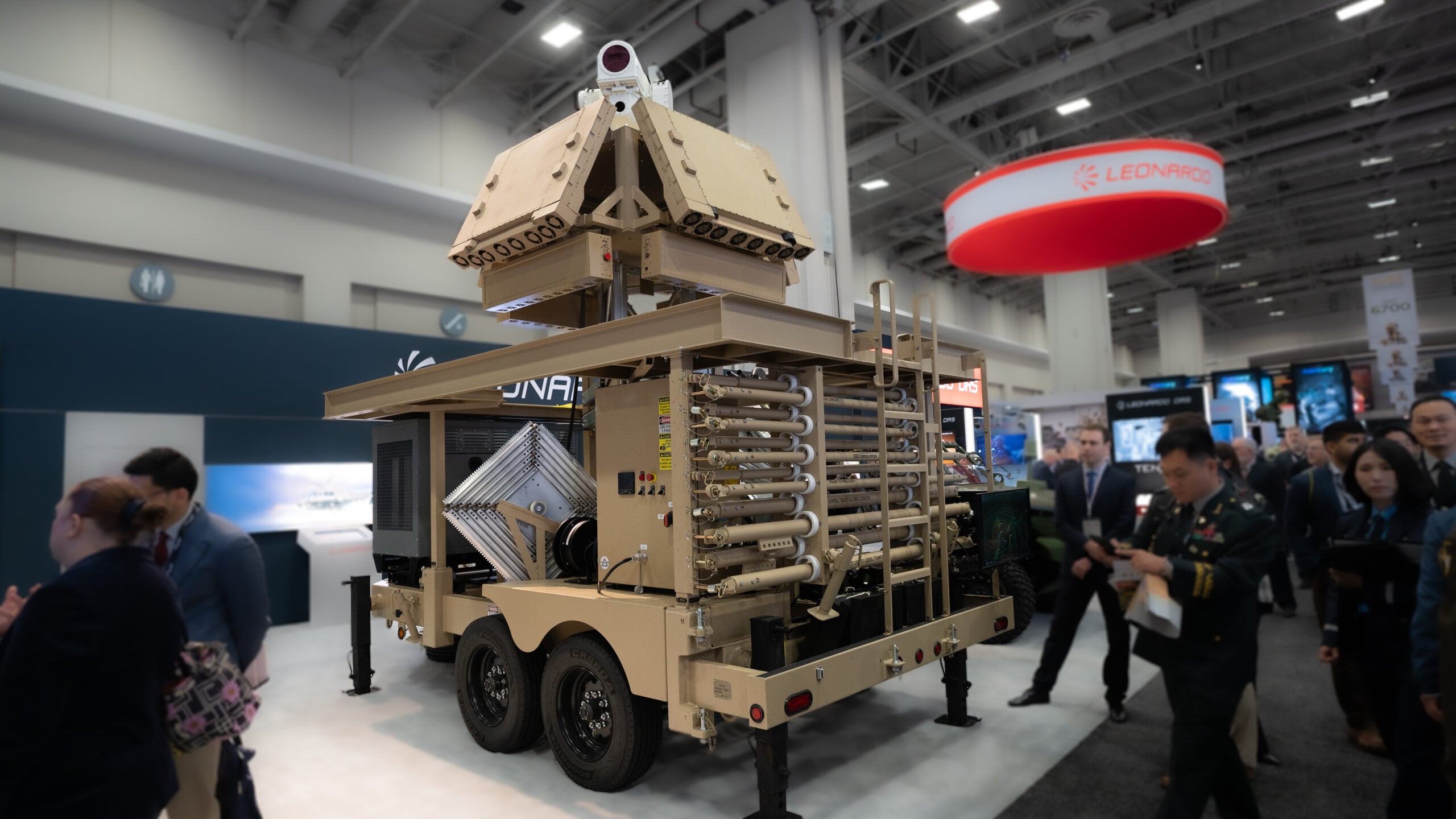
A Leondardo extended mast surveillance system ready to roll into position at AUSA 2024. (Breaking Defense)
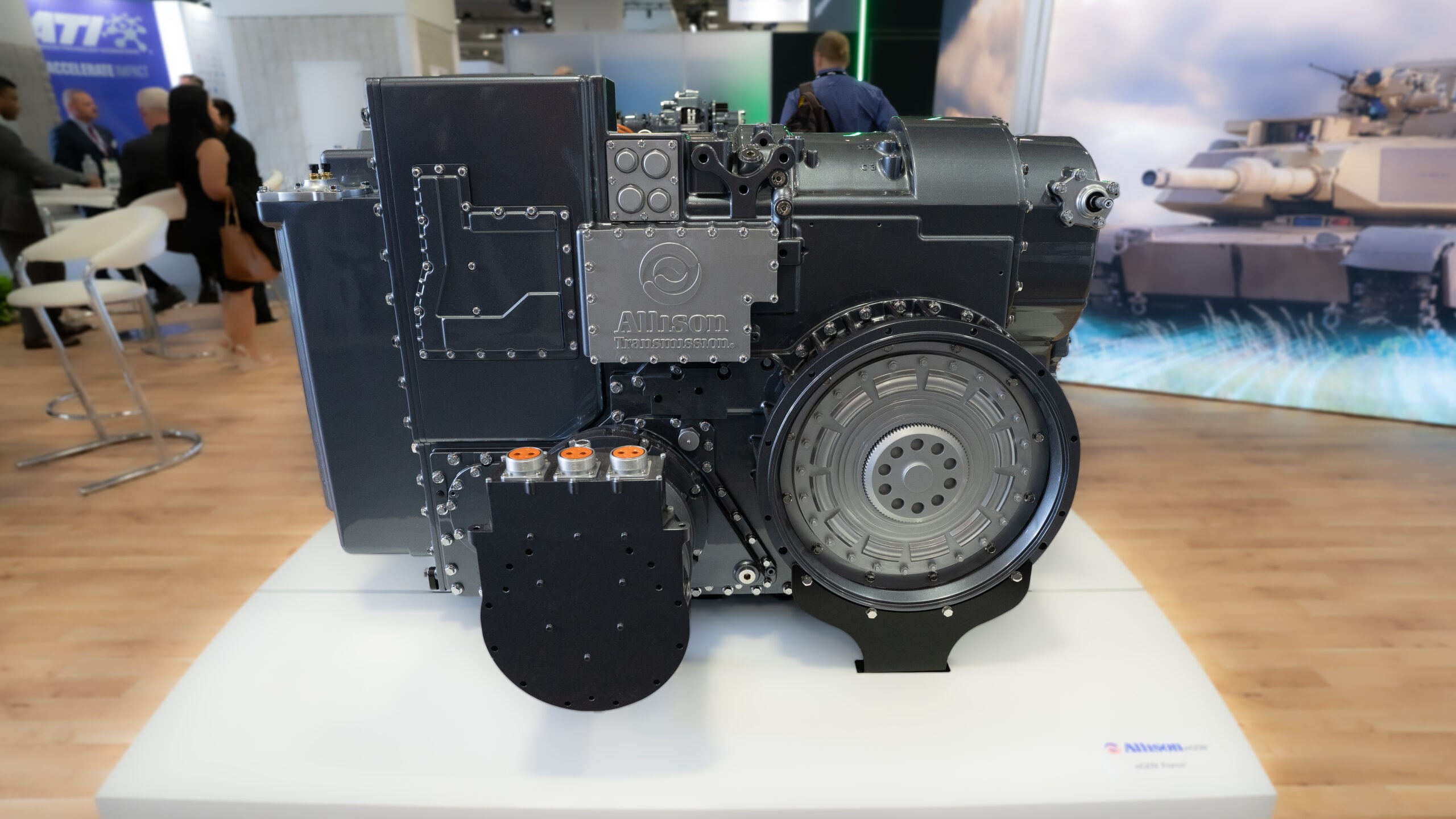
Allison Transmission eGen Power motor on display at AUSA 2024. (Brendon Smith / Breaking Defense)
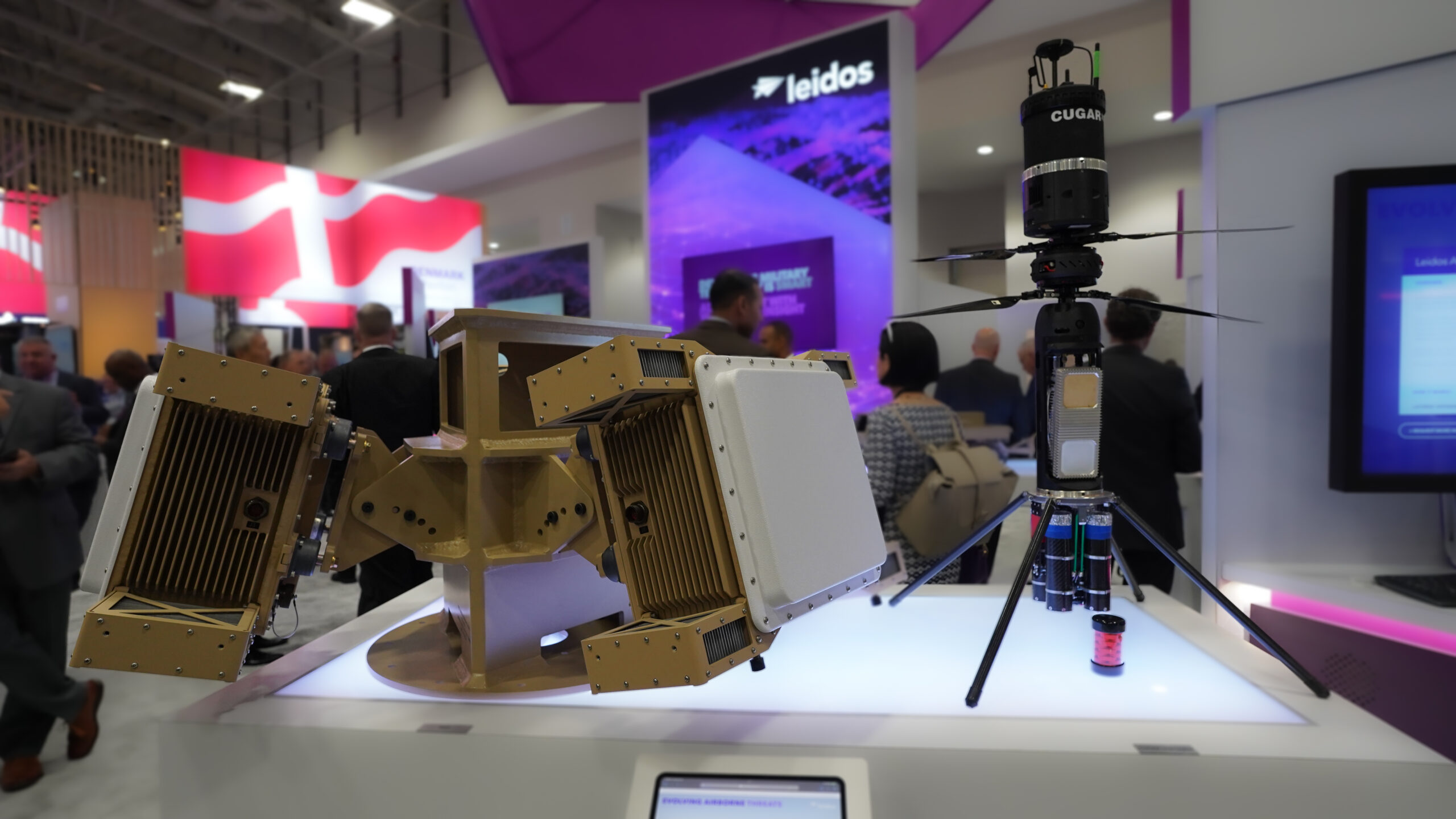
Leidos's Airshield counter-UAS system sits at the company's booth at AUSA 2024. (Brendon Smith / Breaking Defense)
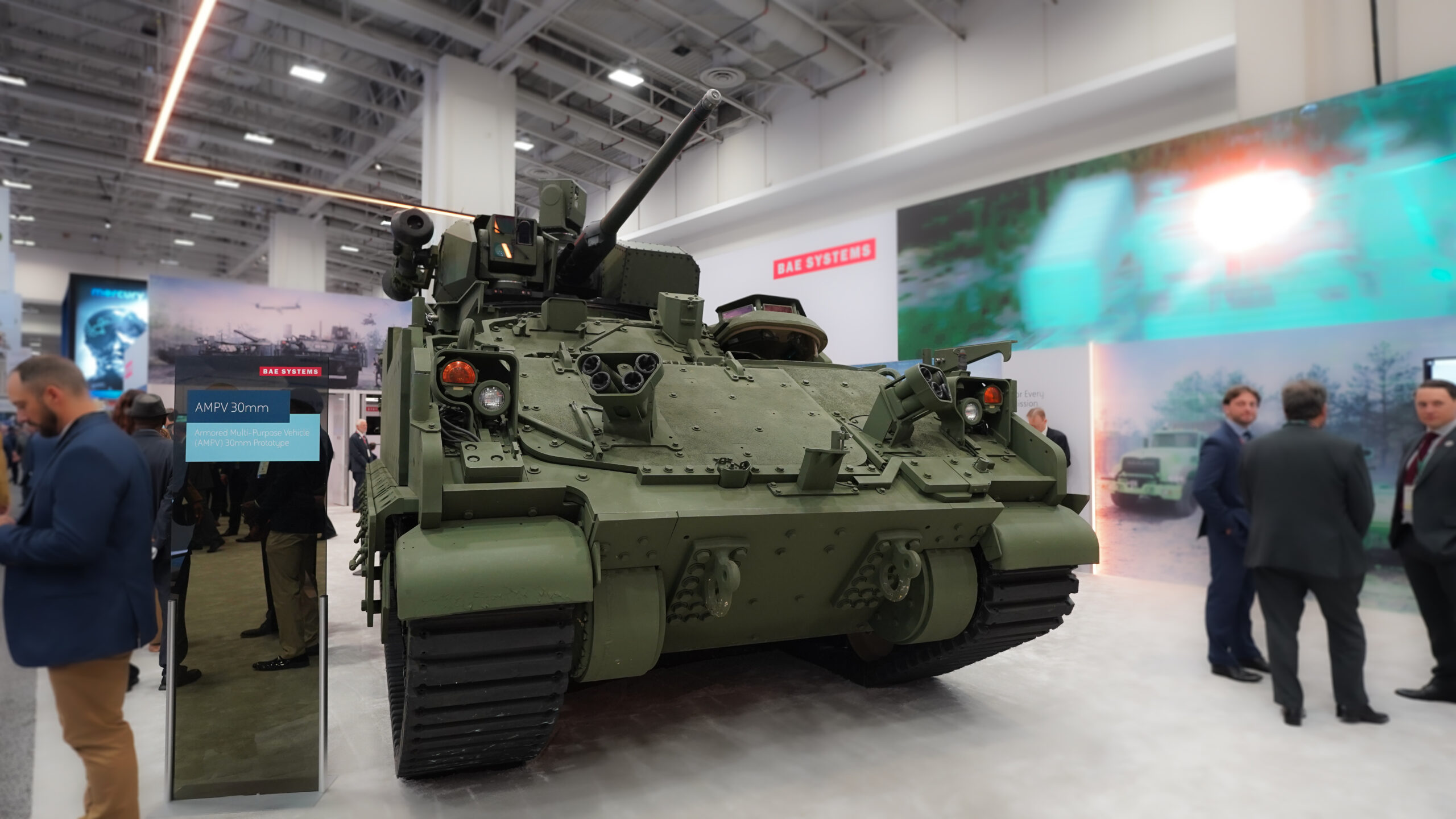
BAE's Armored Multi-Purpose Vehicle (AMPV) with a 30mm gun on display at AUSA 2024. (Brendon Smith / Breaking Defense)
A heavily armed next-gen tactical vehicle on display from GM Defense at AUSA 2024. (Brendon Smith / Breaking Defense)
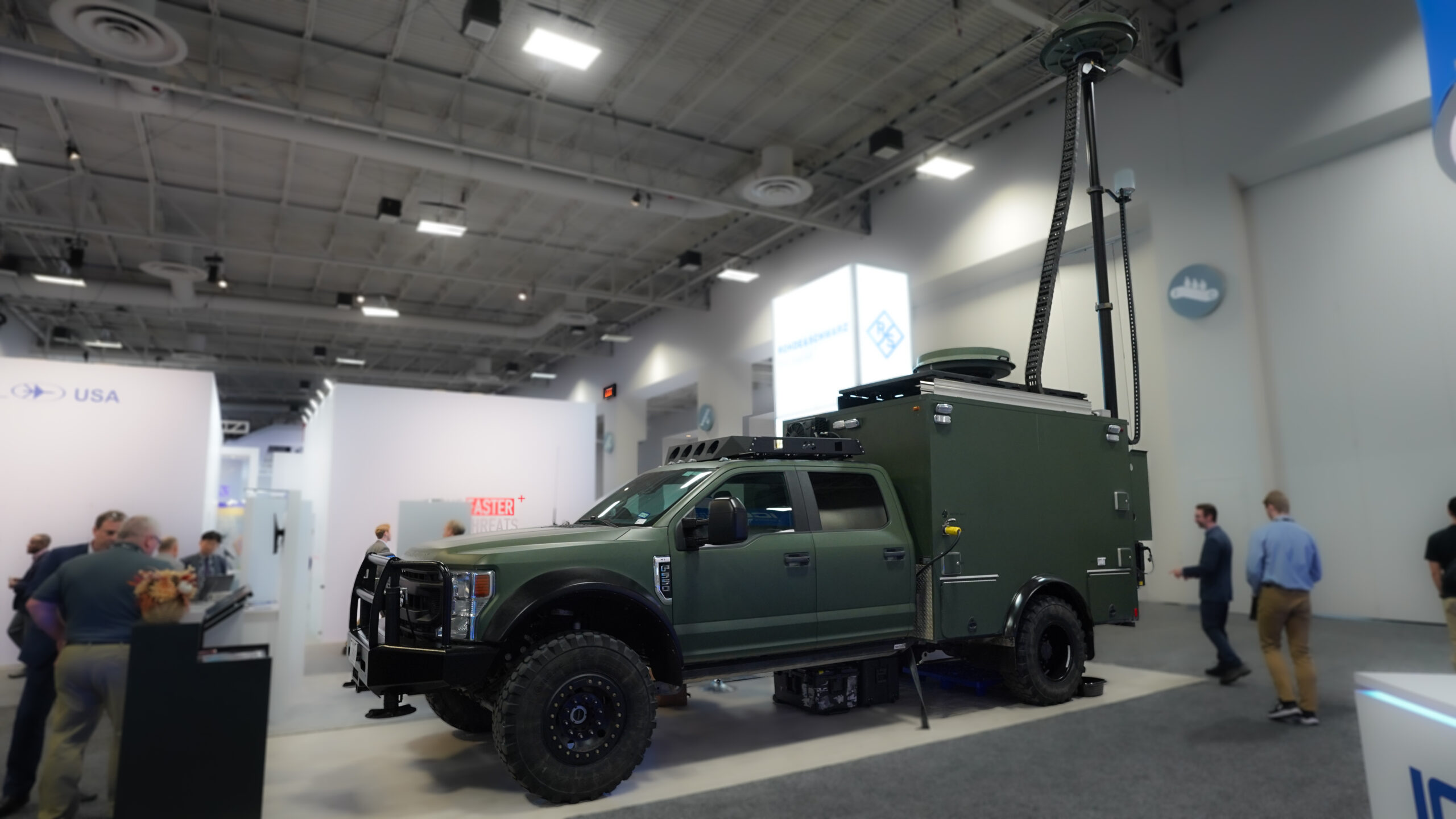
At AUSA 2024, Rohde & Schwarz displays a mobile signals system known as SigBadger. (Brendon Smith / Breaking Defense)