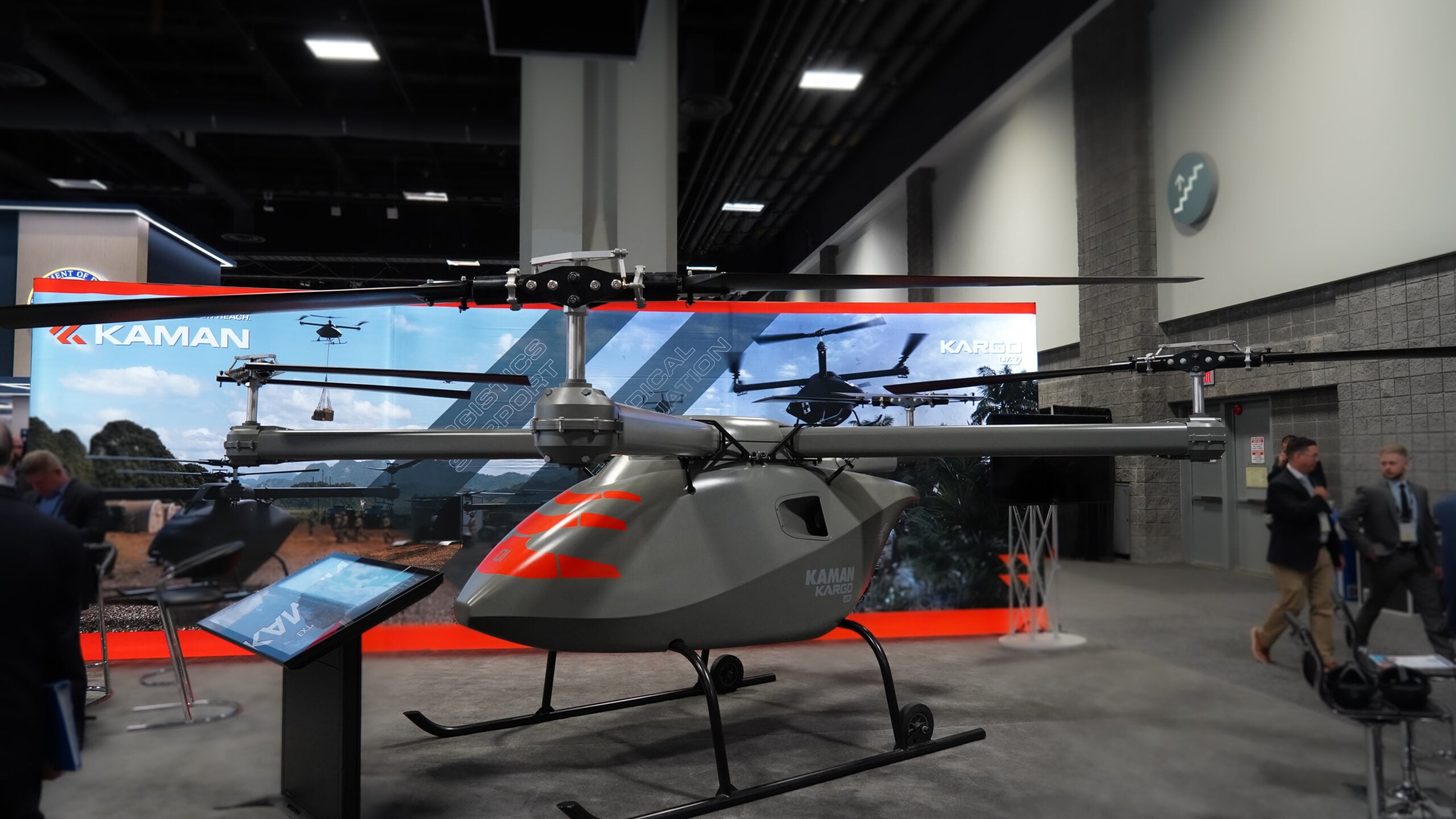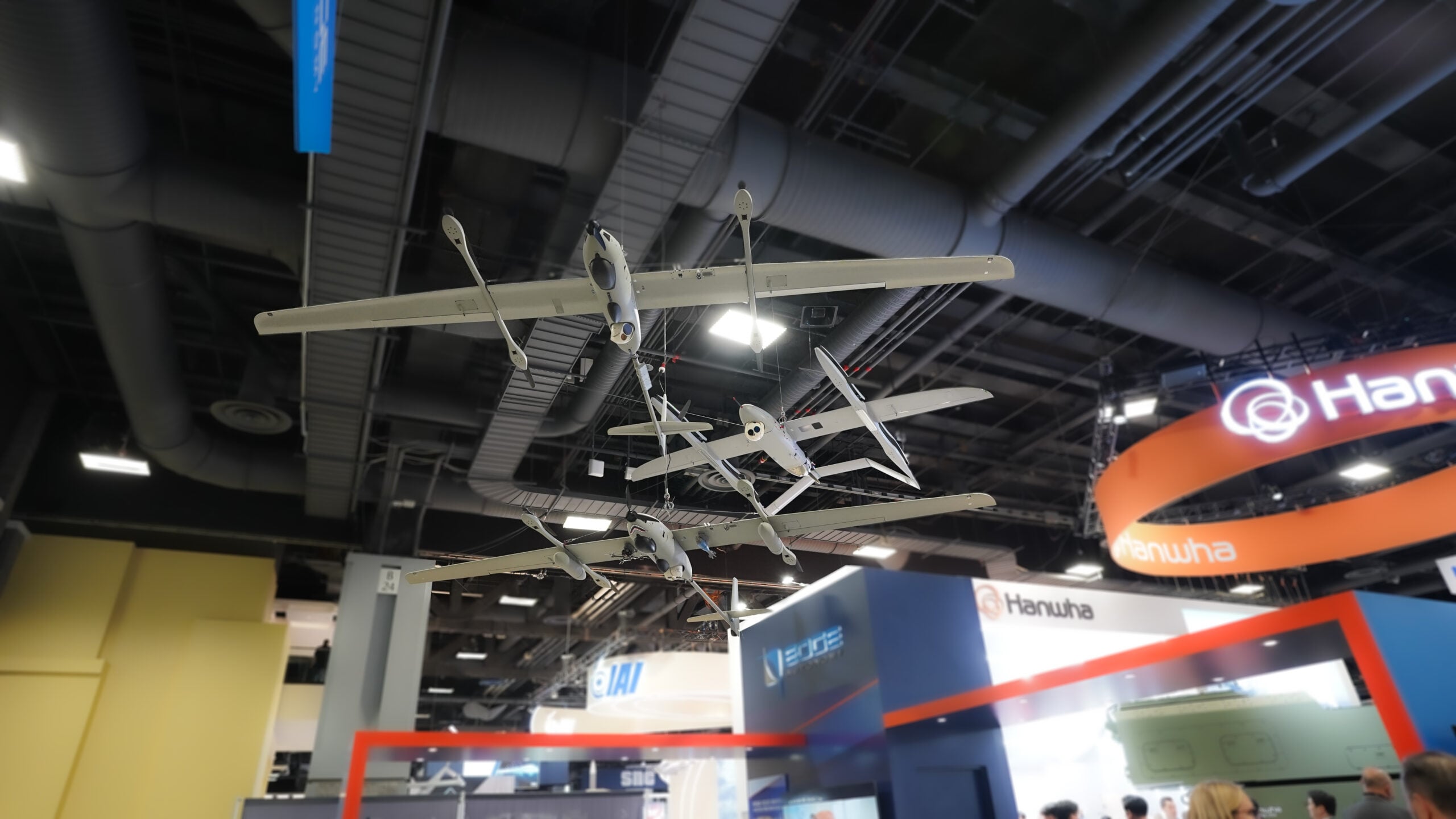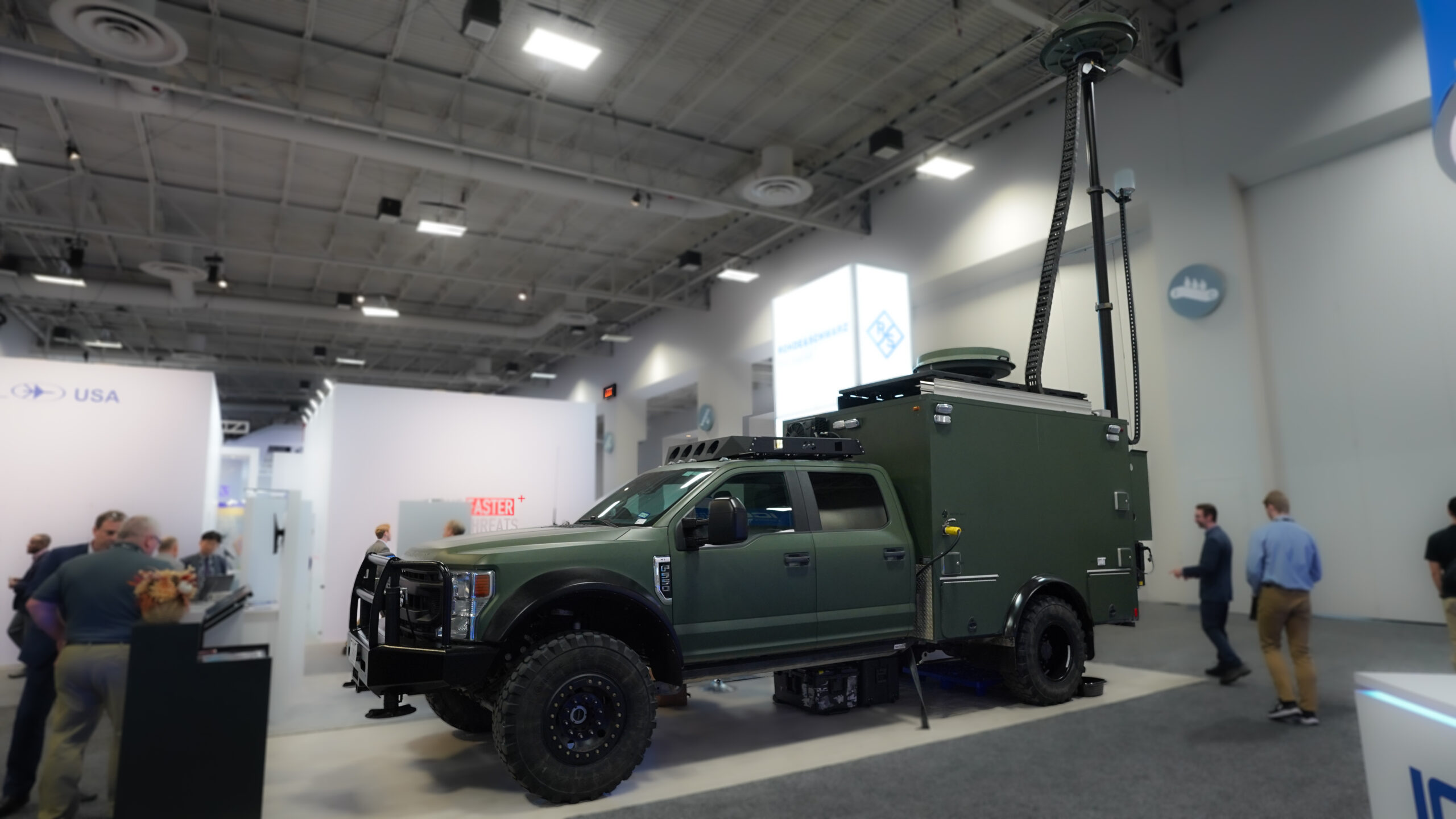
AUSA 2024 — As drone warfare proliferates in conflicts like Russia’s invasion of Ukraine, the Army official tasked with forging plans to fend off drone attacks on troops sees mid-side uncrewed platforms as perhaps the biggest threat.
“Group 3 remains one of the most challenging threats we have in terms of the capabilities and then the payload that you’re talking about, as well as the reach,” Maj. Gen. David Stewart, the director of the Joint Counter-Unmanned Aircraft Systems Office, said during a Monday panel at the AUSA conference here in Washington. (The Pentagon categorizes drones as belonging to five different classes, with Group 1 being the smallest and Group 5 being the largest.)
Displaying a chart that mapped out the spectrum of unmanned threats ranging from Group 1 to Group 5 drones, Stewart explained that smaller drones fall under “protection tasks,” or a problem that “everyone is responsible for.” Essentially, since less sophisticated defensive systems are more appropriate for targeting smaller Group 1 and 2 drones, units should generally have their own capabilities on hand to defend against them.
Moving along the chart toward larger, Group 4 and 5 systems, Stewart argued that these drones fall under an “air defense mission,” or “a mission that is seated with a commander in support of a [Joint Task Force] JTF commander, a combatant commander, and really aligns with a mission set.” These larger drones would be better handled by Patriot batteries or fighter jets, according to Stewart’s chart, which in turn requires higher levels of coordination since not every unit has that kind of equipment at their disposal.
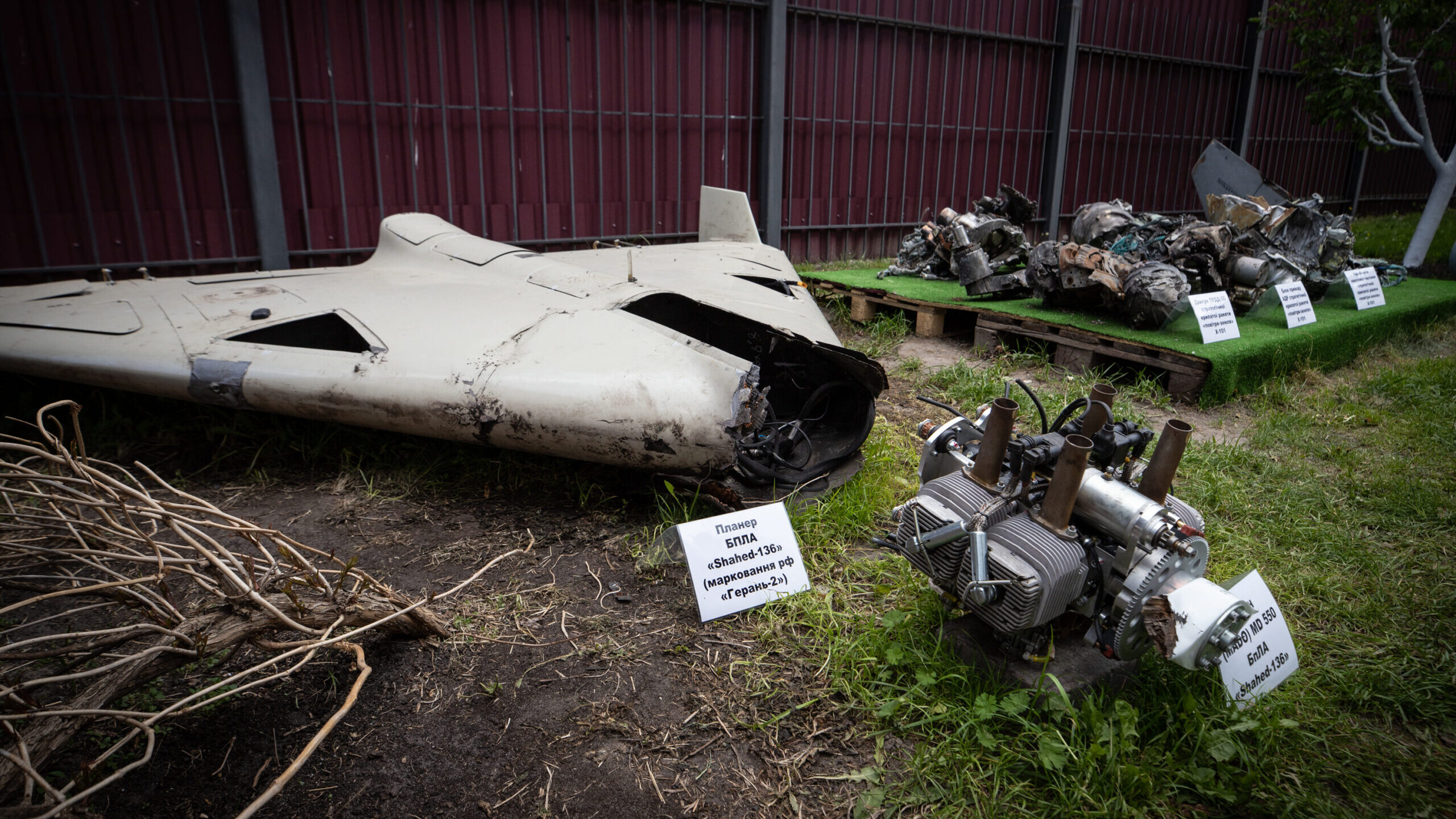
But Group 3 drones — with Stewart’s chart displaying a system that roughly resembles Iran’s Shahed-136 used extensively by Russia in Ukraine — occupies a more vexing position that’s somewhere in the middle between the protection and air defense missions. These drones are large enough that they can carry considerable payloads and fly farther than smaller systems, and require capable interceptors to knock them down.
Making the problem worse is that defensive interceptors are typically more expensive than the threats they’re destroying. For example, Stewart’s chart displayed key interceptors that can take out Group 3 drones like RTX’s Coyote and Anduril’s Roadrunner. But on a separate panel on Monday, Maj. Gen. Frank Lozano, the Army’s program executive officer for missiles and space, argued that while it was good the Army ramped up orders of systems like Coyote, relying on them for the long term isn’t sustainable.
Highlighting a rough price tag of about $120,000 per Coyote, Lozano said, “We’re not going to win that cost curve battle if all we do is deal with the threat kinetically.”
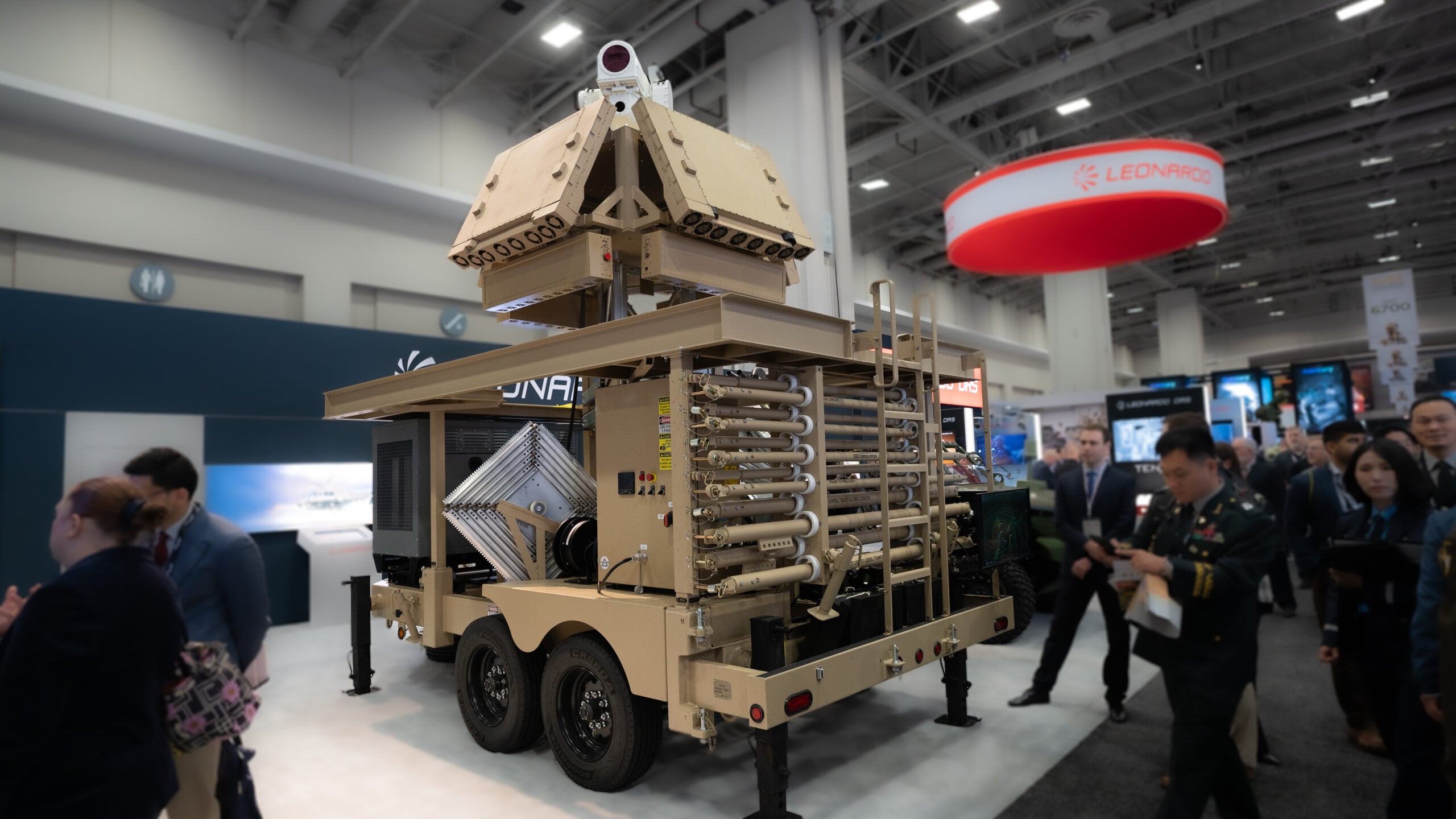
The cost issue is well known to the Pentagon, and officials on both Monday panels emphasized the need for a layered defensive approach that incorporates kinetic and non-kinetic systems. Lasers in particular represent a holy grail for defensive tech, since they are relatively inexpensive to operate compared to kinetic systems.
Beyond the need for cheaper intercept technology, integrating all available capabilities together “remains a challenge for us,” Maj. Gen. Rich Harrison, commanding general of the 32nd Army Air and Missile Defense Command, said during the Monday panel with Stewart and other Army officials.
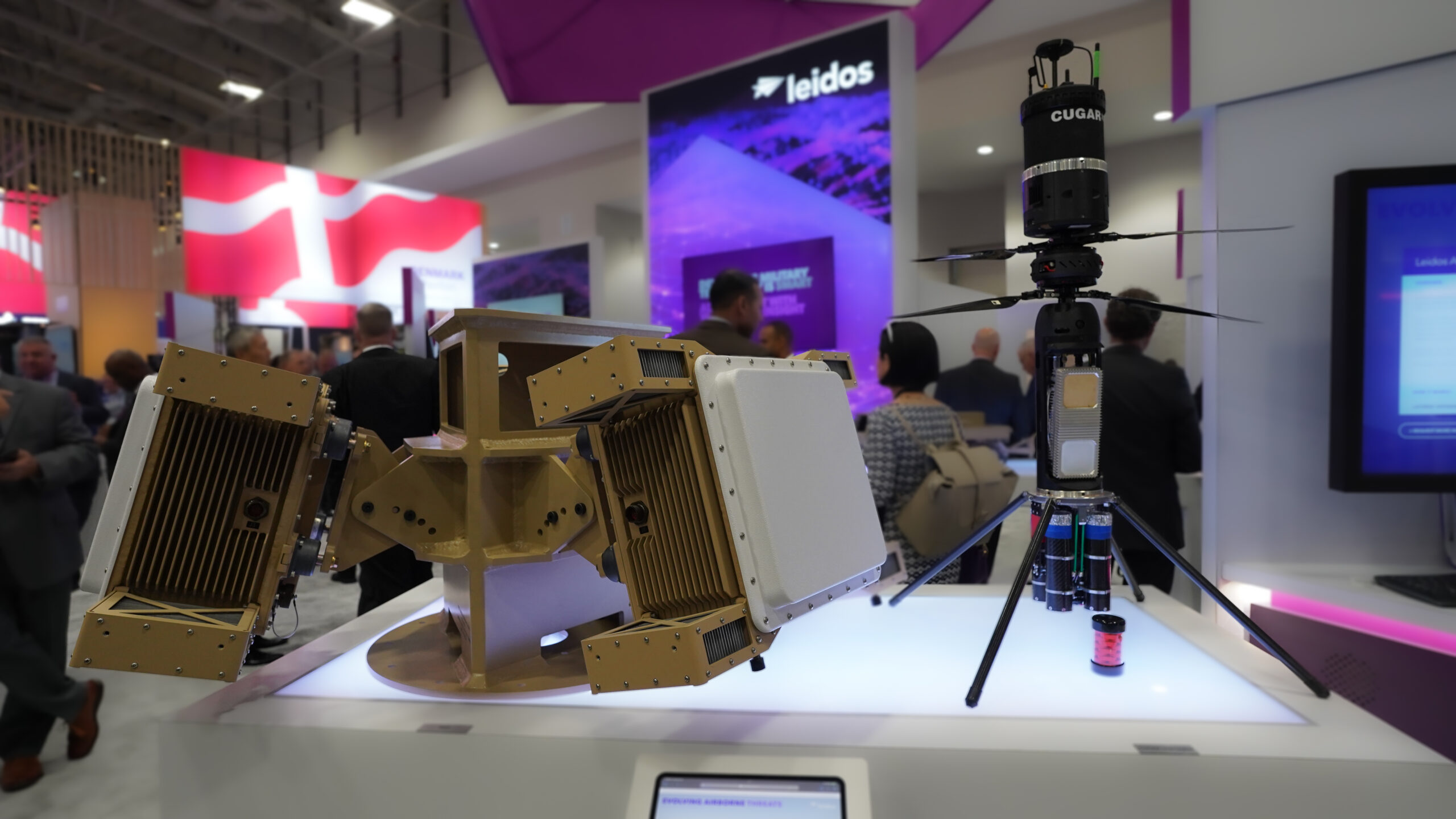
The Pentagon has other needs to defend against the unmanned threat, according to Harrison. “One of the most pressing,” he said, is detecting and targeting lower-class drones that have smaller radar cross sections. Since radar systems are typically tailored to tracking larger targets, smaller drones can sometimes slip through detection and “blend into the clutter of the battlespace.”
Fighting those drones isn’t always easy due to policy and legal limitations, particularly in urban settings, Harrison said. And as adversaries find ways to make systems more resistant to interference from electronic warfare, services like the Army need to exploit cyber vulnerabilities in response, according to Harrison.
With the threat of unmanned warfare only poised to accelerate, Harrison underlined that the military services need to undertake a bottom-up revamp.
“Our current air and missile defense training primarily focuses on traditional threats: aircraft, missiles and rockets. While these remain important, we must also shift focus to include UAS in our training programs at all levels of command,” he said.
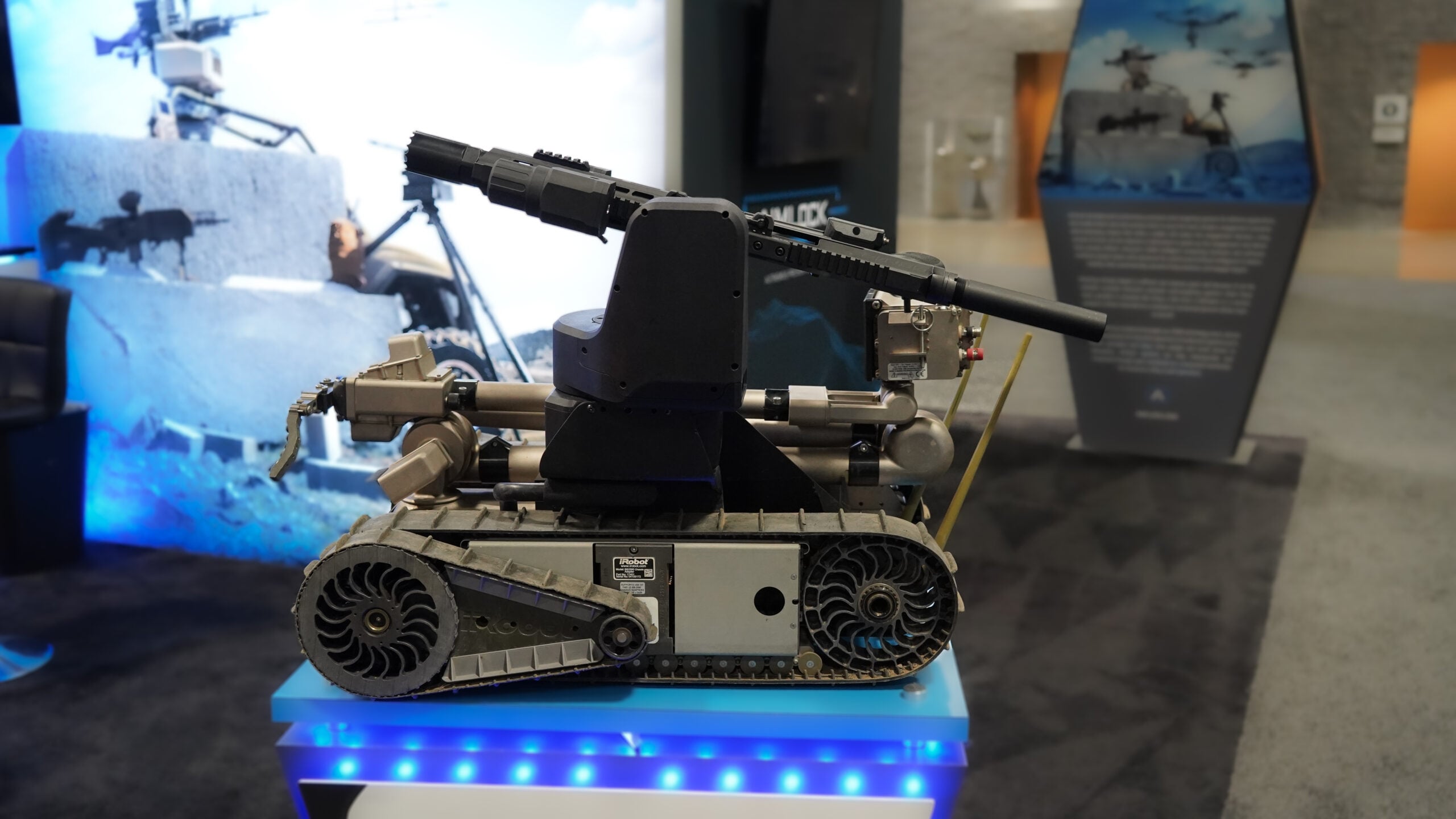
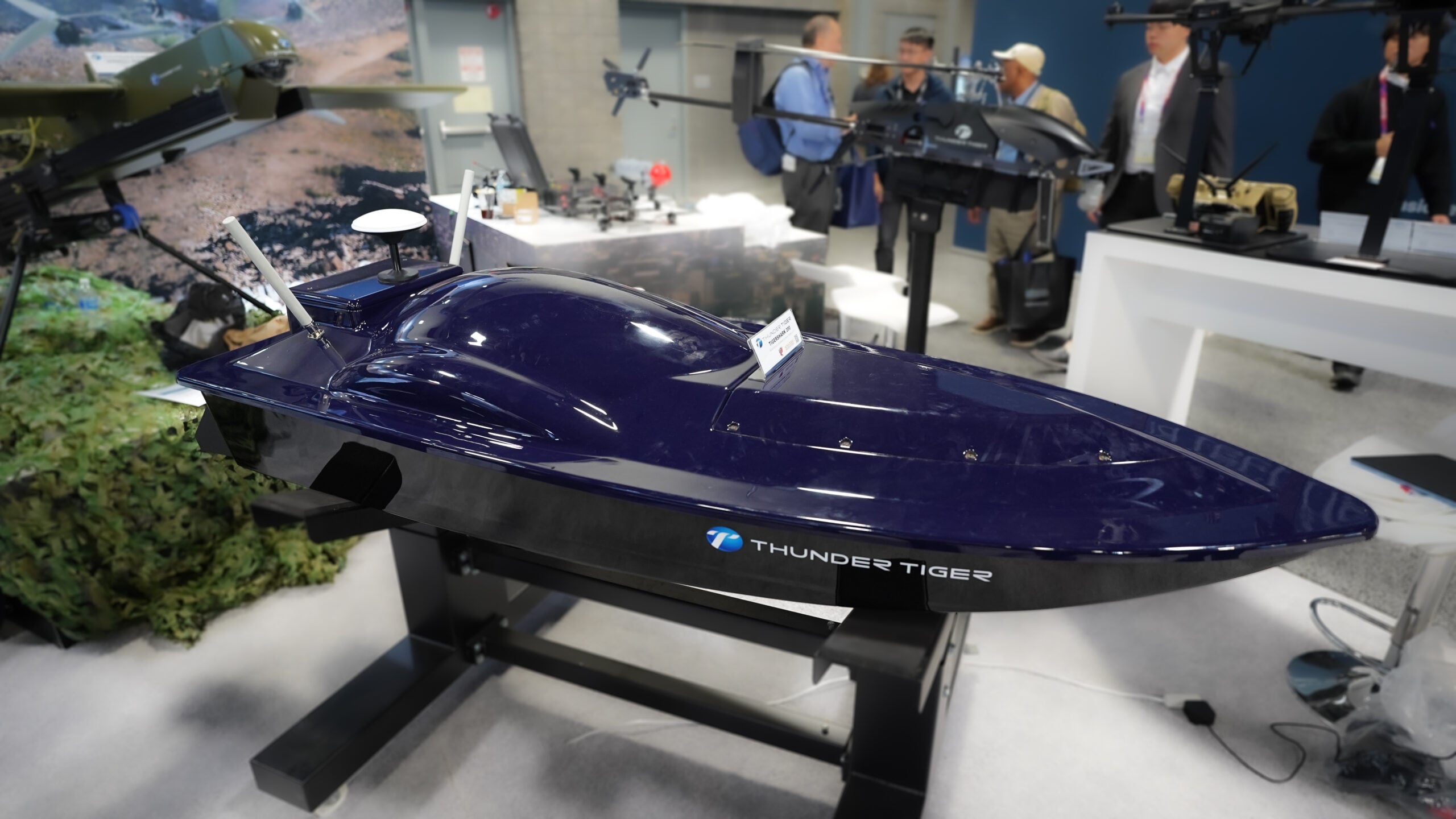
Looking ahead, Stewart said unmanned threats are no longer just coming from the air, requiring the DoD as a whole to anticipate how to defeat land- and sea-based systems.
“The Department is moving towards a counter-UXS, so that’s air, sea and land, not just the air part,” he said. “So when we wrap our arms around that as a department, we’re really seeing that this uncrewed, unmanned threat is coming from all different areas.”
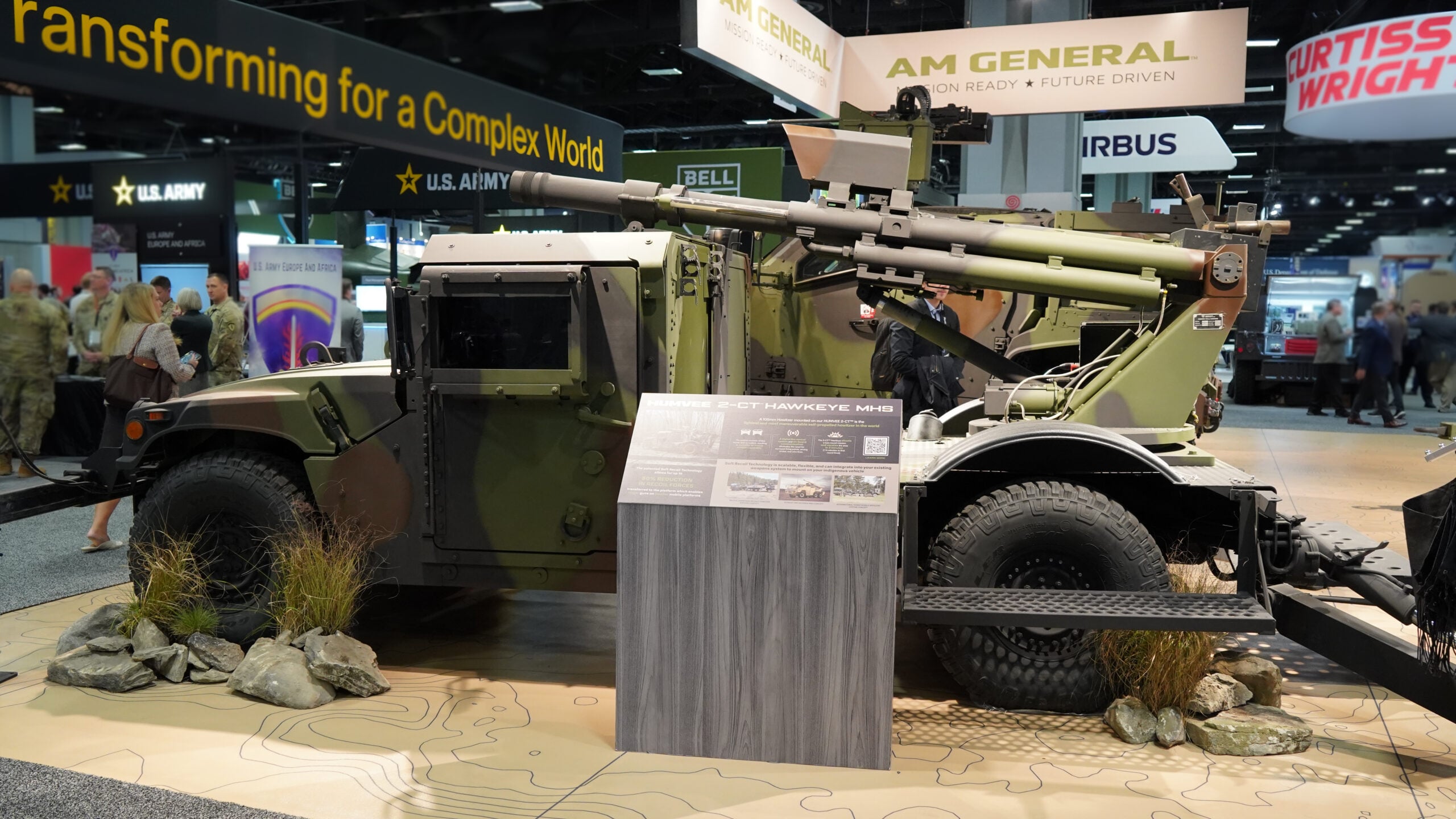
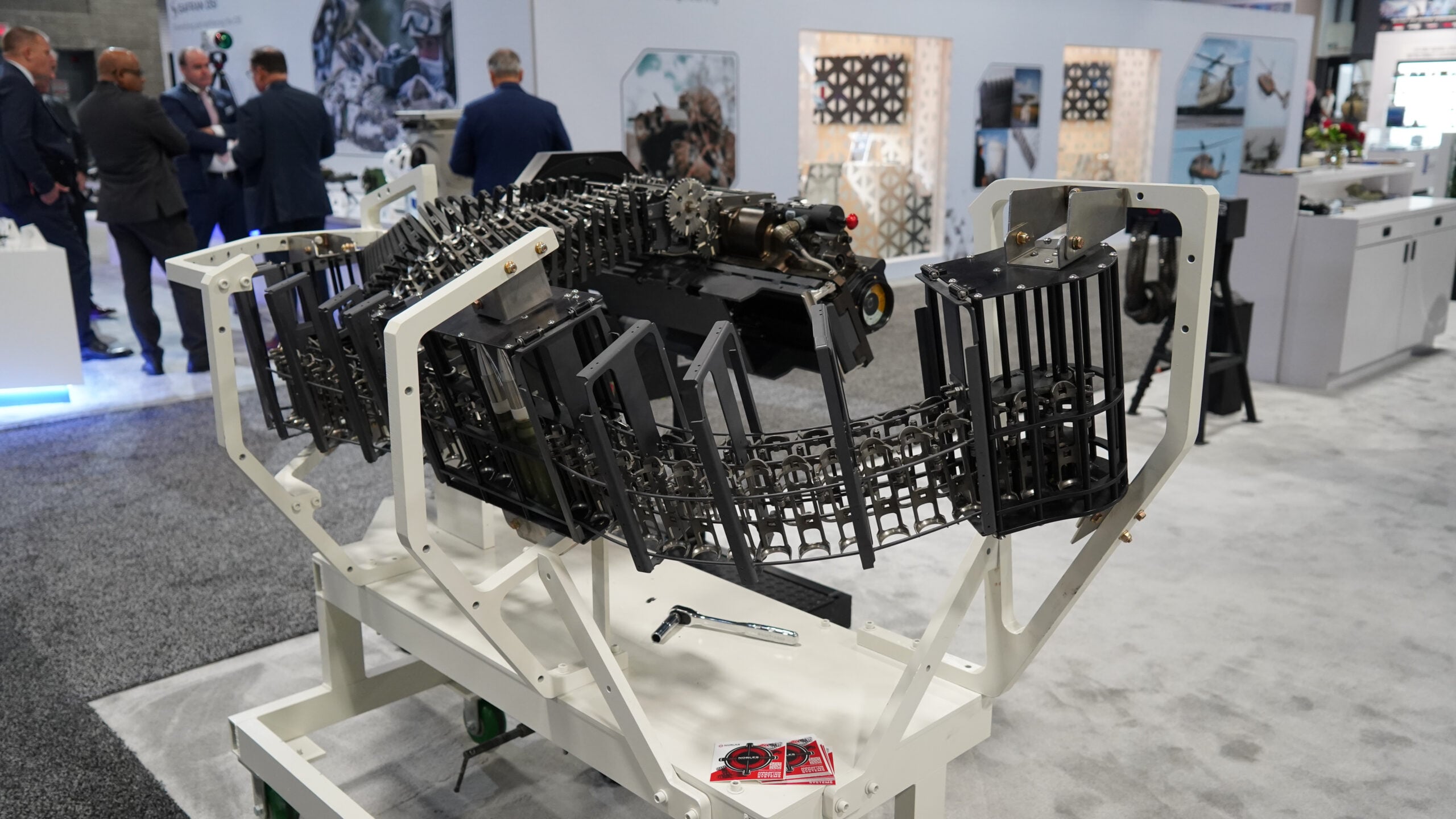
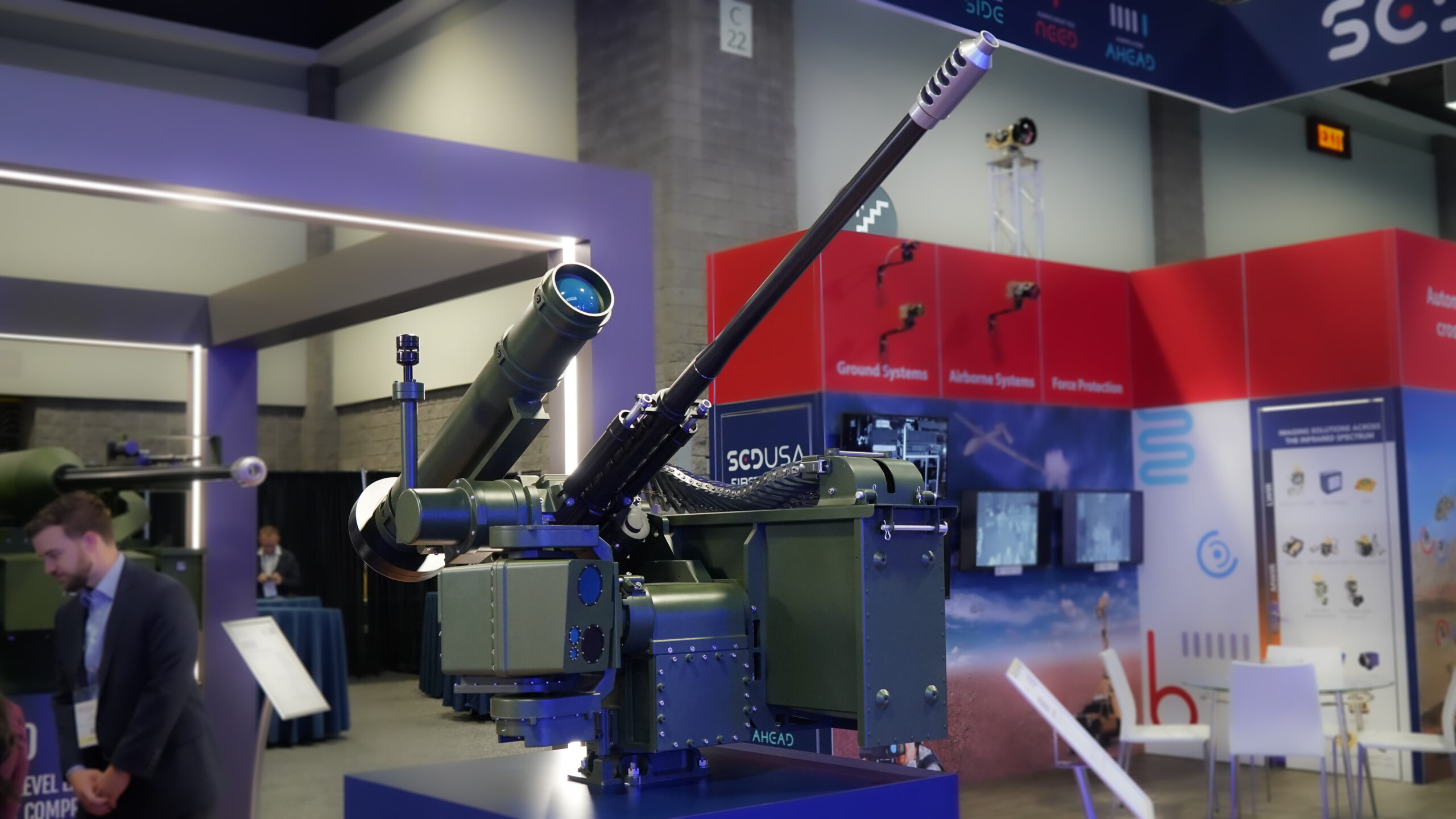
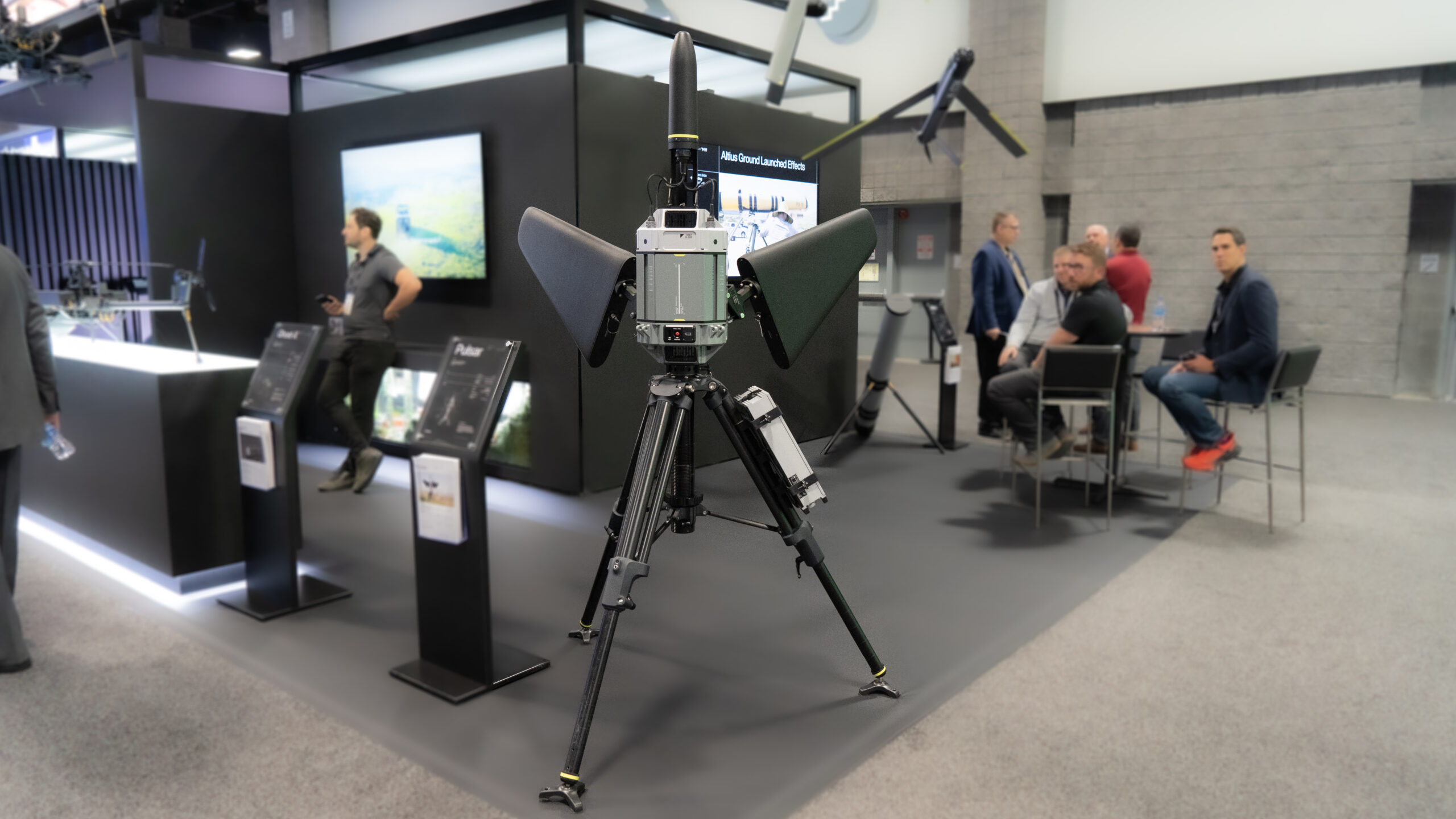
PHOTOS: AUSA 2024

 Gallery