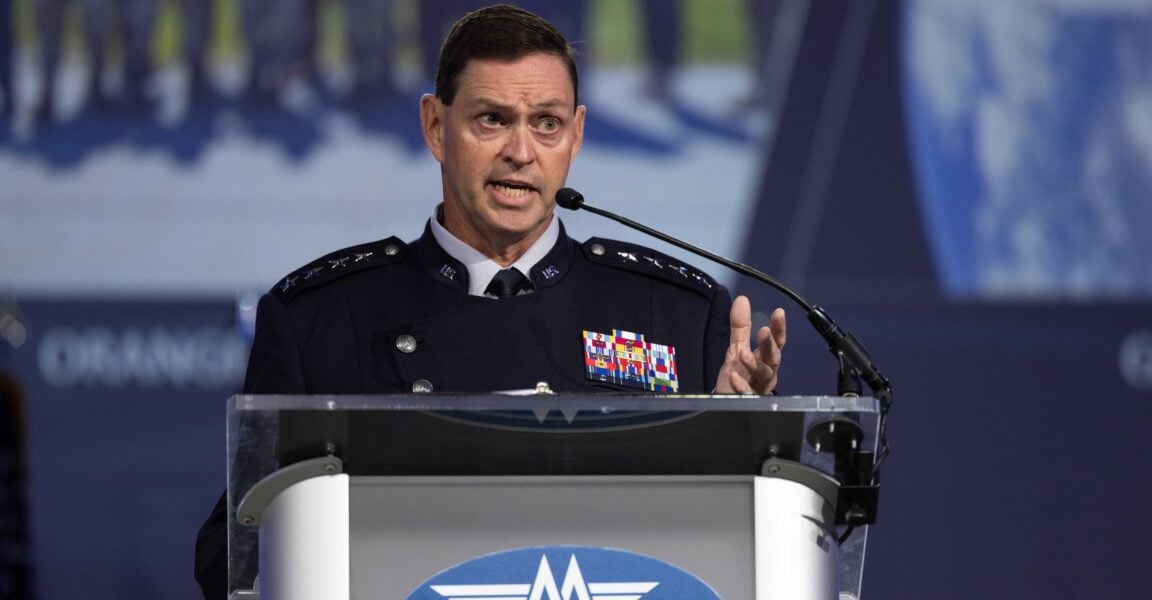
AFA 2025 — The Air Force is “beginning to manufacture the first article” of the sixth-generation F-47 stealth fighter, Chief of Staff Gen. David Allvin revealed today, with hopes of a first flight in 2028.
“We’re ready to go fast,” he said during a keynote address at the Air & Space Forces Association Air, Space and Cyber conference.
It’s not clear at what stage of the manufacturing process the jet has reached, which has already been prototyped in a secretive testing campaign. The aim to fly by 2028 represents a relatively aggressive target that may put some features like a next-gen engine out of reach for that timeline.
Ahead of the F-47 award in March, Boeing announced plans to expand the company’s facilities at its fighter manufacturing hub in St. Louis that will be key to future aircraft programs. Company representatives declined to comment on Allvin’s remarks today.
The F-47, envisioned as the replacement for the F-22 Raptor, is expected to incorporate advanced stealth, sensing and communications capabilities. Air Force officials under the Biden administration previously paused the program, but the jet was ultimately greenlit by Trump officials and unveiled in a splashy Oval Office briefing.
Fiscal 2026 budget documents released by the Pentagon earlier this year indicated that the jet’s development phase would last through at least FY30, though the Air Force has previously told Breaking Defense that it can be declared operational prior to the phase’s conclusion. Air Force officials have previously said the F-47 would fly during the Trump administration, though today’s announcement of a 2028 target date appears to be the first definitive timeline for the plane to take to the skies.
Allvin’s comments served as a swan song of sorts for the outgoing Air Force chief, who announced his surprise retirement last month. The general’s remarks did not address his retirement or questions over his successor.
Air Force Secretary Troy Meink led the way with the first speech of the conference today, as questions swirl around key service initiatives like a “reoptimization” initiative that was announced during the Biden administration but put on hold earlier this year. Meink largely focused on key modernization initiatives for the Air Force, hailing some like the B-21 Raider but noting others like the Sentinel ICBM continue to struggle.
“The challenge is that some of these programs have been doing really well. Some of these programs have not been doing well at all,” he said.
Addressing reporters in a roundtable later in the day, Meink elaborated that “there’s almost no such thing as a permissive environment” across operational domains and that if a system in question “cannot do its job unless it’s in a permissive environment, it’s probably not something that we should be focused on.”
Asked about initiatives like the “reoptimization” drive pushed under the Biden administration that is now in limbo, Meink replied that officials are “getting close to making a number of those decisions” that should be rolled out “in the next couple of months.”
The secretary also addressed uncertainty at the top of the service, as questions swirl over who will replace Allvin and separately fill a vacant slot as the Air Force’s No. 2 official.
While noting that the Trump administration ultimately has to select a nominee, “the bottom line is we will not not have a chief. Gen. Allvin and I will make sure that we have a chief,” he said.
Updated 9/22/25 at 3:22pm ET to include additional information from a reporter roundtable.
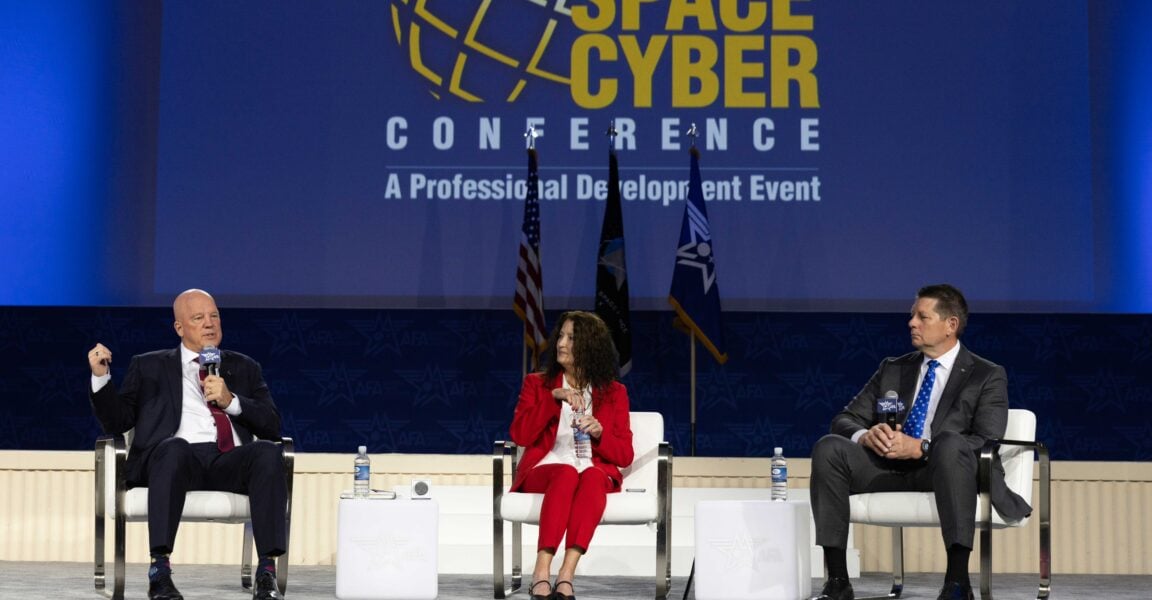
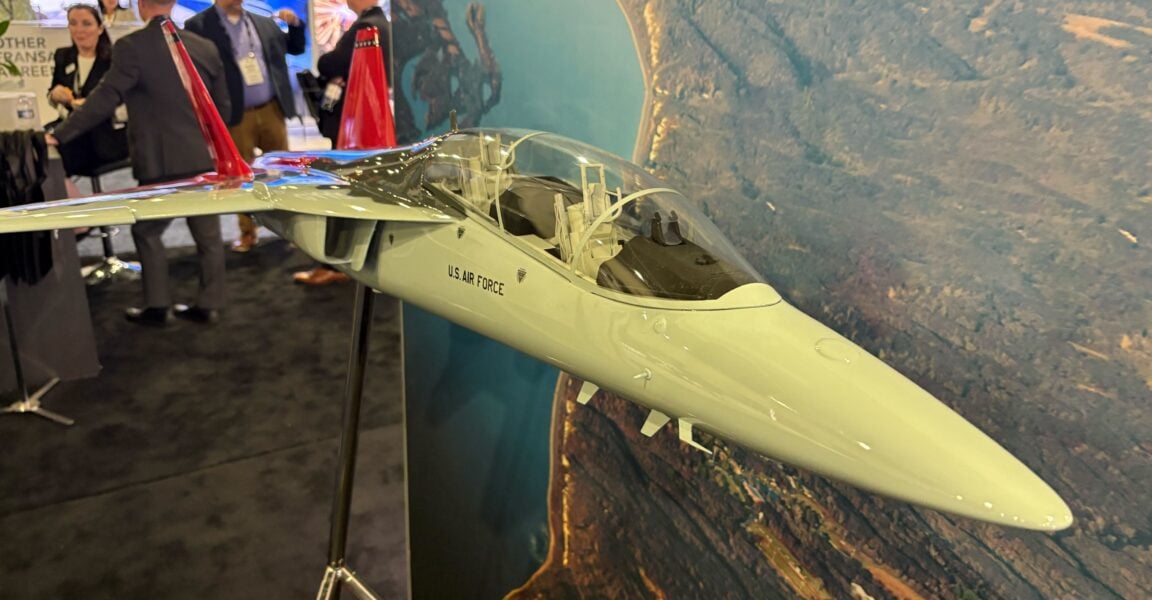
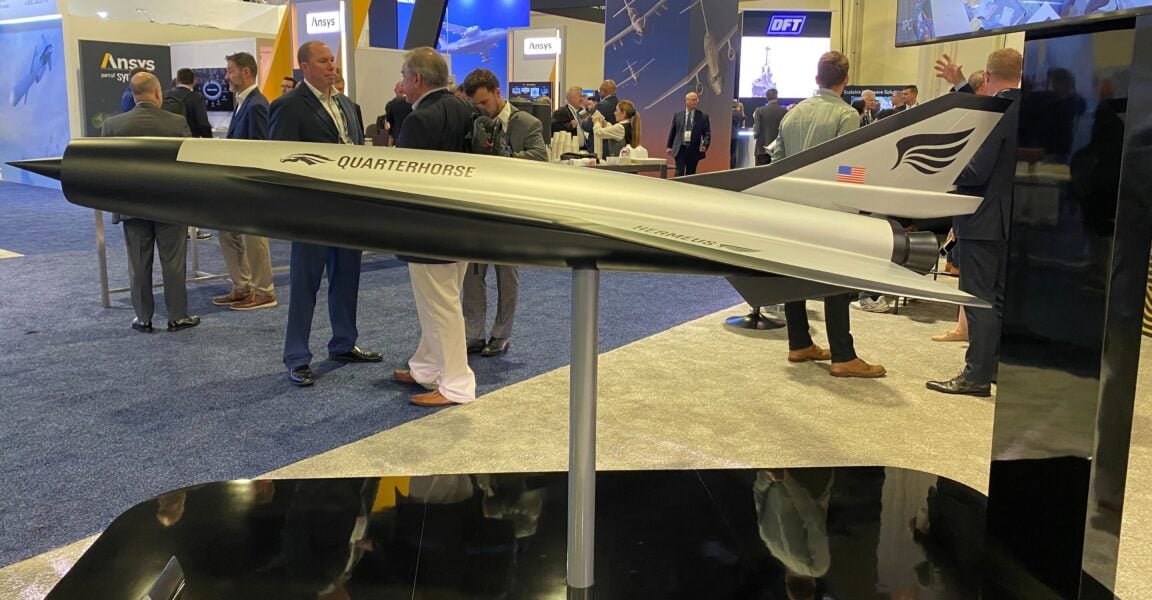
PHOTOS: AFA 2025

 Gallery