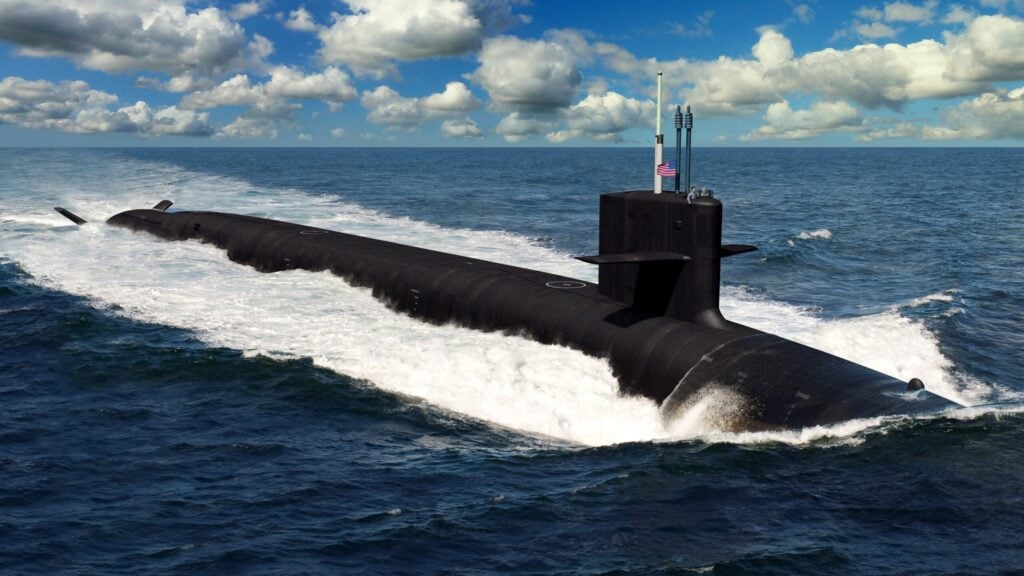
NATIONAL HARBOR, Md. — Delivering the first Columbia-class submarine by a 2028 target will be a “wicked heavy lift,” according to the Pentagon’s first-ever submarine “czar.”
“It’s an all-hands-on-deck effort to get the first of the class delivered,” Vice Adm. Robert Gaucher, the Pentagon’s first Direct Reporting Portfolio Manager (DPRM) for Submarines, said Monday at the Sea Air Space Exposition. “The target is 2028; that is going to be a heavy lift. We’ve got to do better. So we have got to think, act, and operate differently in order to get that ship deployed and out there and operating.”
“We’ve got to get through all the first of class — I’m going to call them hiccups — because there’s going to be things we learn because we’ve never operated it before,” Gaucher said. “So that is one pacing imperative, and it is going to be a wicked heavy lift, but we’re driving for it, and we will do all we can do.”
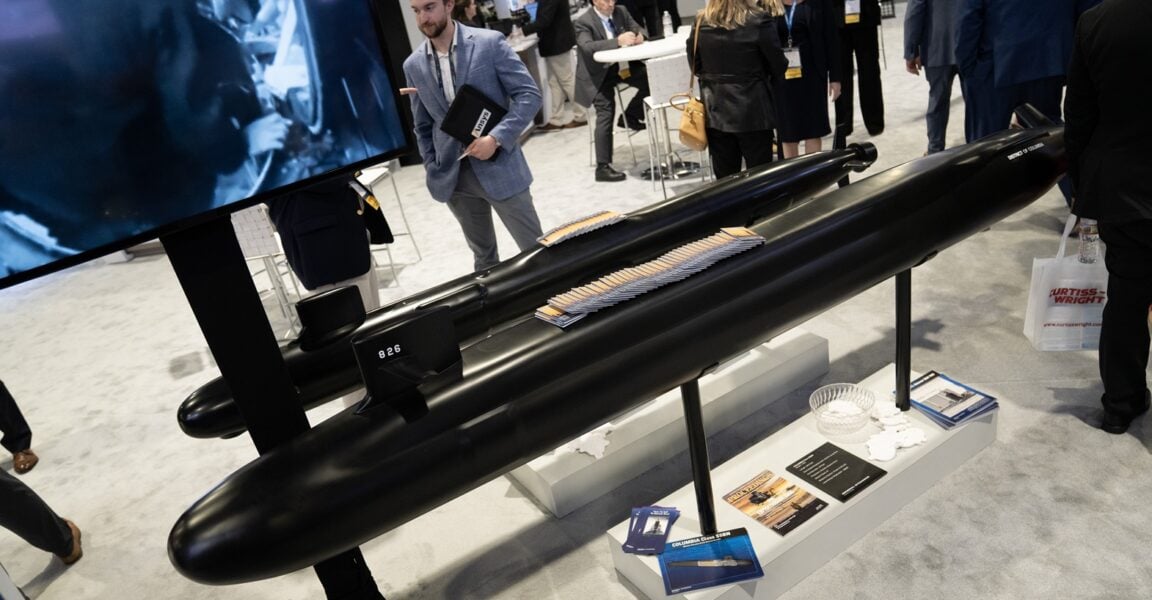
The first Columbia-class submarine, the District of Columbia, was originally scheduled for delivery in 2027, but Navy leaders said last year the vessel could be delivered in 2029 amid supplier issues. However, Navy leaders have said in recent months the submarine’s expected delivery is now 2028.
Still, Gaucher said a 2028 delivery would not be done if it meant long-term consequences for the program.
“We will not do that at the expense of the class, because even more important than getting the first ship out is getting on a one-per-year cadence,” Gaucher said.
Gaucher’s comments come after the Navy and its shipbuilding partners who are producing the District of Columbia — General Dynamics Electric Boat and HII’s Newport News Shipbuilding — created an acceleration plan early last year to deliver all the modules that make up the Columbia-class submarine to the final assembly yard at General Dynamics Electric Boat in Groton, Conn., by the end of 2025. (When asked for comment for this report, HII referred Breaking Defense to General Dynamic Electric Boat, which referred Breaking Defense to the Navy.)
As a result of the acceleration plan, Rear Adm. Todd Weeks, then the program executive officer for strategic submarines, said at the WEST 2026 conference in February that the Columbia-class is encountering a construction “ramp-up,” and said full-rate construction of the vessels is expected in the early 2030s. Weeks said at the time the District of Columbia was roughly 65 percent complete.
The Navy first disclosed in 2024 that several shipbuilding programs, including the District of Columbia and the fourth and fifth blocks of the Virginia-class submarine, were facing delays, and cited shipyard workforce and supply chain challenges. At the time, the service said that the District of Columbia would likely encounter a 12- to 16-month delivery delay as a result.
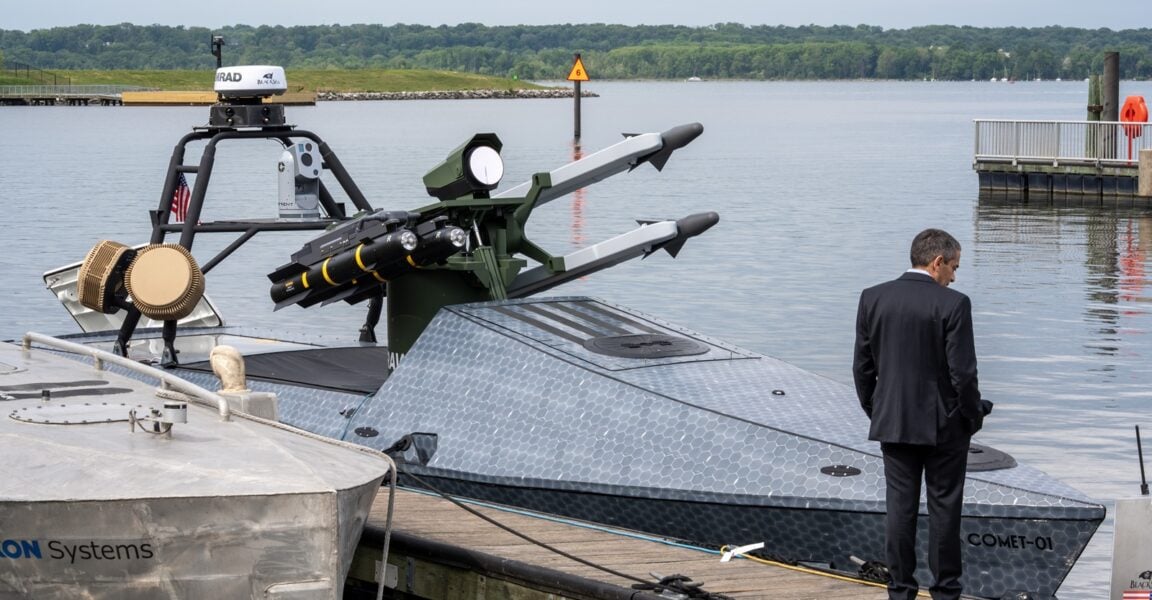
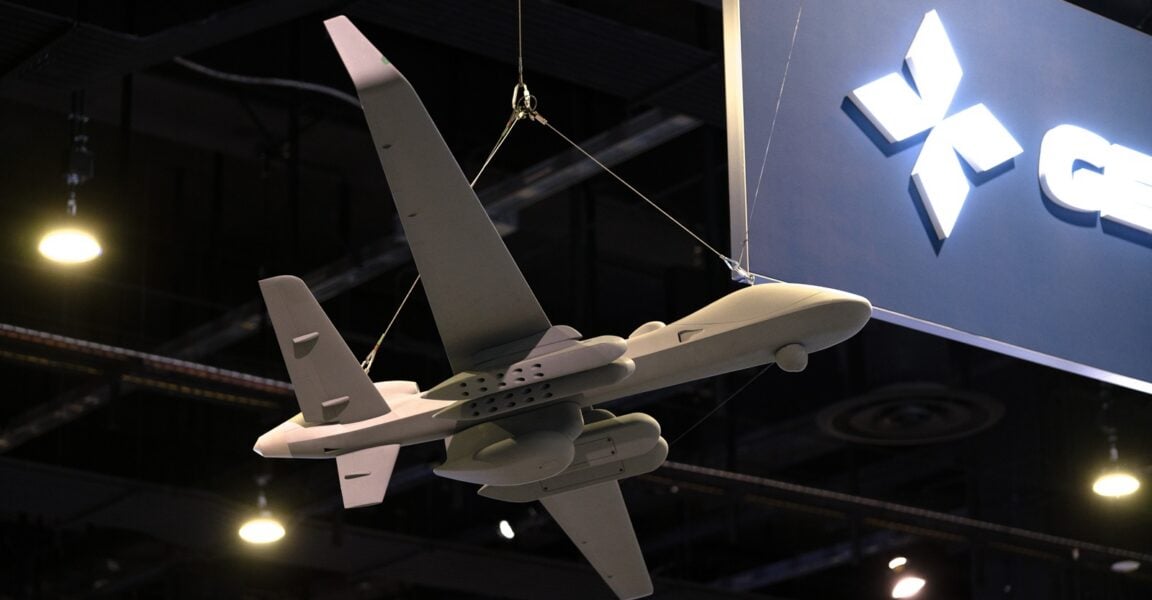
PHOTOS: Sea Air Space 2026

 Gallery