Space

SDA misses self-imposed deadline on orbital mesh network

“We are behind on that. We should be there already,” Space Development Agency Director G.P. Sandhoo said bluntly.

Satellite internet communication to Earth from space. (Getty images)

NATIONAL HARBOR, Md. — The Space Development Agency’s ambitious plan to create a satellite-to-satellite data relay network is now lagging a year behind, SDA director G.P. Sandhoo revealed.

Just over six months ago, Sandhoo told the Satellite 2026 conference in Washington, DC that “we are about three months behind” on the orbital mesh network, but he hoped to start building it within six months. That self-imposed deadline expires in 10 days.

But Sandhoo said here on Tuesday that that SDA wasn’t going to make it. In fact, he now doesn’t expect to start for another three months at least. All together, that pushes the total expected delay to at least a year.

“We have not started yet,” the SDA director told reporters bluntly at the AFA 2026 conference. “We are behind on that. We should be there already.”

“I push on the team every week. … The next step is to get that done,” he continued. “In the next three to four months, that’s the number one priority for us.”

The network is such a high priority because it’s needed to streamline data transfers across SDA’s Proliferated Warfighter Space Architecture (PSWA), meant to encompass hundreds of satellites providing missile warning, tracking, and fire control. To do that, the network will allow satellites to transfer data directly to each other — instead of having to relay signals through ground stations — using laser beams instead of radio waves.

There have been “multiple issues,” Sandhoo said, but one of them is just getting sufficient numbers of the high-quality optical components required. The “optical heads” have to be finely engineered enough to send and receive clear signals, he explained, yet robust enough to survive being launched into orbit.

The problem is literally rocket science — plus supply chain logistics.

SDA used firm fixed price contracts to keep costs down for the initial group of PWSA satellites, Tranche 1, Sandhoo explained. But all of those contracts ended up going with the same supplier for Optical Communication Terminals (OCTs).

“That vendor is having issues with throughput and not able to deliver,” he said.

“I have not seen the improvement that I wanted to see … in Tranche 1,” the director continued. “With Tranche 2, we have done some risk mitigation.” The plan is to create “a parallel path … so you have options later in the design” to swap in OCTs from another supplier.

In the longer term, the Space Force has even bigger ambitions for its PWSA satellites, Sandhoo said. That includes adding edge computing and artificial intelligence to the satellites so they can digest vast amounts of data in orbit, conserving space-to-earth bandwidth and speeding the flow of priority data.

“We plan to leverage all of that as we get into this,” Sandhoo said, “But we are not going to start with transformative AI. … We’ve still got to get the satellites up first.”

Theresa Hitchens contributed to this article.

PHOTOS: AFA 2026
PHOTOS: AFA 2026

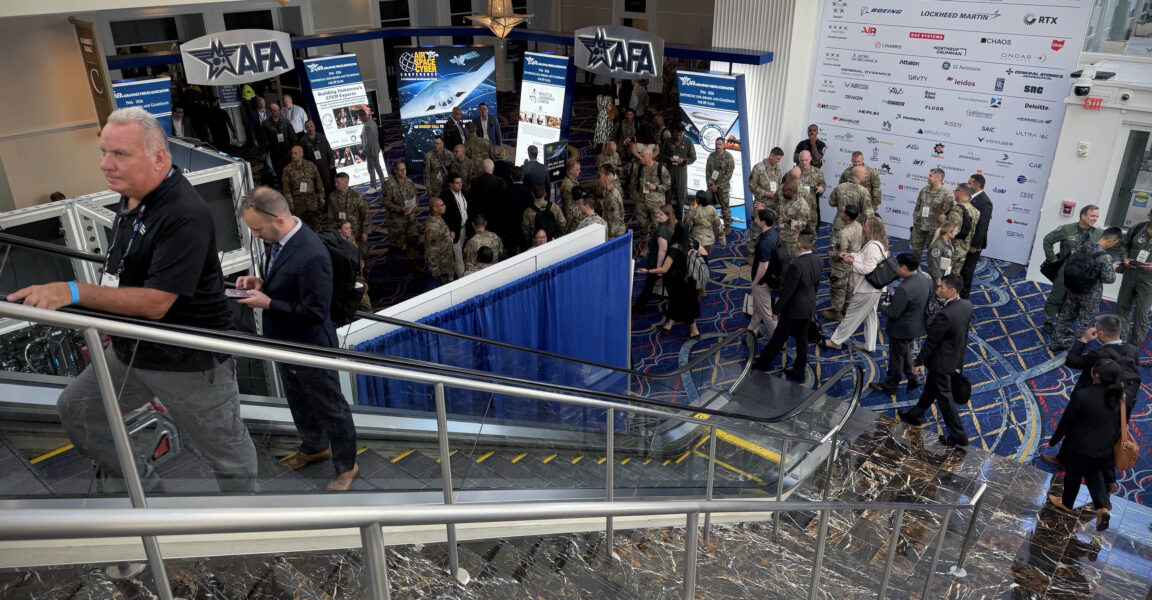
Dozens of attendees file in during day one of the Air, Space and Cyber conference on Sept. 14, 2026. (Breaking Defense)
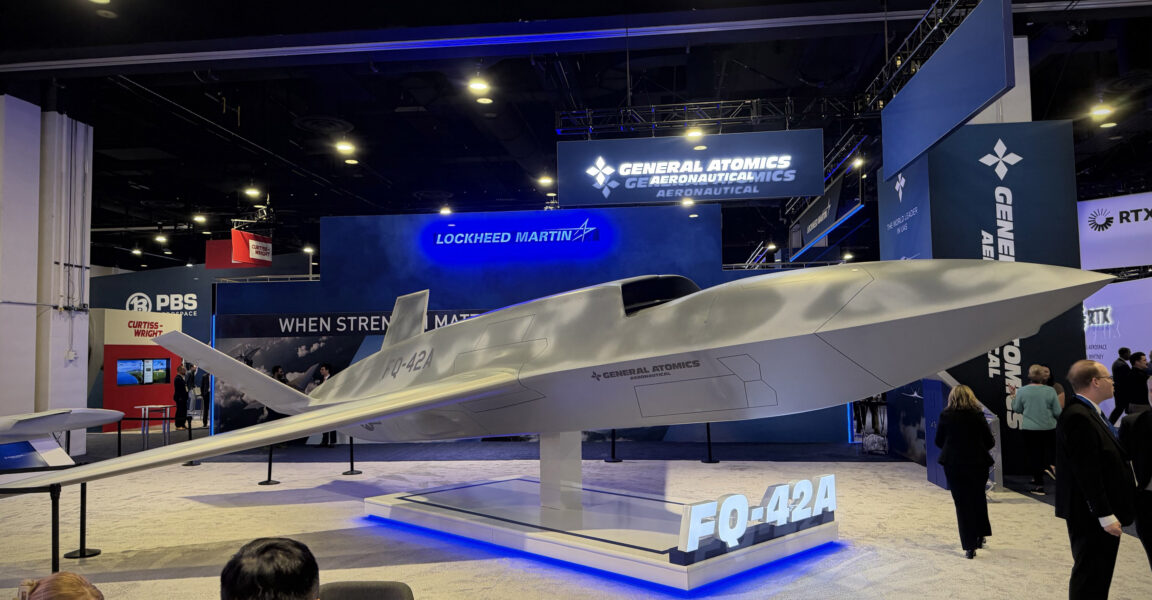
The unmanned fighter aircraft FQ-42 Vengeance from General Atomics is seen here on display at the Air, Space and Cyber conference on Sept. 14, 2026. (Breaking Defense)
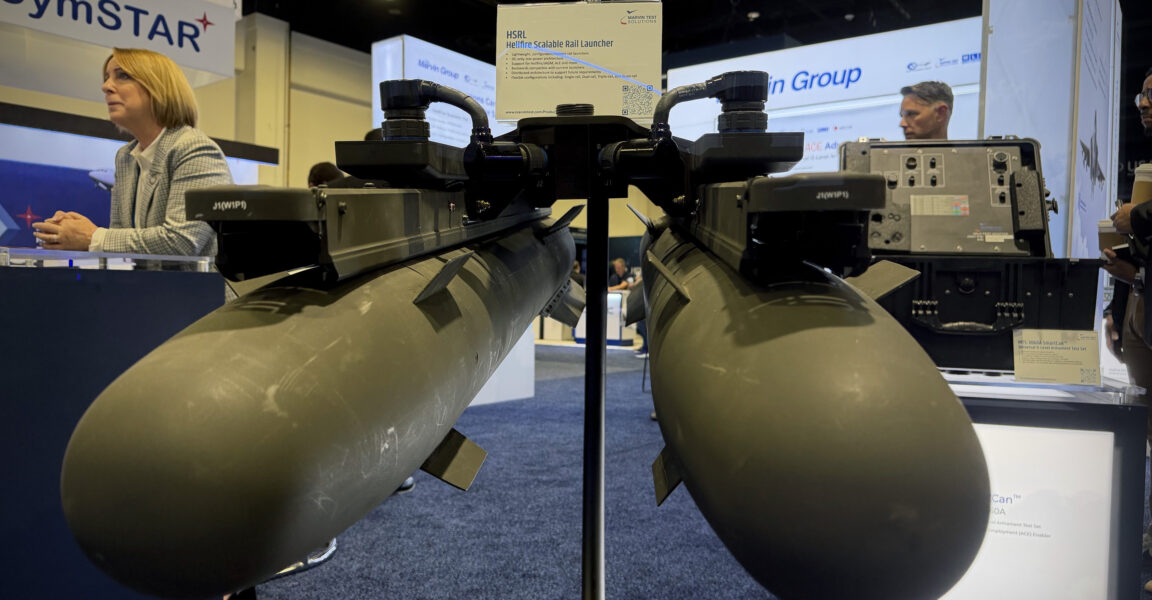
This is a Hellfire Scalable Rail Launcher from Marvin Test Solutions, as seen on the show floor at the Air, Space and Cyber conference on Sept. 14, 2026. (Breaking Defense)
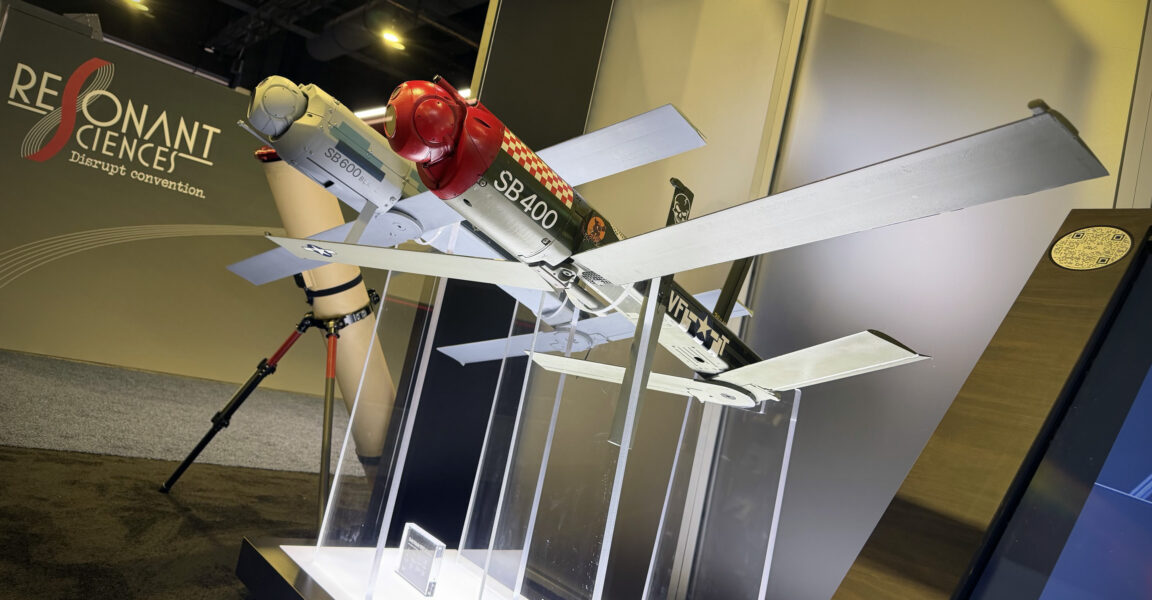
Here are AeroVironment's (from left) Switchblade launcher as well as the Switchblade 600 and Switchblade 400 loitering munitions at the Air, Space and Cyber conference on Sept. 14, 2026. (Breaking Defense)
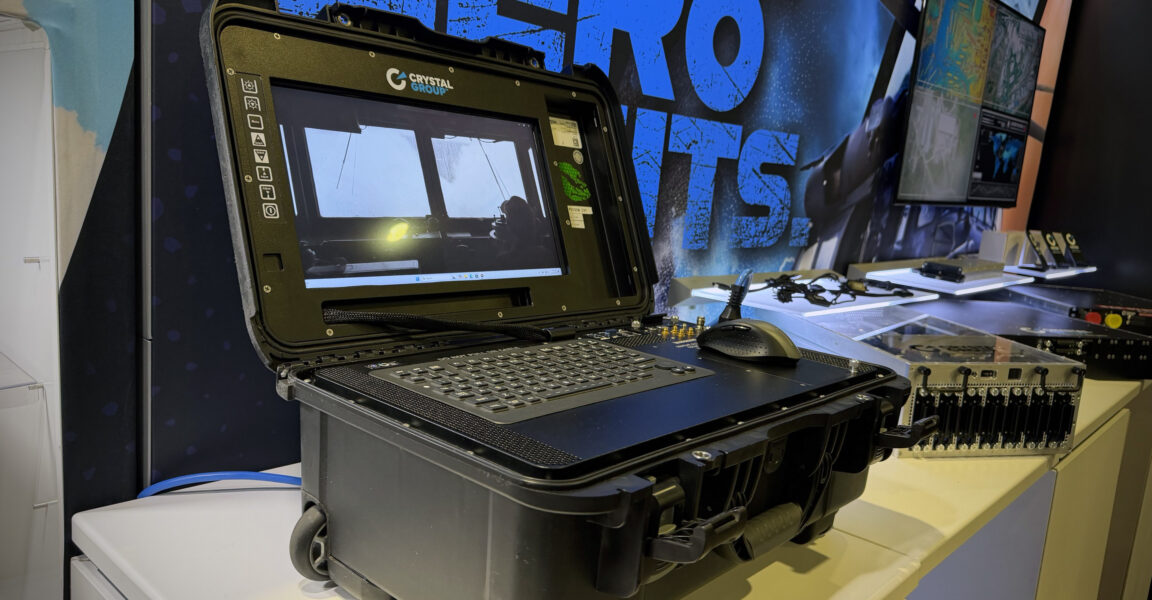
The firm Crystal Group specializes in "ruggedized" systems for military use, including these sturdy iterations for remote laptop use, on display at the Air, Space and Cyber conference on Sept. 14, 2026. (Breaking Defense)
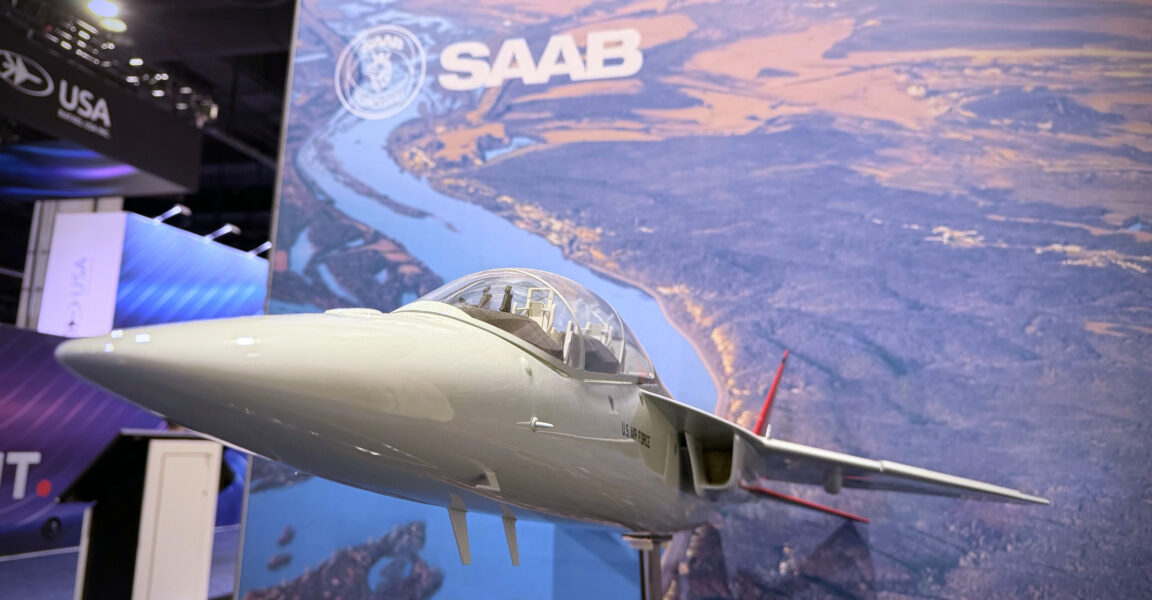
Swedish manufacturer Saab brought a scale model of its T7-A Advanced Pilot Training System as seen close up at the Air, Space and Cyber conference on Sept. 14, 2026. (Breaking Defense)
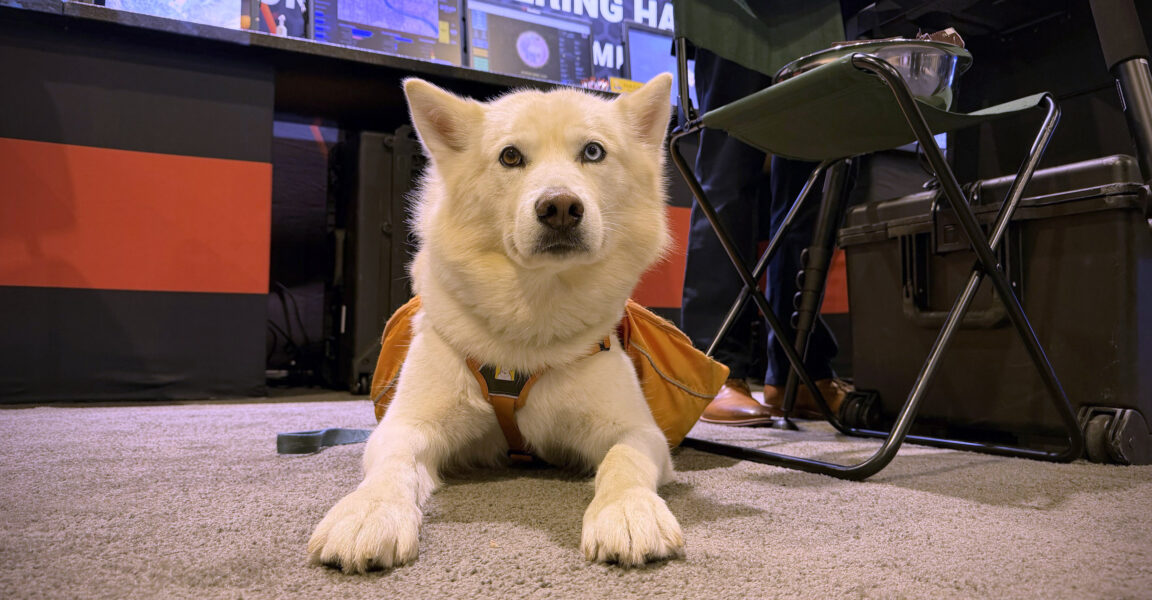
Here is Blu, an easy-going service dog attending the Air, Space and Cyber conference at the expo display from ruggedized, portable computer firm MaxVision on Sept. 14, 2026. (Breaking Defense)
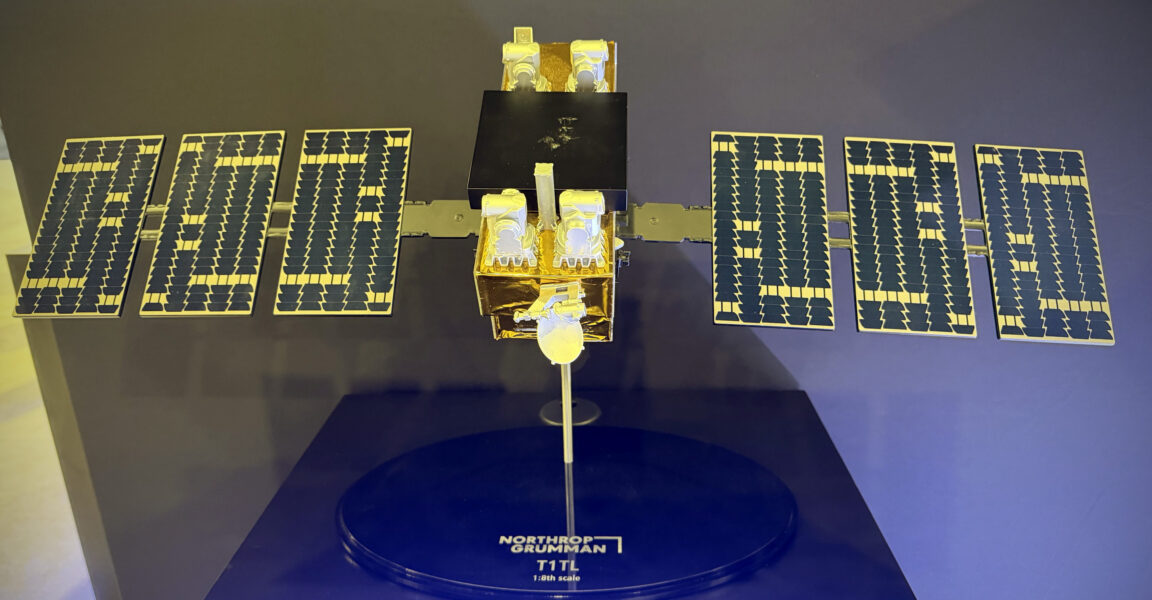
Here is 1:8 scale model of a Tranche 1 Transport Layer (T1TL) satellite from Northrop Grumman on display at the Air, Space and Cyber conference on Sept. 14, 2026. (Breaking Defense)
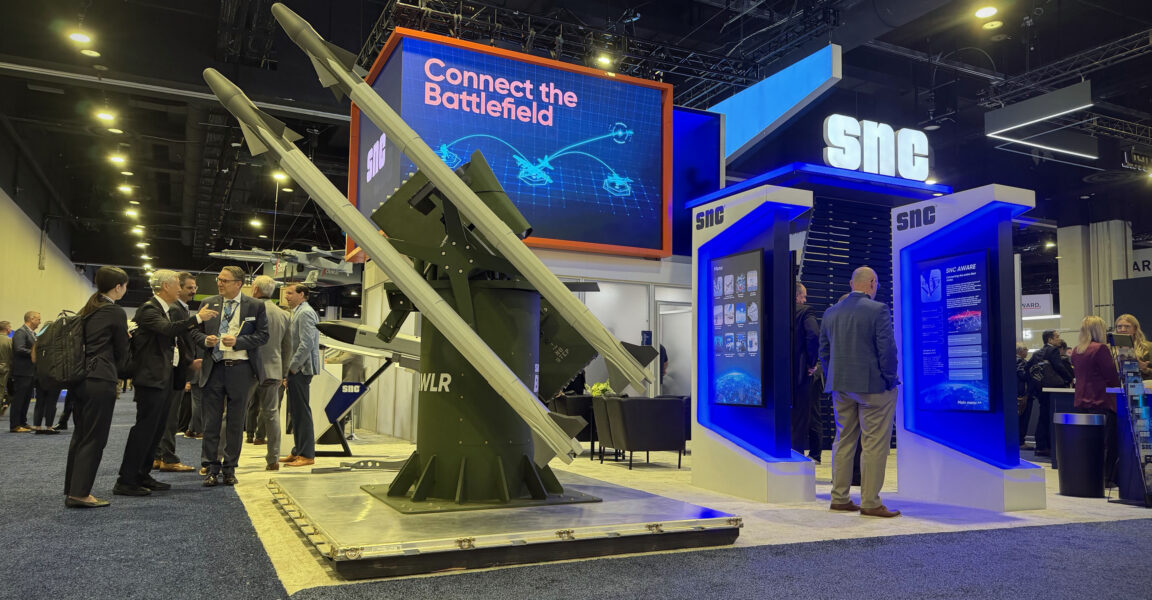
A side view of SNC's Brawlr (Battery Revolving Adaptive Weapons Launcher) air-defense system near the show floor entrance for the 2026 Air and Space Forces Air, Space and Cyber conference. (Breaking Defense)
Pratt & Whitney’s PW500 engine is seen on the show floor at the Air, Space and Cyber conference on Sept. 14, 2026. (Breaking Defense)
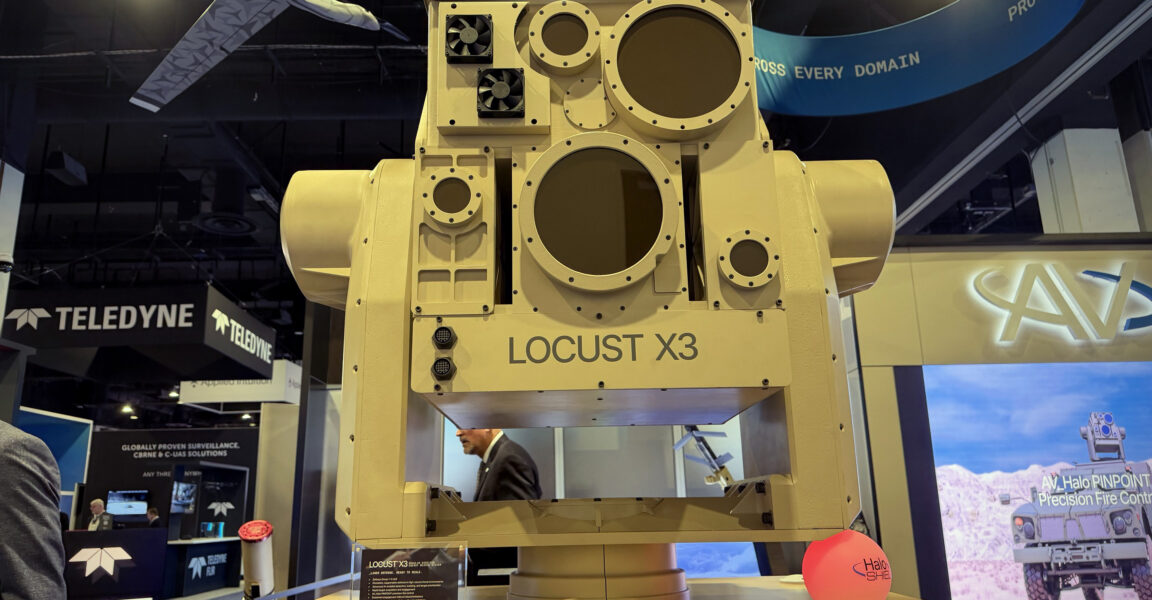
AeroVironment’s Locust X3 directed-energy counter-drone system on the show floor at the 2026 Air, Space and Cyber trade show. (Breaking Defense)
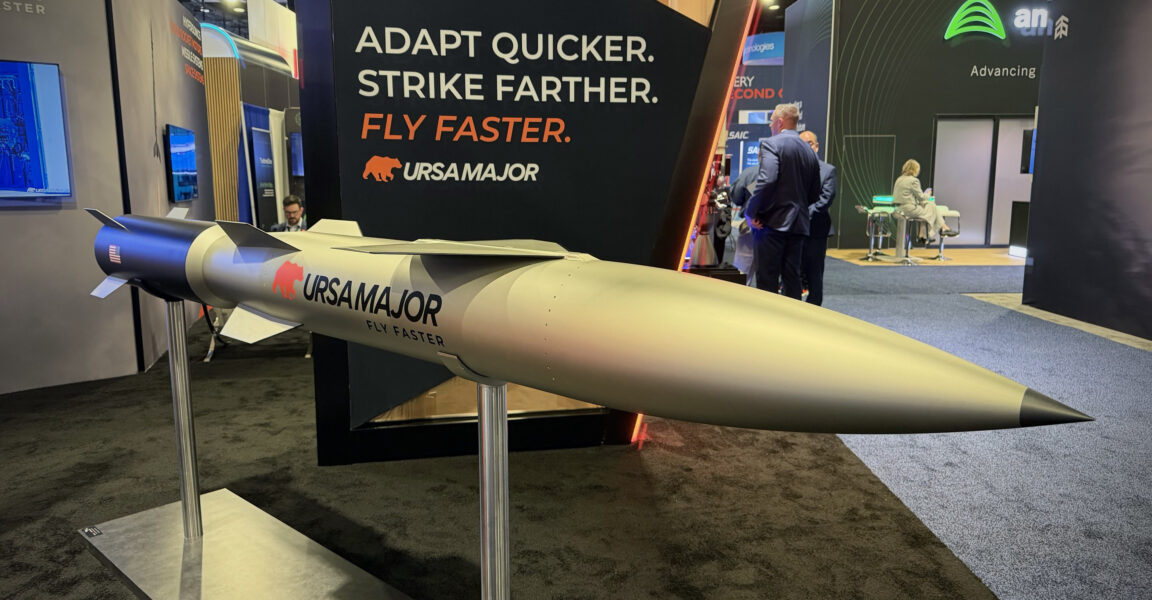
The Havoc missile system from defense firm Ursa Major at the 2026 Air, Space and Cyber conference. (Breaking Defense)
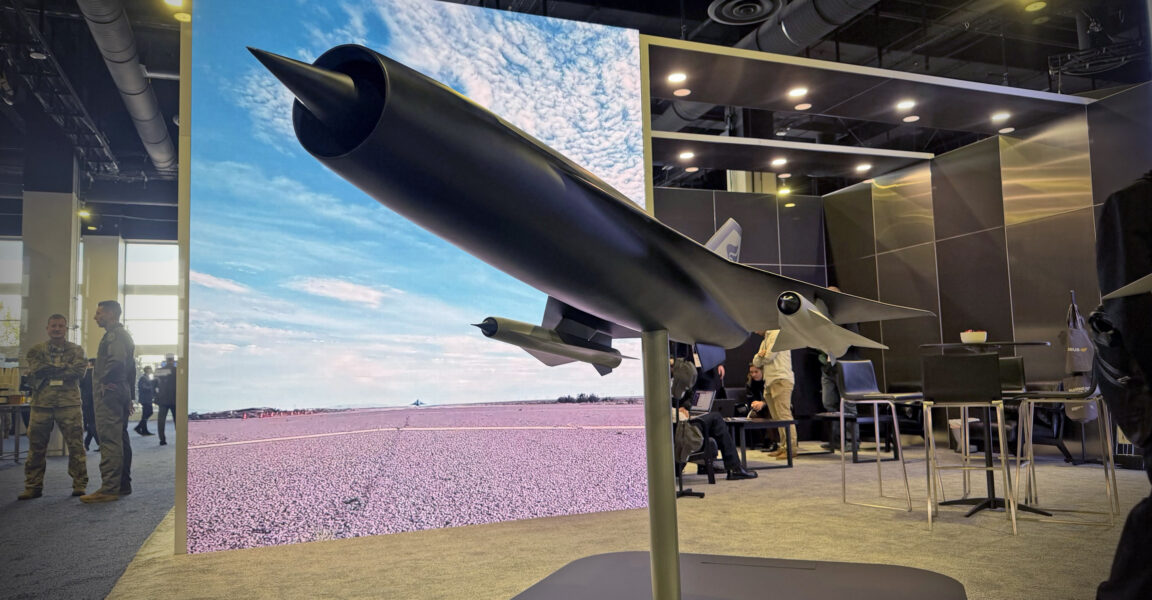
A 1:7 scale model of the Ramjet-X from Hermeus is seen on display at the 2026 Air, Space and Cyber expo. (Breaking Defense)
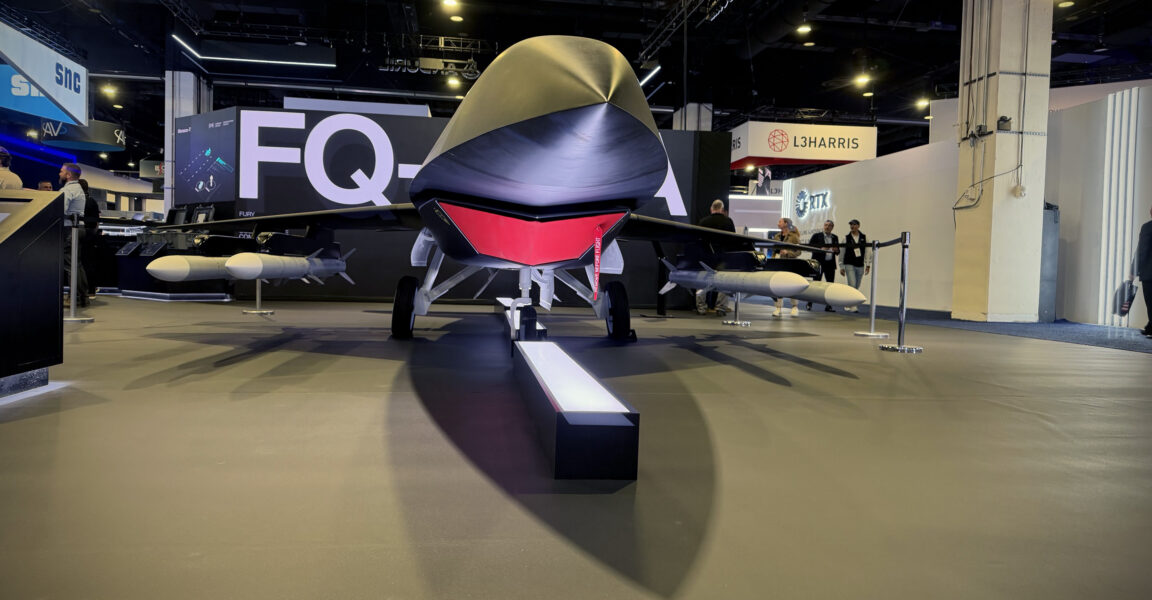
Anduril showed off its FQ-44 Fury unmanned fighter aircraft on the show floor of AFA 2026. (Breaking Defense)
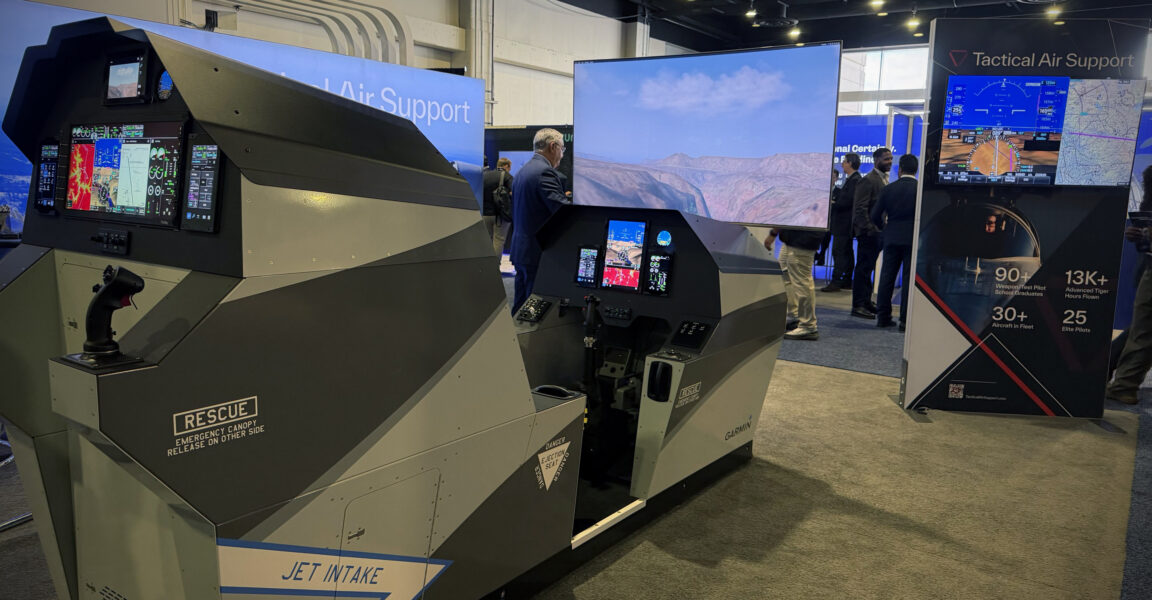
A pilot training system from Tactical Air Support is one several trainers brought to the show floor at the 2026 Air, Space and Cyber conference. (Breaking Defense)
The firm Unit Solutions brought their Unit4 rifle (an M4 replica) for attendees at the 2026 Air, Space and Cyber conference. (Breaking Defense)
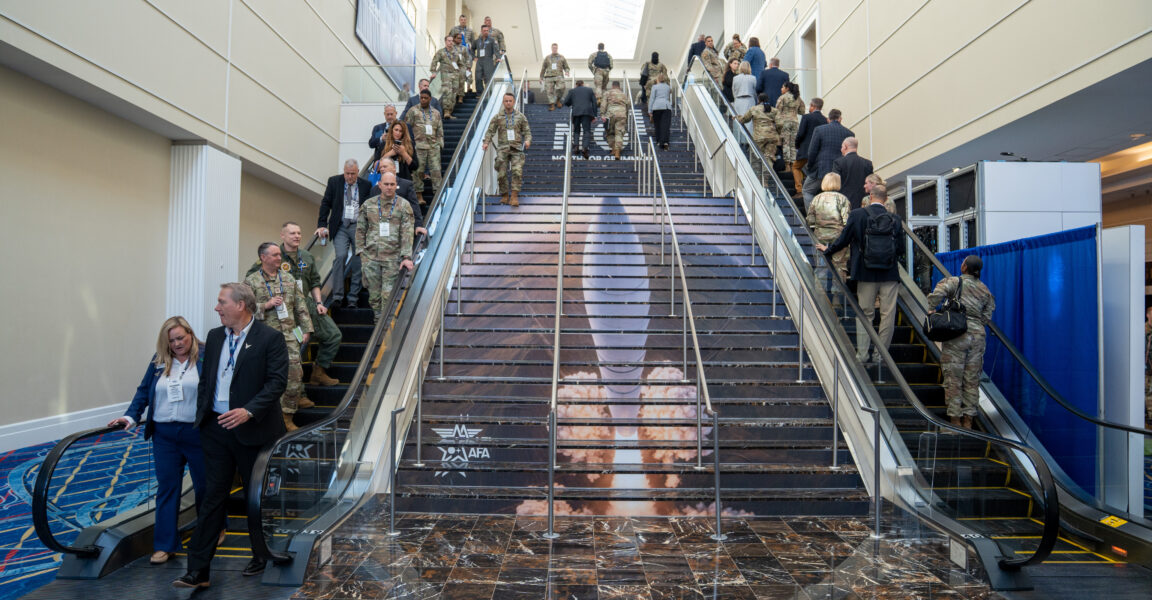
Attendees travel decorated stairways at the 2026 AFA conference. (Daniel Woolfolk / Breaking Defense)
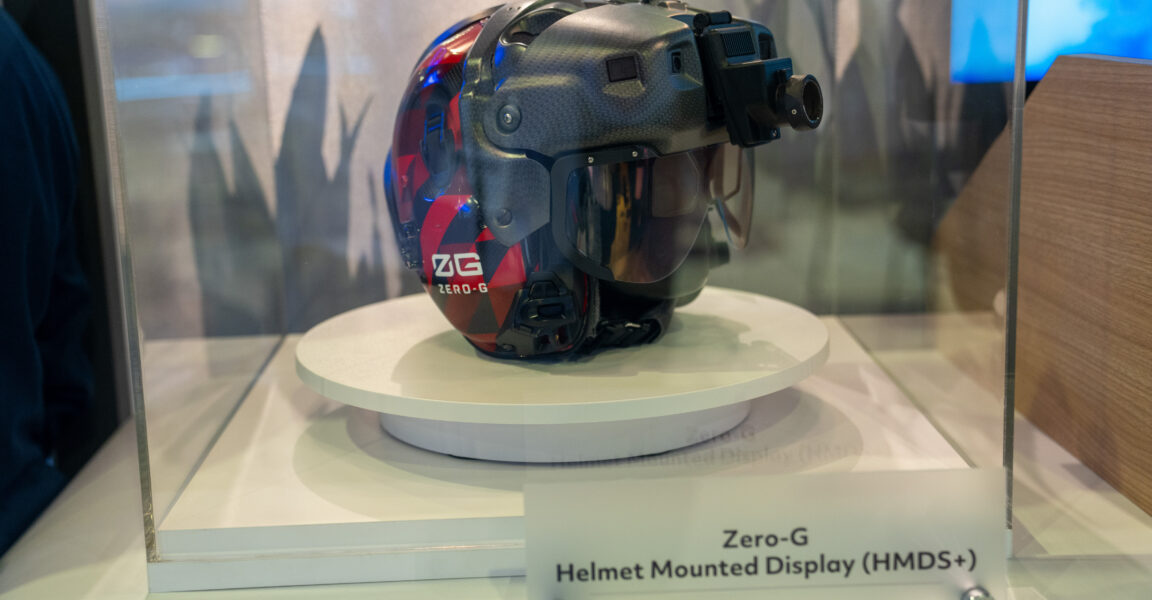
RTX brought its Zero-G Helmet Mounted Display system for assisting pilots in high-definition using binocular lenses and an advanced multicore processor. The HMDS+ kit was encased behind glass during the 2026 AFA conference. (Daniel Woolfolk / Breaking Defense)
Elbit Systems of America, which recently changed its name to Twenty-Six Defense, set up a booth at AFA 2026. (Daniel Woolfolk / Breaking Defense)
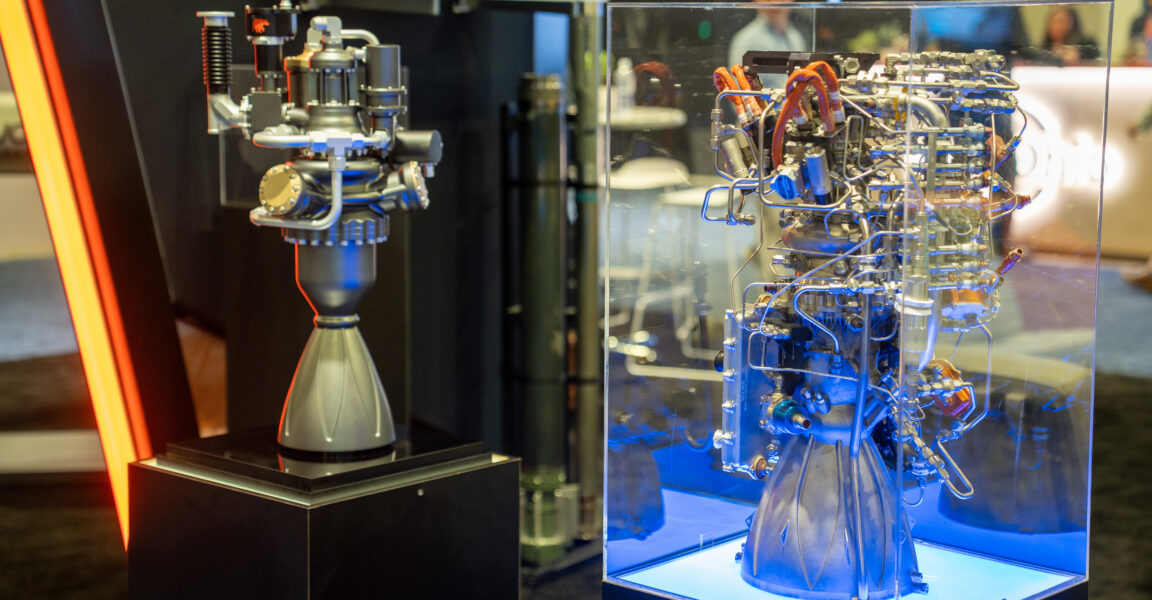
Ursa Major showcased its liquid-fuel rocket engines Draper (left) and Hadley (Right) at the 2026 Air, Space and Cyber expo. (Daniel Woolfolk / Breaking Defense)
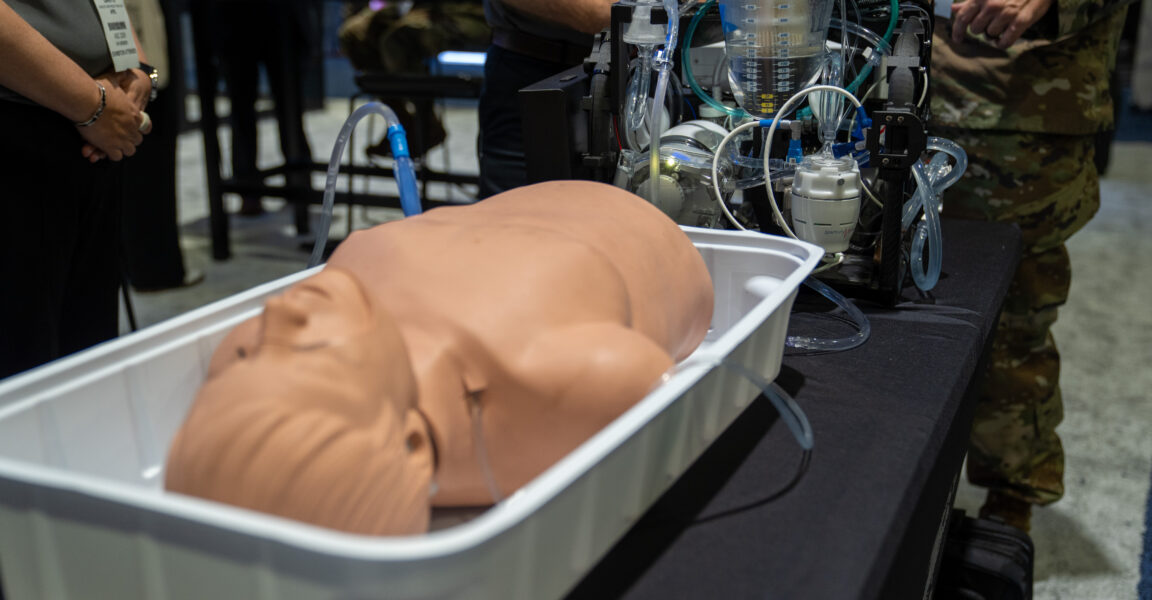
At 2026's Air, Space and Cyber expo, Air Force Research Laboratory personnel display a battlefield blood recycling system that filters lost blood back to be transfused into the same patient. (Daniel Woolfolk / Breaking Defense)
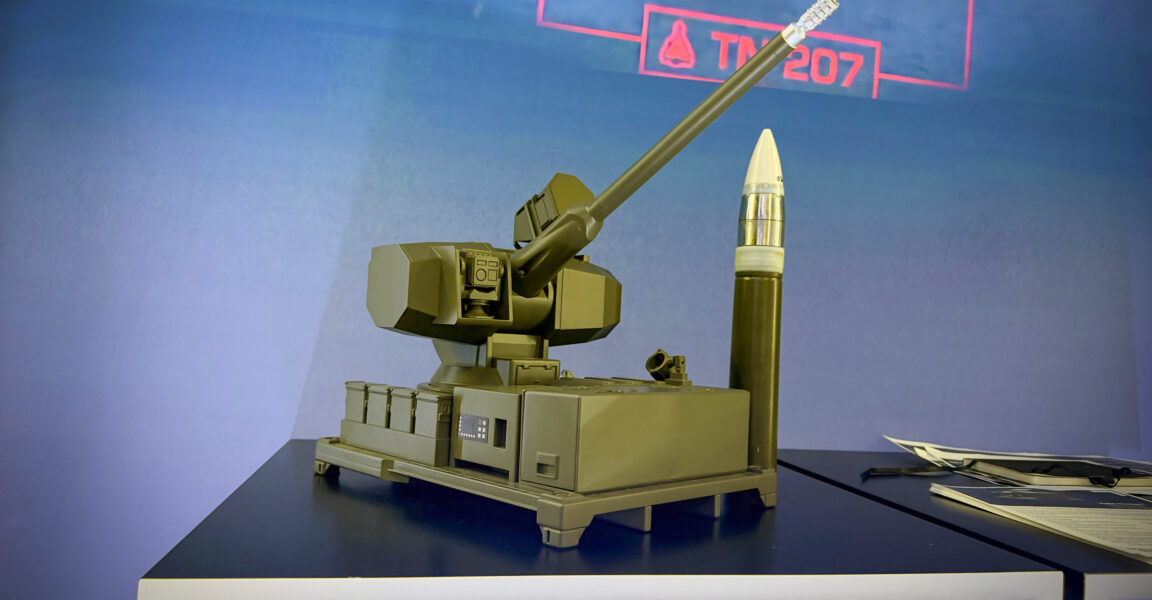
Northrop Grumman brought a scale model of its Raid Hunter 50 mm air defense system to the 2026 AFA expo. A full-size dummy shell stands just to the right of the scale model. (Breaking Defense)
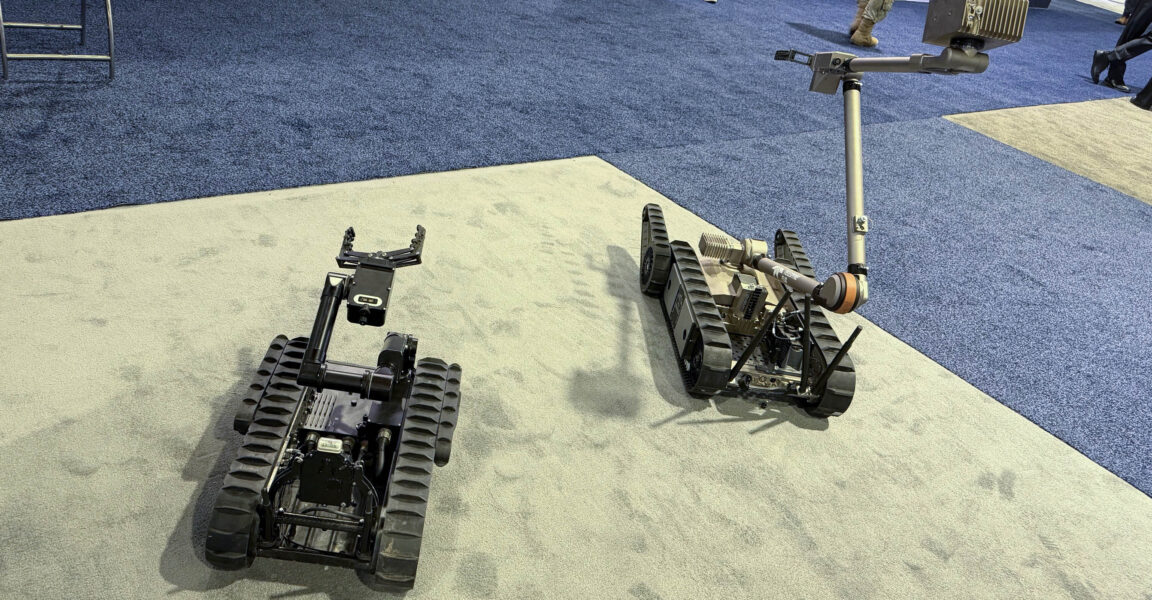
Teledyne Flir brought a few of its ground robots to the 2026 AFA show floor. (Breaking Defense)
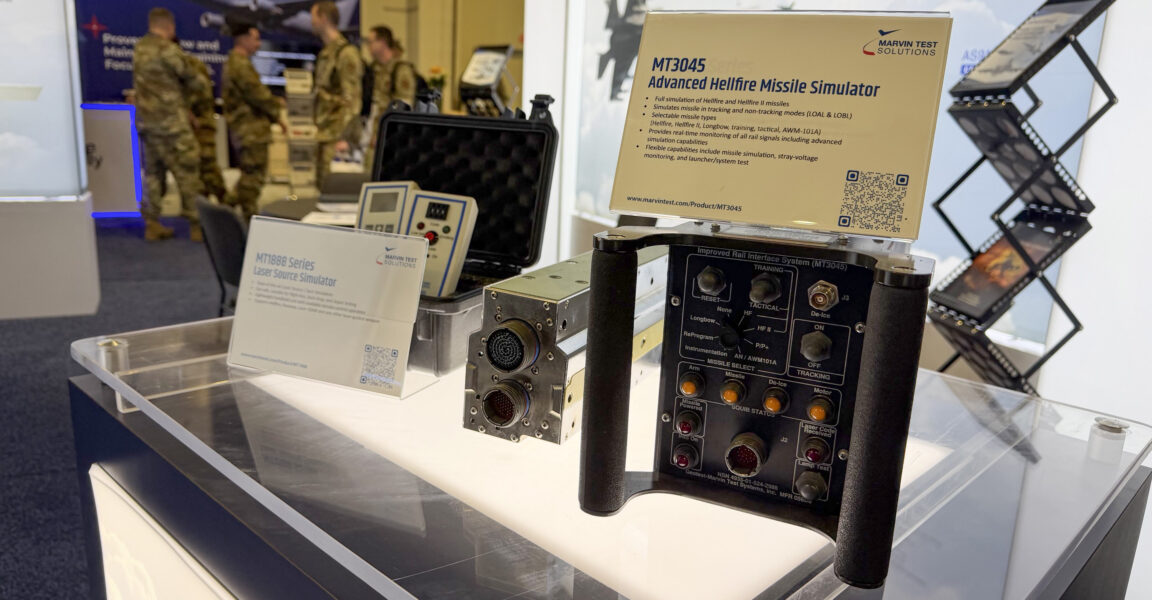
Marvin Test Solutions displayed a few training system components, including the MT3045 Advanced Hellfire Missile Simulator, at the 2026 Air, Space and Cyber conference. (Breaking Defense)
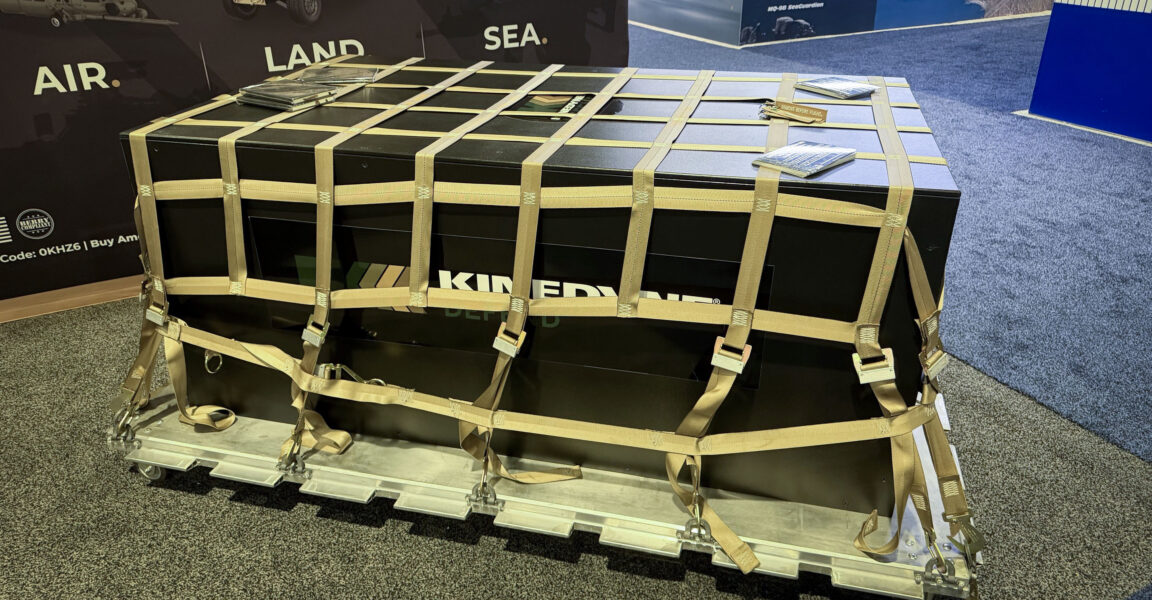
Cargo security developers at Kinedyne displayed a new tiedown strap system being tested with US Air Force personnel to the 2026 AFA expo. Specialized markings help expedite precision and loading for personnel securing equipment similar to what's seen in this photo. (Breaking Defense)