Land Warfare

Open system architecture will be ‘hyper important’ in downselect of Army’s XM30: Senior official

An open systems architecture allows the Army and its industry partners to plug new and different software and hardware capabilities into the platform.

The XM30 Combat Vehicle will serve as the U.S. Army’s infantry fighting vehicle to create an advantageous position and deliver a decisive strike, while also controlling maneuver robotics and semi-autonomous systems. (US Army photo by Aliyah Harrison)

WASHINGTON — The Army will make open systems architecture a key criterion when selecting the winner for its XM30 Optionally Manned Fighting Vehicle, a top official overseeing ground vehicles told Breaking Defense this week.

During an interview at the annual AUSA conference, Brig. Gen. Troy Denomy, portfolio acquisition executive for ground maneuver, said the Army is prioritizing the ability to rapidly adapt its platforms and integrate new technologies as threats evolve — particularly in the counter-unmanned aerial aerial systems fight.

“There’s other aspects that we are absolutely evaluating, but that one is hyper important to me, and we are actually going to evaluate that as part of this selection process,” Denomy added. 

The XM30 is intended to replace the Army’s Bradley Fighting Vehicle, which has served as a central component of the service’s armored formations for decades. The next-generation vehicle is being designed to give soldiers improved protection and capabilities to operate against new battlefield threats.

An open systems architecture allows the Army and its industry partners to plug new and different software and hardware capabilities into the platform as emerging tech becomes available and as the threat picture changes, Denomy explained. Out of the two vendors who are competing for the program — American Rheinmetall and General Dynamics Land Systems (GDLS) — he said it’s “too early to tell” which company has implemented a more open architecture.

Both vendors have delivered one XM30 prototype each to the Army for testing at Aberdeen Proving Ground, Denomy said. Testing has identified some software capabilities that the vendors need to “tweak,” particularly involving communication between platform subsystems, he said.

“Both vendors are being very responsive to those changes that are necessary,” Denomy said. He added that “it’s nothing atypical for a prototype,” and the open systems architectures for both platforms have allowed the changes to be made quickly.

Though the government is operating under a continuing resolution and Congress has yet to pass the fiscal 2027 budget, Denomy told Breaking Defense that he believes the XM30 program will successfully move forward. He pointed to conversations the service had with congressional staff members at the Army Modernization Days in Aberdeen two weeks ago. 

“We spent the whole day with the professional staff members and felt like what we were talking about was positively received of where we are in the program, and that we will be ready based off of our plan to execute the dollars with the appropriation forthcoming,” Denomy said. 

The Army requested $547 million to procure 19 XM30s in FY27, as Breaking Defense previously reported. However, the House Appropriations defense subcommittee drafted a version of the FY27 spending bill that reduced the procurement line to just $33.1 million. 

Separately, Denomy said that the Army is conducting experimental testing with BAE Systems’ Armored Multi-Purpose Vehicle (AMPV) equipped with a 30mm Kongsberg turret — a platform known as the AMPV-30. The vehicle is currently “being exercised in an infantry fighting vehicle role” as part of a Transformation in Contact rotation, he said.

He said there are “significant differences between” what the AMPV-30 and XM30 can do and cautioned against conflating the two vehicles.

The AMPV-30 gives the Army an opportunity to explore an infantry fighting vehicle role for the platform, originally designed as a replacement for the M113 family of armored personnel carriers and support vehicles. Unlike the XM30, which is an Army-funded program, the AMPV-30 is self-funded by BAE Systems.

Denomy praised BAE for investing its own funding to give the Army additional options, saying the effort could allow the AMPV to conduct more types of missions.

“For me what this showcases from an AMPV perspective [are] potential opportunities in the future for other mission roles for it. They do the standard things that are part of the program of record — whether it’s the general purpose, the medical variant [or] the mission command variant. Well, now they’ve demonstrated [a version] with a turret that could fill a role,” he added. 

Further, he emphasized that the “commitment behind XM30 is real and it’s important, and we have two very viable offerings.” 

PHOTOS: AUSA 2026

PHOTOS: AUSA 2026

Attendees file in during the first day of the 2026 Association of the US Army annual conference in Washington, DC, on October 12, 2026. (Breaking Defense)
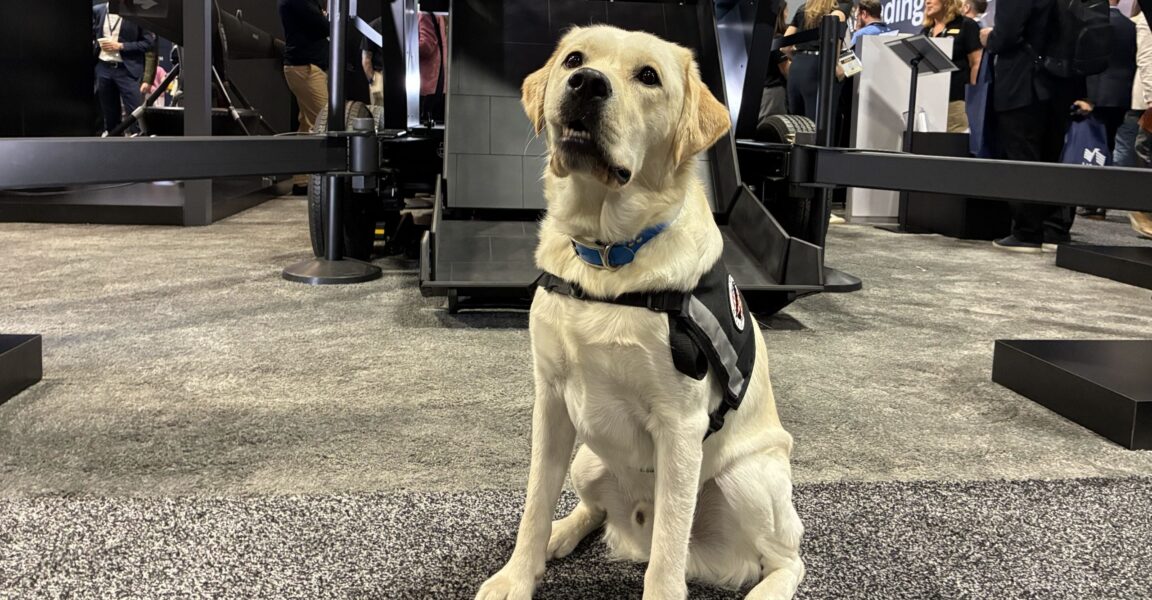
Patriot, who is expected to go to a wounded veteran when the dog’s training finishes, is happy to greet attendees outside the Shield AI booth on the show floor. (Breaking Defense)
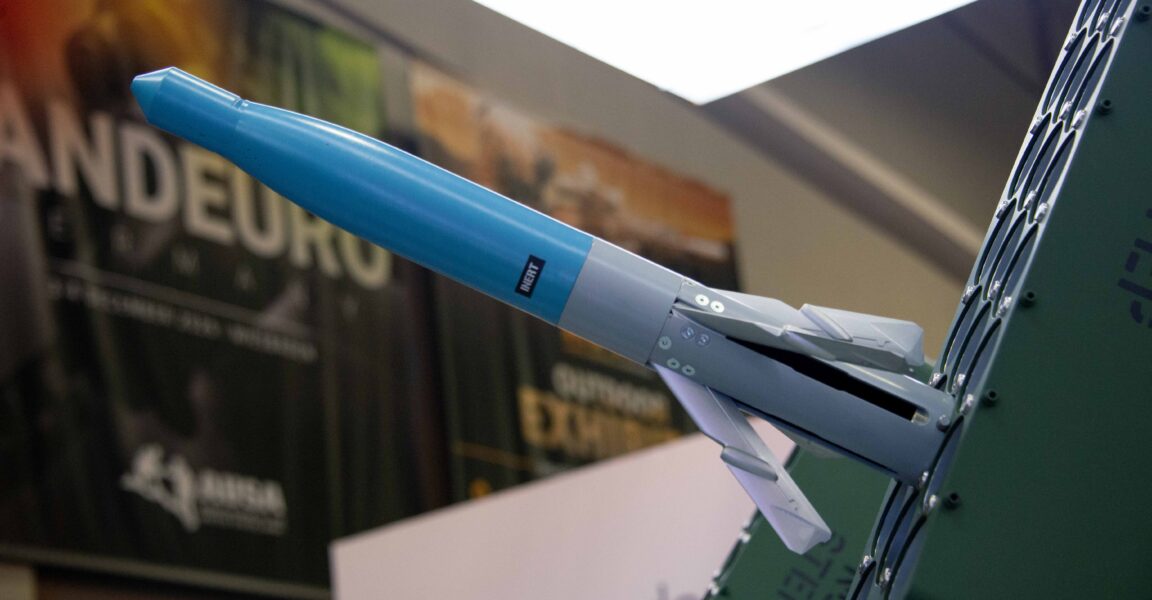
A close-up look at a munition from Sierra Nevada's Brawlr (Battery Revolving Advanced Weapons Launcher Reconfigurable) air-defense system, as seen at the 2026 AUSA conference. (Breaking Defense)
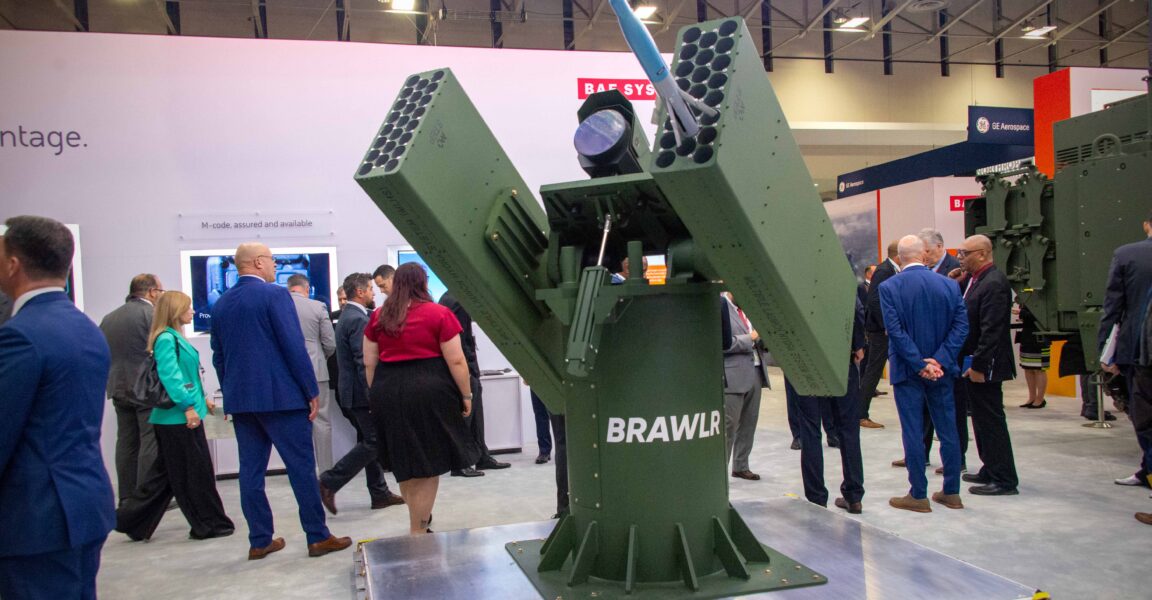
A wider shot of Sierra Nevada's Brawlr air-defense system at the 2026 AUSA conference. (Breaking Defense)
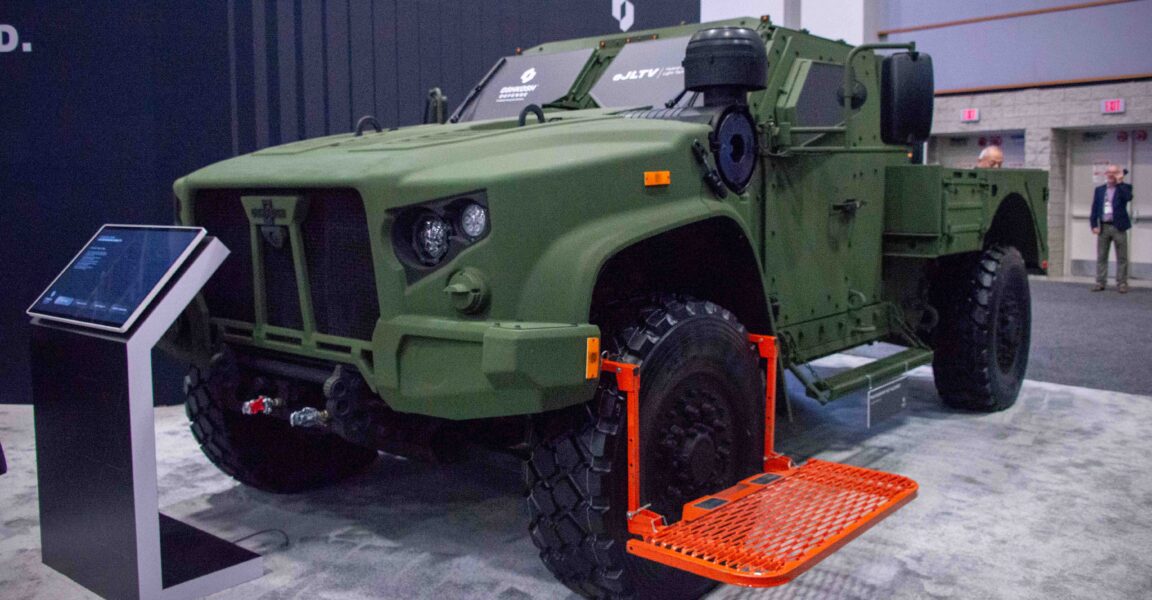
Oshkosh's electric Joint Light Tactical Vehicle on the AUSA show floor Oct. 12, 2026. (Breaking Defense)
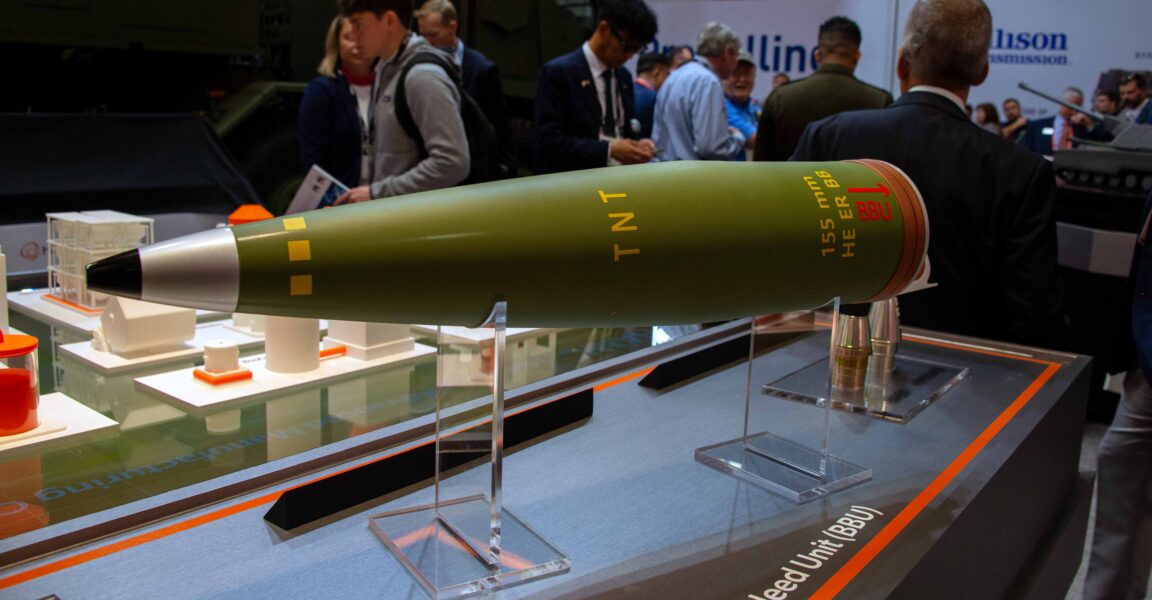
Hanwha Defense USA showed off its 155 mm artillery shells at the 2026 AUSA expo. (Breaking Defense)
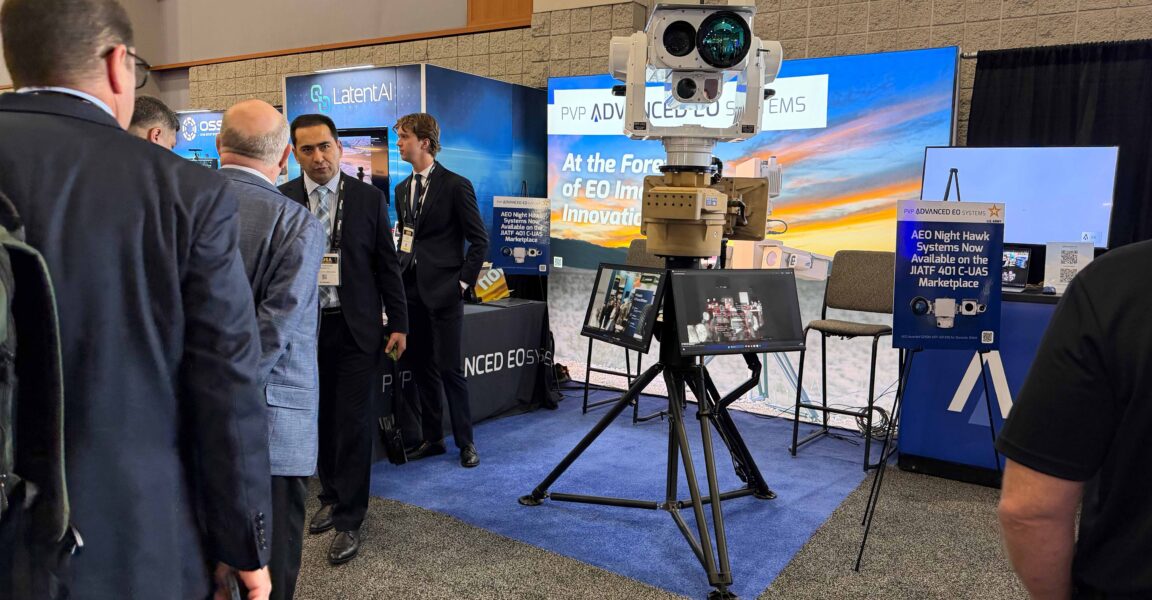
AEO Night Hawk Systems displayed their surveillance assembly, with sensors honing in on bystanders at the 2026 AUSA conference in Washington. (Breaking Defense)
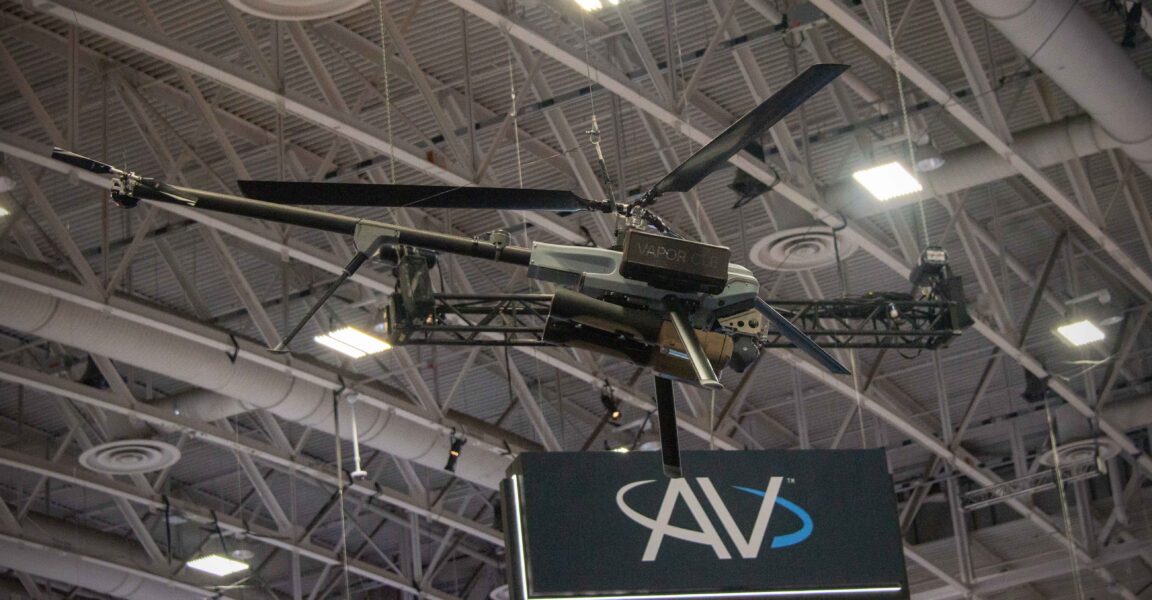
AeroVironment’s VAPOR is an all-electric, single-rotor vertical takeoff and landing (VTOL) helicopter unmanned aircraft system. Here it is suspended above attendees at the 2026 AUSA conference. (Breaking Defense)
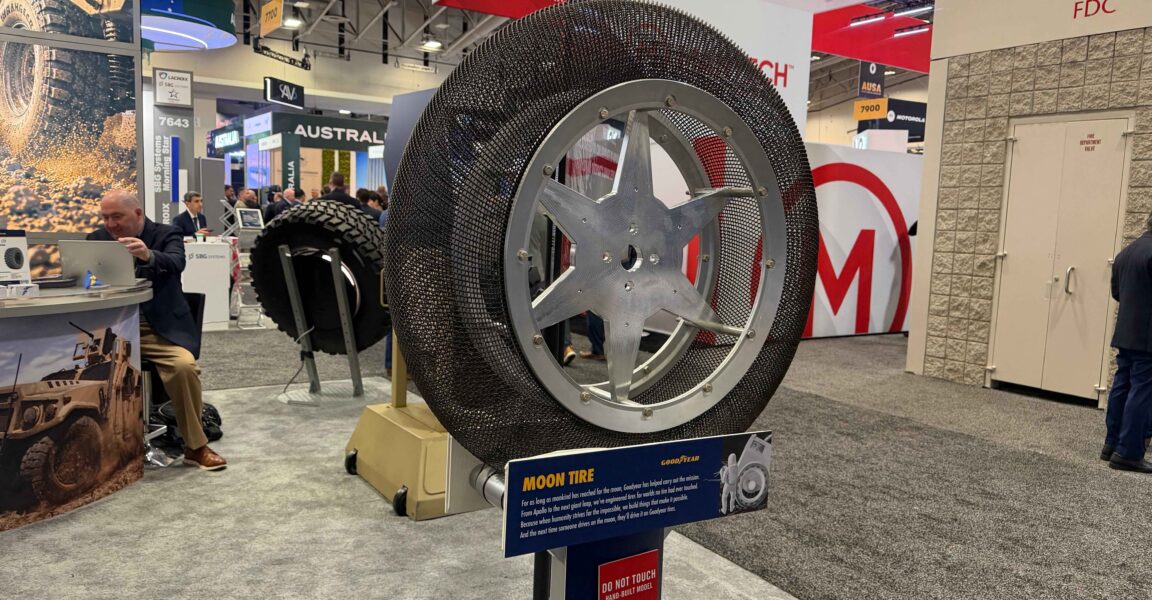
Goodyear representatives brought a sturdy but very unusual "moon tire" for lunar exploration to the 2026 AUSA expo. (Breaking Defense)
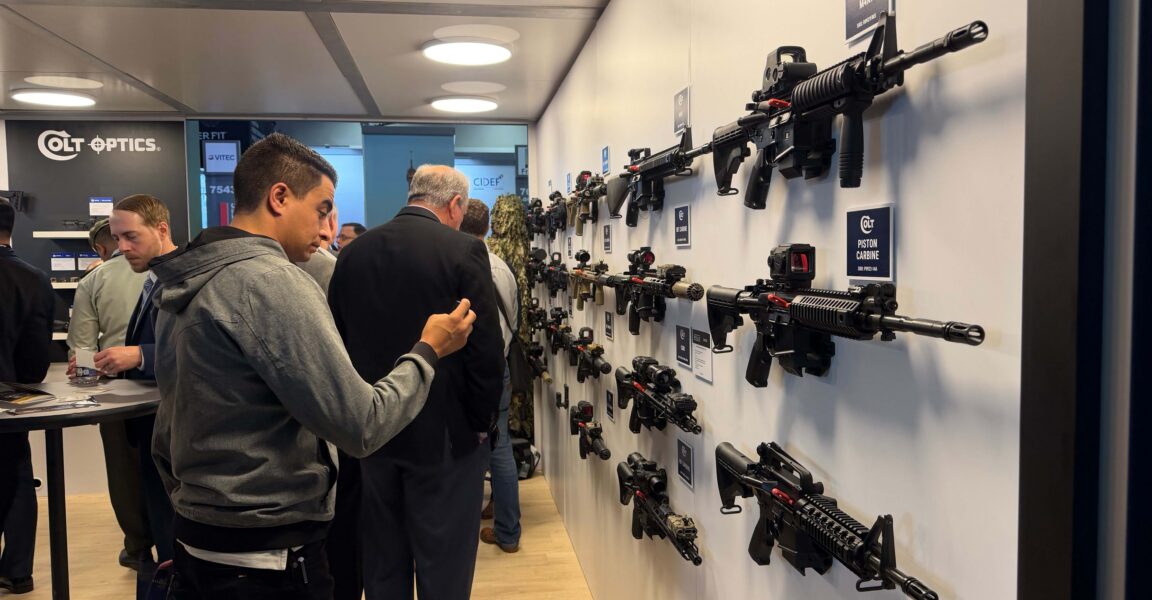
Colt optics had one of the busiest displays, with dozens of attendees observing a wall of assault rifles with specialized optics at the 2026 AUSA expo. (Breaking Defense)
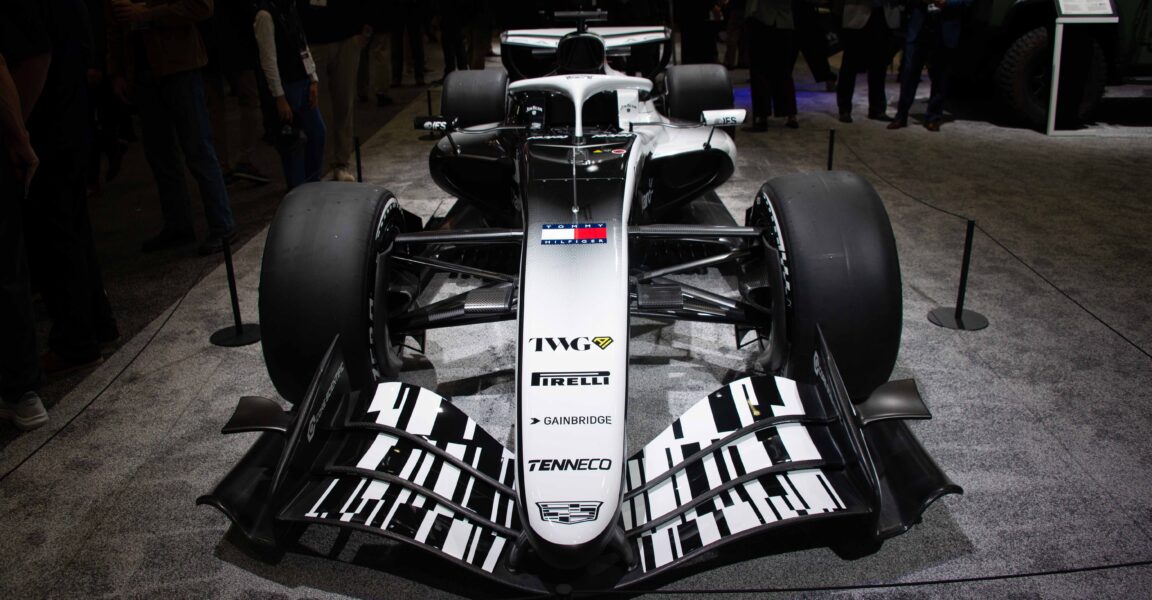
Cadillac brought its Formula 1 team racecar to the 2026 AUSA conference in Washington. (Breaking Defense)
AUSA mascots Sgt. Hero and George Washington descend the escalator at the 2026 annual conference. (Aaron Mehta / Breaking Defense)
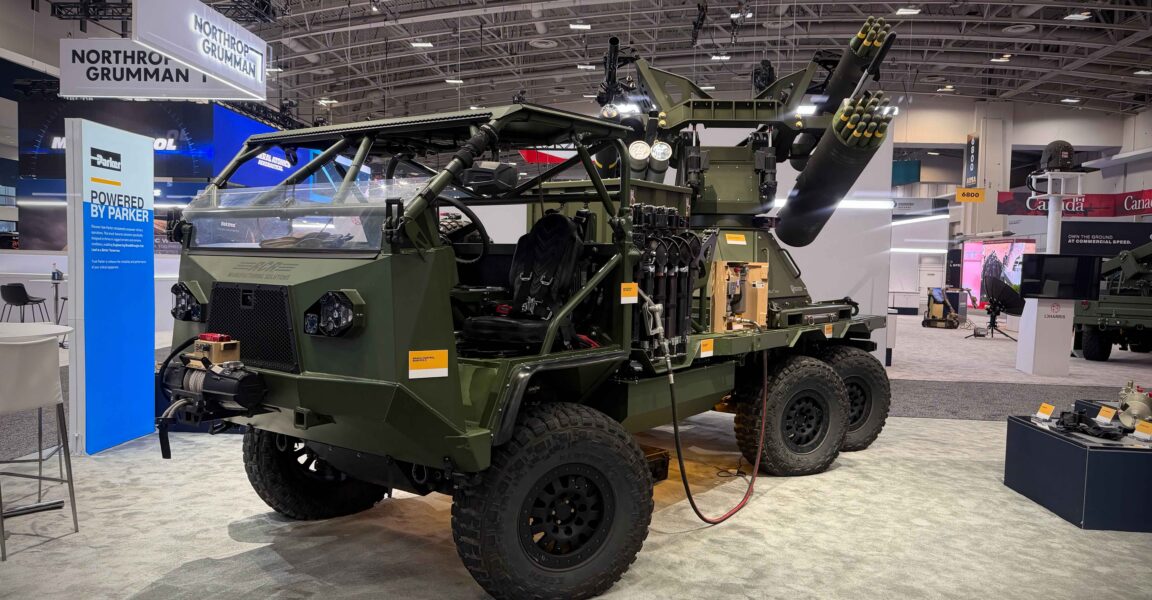
Parker Hannifin showcased many of its components onboard the MDH Strategic Services Airwolf c-UAS system, which is shown here fixed atop the RCR 6WAP vehicle. (Breaking Defense)
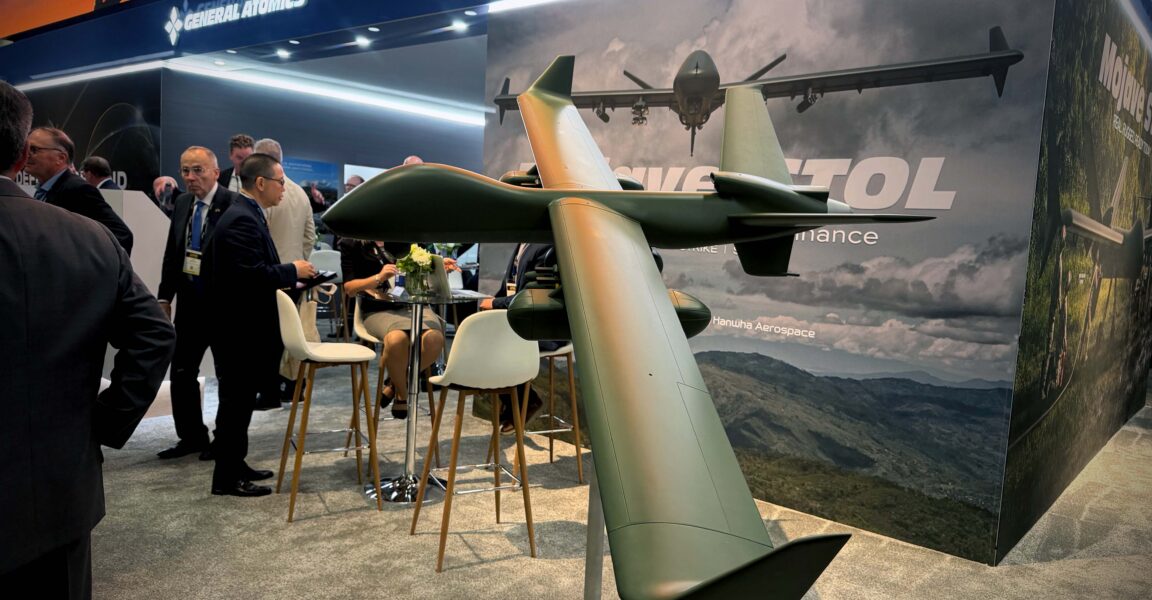
General Atomics Aeronautical Systems Inc. and Hanwha Aerospace co-developed the Mojave short takeoff and landing (STOL) uncrewed aircraft, pictured here at the 2026 AUSA trade show. (Breaking Defense)
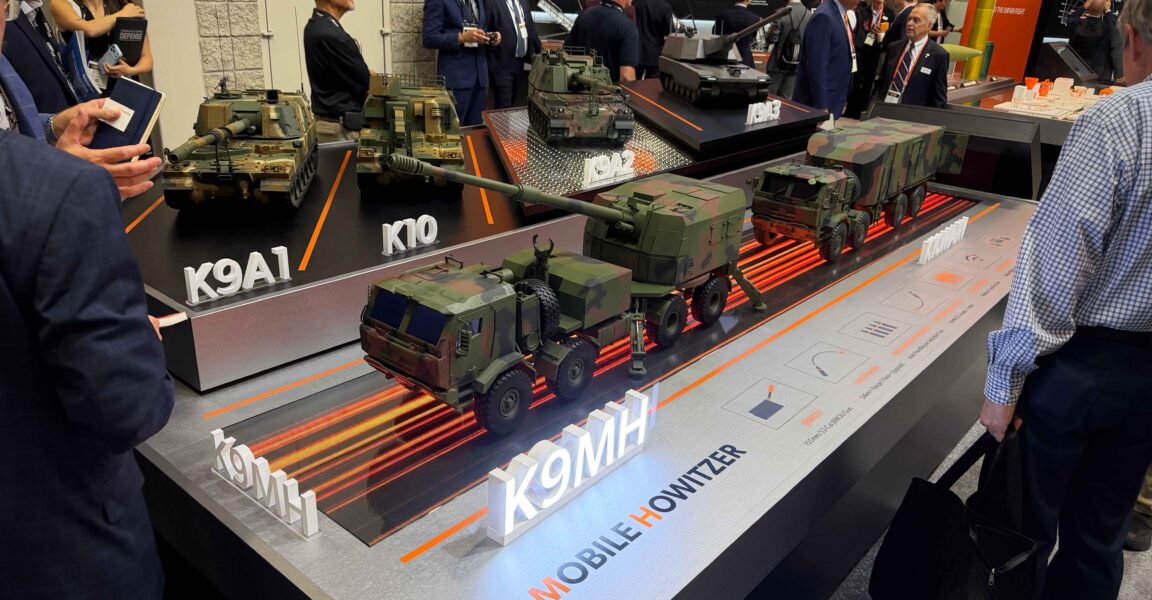
Hanwha Defense USA displayed a range of scale model armor and artillery systems on the AUSA show floor. (Breaking Defense)
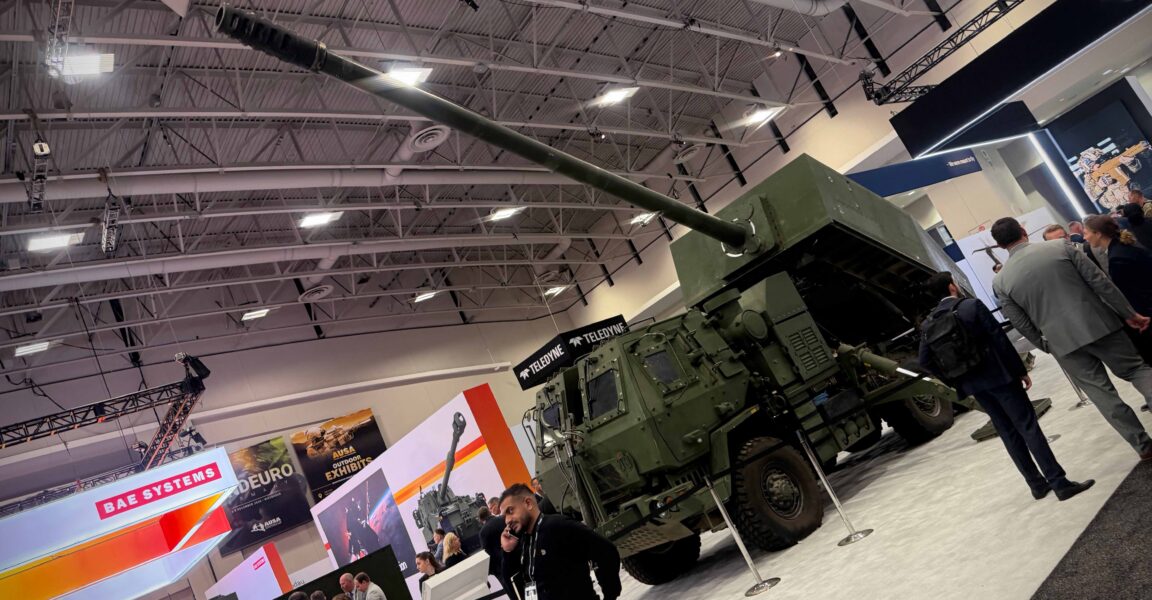
BAE’s Multi-Domain Artillery Cannon System stands tall at the 2026 AUSA trade show in Washington, DC. (Breaking Defense)
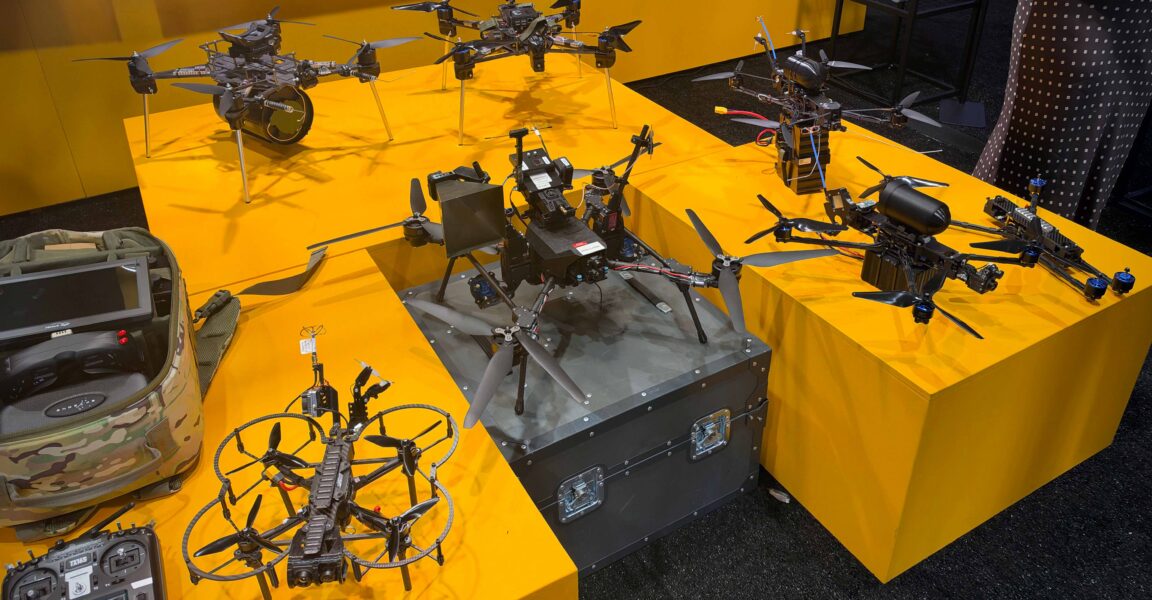
The Ukrainian military’s 3rd Army Corps brought a variety of small drones to the 2026 AUSA trade show. (Valerie Insinna / Breaking Defense)
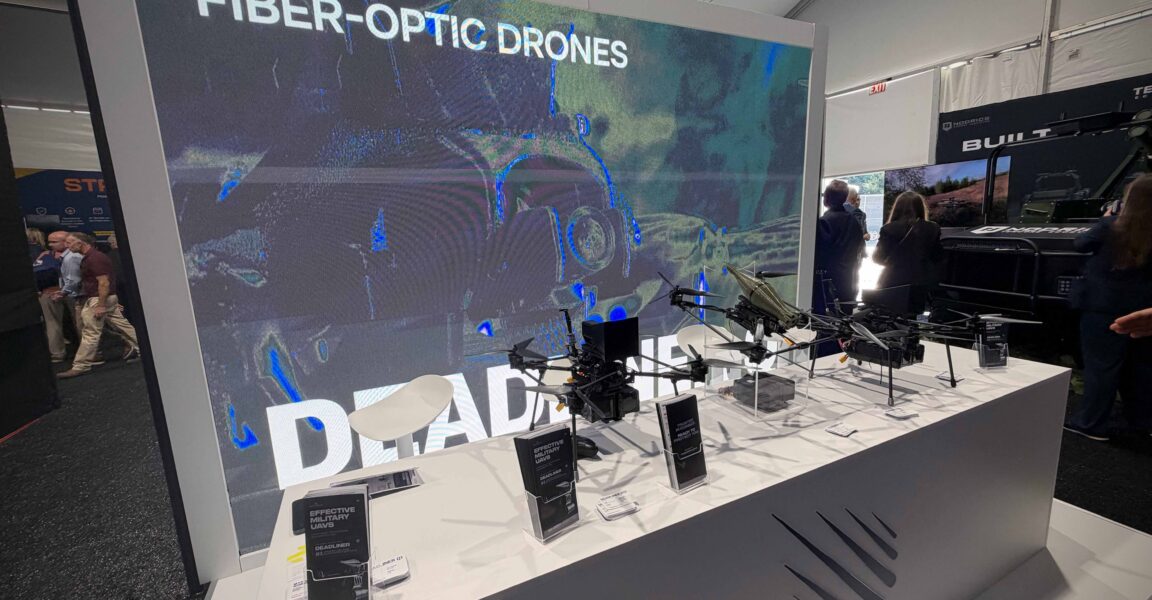
Kyiv-based defense tech firm Stellarion brought several fiber-optic drones to the 2026 AUSA expo. (Valerie Insinna / Breaking Defense)
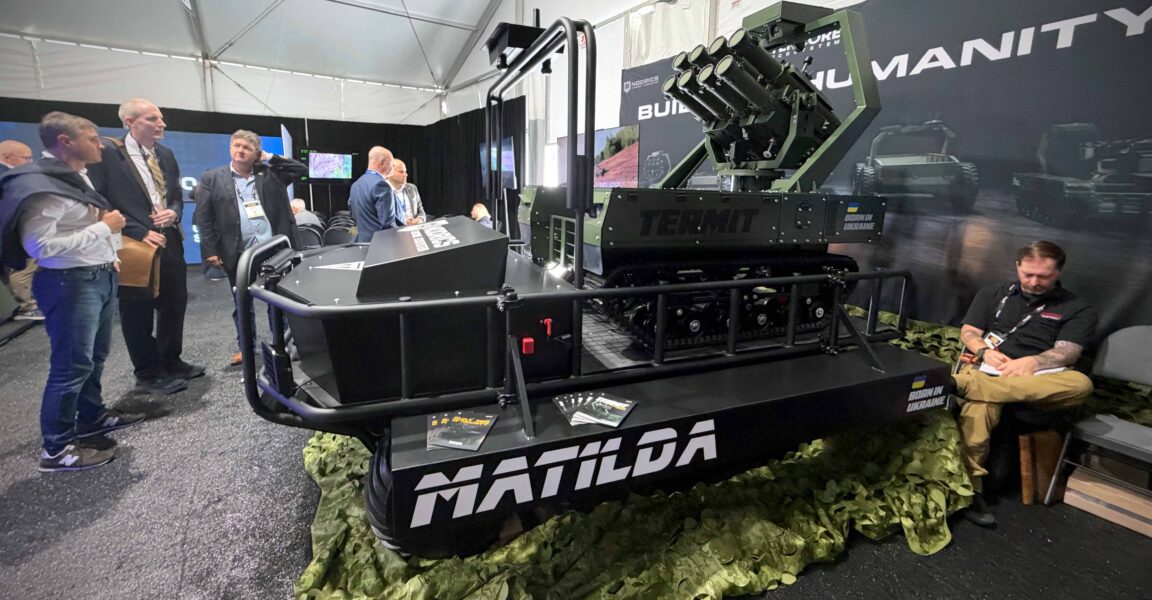
Ukrainian defense firm Tencore showcased an amphibious unmanned ground vehicle called MAT1LDA (Mesa Associates’ Tactical Integrated Light-Force Deployment Assembly), which is carrying Tencore’s TerMIT ground robot, at the 2026 AUSA trade show. (Valerie Insinna / Breaking Defense)
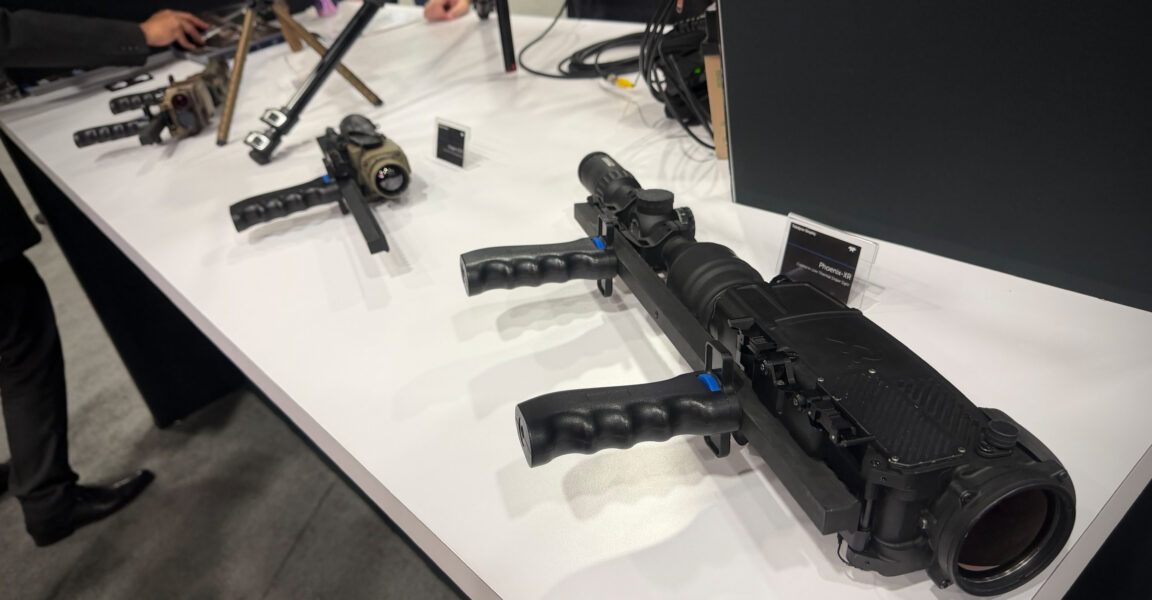
Teledyne Qioptiq brought several thermal weapons sights including the Phoenix-XR (right) and the Dragon-C12 S (middle) to the 2026 AUSA conference. (Breaking Defense)
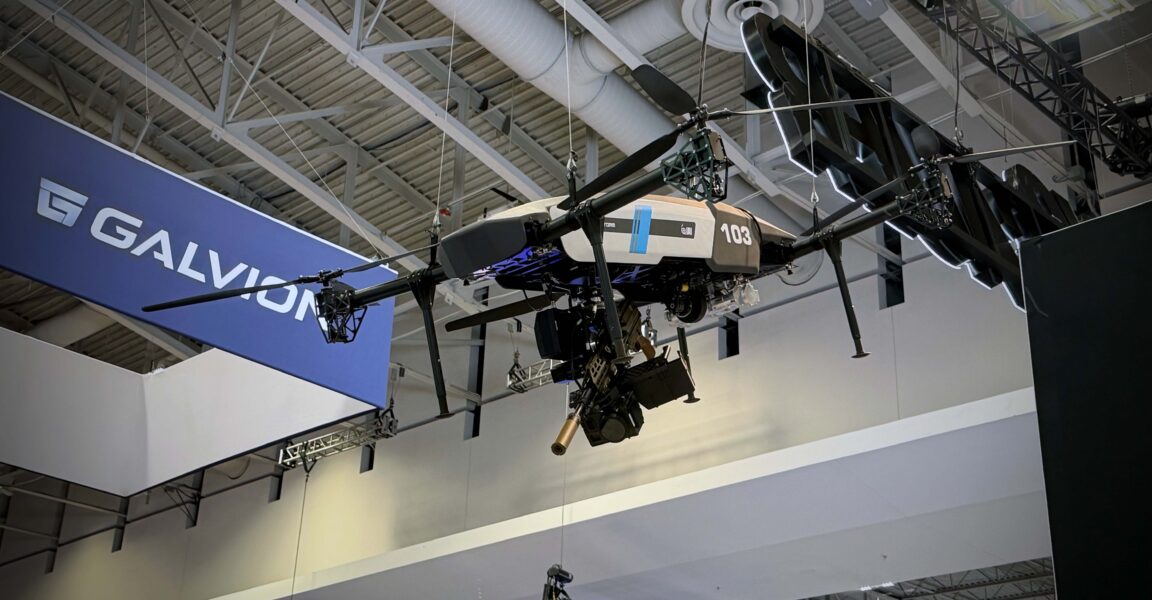
Israel Aerospace Industries’ and Sig Sauer’s Fire Storm 250 armed tactical quadcopter hangs above attendees of the conference. (Breaking Defense)
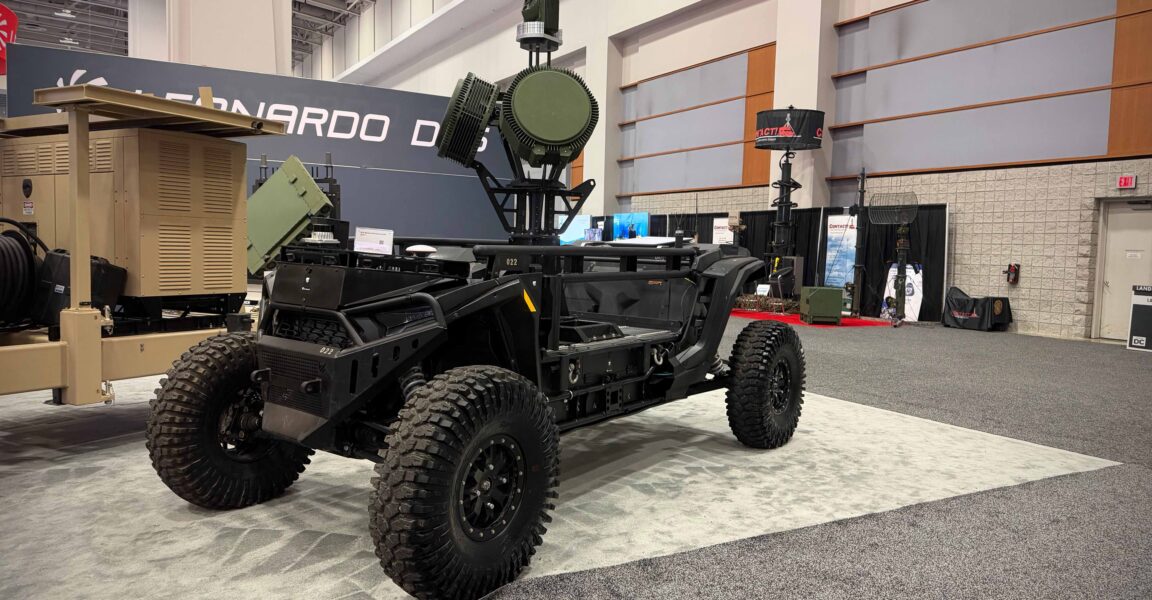
OverlandAI’s ULTRA autonomous ground system hosts a multi-mission hemispheric radar from Leonardo DRS, shown here at the 2026 AUSA expo. (Breaking Defense)
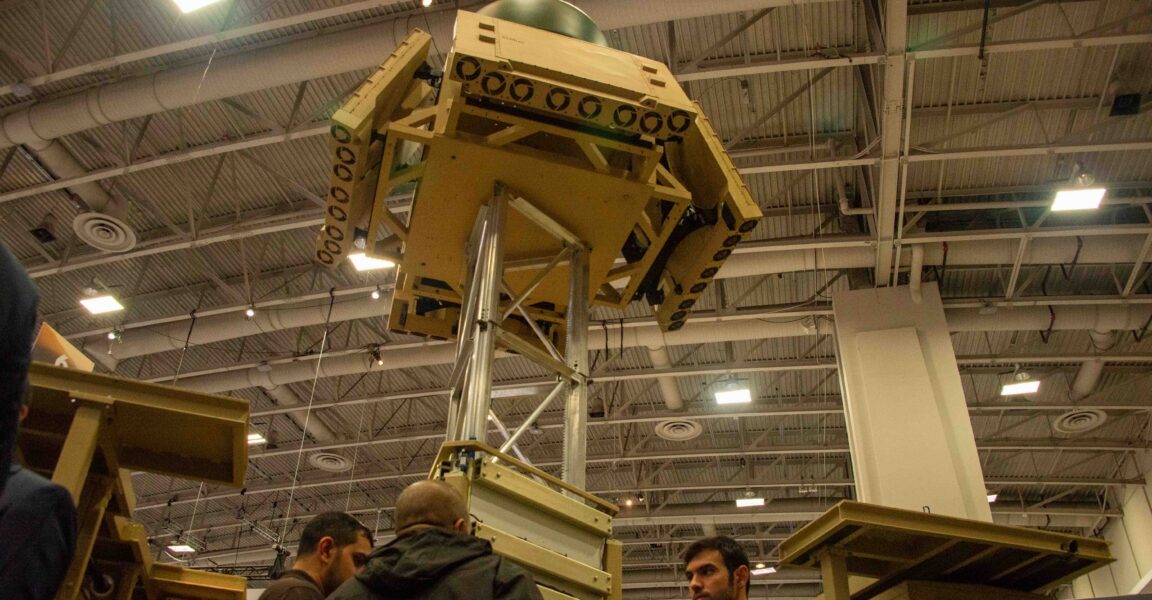
Leonardo DRS displays its Extended Mast Surveillance System, which features an exMHR radar system on a trailer platform with an extendable mast for a higher-altitude perspective. (Breaking Defense)
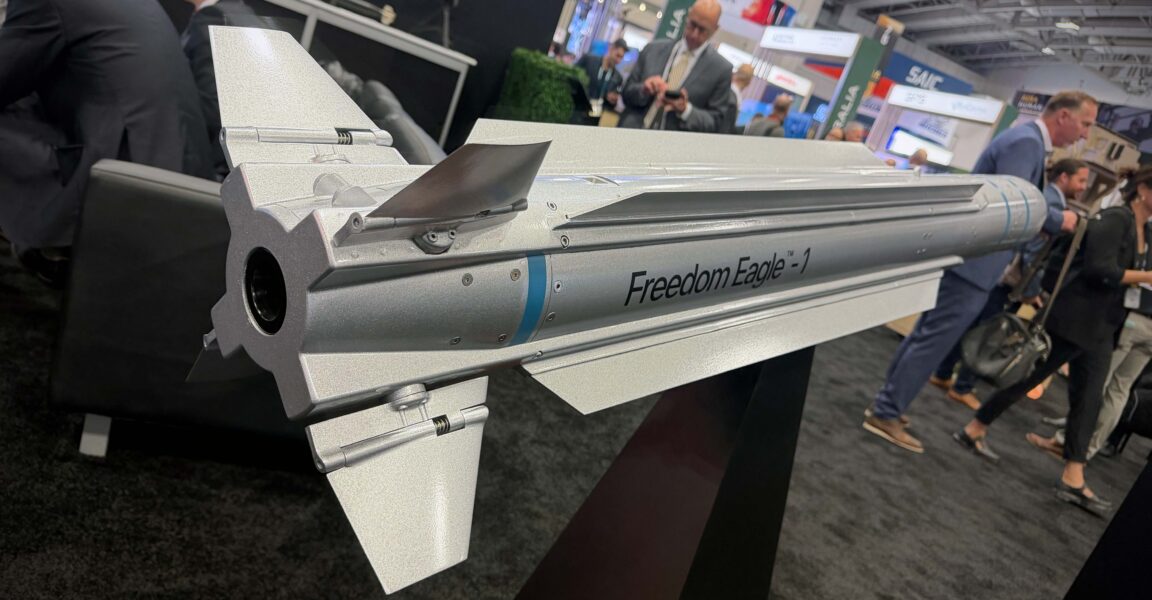
AeroVironment's Freedom Eagle-1 (FE-1) is marketed as a low-cost kinetic counter-UAV munition as well as a "long-range kinetic interceptor missile." (Breaking Defense)
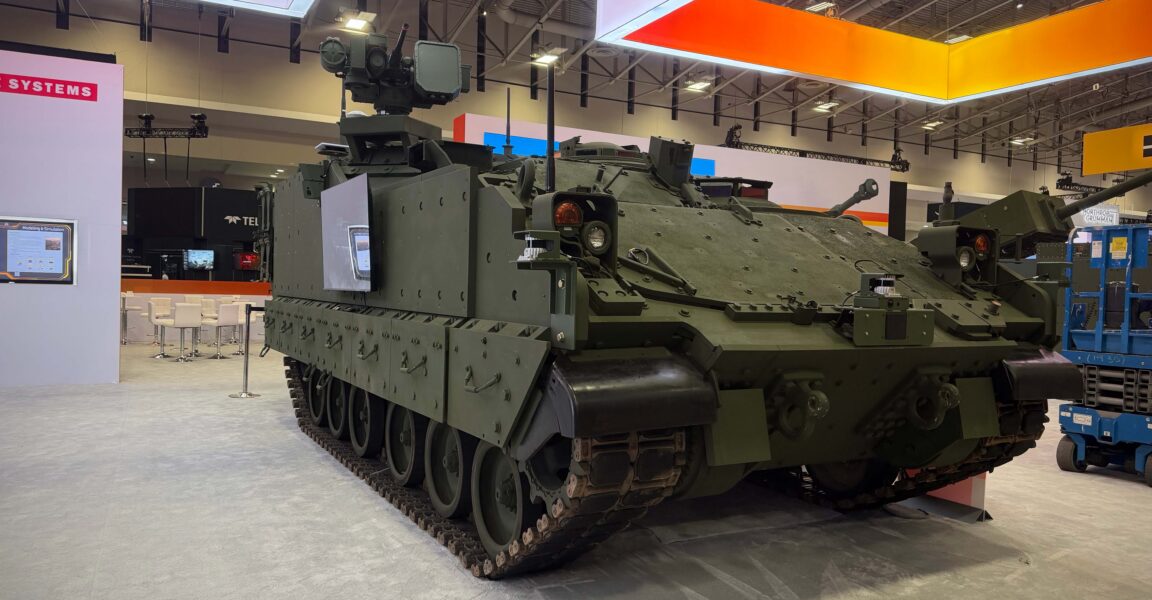
BAE's AMPV-30 (Armored Multi-Purpose Vehicle) is shown here on the trade show floor at the 2026 AUSA conference in Washington. (Breaking Defense)
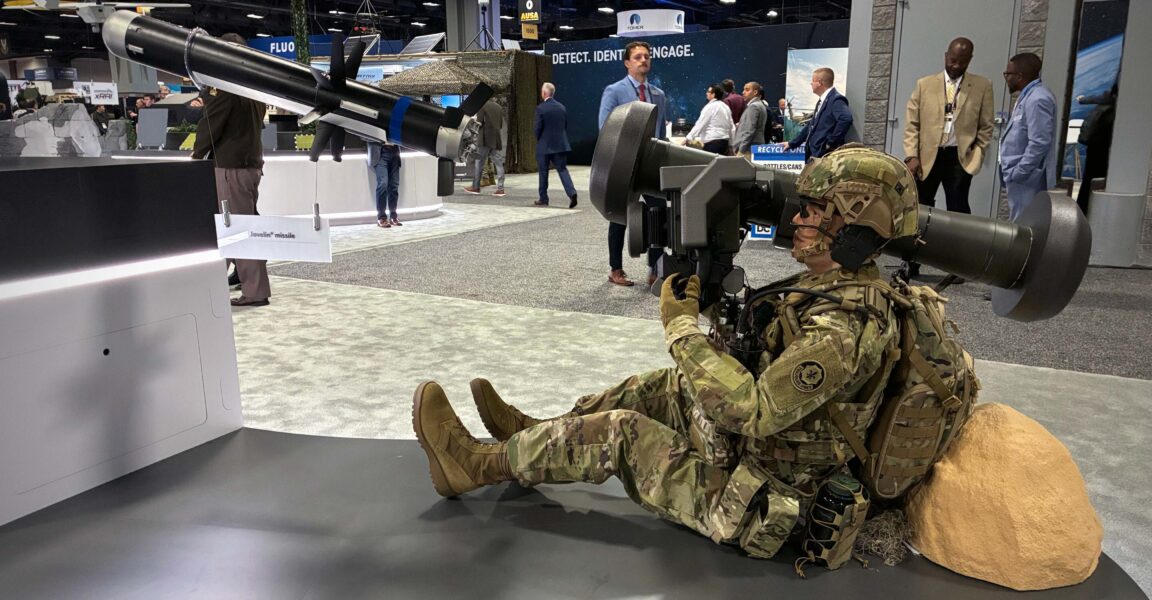
Here is the Javelin anti-tank guided munition system from RTX, as displayed with a fully-kitted soldier on the floor of the 2026 AUSA expo. (Aaron Mehta / Breaking Defense)
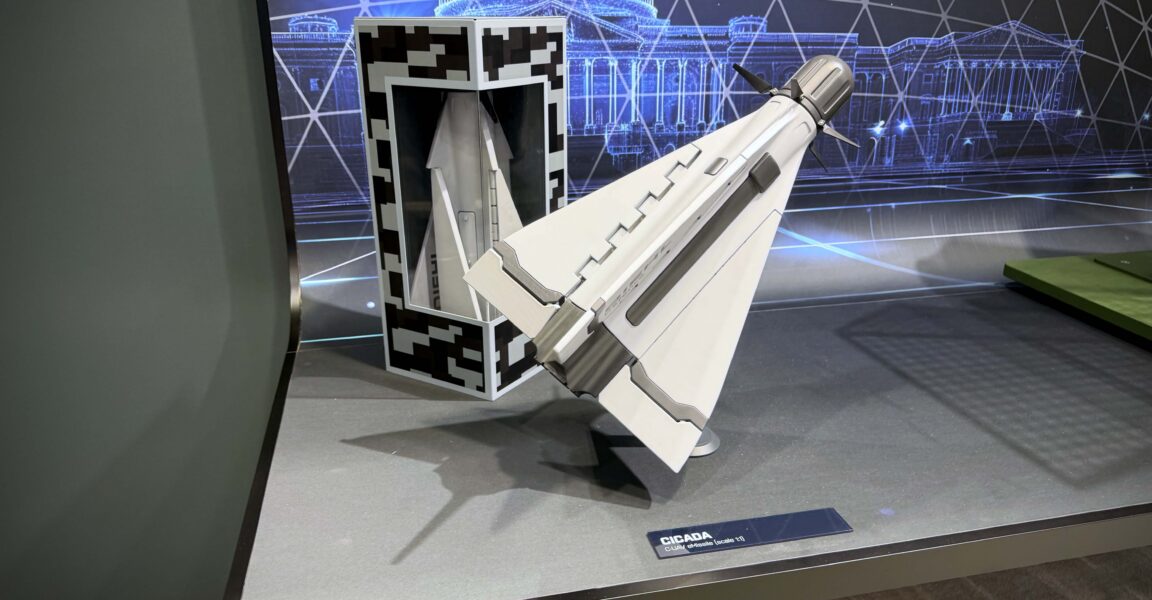
Diehl Defense's Cicada counter-drone munition is an electrically propelled missile that can feature a fragmentation warhead or a safety net. (Breaking Defense)
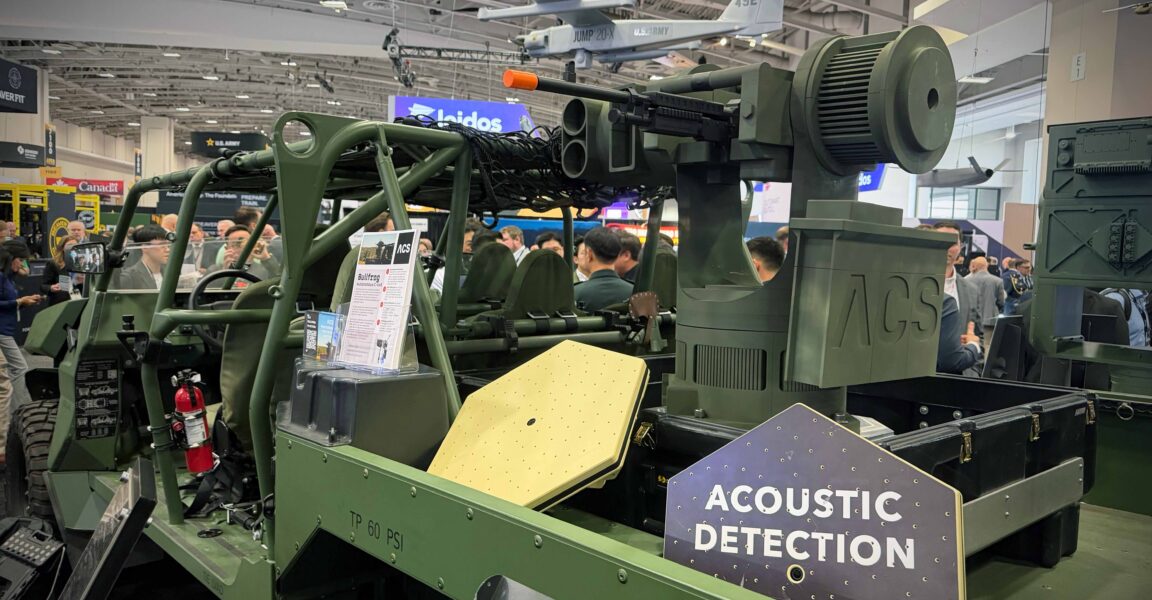
AeroVironment's Bullfrog M240 autonomous weapon system, seen here in the bed of a utility vehicle, has a range of 1,500 meters for defense against drone groups 1 through 3, according to AV. (Breaking Defense)
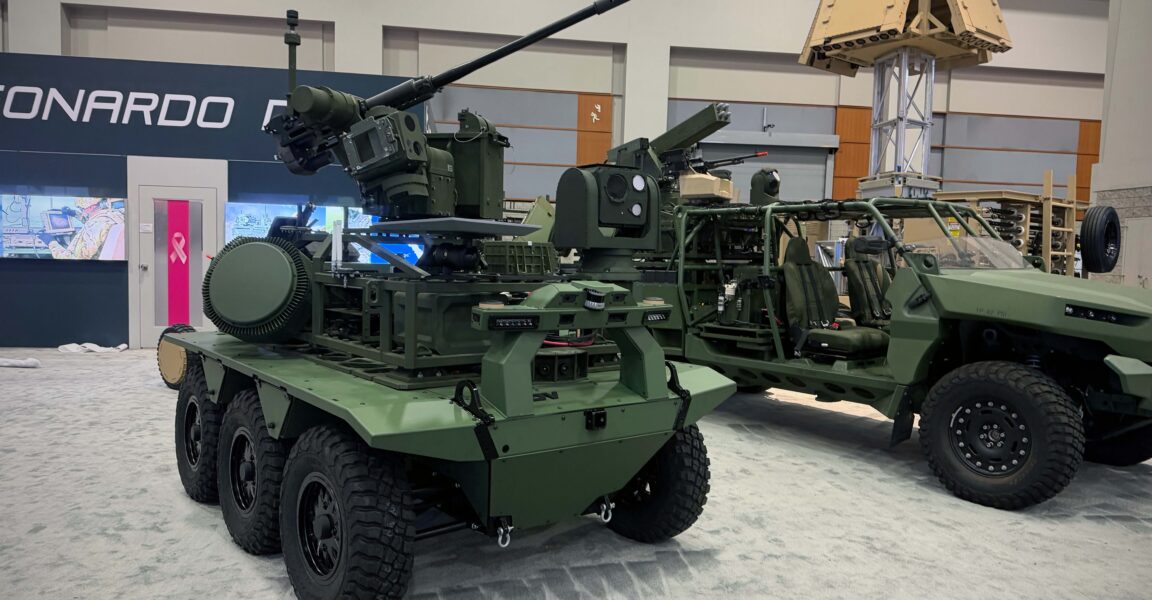
Leonardo DRS brought several vehicles and hardware to the 2026 AUSA conference, including the VIKING Uncrewed Ground Vehicle (left) equipped for air defense missions. (Breaking Defense)
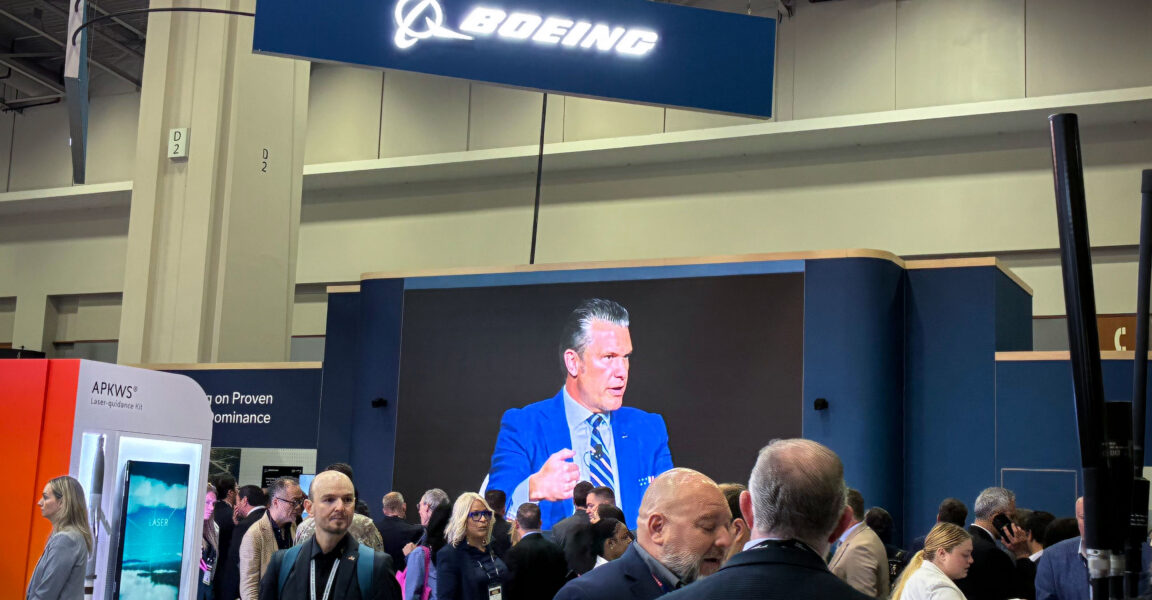
Defense Secretary Pete Hegseth's remarks at the 2026 AUSA expo were livestreamed at Boeing's booth on the show floor. (Breaking Defense / Aaron Mehta)
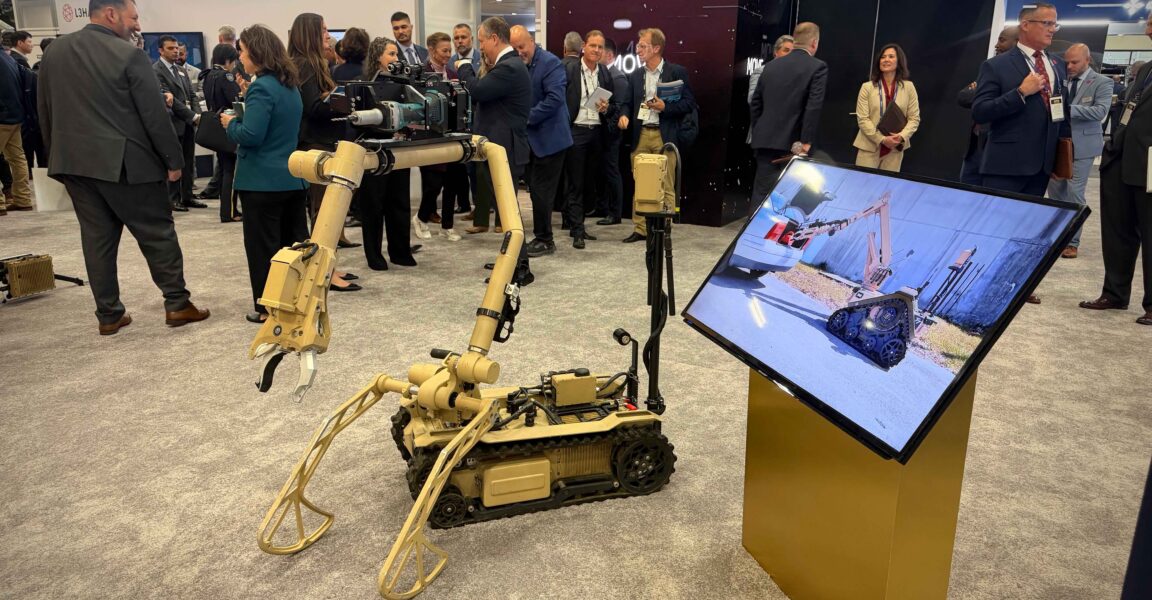
L3Harris brought its T4 Robotic System, an all-terrain unmanned ground vehicle intended for explosive ordnance disposal and hazardous materials clearance, to the 2026 AUSA conference. (Breaking Defense)
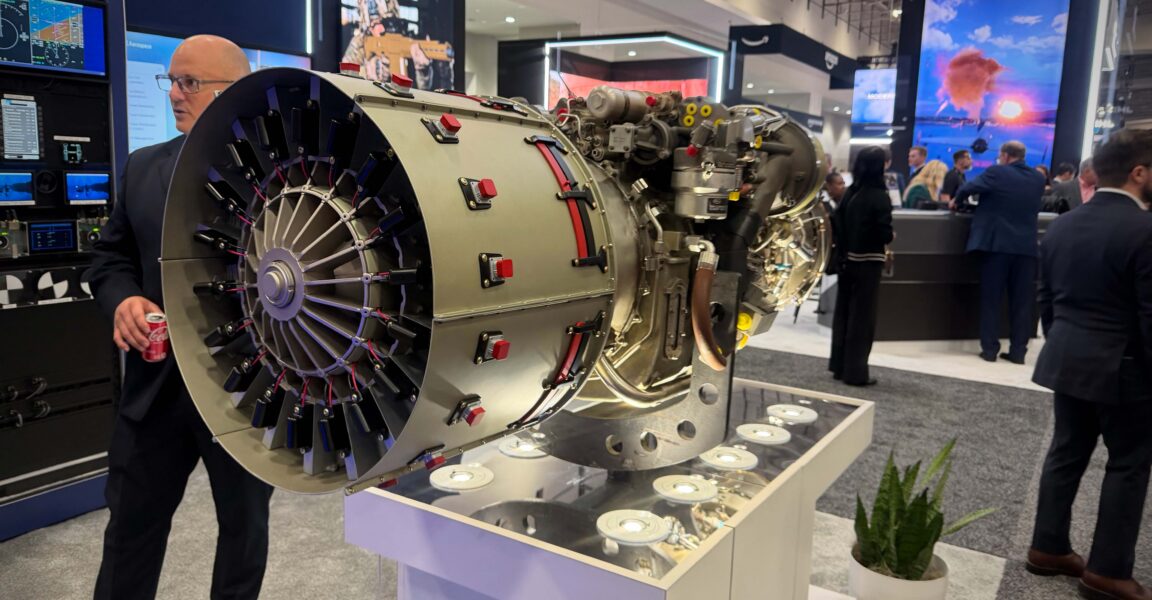
GE Aerospace showcased several large engine components -- including this hybrid-electric turbogenerator for the MV-250 autonomous, hybrid-electric vertical takeoff and landing cargo drone -- at the 2026 AUSA expo. (Breaking Defense)
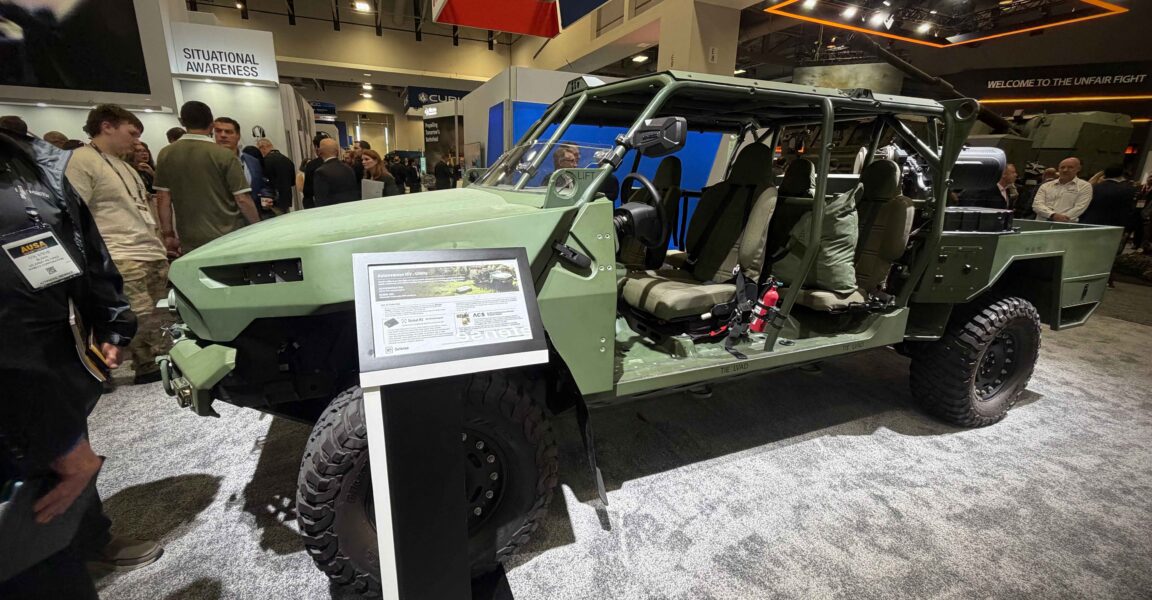
GM Defense's Autonomous ISV-Utility can accommodate up to five passengers as well as a wide range of equipment in the bed, including mortar systems, counter-drone as well as high-energy and electronic warfare systems. (Breaking Defense)
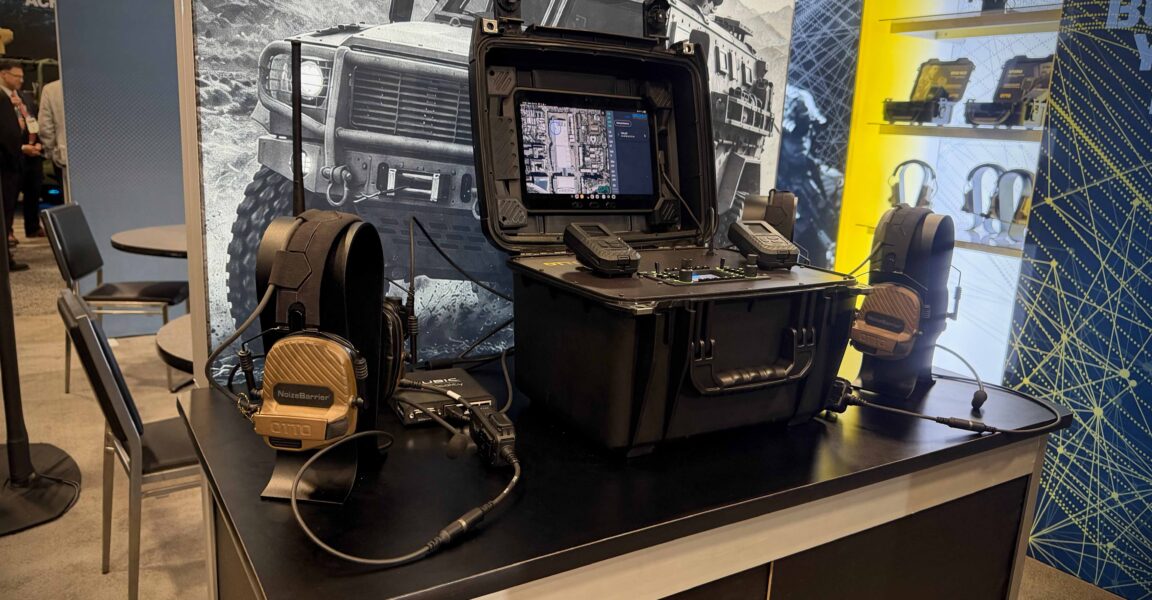
Illinois-based OTTO Engineering shared one of their hardened systems and associated equipment at the 2026 AUSA trade show. (Breaking Defense)
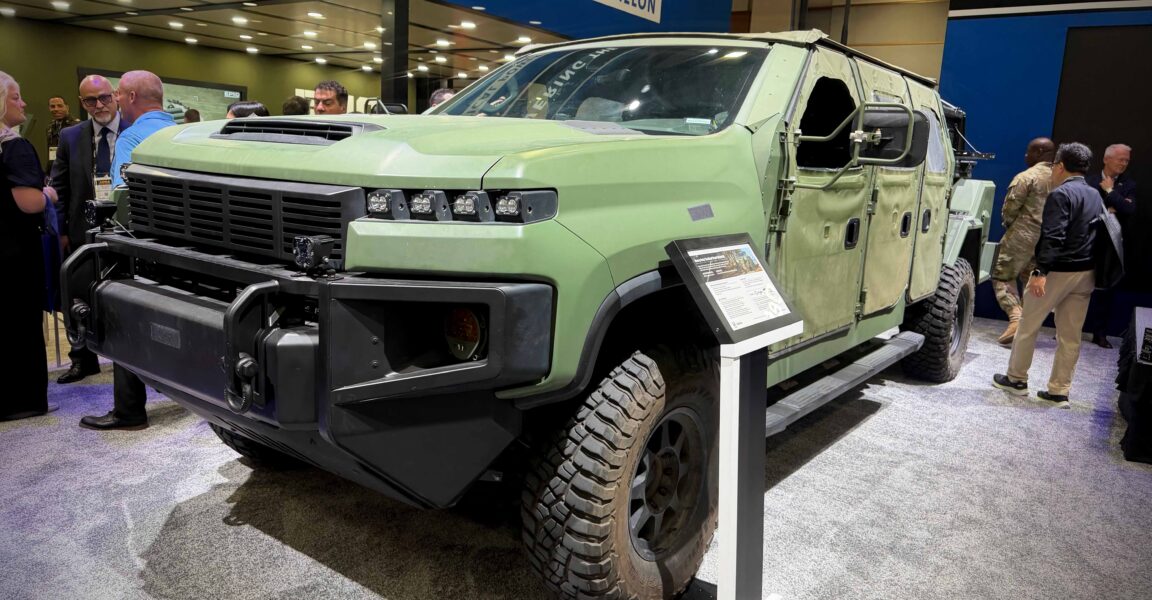
This is GM Defense's hybrid-powered Heavy Duty Tactical Truck, which is based on the Chevrolet Silverado. The truck includes a "silent" drive mode "to reduce acoustic and thermal signatures," the firm says at its 2026 AUSA display. (Breaking Defense)
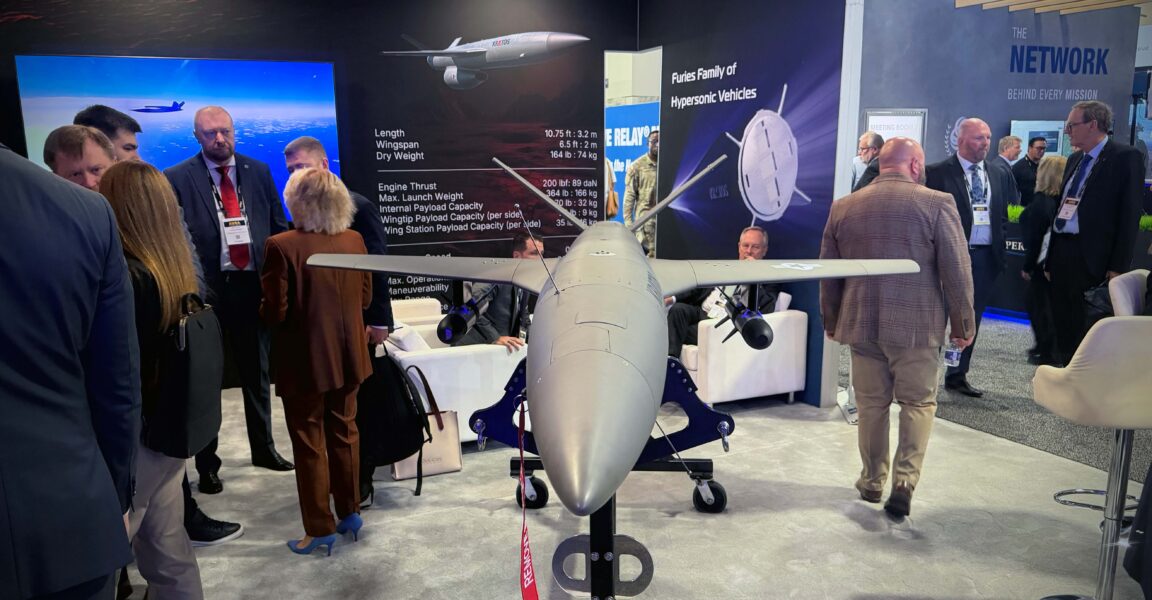
This is the Tactical Firejet from San Diego-based Kratos Defense & Security Solutions, Inc., pictured on the show floor at the 2026 AUSA expo. The Firejet is marketed as a low-cost drone that can fly at 0.8 mach speed and with a range of 500 nautical miles. (Breaking Defense)
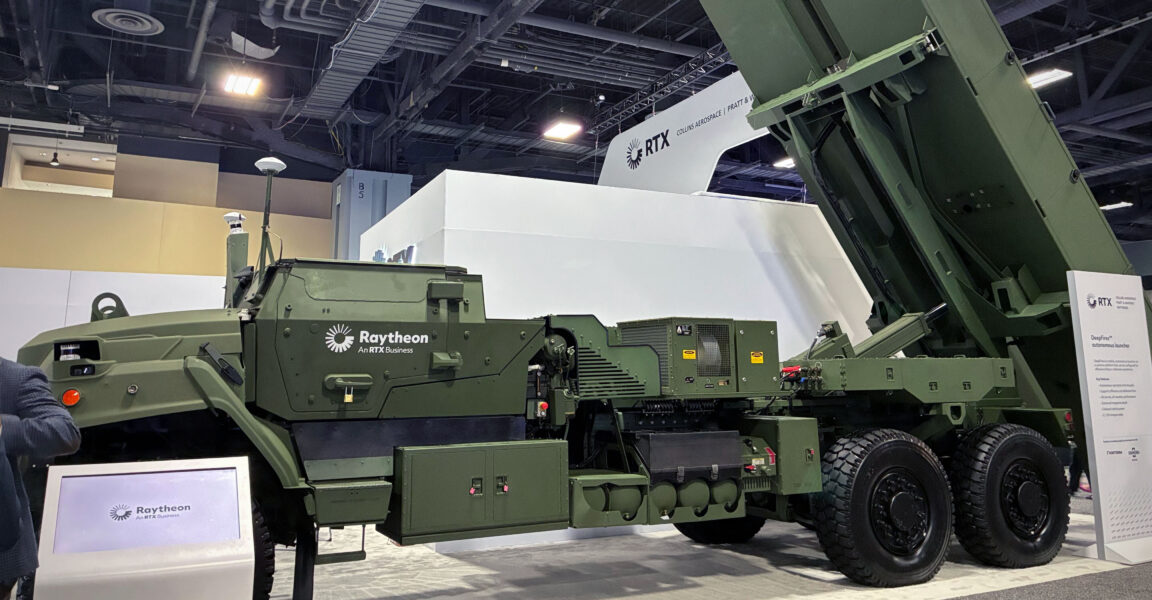
This is the DeepFires autonomous launcher from RTX, spotted on the show floor at AUSA 2026. It's an all-terrain, all-weather system that's transportable via C-130 cargo planes. (Aaron Mehta / Breaking Defense)
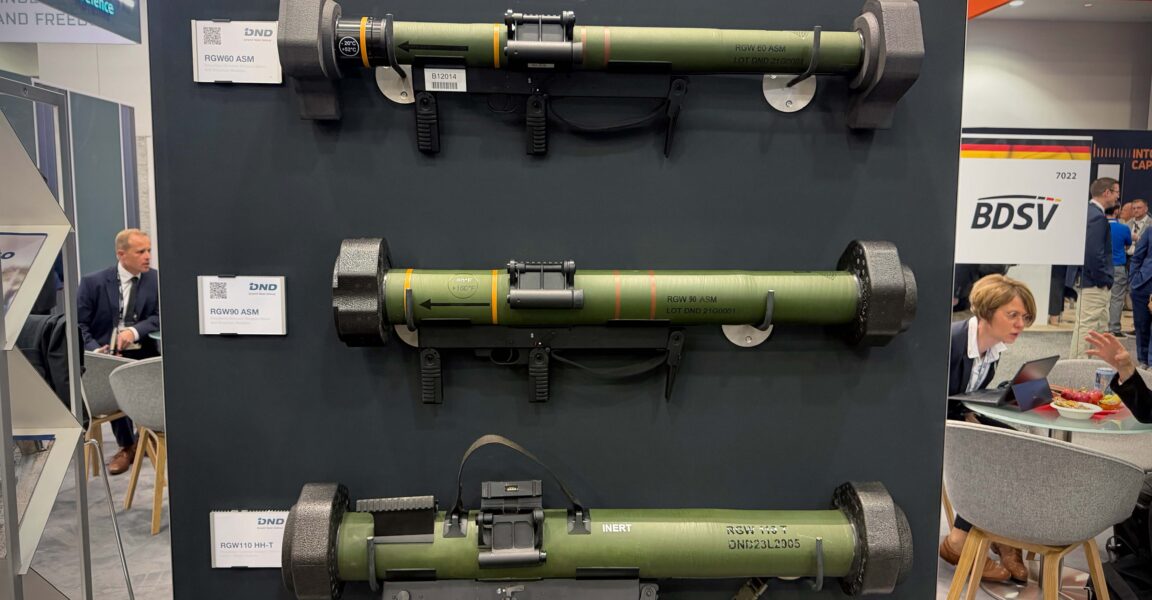
German defense firm Dynamit Nobel Defence GmbH (DND) showed shoulder-fired, anti-armor weapons at the 2026 AUSA expo. (Breaking Defense)