AUSA 2024 — One size doesn’t fit all in cyberspace. So the Army’s three planned Theater Information Advantage Detachments will deliberately undergo divergent evolution to better serve the specific commanders they’re attached to, officials said last week.
“One’s going to the Pacific, one’s going to Europe, and one’s going to Army Cyber [Command],” explained ARCYBER’s commander, Lt. Gen. Maria Barrett, in a packed briefing at the Association of the US Army’s annual conference dedicated to the information warfare teams. The newly designated units are designed to help commanders counter disinformation and other “malign influence” interfering with Army operations.
The TIAD assigned to US Army Pacific in Hawaii will stand up first, Barrett said. The official activation date is October 2025, although the service intends to get as many personnel in place as far ahead of that date as it can. The next TIAD to go live will be collocated with ARCYBER headquarters at Fort Eisenhower, Ga. (formerly Fort Gordon), and Europe will be last.
Each TIAD will have 65 soldiers, but the US-based detachment will have a trans-regional focus and easy access to ARCYBER’s high-end technical capabilities, Barrett and other officials said, while the two forward-deployed TIADs will focus “down and in” on their respective theaters and may need more soft-power assets such as foreign-language speakers. The European and Pacific detachments will probably end up diverging from each other, as well, for example in how they plug into the existing command structures.
“We’ve got to give a little bit of permission [for commanders to say] ’I want all of that coming through my G-38 [staff element]’ or ‘I want all this going through my theater fires element,’” Barrett said. “I think that is going to play out in some of the exercises. … We saw this really with the MDTFs [Multi-Domain Task Forces] as well, how each one of the theaters really chose how to command and control” in its own way.
That kind of customization is a contrast to the past generation of guerrilla warfare, where the Army deliberately created a few standardized types of “modular” units that could replace each other on deployments to Iraq and Afghanistan with minimal reorganization or disruption.
The TIADs, however, don’t even have a single standardized Table of Organization & Equipment (TOE), Barrett told Breaking Defense after her briefing (though they do have a formally approved Initial Capabilities Document). Their core personnel will come from the 1st Information Operations Brigade, which had been providing specialists in “military information support operations” (formerly known as psyops) to commanders on an as-needed and ad hoc basis.
But the TIADs will add other specialties such as cyber/electronic warfare and languages, she explained, and they’ll embed these experts in their assigned HQs on a permanent basis so commanders can better understand their capabilities — and customize them to their campaign plans.
“It’s going to be up to the commander how they’re organizing their campaign, what kind of effects they want to have, and what the planners come up with,” Barrett told the AUSA audience.
A key aspect of this customization is focus. “We are not trying to boil the ocean and figure out who’s doing what to whom globally,” said Aaron Pearce, a civilian expert on Barrett’s staff. Instead, he said, the TIADs will specifically look at misinformation, propaganda, and other “malign influences” affecting the specific commander, theater, and forces to which they’re assigned. Then they can counter it at the commander’s discretion, he went on — whether that means simply exposing the lies, aggressively “naming and shaming” the perpetrators, or bringing in “technical means” to hack the adversary’s social media accounts, botnets, and troll farms.
Information is a vital tool for military targeting, planning, and other functions, Pearce emphasized, but it can also be a weapon in its own right. “We also need to start fighting with that information,” he said. “Information has to be a component of the commander’s scheme of maneuver and scheme of fires.”
“Last year, the Combined Arms center published ADP-3-13, the doctrine for information advantage,” Barrett said. “Now we have a framework for how to think about those things, but the doctrine isn’t good enough [by itself]. We’ve got to have some structure to support this as well… a Theater Information Advantage Detachment.”
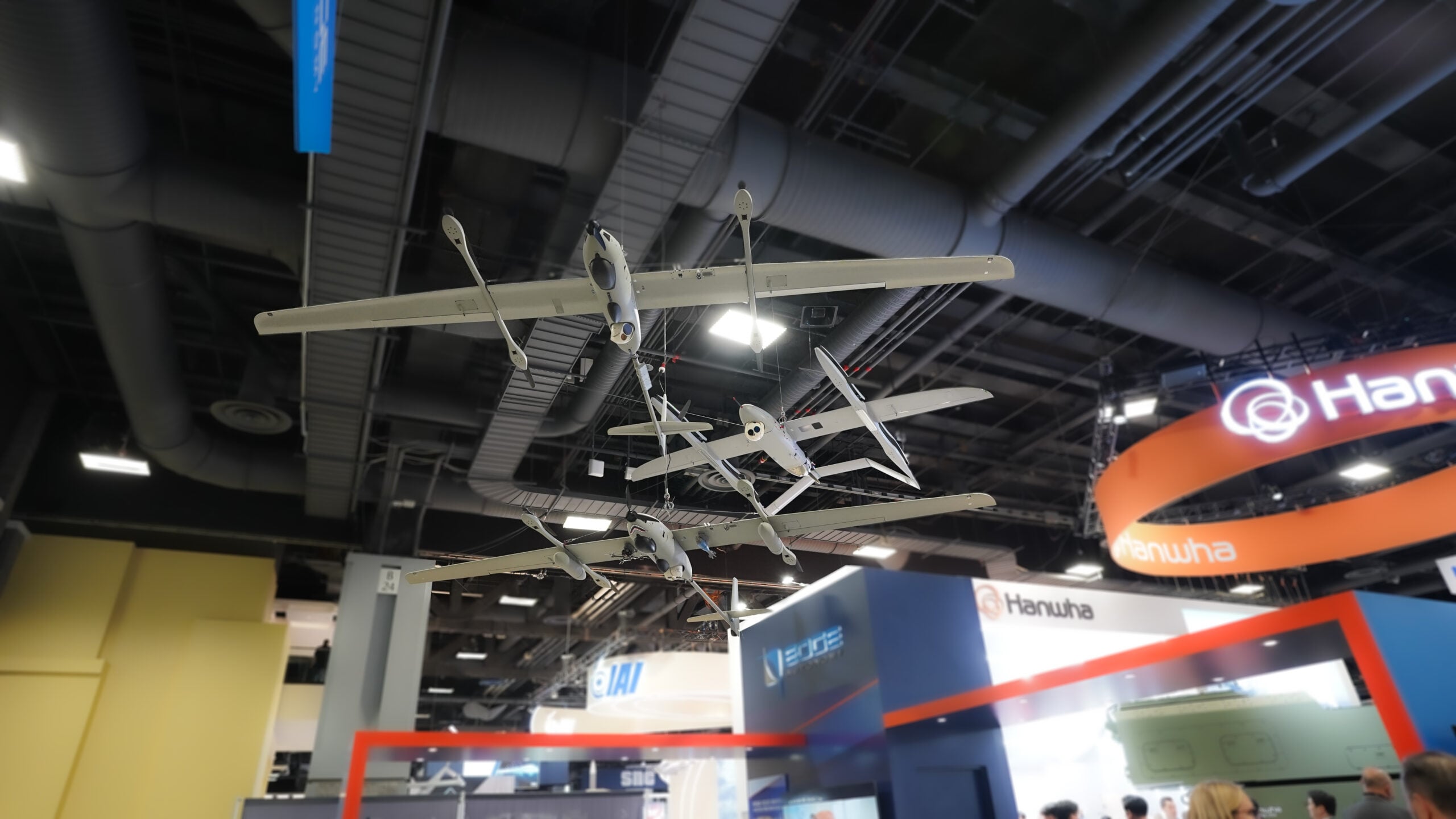
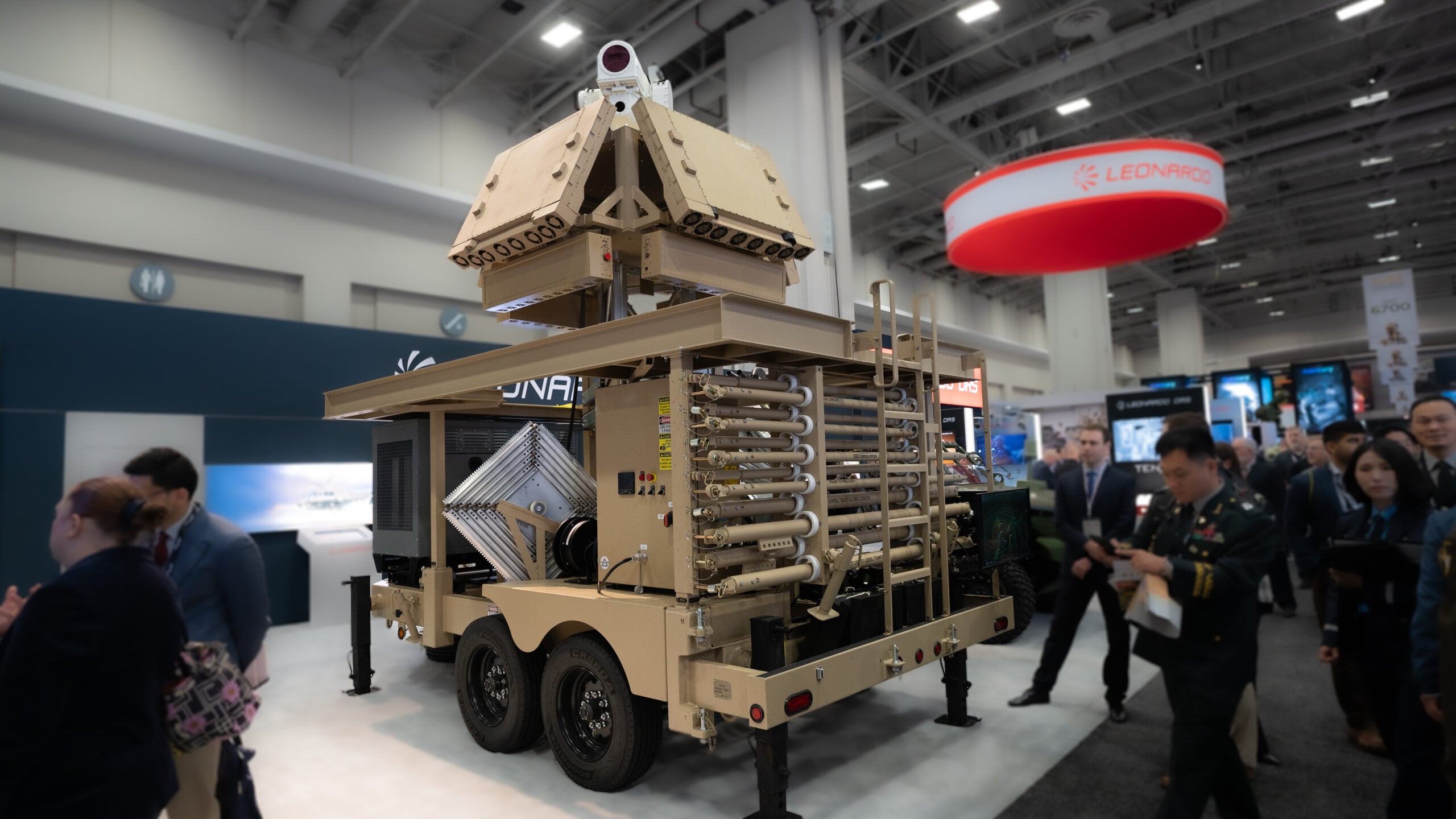
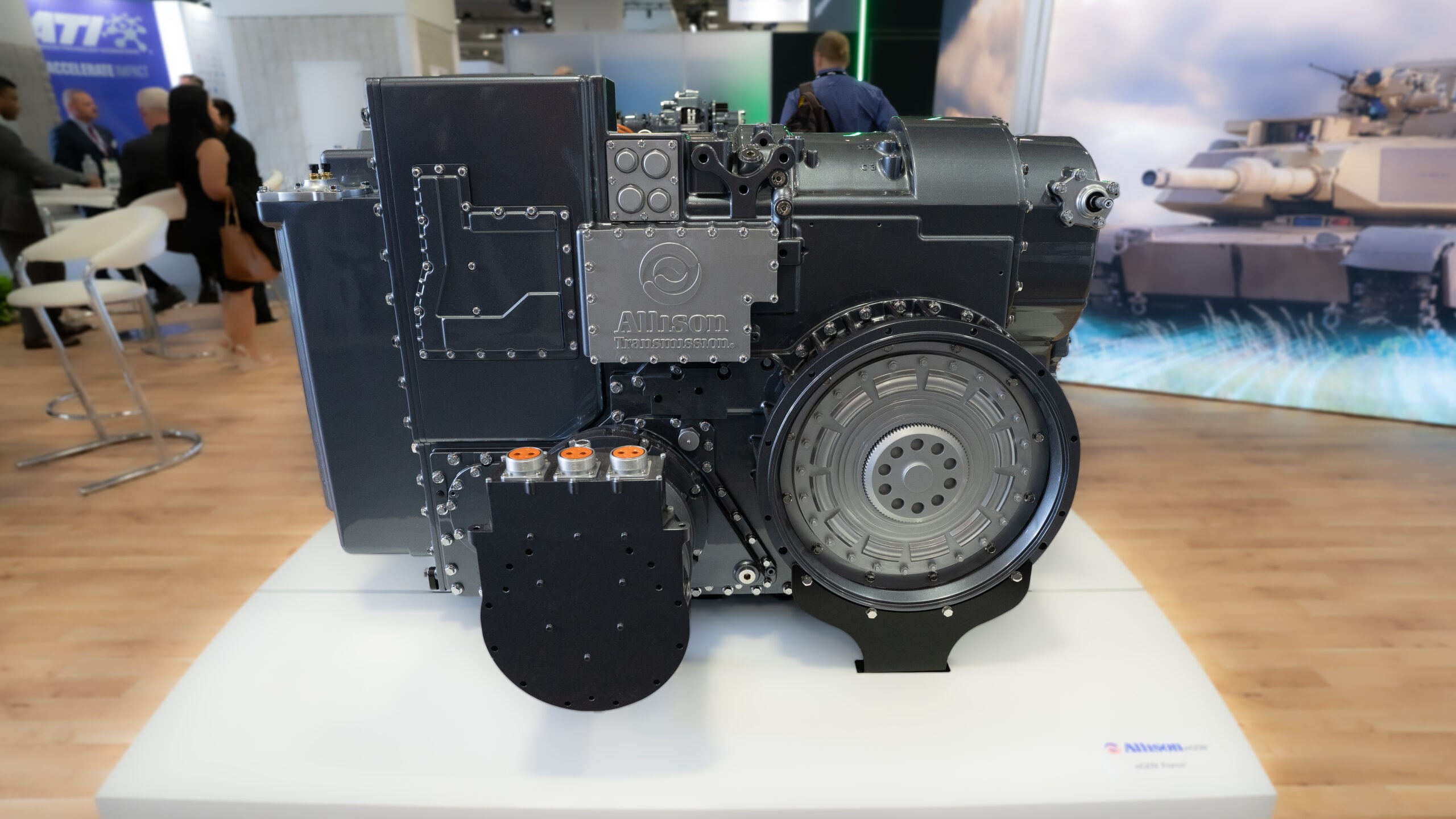
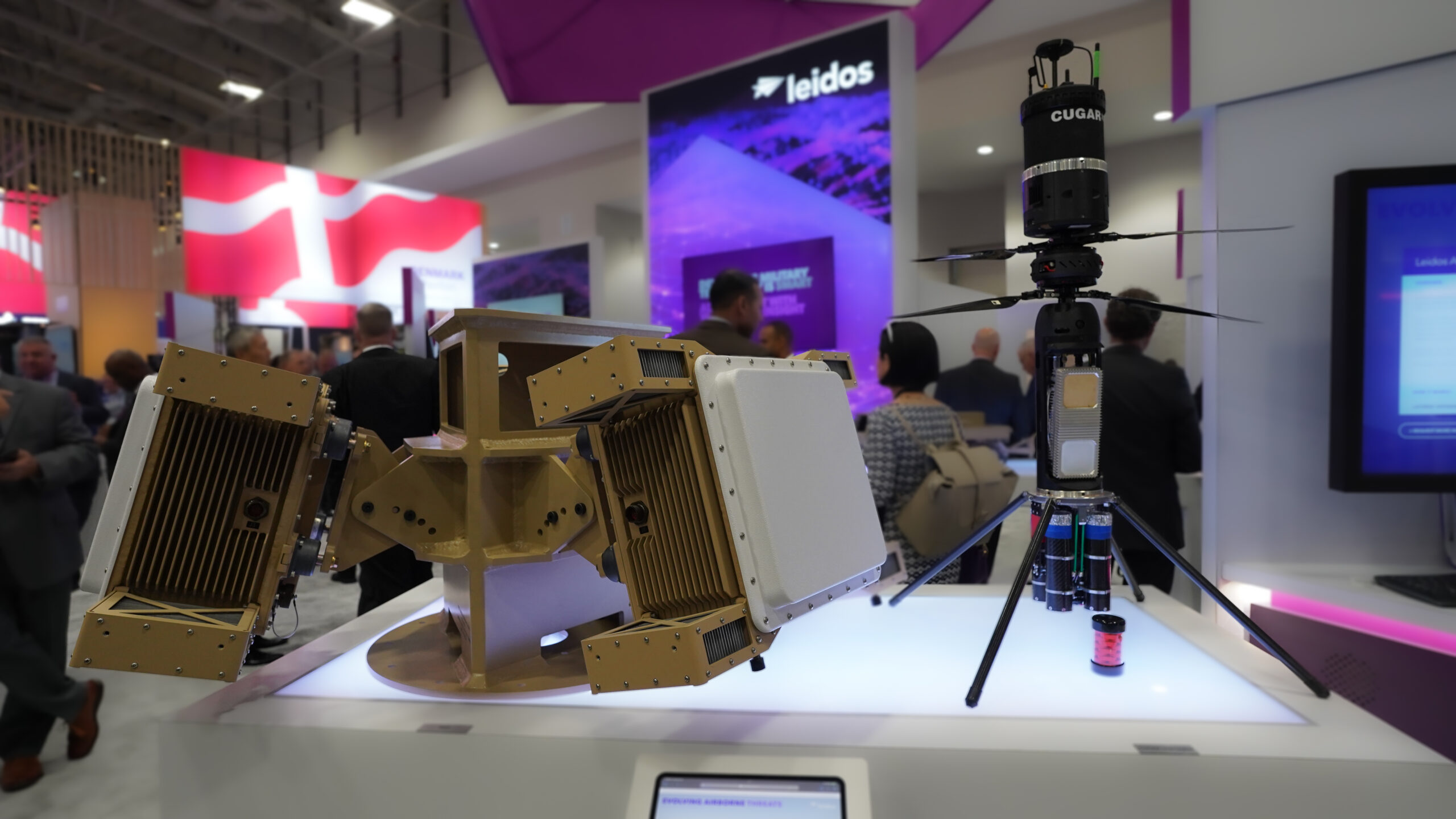
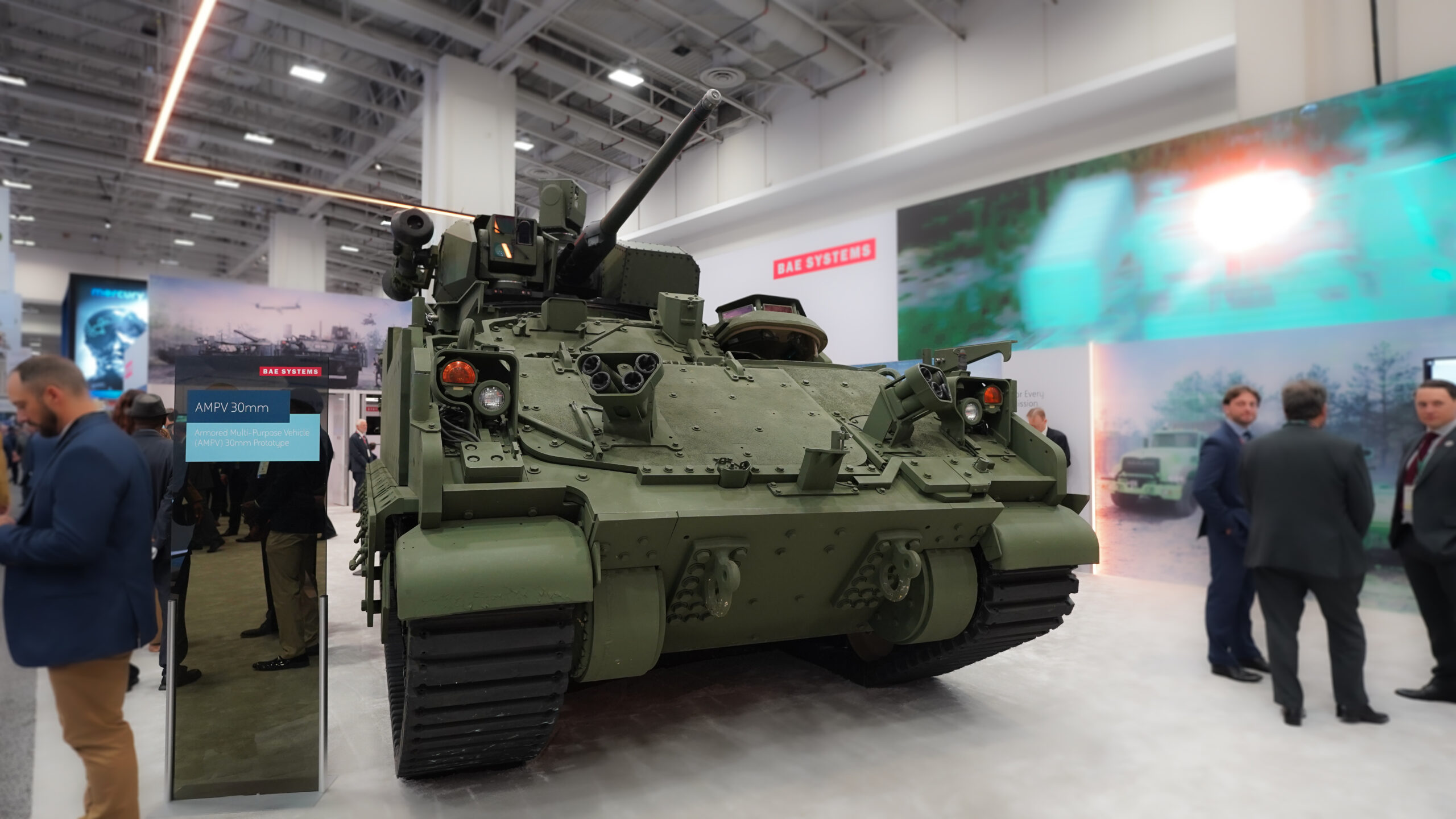
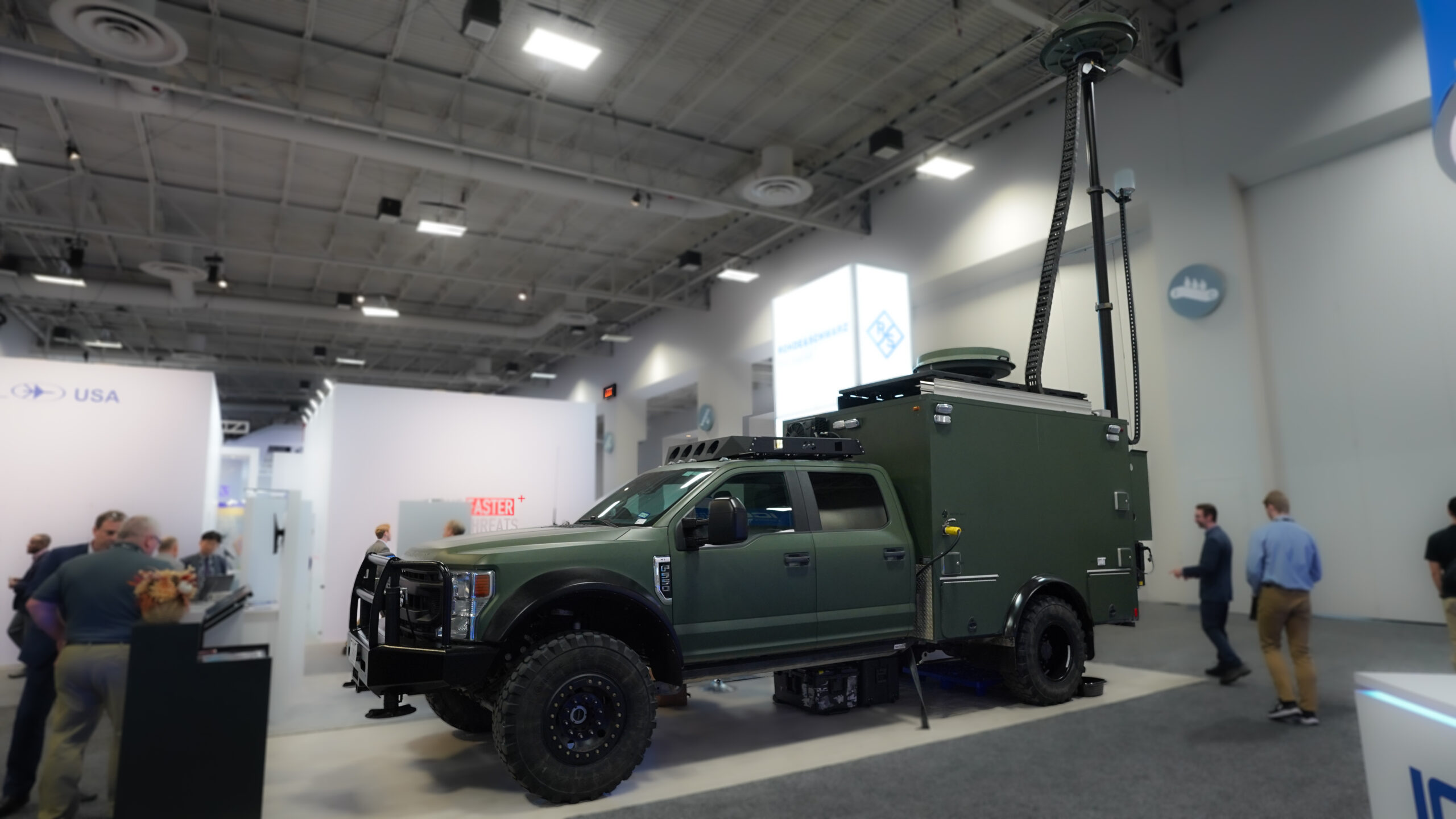
PHOTOS: AUSA 2024

 Gallery








Breaking Defense Video