
NATO considers buying commercial imagery, irking US spy sat agencies: Sources
It is unclear whether the US Intelligence Community has directly responded to NATO's call for information from allies on existing and emerging IMINT capabilities.
It is unclear whether the US Intelligence Community has directly responded to NATO's call for information from allies on existing and emerging IMINT capabilities.

"Our goal is to ultimately develop a comprehensive set of needs and gap analysis with traceable documentation of the joint warfighter requirements for space," said Lt. Gen. Chance Saltzman, before investing in solutions.

Vice Adm. Robert Sharp, outgoing NGA director, said the fusion of Project Maven with his agency's current AI efforts will "give us our millions of eyes to see the unseen."
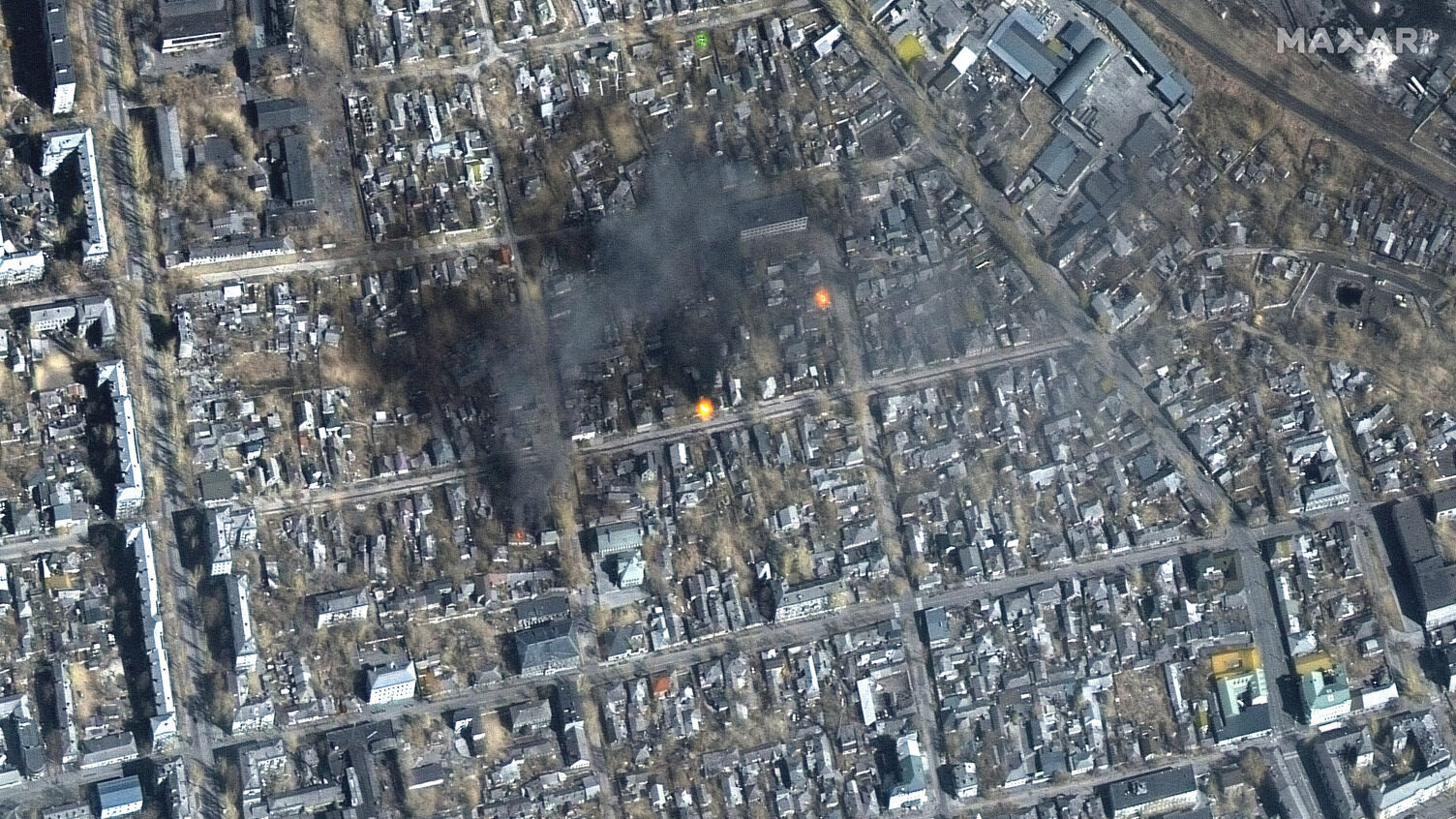
Payam Banazadeh, CEO of Capella Space, told Breaking Defense that the Ukraine war has been a "critical place for the industry to show itself," but NRO says it isn't accelerating the SAR acquisition process.

Pete Muend, director of the NRO Commercial Systems Program Office, told the USGIF GEOINT 2022 conference that RF tracking for Ukraine has been "great benefit," and spy agency wants to expand the capability.

A study by the Space Warfighting Analysis Center that determined a multi-layered network of satellites in Geosynchronous Orbit (GEO), highly-elliptical polar orbit, Low Earth Orbit (LEO) and Medium Earth Orbit (MEO) is necessary to provide comprehensive ballistic and hypersonic missile warning and tracking.

"The flood of new imagery capabilities is overwhelming. Data driven technologies like artificial intelligence are essential," Gen. Richard Clarke, head of Special Operations Command, told the annual GEOINT conference today.
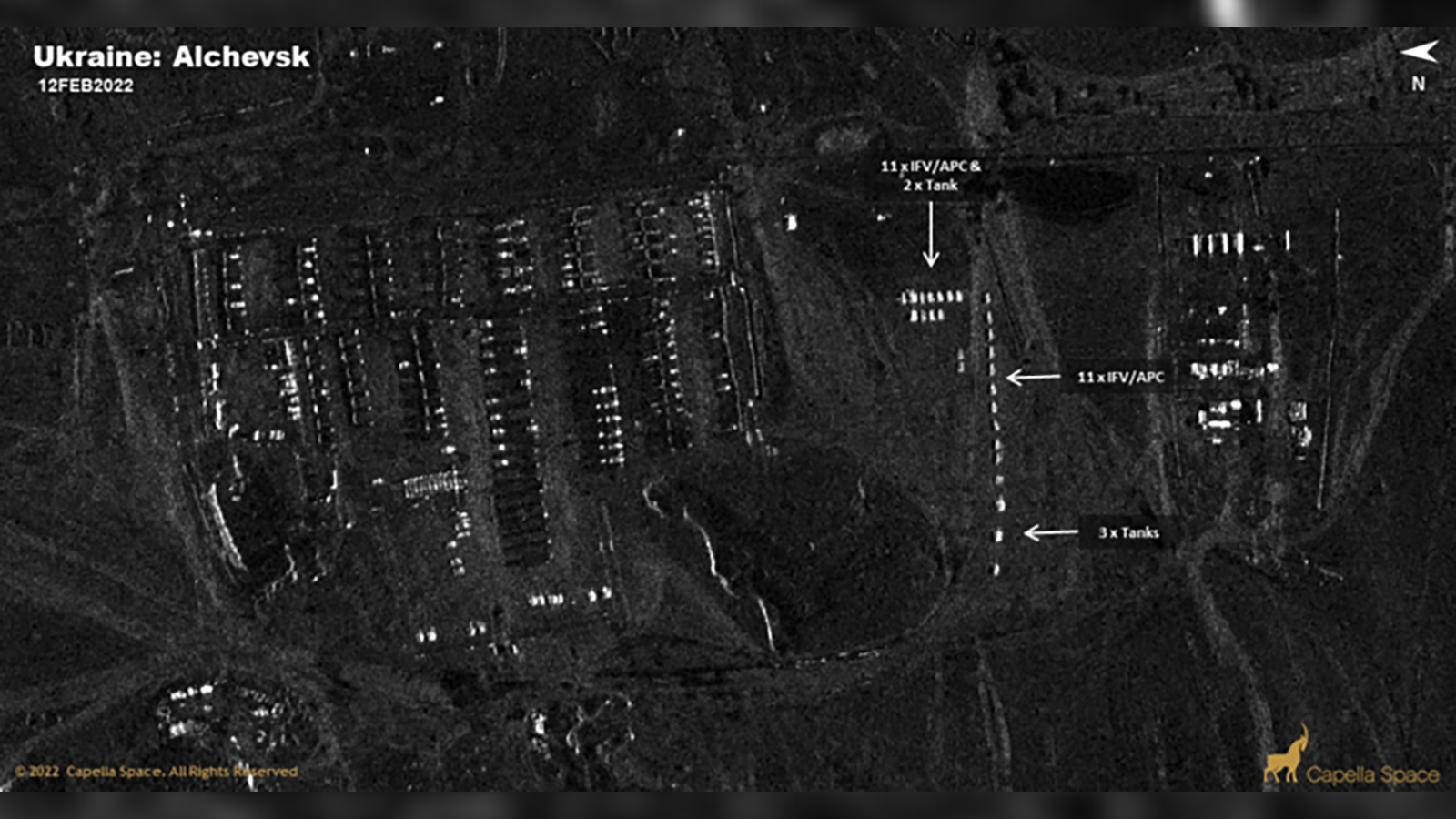
How many satellites Capella eventually launches depends on customer demand for faster and faster revisit rates, Capella CEO Payam Banazadeh told Breaking Defense.


Jason Kim, chief executive officer of Millennium Space Systems, talks about the changing face of satellite imagery for intelligence, surveillance and reconnaissance missions.

"We recognize our ASAT commitment doesn't cover all ASAT threats, including space based ASAT systems. But we think it is important to take a first step to address the most pressing threats," said Eric Desautels, a senior State Department official involved in negotiating international accords.
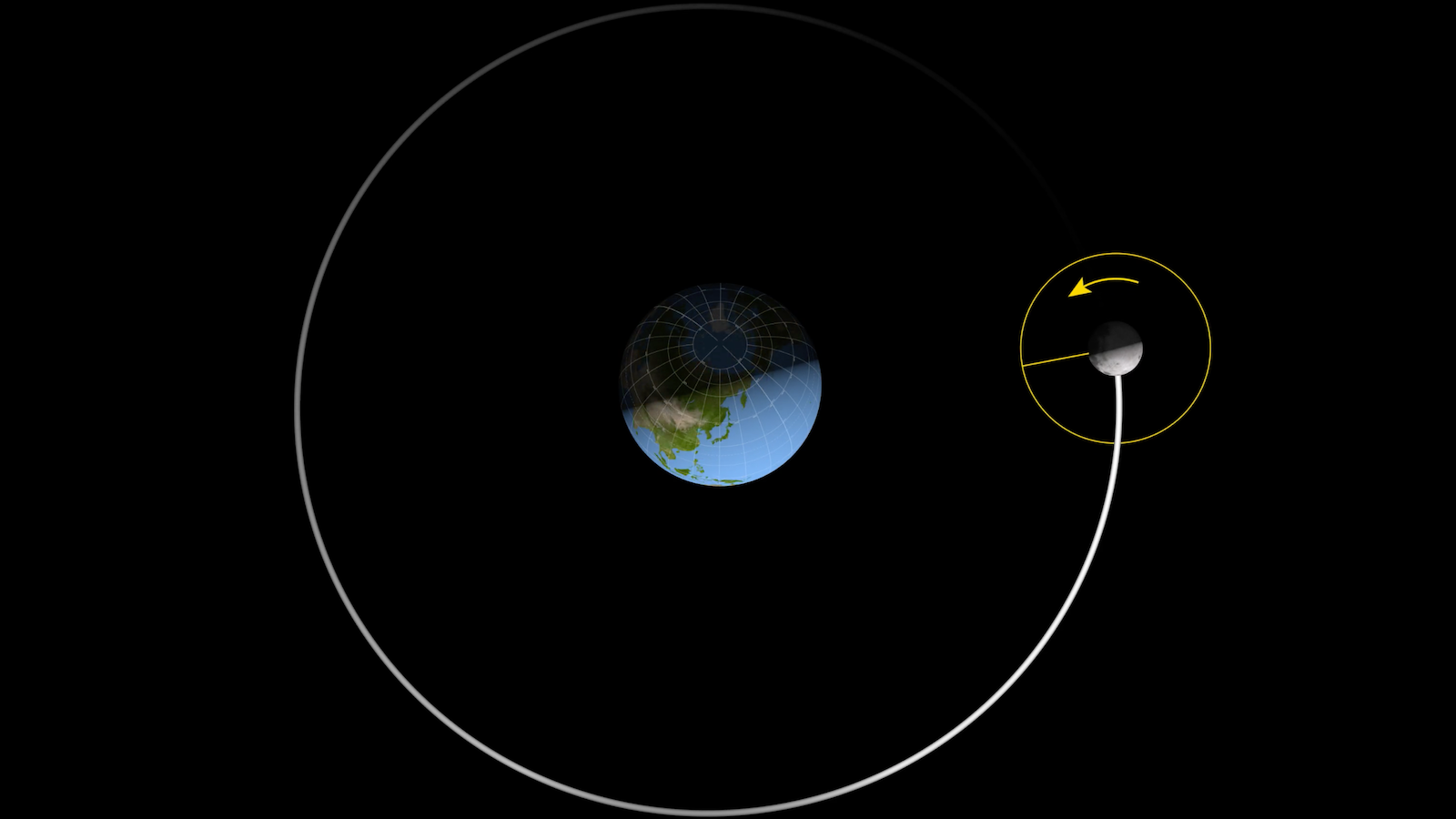
Space Force has established the new 19th Space Defense Squadron to monitor what officials now refer to as "xGEO" space.

"We have designed our next generation ‘Pelican’ fleet to meet the evolving needs of customers who want real-time information about global events as they unfold – from floods and wildfires to political conflicts and threats to human rights," said company CEO Will Marshall.