
Senate approves new leader for Army Cyber Command
Lt. Gen. Christopher Eubank has been chosen and approved to lead ARCYBER.
Lt. Gen. Christopher Eubank has been chosen and approved to lead ARCYBER.

Brandon Pugh came over from the think-tank world about eight weeks ago to serve as the service's third ever PCA.


On today’s battlefield, mobility isn’t optional - it’s mission-critical.
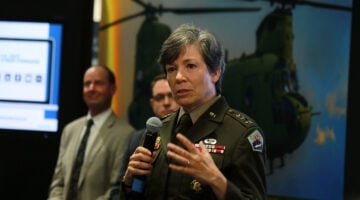
"The biggest opportunities that I see are from a modularity and platform independence standpoint," Lt. Gen. Maria Barrett, the commanding general of Army Cyber Command, said.

The three planned Theater Information Advantage Detachments will each start with 65 soldiers, but the TIADs will be tailored over time to serve the specific demands of Indo-Pacific Command, European Command, and Army Cyber Command.

Last year, PEO C3T and PEO IEW&S absorbed several programs from the PEO Enterprise Information Systems (EIS), in hopes of better orienting the land forces for the fights of the future.
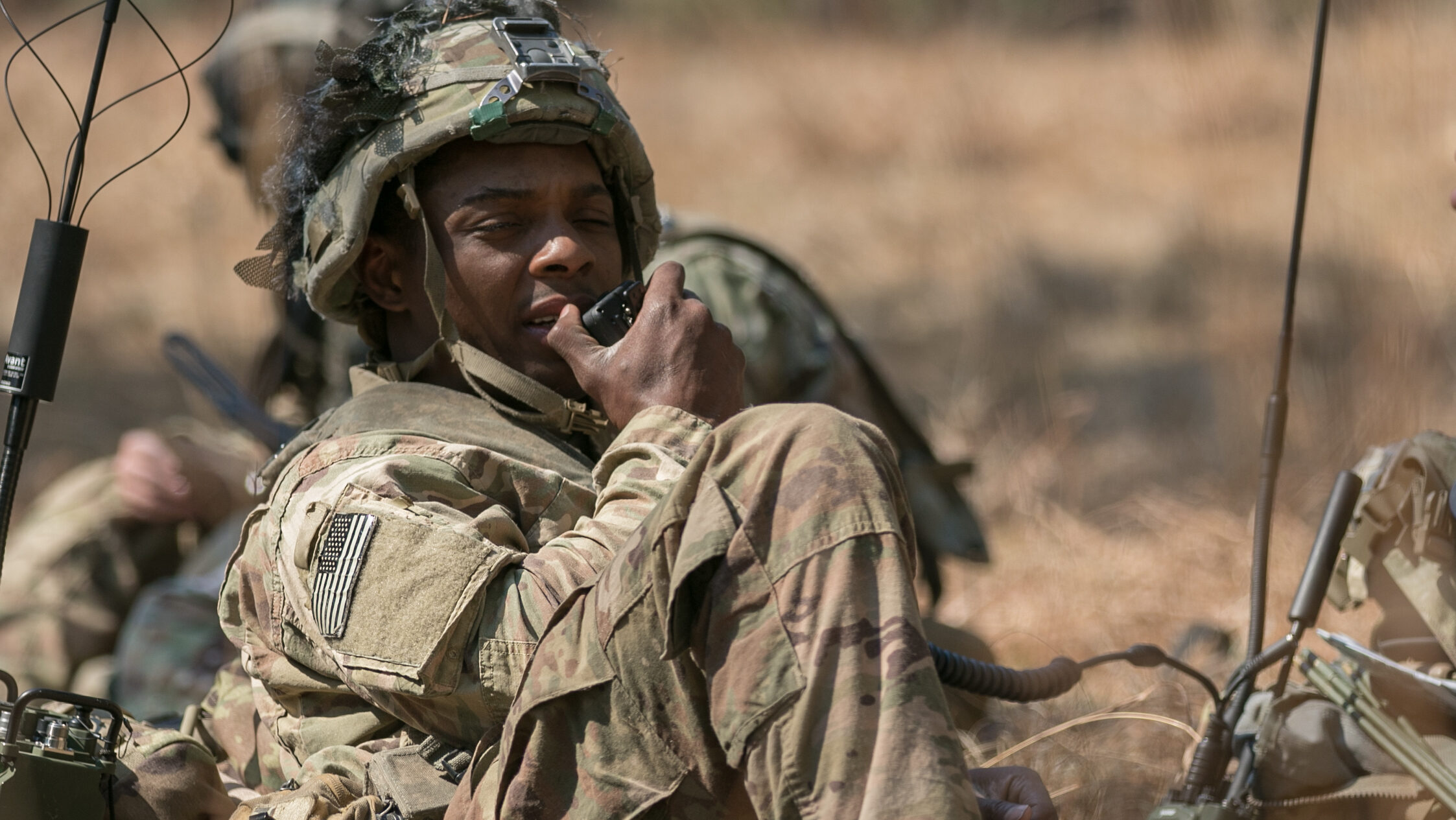
The service announced the pilot in May after lessons learned from Russia’s invasion of Ukraine told the Army that the status of electronic warfare is rapidly changing.

Balancing security and access to data are critical to providing users with trustworthy, reliable data for real-time decisions.
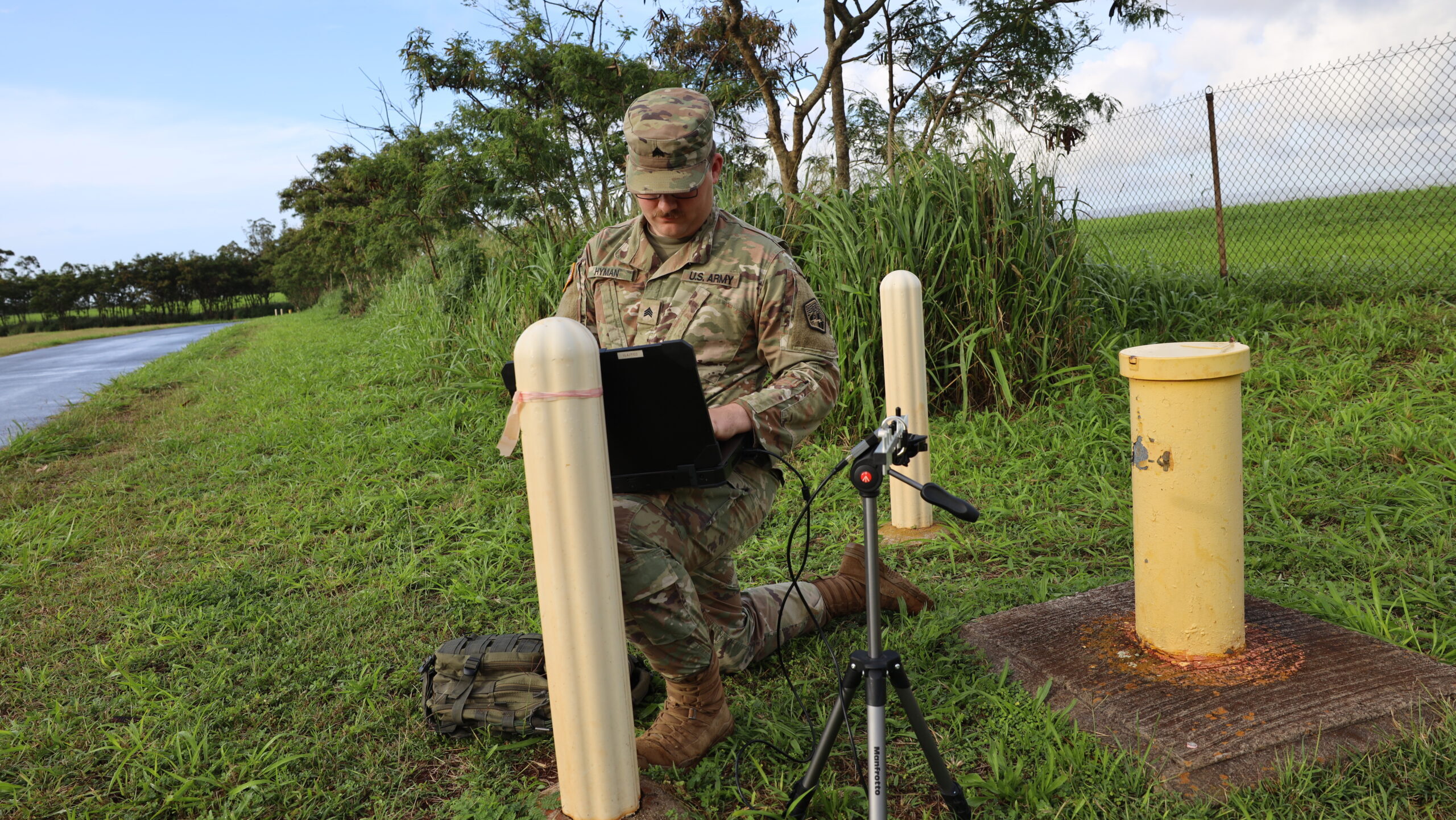
The urgency to stand up the TIADS comes from an increase in peer adversaries like China as they attempt to disrupt the US' critical infrastructure and other vulnerable realms, Commander of the Army Cyber Command Gen. Maria Barrett said.
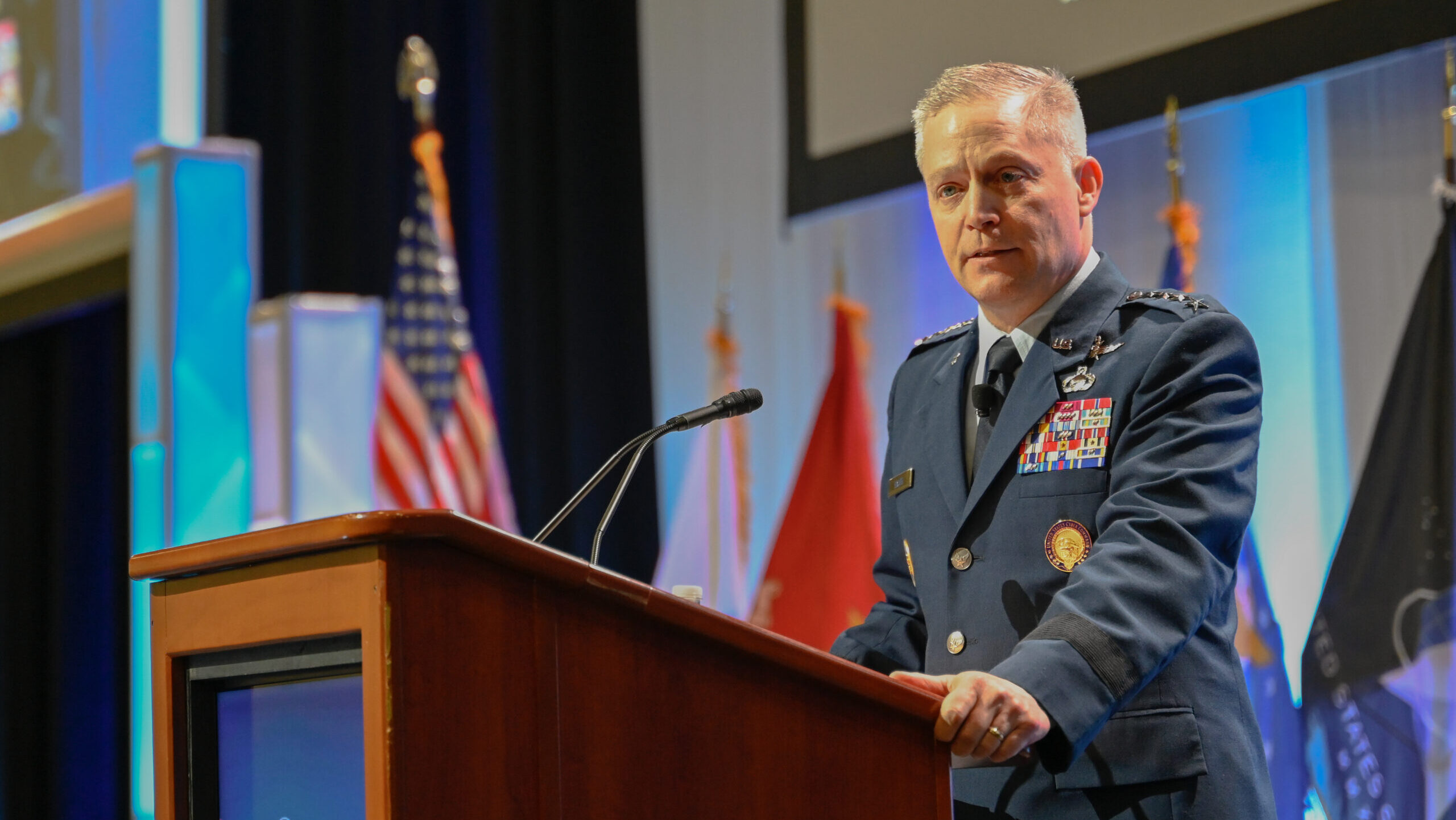
“The People's Republic of China’s efforts to steal intellectual property, gain critical infrastructure footholds and disrupt supply chains pose significant risk to DoD's ability to defend the nation," CYBERCOM Commander Gen. Haugh said.

The 350th Spectrum Warfare Wing is modeling a new approach to electronic warfare for all the services: Instead of traditional quarterly updates, the 350th can now update over 30 Air Force systems about new threats within three hours.

In a sign of how ubiquitous AI has become recently, DISA Director Lt. Gen. Robert Skinner began his keynote not speaking himself, but with a generative AI that cloned his voice and delivered the start of his remarks.


The MQ-9B and Gambit Series represent parallel capabilities that address global challenges for security head-on.

"We have examples in the counter-ISIS fight of combining lethal and non-lethal effects for a much larger holistic effect that I would say had a larger impact than anyone predicted prior to us truly synchronizing our efforts for having an effect on the adversary there," he said.

The intent is to generate conversation within the community and a more broad audience about potential threats and what the service can do to prepare for the future.
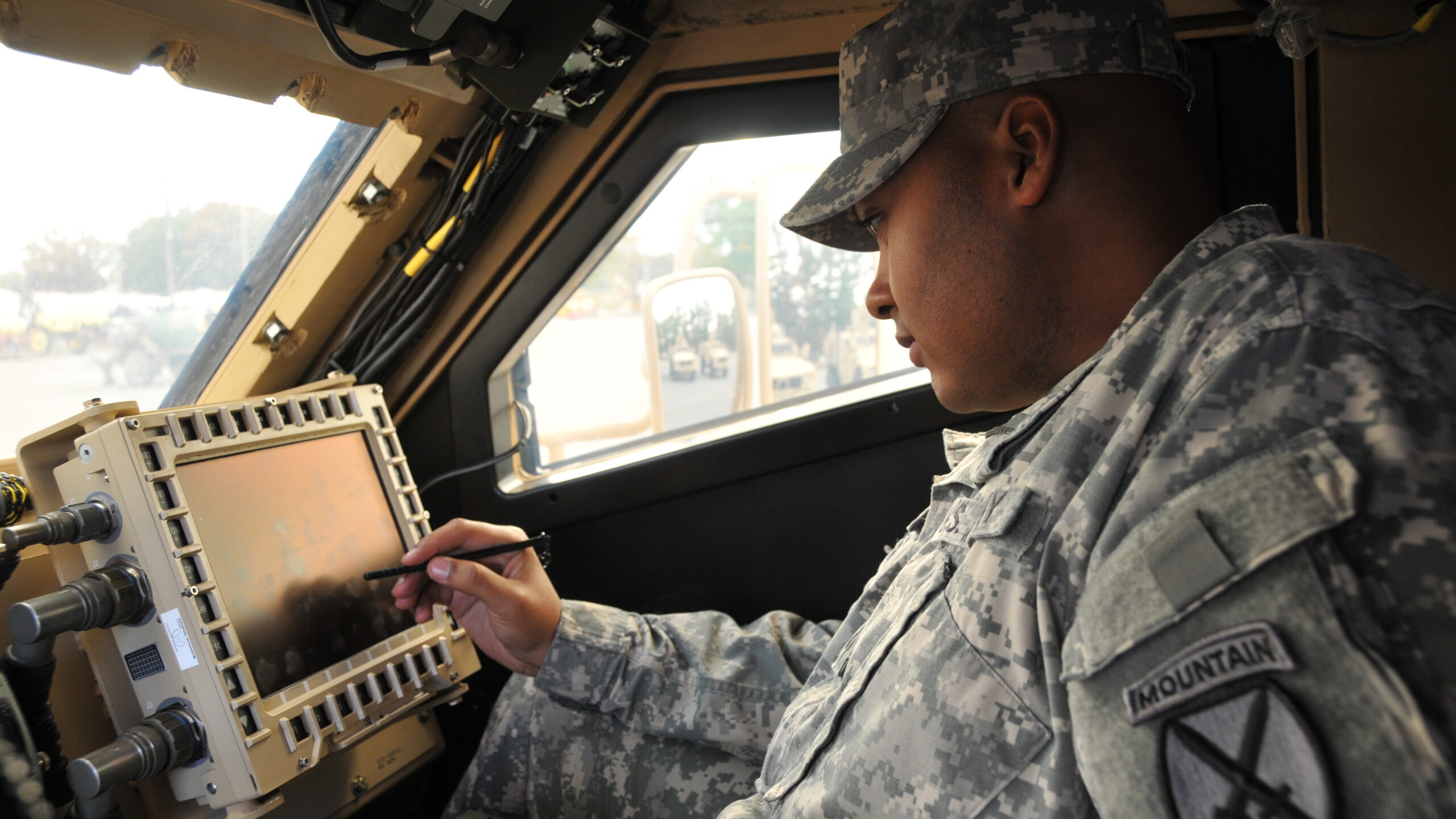
"If there's one thing DoD and industry have done, it's try a whole bunch of different tools over the last 10 to 12 years. What we have to do now is string them all together to show which ones work best for the capabilities the Army needs today and divest the ones that they don't need," Peraton VP Jennifer Napper said.

Drones aren’t decisive, said the head of Army Cyber Command, without a command system that can rapidly pull together all the data and order a strike before the enemy disappears again.