
In EMSO, the small stuff matters
With electromagnetic warfare evolving at an unprecedented pace, the smallest details can make the biggest impact—discover how material science innovations are shaping the future of EMSO and ensuring mission success.

With electromagnetic warfare evolving at an unprecedented pace, the smallest details can make the biggest impact—discover how material science innovations are shaping the future of EMSO and ensuring mission success.

"If there's one overarching theme of our approach this year, it's to transform where we're heading and focus on technology and innovation and how to start using that better," HASC Chair Smith said in opening remarks.


Knowing when to build on commercial systems and when to develop something new can be the difference between parity and information dominance.
Prototypes should provide "a radically new set of capabilities," according to DISA. "This work has never been done before within the DoD and requires a novel approach."

"We have a lot of work to do before we get there," Vice Chair of Joint Chiefs of Staff Gen. John Hyten says of the Pentagon's efforts to implement its new Electronic Spectrum Superiority Strategy.
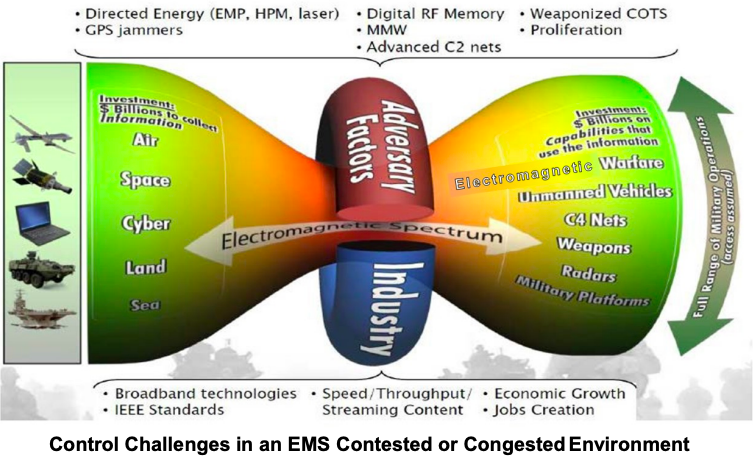
"When you build an EW system, you're not building an airplane, or you're not building a submarine or you're not building a ground system, you're building a system that's capable of using the RF spectrum in particular way," says DoD's EW czar David Tremper.

"All of the services are pursuing new long-range strike capabilities today, kind of like little kids chasing a soccer ball, and someone needs to ask which investments will maximize our nation’s long-range strike warfighting potential," said Mitchell Institute's Mark Gunzinger.


Why edge and endpoint security can’t be an afterthought.
Military technology often lags so far behind Silicon Valley, one defense official says, that much of the Pentagon is “in the Fred Flintstone era,” while the cutting edge is, “past the Jetsons.”