Report: US counter-drone defenses ‘insufficient’ as China scales up unmanned capabilities
Stacie Pettyjohn, a co-author of the new Center for New American Security study, told Breaking Defense the US should focus on three c-UAS tactics.
“The system actually worked very well, but we had some, some additional work to do, from a suitability perspective,” Lt. Gen. Robert Rasch told Breaking Defense.
Army Chief of Staff Gen. Randy George is sending a slew of developmental C-UAS systems to the Middle East. Soldiers there are aligned to receive a new high-powered microwave.
A report from NDIA highlights directed-energy suppliers’ struggles to get by on unpredictable “one-off” contracts for prototypes and field tests — but OSD research and acquisition officials warn there are complex tactical questions to work out before they can buy lasers in bulk.
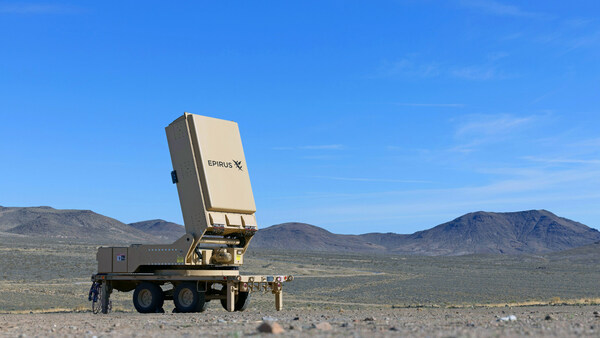
“The IFPC-HPM platoon will undergo capabilities and limitations testing by the Army to develop tactics, techniques and procedures for how the capability will be used in theater as part of a layered defense posture for the counter-UAS mission,” an Epirus spokesman told Breaking Defense.
"There have been some really impressive results," said MDA Executive Director Laura DeSimone on recent directed energy tests.
“The threat is always going to evolve. We actually see this every day when we watch what's happening in Ukraine and Israel,” said Col. Michael Parent, the lead for the RCCTO’s Counter-small Unmanned Aircraft Systems office.
“IFPC-HPM provides much needed protection against adversarial UAS swarms capable of targeting and overwhelming US and allied air defense systems,” the Army said in budget request documents.
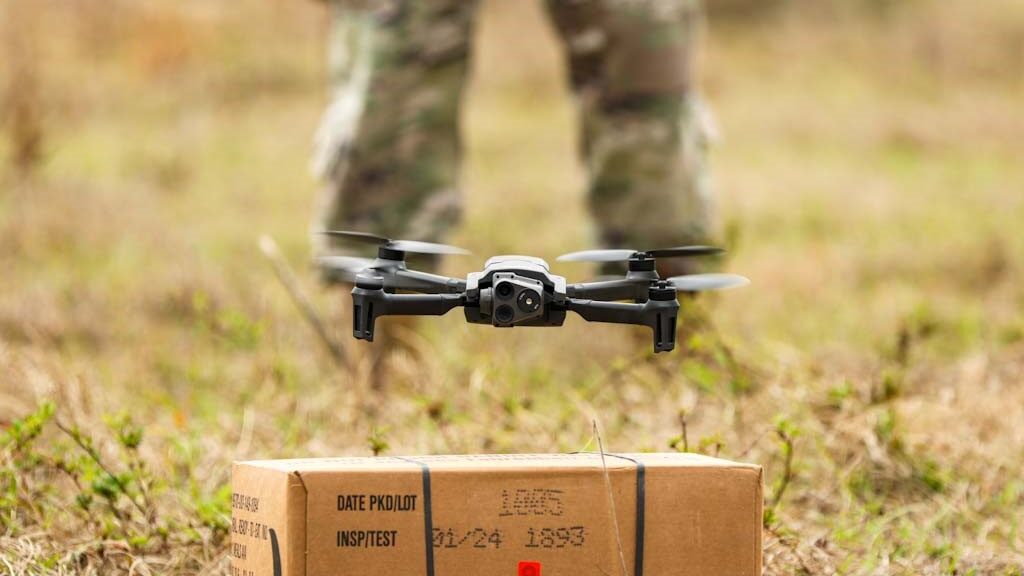
Autonomous drones are a "direct attempt to evade" EW countermeasures, according to a top cUAS general.
Space based jammers? Kinetic kill vehicles? Ground based lasers? The Pentagon has a space weapon it's ready to show, but it's not clear exactly what it will be.
“We’re painting with broad strokes, but we're diving into what missions of the future will look like. The technology is not quite Star Wars, but we’re getting close,” said Jeremy Murray-Krezan, AFRL's directed energy deputy chief scientist, says.
Crucial to the promise of MORFIUS is its ability to zap many drones at once in mid-air, far from the friendly vehicles, buildings, or people actively being defended.
"I've watched it in action and its really quite impressive," says Air Force Chief Scientist Richard Joseph.
The Pentagon's draft “reference architecture,” which also covers high-powered microwave weapons, will be circulated for industry comment early next year.