
The NIH-Pentagon deal isn’t a cash grab. It’s a rescue.
As global threats move faster than ever, uniting defense capability with scientific innovation is not a luxury, it’s an imperative, argues former Pentagon official David Lasseter.
As global threats move faster than ever, uniting defense capability with scientific innovation is not a luxury, it’s an imperative, argues former Pentagon official David Lasseter.

45 percent of AAL’s completed projects have “transitioned” into regular DoD programs, but AAL admits others “end up in the valley of death due to factors external to the project, even if the project meets all milestones and the technology solves the military problem.”

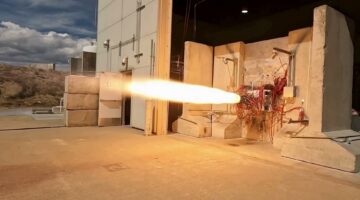
Demand signals from leadership are shaping investments in design, engineering and manufacturing.

"We can't expect to bridge the valley of death through S&T programs, and industry accelerator programs. ... We need to identify and prioritize resources, funding and personnel," said Diane Howard, National Space Council head of commercial space policy.

In an interview with Breaking Defense, senior MoD R&D official Col. Nir Weingold explained Jerusalem’s push into the nation’s tech industry, and its collaboration with the US.

Executives controlling almost $100 billion in assets co-signed a letter to Sec. Lloyd Austin, urging him to adopt acquisition reforms put forward by an independent Atlantic Council commission.

If this program broadens to production, it will be a singular success story for an Australian research and development effort, which often excel until they face the perils of the well-known valley of death.


Threats have changed the range, seeking and attack capabilities necessary to ensure effectiveness.

In 2022, the Pentagon made pushes on AI, JADC2 and several other acronyms, while acquisition of tech came under the microscope.

With the war in Ukraine prompting questions about the health and resilience of the defense industrial base, legacy defense primes this year seemed to steal back some of the limelight from the Silicon Valley-based tech startups.
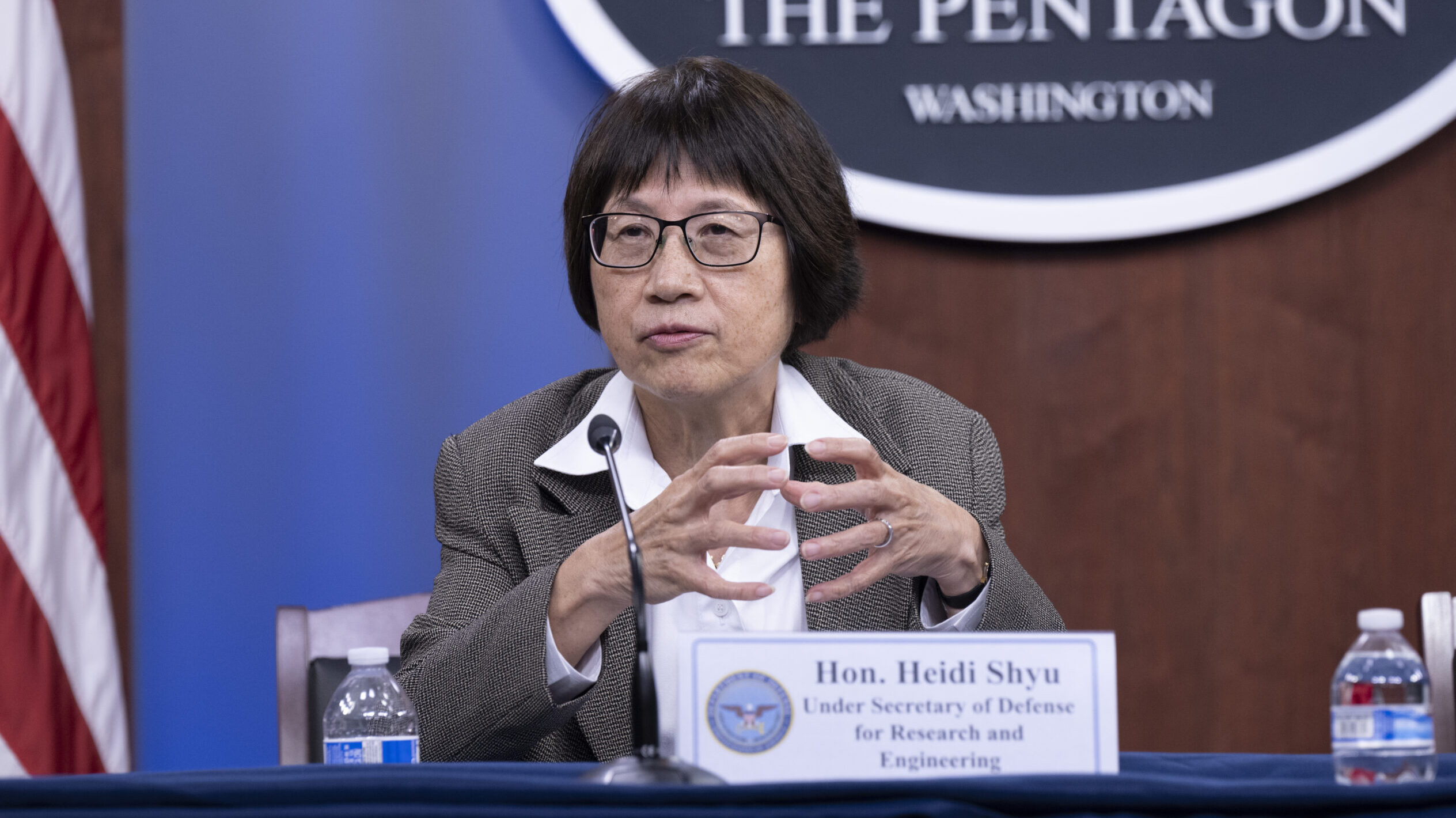
“We're working with all the folks who have capital — could be private capital, could be whoever — to provide the investment," said Heidi Shyu, undersecretary of defense for research and engineering.

“So you can have something that the chief wants that will solve the problem, but if you don't have a way to sell it in a way that the government can buy it – and then the challenge is not, you know, in many cases the buyer isn't the customer,” James Guerts said. “And so I think where the services are really working hard is to compress that so the buyer and the customer are more closely aligned."


Avoiding vendor lock and providing more room for sensors and upgrades are critical considerations.

“APFIT holds great promise to transform the way the Department procures next generations solutions,” Heidi Shyu, undersecretary of defense for research and engineering, said. “This pilot program is well positioned to be a key asset as we continue to work to bridge the valley of death."
The Pentagon wants at least $70 million for its Rapid Defense Experimentation Reserve and $76.79 million for its Artificial Intelligence and Data Accelerator, budget documents show.

“My view isn't like, I'm going to magically unlock special secret approaches that haven't been touched before,” Deputy Defense Secretary Kath Hicks said Wednesday. “I think it's more about how you start to shift the incentives"

Pentagon already planning for FY24 rapid experimentation "sprints," Heidi Shyu, under secretary for research and engineering, said.