
Army AI Gets Live Fire Test Next Week
In an unusual bottom-up initiative, the 18th Airborne Corps is developing its own AI targeting system – and the corps’ fire support coordinator says he wouldn’t go to war without it.
In an unusual bottom-up initiative, the 18th Airborne Corps is developing its own AI targeting system – and the corps’ fire support coordinator says he wouldn’t go to war without it.
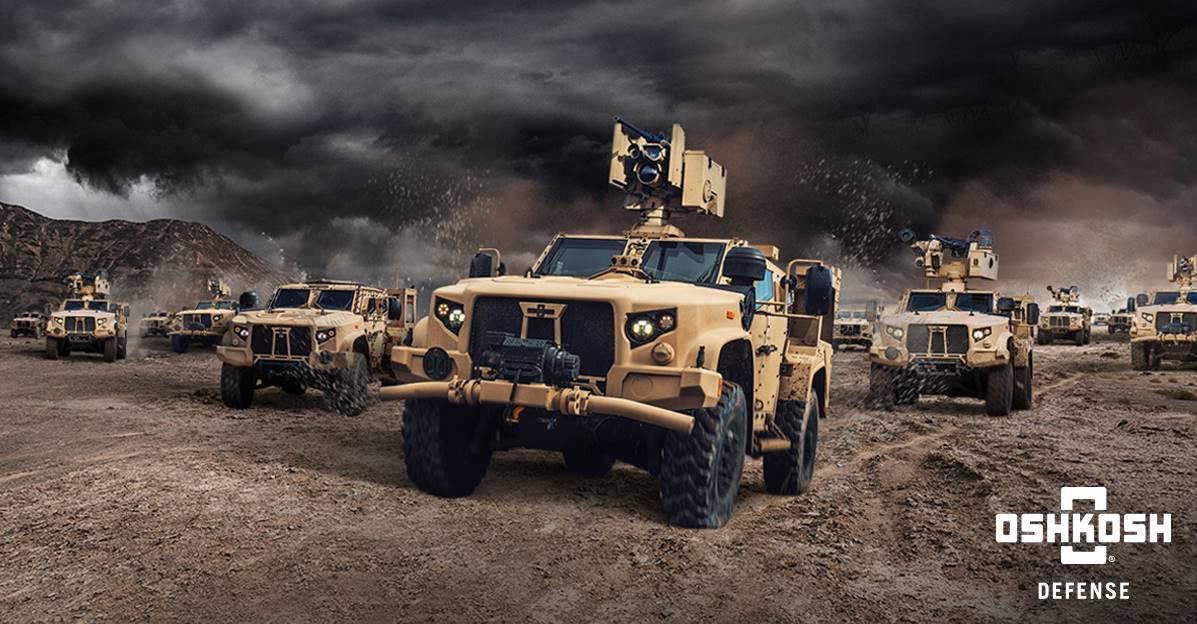
Building 10,000 Joint Light Tactical Vehicles in five years – at less than the original projected price – improves Oshkosh’s odds to win a re-competition for the program next year.

Breaking Defense’s latest eBook brings together reporting from GEOINT 2026 on how intelligence leaders are shaping the future of space-based geospatial intelligence.
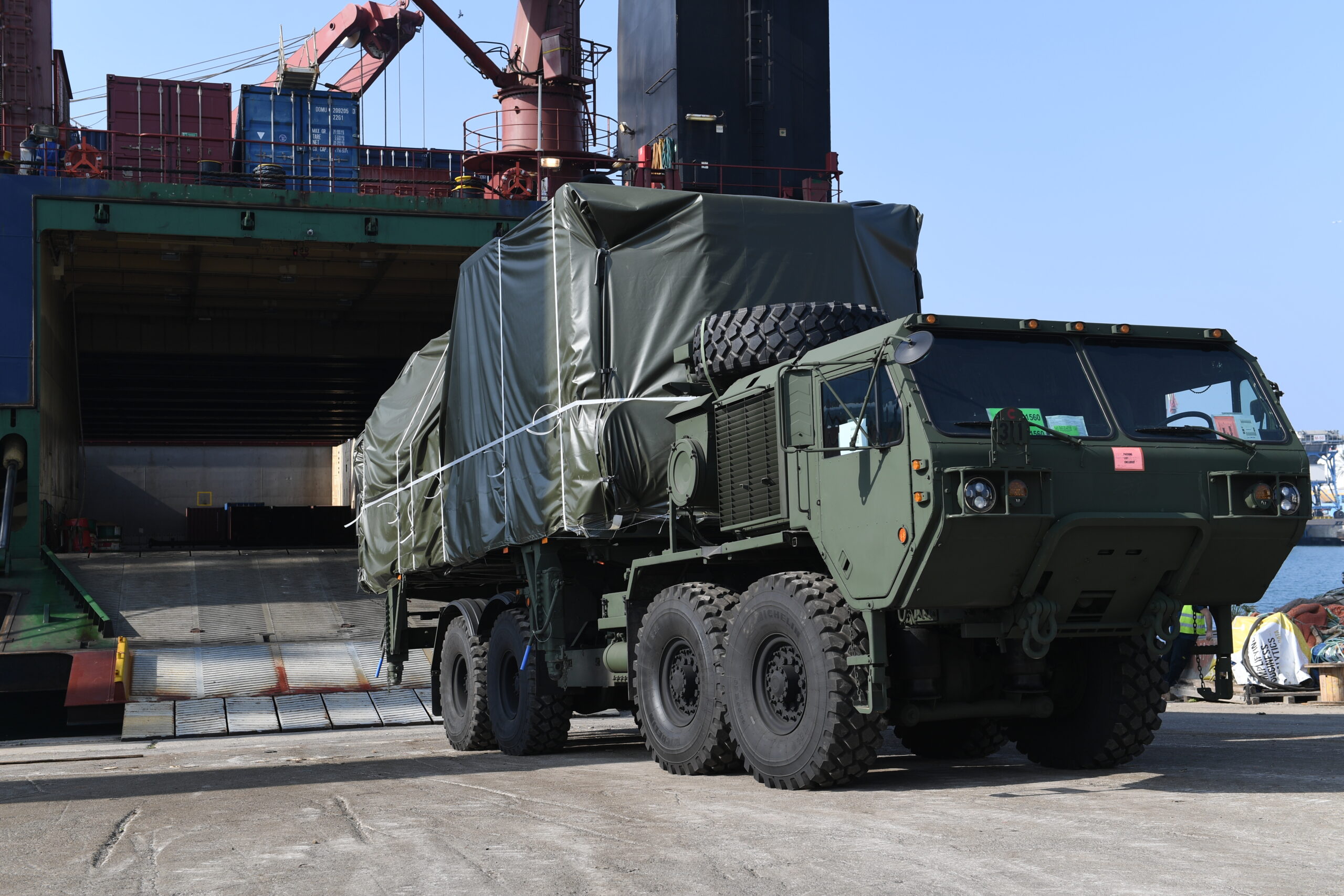
With the second battery now bound for the US, the Israeli-made missile defense system must prove it works with American command networks. “We have a very detailed plan to do the integration,” Rafael’s Pini Yungman told me.

Future multi-domain combat will be so complex and long-ranged that the military will rely heavily on simulations to train for it, because battles have become too big for real-world training ranges.

Of 46 types of aircraft surveyed – from the new F-35 to the aging JSTARS – not one met the Pentagon’s goal of being 80 percent “mission capable.” Most of them, in fact, keep getting worse.

The Robotic Combat Vehicle (Light), which can shoot missiles, launch mini-drones, and spot targets for artillery, combines a Marine Corps-tested unmanned vehicle with Army weapons and autonomy software.

Join us 6/24 as experts discuss evolving US research security policy and innovation protection. 1 CLE credit eligible.

Having awarded $600 million for 5G pilots at five bases in the US, the Pentagon will formally solicit for seven more in the coming months. But will 5G work in war zones?

The Navy isn’t part of an Army/Air Force project to build a new tactical network, though the CNO said he wants the Navy’s version to “plug into JADC2” once it’s up and running.

The experimental targeting goggles field-tested last fall didn’t work in the rain. The ruggedized version to be tested this month will fix that flaw – and more, the Army says.

Next fall, the Army aims to test a new artificial intelligence for artillery and fire the prototype PrSM missile to its full 300-plus-mile range -- once they find a venue that's big enough.

Absolute positioning is critical in contested and denied environments.

The Army’s future-warfare exercise overcame a host of technical glitches to link systems ranging from NRO and NGA spy satellites to Marine Corps fighter jets.
Could mini-drones and robot trucks, coordinating via 5G, replace vulnerable manned convoys?

The missile firings, DoD says, "further destabilize the situation in the South China Sea. Such exercises also violate PRC commitments under the 2002 Declaration on the Conduct of Parties in the South China Sea to avoid activities that would complicate or escalate disputes and affect peace and stability, and call into question its motivations with ongoing negotiations for a Code of Conduct between China and ASEAN."
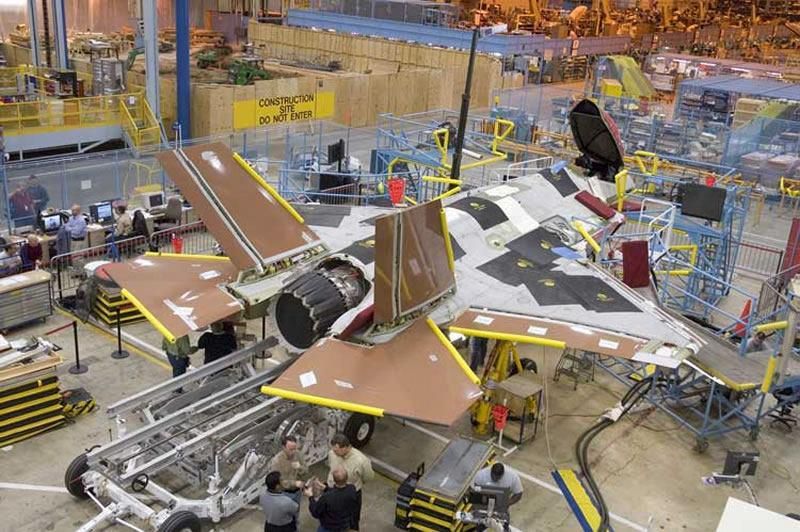
"Fix this now, before you have blood on your hands," said Rep. Rashida Talib.