













presented by


Best-of-breed common models and architecture enable virtual training and testing with the same data in a cyber-resilient posture.
By Breaking DefenseHow to ensure readiness of next-generation defense technology: Solving the issue of massive heat.
High-performance systems generate tremendous amounts of heat that can compromise missions and make high-tech systems less effective in tactical environments. But there is a solution to this modern-age challenge.
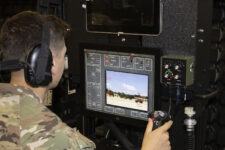
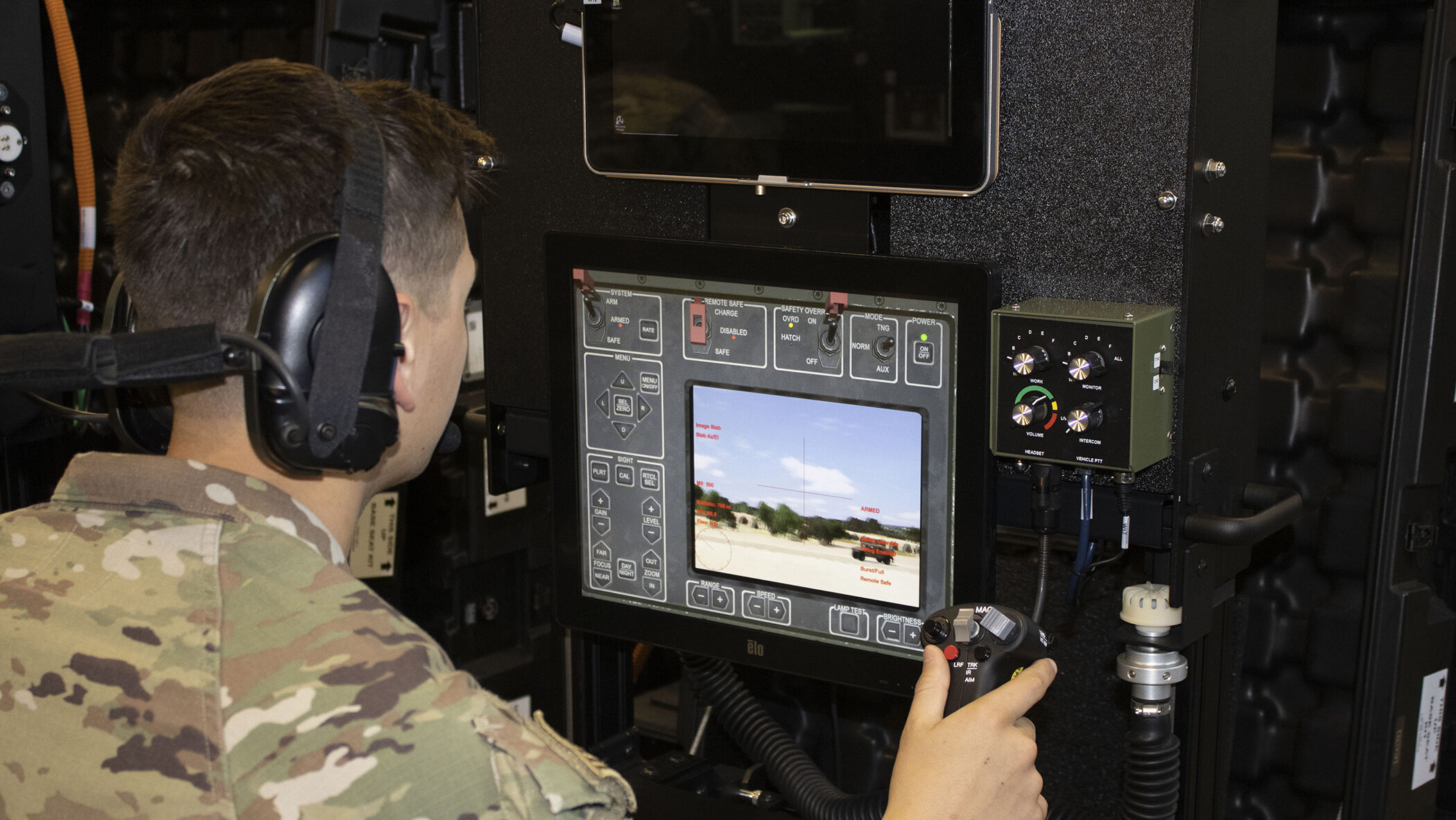
The Army needs to better “replicate a multi-domain environment in a simulation” in order to train units, Col. Scott Woodward said.
By Jaspreet Gill

“It’s probably one of the most dynamic and most [stressful] situations that we put our watchstanders through and our aircrew through,” Rear Adm. Marc Miguez said of using LVC technology.
By Justin Katz

The Red Skies exercise will focus on “mission planning and execution using orbital warfare modeling and simulation techniques” rather than actual live training — for now.
By Theresa Hitchens and Lee Ferran
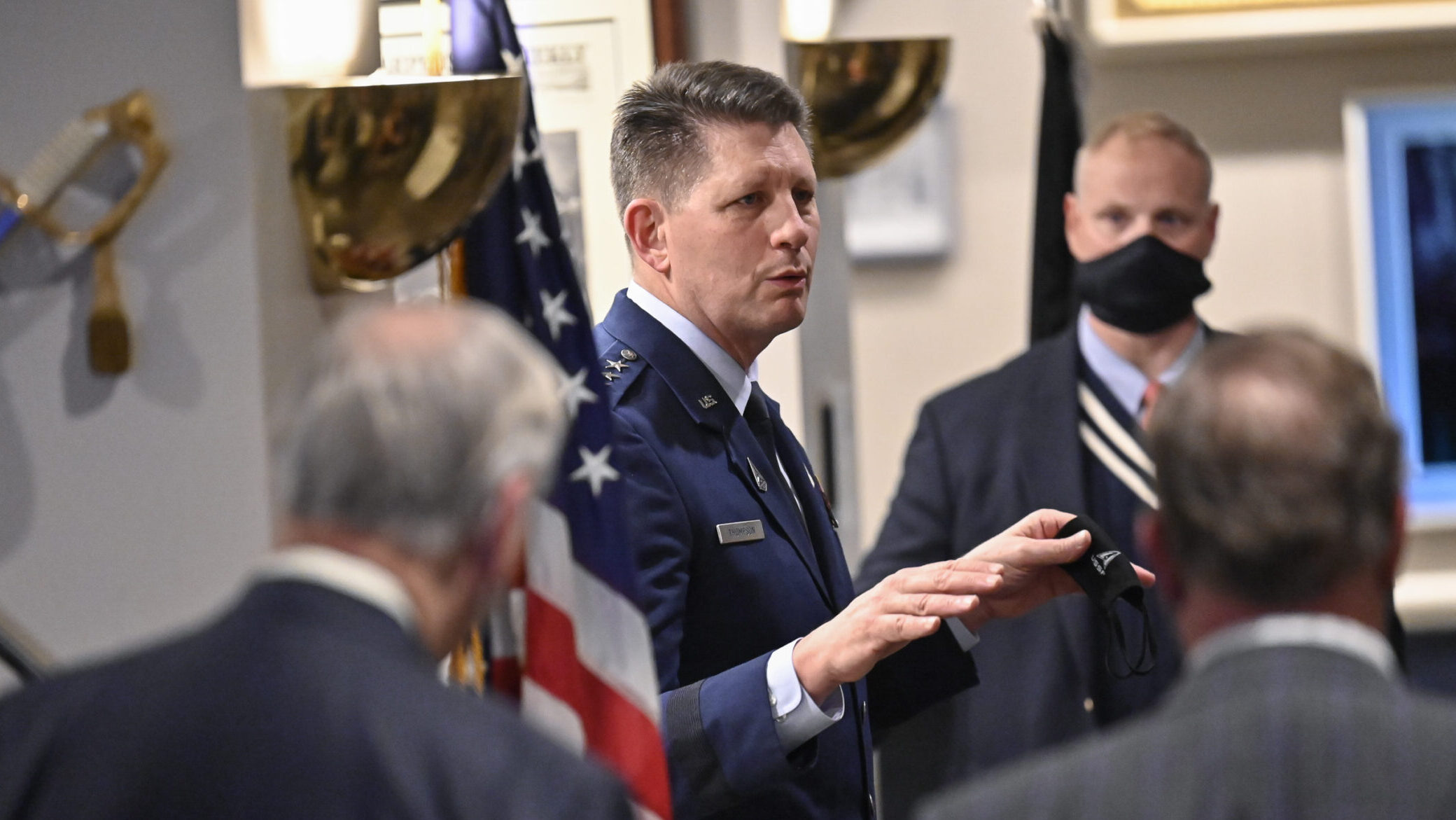
“We absolutely believe we will save money,” said Vice Chief of Space Operations Gen. DT Thompson. Other military departments are looking into a similar approach, another Space Force officer said.
By Theresa Hitchens

Breaking Defense contributor Arie Egozi was granted access to a usually classified simulator center Israeli troops and special operators use to train for particularly dangerous operations. Read on! The Editor. TEL AVIV: An Israeli defense forces (IDF) commando unit prepares an attack on a target in an area controlled by hostile terror groups. When the…
By Arie EgoziNATIONAL HARBOR: As the US shifts its focus from low-tech Taliban “cavemen” to an aggressively modernizing China, the Air Force has launched an urgent effort to find near-term countermeasures against a foe that can jam sensors, hack networks, disrupt communications, and shut down GPS. “Mostly we’re looking at the next three to five years,” said…
By Sydney J. Freedberg Jr.
Modernizing our supply chain is a national security imperative
Closing supply chain gaps in innovating technology will reposition the industrial base to be a strategic source of value.
US ARMY WAR COLLEGE: It’s a week into the war, and things are getting ugly. Fifty American and allied troops are dead, four hundred are wounded — some in city fighting against Islamic militants, some when the surprisingly sophisticated foe shot down their aircraft with shoulder-fired missiles and anti-helicopter mines. Now the US-led task force…
By Sydney J. Freedberg Jr.All this week, at the Army War College in Carlisle, Pennsylvania, the Army is conducting the latest iteration of its annual wargame. In the fictional future of the game, set in 2020, 120 players will wage a two-front war in the two regions that have come to dominate US strategy, with one scenario set in…
By Sydney J. Freedberg Jr.