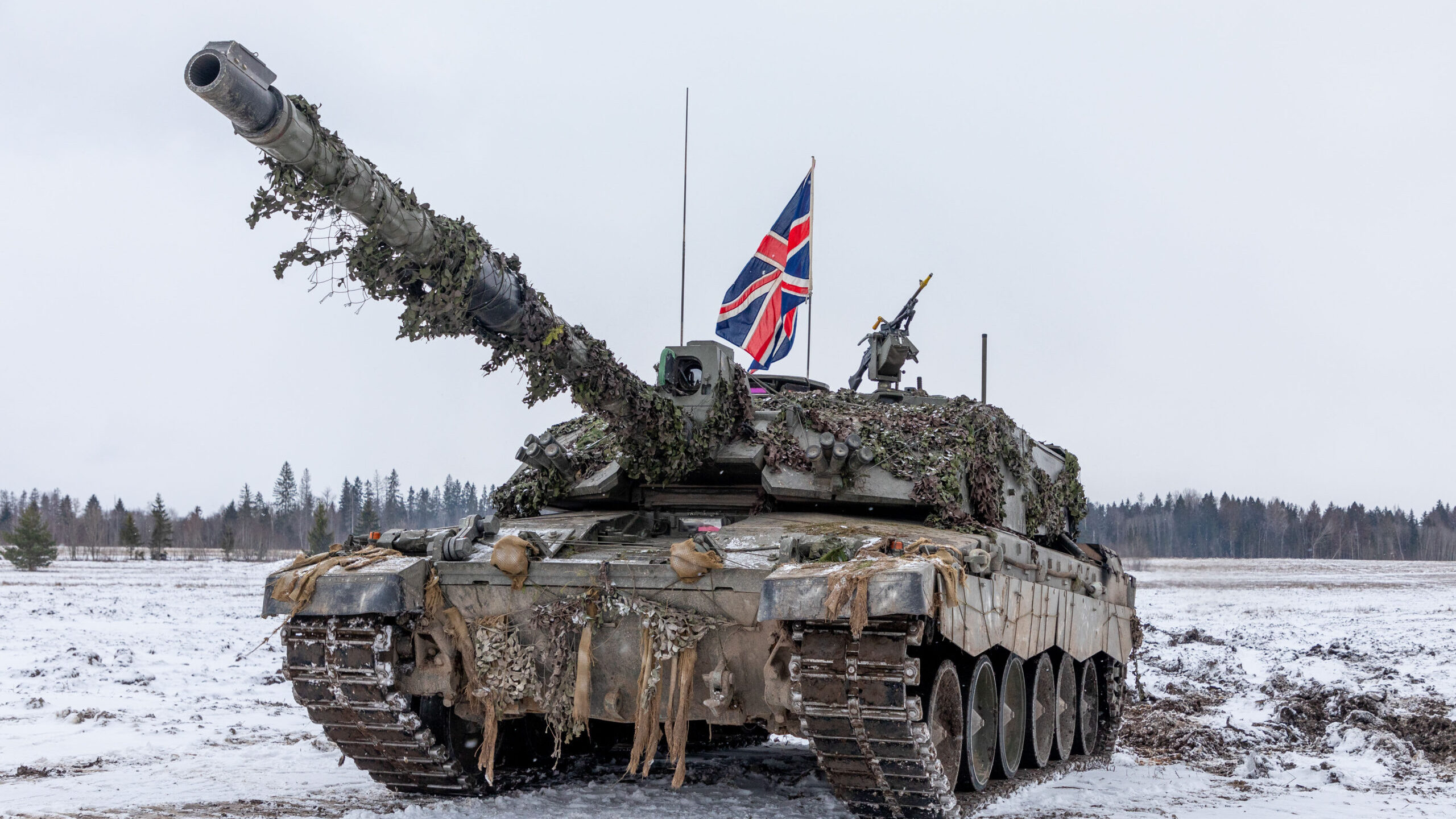
UK national security review sensibly balances nukes, Ukraine, Pacific
Joshua Huminski, director of the Mike Rogers Center for Intelligence & Global Affairs, sees prudence in the UK's most recent strategic review, though challenges loom.
Joshua Huminski, director of the Mike Rogers Center for Intelligence & Global Affairs, sees prudence in the UK's most recent strategic review, though challenges loom.

India is the one country Sarang Shidore, an expert on South Asia and the Pacific, thinks will be truly worried about the Afghan collapse. "The US," he says, "will have to manage the Indian perceptions once the (Afghan) evacuations are finished."

Drawing on Breaking Defense's TechNet Cyber 2026 coverage, this eBook examines how the Pentagon is advancing AI, cybersecurity, and cyber strategy to strengthen the future force.

How to deal with the Chinese threat will probably be one of the most difficult questions for the European Union to address as it executes its first-ever strategic review, to be published in 2022 and called ‘’Strategic Compass.’
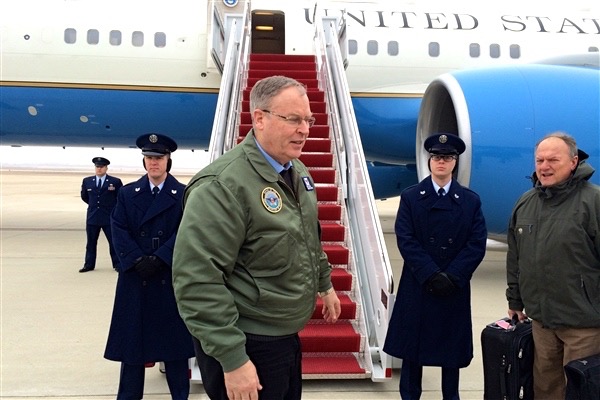
The US has a narrow edge in its talent pool, its hardware and its algorithms, but China is ahead in accumulating data, deploying applications, and integrating different functions.
“The Chinese see competition as a whole of government effort [and] they're actually pretty good at it,” the Army Futures Command Chief told us. “We’re way out of practice.”

Everything from social media to military advisors to open war is a potential tool of great power competition, Gen. James McConville writes — and the Army plays a vital role across that entire spectrum.


Unveiled at SAHA 2026, ASELSAN’s latest portfolio reflects a layered and integrated defense architecture, bringing together electronic warfare, counter-UAV, airborne and naval capabilities within a unified operational framework.

A new strategy paper from Chief of Staff Gen. James McConville says forward-deployed Army forces will survive inside Chinese missile strikes and fatally disrupt the PLA's plans.

Overused and overstretched in the “global war on terror” since 9/11, Special Operations Forces need Biden to give them a break so they can refocus on Russia, China, and the “grey zone.”
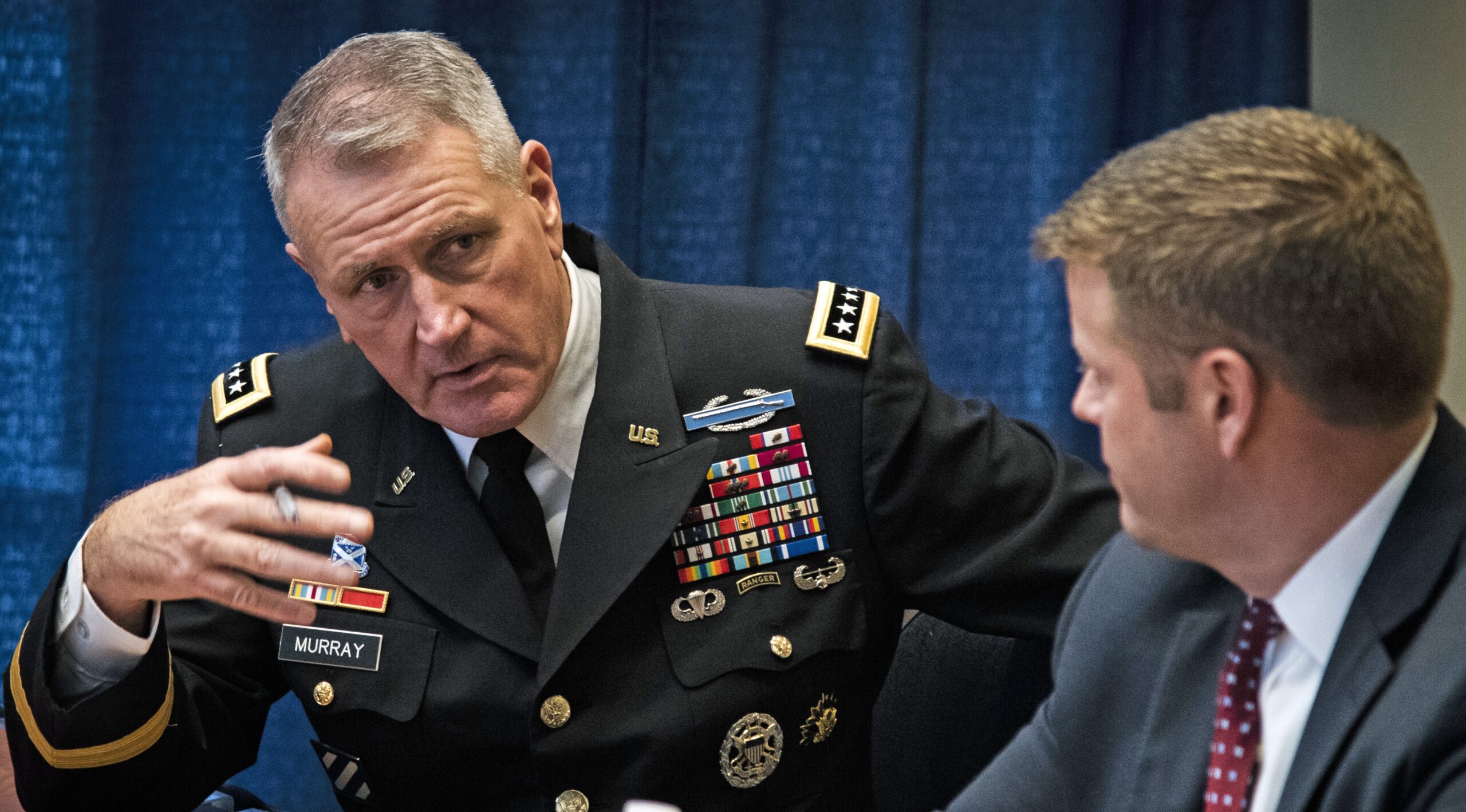
“Decision dominance … is the ability for a commander to sense, understand, decide, act, and assess faster and more effectively than any adversary,” said Army Futures Command chief Gen. John “Mike” Murray.
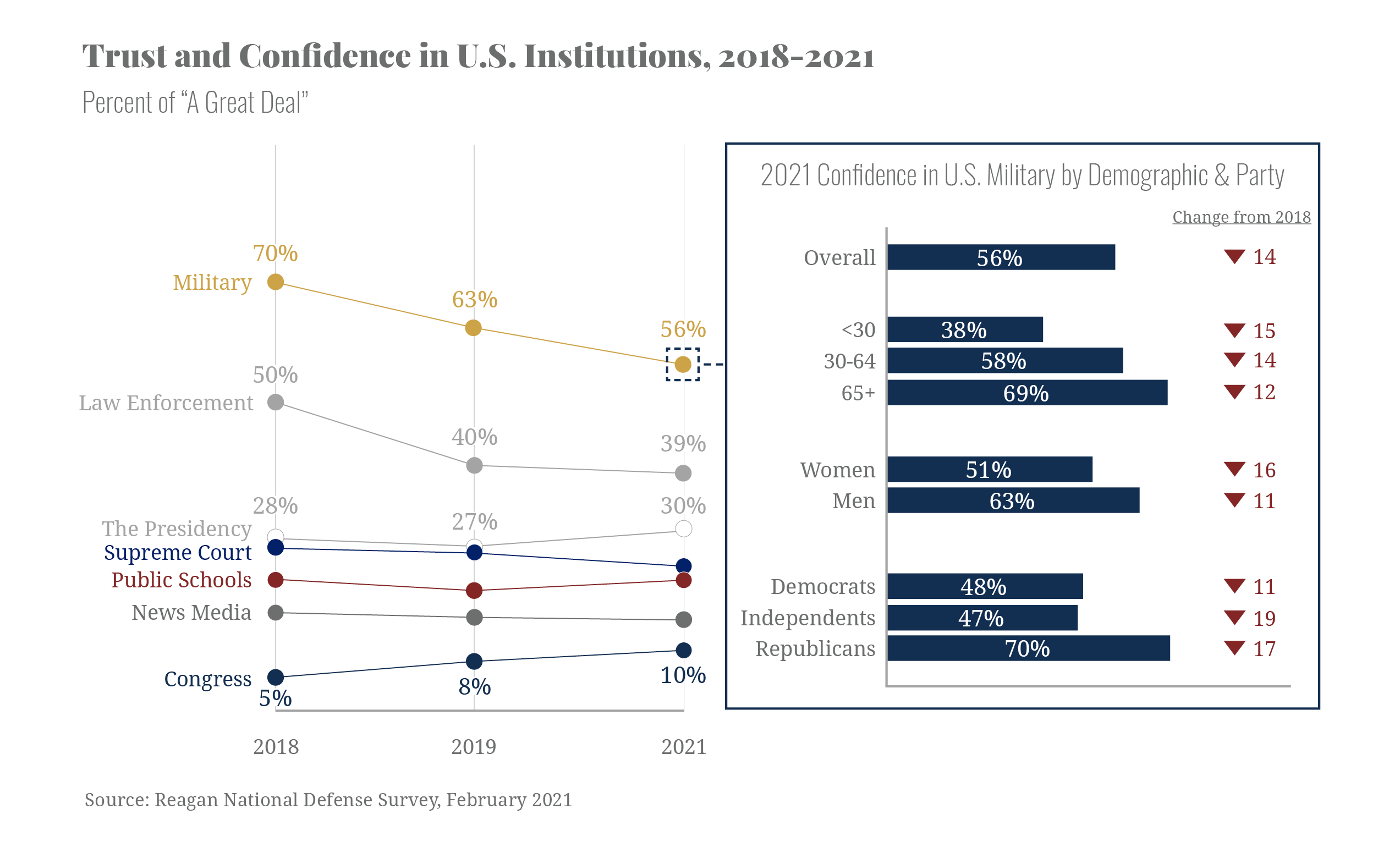
The Reagan Institute’s latest survey reveals confidence in the military has dropped seven percent a year for two years running. But dig deeper, and support for a strong defense remains.

Watch experts discuss foreign influence risks, evolving DoD policy, and strategies for balancing security with scientific collaboration.

The emerging Indo-Pacific Warfighting Concept has been drafted, but still has "a ways to go as far as working through the Department of Defense," says INDOPACOM's head of requirements, George Ka'iliwai.

France has ramped up activity in the region in accordance with its 2019 Indo-Pacific strategy.
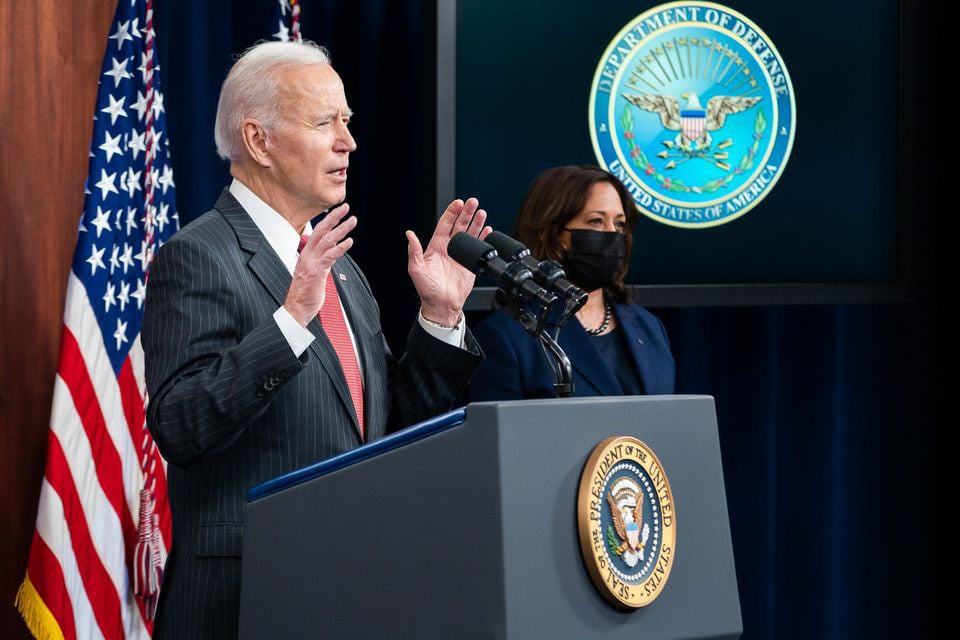
“Seemingly gone is the naivety of the Obama era” about Russia and China, writes the Heritage Foundation’s Tom Spoehr in this op-ed. But the retired three-star general still sees some worrying woolly-mindedness.

"Seems Washington wants to stick around" in Afghanistan, said AEI's MacKenzie Eaglen, "even if veterans themselves are increasingly the ones calling for the full end of troop presence in-country."