
















presented by


A partnership among the VHA’s Innovation Ecosystem (VHA IE), Verizon, Microsoft, and Medivis installed the nation’s first 5G hospital network at the VA Palo Alto Health Care System in California.
By Catherine MacaulayB-21, hypersonics and more: How digital development is driving industry innovation
Technological advancements are key to keeping pace with customer demands and evolving threat landscapes.
presented by



The Veterans Metrics Initiative measures a veteran’s overall state of well being within four areas: vocation, finances, social relationships, and mental and physical health.
By Catherine Macaulay
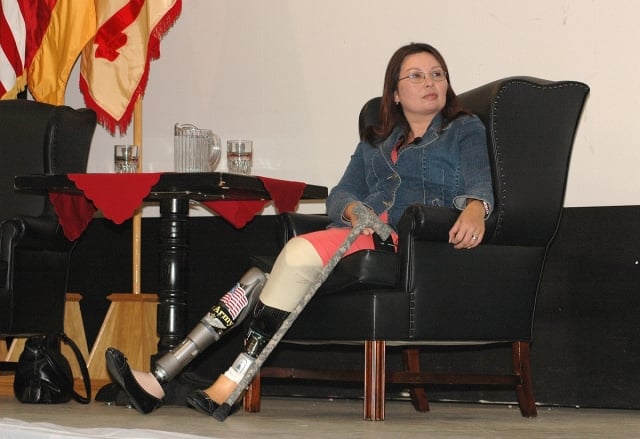
WASHINGTON: Congresswoman Tammy Duckworth lost both legs and full use of her right arm when her Illinois Army National Guard helicopter got shot down in Iraq. So the Illinois Democrat was understandably impatient with Braulio Castillo, a technology contractor who parlayed an old football injury at a military prep school into a dubious 30 percent disability…
By Sydney J. Freedberg Jr.Way back in World War II, when my father was in the Army, everybody knew somebody in the military. More than half of eligible males were in uniform. During the Vietnam War, despite the exemptions to the draft, more than three million young men served in Southeast Asia. Today, however, after eleven years of war…
By Sydney J. Freedberg Jr.31 military & vets’ groups of Military Coalition (http://bit.ly/JKN4Ci) write Congress saying "stop sequestration" – http://1.usa.gov/JKMsfV SydneyFreedberg
By Sydney J. Freedberg Jr.NEW YORK (CNNMoney) — More veterans are coming back from war and getting back to work in the civilian job force, thanks to efforts by both employers and the government, as well as the improving economy. The jobless rate for Iraq and Afghanistan veterans has fallen to 7.6%, well below the overall U.S. unemployment rate…
By Sydney J. Freedberg Jr.
BAE Systems’ LR-PGK: The Superior Anti-Jam Solution
Going the distance to defeat emerging jam threats.
July 4, 2010, was a bad day for Tyler Southern. He dreamed he was with his older brothers, playing sandlot football, running and laughing, horsing around just like they used to when they were together as kids in Jacksonville, Fla. In his dream, he was whole again. Then he awoke in his hospital bed at…
By Jori BellAmericans are understandably weary of our nation’s longest war. But even when the last troops come home from Afghanistan – which they won’t for at least three years – their battles won’t be over, and they’ll still need our support. Just as there are almost three million World War II veterans still alive today, we…
By Sydney J. Freedberg Jr.




Sen. John McCain, a stalwart defense Republican, has come out against GOP presidential candidate Donald Trump, saying he shares the concerns expressed today by fellow former GOP presidential Mitt Romney and 65 GOP national security leaders “about Mr. Trump’s uninformed and indeed dangerous statements on national security issues…. “At a time when our world has never…
By Mark Cancian