AAAA: After the Army avoided drastic cuts to its overall budget in its fiscal 2023 budget request, the service’s top acquisition official suggested today that Russia’s invasion of Ukraine could spur policymakers to protect the Army’s budget, or even spark an increase in FY24.
“The conflict in Ukraine has surely put the eyes back on the importance of land warfare and having a force that can counter what you see the Russians trying to do,” Doug Bush, assistant secretary of the Army for acquisition, logistics and technology, told the Army Aviation Association of America conference. “I think we’ll do okay.”
The Army’s FY23 budget request, released last week, totaled $177.5 billion, which was $2.8 billion more than its FY22 appropriations. Service officials have said they were able to protect their modernization priorities from cuts to older systems such as Abrams and Stryker upgrades.
While the Army has worked to update its fighting capability, and relevance, for the Defense Department’s long-frustrated “pivot” to the Pacific, Russia’s invasion of Ukraine served as a more immediate reminder of the power of land warfare. For the last several weeks, DoD officials have been referring to Russia as an “acute” threat, compared to the “pacing” threat that is China.
RELATED: Upcoming defense strategy dubs Russia an ‘acute threat.’ What does that mean?
In the most recent budget, the service also received several billion dollars from Congress to replenish its stocks of Javelins and Stingers that the US has sent to Ukraine.
A potential increase in future budgets could ameliorate concerns held by Army leaders for years that budgetary pressures would impact the service’s aggressive timelines for its 31+4 signature programs. While the service boasts that 24 of those programs are going to be in the hands of soldiers by fiscal 2023 either as fielded systems or prototypes, that means the Army has to have the money to move those systems into production.
“Where we are — about to go to production on a lot of systems — could position us well for maybe additional resources to come [and] moving some of those timelines up,” Bush said.
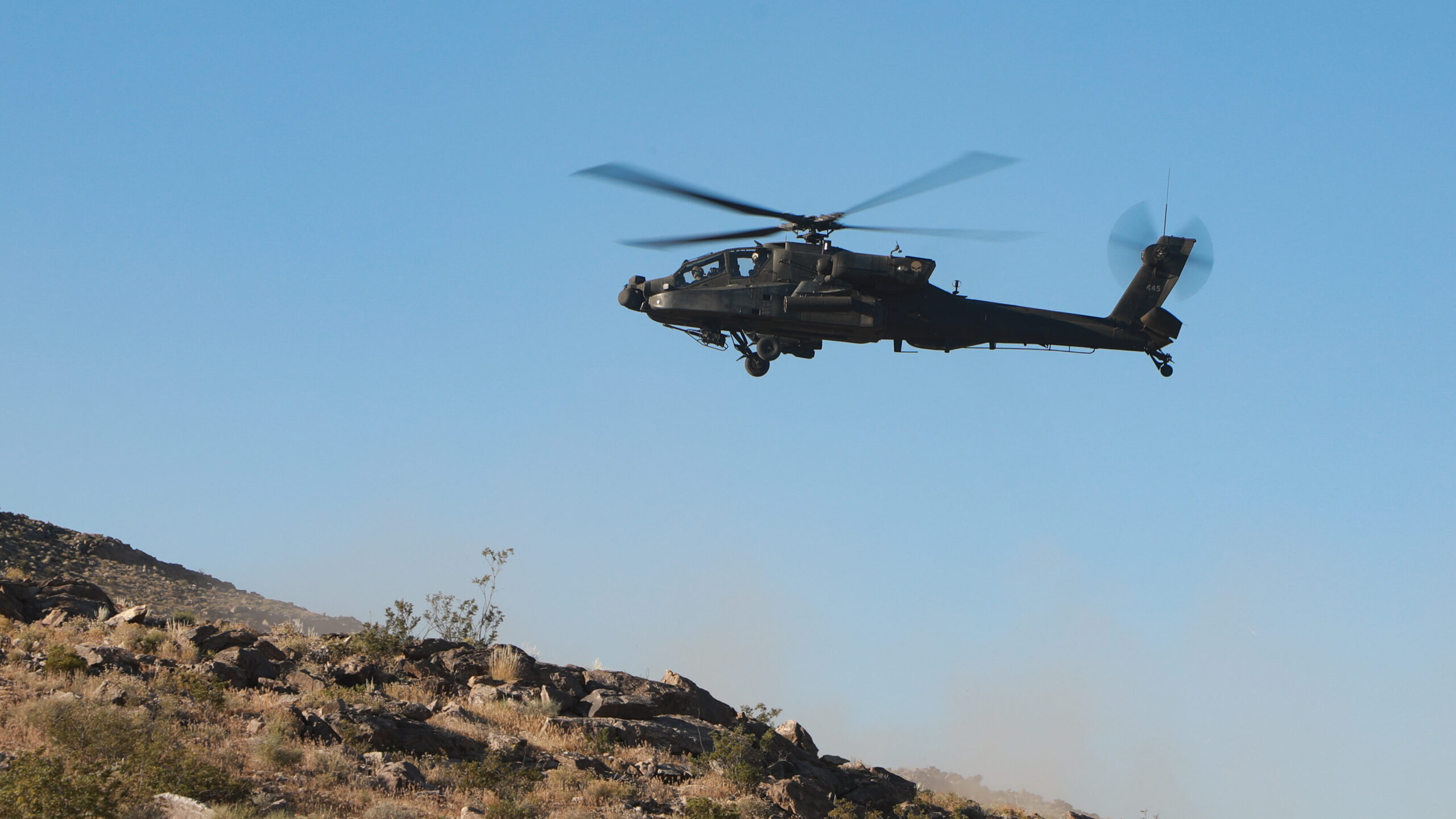
As part of its modernization portfolio, the Army is developing two future rotorcraft: the Future Attack Reconnaissance Aircraft and the Future Long-Range Assault Aircraft. In the fiscal 2023 budget request, FARA received $468.7 million and FLRAA was allocated $693.6 million.
RELATED: Bell plans factory of the future with FARA, FLRAA dreams
Bush added that he was “confident” that the Army aviation would continue to receive funding in the Pentagon’s budgets so long as the programs stay “on track and on budget.”
“Anywhere the Army goes, we’ll bring aviation with us,” Bush said. “Simply put, aviation is a foundational element and wherever we go, we will be there.”