No one can say exactly what the coming decades will mean for global security, but no one expects the world to get any simpler — or safer.
That’s why the United States and its allies are acting now to preserve their military advantage across the board, with a special emphasis on what has set them apart from any other nation: air supremacy.
The task now, however, isn’t as simple as just building a faster or better-armed new fighter aircraft — although the Air Force must do that, too. What’s also necessary is a project that permits the Air Force to field many more aircraft, quantitatively, against the most dangerous adversaries and to use those greater numbers — that new “mass” — in novel ways.
Why? One reason is cost: no nation, even the United States, could afford to field the numbers of high-quality new fighters now needed and also train the human pilots and maintainers required to make them all combat ready. Another reason is safety: for those human pilots and aircraft crews that do operate in tomorrow’s contested skies, combat never will have been more dangerous. The best way to protect them is to keep them back, when possible, from the most perilous situations and let unmanned systems run the risks.
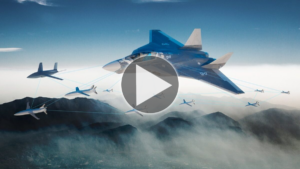
The solution is the Gambit Series, a new family of unmanned combat aircraft in development by General Atomics Aeronautical Systems, Inc. Gambit provides the Air Force with large numbers of highly capable unmanned combat aircraft, at a comparatively low cost, and with less time to become operational.
The Gambit Series
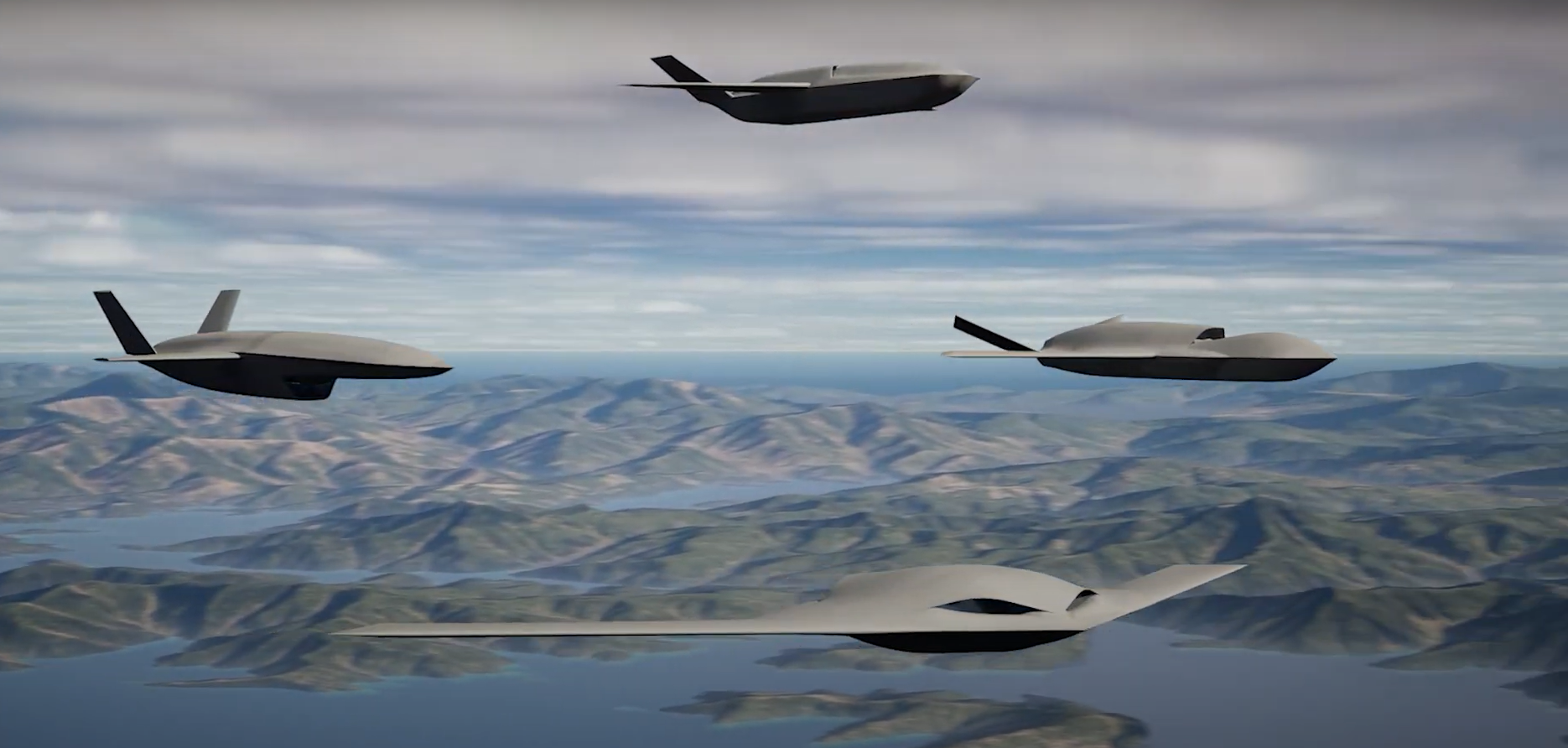
Four models of Gambit aircraft take on a range of different critical missions to enhance, expand and further empower American and allied air forces. Each one, though, is built around a common core — a central frame and a single set of main components used to power each different model. In this way, GA-ASI can take advantage of streamlined production and high-volume orders to deliver comparatively lower costs as compared to legacy-model aircraft, and a faster rate of production – from concept to reality.
This method of production isn’t new: imagine automakers building a common chassis and frame for a new sport utility vehicle. That same central body can become an attractively priced, but modestly equipped, family car — or it can become a lavishly appointed, more expensive luxury model. Commonality enables different products that serve different users.
Here’s what the Gambit Core will enable:
Gambit 1 is a high-endurance, highly capable, unarmed air domain awareness platform. Gambit 1 will sortie with human-piloted fighters or go off on its own to provide constant sensing for air commanders about what aircraft are coming and going through a given box of sky.
The aircraft will carry a range of air domain sensing and intelligence gathering capabilities, and their sheer numbers also will enable them to do things that today’s aircraft can’t. Imagine a flight of three or more Gambit 1s assigned to watch a patch of airspace to assess whether an adversary might be trying to ingress, even with a low-observable aircraft. These advanced jets are designed to defeat head-on radar detection, but Gambit 1 will sense passively, detecting the hostile jet’s engines or other signatures, and each aircraft also will be able to compare what it’s seeing with the others. Multiple looks from multiple perspectives mean the adversary can’t enter the area undetected.
Gambit 2 sacrifices some of Gambit 1’s on-station endurance for weapons accommodation. Gambit 2 works with other unmanned and human-piloted aircraft as an offboard defensive multiplier — or it might be assigned to take the vanguard of an offensive operation such as a fighter sweep or the leading element of a strike package.
Gambit 2’s air-to-air weapons seriously complicate adversaries’ defensive problems. An opposing fighter pilot either must choose to engage Gambit 2, likely revealing himself with radar emissions or a missile launch, or take the risk of bypassing the unmanned aircraft and choose to prioritize a human-piloted target. But Gambit 2’s onboard weapons enable it to refuse to be bypassed.
Gambit 3 is similar to its siblings but specializes in the pilot training role. Air dominance begins with pilot training, and as human aviators get into the cockpits of 5th- and 6th-generation fighters, they’ll need the highest-quality simulations they can get in dealing with unmanned systems. Gambit 3 provides that fidelity.
Gambit 4 is the most different, visually, of the aircraft in the family, with a blended wing design and no tail. It’s optimized for low observability and long-endurance intelligence, surveillance and reconnaissance, powered by a a novel hybrid-electric engine in development by GA-ASI.
Commanders can send Gambit 4 to areas of interest near hostile coastlines or other targets and use them to build up rich situational awareness about enemy unit strength, operational activities, radio frequency transmissions and more. All that feeds back into the US and allied battle network so that the joint force is never surprised and always preserves decision superiority.
Firm foundation in proven capabilities
The Gambit Series might sound like science fiction but the underlying technologies, from the aeronautical engineering to the use of artificial intelligence and machine learning, are being pioneered by GA-ASI and its partners. Full control by AI pilots; multi-aircraft passive sensing; the meshing of real and simulated aircraft operations — all of that has been demonstrated in a series of tests.
A high degree of autonomy is critical to realizing the Air Force’s vision because the combat aircraft of tomorrow can’t rely on always-on satellite datalinks and constant attention by human operators. An adversary could try to degrade those links. And relying on a huge force of remote human pilots poses the same difficulties as attempting to recruit, train and retain a huge corps of in-aircraft fighter pilots. That’s why Gambit will do so much of the work itself.
The aircraft will operate their own onboard systems, fly themselves as necessary and operate their mission systems such as sensors or other payloads. And much of the time they’ll stay radio silent. When they need to communicate, they’ll burst-transmit — and, if needed, they’ll communicate with each other in a mesh network. The aircraft might also use laser communications for high-data transmission with virtually no chance of interception — something else GA-ASI has demonstrated.
If the crises and conflicts of tomorrow are impossible to predict in detail, it is safe to predict that some, somewhere, will take place, and American forces will be called to respond. That’s why the joint force must begin working now to ensure those forces have the best tools for the job.
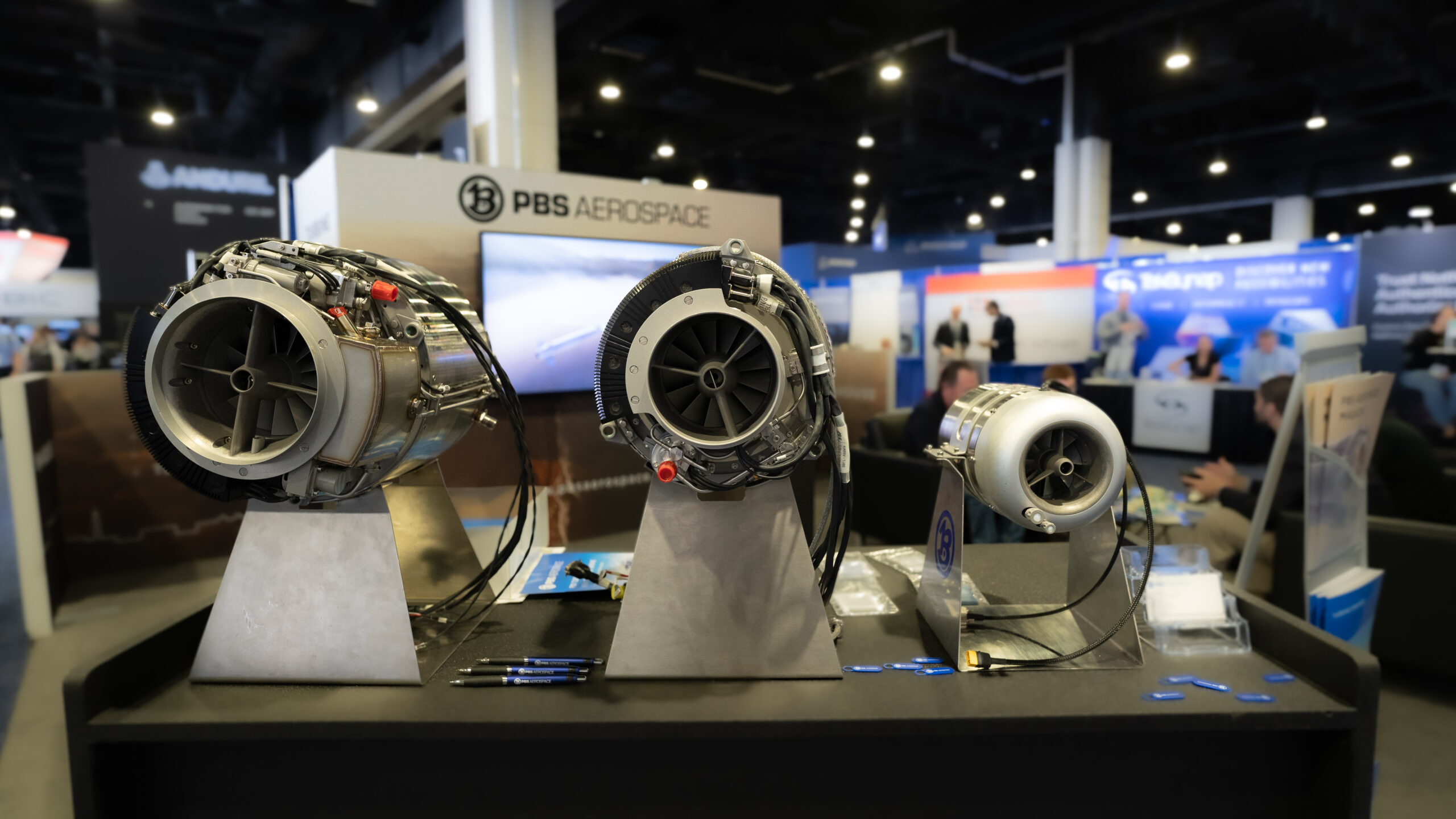
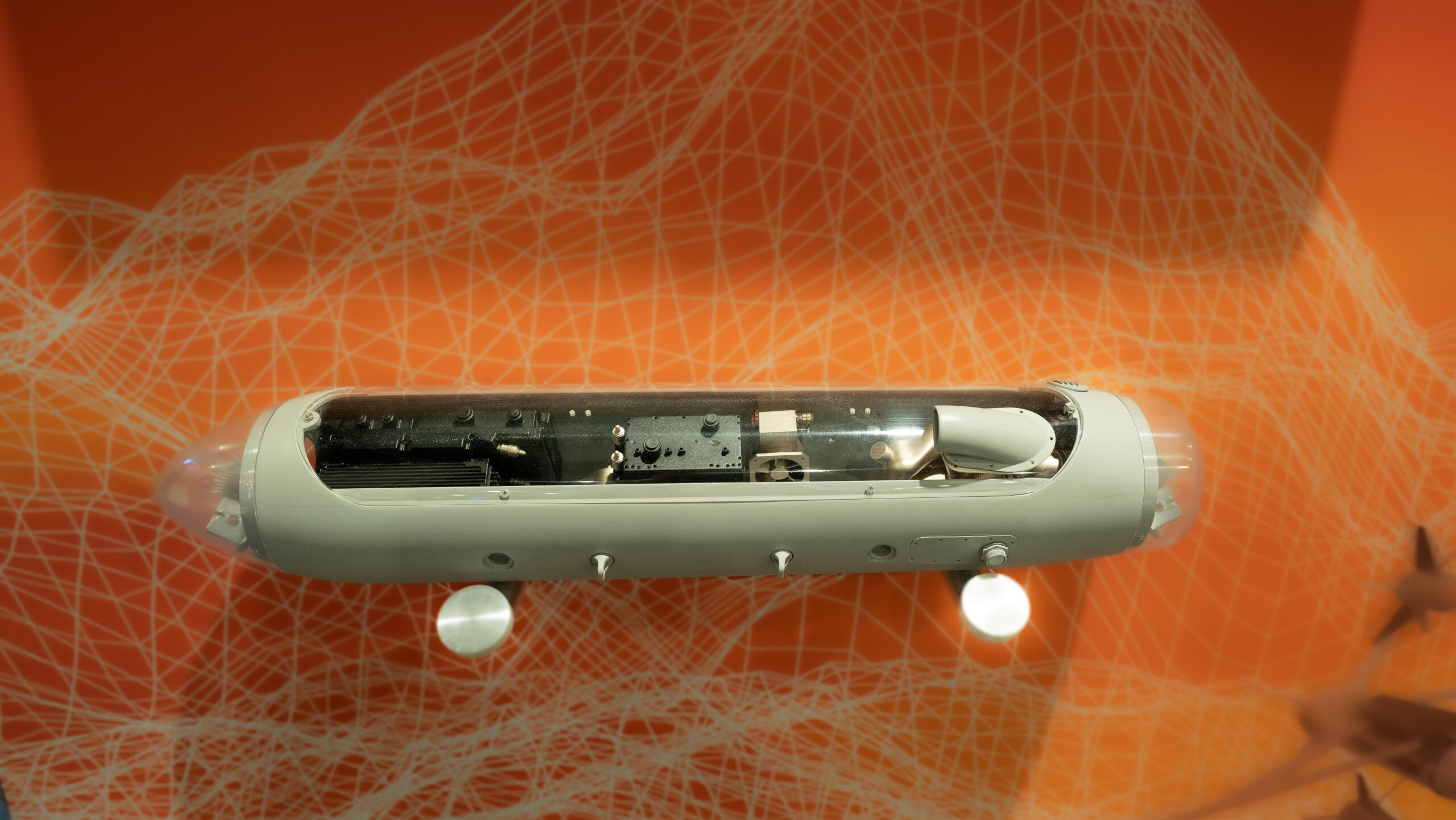
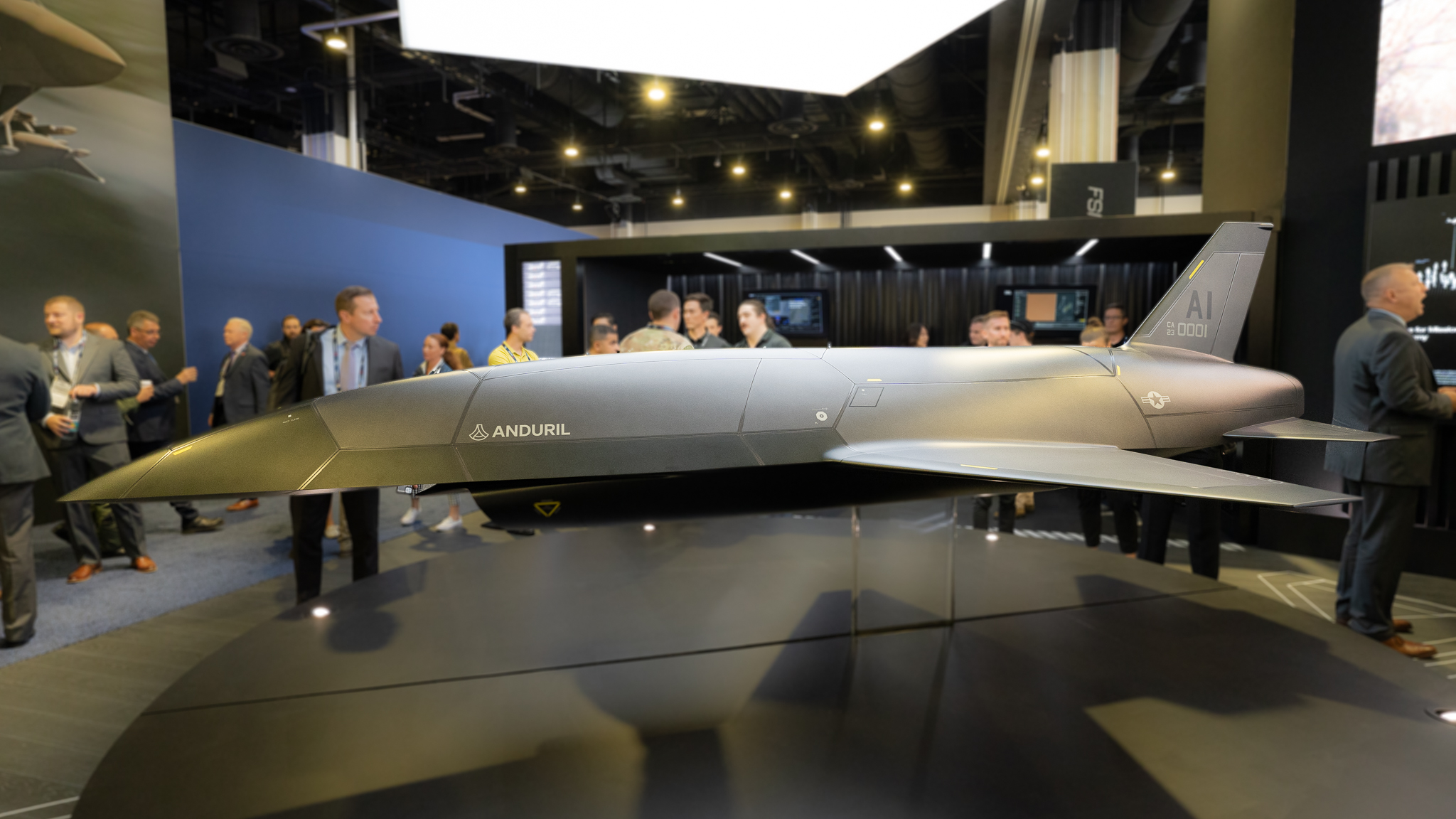
PHOTOS: AFA 2023

 Gallery










Breaking Defense Video