SEA AIR SPACE 2024 — Prior to 2020, HII maintained a public profile of a steadfast Navy shipbuilder, a firm whose primary focus ostensibly would forever be on bending big steel to make it seaworthy. The idea that it would one day branch out into the ecosystem of C5ISR, unmanned vehicles and electronic warfare was kept strictly to internal discussions.
But, the HII’s chief executive officer told Breaking Defense in an exclusive interview last week, inside the company, a transition to being a technology company rather than purely a shipbuilder was viewed not just as a necessity, but an inevitability — one which the firm now views as a key source of growth for the future.
“We never contemplated only being shipbuilders,” Chris Kastner said ahead of this year’s Sea-Air-Space conference. “We knew shipbuilding would always be the core. But we knew we had to go beyond that. As a publicly traded company, you need to grow.”
The goal: To evolve HII “from someone who just bends steel to someone that’s looking forward to solve the solutions of tomorrow.”
And so, in 2020, the shipbuilder most closely associated with the US Navy’s aircraft carriers and amphibs launched its third business division, Mission Technologies, focusing solely on the cutting-edge technology tech described in the Pentagon’s National Defense Strategy. Three years later, Mission Technologies nearly matched the revenue brought in by the company’s Mississippi-based shipyard Ingalls Shipbuilding, according to slides from the company’s most recent investor day.
The growth is no surprise to Kastner, whose history at HII goes back to when the firm was still a Northrop Grumman subsidiary known as Ingalls Shipbuilding. And, he said, the expectation is that Mission Technologies will continue to grow larger and faster than the company’s shipyards.
“I don’t have a specific [revenue percentage] target in mind. I do know they’re going to grow faster than the shipyards, just by the nature of the business” he said. “The thirst for the technology over there is growing. It grew at 13 percent last year, which is pretty significant. We expect five percent growth in the future [based] on market growth… and because they’re the priorities right now in the Pentagon.”
By The Numbers
The breakdown the company provided to investors in March shows Mission Technologies brought in roughly $2.7 billion in fiscal year 2023 — just slightly behind Ingalls’ $2.8 billion and under half of Newport News Shipbuilding’s $6.1 billion. The combination of technologies that HII’s newest business unit has taken up since its inception are in some ways a reflection of how the division was formed and in other ways a mirror to the Pentagon’s own priorities.
Within Mission Technologies, C5ISR encompassed 43 percent of the unit’s workload in 2023. The three other sectors — cybersecurity and electronic warfare, fleet sustainment contracts and live, virtual and constructive technologies — each made up less than a quarter of overall revenue. In terms of where the money is coming from, the lion’s share stems from joint Pentagon agencies, such as the combatant commands, while smaller portions are from Navy and Air Force deals.
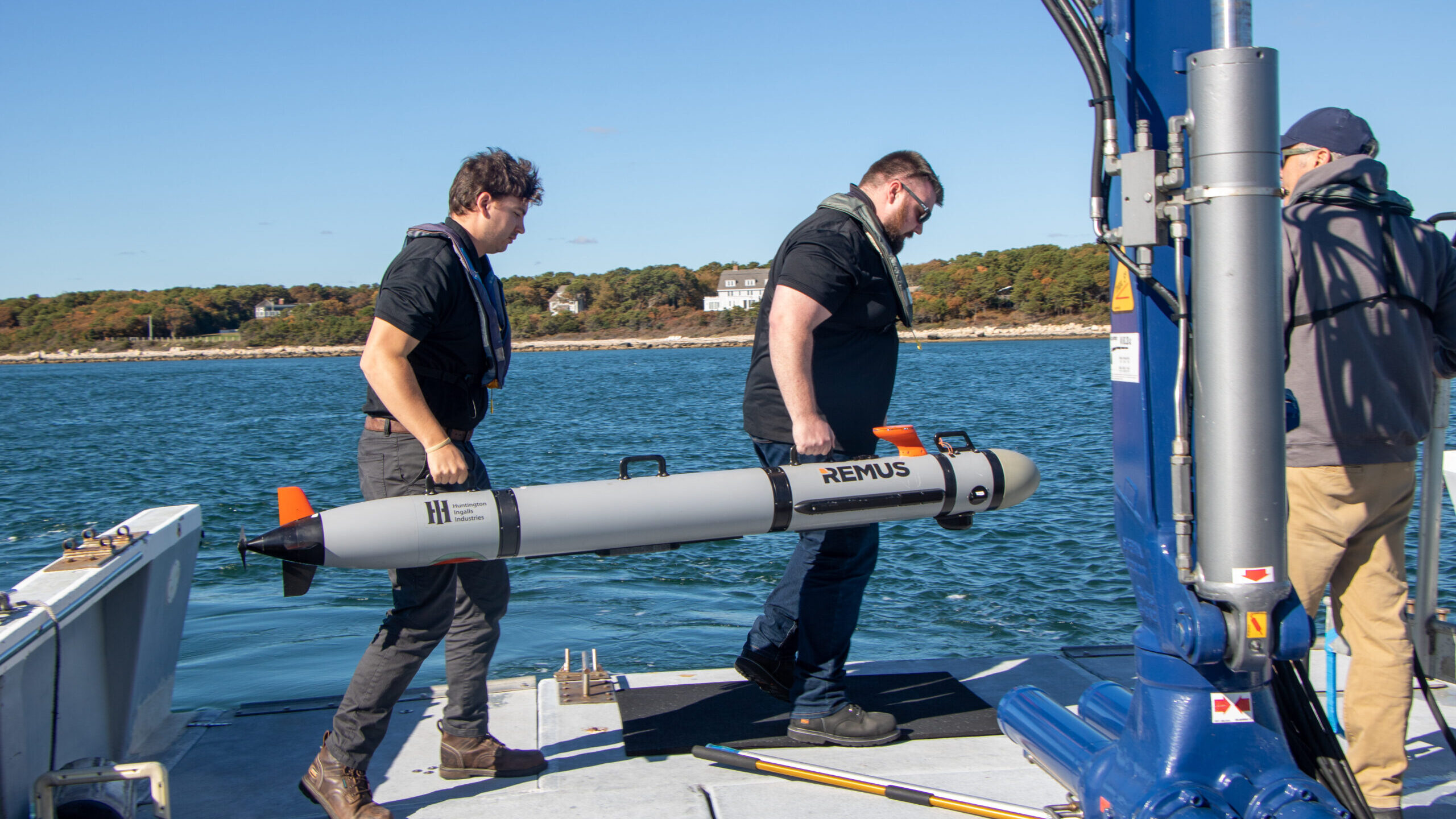
The diverse portfolio reflects the strategy HII employed to rapidly build up its newest division. In about one year’s time, starting in March 2020 and running through August 2021, HII acquired three separate smaller companies all of whom now comprise Mission Technologies: unmanned systems maker Hydroid, the autonomy business SIS and science and technology developer Alion.
Put together, the three businesses “become the engine for the company to have the business model necessary to be successful in those new technology domains, which operate differently than legacy shipbuilding,” a separate HII executive told Breaking Defense on background.
That C5ISR was such an overwhelming portion of the breakdown, Kastner said, is indicative of the fact that big data — and the need to collect, sort and analyze it — is driving the defense technology market right now.
And indeed, the Pentagon has made its interest in big data well known to industry. Although Kastner didn’t mention Joint All Domain Command and Control, otherwise called JADC2, the desire to flow information across the battlespace and analyze it accordingly is at the very heart of the Defense Department’s premiere joint program.
“I don’t necessarily consider [C5ISR] a golden child, but it’s just the largest business now and I think it’ll continue to be for the near future,” he said.
More Than Ships
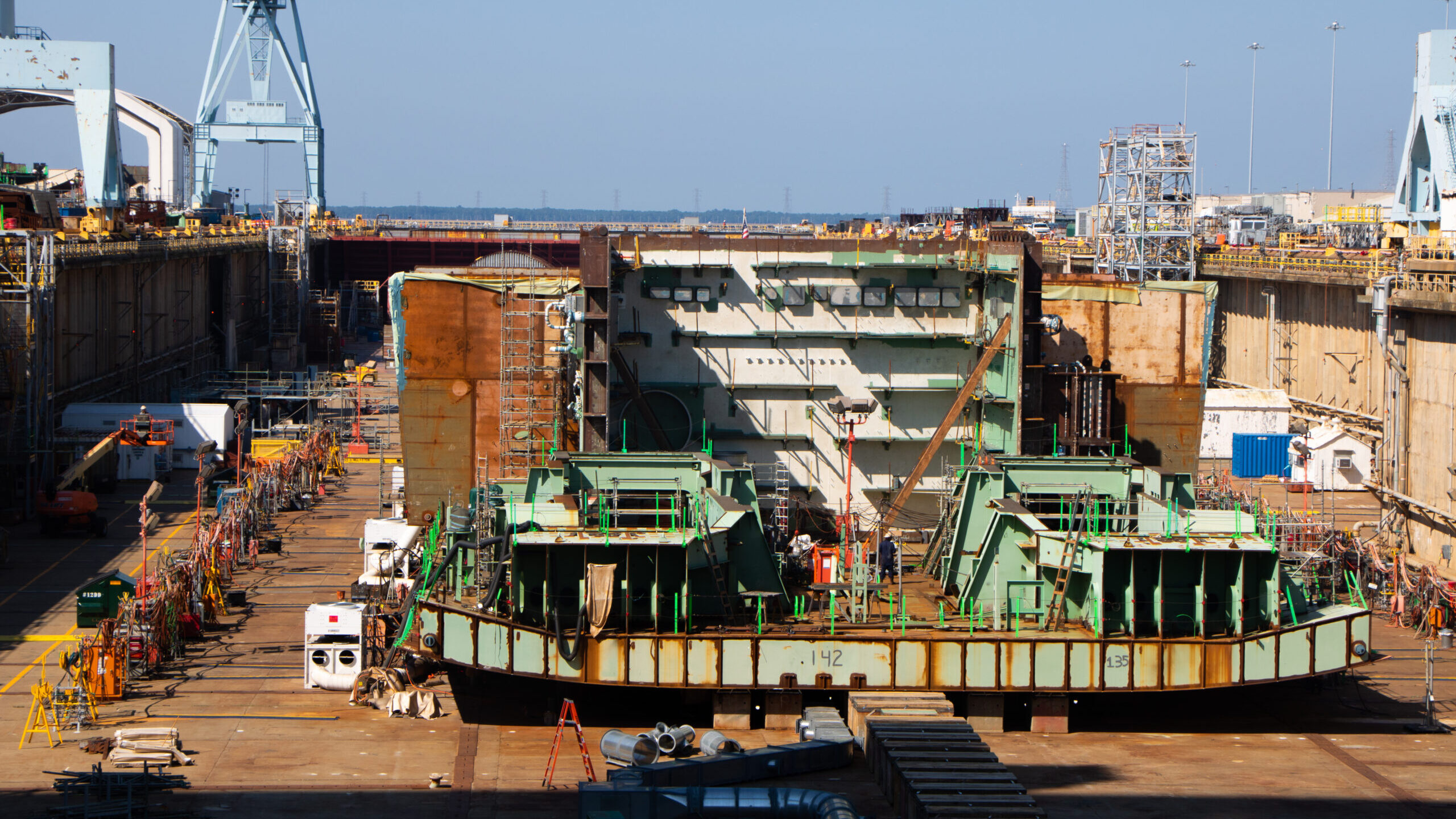
HII has perhaps felt the high and low waves of the shipbuilding budget more so than other defense contractors in recent years. Since 2020, the company has seen delays in planned aircraft carrier buys, impromptu stops and starts in amphibious shipbuilding and a Navy under extreme pressure to ramp up its submarine construction cadence in time to make the AUKUS trilateral security pact succeed — a pressure that some service leaders make no bones about publicly unloading onto industry.
RELATED: Navy Lays Out Major Shipbuilding Delays, In Rare Public Accounting
Kastner and other HII executives wouldn’t go so far as to say Mission Technologies was built to defend the company against the turbulence of the shipbuilding budget. But the chief executive did say “it absolutely reduces risk in the portfolio by having 25% of your business [being] not just shipbuilding.”
“There is some diversification, but it’s diversification in the areas that we know very well,” he said. “It’s not diversification into adjacencies that are significantly outside our core competency. It really helped that Alion had — 30% to 40% of their business was Navy business.”
Having stood up Mission Technologies in 2020 and successfully acquired Alion, Hydroid and SIS in the following months, HII took to Sea Air Space in 2022 with a specific message: Huntington Ingalls Industries was a shipbuilder, but now, “We are HII.” (The company’s Twitter handle literally says as much.)
The branding re-boot was a chance for the contractor’s publicly facing image to catch up to its new portfolio. If the company that was spun out of Northrop Grumman in the early 2010s was a steadfast Navy shipbuilder, then HII in 2024 is definitively trying to fashion itself into something more — straddling between its history and what Kastner clearly views as its future.
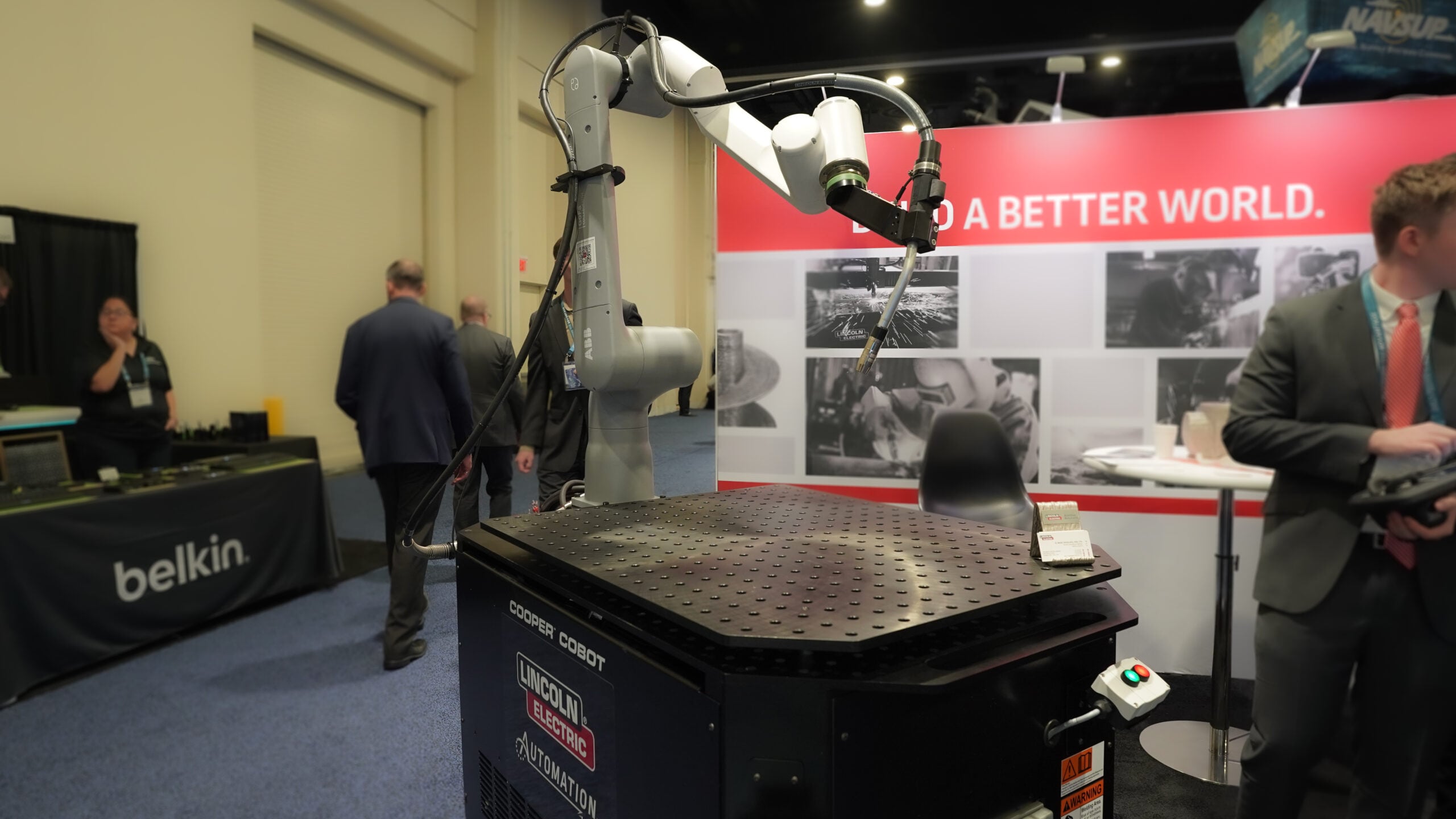
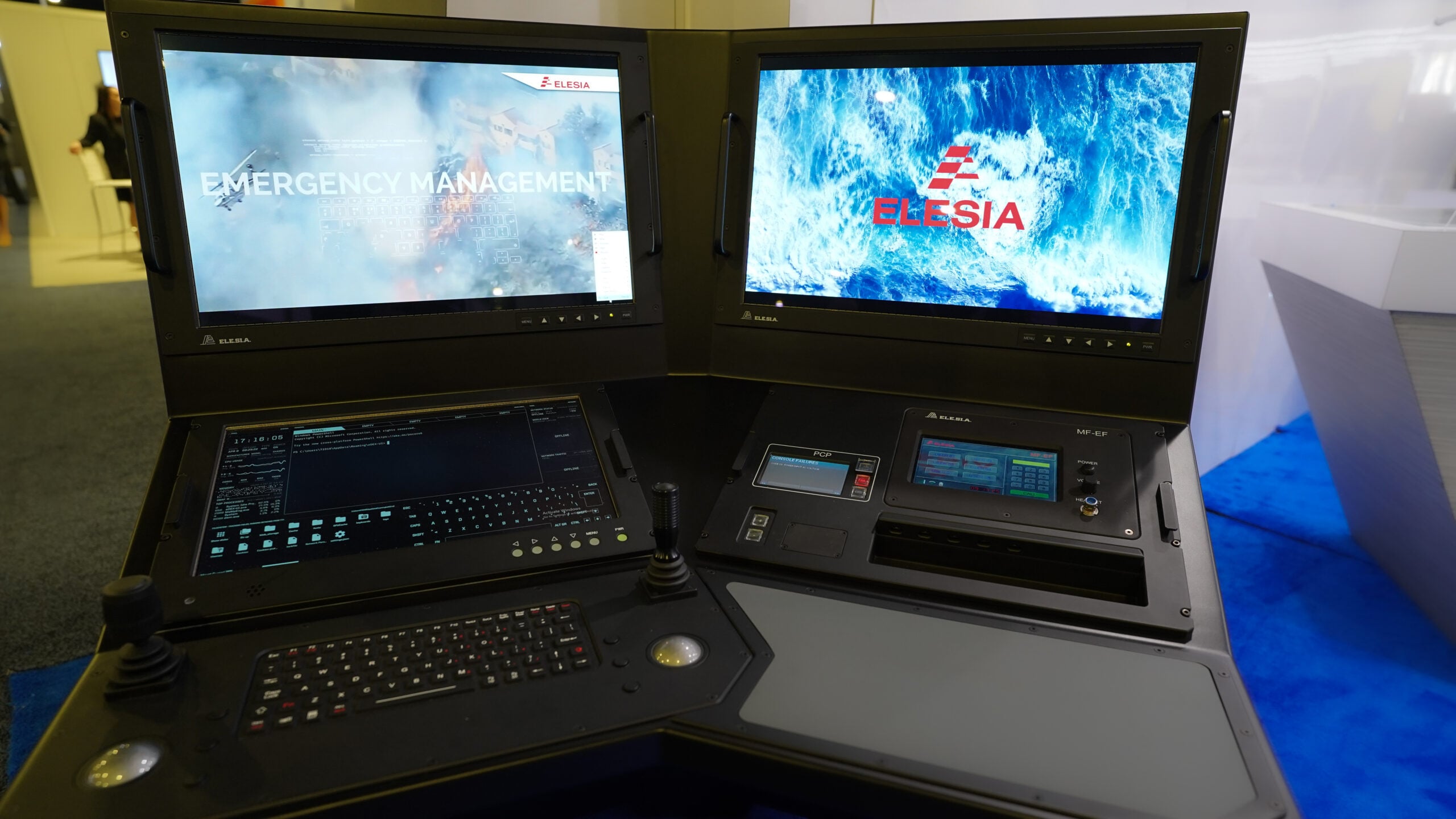
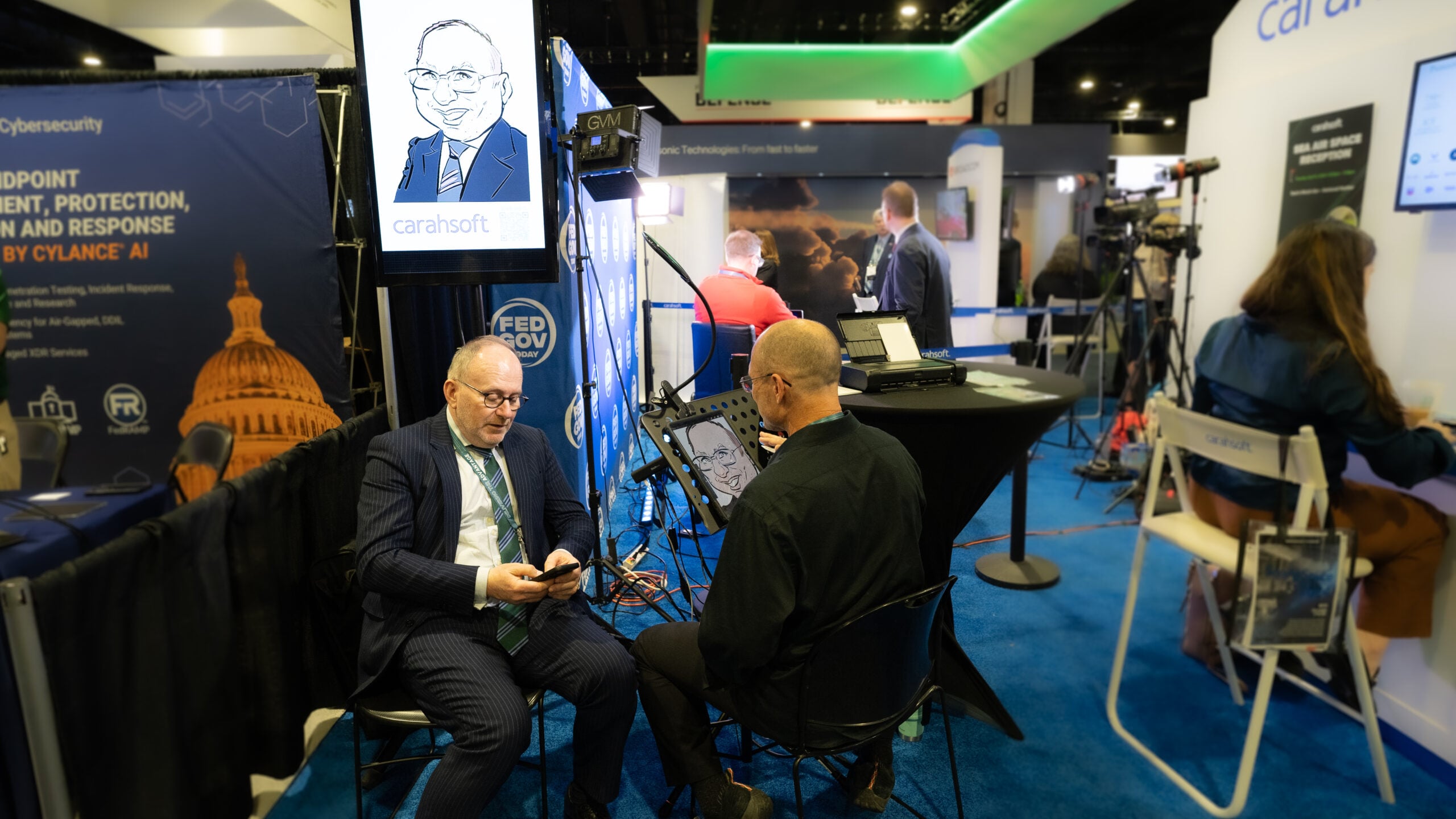
PHOTOS: Sea Air Space 2024
 Gallery