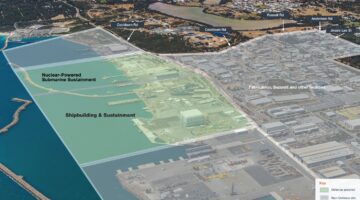
Australia identifies future defense precinct site for AUKUS sub sustainment
It has also conducted a keel laying ceremony for the first Hunter-class frigate.
It has also conducted a keel laying ceremony for the first Hunter-class frigate.

Elbridge Colby said at the start of his multi-nation tour that his message would be "realistic and perhaps bracing, but also reassuring."

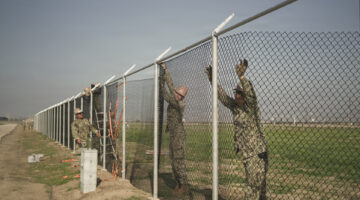
Traditional thinking about how to protect facilities must adapt to new threats such as drones or downstream attacks.
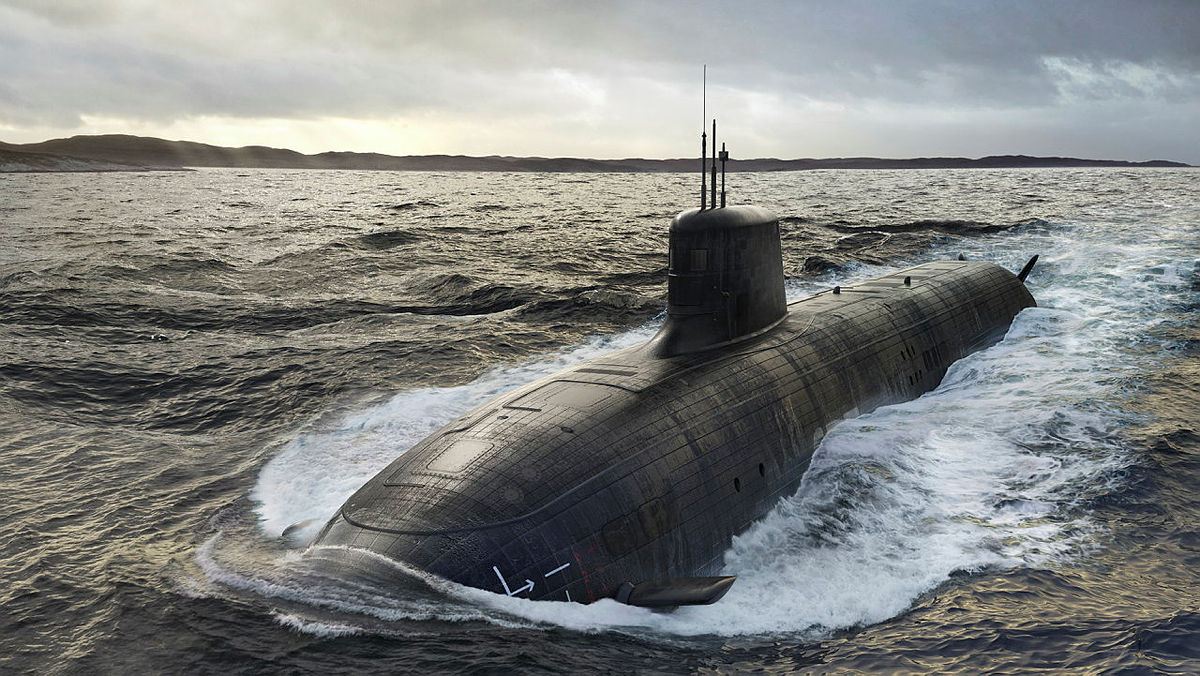
The contingency dry dock "is a critical pre-condition of Australia receiving its first Virginia class submarine" under AUKUS, the Australian government said.
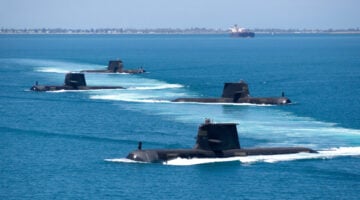
The program will keep the submarines in service to the 2040s, 20 years longer than originally planned.
This year's budget represents a six percent increase over last year's defense spending.
Findings also claim that the Royal Navy’s Astute-class nuclear-powered submarines have been “stretched” to, or "even beyond," their limits.

APKWS® laser‑guidance kit provides reliable precision‑guided munitions across missions and platforms, delivered quickly to meet evolving operational demands.

Australia has confirmed that three of its sailors were on board the nuclear-powered attack submarine when it struck the Iranian frigate, though Prime Minister Anthony Albanese has denied that they took part in the action.
Vice Adm. Robert Gaucher is now the Pentagon's first submarine 'czar.'
"South Australia is at the centre of one of the most significant defence undertakings in our history," Premier of South Australia Peter Malinauskas said in a press release.

China will almost certainly dominate the defense and security headlines in the coming months, as tensions continue to simmer in the South China Sea and around Taiwan.


Lithium-metal batteries are one way to break the weight and endurance limits of today’s unmanned systems.
China was once again at the forefront of Indo-Pacific news in 2025.
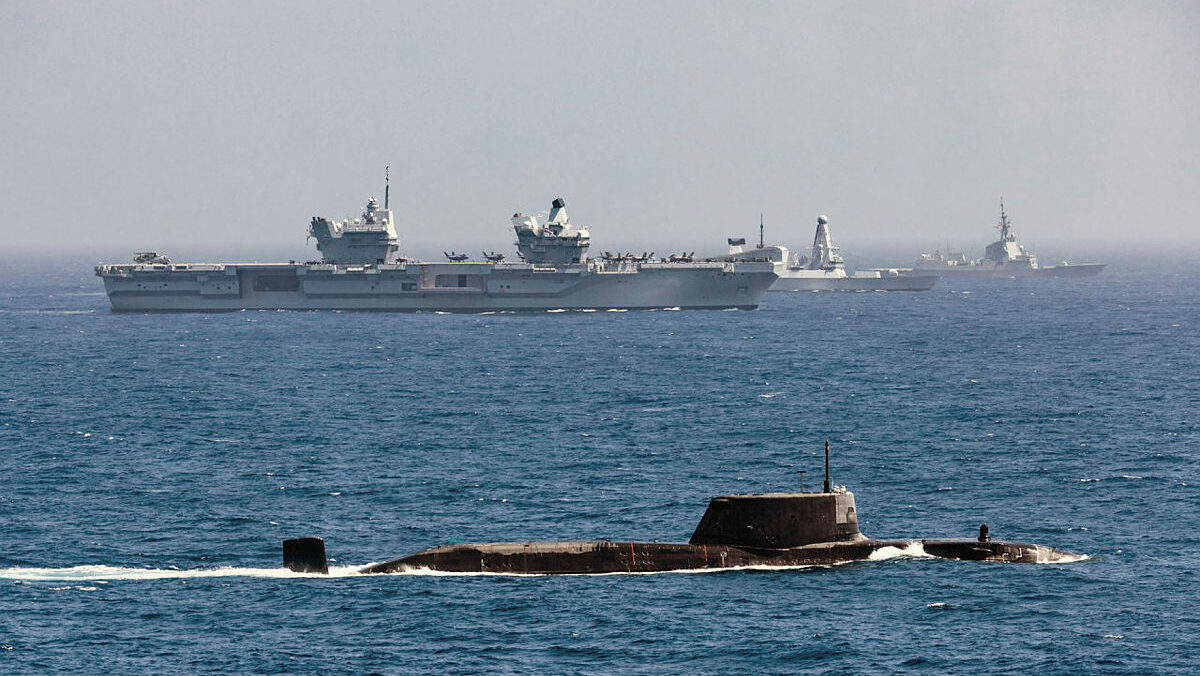
“The reviews are done. It's time to deliver,” said John Healey, the UK’s Secretary of State for Defense.

One Lockheed executive argued the company has scores of workers available for the job after a different sub program was scrapped in favor of the American boats.
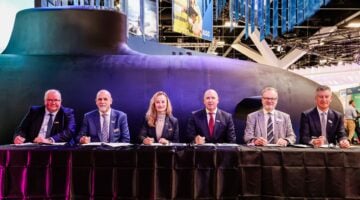
BAE Systems, Raytheon Australia, General Dynamics Mission Systems and Thales said they would work collaboratively to design a tri-national command system as a "shared solution for Australia and the UK which builds on General Dynamics' existing AN/BYG-1 system" used by the US.