Air Warfare

Clearing the books: Army kickstarts initiative to strip away legacy requirements

“We know how to start new programs very, very well, but we have to also learn how to pivot,” Army Under Secretary Gabe Camarillo told Breaking Defense.

Under Secretary of the Army Honorable Gabe Camarillo visits 2CR in Hohenfels
The Under Secretary of the Army, Gabe Camarillo, visits soldiers assigned to 2nd Cavalry Regiment during exercise Dragoon Ready 23 in Hohenfels, Germany on Feb. 1, 2023.
(US Army/Staff Sgt. Ashley Low)

AUSA 2024 — When members of the Army Requirement Oversight Council (AROC) get together, it’s typically to greenlight new weapon requirements and pave the acquisition path ahead. However, now the advisory council has a new, emerging task: stripping away old, outdated plans.

Nothing should ever be 100 percent [set] in stone, and we should be able to pivot,” Army Under Secretary Gabe Camarillo told Breaking Defense ahead of the annual Association of the US Army conference in Washington, DC this week.

We know how to start new programs very, very well, but we have to also learn how to pivot,” he later added. “That will have implications over how many quantities we buy in the outyears, but I also think it will open up new opportunities for competition and tech insertion as we go through this.”

That new effort — dubbed CORA, or AROC in reverse — is set up differently than the Trump era process when senior Army leaders met behind closed doors, often after hours, to rack and stack programs to free up dollars for a comprehensive, weapon modernization overhaul. That process, named after a 1980s sitcom, became known as Night Court and saw program officials defend their pots of money. Instead, the emerging AROC process is homing in on legacy system requirements across different portfolios to see where tweaks need to be made or requirements erased entirely.

That could be because the requirements have been in the pipeline for long enough that they’ve become obsolete or new tech has emerged that could answer a requirement if it’s revised or “significantly changed,” Camarillo explained.

As a broad example, he cited tactical unmanned aerial systems (UAS) requirements that were inked nearly a decade ago.

“It was when there was a very, very small market for these systems, probably not too many vendors, and probably systems that were only at one specific size,” he explained. “Now you see just a proliferation of vendors in this space. And so, did we get that requirement right?”

Since the drone market has ballooned in the intervening years, the Army went back and “recognized that we probably needed a new, directed requirement for company level UAS” and include “higher-end” drones for different scenarios. As a result, the service “fundamentally changed and shifted” the requirements within that portfolio, and is on the hunt for a Future Tactical Unmanned System (FTUAS) to replace the RQ-7B Shadow.

You can see other areas where technology has shifted pretty significantly [too] or where the threat has evolved. We would probably take a similar approach,” Camarillo said, and that could lead to a AROC change.

Changing the requirements on the books isn’t just for service leaders, Army acquisition head Doug Bush told Breaking Defense during a separate interview. The process, he added, will provide the service with cover and additional information to present to lawmakers who ultimately ink the checks. 

It’s healthy to go back and look at relook assumptions we made many, several years ago… and [ask] ‘Do the requirements work’ before we just arbitrarily make a program decision,” Bush said. 

When we have done our requirements homework and need to make a change, it is much easier to get Congress to go along because it shows we’ve done the diligence up front on the need, not just what do I want to do with this program,” he added. 

PHOTOS: AUSA 2024

PHOTOS: AUSA 2024

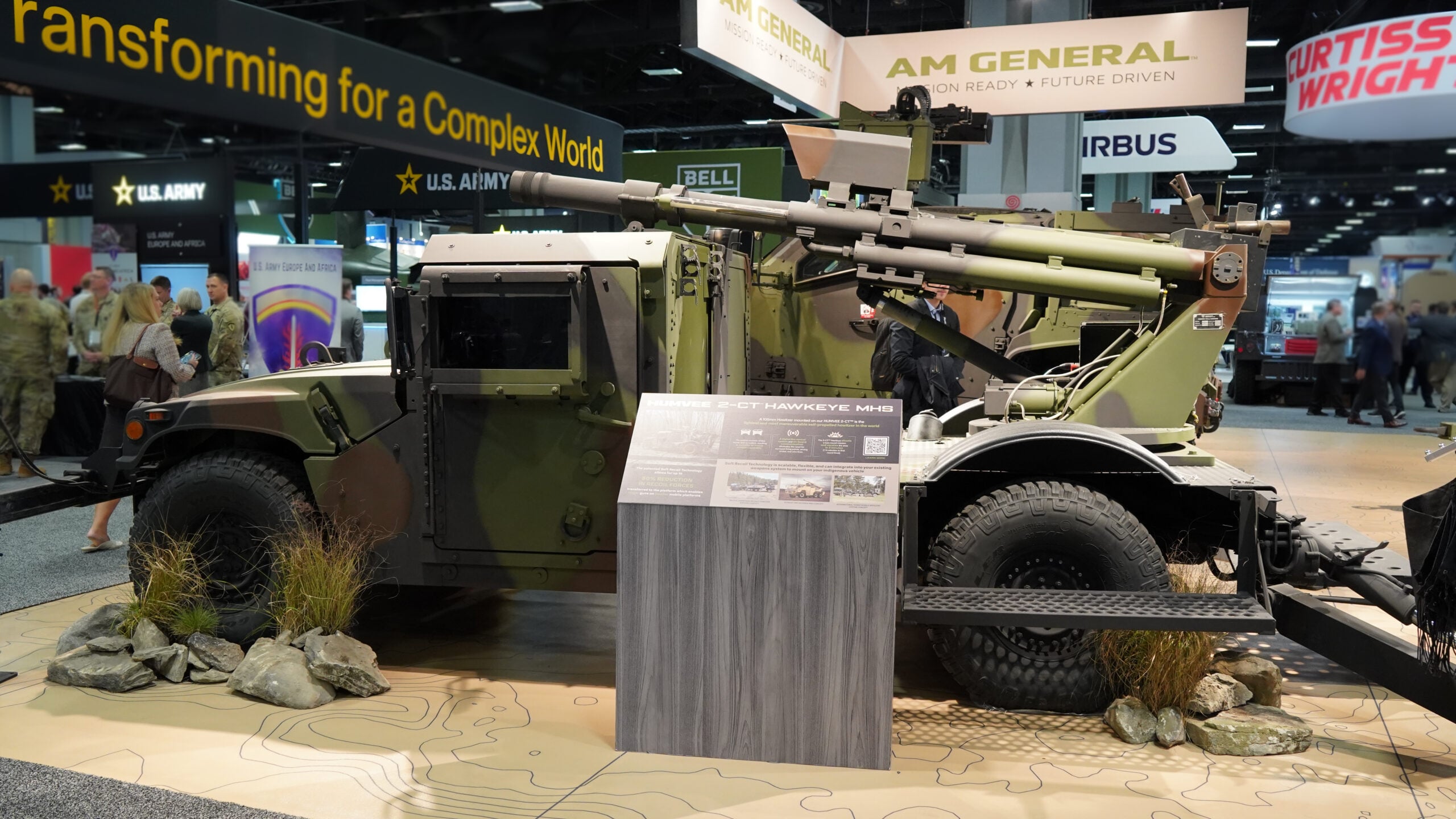
At AUSA 2024, land vehicle giant AM General rolled its HUMVEE 2-CT Hawkeye MHS, featuring a howitzer launcher on a hummer. (Brendon Smith / Breaking Defense)
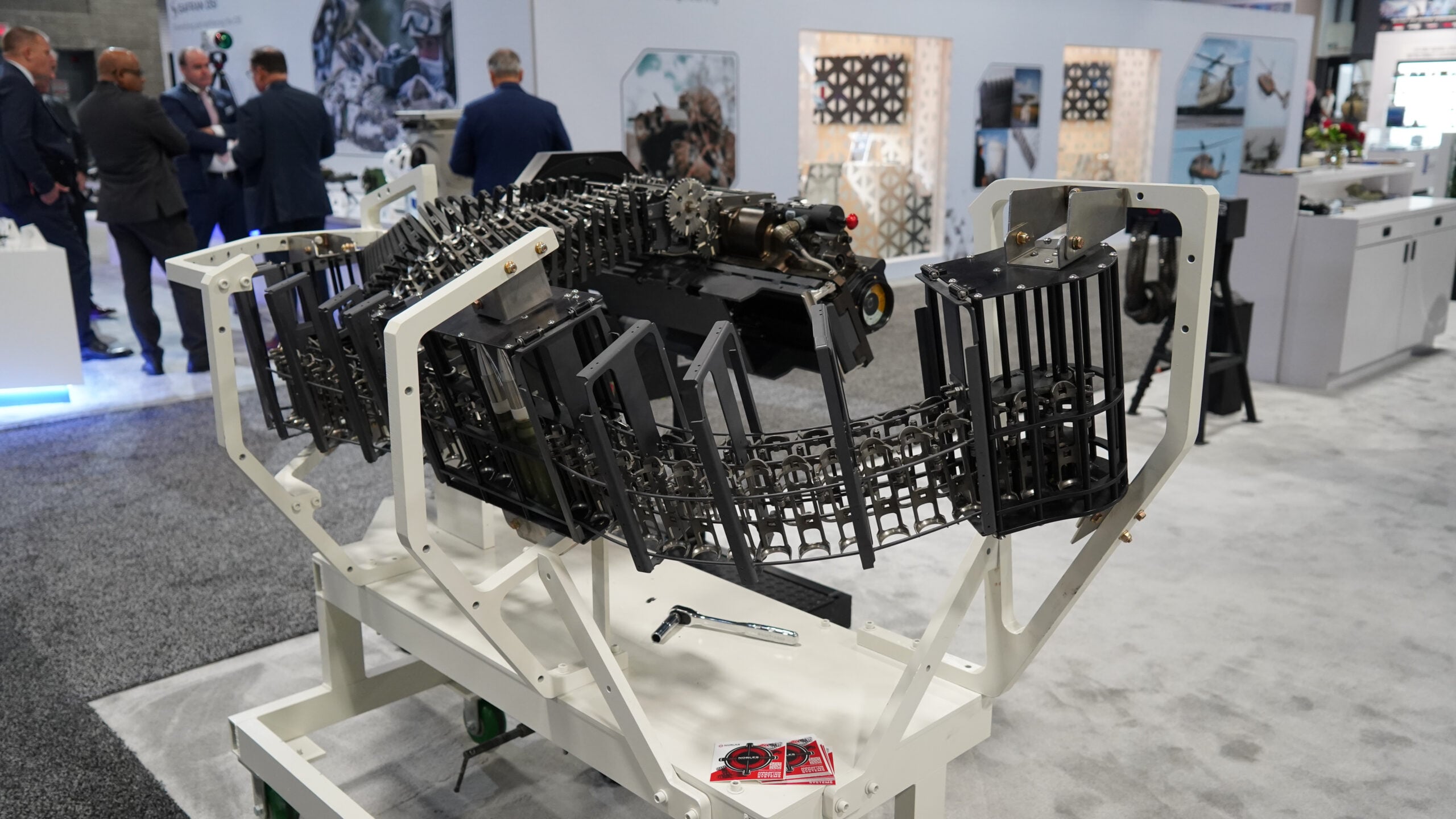
Ammo handling specialists Nobles Worldwide brought its closed loop, linkless ammunition handling system to AUSA 2024. (Brendon Smith / Breaking Defense)
IEC Infrared Systems's Lycan counter-UAS system gazes out at attendees at AUSA 2024. (Brendon Smith / Breaking Defense)
Australian firm EOS was at AUSA 2024, here displaying its Slinger kinetic counter-drone system. (Brendon Smith / Breaking Defense)
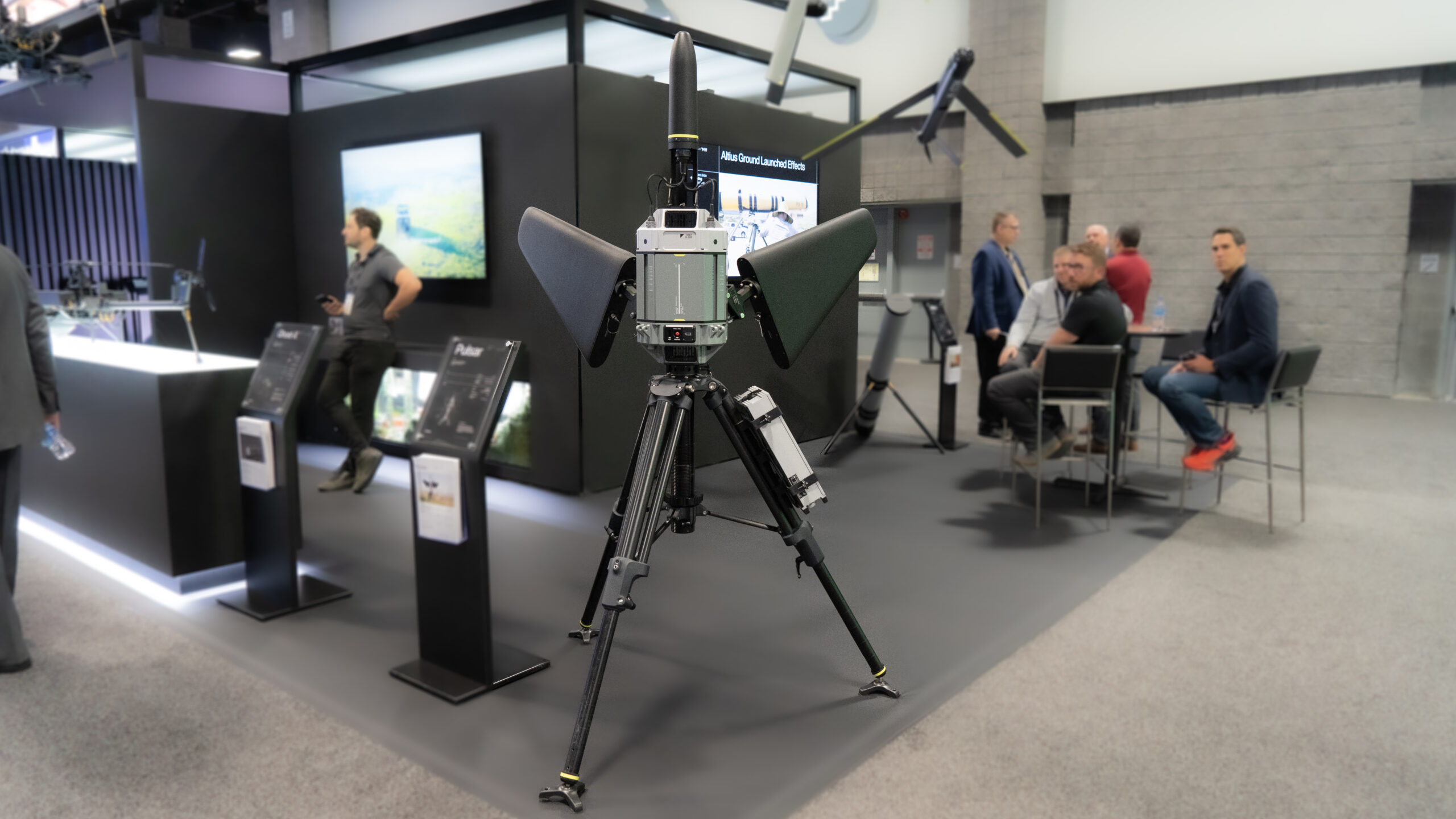
Defense start-up Anduril makes a wide range of products and at AUSA 2024, including his platform from its "family of autonomous systems and Electromagnetic Warfare (EW) systems powered by Lattice and AI at the edge." (Brendon Smith / Breaking Defense)
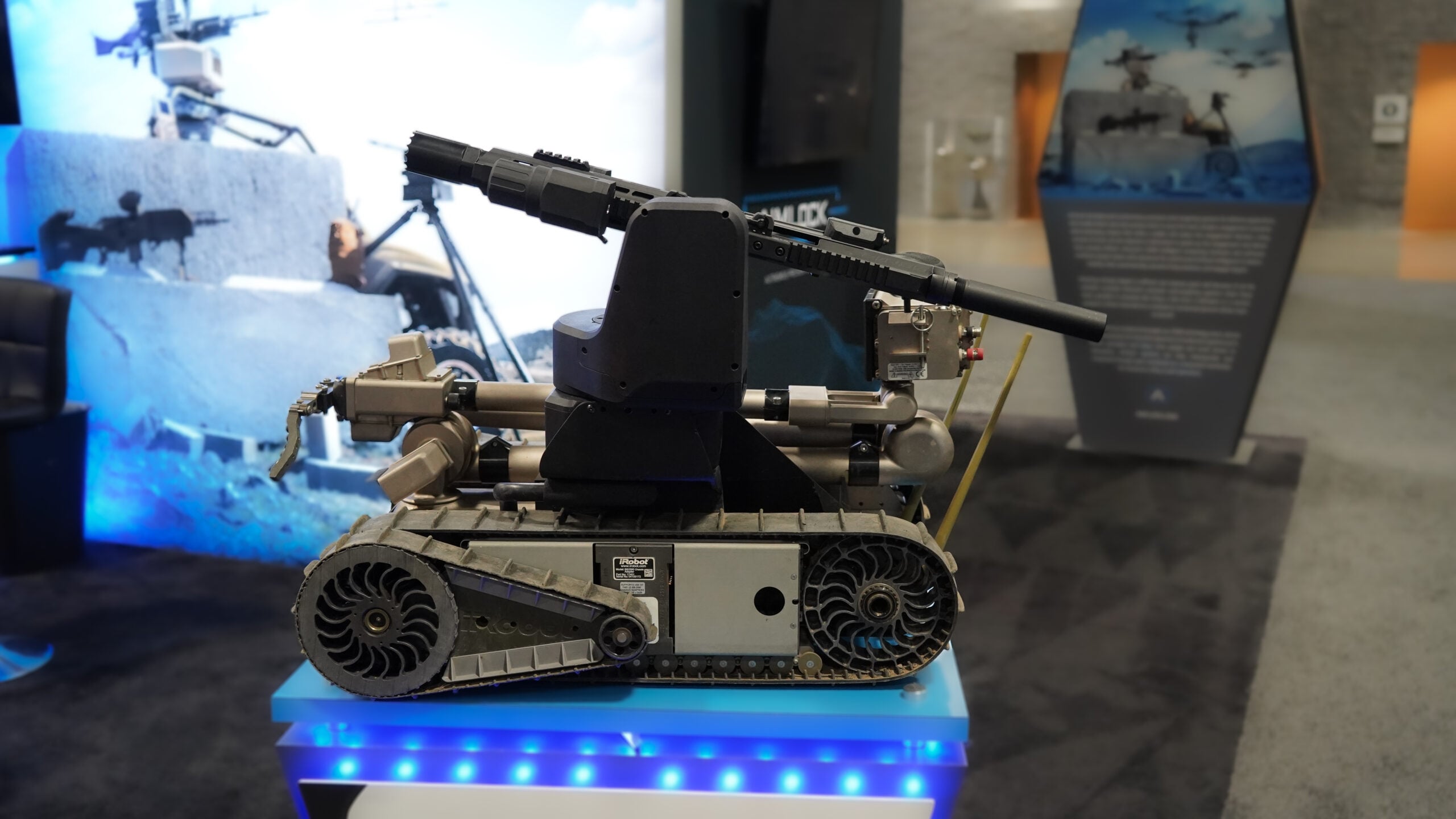
Aimlock, which develops "semi-autonomous precision auto-targeting systems" attached a 12-guage shotgun on a ground robotic vehicle at AUSA 2024. (Brendon Smith / Breaking Defense)
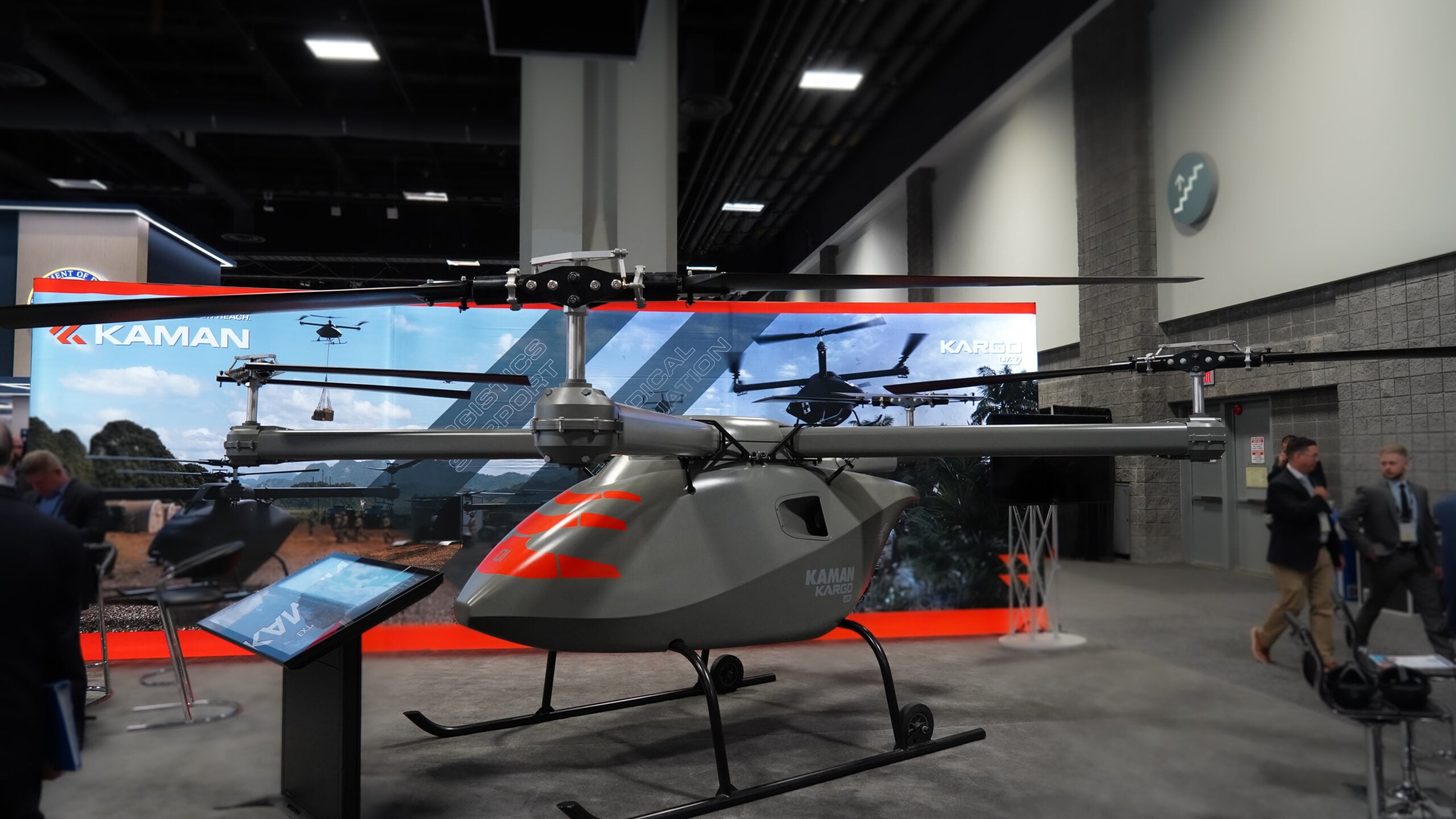
Connecticut-based Kaman Corporation offers unmanned cargo copters, as seen on the show floor at AUSA 2024. (Brendon Smith / Breaking Defense)
Defense giant Northrop Grumman shows off its Next Generation Handheld Targeting System (NGHTS), which the company says is designed to work in GPS-denied environments. (Brendon Smith / Breaking Defense)
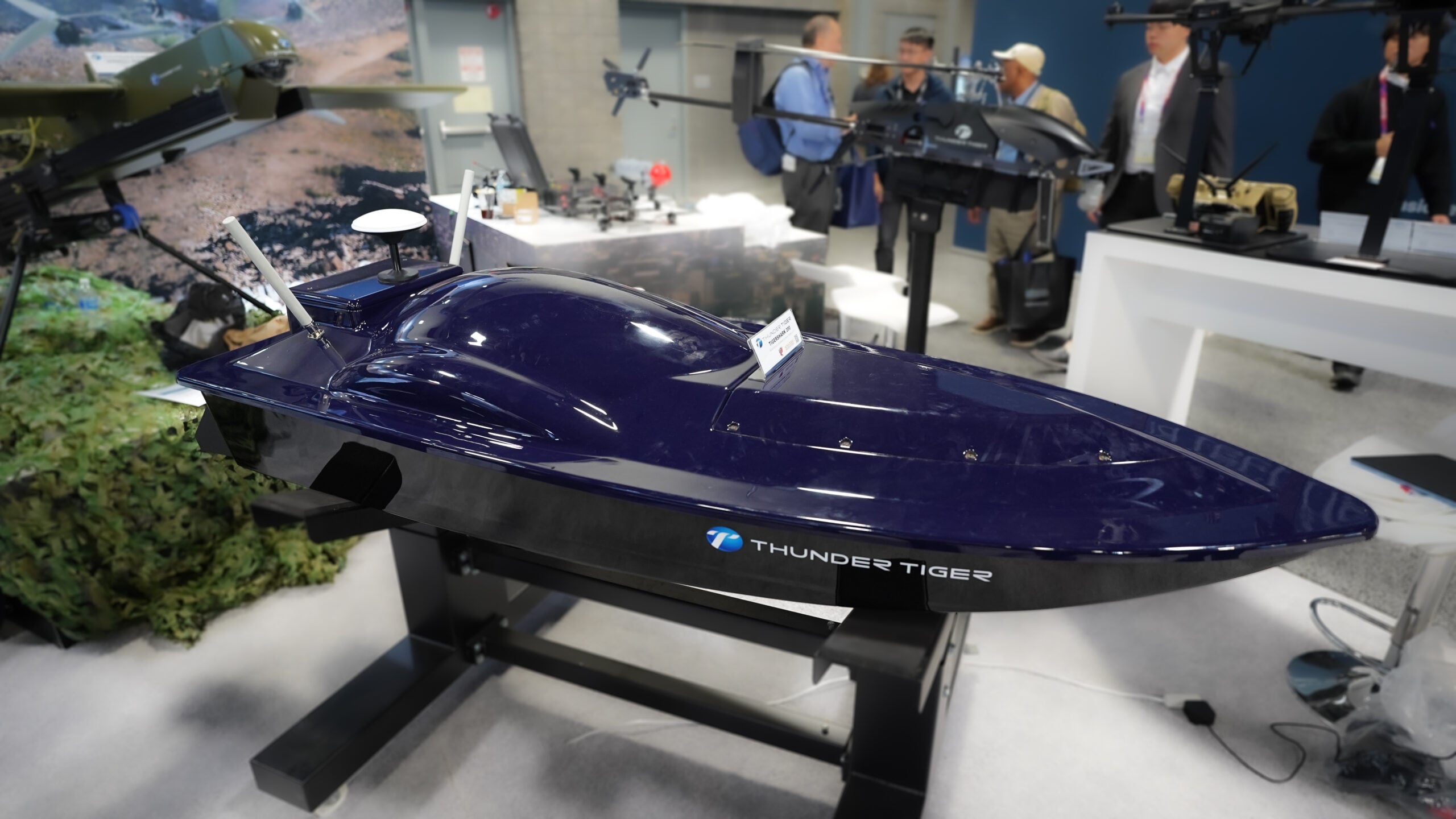
Taiwanese Thunder Tiger displayed an unmanned surface vessel, Seashark, at AUSA 2024. (Brendon Smith / Breaking Defense)
Northrop Grumman shows off its Bushmaster chain gun at AUSA 2024. The company launched a new Bushmaster M230LF (Link Fed) dual-feed chain gun, designed to neutralize UAS and ground threats, with the manufacturer targeting export customers for future orders. (Brendon Smith/Breaking Defense)
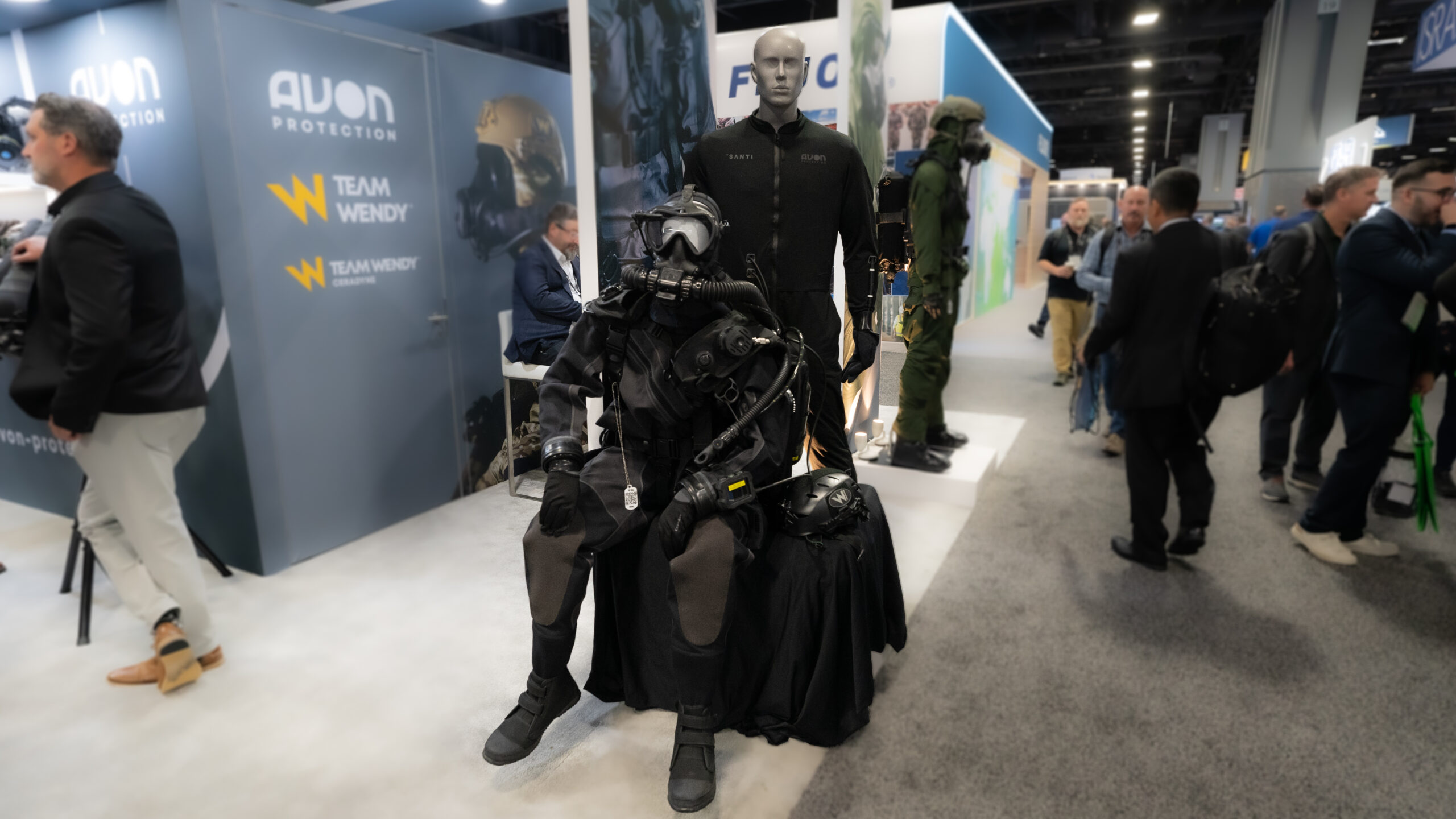
It's less ominous than it looks: Avon Protection's Core Intelligent undersuit and MCM100 Multi-Role Military Diving Rebreather are marketed on the show floor to help military divers keep warm under the water. (Brendon Smith/Breaking Defense)
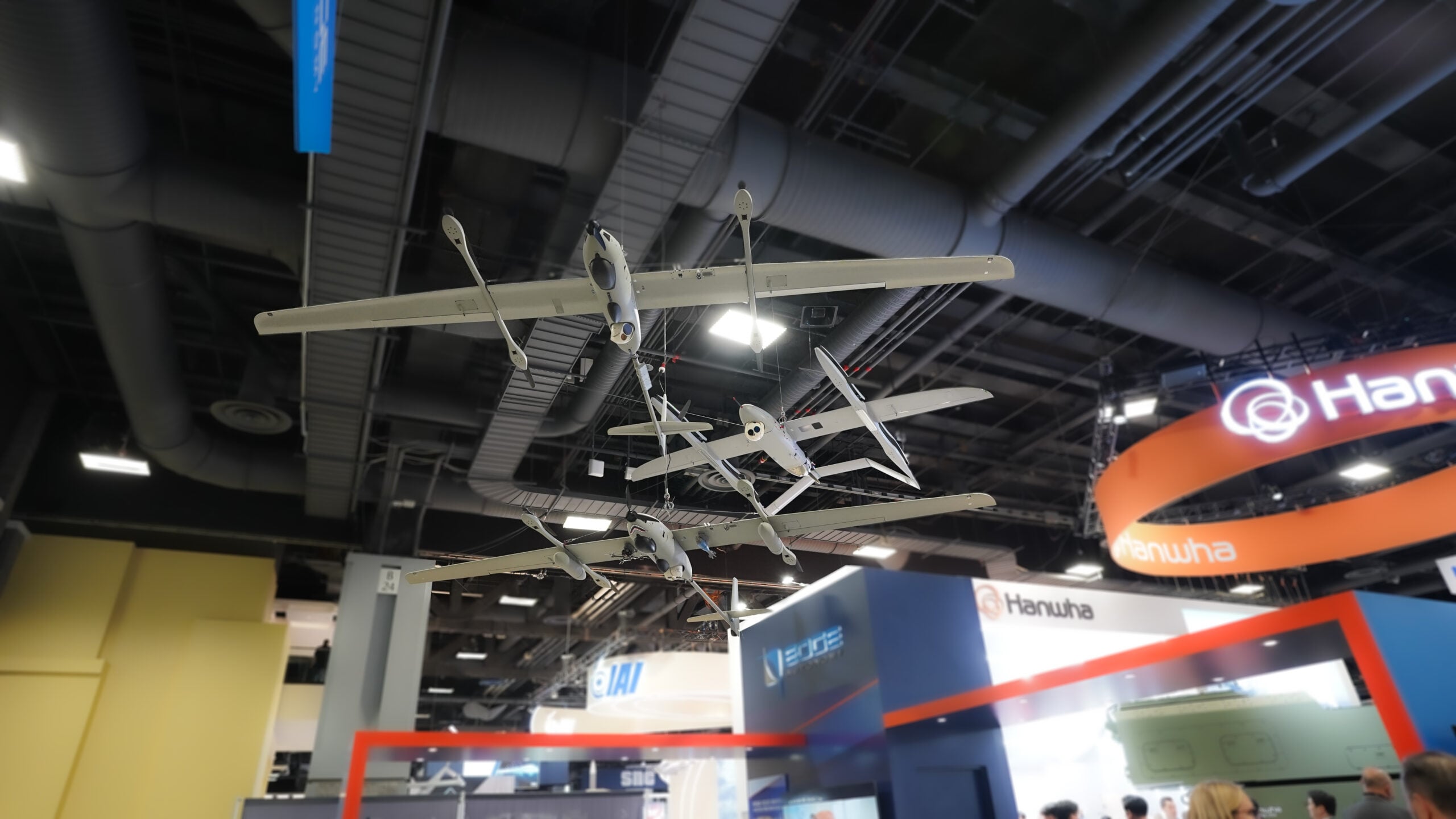
Edge Autonomy shows off its E140Z camera, part of its Octopus surveillance suite. (Brendon Smith/Breaking Defense)
Flyer Defense shows off its Flyer 72 vehicle at AUSA 2024. Selected by SOCOM, the company says it is capable of internal transport in the CH-47 and C-130 aircraft. (Brendon Smith/Breaking Defense)
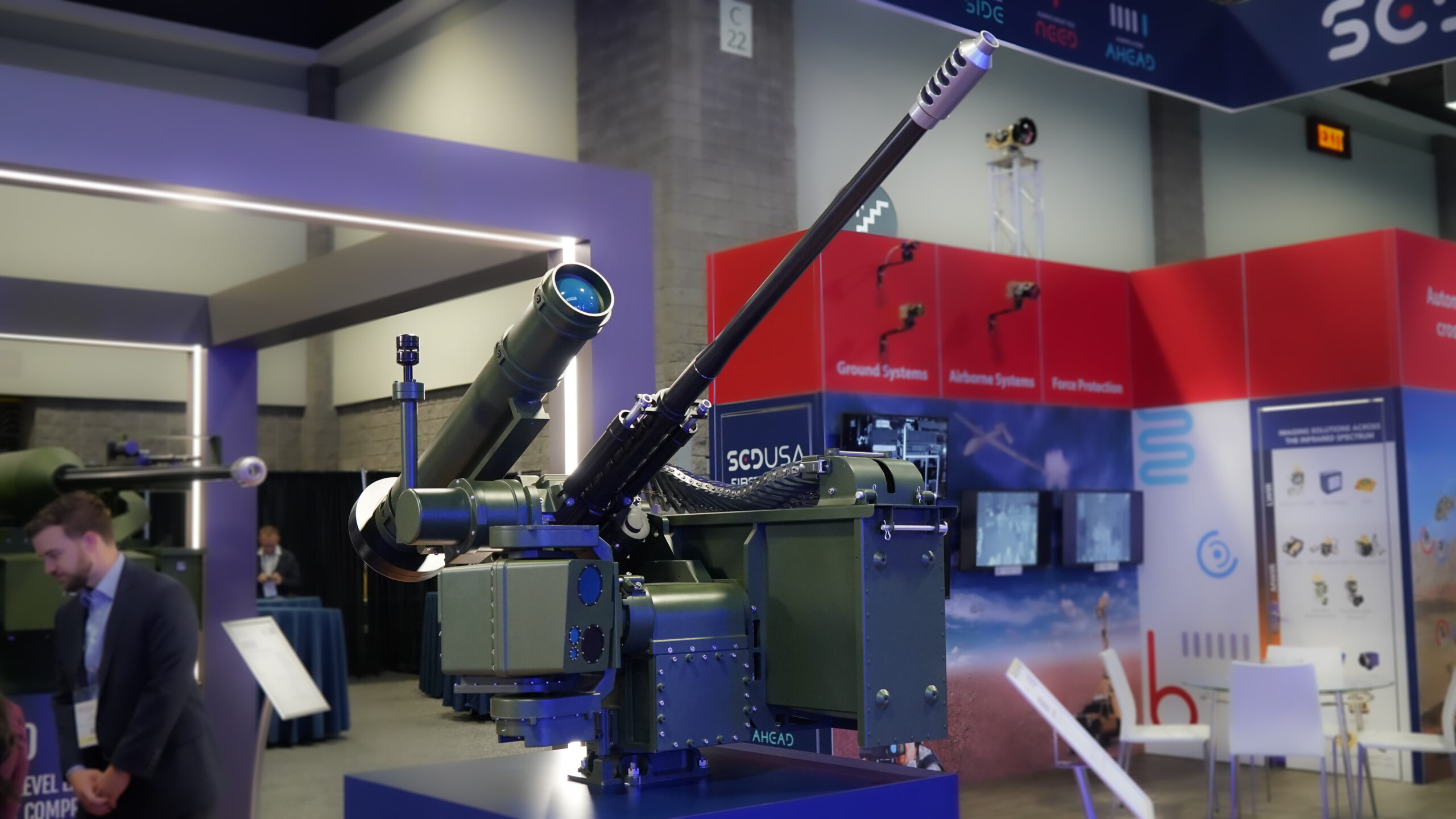
The Kongsberg Protector RS6 is a Remote Weapon System for low-recoil 30mm cannons. The company says it will be able to equip other weapons in the future. (Brendon Smith/Breaking Defense)
Bell helicopters showed off a number of items on the show floor. (Brendon Smith/Breaking Defense)
One of BAE's two AMPV varients on the show floor at AUSA 2024, this one sports the company's Modular Turreted Mortar System. (Brendon Smith / Breaking Defense)
Oshkosh Defense displays its Remotely Operated Ground Unit for Expeditionary Fires (ROUGE-Fires) on the floor at AUSA 2024. (Brendon Smith / Breaking Defense)
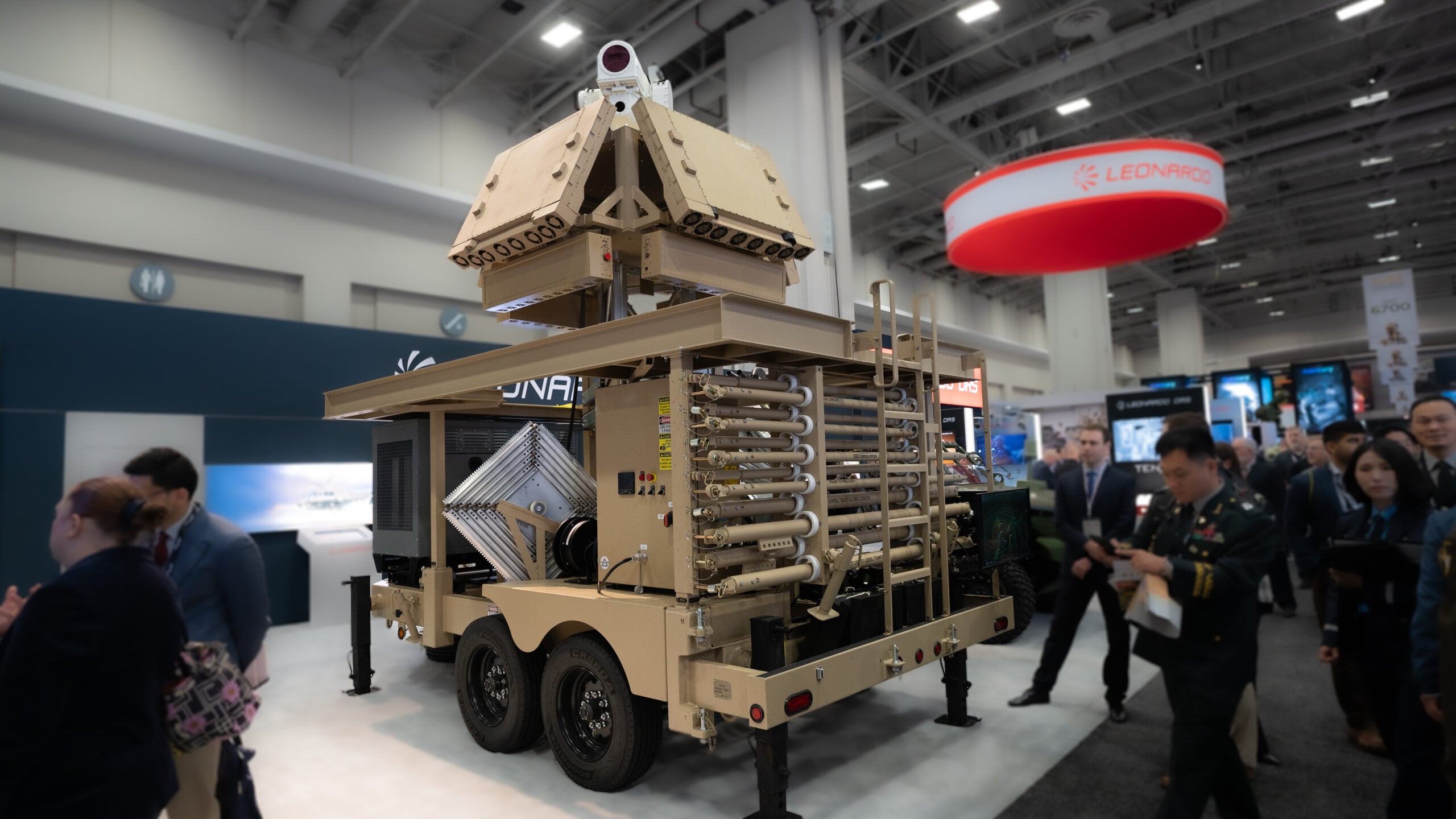
A Leondardo extended mast surveillance system ready to roll into position at AUSA 2024. (Breaking Defense)
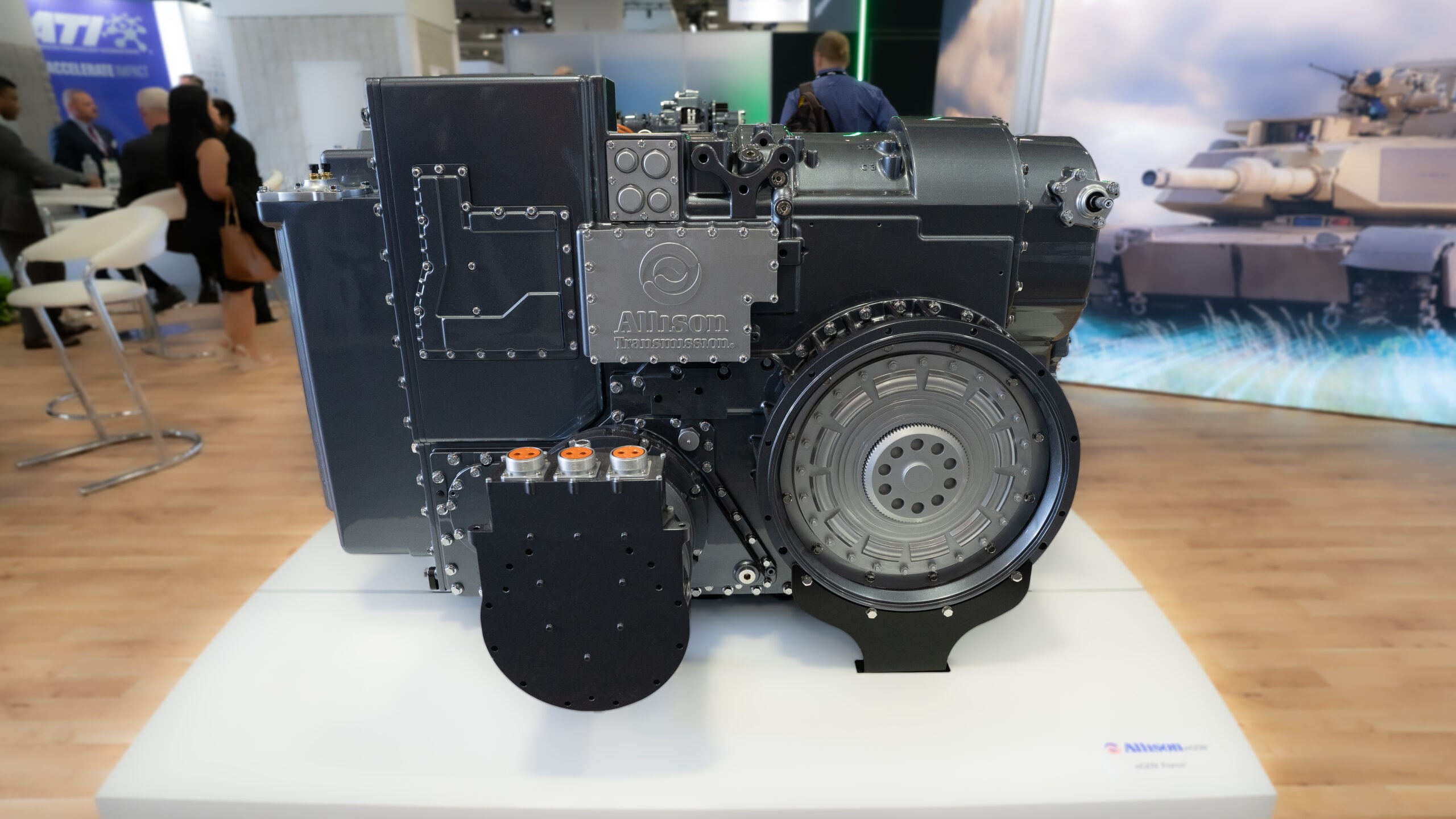
Allison Transmission eGen Power motor on display at AUSA 2024. (Brendon Smith / Breaking Defense)
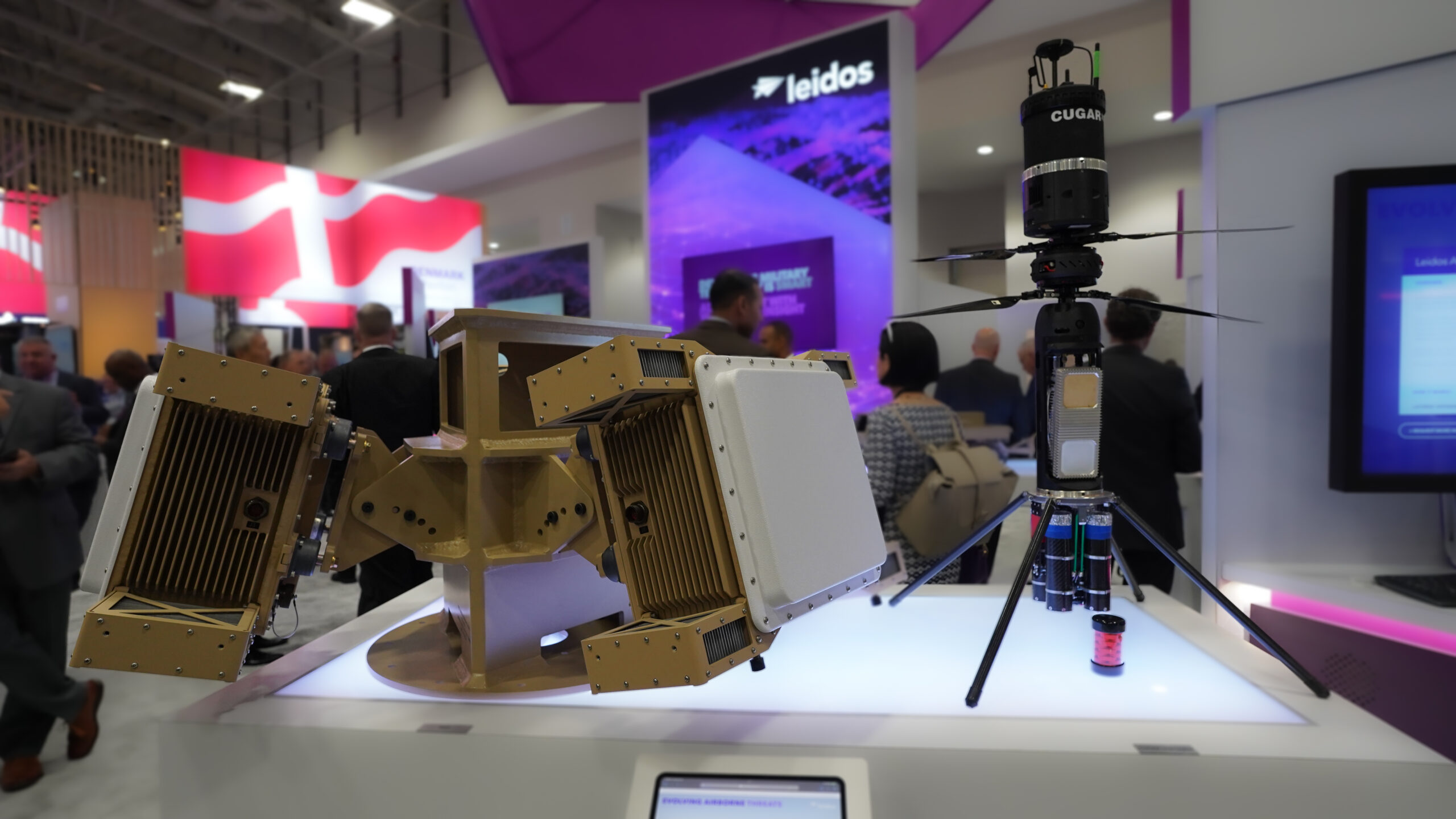
Leidos's Airshield counter-UAS system sits at the company's booth at AUSA 2024. (Brendon Smith / Breaking Defense)
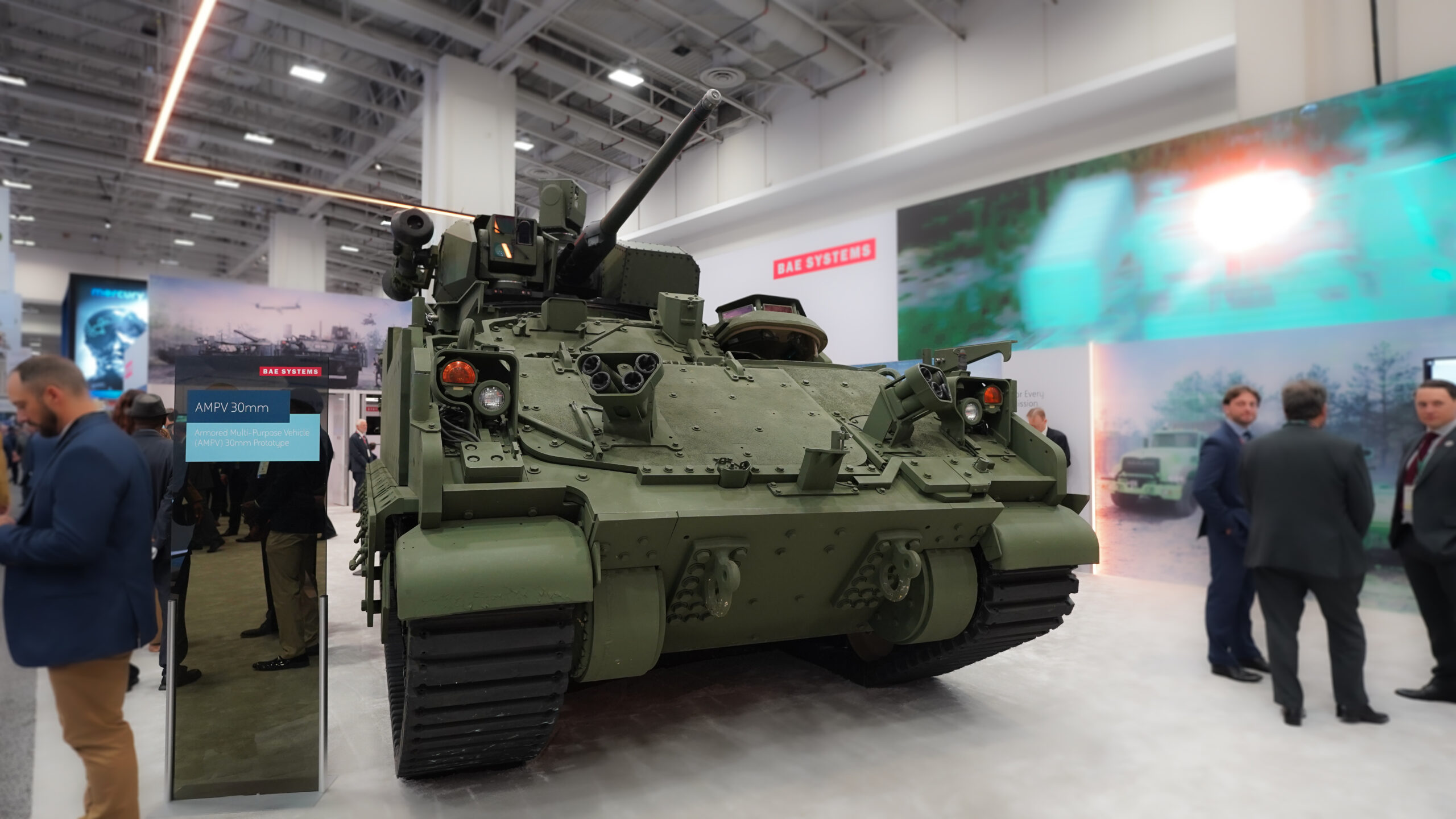
BAE's Armored Multi-Purpose Vehicle (AMPV) with a 30mm gun on display at AUSA 2024. (Brendon Smith / Breaking Defense)
A heavily armed next-gen tactical vehicle on display from GM Defense at AUSA 2024. (Brendon Smith / Breaking Defense)
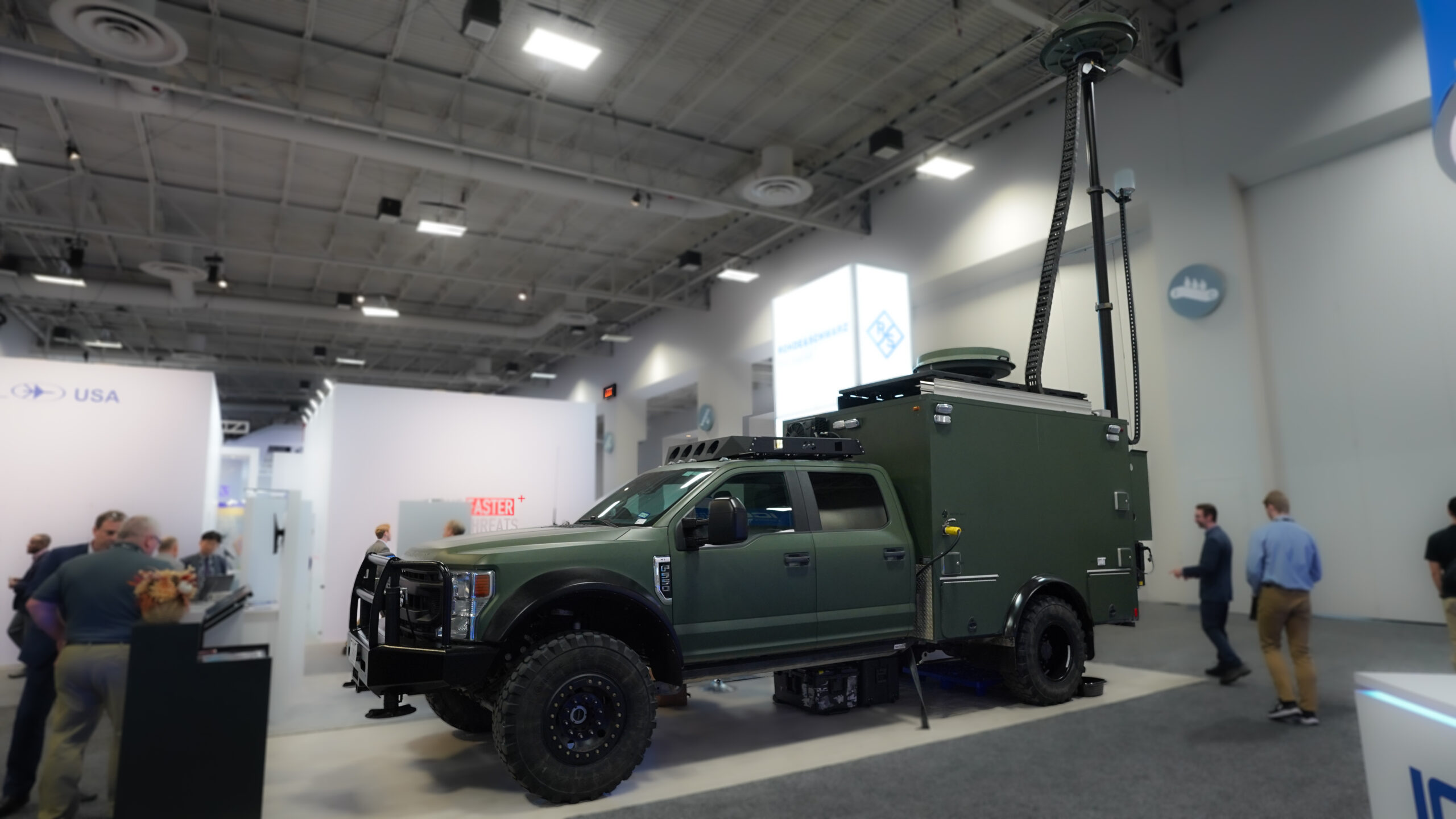
At AUSA 2024, Rohde & Schwarz displays a mobile signals system known as SigBadger. (Brendon Smith / Breaking Defense)