AUSA 2024 — The world’s largest defense contractor, Lockheed Martin, is pulling from its vast archives of digital engineering data to build a comprehensive “hardware catalog” of proven, tested components that its designers can draw on, the company announced here Monday.
The newly announced initiative, ModSTAR, will feed into the company’s ARISE simulation toolkit announced last year. The combination is meant to let Lockheed engineers run detailed tests of their designs before they even start building a prototype — potentially cutting months and years off development timelines.
“We’re using it for everything,” said Tim Cahill, president of the Missiles & Fire Control division, in a roundtable with reporters. “We are bidding fewer design cycles. We’re bidding more confident test schedules. We’re bidding open system architectures and the ability to quickly change out key components.”
Earlier versions of the digital design and virtual testing approach were used for parts of high-profile programs like the Army PrSM (Precision Strike Missile), now being fielded, and the Air Force’s hypersonic ARRW (Air-Launched Rapid Response Weapon), currently in programmatic limbo.
“We used pieces of this on PrSM and were able to deliver on PrSM in a fraction of the development time you’d normally need,” Cahill said. “With ARRW … folks tend to focus on some of the issues, but [they were] nothing compared to what you might have had for development without using some of these tools.”
The basic idea is to build on the aerospace giant’s decades of engineering experience by applying cutting-edge AI tools to the data.
“We have, frankly a hundred years of experience in this [aerospace engineering], decades of experience in modern missiles and fire control systems, and all that data is there,” Cahill said. “The first time I was a PM [program manager] — that was probably 25, 30 years ago — we were using engineering models for the complete assembly. We just didn’t necessarily have all the engineering data in each of the components.”
But today “build to print” manufacturing practices have become the norm at both at Lockheed Martin’s in-house factories and its legion of subcontractors. This approach requires digital models of everything, to millimeter levels of precision and quality control teams to scan the actual products to check they match.
“It is a big effort, but it has been going on now for many, many years, and every time that we have a upgrade, an enhancement, an obsolete component that is replaced, it goes digital,” Cahill said. “It’s build-to-print models, [so] it’s not PowerPoint, it’s engineering data.”
Modeling specific components with this kind of precision and rigor, in turn, allows engineers to build so-called “digital twins,” virtual replicas of physical machinery. They can then put the “twin” through its paces in detailed simulations — trying out far more possible designs, in a far wider range of stressful environments, in far less time and at far less cost than would be possible with physical testing.
What particularly excites Cahill, he says, is the ability of ARISE to apply artificial intelligence to analyze the data generated by these simulations. Even the most experienced and attentive human engineers can only detect some of the potential problems, he explained. But when you have those engineers train AI on what to look for, it can check those patterns and find deviations with superhuman accuracy.
“Compute, power, storage and the sophistication of software systems, all it’s on some kind of an exponential curve, and so the things that you might have not been able to do three years, five years, much less 10 years ago, you can do today,” Cahill said. “The system … will continue to get smarter and smarter as you load it up with data, and it’ll continue to get better and better at predicting things.”
But AI is only as good as the data it has to go on, which is where ModSTAR’s massive catalog of tested, certified parts comes in.
RELATED: ‘Poisoned’ data could wreck AIs in wartime, warns Army software acquisition chief
“Let’s say you want to build something new,” Cahill explained. “What you’d like to do be able to do is take pieces that are already qualified and put them together in some combination…. We can rapidly take these digital models put them together and test these different configurations rapidly.”
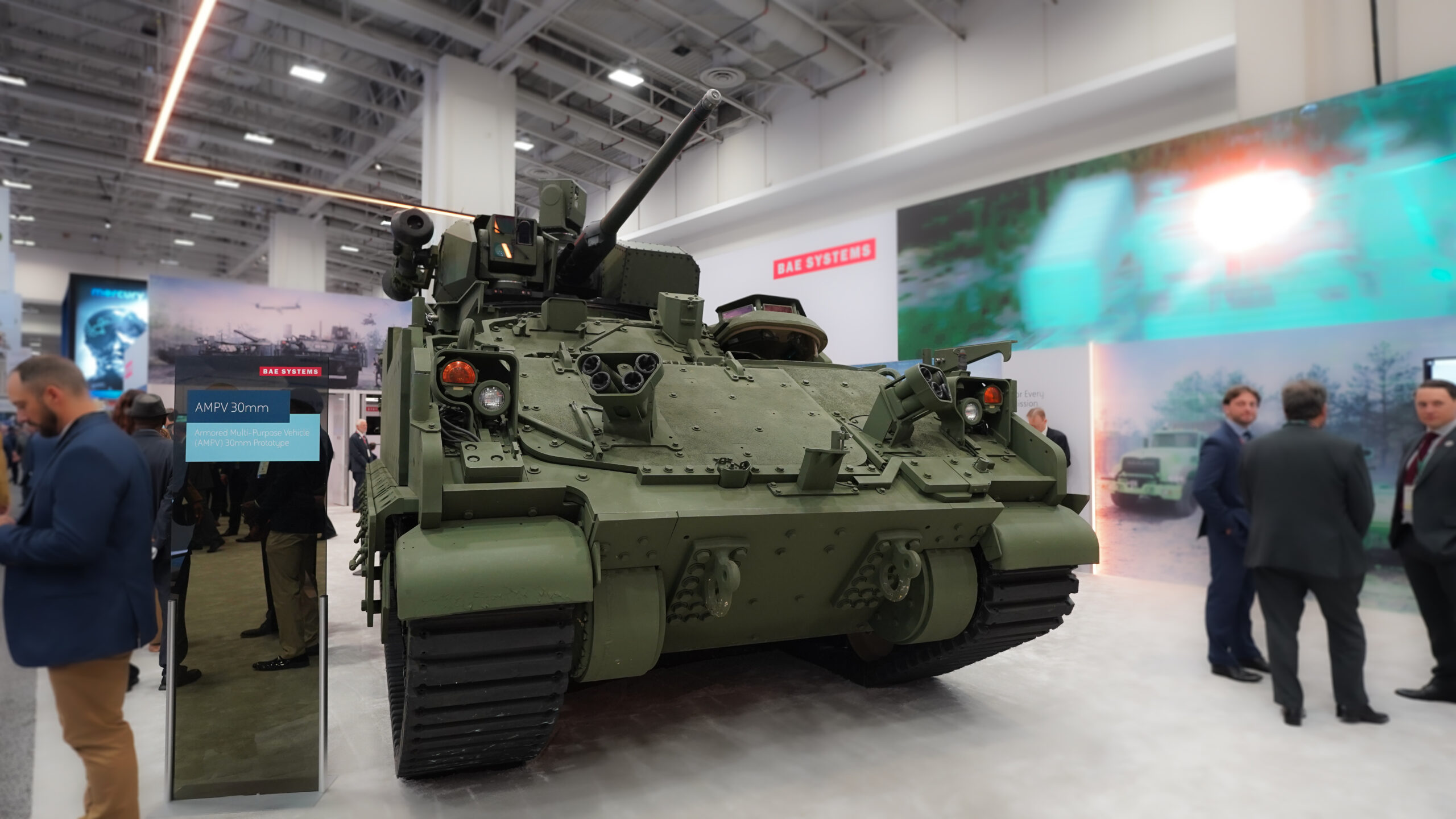
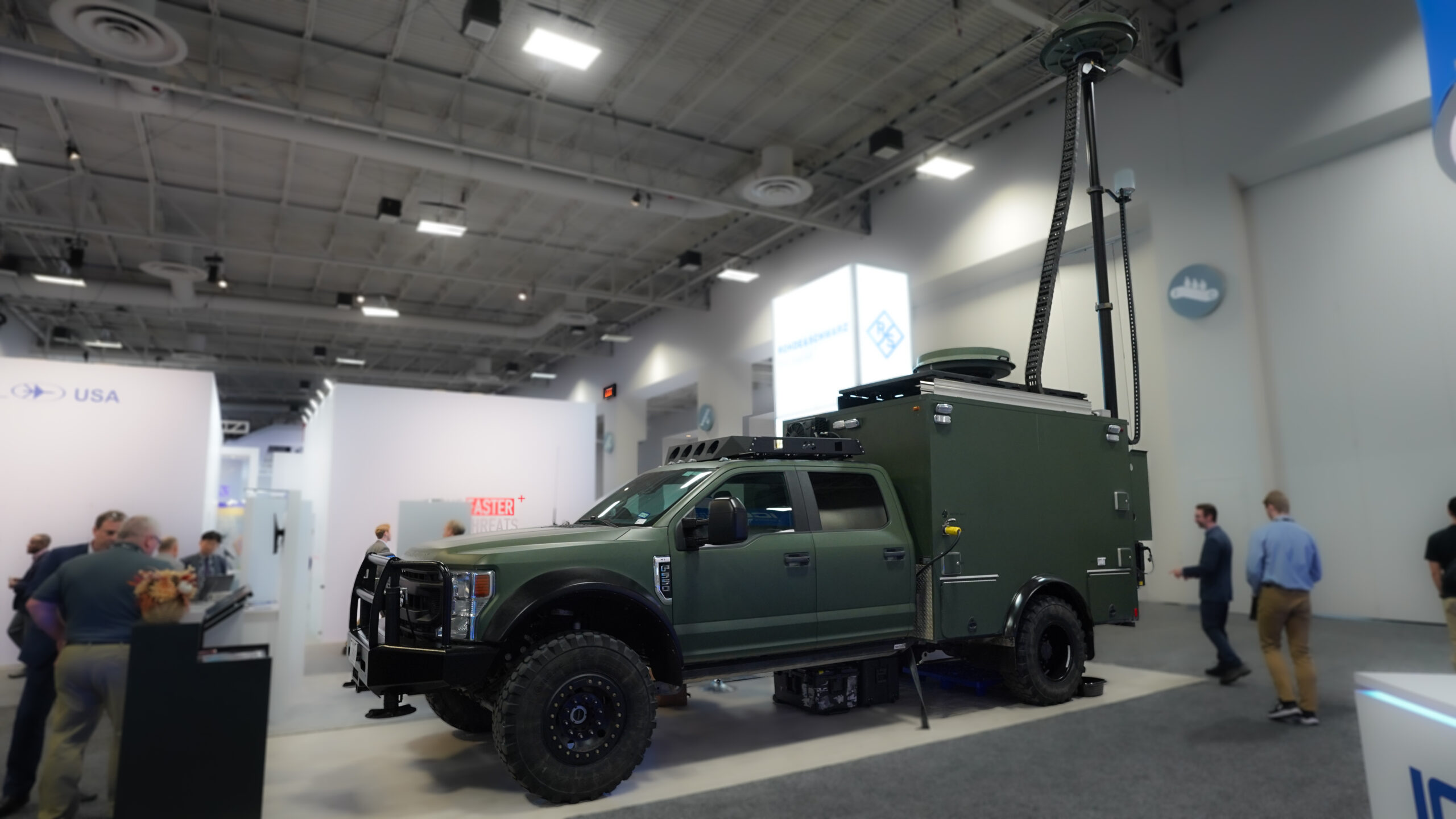
PHOTOS: AUSA 2024
 Gallery